Last updated: March 19, 2026
If there is one Japanese pantry item that has crossed from school lunchboxes into trendy avocado toast, smash-burger toppings, and viral TikTok salmon bowls, it is furikake. This crunchy, salty, gently sweet rice seasoning packs sesame, seaweed, dried fish, and a confetti of other flavor specks into a single shake of a jar. It is the ultimate cheat code for anyone who wants to turn plain rice, eggs, or roasted vegetables into something that tastes like it took twenty more minutes than it actually did.
This complete guide walks through what furikake is, how it became a staple in Japanese kitchens, the major styles you will find on store shelves, how to choose a good bottle, how to store it so it stays crisp, what to do when you cannot find any, five recipes that show off its range, the nutrition picture, and the questions readers ask most often. By the end you will know exactly why this little jar of seasoning has become one of the most searched Asian ingredients of 2026.
What Is Furikake?
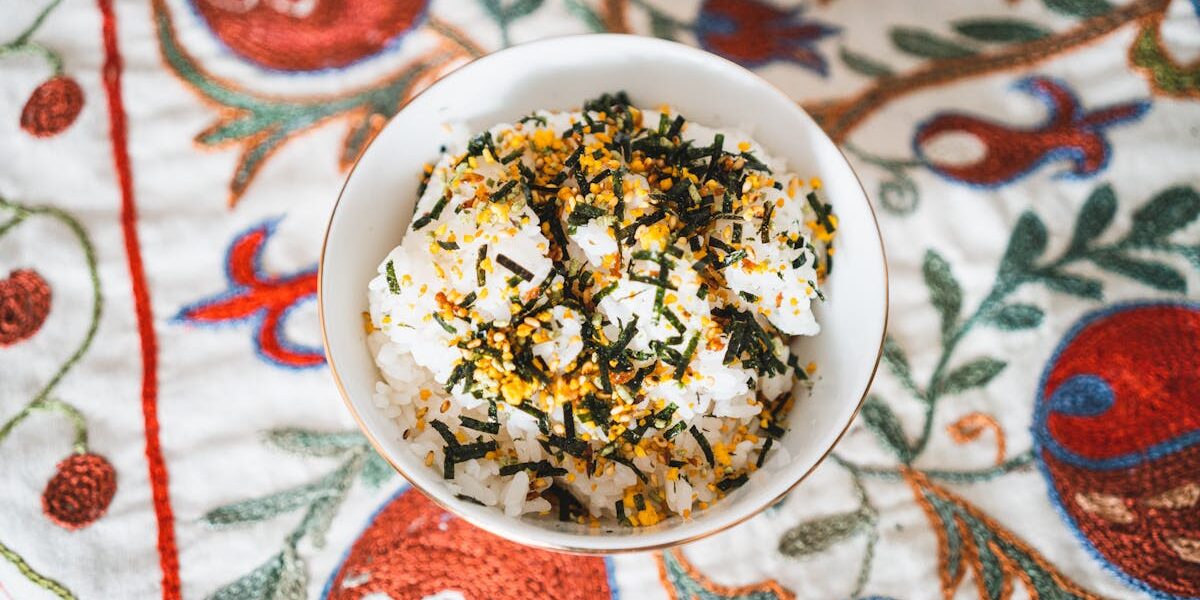
Furikake is a dry Japanese seasoning blend designed to be sprinkled over hot rice. The name comes from the verb furikakeru, which means ”to sprinkle over.” A typical blend layers toasted sesame seeds, shredded or flaked nori seaweed, salt, sugar, and dried bonito or other fish flakes, often with additional touches like shiso leaf, dried egg, freeze-dried vegetables, wasabi powder, plum, or crushed chili.
The texture is part of the point. Furikake is meant to deliver three things at once: a salty seasoning hit, a savory umami backbone, and a satisfying crunch against soft rice. Because the base is dry and shelf-stable, a jar lasts for months and works as a fast finishing touch when you do not want to cook another sauce. In Japan it is so common in school bentos and home meals that most supermarkets devote an entire aisle wall to it.
Outside Japan, furikake has become a darling of fusion cooking. Chefs sprinkle it on fries, eggs, popcorn, salads, roasted potatoes, smashed avocado, grilled corn, and even ice cream. Whatever you put it on, the formula is the same: a bite that is salty, toasted, briny, and crunchy in roughly that order.
History and Origin of Furikake
Furikake has a surprisingly modern origin story. Although Japanese cuisine has used sesame, salt, and seaweed as rice toppings for centuries, the bottled product we recognize today was created in the early twentieth century. A pharmacist named Suekichi Yoshimaru, working in Kumamoto in the 1910s, was concerned about widespread calcium deficiency in the Japanese diet. To address the problem he ground small fish bones into a fine powder and mixed them with sesame seeds, poppy seeds, and nori. He marketed the blend under the brand name Gohan no Tomo, meaning ”friend of rice,” and it is generally credited as the first commercial furikake.
Other companies quickly followed. Tanaka Foods began producing furikake in Fukuoka in the 1920s. During World War II and the lean years that followed, furikake became a vital way to deliver concentrated nutrition and seasoning over the simplest of meals, white rice. The Japanese government even included it in military rations because it was lightweight, shelf-stable, and made cold rice palatable.
By the postwar decades, furikake had moved into the school lunch system, where it remains a fixture today. The 1960s and 1970s saw an explosion of new flavors, including the still-popular Marumiya Noritama, an egg-and-nori blend that became as iconic in Japanese kitchens as ketchup is in American ones. The 1980s brought freeze-drying technology that opened the door to vegetable, salmon, and plum varieties that retained color and aroma far better than older blends.
The internet age has been kind to furikake. Recipe blogs, sushi restaurants, and Hawaiian-style chefs popularized it abroad in the 1990s and 2000s. By the 2020s, social media chefs were dusting it on everything from buttered toast to roasted chicken, and Western supermarkets began stocking it next to soy sauce and sriracha. Today it is one of the fastest-growing Asian pantry products in North America and Europe.
The Main Varieties of Furikake
Walk down the furikake aisle in a Japanese supermarket and you will find dozens of styles. Most fall into a few broad families, and learning to recognize them helps you pick the right jar for the dish you have in mind.
Nori Tama
The most popular style. Nori tama combines flakes of nori seaweed with crumbled dried egg, sesame, sugar, and salt. Bright yellow against the dark seaweed, it tastes mild, slightly sweet, and almost custardy when it hits hot rice. Marumiya’s Noritama is the household-name version and the one most kids in Japan grew up with.
Katsuo (Bonito)
Built on a heavy dose of dried bonito flakes, this style is deeply savory and smoky. It pairs the strongest umami of any furikake with sesame and nori. If you love dashi or katsuobushi, this is the variety to reach for. Bonito flakes form the backbone, so the flavor leans into the same dried-fish aroma you find in miso soup.
Shake (Salmon)
Pink flakes of freeze-dried or oven-dried salmon are blended with sesame and a little nori. Salmon furikake is rich, slightly oily, and one of the most popular flavors for onigiri rice balls and bento lunches. It is also a stealth way to get omega-3 fats into a quick meal.
Shiso and Yukari (Plum and Perilla)
These herbal styles use dried red shiso (perilla) leaves, often along with crushed pickled plum (umeboshi), to deliver a bright, tart, almost minty flavor. Yukari is the technical name for red shiso powder, and it can be used on its own as a single-ingredient seasoning or blended into furikake.
Wasabi Furikake
A spicier riff that includes wasabi powder along with sesame and nori. It carries a quick nose-prickle of heat that fades fast, making it a favorite for fresh fish bowls.
Vegetable and Vegan Blends
Many newer blends skip the fish altogether and rely on freeze-dried spinach, carrot, mushroom, edamame, or kale. Look for blends labeled shokubutsu or vegan if you want fish-free. Sea vegetables like wakame and aonori add umami in place of bonito.
Spicy and Modern Fusion
Brands now produce chili-laced furikakes built on togarashi, kimchi powder, yuzu kosho, or even truffle. These are designed less for traditional rice bowls and more for popcorn, fries, and viral salmon bites.
Furikake Varieties at a Glance
| Variety | Main Ingredients | Flavor Profile | Best With |
|---|---|---|---|
| Nori Tama | Nori, egg, sesame, sugar, salt | Mild, sweet-salty, kid-friendly | White rice, onigiri, lunch bento |
| Katsuo | Bonito flakes, nori, sesame | Deep umami, smoky, savory | Rice bowls, eggs, tofu, ramen toppings |
| Shake (Salmon) | Dried salmon, sesame, nori | Rich, oily, fishy in a good way | Onigiri, ochazuke, rice balls for bento |
| Shiso / Yukari | Red shiso, plum, salt | Bright, tart, herbal | Cucumber salad, plain rice, pasta |
| Wasabi | Wasabi powder, nori, sesame | Sharp, briefly hot | Salmon bowls, avocado, raw fish |
| Vegetable / Vegan | Wakame, carrot, sesame, salt | Mild, vegetal, ocean-y | Tofu, vegetable bowls, salad |
| Spicy / Fusion | Togarashi, chili, yuzu, sesame | Hot, citrusy, modern | Popcorn, fries, eggs, fusion bowls |
How to Buy Furikake
Furikake is widely available at Japanese, Korean, and Chinese supermarkets, at online Asian grocers, and increasingly at mainstream chains alongside soy sauce and miso. Quality varies more than you might expect, so it helps to know what to look for.
Check the Ingredient Order
Better brands list real, recognizable items first: nori, sesame, dried bonito, salt, sugar. Cheaper blends list MSG, salt, or maltodextrin near the top. Both can taste good, but if you want a clean, traditional product, prioritize jars with shorter ingredient lists.
Look at the Texture Through the Jar
You want clearly identifiable flakes, not dust. A jar that looks pulverized may be old or low quality. Visible green nori shards, golden sesame seeds, and pink or yellow specks are signs the blend has been treated with care.
Match the Style to Your Cooking
If you cook for kids or are new to furikake, start with a classic nori tama. If you love seafood and umami-rich dishes, katsuo or shake will be more rewarding. For spicy fusion projects, look for togarashi-based blends. Many cooks keep two or three jars at once so they can match the seasoning to the dish.
Pay Attention to the Package Type
Furikake comes in resealable plastic pouches, glass shakers, and individual single-serve packets sized for one bento. Glass shakers look great and pour cleanly. Foil pouches stay fresher longer because they block light. Single-serve packets are useful for travel and for testing new flavors without committing to a full jar.
Trusted Japanese Brands
Among traditional Japanese makers, Marumiya, Mishima, Nagatanien, Tanaka, and Urashima are widely respected. Mishima is particularly known for its Yukari shiso furikake and a popular vegetable blend. Hawaiian-style furikake brands such as Nori Komi from JFC are popular for popcorn and chex mix because they lean heavier on sweetness and saltiness.
How to Store Furikake
Furikake is shelf-stable, but it is not bulletproof. Because it contains seaweed, sesame oil from the seeds, and sometimes dried fish or egg, three things will degrade quality: humidity, light, and air. Treat it the way you treat ground spices.
- Keep it sealed. Always close the cap tightly after each use. If your furikake came in a pouch, transfer it to a glass jar with a tight gasket lid or a clip-top container.
- Store cool and dark. A pantry shelf away from the stove and out of direct sunlight is ideal. Heat dulls the aroma and makes sesame seeds go rancid faster.
- Watch the moisture. Never use a wet spoon. Even a dab of rice water can introduce mold or clump the blend into a brick. Sprinkle directly from the jar.
- Use within six months for peak flavor. Most jars carry a one-year best-by date, but the nori softens and the bonito loses zip after roughly six months. The product is still safe, just less interesting.
- Refrigerate fish-heavy or homemade blends. Salmon furikake and homemade versions with butter or oil belong in the refrigerator. The cold preserves color and keeps the oils from turning.
- Freeze for long storage. If you bought a giant pack on a Japanese grocery run, divide it into small jars and freeze the extras. Thaw on the counter for an hour before opening to avoid condensation.
The simplest signs that your furikake is past its prime are a soft, limp nori shred instead of crisp, a dusty rather than nutty sesame aroma, and any musty or fishy off-smell. When any of these show up, start over with a new jar.
Furikake Substitutes
If you run out of furikake or cannot find it locally, several pantry combinations come close. None will be an exact copy because furikake is a deliberate blend, but each delivers part of the same salty-savory-crunchy effect.
| Substitute | Ratio | Best For | Notes |
|---|---|---|---|
| Toasted sesame, crumbled nori, salt | 2 tbsp sesame, 1 sheet nori, 1/2 tsp salt | Rice bowls, eggs, salads | The closest DIY blend. Toast sesame in a dry pan for 1 minute first. |
| Gomashio (sesame and salt) | 1:1 with extra crumbled nori | Plain rice, avocado toast | Macrobiotic Japanese seasoning, simpler than furikake but in the same family. |
| Togarashi (shichimi seven-spice) | Pinch to taste | Noodle soups, popcorn, fries | Provides nori, sesame, chili, and citrus peel in one mix. Spicier than most furikake. |
| Everything bagel seasoning | 1:1 | Eggs, avocado toast, roast vegetables | Crunchy and salty, but lacks seaweed. Add crumbled nori if you have it. |
| Korean gim jaban | 1:1 | Rice bowls, kimbap | Korean toasted, oiled, salted seaweed crumble. Close cousin with more sesame oil flavor. |
| Aonori powder and sesame | 1 tsp aonori, 1 tbsp sesame | Okonomiyaki, takoyaki, simple rice | Aonori adds the seaweed aroma without the fish notes. |
| Crushed seaweed snacks and sesame seeds | 2 packs, 1 tbsp sesame | Quick rice bowls | Use unsalted or lightly salted roasted seaweed snacks. Crumble them by hand. |
For a homemade version that lasts weeks, toast 3 tablespoons of black sesame seeds with 3 tablespoons of white sesame seeds in a dry pan until fragrant, then mix with 2 crumbled sheets of nori, 1 tablespoon of bonito flakes, 1 teaspoon of salt, and 1 teaspoon of sugar. Cool fully before storing in a jar.
Recipe 1: Furikake Salmon Rice Bowl
This is the recipe that put furikake on social media and the easiest way to fall in love with the seasoning. The salmon roasts on a sheet pan while the rice cooks, then everything piles into a bowl with avocado and cucumber.
Serves 2. Active time 15 minutes. Total time 30 minutes.
- 2 salmon fillets, about 6 oz each, skinless
- 1 tablespoon soy sauce
- 1 tablespoon honey or mirin
- 2 teaspoons toasted sesame oil
- 2 generous teaspoons furikake, plus more for finishing
- 2 cups cooked short-grain rice, warm
- 1 avocado, sliced
- 1/2 Persian cucumber, thinly sliced
- 1 tablespoon mayonnaise mixed with 1 teaspoon sriracha
Heat the oven to 425 F. Pat the salmon dry and place it on a parchment-lined sheet pan. Whisk the soy, honey, and sesame oil and brush it over the fish. Sprinkle 1 teaspoon of furikake on each fillet. Roast for 10 to 12 minutes, until the salmon flakes easily. Divide the warm rice between two bowls. Flake the salmon and place it on top. Add avocado and cucumber, drizzle with the spicy mayo, and shower with more furikake. A favorite variation swaps one of the bowls for an onigiri rice ball stuffed with the salmon mixture.
Recipe 2: Furikake Popcorn
Furikake popcorn is Hawaii’s most famous fusion snack and possibly the gateway to keeping a jar of furikake on the counter at all times. The trick is butter, which carries the nori and sesame and helps everything stick.
Serves 4. Active time 10 minutes. Total time 10 minutes.
- 1/3 cup popcorn kernels, popped in 2 tablespoons neutral oil, or 10 cups freshly popped
- 3 tablespoons unsalted butter
- 1 tablespoon mirin or honey
- 1 teaspoon soy sauce
- 2 to 3 tablespoons furikake (nori tama works beautifully here)
- 1/2 teaspoon flaky sea salt, optional
Pop the corn and tip it into a wide bowl. Melt the butter in a small saucepan with the mirin and soy sauce. Drizzle the butter over the popcorn, tossing as you go so the kernels coat evenly. Shower with furikake while the popcorn is still hot and humid, which makes the seasoning cling. Toss once more and taste before adding any flaky salt.
Recipe 3: Furikake Roasted Potatoes
Forget regular chip seasoning. Furikake on a tray of crackling roasted potatoes is one of the best side dishes you can make on a weeknight. The starch grabs the seaweed and sesame and turns every bite into something that tastes like a really good karaage shop.
Serves 4. Active time 10 minutes. Total time 45 minutes.
- 2 pounds baby Yukon Gold or small red potatoes, halved
- 3 tablespoons neutral oil
- 1 teaspoon kosher salt
- 1/2 teaspoon garlic powder
- 3 tablespoons furikake (katsuo is excellent here)
- 2 tablespoons chopped scallion greens
- Lemon wedges for serving
Heat the oven to 450 F. Toss the potatoes with oil, salt, and garlic powder on a sheet pan, then arrange them cut-side down. Roast for 30 to 35 minutes, until deeply browned on the bottoms and tender inside. Tip the hot potatoes into a wide bowl and shower with furikake and scallion. Toss gently and serve with lemon wedges.
Recipe 4: Furikake Onigiri
Furikake is the easiest possible filling and topping for onigiri because it requires no cooking at all. Mix it straight into warm rice and shape into the classic triangle.
Makes 6 onigiri. Active time 20 minutes. Total time 20 minutes, plus rice cooking.
- 2 cups cooked short-grain Japanese rice, still warm
- 3 tablespoons furikake, divided
- 1/2 teaspoon fine sea salt
- Wide strips of nori for wrapping, cut from 2 full sheets
- Optional fillings: flaked salmon, umeboshi, or tuna mixed with mayo
Stir 2 tablespoons of furikake into the warm rice. Wet your hands and rub them with a pinch of salt to season and prevent sticking. Scoop a heaped 1/3 cup of rice into one palm. If you are using a filling, push a small well into the center, add 1 teaspoon of filling, and seal the rice over it. Press the rice into a triangle by cupping your hands. Roll the edges in the remaining furikake. Wrap a strip of nori around the bottom edge so it stays crisp. Eat within a few hours for the best texture. The shaping technique is identical to the one explained in our onigiri shaping guide.
Recipe 5: Furikake Soft-Scrambled Eggs on Toast
Furikake transforms a normal scramble into something that tastes like brunch at a Tokyo cafe. The seaweed adds umami the way bacon does, but in 30 seconds instead of 10 minutes.
Serves 2. Active time 10 minutes. Total time 10 minutes.
- 4 large eggs
- 1 tablespoon whole milk or cream
- 1 tablespoon unsalted butter
- Pinch of salt
- 2 slices country bread, toasted
- 2 teaspoons soft butter for the toast
- 2 generous teaspoons furikake
- Optional: a few drops of toasted sesame oil
Whisk eggs, milk, and salt. Melt butter in a small nonstick pan over medium-low heat. Pour in the eggs and stir gently with a silicone spatula, pulling curds from the edges into the middle. When the eggs are still glossy and slightly underdone, remove the pan from the heat. Butter the toast, pile the eggs on top, and shower with furikake. Drizzle with sesame oil if using.
More Ways to Use Furikake
Once a jar is in the pantry, the trick is using it before it loses its punch. A few more ideas, no recipe required:
- Sprinkle over plain steamed rice for an instant lunch.
- Mix into mayonnaise as a quick dip for fries or as a sandwich spread.
- Top sliced cucumbers, radish, or watermelon with a pinch as a snack.
- Dust over deviled eggs in place of paprika.
- Add to fried rice just before serving as a finishing seasoning.
- Stir into hot udon or soba broth for a five-second flavor lift.
- Crust a piece of seared tuna in furikake before slicing.
- Mix into softened butter and toss with hot pasta.
- Shake over roasted edamame, chickpeas, or nuts before they cool.
- Use as a finishing salt on grilled corn brushed with mayo.
Nutritional Benefits of Furikake
Furikake is a seasoning, so portions are small, but that small amount delivers more nutrition than most condiments. A typical 1 to 2 teaspoon serving contains around 10 to 25 calories, depending on the blend, and provides minerals from seaweed, healthy fats from sesame, and a modest dose of protein from fish or egg.
Iodine and Trace Minerals
The seaweed in furikake, usually nori or wakame, contributes iodine, which supports thyroid function. Seaweed is also a source of magnesium, iron, and calcium. Although you are not eating large amounts in a sprinkle, regular use of seaweed-containing seasonings can meaningfully contribute to your weekly intake.
Healthy Fats from Sesame
Sesame seeds are rich in unsaturated fats, including small amounts of omega-6, and they contain lignans linked to cholesterol management. They also bring calcium and magnesium. The toasted aroma you taste in good furikake comes from the natural oils releasing as the seeds heat up.
Protein from Fish or Egg
Bonito flakes, dried salmon, and dried egg deliver concentrated protein in a small package. They also bring a dose of B vitamins and selenium. Vegan furikake skips this, but it usually compensates with a wider mix of vegetable flakes.
Watch the Sodium
The one thing to monitor is salt. Most furikake blends carry 150 to 300 mg of sodium per teaspoon. That is moderate, but it adds up if you season heavily. If you are watching blood pressure, choose lower-sodium blends or use furikake as a replacement for salt rather than in addition to it.
Allergens to Note
Common allergens in furikake include fish, sesame, soy from the seasonings, and egg. Some imported brands may contain MSG and shellfish derivatives. People with sesame allergies should read labels carefully because sesame is now a top-nine allergen in the United States.
Furikake in Japanese Food Culture
To understand how deep furikake runs in Japan, look in any school cafeteria. Single-serve packets sit beside the rice tray so children can shake their preferred flavor over lunch. Convenience stores sell rice balls already mixed with furikake at the counter. Bento shops use it both as filling and decoration. The 7-Eleven near a Tokyo train station typically stocks five or six different brands as a basic pantry item, the way an American convenience store stocks pretzels and chips.
In Hawaiian cuisine, where Japanese plantation workers shaped much of the modern local diet, furikake migrated onto chex mix, ahi poke, and the islands’ famously addictive furikake-coated chicken wings and salmon. It has been a quiet engine of Pacific fusion cooking for a century. More recently, mainland US restaurants from California to New York have used furikake on burgers, fries, and even cocktails, where rims of sesame and seaweed mix with citrus salt.
Furikake also has a quietly emotional role. For many Japanese families, the smell of nori tama hitting hot rice is the smell of a school morning. Companies have built nostalgia campaigns around the same yellow Marumiya box for half a century. It is hard to think of another seasoning that operates simultaneously as a daily staple, a comfort flavor, and a hip restaurant garnish.
How to Make Furikake at Home
Making furikake at home costs less than buying it and lets you tailor the salt level and umami to your taste. The basic recipe takes 10 minutes.
- 3 sheets nori, toasted briefly over a flame until crisp
- 3 tablespoons white sesame seeds
- 1 tablespoon black sesame seeds
- 2 tablespoons bonito flakes (optional, omit for vegan)
- 1 teaspoon sugar
- 1 teaspoon kosher salt
- 1 teaspoon soy sauce
Crumble the toasted nori into small flakes with your fingers. Toast the sesame seeds in a dry skillet over medium heat for 60 to 90 seconds until they begin to pop and smell nutty. In a small bowl combine all ingredients. Spread the mix on a parchment-lined sheet pan, drizzle with the soy sauce, and toast in a 300 F oven for 8 minutes, stirring once. Cool completely and store in a sealed jar. The same idea of toasting whole spices to wake them up appears in our tadka tempering guide and chili oil guide, both of which build flavor through brief heat and aromatic oil contact.
Common Mistakes With Furikake
Furikake looks foolproof, but a few small errors hold back even seasoned home cooks.
- Adding it too early. Furikake belongs on top of finished food, not stirred into a hot pan. Heat collapses the nori and dulls the sesame.
- Treating it like soup base. Furikake is dry and concentrated, not a broth ingredient. If you want fish-and-seaweed flavor in a soup, use dashi instead.
- Pouring on cold rice. The flakes need a little warmth and moisture to release their aroma. A hot bowl of rice is part of the experience.
- Using too much. The blend is salty. Start with a teaspoon and add more once you have tasted.
- Storing it on the stove rail. A jar that sits near the burner will go stale within weeks. Move it back into the pantry.
- Forgetting it exists. A jar that lives at the back of a cabinet for a year will lose most of its punch. Keep it visible so you actually reach for it.
Frequently Asked Questions
Is furikake the same as nori komi?
Nori komi is a specific style of furikake heavy on nori, sesame, and salt with little or no egg or fish. It is the version most popular in Hawaii and the easiest to use as a snack seasoning. All nori komi is furikake, but not all furikake is nori komi.
Is furikake gluten-free?
Most furikake contains soy sauce as a seasoning, which means it usually contains wheat. Some brands now produce gluten-free versions made with tamari. Read the label carefully if you have celiac disease.
Is furikake vegan?
Traditional furikake typically contains bonito flakes, dried fish, or dried egg, so it is not vegan. Vegetable-based and shiso furikake blends are usually vegan, but check for hidden bonito powder. Look for the word shokubutsu, which means plant-based in Japanese.
Can I use furikake instead of salt?
In many dishes, yes. Furikake is salty on its own, so substituting it for a final pinch of salt works well on eggs, rice, salads, and roasted vegetables. Use it as a final finishing touch instead of stirring it in early.
What does furikake taste like?
It tastes salty, toasty, and oceanic, with a sesame-forward nuttiness and a brisk hit of umami from seaweed. Variations layer sweetness, smokiness, citrus, or chili on top of that backbone.
How long does an open jar of furikake last?
An open jar stored in a cool, dark pantry stays at its best for around six months. It will remain safe to eat for at least a year, but the seaweed becomes less crisp and the aroma fades.
Can I put furikake in soup?
Yes, but add it at the table rather than into the simmering pot. Furikake softens quickly in liquid and loses its texture. A spoonful on top of a finished bowl of shoyu ramen or rice porridge works beautifully.
Is furikake healthy?
Furikake is healthier than most condiments because it delivers small amounts of iodine, minerals, sesame fats, and protein. It is salty, so moderation matters. As a replacement for salt or processed seasoning packets, it is a clear upgrade.
What is the most popular flavor of furikake?
In Japan, Marumiya’s nori tama remains the best-selling flavor by a wide margin. In Hawaii and the mainland US, plainer nori komi blends dominate because they suit popcorn and snack uses. Salmon and katsuo are the most popular runners-up.
Can children eat furikake?
Furikake is a staple of Japanese kids’ lunches and is generally fine for children. Pick mild blends like nori tama and watch the sodium for very young children. Be aware of sesame, fish, and egg allergens.
The Bottom Line on Furikake
Furikake is one of those rare ingredients that earns the precious shelf real estate it claims. One jar transforms plain rice into a meal, turns scrambled eggs into restaurant food, and gives you a built-in answer to the eternal question of what to put on roasted vegetables. It carries a century of Japanese kitchen tradition while remaining one of the most adaptable seasonings in modern fusion cooking.
Start with a classic nori tama or salmon blend, work it into a few of the recipes above, and you will quickly understand why furikake searches keep climbing year after year. Whether you treat it as a finishing salt, a snack seasoning, or the headliner on a salmon bowl, the formula is the same: a little sprinkle, a big upgrade, and a new favorite shake in your spice drawer.

Mei Lin Chen
Mei Lin Chen is an Asian food writer and recipe developer. Melbourne-raised and London-based, she has spent over a decade exploring the rice paddies, hawker stalls, and home kitchens of South-East and East Asia. Her recipes balance traditional technique with everyday practicality.