Last updated: March 06, 2026
Chow mein is one of those dishes that proves the best weeknight dinners come together in under 30 minutes. Crispy, savory, and endlessly customizable, this Chinese stir-fried noodle dish has earned its place as a staple in kitchens around the world. Whether you grew up ordering it from your neighborhood takeout spot or discovered it through a love of Chinese cooking, making chow mein at home delivers results that are fresher, more flavorful, and surprisingly easy.
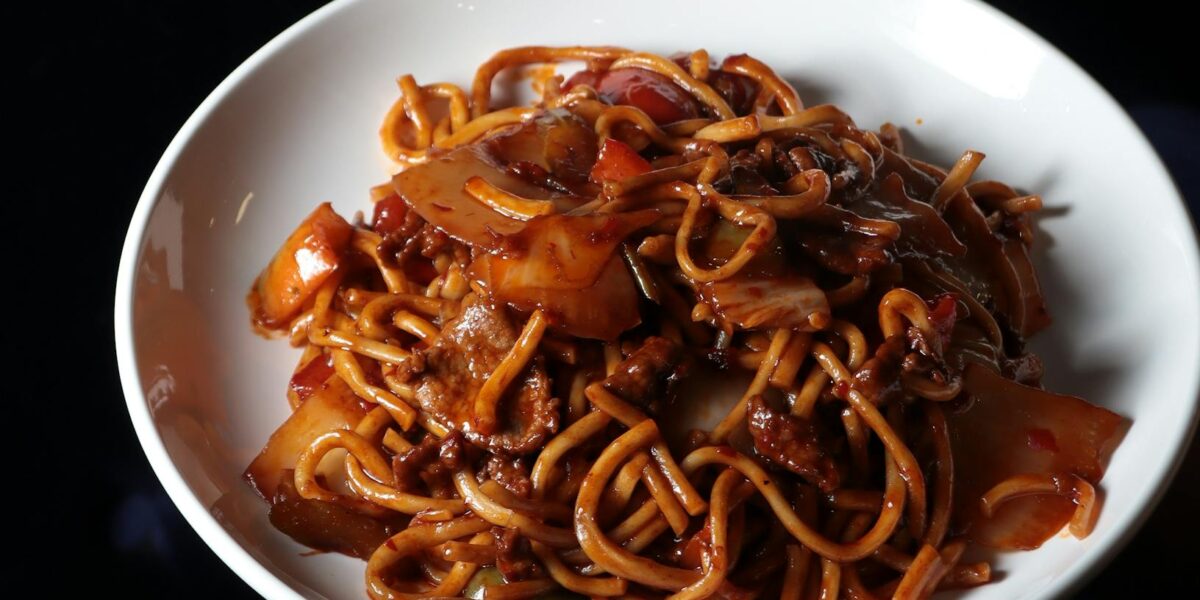
This recipe walks you through an authentic chicken chow mein from start to finish, with crispy pan-fried noodles, tender vegetables, and a savory sauce that coats every strand. We will cover the key techniques that separate a great chow mein from a soggy one, including how to get those perfectly charred noodles with a hint of wok hei.
What Is Chow Mein?
Chow mein (炒麵, chǎo miàn) literally translates to ”stir-fried noodles” in Cantonese. It is one of the most iconic dishes in Chinese cuisine, originating from the Cantonese and Taishanese cooking traditions of southern China. The dish traveled to the United States with Chinese immigrants in the 19th century and quickly became a cornerstone of Chinese-American restaurant culture.
At its core, chow mein is simple: wheat noodles stir-fried at high heat with protein, vegetables, and a savory sauce. But within that simplicity lies enormous variation. In China, chow mein can be soft and saucy or dry and crispy. In Hong Kong, the noodles are often pressed into a flat cake and pan-fried until golden and shatteringly crisp before being topped with a glossy gravy. American-Chinese chow mein varies by region — in some parts of the US, it is served with crispy fried noodles, while in others, it features soft stir-fried noodles loaded with vegetables.
The version we are making today is the classic stir-fried style: noodles cooked until slightly crispy on the outside but still chewy within, tossed with chicken, crunchy vegetables, and a balanced sauce built on soy sauce, oyster sauce, and sesame oil.
Chow Mein vs. Lo Mein: What Is the Difference?
This is one of the most common questions in Chinese-American cooking, and it is worth clearing up before we get into the recipe. Both dishes use wheat egg noodles, but the cooking method is what sets them apart.
Chow mein (炒麵) means ”stir-fried noodles.” The noodles are cooked, then fried in a hot wok or skillet, giving them a slightly crispy, charred texture. The sauce is usually lighter and the noodles take center stage. If you want to learn more about this stir-frying technique, our guide to Asian cooking techniques covers the fundamentals.
Lo mein (撈麵) means ”tossed noodles.” The boiled noodles are tossed with sauce and ingredients without the high-heat frying step. The result is softer, saucier noodles. You can find our full lo mein recipe if that is the style you prefer.
Here is a quick comparison:
| Feature | Chow Mein | Lo Mein |
|---|---|---|
| Cooking method | Stir-fried at high heat | Tossed/mixed with sauce |
| Noodle texture | Slightly crispy, charred edges | Soft and chewy |
| Sauce amount | Light coating | More saucy |
| Oil used | More oil for frying | Less oil |
| Best for | Textural contrast | Comfort food, saucier flavor |
Ingredients for Chow Mein
One of the best things about chow mein is its flexibility. Here is what you need for this chicken chow mein recipe, serving 4 people:
Noodles
- 12 oz (340g) fresh chow mein noodles or thin egg noodles — Look for fresh Hong Kong-style egg noodles in the refrigerated section of your Asian grocery store. If you cannot find fresh, dried thin egg noodles (sometimes labeled ”chow mein noodles” or ”pancit canton”) work well too. Avoid the crunchy fried chow mein noodles sold in cans — those are a different product entirely. Check our guide to Asian noodles for more options.
Protein
- 8 oz (225g) boneless, skinless chicken breast or thigh, sliced into thin strips — Thigh is juicier and more forgiving, but breast works fine if sliced thin. For the most tender results, you can velvet the chicken before stir-frying.
Chicken Marinade
- 1 tablespoon light soy sauce
- 1 teaspoon cornstarch
- 1 teaspoon Shaoxing wine (or dry sherry)
- 1/2 teaspoon sesame oil
Vegetables
- 2 cups (150g) bean sprouts
- 1 medium carrot, julienned
- 2 stalks celery, sliced diagonally
- 1 cup (75g) napa cabbage, shredded
- 3 green onions (scallions), cut into 2-inch pieces
- 2 cloves garlic, minced
- 1-inch piece fresh ginger, minced
Chow Mein Sauce
- 2 tablespoons light soy sauce
- 1 tablespoon dark soy sauce — This is for color more than saltiness. It gives the noodles that deep, appetizing brown hue.
- 1 tablespoon oyster sauce — Adds savory depth. See our guide to oyster sauce and substitutes if you need an alternative.
- 1 teaspoon sesame oil
- 1 teaspoon sugar
- 2 tablespoons Shaoxing wine (or dry sherry)
- 1 tablespoon water
For Cooking
- 3 tablespoons vegetable oil (or peanut oil), divided
- White pepper to taste
Essential Equipment
You do not need a restaurant kitchen to make great chow mein, but having the right tools makes a noticeable difference:
- A wok or large skillet — A well-seasoned carbon steel wok is ideal. The curved shape gives you space to toss noodles without them flying out. If you are shopping for one, our best wok guide covers what to look for. And if your wok is new, follow our guide on how to season a wok before you start cooking.
- Wok spatula or long tongs — You need something to toss and flip the noodles quickly.
- A large pot — For boiling the noodles.
- A colander — For draining.
How to Make Chow Mein: Step-by-Step Instructions
Step 1: Marinate the Chicken (10 minutes)
Slice the chicken into thin strips, about 1/4 inch thick and 2 inches long. In a bowl, combine the chicken with the light soy sauce, cornstarch, Shaoxing wine, and sesame oil. Mix well and let it sit for at least 10 minutes while you prepare everything else. The cornstarch creates a light coating that keeps the chicken silky and tender during stir-frying.
Step 2: Prepare the Sauce
In a small bowl, whisk together the light soy sauce, dark soy sauce, oyster sauce, sesame oil, sugar, Shaoxing wine, and water. Set aside. Having the sauce pre-mixed is essential because once you start stir-frying, everything moves fast.
Step 3: Cook the Noodles
Bring a large pot of water to a rolling boil. If using fresh noodles, cook for 1 to 2 minutes — they should be just barely tender, still slightly firm in the center. If using dried noodles, follow the package instructions but reduce the cooking time by about 1 minute. You want the noodles slightly underdone because they will finish cooking in the wok.
Drain the noodles immediately and rinse under cold running water to stop the cooking and remove excess starch. Toss the noodles with about 1 teaspoon of vegetable oil to prevent sticking. Spread them out on a plate or sheet pan if possible — this helps them dry slightly, which is key to achieving crispy edges in the wok.
Step 4: Stir-Fry the Chicken
Heat your wok over high heat until it begins to smoke lightly. Add 1 tablespoon of vegetable oil and swirl to coat. Add the marinated chicken strips in a single layer. Let them sear undisturbed for about 45 seconds to 1 minute until the bottom turns golden. Flip and cook the other side for another 30 to 45 seconds. The chicken does not need to be fully cooked through at this stage — it will finish cooking later. Transfer the chicken to a plate and set aside.
Step 5: Stir-Fry the Vegetables
Return the wok to high heat. Add another tablespoon of oil. Add the garlic and ginger first — stir for about 15 seconds until fragrant. Then add the carrots and celery (the harder vegetables that need more time). Stir-fry for 1 to 2 minutes. Add the napa cabbage and cook for another minute until it begins to wilt but still has crunch. Transfer the vegetables to the plate with the chicken.
Step 6: Fry the Noodles (The Most Important Step)
This is where chow mein gets its character. Return the wok to high heat and add the remaining tablespoon of oil. Once the oil shimmers and just begins to smoke, spread the drained noodles in an even layer across the wok. Here is the critical part: do not touch them for 1 to 2 minutes. Let the bottom layer of noodles get golden and slightly crispy. Then flip sections of the noodles and let the other side crisp up for another minute.
This undisturbed frying is what gives chow mein its signature texture — a mix of crispy, slightly charred noodles with softer, chewy strands throughout. If you keep stirring constantly, you will end up with lo mein instead.
Step 7: Combine Everything
Return the chicken and vegetables to the wok with the noodles. Pour the sauce mixture over everything. Toss vigorously with your wok spatula or tongs, lifting and folding the noodles to coat them evenly. Add the bean sprouts and green onions now — they only need about 30 seconds of heat to soften slightly while retaining their crunch.
Continue tossing for another 30 seconds to 1 minute until the sauce is fully absorbed and the noodles have that glossy, lightly caramelized appearance. Finish with a pinch of white pepper.
Step 8: Serve Immediately
Transfer to plates and serve right away. Chow mein is at its best when the noodles still have that contrast between crispy and soft. Waiting too long will cause the noodles to steam and soften from residual heat.
Tips for the Best Chow Mein
After making this recipe dozens of times, here are the techniques that make the biggest difference:
Use the highest heat your stove can produce. Restaurant chow mein gets its flavor from wok hei — the breath of the wok. Home burners cannot fully replicate a 100,000+ BTU restaurant burner, but cooking in smaller batches and letting the wok get properly hot before adding food gets you closer. Read our full guide to wok hei for more tips.
Do not overcook the noodles. This is the single most common mistake. Overcooked noodles turn mushy and cannot develop any crispiness in the wok. Pull them out while they are still slightly chewy — they will soften further during stir-frying.
Dry the noodles before frying. Excess moisture is the enemy of crispy chow mein. After draining and rinsing, spread the noodles out and let them air-dry for a few minutes. The drier the noodles, the better they will fry.
Do not overcrowd the wok. If your wok is small, cook in batches. Overcrowding drops the temperature and steams the food instead of frying it. This applies to both the chicken and the noodles.
Use dark soy sauce for color. Dark soy sauce is thicker and less salty than light soy sauce. Its job here is to give the noodles that deep, appetizing brown color that makes chow mein look restaurant-quality. If you only have light soy sauce, the dish will taste fine but will look pale. Learn more in our complete guide to soy sauce.
Add bean sprouts last. Bean sprouts cook in seconds. Adding them too early makes them limp and watery, which will make the entire dish soggy.
Chow Mein Variations
Once you have mastered the basic technique, chow mein becomes a template for endless variations. Here are the most popular ones:
Beef Chow Mein
Replace the chicken with 8 oz of flank steak, sliced against the grain into thin strips. Marinate the same way. Flank steak or sirloin work best because they stay tender when stir-fried quickly. If you enjoy beef stir-fries, you might also like our beef stir fry recipe.
Shrimp Chow Mein
Use 12 oz of large shrimp (peeled and deveined). Skip the marinade — just season with a pinch of salt and white pepper. Shrimp cook even faster than chicken, so sear them for about 30 seconds per side and remove immediately. Our shrimp stir fry recipe uses similar techniques.
Vegetable Chow Mein
Skip the protein entirely and load up on vegetables. Add mushrooms (shiitake or king oyster work beautifully), snap peas, baby corn, bell peppers, and broccoli florets. Use vegetarian oyster sauce (mushroom-based) to keep it plant-based.
Hong Kong-Style Crispy Chow Mein
This is the most dramatic variation. Press the cooked noodles into a flat cake in an oiled skillet and pan-fry both sides until golden and crispy — about 4 minutes per side. Place the crispy noodle cake on a plate and top with a saucy stir-fry of chicken and vegetables thickened with cornstarch. The contrast between the crunchy noodle base and the saucy topping is extraordinary.
Spicy Chow Mein
Add 1 to 2 teaspoons of chili garlic sauce or sambal oelek to the sauce mixture. You can also add dried red chilies to the oil before stir-frying the aromatics, or drizzle with sriracha at the table.
Choosing the Right Noodles for Chow Mein
The noodle you choose has a significant impact on the final dish. Here is a breakdown of the best options:
| Noodle Type | Texture | Best For | Where to Find |
|---|---|---|---|
| Fresh Hong Kong egg noodles (thin) | Springy, slightly chewy | Classic stir-fried chow mein | Refrigerated section of Asian grocery stores |
| Fresh Hong Kong egg noodles (wide) | Chewy, more substantial | Hong Kong-style crispy chow mein | Refrigerated section of Asian grocery stores |
| Dried thin egg noodles | Firm, slightly crispy when fried | Everyday chow mein, pantry-friendly | Asian grocery stores, some supermarkets |
| Yakisoba noodles | Soft, slightly chewy | Quick weeknight chow mein | Refrigerated section, most supermarkets |
| Dried ramen noodles (without seasoning) | Wavy, good crispiness | Budget-friendly option in a pinch | Any supermarket |
| Spaghetti or linguine | Firmer, less chewy | Emergency substitute only | Any supermarket |
Our top recommendation is fresh thin Hong Kong-style egg noodles. They have the right balance of chewiness and the ability to crisp up in a hot wok. If you cannot find them, dried thin egg noodles are a reliable substitute available at most Asian grocery stores.
The Chow Mein Sauce Explained
A good chow mein sauce should hit multiple flavor notes: savory, slightly sweet, and with enough depth to complement the noodles without drowning them. Here is what each ingredient does:
Light soy sauce provides the base saltiness and umami. This is your primary seasoning. Use a Chinese-style light soy sauce — it is thinner and saltier than Japanese soy sauce.
Dark soy sauce adds color and a hint of molasses-like sweetness. It is thick and deeply colored. A little goes a long way — too much will make the noodles overly dark and slightly bitter.
Oyster sauce contributes a rich, savory sweetness that rounds out the sauce. It is one of the secret ingredients that separates homemade chow mein from restaurant-quality.
Sesame oil is added for its nutty aroma. Use toasted sesame oil, not the light variety — the toasted version has a much more pronounced flavor. A small amount at the end adds fragrance without greasiness.
Shaoxing wine adds complexity and helps deglaze the wok, lifting any caramelized bits from the surface. Dry sherry is the best substitute if you cannot find Shaoxing wine.
Sugar balances the saltiness of the soy sauces and rounds out the overall flavor profile. Just a teaspoon is enough.
A Brief History of Chow Mein
Chow mein has a fascinating history that spans continents. The dish originated in southern China, particularly in the Guangdong province and the Taishan region, where stir-fried noodles were a daily staple. When Chinese immigrants, many from Taishan, arrived in the United States during the mid-1800s to work on the transcontinental railroad and in gold rush towns, they brought their food traditions with them.
By the early 1900s, chow mein had become one of the most recognizable Chinese dishes in America. It adapted to local tastes and available ingredients — the American-Chinese version often featured heavier sauces, more vegetables like celery and bean sprouts, and was sometimes served over crispy fried noodles rather than stir-fried ones.
In the mid-20th century, chow mein became so popular that it was sold in cans (La Choy and Chun King were household names). While these products bore little resemblance to the original dish, they introduced millions of Americans to Chinese flavors for the first time.
Today, chow mein exists in countless regional variations. In India, Hakka noodles (a variation of chow mein) are a beloved street food. In the Caribbean, Chinese-Trinidadian chow mein features local seasonings. In Peru, chifa restaurants serve tallarin saltado, a chow mein-inspired dish. Each adaptation tells a story of migration and culinary creativity. For more on the breadth of Chinese recipes, explore our full collection.
Nutritional Information
Here is the approximate nutritional breakdown per serving (recipe makes 4 servings):
| Nutrient | Amount per Serving |
|---|---|
| Calories | 420 kcal |
| Total Fat | 14g |
| Saturated Fat | 2g |
| Cholesterol | 65mg |
| Sodium | 980mg |
| Total Carbohydrates | 50g |
| Dietary Fiber | 3g |
| Total Sugars | 5g |
| Protein | 22g |
| Iron | 3mg (17% DV) |
| Vitamin A | 120mcg RAE (13% DV) |
| Vitamin C | 12mg (13% DV) |
Nutritional values are estimates based on standard ingredient databases. Actual values may vary depending on specific ingredients and portion sizes.
Storage and Reheating Tips
Chow mein is best eaten fresh, but it stores and reheats better than most noodle dishes if you follow a few guidelines:
Refrigerator storage: Transfer leftover chow mein to an airtight container. It will keep for 3 to 4 days in the refrigerator. The noodles will lose their crispiness, but the flavor remains excellent.
Freezer storage: Chow mein freezes reasonably well for up to 2 months. Let it cool completely, then transfer to a freezer-safe container or zip-top bag with the air pressed out. Thaw in the refrigerator overnight before reheating.
Reheating in a wok or skillet (best method): Heat a tablespoon of oil in a wok or large skillet over high heat. Add the chow mein and spread it in an even layer. Let it sit for 1 to 2 minutes to re-crisp the bottom, then toss and repeat. This method restores some of the original texture. Add a splash of soy sauce or water if the noodles seem dry.
Reheating in the microwave: Place the chow mein on a microwave-safe plate, sprinkle with a tablespoon of water to prevent drying, cover loosely, and heat in 1-minute intervals, stirring between each. The noodles will be soft but flavorful.
Avoid reheating more than once. Each reheating cycle degrades the texture of the noodles and the crunch of the vegetables.
Frequently Asked Questions
What kind of noodles should I use for chow mein?
Fresh thin Hong Kong-style egg noodles are the gold standard. They are available in the refrigerated section of Asian grocery stores. If you cannot find fresh, dried thin egg noodles labeled ”chow mein noodles” are a great substitute. In a pinch, yakisoba noodles (found in most supermarkets) or even plain spaghetti cooked al dente will work, though the texture will be slightly different.
Can I make chow mein without a wok?
Yes. A large (12-inch or bigger) heavy-bottomed skillet, preferably cast iron, is your best alternative. The key is maximum surface contact and high heat. Avoid nonstick pans — they cannot get hot enough to achieve proper browning on the noodles. If you are considering investing in a wok, check our best wok buying guide.
Is chow mein gluten-free?
Traditional chow mein is not gluten-free because it uses wheat-based egg noodles and soy sauce contains wheat. To make a gluten-free version, substitute rice noodles for the egg noodles and use tamari (gluten-free soy sauce) instead of regular soy sauce. The texture will be different — rice noodles are smoother and less chewy — but the flavors will still be excellent.
Why are my noodles mushy?
The three most common causes of mushy chow mein are: (1) overcooking the noodles during boiling — pull them out while slightly underdone, (2) not drying the noodles enough after draining, and (3) not using high enough heat in the wok. The noodles should sizzle loudly when they hit the hot oil. If they do not sizzle, your wok is not hot enough.
What is the difference between chow mein and chop suey?
Chow mein is a noodle dish — the noodles are the star. Chop suey is a stir-fried vegetable and meat dish served over rice (or sometimes with crispy fried noodles on the side). Chop suey typically has a thicker, gravy-like sauce, while chow mein sauce is lighter and designed to coat noodles.
Can I prep chow mein ingredients in advance?
Absolutely, and it is highly recommended. Slice the chicken and marinate it, julienne the vegetables, and mix the sauce up to a day ahead. Store each component separately in the refrigerator. When you are ready to cook, boil the noodles and stir-fry everything — the actual cooking takes less than 10 minutes.
How do I make chow mein taste like a restaurant?
Three things make the biggest difference: (1) Use the highest heat your stove allows and let the wok get properly hot before adding anything. (2) Do not overcrowd the wok — cook in batches if needed. (3) Let the noodles sit undisturbed for 1 to 2 minutes to develop crispiness. Restaurant woks reach temperatures far beyond what home stoves can achieve, so compensating with patience and proper technique is the key to closing that gap.
What can I serve with chow mein?
Chow mein is a complete meal on its own, but it pairs wonderfully with other Chinese dishes for a larger spread. Try it alongside spring rolls, wonton soup, or sweet and sour chicken. For a lighter pairing, a simple stir-fried bok choy dish balances the richness of the noodles.
More Noodle Recipes to Try
If you love chow mein, explore these other noodle recipes from our collection:
- Lo Mein Recipe — The softer, saucier cousin of chow mein.
- Dan Dan Noodles — Sichuan spicy sesame noodles with a rich, nutty sauce.
- Pad Thai Recipe — Thailand’s most famous noodle dish.
- Japchae Recipe — Korean glass noodle stir fry with vegetables and beef.
- Char Kway Teow — Malaysian stir-fried flat rice noodles.
- Homemade Ramen — Better-than-instant ramen at home.
- Pho Recipe — Vietnam’s iconic noodle soup, made from scratch.

Mei Lin Chen
Mei Lin Chen is an Asian food writer and recipe developer. Melbourne-raised and London-based, she has spent over a decade exploring the rice paddies, hawker stalls, and home kitchens of South-East and East Asia. Her recipes balance traditional technique with everyday practicality.