Last updated: March 13, 2026
If you have ever bitten into an ondeh ondeh and felt a warm, smoky-caramel syrup explode across your tongue, you have already met gula melaka. This dark, fragrant palm sugar is the soul of Southeast Asian sweets, the secret behind a perfect bowl of cendol, and the reason a simple sago pudding can taste like toffee, coconut, and woodsmoke at the same time. In 2026, gula melaka has stepped firmly into the global spotlight: pastry chefs in New York glaze brioche with it, baristas in London stir it into oat lattes, and home cooks across the United States are searching for it as the next ”must-try” natural sweetener.
This complete guide explains what gula melaka actually is, where it comes from, how to choose between the dozen confusingly similar palm sugars on the shelf, how to store it so it never turns to rock, what to substitute when you cannot find it, and how to use it in five classic recipes that show off its full personality. Whether you are chasing the perfect kaya toast for a Singapore-style breakfast or trying to make the most addictive caramel sauce in your life, this is the ingredient that will change the way you cook.
What Is Gula Melaka?
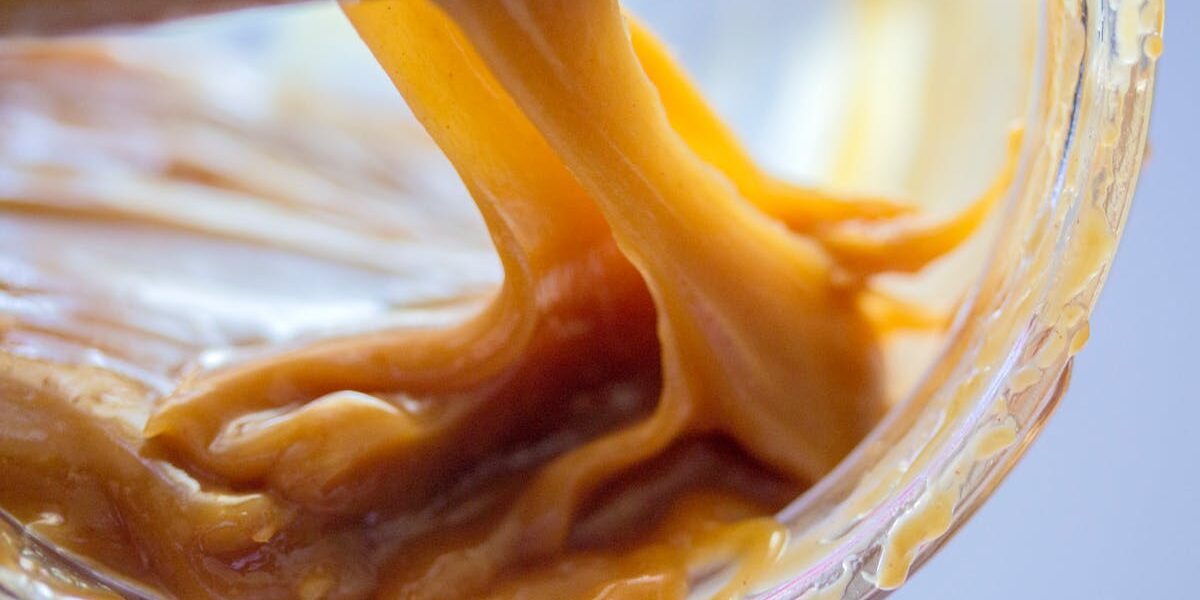
Gula melaka is an unrefined palm sugar produced primarily in Malaysia, Indonesia, and parts of southern Thailand. The name translates literally from Malay as ”Melaka sugar,” referencing the historic spice-trade port of Melaka (Malacca) on the western coast of Peninsular Malaysia. It is made by tapping the flower buds of the coconut palm (Cocos nucifera), collecting the sweet sap that drips from them, and slowly reducing that sap over wood-fired heat until it thickens into a dark, sticky paste. The paste is then poured into bamboo tubes, coconut shells, or small cylindrical molds where it cools into firm, fudge-like cylinders or discs.
The flavor is unlike any cane sugar you have tasted. There are clear notes of dark caramel and butterscotch, an almost smoky depth from the wood fire used to reduce the sap, hints of dates and dried fig, and a faint, savory edge that makes it pair brilliantly with coconut, salt, and rice. The color ranges from rich mahogany to almost-black, depending on how long the sap was boiled and which palm provided the sap.
In Malaysia and Singapore, gula melaka traditionally refers specifically to coconut-palm sugar from the Melaka region. In Indonesia, the equivalent is called gula jawa or gula merah, while in the Philippines it is panocha, in Thailand nam tan pip or nam tan maprao, and in Vietnam duong thot not (palmyra palm sugar). Each has subtle regional differences in palm species, processing, and flavor.
The History and Origin of Palm Sugar in Southeast Asia
The story of gula melaka is older than the spice trade itself. Long before European sugar refineries spread cane sugar across the tropics, the peoples of maritime Southeast Asia were already harvesting sap from palm flowers and reducing it into solid sugar. Archaeological and linguistic evidence suggests palm tapping has been practiced across the Malay Archipelago for at least 2,000 years, with technique passed down through coastal Malay, Bugis, and Javanese communities.
The city of Melaka rose to prominence in the 15th century as a Malay sultanate and the most important port between China and the Indian Ocean. Traders from Arabia, India, Java, and southern China passed through, and Melaka’s palm sugar quickly developed a reputation for being the finest in the region. The sugar was traded onward to China and India as a luxury sweetener long before refined cane sugar reached those markets.
When the Portuguese captured Melaka in 1511, followed by the Dutch in 1641 and the British in 1824, gula melaka entered European trade records. It was prized not only as a sweetener but as a portable, shelf-stable form of energy for sailors and soldiers. Peranakan (Straits Chinese) cooks, who emerged from intermarriage between Chinese traders and local Malay women in port cities like Melaka, Penang, and Singapore, made gula melaka central to their dessert canon, codifying recipes such as sago gula melaka, ondeh ondeh, and bubur cha cha.
Today, traditional production has shrunk dramatically. Coconut palms are slow growing, tapping is labor-intensive, and younger generations rarely take up the trade. Small cooperatives in Negeri Sembilan, Melaka, and Johor still produce wood-fired gula melaka in much the same way as their great-grandparents, and a renewed interest in heritage Peranakan cuisine, alongside the global ”natural sweetener” movement, has kept the craft alive.
How Gula Melaka Is Made
Authentic gula melaka production is one of the most labor-intensive sweetener processes in the world. A skilled tapper climbs the coconut palm twice a day, every day. The unopened flower bud, called the spathe, is gently bruised with a wooden mallet over several days to encourage sap flow. Once tapping begins, the tapper makes a clean diagonal cut at the tip of the bud and ties a bamboo or plastic collection tube beneath it. Sap drips slowly into the tube and is collected at dawn and dusk.
Fresh palm sap, called nira, is colorless, slightly sweet, and begins to ferment within hours of collection. To prevent it from turning into palm wine (tuak), the sap is filtered and transferred immediately to large iron or copper woks set over wood fires. There it is simmered for two to four hours, stirred constantly, while moisture evaporates and the sugars caramelize. The Maillard reactions and slight charring from the wood fire give gula melaka its signature smoky depth, which cannot be replicated by gas or electric heat.
When the syrup reaches the right thickness (a small drop will hold its shape on a cold plate), it is ladled into bamboo segments, halved coconut shells, or wooden cups. As the syrup cools it sets into firm, glossy cylinders. The traditional shape is a cylinder about the diameter of a soda can and roughly two to three inches tall, sometimes wrapped in dried palm leaves for transport.
Varieties of Gula Melaka and Related Palm Sugars
The ”palm sugar” category in an Asian grocery store can be bewildering. The same shelf may hold cylinders, discs, blocks, granules, and pastes in shades ranging from blonde to almost black, with labels in three different languages. Here is what you are actually looking at.
| Variety | Origin | Source Palm | Color & Flavor | Best Used For |
|---|---|---|---|---|
| Gula melaka | Malaysia (esp. Melaka) | Coconut palm | Dark mahogany; smoky, caramel, slight salt | Sago pudding, cendol, ondeh ondeh, kaya |
| Gula jawa / gula merah | Indonesia | Coconut palm | Medium-dark brown; sweet, mellow | Rendang, kecap manis, jamu drinks |
| Gula aren | Indonesia | Sugar palm (Arenga) | Lighter brown; floral, less smoky | Coffee, modern desserts, baking |
| Nam tan maprao | Thailand | Coconut palm | Pale tan to amber; soft, creamy | Thai curries, nam jim sauces |
| Nam tan pip | Thailand | Palmyra palm | Yellow-amber; toffee, fruity | Pad thai, sticky rice with mango |
| Jaggery (gur) | India / South Asia | Sugarcane (mostly) | Golden to dark brown; grassy, mineral | Indian sweets, chai, dal |
| Kithul jaggery | Sri Lanka | Kithul palm | Very dark; intensely caramel, almost burnt | Curd and treacle, watalappan |
| Coconut sugar (granulated) | Philippines / Indonesia | Coconut palm | Light beige granules; mild caramel | Direct cup-for-cup baking substitute |
The most important distinction for a Western cook is between palm sugar (made from palm sap) and jaggery (which in most South Asian usage is made from sugarcane juice). Both are unrefined, both come in similar-looking blocks, and both are often mislabeled ”palm sugar” in English. If you need that smoky, mineral, almost-salty depth that defines Peranakan desserts, you specifically want gula melaka or another coconut-palm sugar, not sugarcane jaggery.
How to Buy Gula Melaka
Quality varies enormously, and bad gula melaka can ruin a dessert. Here is how to spot the good stuff.
Where to Look
Your best sources, in order, are: a Malaysian or Singaporean specialty grocer, a Peranakan or Nyonya online store, a well-stocked Southeast Asian supermarket, and a general Asian grocery store. American chains rarely carry true gula melaka, although Whole Foods and Sprouts have begun stocking coconut sugar in granulated form. Online retailers that ship within the US include UmamiCart, Yamibuy, and several specialty Malaysian importers based in California.
What to Look For
- Shape and packaging. Authentic gula melaka comes in cylinders, discs, or half-cylinders wrapped in plastic, paper, or dried palm leaves. Cheaper substitutes are often sold as flat rectangular bricks or in plastic tubs labeled simply ”palm sugar.”
- Color. True gula melaka is dark mahogany to nearly black. Pale, butter-yellow sugar is usually Thai or sugar-palm gula aren and will taste much milder.
- Texture. Press lightly with your thumbnail. Good gula melaka gives slightly and feels fudgy, not rock hard. Sugars that feel cement-hard have either dried out or been adulterated with refined sugar.
- Smell. Open the package if you can. The aroma should be like dark caramel with a whisper of campfire smoke. A harsh chemical or burnt-plastic smell means low-quality processing.
- Ingredient list. The only ingredient should be coconut palm sap or coconut palm sugar. Some commercial brands cut their product with refined cane sugar, which dilutes the flavor.
- Country of origin. ”Product of Malaysia” or ”Product of Indonesia” is your best bet. Thai brands are usually milder. Avoid generic ”palm sugar” with no country listed.
What to Avoid
Skip products labeled ”palm sugar substitute” or ”palm flavored sugar,” which are usually brown sugar with caramel coloring. Also avoid powdered ”palm sugar” that lists corn syrup, molasses, or maltodextrin in the ingredients. These give you sweetness but none of the smoky, caramelized character that makes gula melaka worth seeking out.
How to Store Gula Melaka
Gula melaka is naturally shelf-stable thanks to its low moisture content, but it has two enemies: humidity and dry air. Too much humidity and it weeps a sticky syrup and can grow mold; too dry and it turns into a rock you cannot dent with a chef’s knife. The goal is to keep it sealed but not bone-dry.
- Pantry storage. Wrap the cylinder tightly in plastic wrap, then place it in an airtight container or zip-top bag. Stored this way at cool room temperature (below 75 F / 24 C), it keeps for one to two years. Older sugar gets darker and slightly drier but is still usable.
- Refrigerator storage. If you live in a humid climate or only use gula melaka occasionally, the fridge is a safer choice. Double wrap to prevent condensation, and let the sugar come to room temperature before unwrapping.
- Freezer storage. You can freeze gula melaka for up to three years. Wrap tightly, freeze in a single layer, and thaw at room temperature before chopping.
- Pre-chopped storage. If you chop or grate a whole cylinder, store the pieces in an airtight jar with a slice of fresh apple or a damp paper towel folded inside the lid (replaced weekly) to keep the sugar pliable.
- Reviving rock-hard sugar. Wrap the cylinder in a damp paper towel, seal in a bag, and leave overnight. The next day it will be soft enough to chop. You can also microwave it in 10-second bursts wrapped in a damp towel.
How to Use Gula Melaka in Cooking
Most recipes call for gula melaka in one of three forms: chopped solid, melted syrup, or grated powder. Each unlocks a slightly different flavor profile.
Chopping
Use a sturdy chef’s knife or, traditionally, a heavy Chinese cleaver. Hold the cylinder upright and shave off thin slices, then chop the slices to a coarse, irregular crumb. This is the form you use when stirring it into hot rice porridge, ice cream bases, or banana fritter batter.
Making Gula Melaka Syrup
The most versatile preparation. Combine 200 g (about 7 oz) chopped gula melaka with 120 ml (1/2 cup) water and a folded pandan leaf in a small saucepan. Simmer gently over low heat, stirring, until fully dissolved (about 8-10 minutes). Strain to remove any sediment, cool, and store in a sealed jar in the fridge for up to a month. Pour over coconut ice cream, drizzle into iced coffee, or use as the base for sago pudding.
Grating
For baking, grate the cylinder on the large holes of a box grater. Grated gula melaka can be measured by volume and incorporated into cookie doughs, cake batters, and bread doughs much like brown sugar.
Gula Melaka Substitution Table
If you cannot find gula melaka, several substitutes will get you 70-90 percent of the way there. The closer the substitute is to the top of this list, the closer the final flavor will be to the original.
| Substitute | Ratio | Best For | Notes |
|---|---|---|---|
| Gula jawa / gula merah | 1:1 | Any recipe | Closest swap; slightly less smoky. |
| Coconut palm sugar (granulated) | 1:1 by weight | Baking, beverages | Milder, no smoke; add 1/4 tsp molasses per 100 g to deepen. |
| Dark muscovado sugar | 1:1 | Cookies, sauces | Closest Western pantry option; missing palm-floral note. |
| Dark brown sugar + molasses | 1 cup brown + 1 Tbsp molasses | Most desserts | Adjust to taste; lacks complexity but works in a pinch. |
| Jaggery (sugarcane) | 1:1 | Curries, savory dishes | Tastes more grassy and mineral; less smoky. |
| Date syrup or date paste | 3/4 cup per 1 cup sugar | Drinks, ice cream | Reduces other liquids; adds fruity depth. |
| Maple syrup + dark brown sugar | 2 Tbsp syrup + 3/4 cup brown sugar per cup gula melaka | Cakes, bread | Skews more maple; pleasant but different. |
| Piloncillo (Mexican) | 1:1 | Sauces, glazes | Surprisingly close; mineral and lightly smoky. |
Five Classic Recipes Using Gula Melaka
1. Sago Gula Melaka (Pearl Sago Pudding with Palm Sugar Syrup)
Singapore and Malaysia’s most iconic palm-sugar dessert: chilled tapioca pearls topped with cold coconut cream and a generous pour of warm gula melaka syrup. The contrast of textures and temperatures is the whole point.
Ingredients (serves 4): 200 g pearl sago (small tapioca pearls), 250 ml coconut cream, a pinch of salt, 1 pandan leaf, and 1 batch gula melaka syrup (200 g chopped gula melaka + 120 ml water + 1 pandan leaf, simmered until smooth and strained).
Method: Bring 2 liters of water to a rolling boil. Pour in the sago and stir immediately to prevent sticking. Boil for 15 minutes until the pearls are translucent with a tiny white dot in the center. Cover, turn off the heat, and let stand 10 minutes until fully translucent. Drain in a fine sieve and rinse under cold water until the pearls are no longer sticky. Press into small ramekins or cups and refrigerate for at least 2 hours. Simmer the coconut cream gently with the salt and bruised pandan leaf for 3 minutes, then cool. To serve, unmold each sago portion into a bowl, pour over the cold coconut cream, and finish with a generous pour of gula melaka syrup.
2. Ondeh Ondeh (Pandan Glutinous Rice Balls Filled with Liquid Palm Sugar)
Bite-sized green rice balls coated in fresh coconut, with a molten core of gula melaka that bursts in your mouth. The dish demands the real thing; granulated coconut sugar does not melt the same way.
Ingredients (makes about 24 balls): 250 g glutinous rice flour, 180 ml pandan-infused water (blend 4 pandan leaves with 200 ml water and strain), 150 g gula melaka chopped very finely, 150 g freshly grated coconut, and 1/4 tsp salt.
Method: Mix the salt into the grated coconut and steam over high heat for 5 minutes to extend shelf life. Set aside. Combine glutinous rice flour with pandan water gradually, kneading into a soft, pliable dough. Pinch off walnut-sized pieces, flatten in your palm, place 1/2 teaspoon of chopped gula melaka in the center, and seal carefully so the sugar is fully enclosed. Roll into a ball. Boil a large pot of water and drop in the balls in batches; they will float when cooked. Lift out with a slotted spoon, drop directly into the steamed coconut, and roll to coat. Serve at room temperature within a few hours of making, ideally the same day.
3. Kaya Jam (Singapore-Style Coconut and Pandan Curd)
The dark, caramel-scented coconut jam spread on toast with butter and a soft-boiled egg for the classic Singaporean breakfast. Gula melaka is what makes Hainanese-style kaya jet black and intensely fragrant.
Ingredients (makes about 400 g): 200 g coconut cream, 150 g chopped gula melaka, 40 g granulated sugar, 4 large egg yolks plus 2 whole eggs, 1/4 tsp salt, and 5 pandan leaves knotted together.
Method: Whisk yolks, eggs, and granulated sugar together until smooth. In a separate saucepan, warm the coconut cream with gula melaka, salt, and pandan leaves until the sugar dissolves, about 5 minutes. Slowly pour the warm coconut mixture into the eggs while whisking. Strain into a heatproof bowl, set over a pot of barely simmering water (not boiling), and stir gently and continuously with a silicone spatula for 30-45 minutes, until the kaya thickens into a glossy, spreadable curd. Caramelize the top in a saucepan over very low heat for 10 minutes if you want the deepest color. Cool, jar, and refrigerate for up to two weeks.
4. Bubur Cha Cha (Coconut Soup with Sweet Potato, Taro, and Sago)
A Peranakan dessert soup of cubed orange and purple sweet potato, taro, and chewy sago pearls in a fragrant coconut and pandan broth sweetened with gula melaka. Served warm in cool weather or chilled with shaved ice in the tropics.
Ingredients (serves 6): 200 g orange sweet potato, 200 g purple sweet potato (or yam), 200 g taro, 60 g small sago pearls, 1 liter coconut milk, 200 g chopped gula melaka, 3 pandan leaves knotted, 1/2 tsp salt, and 200 ml water.
Method: Peel and dice the sweet potatoes and taro into 1.5 cm cubes. Steam each separately for 12-15 minutes until just tender. Cook sago pearls in plenty of boiling water until translucent, drain and rinse. In a large pot, combine coconut milk, gula melaka, pandan leaves, salt, and water. Heat gently, stirring, until the sugar dissolves. Do not let it boil hard or the coconut will split. Add the cooked vegetables and sago, simmer 2 minutes, and serve warm.
5. Gula Melaka Caramel Banana Loaf
A modern Western recipe that shows how well gula melaka adapts to baking. The smoky palm sugar transforms an ordinary banana loaf into something with the depth of toffee pudding.
Ingredients (makes one 9×5 loaf): 3 large ripe bananas mashed, 150 g grated gula melaka, 80 g granulated sugar, 2 large eggs, 120 g unsalted butter melted and cooled, 240 g all-purpose flour, 1 tsp baking soda, 1/2 tsp salt, 1/2 tsp cinnamon, 60 ml buttermilk, and 1 tsp vanilla.
Method: Heat the oven to 175 C (350 F) and line a loaf pan. Whisk eggs, both sugars, and melted butter until smooth. Stir in mashed bananas, buttermilk, and vanilla. Fold in the dry ingredients gently until just combined. Pour into the pan and bake 55-65 minutes until a skewer comes out clean. While still warm, brush the top with 2 tablespoons of warm gula melaka syrup for a glossy, caramelized finish. Cool fully before slicing.
Savory Uses for Gula Melaka
While gula melaka is best known as a dessert sweetener, it is also a workhorse in savory cooking across Southeast Asia. Its role is similar to brown sugar in American barbecue: it balances acidity, salt, and chili, deepens color, and caramelizes beautifully when heated.
- Rendang. Indonesian and Malaysian rendang relies on shaved gula merah or gula melaka to balance the tamarind, chili, and coconut milk during the long reduction. Read our full rendang recipe for the technique.
- Kecap manis. Indonesia’s beloved sweet soy sauce is essentially soy sauce reduced with palm sugar, garlic, and spices. Our kecap manis guide shows how it is built.
- Sambal. A spoonful of melted gula melaka rounds out fiery chili pastes, particularly sambal tumis for nasi lemak.
- Pad Thai. Authentic Thai street vendors use palm sugar, tamarind, and fish sauce as the holy trinity of pad Thai seasoning. See our pad Thai recipe for the balance.
- Achar pickles. The brine for Peranakan vegetable pickles combines vinegar, salt, and palm sugar for a tart-sweet-salty profile.
- Glazes. Brushed onto roast pork, duck, or grilled chicken skewers, melted gula melaka creates a deep mahogany lacquer with toasty bitterness similar to a French gastrique.
Nutritional Benefits of Gula Melaka
Gula melaka is, at the end of the day, sugar, and it is not a health food in the way kale or salmon are. Consumed in excess it still contributes calories, raises blood glucose, and can promote tooth decay. That said, when used in moderation as a replacement for refined white sugar, gula melaka offers several meaningful advantages.
- Lower glycemic index. Coconut palm sugar measures around 35-54 on the glycemic index in published studies, compared with about 65 for refined white cane sugar. The exact figure depends on the variety, but a slower rise in blood glucose is consistent across the literature. This makes gula melaka a friendlier choice for those managing insulin sensitivity, though it is still sugar and should be treated as such.
- Mineral content. Unrefined palm sap retains traces of potassium, magnesium, zinc, iron, calcium, and phosphorus. Per 100 g, gula melaka can supply meaningful amounts of potassium (around 1,000 mg) and modest amounts of iron, although you would have to eat a lot of sugar to make those amounts dietarily significant.
- Polyphenols and antioxidants. The dark color comes partly from caramelized polyphenols, including flavonoids and anthocyanin-related compounds. Lab studies have measured measurable antioxidant activity, although in-vivo health benefits in humans remain to be confirmed.
- B vitamins. Trace amounts of inositol, choline, thiamin, riboflavin, and pyridoxine are retained in unrefined palm sugar.
- No additives. Real gula melaka is just reduced palm sap. It contains no preservatives, no artificial colors, no anti-caking agents, and no high-fructose corn syrup.
- Sustainability. Coconut palms produce sap continuously for 70+ years, sequestering carbon and supporting biodiversity better than annual sugarcane plantations. Small-farm production also keeps traditional crafts and rural livelihoods alive.
Cooking Tips for Working with Gula Melaka
- Always start with a syrup if you are sweetening a liquid. Solid chunks dissolve slowly and unevenly in cold or warm liquids. Make the syrup first, then add.
- Pair with pandan and salt. A pinch of salt and a knotted pandan leaf in your syrup deepens the caramel notes and reduces the cloying sweetness.
- Do not overheat with coconut milk. Coconut cream splits if held above 85 C / 185 F. Keep palm-sugar-and-coconut sauces at a bare simmer.
- Use weight, not volume. Because density varies, weighing in grams gives much more reliable results in baking.
- Avoid replacing more than half the sugar in cookies. Gula melaka is more hygroscopic than white sugar, so going 100 percent can give a softer, cakier crumb. Use a 50-50 mix with brown or white sugar for cookies that hold their shape.
- Bloom it like spices. For deepest flavor, toast chopped gula melaka briefly in melted butter or coconut oil before adding to a batter or syrup.
Gula Melaka in Modern Global Cuisine
Since the late 2010s, palm sugar has moved from Southeast Asian specialty stores into the mainstream of fine dining and craft cocktail culture. Several factors converged: a global appetite for natural, unrefined sweeteners; the rising visibility of Peranakan and Malaysian cuisine through chefs across Singapore, Sydney, and Los Angeles; and the wider influence of Singapore’s restaurant scene on broader Asian dining trends.
In 2026 you will find gula melaka in surprising places: dressed atop soft-serve ice cream in Brooklyn, used as the base for old-fashioned cocktails in Los Angeles, replacing maple syrup in Australian brunch menus, and forming the caramel layer of TikTok-famous Basque cheesecakes. Specialty coffee shops use gula melaka syrup as the sweetener in oat milk lattes, where its smoky depth complements espresso far better than refined syrups.
In Southeast Asian diaspora restaurants, gula melaka has become shorthand for authenticity. Chefs returning to ancestral recipes after years of cooking French and Italian food often start with a palm sugar order from Melaka. The ingredient functions as both a flavor and a cultural signal: this is real food, not a Western substitution.
Frequently Asked Questions About Gula Melaka
Is gula melaka the same as coconut sugar?
Not exactly. Both come from coconut palm sap, but coconut sugar is usually granulated and dried, while gula melaka is reduced to a thick syrup, set in cylinders, and is darker, smokier, and more complex. You can substitute granulated coconut sugar for gula melaka, but you will lose the woodsmoke character.
Is gula melaka the same as jaggery?
No. Jaggery in most South Asian usage is made from sugarcane juice, although ”palm jaggery” made from palmyra or date palm sap does exist in parts of India and Sri Lanka. Sugarcane jaggery tastes grassier and more mineral, while gula melaka tastes deeper and smokier.
Can diabetics eat gula melaka?
Gula melaka has a lower glycemic index than refined white sugar, but it is still a concentrated source of sucrose and glucose. If you have diabetes, treat it like any sugar and follow your physician’s guidance. The ”diabetic friendly” marketing claims you sometimes see on packaging are exaggerated.
Is gula melaka vegan?
Yes. Traditional gula melaka is just reduced palm sap, sometimes filtered through cloth, with no animal products at any stage. It is one of the few traditional sweeteners that fits perfectly into a strict vegan diet.
How long does gula melaka last?
Sealed and stored in a cool, dry place, gula melaka keeps for one to two years without significant flavor loss. In the freezer it lasts three years or more. Older sugar darkens and dries but is still safe and usable.
Can I make my own gula melaka at home?
Not really. Authentic production requires fresh palm sap, which has to be processed within hours of tapping and must come from your own palm trees or a local tapper. Unless you live in tropical Southeast Asia with access to coconut palms, you cannot replicate it. You can, however, simulate it with a syrup of dark muscovado, coconut sugar, molasses, and a touch of liquid smoke.
Why is gula melaka so expensive?
Production is labor-intensive: a single coconut palm yields only about 1 to 2 kg of sugar per month, and a tapper must climb the tree twice a day. By weight, gula melaka can cost five to ten times more than refined cane sugar, and small-batch artisan brands can run higher still.
What is the difference between gula melaka and gula jawa?
They are very similar: both are coconut palm sugars from maritime Southeast Asia. Gula melaka comes specifically from Malaysia (often the Melaka region) and is typically darker and smokier. Gula jawa (Javanese sugar) comes from Indonesia and tends to be slightly milder. In most recipes they are interchangeable.
Can I use gula melaka in coffee?
Absolutely. Make a syrup (200 g gula melaka with 120 ml water), keep it in the fridge, and stir a tablespoon into iced lattes, cold brew, or hot espresso drinks. It is particularly excellent with oat milk, where the smoky caramel notes echo the oat sweetness.
Does gula melaka contain alcohol?
No. Fresh palm sap will ferment into palm wine if left out, but the sap used for gula melaka is processed before fermentation can begin, and any trace fermentation is destroyed by the long simmering process. The finished sugar is alcohol-free.
Final Thoughts
Gula melaka is one of those rare ingredients that rewards a small investment with an enormous return in flavor. A single dark cylinder, tucked away in your pantry, opens the door to the entire Peranakan dessert canon, to dozens of Indonesian and Malaysian savory dishes, and to a new dimension of caramel depth in your baking. It is also a direct line to centuries of trade, craftsmanship, and the slow patient work of palm tappers climbing the same trees their grandparents climbed.
Start with a syrup, drizzle it over coconut ice cream, and you will understand within one bite why this humble Malaysian palm sugar is quietly reshaping how the world thinks about sweetness. Then move on to ondeh ondeh, then kaya, then your own banana bread, and before long you will be ordering cylinders in bulk like the rest of us.
For more Southeast Asian inspiration, dive into our complete guides to Malaysian cuisine, Indonesian cooking, Peranakan food, and Singapore’s culinary classics.

Mei Lin Chen
Mei Lin Chen is an Asian food writer and recipe developer. Melbourne-raised and London-based, she has spent over a decade exploring the rice paddies, hawker stalls, and home kitchens of South-East and East Asia. Her recipes balance traditional technique with everyday practicality.