Last updated: March 04, 2026
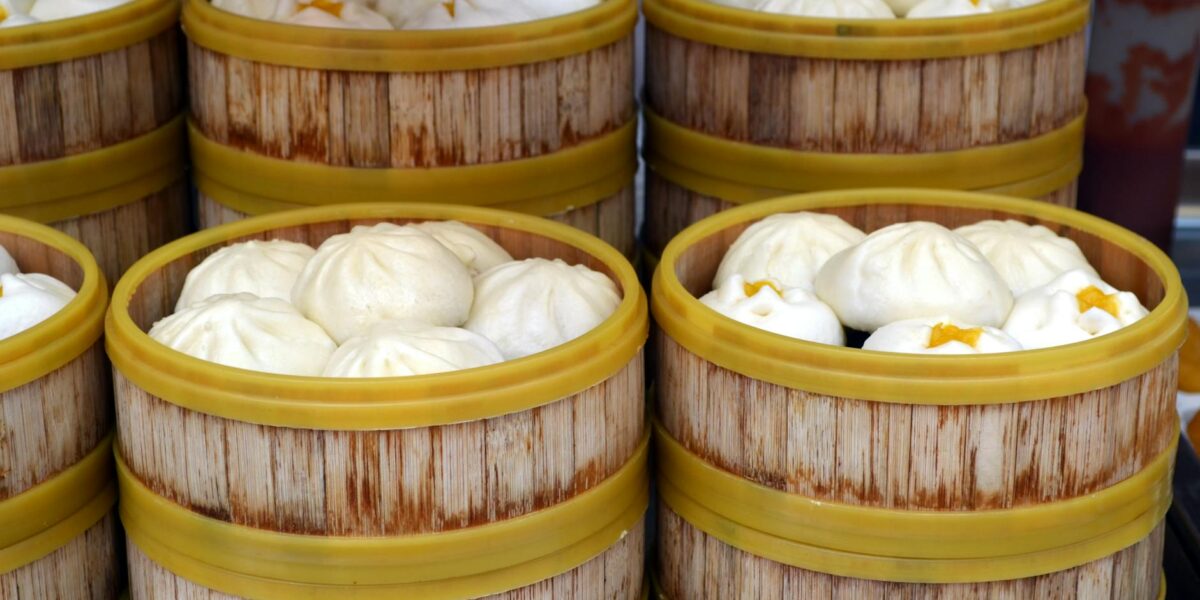
There is something almost magical about pulling apart a freshly steamed bao bun. The dough is impossibly soft, pillowy white, and just slightly sweet. Inside, a savory filling of seasoned pork bursts with ginger, soy, and sesame. This is baozi — one of China’s most beloved comfort foods — and with this bao buns recipe, you can make them at home with nothing more than a mixing bowl, a bamboo steamer, and about two hours of your time.
Bao buns (also called steamed buns, baozi, or simply ”bao”) have been a staple of Chinese cuisine for nearly two thousand years. They are eaten for breakfast across northern China, served as dim sum in Cantonese teahouses, sold from street carts in Taiwan, and adapted into Japanese nikuman at every convenience store in Tokyo. In recent years, bao buns have taken the Western food world by storm — appearing on restaurant menus from New York to London, trending on TikTok, and becoming one of the most searched Asian recipes online.
This recipe walks you through every step: making the dough from scratch, preparing a classic pork filling, shaping, steaming, and troubleshooting. Whether you are a complete beginner or an experienced home cook looking to level up your dim sum game, this guide has you covered.
What Are Bao Buns?
Bao buns (包子, báozi) are Chinese steamed buns made from a leavened dough that is wrapped around a savory or sweet filling. The word ”bao” literally means ”to wrap” or ”package” in Mandarin, which perfectly describes how the soft dough encloses the filling inside.
There are two main categories of bao:
- Filled bao (baozi 包子) — Stuffed with pork, vegetables, red bean paste, custard, or countless other fillings. These are the classic steamed buns most people picture when they hear ”bao.”
- Unfilled bao (mantou 馒头) — Plain steamed bread without filling. Mantou is often served alongside braised dishes or soups to soak up sauces, similar to how bread is used in Western cuisine.
Within the filled category, you will find enormous regional variety. Northern Chinese baozi tend to be large — fist-sized or bigger — and are commonly eaten as a complete breakfast alongside congee or soy milk. Southern Cantonese versions, like char siu bao (BBQ pork buns), are smaller and served as part of a dim sum spread. Shanghainese xiaolongbao are a specialized cousin: tiny soup-filled dumplings with a thinner wrapper. And Taiwanese gua bao (sometimes called ”Taiwanese hamburgers”) are open-faced, folded around braised pork belly.
The recipe in this guide focuses on the most classic and widely loved version: medium-sized steamed bao buns with a juicy pork filling, perfect for a family meal or a weekend cooking project.
A Brief History of Baozi
The origins of baozi are steeped in Chinese legend. The most famous story credits Zhuge Liang, the brilliant military strategist of the Three Kingdoms period (220–280 AD). As the tale goes, Zhuge Liang’s army needed to cross a river plagued by storms. Local tradition demanded human heads be offered as sacrifice to the river god. Instead, Zhuge Liang ordered his cooks to fashion dough in the shape of human heads, filled them with meat, and offered these ”man tou” (barbarian heads) as substitutes. The storms calmed, and the army crossed safely.
While historians debate the accuracy of this legend, the historical record confirms that stuffed steamed buns were well established by the Song Dynasty (960–1279 AD), when they appear in written menus from capital cities. By the Ming and Qing dynasties, baozi shops were common throughout China. Today, baozi remain one of the most consumed foods in China — with an estimated 10 billion consumed annually — and their influence extends across East and Southeast Asia.
Ingredients for Bao Buns
This recipe makes approximately 16 bao buns. All ingredients are easy to find at Asian grocery stores or online at Umami Cart.
For the Dough
| Ingredient | Amount | Notes |
|---|---|---|
| All-purpose flour | 3 cups (375g) | Cake flour also works for extra softness |
| Instant yeast | 1½ teaspoons (5g) | Active dry yeast works too — bloom in warm water first |
| Granulated sugar | 3 tablespoons (40g) | Essential for the slightly sweet flavor |
| Baking powder | 1 teaspoon | Gives extra lift and fluffy texture |
| Neutral oil | 1 tablespoon | Vegetable, canola, or sunflower |
| Warm water | ¾ cup + 2 tablespoons (200ml) | About 110°F / 43°C — warm but not hot |
| Salt | ¼ teaspoon | Optional but recommended |
For the Pork Filling
| Ingredient | Amount | Notes |
|---|---|---|
| Ground pork | 1 lb (450g) | Use pork with 15-20% fat for juiciness |
| Napa cabbage | 2 cups, finely chopped | About ¼ small head |
| Green onions (scallions) | 4 stalks, finely chopped | Both white and green parts |
| Fresh ginger | 1 tablespoon, minced | About a 1-inch piece |
| Soy sauce | 2 tablespoons | Use light soy sauce for best flavor (learn about soy sauce) |
| Sesame oil | 1 tablespoon | Toasted sesame oil for aroma |
| Shaoxing wine | 1 tablespoon | Dry sherry is a suitable substitute |
| Oyster sauce | 1 tablespoon | Adds depth and umami |
| White pepper | ½ teaspoon | Ground white pepper — more fragrant than black |
| Cornstarch | 1 tablespoon | Helps bind the filling |
| Salt | ½ teaspoon | Adjust to taste |
Essential Equipment
You do not need any specialized equipment to make bao buns, but a few items make the process much easier:
- Bamboo steamer — The traditional and best method. A 10-inch bamboo steamer fits 4–6 buns per tier, and you can stack tiers. If you are new to bamboo steamers, read our complete guide to using a bamboo steamer.
- Parchment paper squares — Cut into 3-inch squares and place under each bun to prevent sticking. You can also use perforated steamer liners or lightly oiled cabbage leaves.
- Wok or large pot — To hold the bamboo steamer. A good wok doubles as both a stir-fry pan and a steamer base.
- Stand mixer (optional) — A stand mixer with a dough hook makes kneading faster, but hand kneading works perfectly well.
- Kitchen scale — Recommended for consistent results, especially with the dough.
Step-by-Step Instructions
Step 1: Make the Dough (10 minutes active + 60 minutes resting)
1. In a large mixing bowl, whisk together the flour, instant yeast, sugar, baking powder, and salt until evenly combined.
2. Add the warm water and neutral oil to the dry ingredients. Stir with a fork or chopsticks until a shaggy dough forms. The dough should come together but still look rough — that is perfectly normal at this stage.
3. Turn the dough out onto a lightly floured surface. Knead for 10–12 minutes until the dough is completely smooth, soft, and slightly tacky but not sticky. If using a stand mixer, knead on medium-low speed for 6–8 minutes. The finished dough should feel like a baby’s cheek — soft and supple with a slight spring when pressed.
4. Shape the dough into a ball and place it back in the bowl. Cover tightly with plastic wrap or a damp towel. Let it rise in a warm spot for 45–60 minutes, or until the dough has doubled in size. A good trick: place the bowl in your oven with just the light turned on — the gentle warmth creates a perfect proofing environment.
Step 2: Prepare the Pork Filling (15 minutes)
While the dough is rising, prepare the filling.
1. Finely chop the napa cabbage, then sprinkle with ½ teaspoon of salt. Toss and let sit for 10 minutes. This draws out excess moisture. After 10 minutes, squeeze the cabbage firmly with your hands over the sink to remove as much water as possible. This step is critical — wet cabbage will make the filling soggy and the buns will leak during steaming.
2. In a large bowl, combine the ground pork, squeezed cabbage, green onions, ginger, soy sauce, sesame oil, Shaoxing wine, oyster sauce, white pepper, and cornstarch.
3. Mix the filling vigorously in one direction (clockwise or counterclockwise — pick one and stick with it) for about 2 minutes. This one-direction mixing technique develops the myosin protein in the meat, creating a bouncy, cohesive texture rather than a loose, crumbly one. You will notice the mixture becoming stickier and pulling away from the sides of the bowl — that means the proteins are binding properly.
4. Cover and refrigerate the filling until ready to use. Cold filling is easier to handle and holds its shape better during wrapping.
Step 3: Shape the Bao Buns (20 minutes)
1. Once the dough has doubled, punch it down gently to release the gas. Turn it out onto a clean, lightly floured surface.
2. Roll the dough into a long log, about 16 inches long. Cut it into 16 equal pieces. A kitchen scale helps here — each piece should weigh about 35–38 grams.
3. Take one piece and roll it into a ball between your palms. Using a rolling pin (or a small dowel if you have one), roll it into a circle about 3.5–4 inches in diameter. The key technique: keep the center slightly thicker than the edges. This ensures the bottom of the bun (where all the pleats gather) does not become too thick, while the top stays sturdy enough to hold the filling.
4. Place about 1.5 tablespoons of filling in the center of the wrapper. Cup the dough in one hand and use the thumb and index finger of your other hand to pinch and pleat the edges. Work your way around the bun, creating 12–16 small pleats that gather at the top. Twist the gathered dough at the top to seal. Do not worry if your first few buns look imperfect — the pleating technique improves quickly with practice, and even messy-looking bao taste incredible.
5. Place each finished bun on a small square of parchment paper. Arrange the buns on a tray, leaving at least 2 inches of space between them.
Step 4: Second Rise (15 minutes)
Cover the shaped buns loosely with a clean towel or plastic wrap. Let them rest for 15 minutes at room temperature. This short second rise allows the yeast to reactivate after being deflated during shaping. The buns should look noticeably puffier and feel lighter when you lift them. Do not skip this step — it is the difference between dense, heavy buns and the cloud-like texture you want.
Step 5: Steam the Bao Buns (12–15 minutes)
1. While the buns are resting, fill your wok or pot with about 2 inches of water. Bring it to a rolling boil over high heat.
2. Line your bamboo steamer tiers with parchment paper (or use the squares under each bun). Arrange the buns in the steamer, leaving at least 1.5 inches between each bun — they will expand significantly during steaming.
3. Place the bamboo steamer over the boiling water. Steam on high heat for 12–15 minutes. Do not open the lid during steaming — the sudden temperature change can cause the buns to collapse or wrinkle.
4. When the time is up, turn off the heat but leave the lid on for 3–5 minutes. This gradual cooling prevents thermal shock, which causes the dreaded wrinkling and deflating. After 5 minutes, remove the lid. Your bao buns should be beautifully puffed, smooth, and brilliant white.
5. Serve immediately while hot. Bao buns are best eaten fresh from the steamer.
Tips for Perfect Bao Buns Every Time
After making hundreds of batches, here are the tips that make the biggest difference:
- Use bleached flour if possible. Bleached all-purpose flour produces whiter bao buns. Unbleached flour works fine but gives a slightly more yellow, rustic appearance. For the absolute whitest buns, use a low-protein flour like cake flour (swap 1:1 with all-purpose).
- Do not over-knead. The dough should be smooth and soft, not tough and elastic. Over-kneaded dough produces dense, chewy buns instead of fluffy ones.
- Water temperature matters. Too-hot water kills the yeast. Too-cold water will not activate it. Aim for 110°F / 43°C — it should feel warm on your wrist, like bath water.
- Squeeze your cabbage dry. This is the number one cause of soggy bao buns. After salting and resting the cabbage, squeeze it in a clean towel until no more water drips out.
- Mix filling in one direction. This creates the bouncy, juicy texture characteristic of Chinese meat fillings. Random mixing produces crumbly, dry filling.
- Do not skip the second rise. Those 15 minutes of resting after shaping are essential for light, airy buns.
- Gradual cooling is non-negotiable. Always turn off the heat and wait 3–5 minutes before removing the steamer lid. This single step prevents 90% of wrinkling problems.
- Keep dough covered while working. Bao dough dries out quickly. Keep unused portions under a damp towel or plastic wrap at all times.
Filling Variations
The beauty of bao buns is that once you master the dough, you can fill them with virtually anything. Here are some popular variations:
Char Siu Bao (BBQ Pork Buns)
The Cantonese dim sum classic. Dice leftover char siu pork into small cubes and toss with a quick sauce of oyster sauce, hoisin sauce, sugar, soy sauce, and a cornstarch slurry. The filling should be saucy but not runny. Char siu bao are traditionally identified by their slightly open tops, which reveal the reddish filling inside.
Vegetable Bao (Mushroom and Cabbage)
For a vegetarian version, sauté finely diced shiitake mushrooms, shredded napa cabbage, minced garlic, and crumbled firm tofu. Season with soy sauce, sesame oil, and white pepper. The mushrooms provide the umami depth that replaces the pork. Add a handful of glass noodles (soaked and chopped) for extra texture.
Red Bean Paste Bao (Dou Sha Bao)
Sweet bao filled with smooth or chunky red bean paste are a beloved dessert or snack. Use store-bought red bean paste (available at most Asian grocery stores) or make your own by simmering adzuki beans with sugar until soft and mashing to your preferred consistency. Use about 1 tablespoon of paste per bun.
Custard Bao (Nai Wong Bao)
Another dim sum favorite. The filling is a rich, golden custard made from butter, sugar, egg yolks, custard powder, and milk powder. When you bite in, the warm custard flows out like lava. These are slightly more advanced to make but absolutely worth the effort.
Gua Bao (Taiwanese Pork Belly Buns)
For gua bao, roll the dough into ovals instead of circles, brush with sesame oil, fold in half, and steam. Serve open-faced with slices of braised pork belly, pickled mustard greens, cilantro, crushed peanuts, and a drizzle of hoisin sauce. This is the version that took Western food markets by storm in the 2010s.
Troubleshooting Common Problems
Even experienced bakers run into issues with bao buns. Here are the most common problems and their solutions:
Wrinkled or collapsed buns: This almost always comes from thermal shock. Make sure you turn off the heat and let the buns sit in the covered steamer for 3–5 minutes before removing the lid. Also check that your dough was fully proofed — under-proofed buns collapse more easily.
Dense, heavy texture: The dough did not rise enough, or the yeast was dead. Always check your yeast’s expiration date. If using active dry yeast, bloom it in warm water with a pinch of sugar for 5 minutes first — it should foam. Also make sure the second rise after shaping was not skipped.
Yellowish color instead of white: This is caused by unbleached flour. Switch to bleached all-purpose flour or cake flour for whiter results. Some recipes also add a tiny pinch of white vinegar (½ teaspoon) to the dough to enhance whiteness.
Filling is soggy or leaking: The cabbage was not squeezed dry enough, or the filling was too loose. Make sure to thoroughly wring out the cabbage and mix the filling until it is cohesive and slightly sticky. Chilling the filling before wrapping also helps.
Buns stick to the steamer: Use parchment paper squares under each bun. If using a metal steamer, oil the surface generously. Bamboo steamers naturally resist sticking better than metal ones.
Uneven sizes: Use a kitchen scale to portion both the dough and filling. Weighing takes the guesswork out and ensures every bun is consistent.
Nutritional Information
The following nutritional values are approximate estimates per bao bun (1 of 16), based on the pork filling recipe above.
| Nutrient | Per Bun (approx.) | % Daily Value |
|---|---|---|
| Calories | 185 kcal | 9% |
| Total Fat | 6g | 8% |
| Saturated Fat | 2g | 10% |
| Cholesterol | 25mg | 8% |
| Sodium | 310mg | 13% |
| Total Carbohydrates | 23g | 8% |
| Dietary Fiber | 1g | 4% |
| Sugars | 3g | — |
| Protein | 9g | 18% |
| Iron | 1.5mg | 8% |
Nutritional values are estimates and may vary based on specific ingredients and portion sizes. Percent daily values are based on a 2,000-calorie diet.
How to Store and Reheat Bao Buns
Bao buns are one of the best make-ahead foods in Asian cooking. They freeze beautifully and reheat in minutes, making them perfect for meal prep.
Refrigerator Storage
Place cooled bao buns in an airtight container or resealable bag. They will keep in the refrigerator for up to 3 days. To reheat, steam them for 5–6 minutes until heated through. You can also microwave them wrapped in a damp paper towel for 30–45 seconds, though steaming produces better results.
Freezer Storage (Up to 3 Months)
Bao buns freeze exceptionally well — in fact, many Chinese families keep a stash of frozen bao buns as a quick breakfast option.
- Place shaped, unsteamed bao buns on a parchment-lined baking sheet, making sure they do not touch.
- Freeze for 2–3 hours until solid.
- Transfer the frozen buns to a freezer bag, pressing out as much air as possible. Label with the date.
- To cook from frozen: place directly in the steamer (no thawing needed) and steam for 18–20 minutes.
You can also freeze already-steamed bao buns. Reheat frozen steamed buns for 8–10 minutes in the steamer. The texture will be very close to freshly made.
Freezing Just the Dough
If you want to make dough in advance but fill and shape later, you can freeze the dough after the first rise. Wrap it tightly in plastic wrap, then place in a freezer bag. When ready to use, thaw overnight in the refrigerator, then bring to room temperature for 30 minutes before shaping.
What to Serve with Bao Buns
Bao buns can be a meal on their own — two or three buns with a dipping sauce makes a satisfying lunch. But they also pair beautifully with other dishes:
- Congee — The classic northern Chinese breakfast pairing. A bowl of plain rice porridge with a pork bao bun is deeply satisfying.
- Hot and sour soup — The tangy, peppery broth cuts through the richness of the pork filling.
- Wonton soup — Light wonton broth alongside steamed buns creates a comforting, complete meal.
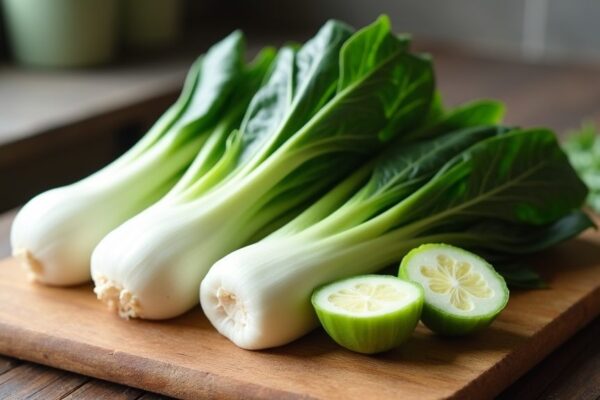
- Stir-fried vegetables — A quick stir-fry of bok choy with garlic provides freshness and balance.
- Pickled vegetables — Tangy pickled cucumbers, daikon, or mustard greens brighten the meal and aid digestion.
- Chili oil — A small dish of chili oil with soy sauce and black vinegar for dipping adds heat and complexity.
Dipping Sauce Ideas
While bao buns are flavorful on their own, a good dipping sauce elevates them even further. Here are three quick options:
Classic Chinese dipping sauce: Mix 2 tablespoons of black vinegar (Chinkiang vinegar), 1 tablespoon of soy sauce, 1 teaspoon of chili oil, and a few slices of fresh ginger. This is the most traditional accompaniment.
Spicy Sichuan sauce: Combine 1 tablespoon of chili oil, 1 tablespoon of soy sauce, 1 teaspoon of sesame paste (or tahini), ½ teaspoon of sugar, and a splash of black vinegar. Garnish with chopped green onions and toasted sesame seeds.
Sweet hoisin dip: Stir together 2 tablespoons of hoisin sauce, 1 teaspoon of rice vinegar, and 1 teaspoon of sriracha or sambal oelek. This works especially well with vegetable bao.
Frequently Asked Questions
Can I make bao buns without a bamboo steamer?
Yes. You can use a metal steamer basket set inside a pot, or even improvise with a plate on a small rack inside a lidded pot. However, bamboo steamers absorb excess condensation, which prevents water from dripping onto the buns and causing wet spots. If using a metal steamer, wrap the lid in a clean kitchen towel to absorb condensation.
Why are my bao buns not white?
The most common reason is using unbleached flour. Switch to bleached all-purpose flour or cake flour. Also ensure you are not over-proofing the dough, as this can cause a slightly yellow tint. Some bakers add ½ teaspoon of white vinegar to the dough for extra whiteness.
Can I use a different protein instead of pork?
Absolutely. Ground chicken or turkey works well — add an extra tablespoon of sesame oil to compensate for their lower fat content. For beef, use a fattier grind (80/20) and add a teaspoon of five-spice powder. Shrimp bao are also delicious: finely chop raw shrimp and mix with the same seasonings, substituting bamboo shoots for cabbage.
How do I make vegan bao buns?
The dough itself is already vegan. For the filling, use a mix of finely diced shiitake mushrooms, firm tofu (crumbled), shredded cabbage, and glass noodles. Season with soy sauce, sesame oil, ginger, and white pepper. You can also use seasoned jackfruit for a pulled-pork-like texture.
How far in advance can I prepare bao buns?
You can shape the buns and freeze them unsteamed up to 3 months in advance. You can also prepare the filling a day ahead and refrigerate it. The dough itself can be refrigerated overnight after the first rise — just bring it to room temperature for 30 minutes before shaping.
How many bao buns per person?
For a main dish, plan on 3–4 buns per person. As part of a larger meal with other dishes, 2 buns per person is usually enough. This recipe makes 16 buns, which comfortably serves 4–6 people.
What is the difference between bao buns and xiaolongbao?
Bao buns (baozi) are made with a leavened, yeasted dough that puffs up soft and fluffy during steaming. Xiaolongbao (soup dumplings) use an unleavened dough — essentially a thin dumpling wrapper — and contain a filling mixed with aspic that melts into soup during steaming. They are related but distinct dishes with very different textures and techniques. For more on Chinese dumplings, check our jiaozi recipe.
Can I pan-fry bao buns instead of steaming?
Yes — and the result is called sheng jian bao (pan-fried bao), a famous Shanghai street food. Place the buns in an oiled skillet, add ¼ cup of water, cover, and cook on medium heat until the water evaporates and the bottoms are golden and crispy (about 8–10 minutes). The combination of a crispy bottom and fluffy top is extraordinary. This is similar to the technique used for pan-fried gyoza.
The Cultural Significance of Bao Buns
Bao buns are far more than just food in Chinese culture. They carry deep symbolic meaning, especially during festivals and celebrations. During Chinese New Year, families gather to make bao buns together — the round shape symbolizes completeness and reunion, while the act of wrapping buns together strengthens family bonds. In many regions, the pleats on top of a bao bun are said to resemble the folds of a coin purse, making them a symbol of wealth and prosperity.
Throughout Chinese history, bao buns have also served as practical portable food. Workers, travelers, and soldiers carried them as convenient meals that stayed fresh for hours without refrigeration. In northern China, enormous baozi filled with lamb and onion sustained families through harsh winters. In the south, delicate dim sum baozi accompanied leisurely morning tea sessions. This versatility — spanning class, region, and occasion — is what has kept bao buns at the heart of Chinese food culture for centuries.
Today, bao buns continue to evolve. Fusion versions appear on menus worldwide — filled with pulled pork, fried chicken, or even ice cream. Yet the traditional steamed pork bao remains the gold standard, and making them from scratch at home connects you to a culinary tradition that spans nearly two millennia.
Why Make Bao Buns at Home?
You might wonder why you should go through the effort of making bao buns from scratch when you can buy frozen ones at the store. Here is why homemade is worth it:
- Freshness. There is no comparison between a bao bun straight from the steamer and one that was factory-made months ago. The dough is softer, the filling juicier, and the aroma fills your kitchen.
- Control over ingredients. You decide what goes in — no preservatives, no mystery ingredients, and you can adjust salt, sugar, and fat to your preference.
- Customization. Make any filling you want. Mix and match. Make half pork and half vegetable. Try sweet fillings for dessert. The possibilities are endless.
- Cost. A batch of 16 homemade bao buns costs roughly $5–8 in ingredients. The same number of bao buns at a restaurant would easily cost $30 or more.
- It is a rewarding kitchen project. Working with yeast dough, perfecting your pleating technique, and watching the buns puff up in the steamer is deeply satisfying. It is also a wonderful activity to do with kids or friends.
For more authentic Chinese recipes to build your home cooking repertoire, explore our collection of Chinese recipes. And if you are just getting started with Asian cooking, our guide to Asian cooking ingredients will help you stock your pantry with everything you need.

Mei Lin Chen
Mei Lin Chen is an Asian food writer and recipe developer. Melbourne-raised and London-based, she has spent over a decade exploring the rice paddies, hawker stalls, and home kitchens of South-East and East Asia. Her recipes balance traditional technique with everyday practicality.