Last updated: March 10, 2026
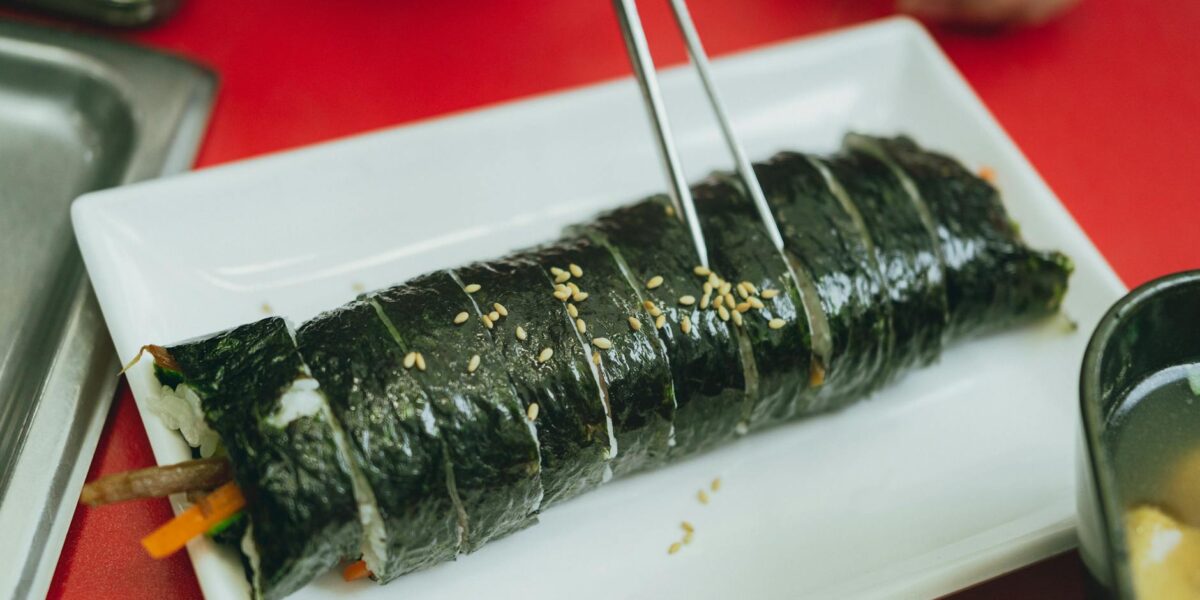
Kimbap (김밥) is one of Korea’s most beloved foods — a portable, colorful roll of seasoned rice and fillings wrapped in crispy roasted seaweed. Often compared to sushi, kimbap is its own distinct creation: the rice is dressed with nutty sesame oil instead of vinegar, the fillings are cooked rather than raw, and the whole thing is meant to be eaten at room temperature. Whether packed into a lunchbox, served as a picnic snack, or enjoyed fresh from a Seoul street vendor, kimbap is comfort food at its finest.
This kimbap recipe walks you through every detail — from cooking perfectly sticky rice to assembling tight, beautiful rolls that hold together slice after slice. With a classic filling combination of seasoned beef, egg, spinach, pickled radish, and carrots, this recipe delivers the authentic flavors you’d find at a Korean deli or bunsikjip (snack shop). And once you’ve mastered the basics, we’ll show you variations like tuna kimbap, spam kimbap, and vegetarian kimbap so you can make it your own.
What Is Kimbap?
Kimbap (also romanized as gimbap) literally translates to ”seaweed rice” — gim (김) means dried seaweed and bap (밥) means cooked rice. It’s a Korean dish consisting of steamed white rice and various fillings rolled in sheets of dried roasted seaweed (gim), then sliced into bite-sized rounds.
The dish has deep roots in Korean food culture. While its exact origins are debated, kimbap as we know it today evolved throughout the 20th century, drawing on both traditional Korean ingredients and techniques. By the 1960s and 1970s, kimbap had become a staple of Korean everyday eating — the go-to food for school field trips, hiking excursions, and family outings.
Today, kimbap is everywhere in Korea. You’ll find it at dedicated kimbap restaurants (분식집), convenience stores, train stations, and in every home cook’s repertoire. It’s one of those rare dishes that manages to be both deeply traditional and endlessly adaptable.
Kimbap vs Sushi: What’s the Difference?
At first glance, kimbap and Japanese maki sushi look similar — both feature rice and fillings wrapped in seaweed. But the two are fundamentally different dishes with distinct flavor profiles, preparation methods, and cultural contexts. Here’s how they compare:
| Feature | Kimbap (Korean) | Maki Sushi (Japanese) |
|---|---|---|
| Rice seasoning | Sesame oil and salt | Rice vinegar, sugar, and salt |
| Rice flavor | Nutty, savory | Tangy, slightly sweet |
| Typical fillings | Cooked vegetables, egg, processed or cooked proteins | Raw or cooked seafood, vegetables |
| Seaweed | Roasted and lightly salted gim | Plain, unseasoned nori |
| Serving temp | Room temperature | Room temperature or slightly chilled |
| Accompaniments | Often eaten plain or with danmuji | Soy sauce, wasabi, pickled ginger |
| Primary purpose | Portable meal, lunchbox food | Sit-down dining, prepared to order |
The key takeaway: kimbap has a warmer, more savory flavor profile thanks to the sesame oil, and it’s designed to be portable and eaten without any dipping sauce. If you’re familiar with making sushi rice, you’ll notice kimbap rice preparation is actually simpler — no need for the precise vinegar seasoning.
Kimbap Ingredients
A great kimbap starts with quality ingredients, each prepared separately before assembly. Here’s everything you’ll need for 4 rolls (about 32 pieces):
Rice
- 3 cups short-grain white rice — Korean or Japanese short-grain rice works best. Look for brands like Calrose or Koshihikari. The starch content is what gives kimbap rice its perfect sticky texture. Check our guide to the best rice for Asian cooking for recommended brands.
- 2 tablespoons toasted sesame oil — This is what makes kimbap rice taste distinctly Korean. Use a good-quality toasted sesame oil for the best nutty aroma.
- 1 teaspoon fine sea salt
- 1 tablespoon toasted sesame seeds (optional but recommended)
Fillings
- 200g (7 oz) beef bulgogi or ground beef — Thinly sliced rib-eye or sirloin, marinated briefly in soy sauce, sesame oil, garlic, and sugar. For a shortcut, use our bulgogi recipe marinade.
- 4 large eggs — Beaten and cooked into thin omelets, then sliced into strips.
- 1 bunch spinach (about 200g / 7 oz) — Blanched, squeezed dry, and seasoned with sesame oil and salt.
- 2 medium carrots — Julienned and sauteed with a pinch of salt.
- 4 strips pickled yellow radish (danmuji / 단무지) — The long, pre-cut strips work best. This adds essential crunch and tang.
- 4 strips imitation crab sticks (optional) — Also called surimi or crab-flavored fish cake.
For Assembly
- 4 sheets roasted seaweed (gim / 김) — Use full-size sheets specifically labeled for kimbap or sushi. Make sure they’re the roasted and lightly salted variety.
- 1 bamboo rolling mat (gimbap mat) — Essential for tight, even rolls. See our guide on how to use a bamboo steamer for more on traditional Asian kitchen tools.
- Extra sesame oil — For brushing the finished rolls.
How to Make Kimbap: Step-by-Step Instructions
Kimbap is all about mise en place — preparing each component first, then assembling quickly. The actual rolling takes just minutes once everything is ready. Follow these steps for perfect kimbap every time.
Step 1: Cook and Season the Rice
Rinse 3 cups of short-grain rice in cold water until the water runs mostly clear (3-4 rinses). Cook the rice in a rice cooker or on the stovetop with an equal amount of water. For stovetop instructions, see our guide on how to cook rice perfectly.
While the rice is still hot, transfer it to a large mixing bowl. Add 2 tablespoons of toasted sesame oil, 1 teaspoon of salt, and 1 tablespoon of sesame seeds. Gently fold the seasonings into the rice using a rice paddle or wooden spatula — avoid mashing or stirring aggressively, as this will make the rice gummy. Let the rice cool to room temperature before assembling. Warm rice will make the seaweed soggy.
Step 2: Prepare the Egg Strips
Beat 4 eggs with a pinch of salt. Heat a non-stick skillet over medium-low heat and lightly oil it. Pour in a thin layer of egg to make a flat omelet. Cook until set (about 1-2 minutes per side), then transfer to a cutting board. Repeat until all the egg is used — you should get 2-3 thin omelets. Slice them into long strips about 1 cm (1/2 inch) wide.
Step 3: Prepare the Spinach
Bring a pot of water to a boil. Add the spinach and blanch for 30-45 seconds until just wilted. Immediately transfer to an ice bath. Once cool, squeeze out as much water as possible — this is crucial, as wet spinach will make your kimbap fall apart. Season the spinach with 1/2 teaspoon sesame oil and a pinch of salt. Toss gently to coat.
Step 4: Prepare the Carrots
Peel the carrots and cut them into thin matchstick-sized strips (julienne). Heat a skillet over medium heat with a drizzle of vegetable oil. Saute the carrots for 2-3 minutes until slightly softened but still retaining a bit of crunch. Season with a pinch of salt. Transfer to a plate and let cool.
Step 5: Prepare the Beef
If using sliced beef, cut it into thin strips. In a small bowl, combine 1 tablespoon soy sauce, 1 teaspoon sugar, 1 teaspoon sesame oil, 1 minced garlic clove, and a pinch of black pepper. Toss the beef in this marinade and let it sit for 10 minutes. Cook the beef in a hot skillet over medium-high heat until browned and cooked through, about 3-4 minutes. Set aside to cool.
Step 6: Assemble the Kimbap
This is where the magic happens. Place your bamboo mat on a clean surface. Lay one sheet of roasted seaweed shiny-side down on the mat. With slightly wet hands (to prevent sticking), spread about 3/4 cup of seasoned rice evenly over the seaweed, leaving a 2 cm (3/4 inch) strip bare along the top edge. Don’t press too hard — a light, even layer is key. If the rice layer is too thick, the roll will be overstuffed and hard to close.
Arrange the fillings in a horizontal line across the center of the rice:
- Lay down 2-3 strips of egg
- Add a line of seasoned spinach
- Place a strip of danmuji (pickled radish)
- Add a row of julienned carrots
- Place the seasoned beef on top
- Add a strip of imitation crab (if using)
Pro tip: Don’t overfill. It’s tempting to load up, but too many fillings will make rolling difficult and cause the seaweed to tear. Less is more — you want each bite to have a balanced mix of all the components.
Step 7: Roll the Kimbap
Using the bamboo mat, lift the edge closest to you and fold it over the fillings, tucking it tightly against them. Continue rolling forward with firm, even pressure, using the mat to shape the roll into a tight cylinder. When you reach the bare strip of seaweed at the top, the moisture from the rice should help it seal. If it doesn’t stick, dab a tiny bit of water along the edge.
Once rolled, brush the outside of the kimbap with a thin layer of sesame oil. This adds flavor, gives the roll a beautiful sheen, and prevents the seaweed from drying out.
Step 8: Slice and Serve
Using a sharp, wet knife, cut the roll into rounds about 1.5 cm (5/8 inch) thick. Wipe and re-wet the knife between every few cuts to prevent sticking. You should get 8-10 pieces per roll. Arrange the pieces cut-side up on a plate to show off the colorful cross-section. Sprinkle with additional sesame seeds if desired.
Tips for Perfect Kimbap
After making hundreds of kimbap rolls, here are the techniques that make the biggest difference:
- Use freshly cooked rice, but let it cool. Rice that’s too hot will wilt the seaweed and make everything soggy. Rice that’s too cold (refrigerated) will be stiff and hard to spread. Room temperature is the sweet spot.
- Squeeze your spinach thoroughly. Wrap it in a clean kitchen towel and wring out every drop of moisture. Wet spinach is the number-one cause of kimbap falling apart.
- Don’t overfill. This is the most common mistake beginners make. The fillings should form a compact line, not a mound. You want the rice to fully enclose everything with no gaps.
- Keep your hands slightly wet. Dip your fingers in a bowl of water mixed with a drop of sesame oil. This prevents rice from sticking to your hands while adding subtle flavor.
- Roll tightly but don’t crush. Firm, steady pressure as you roll — not a death grip. The fillings should be snug but not smashed.
- Use a sharp, wet knife. A dull knife will squash the roll. Wetting the blade prevents the rice from sticking and dragging. A serrated bread knife also works surprisingly well.
- Brush with sesame oil immediately after rolling. This seals the seaweed, adds flavor, and gives the roll an appetizing glossy finish.
- Slice just before eating. Once cut, the pieces dry out faster. If packing for a lunchbox, wrap the whole roll in plastic wrap and slice at your destination.
Kimbap Variations
One of the best things about kimbap is its versatility. Once you’ve mastered the basic technique, try these popular variations:
Tuna Kimbap
The most popular variation in Korea. Drain a can of tuna, mix it with 1 tablespoon of mayonnaise and a squeeze of lemon juice. Use this in place of the beef. Add some thinly sliced perilla leaves (kkaennip) for an authentic touch. Tuna kimbap is the default choice at most Korean convenience stores.
Spam Kimbap
Spam holds a special place in Korean cuisine (it’s even sold in gift sets during holidays). Slice Spam into thin strips and pan-fry until golden and slightly crispy on the edges. Use it as your protein filling alongside the standard vegetables. The salty, savory flavor of fried Spam pairs beautifully with the sesame rice.
Vegetarian Kimbap
Skip the meat entirely and load up on vegetables. Great vegetarian fillings include: seasoned burdock root, avocado, cucumber, sweet potato (roasted and sliced), marinated tofu strips, and pickled radish. For extra protein, add a strip of seasoned pressed tofu. This is naturally vegan if you also skip the egg.
Cheese Kimbap
A modern favorite, especially with kids. Add a strip of mild cheese (mozzarella string cheese works perfectly) alongside the classic fillings. The cheese doesn’t melt since kimbap is served at room temperature, but it adds a creamy, mild contrast. Some versions use cream cheese for an even richer result.
Nude Kimbap (Inside-Out)
Also known as inside-out kimbap, this version places the rice on the outside and the seaweed on the inside — similar to a California roll. Lay plastic wrap over your bamboo mat, spread the rice on the plastic, place the seaweed on top of the rice, add fillings, and roll. The result is a colorful roll with sesame-speckled rice on the exterior.
Kimchi Kimbap
For spice lovers, add chopped kimchi that’s been lightly sauteed with sesame oil. The fermented, tangy heat of kimchi transforms the roll. Pair it with pork belly strips or just tuna for a bold, flavorful combination. Squeeze out excess liquid from the kimchi before adding it to prevent sogginess.
Kimbap Filling Ideas at a Glance
Mix and match from these categories to create your own custom kimbap:
| Category | Options |
|---|---|
| Proteins | Bulgogi beef, ground beef, canned tuna, Spam, crab sticks, shrimp tempura, grilled chicken, marinated tofu, smoked salmon |
| Vegetables | Spinach, carrots, cucumber, avocado, burdock root, bell peppers, perilla leaves, sweet potato, asparagus |
| Pickled / Fermented | Danmuji (yellow radish), kimchi, pickled cucumbers, pickled beets |
| Eggs / Dairy | Egg strips, rolled egg (gyeran-mari), string cheese, cream cheese |
| Extras | Fish cake (eomuk), dried floss (pork or fish), seasoned dried seaweed flakes, roasted sesame seeds |
Nutritional Information
Kimbap is a well-balanced meal with carbohydrates from rice, protein from meat and eggs, and vitamins from vegetables. Here’s the approximate nutritional breakdown for one classic beef kimbap roll (8 pieces):
| Nutrient | Amount per Roll (8 pieces) | % Daily Value* |
|---|---|---|
| Calories | 380-420 kcal | ~19% |
| Total Fat | 12-15g | ~18% |
| Saturated Fat | 3-4g | ~17% |
| Cholesterol | 120-140mg | ~43% |
| Sodium | 650-800mg | ~30% |
| Total Carbohydrates | 50-55g | ~19% |
| Dietary Fiber | 2-3g | ~9% |
| Sugars | 3-4g | — |
| Protein | 15-18g | ~32% |
| Vitamin A | — | ~25% |
| Vitamin C | — | ~8% |
| Calcium | — | ~6% |
| Iron | — | ~15% |
*Based on a 2,000-calorie daily diet. Values are approximate and will vary depending on specific ingredients and quantities used.
Kimbap is relatively calorie-efficient for a complete meal. The seaweed provides iodine, iron, and B vitamins. Spinach adds folate and vitamin K. Carrots contribute beta-carotene. For a lower-calorie version, use less rice and more vegetables. For a higher-protein version, add extra egg or double the meat.
How to Store Kimbap
Kimbap is best eaten the same day it’s made, but with the right storage techniques, you can keep it fresh longer:
Room Temperature (Best for Same-Day Eating)
Kimbap is traditionally served and eaten at room temperature. Unsliced rolls wrapped tightly in plastic wrap will stay fresh for 3-4 hours at room temperature. This is ideal for picnics, road trips, and packed lunches. Avoid leaving kimbap out for more than 4 hours, especially in warm weather, as the rice and fillings can spoil.
Refrigerator (Up to 24 Hours)
Wrap unsliced rolls tightly in plastic wrap and store in the refrigerator for up to 1 day. Be aware that refrigeration hardens the rice (the starch retrogrades), so the texture won’t be as good as fresh. To improve refrigerated kimbap, let it come to room temperature for 15-20 minutes before eating, or briefly microwave for 20-30 seconds to soften the rice.
Freezer (Not Recommended)
Freezing kimbap is generally not recommended. The vegetables become watery upon thawing, the egg changes texture, and the seaweed loses its crispness. If you must freeze, wrap individual unsliced rolls tightly in plastic wrap and then aluminum foil. Use within 2 weeks. Thaw in the refrigerator overnight, then microwave briefly before eating.
Make-Ahead Strategy
The best make-ahead approach is to prepare all the fillings in advance. Cooked and seasoned spinach, carrots, beef, and egg strips can all be refrigerated in separate containers for up to 2 days. When you’re ready to eat, cook fresh rice, season it, and assemble. This cuts your active cooking time down to about 15 minutes.
What to Serve with Kimbap
Kimbap is a complete meal on its own, but it pairs beautifully with these Korean staples:
- Danmuji (pickled yellow radish) — The classic side. The tangy crunch cuts through the richness of the sesame rice.
- Kimchi — No Korean meal is complete without it. The fermented spice and acidity complement kimbap perfectly.
- Tteokbokki — Spicy rice cakes are the ultimate kimbap pairing at Korean snack shops. The combination of mild kimbap and fiery tteokbokki is iconic.
- Korean fish cake soup (eomuk-guk) — A light, warm broth-based soup that balances the richness of kimbap.
- Ramyeon (Korean instant noodles) — At bunsikjip restaurants, kimbap plus ramyeon is one of the most popular combo orders.
- Soy dipping sauce — While kimbap is traditionally eaten without dipping sauce, some people enjoy it with a mix of soy sauce, rice vinegar, and sesame seeds.
Essential Equipment for Making Kimbap
You don’t need much to make kimbap, but having the right tools makes the process smoother:
- Bamboo rolling mat (gimbap mat) — The same mat used for sushi rolling. It provides even pressure for a tight roll. Silicone mats also work. Wrap it in plastic wrap for easier cleanup.
- Rice cooker — Not essential but makes perfectly consistent rice every time.
- Sharp knife — A wet, sharp chef’s knife is critical for clean slices. A serrated knife works as a backup.
- Non-stick skillet — For cooking the thin egg omelets without tearing.
- Large mixing bowl — For seasoning the rice.
- Rice paddle — A flat wooden or plastic paddle for folding seasonings into rice without crushing the grains.
Common Kimbap Mistakes (and How to Fix Them)
Even experienced cooks run into trouble with kimbap. Here are the most common issues and their solutions:
Problem: The roll falls apart when slicing.
Solution: You likely have too much filling or not enough rice to seal the roll. Make sure the rice layer is even and that you leave a bare strip of seaweed at the top for sealing. Also, use a wet, sharp knife and slice with a gentle sawing motion.
Problem: The seaweed is tough and chewy.
Solution: This happens when the seaweed absorbs too much moisture from hot rice or wet fillings. Always let rice cool to room temperature and squeeze every drop of water from blanched vegetables.
Problem: The rice sticks to everything.
Solution: Keep your hands, knife, and work surface lightly moistened with water. A small bowl of water with a drop of sesame oil works perfectly for dipping your hands between rolls.
Problem: The fillings slide to one side.
Solution: Place fillings in a tight, centered line and tuck the first roll firmly over them. Don’t try to roll too fast — steady pressure is more effective than speed.
Problem: The roll is too thick or too thin.
Solution: Use about 3/4 cup of rice per sheet and spread it about 3-4mm thick. For fillings, think of a pencil-thick line of each ingredient. After a few rolls, you’ll develop an intuitive sense for the right proportions.
The History and Culture of Kimbap
Kimbap’s history is intertwined with Korea’s modern history. While seaweed-wrapped rice snacks have existed in Korean cuisine for centuries, the structured roll format we know today became widespread in the mid-20th century. During the 1960s-1980s, as Korea industrialized rapidly, kimbap emerged as the perfect food for workers and students — affordable, portable, nutritious, and easy to share.
In Korean culture, kimbap carries strong emotional associations. It’s the food mothers wake up early to make for school field trips. It’s what you pack for a mountain hike. It’s what friends share during cherry blossom season. The act of making kimbap together — an assembly line of family members each handling a different filling — is a cherished domestic ritual.
The kimbap industry in Korea is massive. Chain restaurants like Kimbap Cheonguk (”Kimbap Heaven”) and Kimbap Nara (”Kimbap Country”) dot every neighborhood, offering rolls for just 2,000-3,500 Korean won ($1.50-$2.50 USD). Convenience stores like GS25, CU, and 7-Eleven sell individually wrapped kimbap that rival homemade quality — they’re some of the best-selling items in Korean convenience stores.
Internationally, kimbap has surged in popularity alongside the broader Korean Wave (Hallyu). K-dramas and variety shows frequently feature characters eating kimbap, introducing the dish to global audiences. In the US, kimbap has moved from Korean grocery store delis into mainstream awareness, driven by social media, the rise of Korean restaurants in major cities, and the general enthusiasm for Korean recipes.
Frequently Asked Questions
Can I use regular long-grain rice for kimbap?
We don’t recommend it. Long-grain rice (like jasmine or basmati) doesn’t have enough starch to stick together, and your kimbap will fall apart. Short-grain rice — whether Korean, Japanese, or Calrose — is essential for the right texture. Check our guide to the best rice for Asian cooking for specific brand recommendations.
Is kimbap gluten-free?
Classic kimbap can be gluten-free if you use tamari or gluten-free soy sauce for the beef marinade and check that your imitation crab sticks and pickled radish are gluten-free (some brands contain wheat). Rice, seaweed, eggs, and vegetables are naturally gluten-free.
How many pieces of kimbap is one serving?
One roll (8-10 pieces) is a standard single serving as a meal. If serving kimbap as a snack or appetizer alongside other dishes, half a roll (4-5 pieces) per person is sufficient. For a party or gathering, plan on 1.5-2 rolls per person.
Can I make kimbap without a bamboo mat?
Yes, though it’s more difficult. You can use a clean kitchen towel, a sheet of aluminum foil, or even a piece of parchment paper. The key is having something flexible that provides even pressure. However, a bamboo mat costs just a few dollars and makes a significant difference in roll quality — it’s worth the investment.
Why does my kimbap taste bland?
The most common reason is under-seasoning the rice. Remember, the rice makes up the majority of each bite. Make sure you’re using enough sesame oil and salt. Each filling should also be individually seasoned — bland spinach or unseasoned carrots will drag down the whole roll. Taste each component on its own before assembling.
Can I make kimbap the night before?
You can, but the quality will decline. Wrap unsliced rolls tightly in plastic wrap and refrigerate. The rice will harden somewhat overnight. Let the rolls return to room temperature for 15-20 minutes before slicing, or microwave the whole roll for 20-30 seconds to soften the rice. For best results, prepare fillings the night before and assemble with fresh rice in the morning.
What’s the difference between kimbap and gimbap?
They’re the same dish — just different romanizations of the Korean 김밥. ”Gimbap” follows the Revised Romanization system used by the Korean government, while ”kimbap” follows the older McCune-Reischauer system and is more commonly used in English. You may also see ”kimbop” or ”gimbop.” All refer to the same beloved seaweed rice roll.
Can I use brown rice for kimbap?
Short-grain brown rice works for a healthier version, but expect a different texture — it’s chewier and less sticky. You may need to add an extra splash of sesame oil to help it stick together. Cook the brown rice with slightly more water and for longer than white rice. Some people mix half white and half brown for a compromise between health and texture.
How do I keep kimbap fresh for a picnic?
Wrap each unsliced roll tightly in plastic wrap. Place the rolls in an insulated bag with an ice pack underneath (not directly touching the rolls, as extreme cold hardens the rice). Slice just before eating. Kimbap wrapped this way will stay fresh and safe for 3-4 hours. In hot summer weather, consume within 2 hours for food safety.
Master Kimbap and Explore More Korean Cooking
Once you’ve nailed this kimbap recipe, you’ll have a versatile technique in your cooking arsenal that you can use endlessly. The basic method — season, prep, roll, slice — stays the same no matter what fillings you choose. Start with the classic version here, then experiment with your own combinations.
If you’re diving deeper into Korean cooking, explore our other Korean recipes collection for dishes like bulgogi, bibimbap, and japchae. And for essential Korean pantry staples like gochujang, doenjang, and sesame oil, check our ingredient guides to stock your kitchen for any Korean recipe.

Mei Lin Chen
Mei Lin Chen is an Asian food writer and recipe developer. Melbourne-raised and London-based, she has spent over a decade exploring the rice paddies, hawker stalls, and home kitchens of South-East and East Asia. Her recipes balance traditional technique with everyday practicality.