Last updated: March 06, 2026
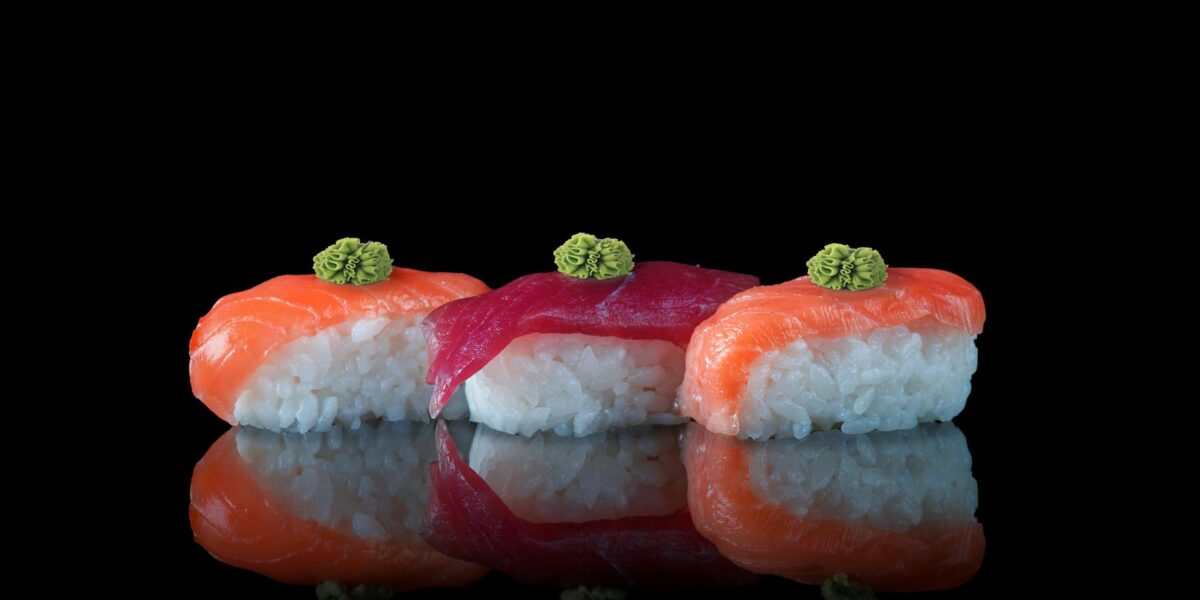
Nigiri sushi looks deceptively simple — a small mound of vinegared rice with a slice of fish draped over the top — but ask any sushi chef in Tokyo and they will tell you that learning to shape shari (sushi rice) by hand is a years-long pursuit. The pressure of your fingers, the temperature of the rice, the angle of the fish, and the wisp of wasabi tucked between rice and fish all combine to create a single bite that should fall apart the instant it hits your tongue. The good news for home cooks: you do not need a decade of apprenticeship to make excellent nigiri at home. With sushi-grade fish, properly seasoned rice, and a few hours of focused practice, you can produce restaurant-quality nigiri that rivals what you would pay $8 a piece for at the counter.
This guide walks you through every part of the nigiri-making process: choosing fish, cooking the rice, mastering the hand-shaping movement Japanese chefs call tezuke, troubleshooting the most common beginner mistakes, and finishing with advanced techniques like aburi (torched nigiri) and nikiri (the chef’s soy glaze). By the end, you will have a repeatable system you can use for tuna, salmon, yellowtail, shrimp, and beyond.
What Is Nigiri Sushi? An Overview of the Technique
Nigiri sushi (握り寿司, nigiri-zushi) is a style of Edomae sushi that dates back to early-1800s Tokyo, when the city was still called Edo. The word nigiri literally means ”to grip” or ”to squeeze,” referring to the way a chef compresses a small handful of seasoned rice into an oblong block, dabs it with wasabi, and crowns it with a slice of fish. Unlike maki rolls, which use a bamboo mat and nori sheet, nigiri is shaped entirely by hand. There is no mold, no rolling mat, and no shortcut — just two hands, a bowl of vinegar water, and trained muscle memory.
The technique was originally invented as fast food. Edo workers wanted a quick, portable meal, and street stalls along the Sumida River began pressing fresh fish onto vinegared rice as a kind of nineteenth-century sandwich. The vinegar was practical as well as flavorful: before refrigeration, the acid in the rice helped preserve raw fish for a few extra hours in summer heat. Two hundred years later, the format has barely changed. A single piece of nigiri is still meant to be eaten in one bite, and the rice-to-fish ratio has been refined into something close to mathematical precision.
What makes nigiri uniquely difficult is the contradiction at its core. The rice must hold together when picked up with chopsticks or fingers, but it must also fall apart instantly inside the mouth. Press too hard and you get a dense, gummy lump. Press too softly and the piece collapses on the way to the soy sauce dish. The chef’s job is to find the exact pressure — usually applied in three or four small squeezes — that creates a structured exterior with an airy, almost cloud-like interior.
Nigiri vs Sashimi vs Maki: Understanding the Differences
Beginners often confuse the three pillars of Japanese raw-fish cuisine, so it is worth drawing a clear line between them before you pick up a knife.
Sashimi is sliced raw fish served with no rice. It is judged entirely on the quality of the fish and the precision of the cut. If you are new to fish cutting, our companion guide on how to make sashimi walks through the knife angles you will reuse for nigiri toppings.
Maki (rolled sushi) wraps rice and fillings inside a sheet of nori using a bamboo mat. Maki includes everything from thin hosomaki to fat American-style California rolls. Our sushi roll recipe covers five beginner-friendly variations.
Nigiri sits between the two. It uses the same fish as sashimi and the same rice as maki, but it relies on hand-pressing rather than rolling. There is no nori in standard nigiri (with the exception of pieces like ikura or uni, which use a thin nori band to hold the topping in place). Because nigiri requires no specialized equipment beyond a sharp knife, many sushi instructors recommend it as the first hand-shaping technique to learn before moving on to maki and gunkan.
Equipment You Need to Make Nigiri at Home
Nigiri is one of the most equipment-light techniques in Japanese cuisine, but a few specific tools will dramatically improve your results. You do not need to spend hundreds of dollars — a $40 starter kit will get you 90% of the way there.
- A sharp, long-bladed knife. A traditional yanagiba (single-bevel willow-leaf knife) is ideal because its long edge lets you slice fish in one smooth pulling motion without sawing. If you do not own one, a sharp 9-inch chef’s knife or sashimi knife will work. The single most important factor is sharpness: a dull knife crushes fish cells and turns translucent slices opaque.
- A wooden rice tub (hangiri). A flat-bottomed cedar or cypress tub absorbs excess moisture from rice as it cools and prevents the bottom layer from turning gummy. A wide ceramic bowl or glass dish is an acceptable substitute; avoid metal, which reacts with the vinegar.
- A rice paddle (shamoji). Wooden or plastic; you will use this to fold vinegar into the rice with cutting motions rather than stirring.
- A small bowl of tezu (hand vinegar). A 50/50 mix of rice vinegar and cold water that you dip your fingers into between each piece. It prevents rice from sticking to your hands.
- Plastic wrap or a damp towel. To cover finished rice and prevent it from drying out while you work.
- A sushi-grade cutting board. Wood is traditional; a plastic board works for home use. Wipe with a damp towel between each fish to keep the surface non-stick.
If you want to invest in a single upgrade, choose the knife. You can shape passable rice with any wooden spoon, but you cannot slice clean fish with a dull blade. Look at our Chinese cleaver knife skills guide for general technique principles that translate to any long-bladed knife.
Choosing and Preparing Sushi-Grade Fish
”Sushi-grade” is not a regulated term in the United States — there is no FDA stamp or USDA certification. What it actually means is fish that has been frozen at a temperature and duration sufficient to kill parasites (typically -4°F for at least seven days, or -31°F for at least 15 hours, per FDA guidelines). Most fish sold for raw consumption is sold frozen-then-thawed, which is fine; what matters is the freezing schedule.
When buying nigiri-quality fish, look for these signs:
- Smell. The flesh should smell faintly of clean ocean water — not ”fishy,” not ammonia-like. Sour or chemical notes mean walk away.
- Texture. Press lightly with a fingertip; the flesh should spring back. A persistent dent or mushy give signals broken-down protein.
- Color. Tuna should be deep red to garnet, not bright pink (often a sign of carbon-monoxide treatment). Salmon should be coral-orange with white marbling lines. Yellowtail should be pale pink with a thin silvery edge.
- Cut. Buy a block (called a saku) rather than pre-sliced strips. A saku gives you control over slice thickness and lets you trim sinew lines yourself.
To prepare the fish, place the saku on your cutting board with the grain running parallel to your knife edge. The grain shows up as faint white lines on tuna and salmon. You will slice against the grain so each piece severs the muscle fibers and falls apart cleanly in the mouth. Hold the knife at a 30 to 45 degree angle, place the heel of the blade at the far edge of the saku, and pull the knife toward you in a single smooth motion. Do not saw. Each slice should be about 1/8 inch (3 mm) thick, 2.5 inches (6 cm) long, and 1 inch (2.5 cm) wide — roughly the size of two postage stamps overlapping.
Making Perfect Nigiri Rice (Shari)
Sushi rice is half the dish. A common saying among sushi apprentices is that the rice takes three years to learn and the fish takes three months. The rice must be warm (about body temperature, 95–98°F), seasoned with vinegar, salt, and sugar, and just sticky enough to hold a shape without turning gummy.
For the full step-by-step on cooking the rice itself, see our guide to perfect sushi rice. The short version: rinse short-grain Japanese rice (Koshihikari is the gold standard — see our best rice for sushi guide) until the water runs almost clear, soak for 30 minutes, cook with a 1:1.1 rice-to-water ratio, and rest for 10 minutes off heat.
While the rice rests, prepare the seasoning. For every 2 cups of cooked rice, combine 4 tablespoons of rice vinegar, 2 tablespoons of sugar, and 1 teaspoon of salt. Heat gently until the sugar dissolves; do not boil. Pour the warm rice into your hangiri or wooden bowl, drizzle the vinegar mixture evenly across the surface, and use the rice paddle to fold the vinegar in with sharp cutting strokes — never stir, which mashes the grains. Fan the rice with a piece of cardboard or a hand fan as you fold. The fanning evaporates surface moisture and gives finished rice its characteristic sheen.
Cover the seasoned rice with a damp towel until you are ready to shape. The rice should remain at body temperature throughout your nigiri session. Cold rice will not bind correctly; hot rice will cook the fish on contact. If your kitchen is cold, place the covered bowl on top of (not inside) a warm rice cooker on the keep-warm setting.
The Step-by-Step Nigiri Shaping Technique
This is the heart of the technique. Sushi chefs call the basic motion tezuke (”hand-pressing”) and break it down into a sequence of four to six movements that take well under ten seconds when practiced. Read through the entire sequence before you start, then run through it slowly with empty hands a few times to build muscle memory.
- Wet your hands. Dip the fingertips of both hands into the tezu (hand vinegar) and shake off the excess. Your hands should be barely damp, not dripping. Too much water and the rice slides out of your grip; too little and grains stick to your fingers.
- Pick up a slice of fish. Use your dominant hand (right hand for right-handed cooks) to pick up a slice of fish. Hold it flat across your slightly curled left palm. The skin side, if any, should face down.
- Grab a portion of rice. With your right hand, scoop up about 18–20 grams of rice — roughly a tablespoon, or one-third the size of a golf ball. This is the most-overlooked step. Too much rice produces a top-heavy block; too little creates a flat, sad pillow. Weigh a few portions on a kitchen scale until your eye learns the size.
- Form a loose cylinder. Curl your right hand into a soft fist around the rice and roll it three times against your palm to form an oblong cylinder, about 2 inches long and 0.75 inches wide. The pressure should be no more than the weight of holding an egg.
- Apply wasabi (optional but traditional). Use the tip of your right index finger to swipe a small amount of fresh wasabi across the underside of the fish slice. A pea-sized amount per piece is plenty.
- Place the rice on the fish. Lay the rice cylinder onto the fish in your left palm.
- The first press. Use the fingers of your right hand (index, middle, ring) to press down gently on the rice while curling the fish up around its edges with your left hand. The first press shapes the top.
- Flip and press the sides. Roll the piece 180 degrees so the fish is now on top. Cradle the piece in your left palm and use your right index and middle fingers to press the long sides of the rice inward. This shapes the body.
- Final press. Press the top of the fish gently with your right index and middle fingers, dragging slightly forward. This compresses the fish onto the rice and creates the slight curve sushi chefs prize.
- Set on the plate. Lift the finished piece and set it down with the fish facing up. A correctly shaped nigiri should sit with the fish slightly overhanging both ends of the rice.
The whole sequence should take five to eight seconds once you have it down. Speed is not just for show — fast handling means less time for the rice to cool, less time for body heat to denature the fish, and less time for moisture to leak between the layers. If you find yourself working slower than 15 seconds per piece, slow the rice scoop, not the press; almost all beginners take too much rice and then waste time wrestling it into shape.
Common Nigiri Mistakes (and How to Fix Them)
Most beginners run into the same handful of problems on their first session. The table below lists the most frequent failure modes, what causes each one, and the specific fix.
| Mistake | What You’ll See | Cause | Fix |
|---|---|---|---|
| Rice ball too dense | Brick-like texture, gummy mouthfeel | Pressing too hard or too many times | Use only three light presses; treat the rice like an egg |
| Piece falls apart | Rice crumbles when picked up | Rice is too cold or too dry; not enough press | Keep rice at body temperature; cover with damp towel |
| Fish slips off | Topping slides during plating | No wasabi to act as glue; fish too thick | Add a pea of wasabi; slice fish to 1/8 inch (3 mm) |
| Rice sticks to hands | Grains coat fingertips | Hands too dry or too wet | Re-dip in tezu; shake off until barely damp |
| Uneven shape | Lopsided, bulging blocks | Inconsistent rice portion size | Weigh first 10 portions on a 0.1g scale |
| Fish curls up at edges | Topping looks ragged | Slice cut against the wrong grain | Identify white sinew lines; slice perpendicular |
| Cloudy fish color | Translucent flesh turns opaque | Dull knife crushes cell walls | Sharpen knife on whetstone before each session |
| Vinegar overpowers rice | Pickle-like sourness | Too much vinegar or undercooked sugar | Reduce to 4 tbsp vinegar per 2 cups rice |
| Rice gummy on top, dry below | Texture inconsistent within rice block | Rice not folded evenly during seasoning | Use cutting strokes, not stirring; fan as you fold |
| Fish warm and limp | Topping loses sheen and structure | Fish sat out too long before shaping | Slice in batches of 4–6; keep saku in fridge |
Practice Exercises to Master the Hand-Shaping Motion
You cannot master nigiri by reading. Set aside an afternoon to drill the motion before you spend money on tuna. The exercises below progress in difficulty and will give you the foundation that sushi apprentices spend their first six months building.
Exercise 1: The Empty-Hand Drill (no rice)
Stand at your work surface, dip your hands in tezu, and run through all ten steps of the shaping sequence with empty hands. Do this 30 times. The goal is to commit the foot pattern of each press to muscle memory before you add the variables of rice and fish. Pay attention to which fingers do which job; the index and middle fingers are doing 80% of the work.
Exercise 2: Rice-Only Practice
Cook a single cup of sushi rice, season it, and shape 20 nigiri-sized rice blocks with no fish on top. The point is to nail the rice portion (18–20 grams) and the basic block shape. Weigh every fifth ball to check your portion accuracy. The shape should be slightly tapered at the ends — like a stretched football, not a brick. Eat the practice rice with a sprinkle of black sesame and salt; nothing wasted.
Exercise 3: The Cucumber Substitute
Slice a Persian cucumber into 1/8-inch oblongs. Use the cucumber slices as stand-in fish to practice the full ten-step sequence with rice. Cucumber holds its shape, costs almost nothing, and lets you focus on the press without worrying about expensive ingredients sliding off.
Exercise 4: The Stopwatch Drill
Once you can produce 20 consistent rice-only blocks, set a phone timer for 60 seconds and try to complete eight pieces of cucumber nigiri before the buzzer. Speed forces your hands to commit to the motion rather than second-guessing. Aim for under eight seconds per piece by your fourth session.
Exercise 5: The Fish Test
Now buy a small saku of salmon (the most forgiving fish for beginners — its fat content masks small cutting errors). Make 12 pieces in one sitting. Photograph the first piece and the twelfth side by side. The visible improvement over a single session is one of the best motivators in cooking.
Advanced Nigiri Techniques: Aburi, Nikiri, and Hikari-mono
Once you can produce consistent basic nigiri, three intermediate techniques will dramatically expand your repertoire and make your home sushi sessions feel professional.
Aburi (炙り) — the torched finish. Aburi nigiri uses a small kitchen butane torch to lightly caramelize the surface fat of fatty fish. It works best on salmon belly, otoro (fatty tuna), hamachi collar, and unagi. After shaping the nigiri, brush a thin layer of soy or nikiri (see below) on top of the fish, then sweep the torch flame across the surface for two to four seconds, just until the fat begins to render and bubble. The result is a smoky, almost-bacon flavor on top of cool, raw fish underneath. Hold the torch six inches away and keep it moving — too close and you cook the fish through.
Nikiri (煮切り) — the chef’s soy glaze. Nikiri is a reduced soy sauce that high-end sushi chefs brush onto each piece of nigiri so the diner does not have to dip. To make it, combine 1/2 cup soy sauce, 2 tablespoons of mirin, 1 tablespoon sake, and a small piece of bonito flakes. Bring to a low simmer for three minutes, strain, and cool. Brush a thin layer onto each finished piece with a small pastry brush. Nikiri keeps for two weeks refrigerated and elevates even basic supermarket fish.
Hikari-mono (光り物) — silver-skinned fish. Hikari-mono refers to small, oily, silver-skinned fish like mackerel, sardine, and gizzard shad. These traditionally require a brief vinegar or salt cure before becoming nigiri toppings. The cure takes 20 to 40 minutes and changes the texture of the flesh from soft and mushy to firm and bright. Hikari-mono is one of the most distinctly Japanese categories of nigiri and rarely appears at supermarket sushi counters, making it a great way to elevate your home practice.
Nigiri Topping Variations: A Reference Table
Nigiri is best understood as a platform: rice plus topping plus optional finish. The table below covers the most common toppings, how to prepare each one, and any topping-specific tricks.
| Topping | Japanese Name | Prep Notes | Best Finish |
|---|---|---|---|
| Tuna (lean) | Akami / Maguro | Slice 1/8″ against grain; pat dry | Plain or nikiri brush |
| Fatty tuna | Toro / Otoro | Slice 1/8″; remove silver sinew | Aburi (light torch) |
| Salmon | Sake | Slice 1/8″; remove pin bones | Nikiri or thin lemon zest |
| Yellowtail | Hamachi | Slice slightly thicker (3/16″) | Nikiri + scallion + ginger |
| Sea bream | Tai | Score skin lightly with knife tip | Yuzu salt or ponzu |
| Mackerel | Saba | Salt-cure 30 min, vinegar-cure 20 min | Grated ginger on top |
| Shrimp (cooked) | Ebi | Skewer to keep straight; boil 90 sec; butterfly | Nikiri brush |
| Eel | Unagi | Buy pre-grilled; warm 60 sec; brush tare | Aburi + tare sauce |
| Sea urchin | Uni | Wrap rice in nori band first | Plain or yuzu zest |
| Salmon roe | Ikura | Wrap rice in nori band first | Single shiso leaf underneath |
| Egg omelette | Tamago | Slice 1/4″ thick; secure with nori band | Plain |
| Squid | Ika | Score top in cross-hatch pattern | Salt + yuzu juice |
Three Recipe Examples to Practice
Recipe 1: Classic Salmon Nigiri (Beginner)
Salmon is the gateway nigiri for a reason: its fat content forgives uneven slicing, its color is forgiving on plates, and its flavor is approachable. Start with a 6-ounce sushi-grade salmon saku, two cups of seasoned sushi rice (warm), wasabi paste, and a small bowl of tezu.
Slice the saku into eight pieces, each 1/8 inch thick and roughly 2.5 inches long. Run through the ten-step shaping sequence eight times. Plate four pieces per person with pickled ginger and a small pour of soy sauce. If you skipped the wasabi step, place a small mound of wasabi on the plate. The whole assembly takes about 10 minutes once your rice and fish are prepped.
Recipe 2: Aburi Salmon Belly (Intermediate)
This is the move that turns a $25 salmon saku into something restaurants charge $40 for. Use the fattiest cut you can find — salmon belly is ideal. Make eight basic salmon nigiri as above, then brush a thin layer of nikiri across the top of each piece. Hold a butane torch six inches above the plate and sweep across each piece for three seconds, until the fat begins to bubble and the surface goes from translucent to slightly opaque. Top with a single grain of flaked sea salt. Serve immediately; the surface should still be warm to the touch.
Recipe 3: Cooked Shrimp Nigiri (Cooked-Fish Option)
For diners who prefer not to eat raw fish, cooked shrimp nigiri (ebi nigiri) is the standard. Insert a bamboo skewer along the length of each large shrimp (8–10 count, peeled and deveined) — the skewer keeps the shrimp from curling. Boil for 90 seconds in salted water, then immediately plunge into ice water for two minutes. Remove the skewer, butterfly the shrimp from the underside, and flatten gently. Each shrimp becomes one nigiri topping. Brush with nikiri or a touch of sesame oil and serve.
Plating, Serving, and Eating Etiquette
Nigiri is best eaten within five minutes of being shaped. The rice is at its peak texture immediately after pressing and begins to dry out as it sits. If you are making a multi-course home meal, shape one round of pieces, eat them, and shape the next round between conversations.
How to eat nigiri properly. The traditional method is to pick up the piece with your fingers, dip the fish side (not the rice) into soy sauce, and place the piece in your mouth fish-side-down. Dipping the rice causes it to absorb soy and fall apart in the dish. Using fingers is not bad manners — it is the original way nigiri was eaten in Edo, and most chefs prefer it. Chopsticks are also fine; see our guide to chopstick technique if you are still building the skill.
About wasabi. If your nigiri already has wasabi pressed between rice and fish, do not add more on top. Mixing wasabi into your soy sauce is considered bad form at high-end sushi counters; it muddies the flavor and tells the chef their seasoning was inadequate. At home, do whatever tastes good — but try the chef-style first to understand why the rules exist.
About ginger. Pickled ginger (gari) is a palate cleanser between pieces, not a topping. Eat one slice between different fish to reset your taste, especially after fatty pieces.
Storing Leftovers and Food Safety
Nigiri does not store well. The rice hardens, the fish loses its sheen, and any temperature gain in the fish poses a food-safety risk. If you have leftover sliced fish, wrap it tightly in plastic, lay it on a bed of ice in the refrigerator, and use it within 24 hours — preferably as cooked food (a quick pan-sear, a poke bowl, or chopped into a chirashi).
Leftover seasoned sushi rice can sit at room temperature, covered with a damp towel, for up to four hours. Refrigerated rice goes hard and chalky, and reheating breaks the vinegar’s flavor balance. The best use for leftover rice is onigiri — see our guide to onigiri shaping, which uses a similar hand technique with different pressure and a different rice-to-filling ratio.
Parasite risk. Raw freshwater fish (trout, perch, pike) should never be used for nigiri without commercial-grade freezing first. Even some saltwater fish (salmon, mackerel) require freezing per FDA guidelines unless sourced from farms with documented parasite-free protocols. When in doubt, ask the fishmonger if the fish has been ”frozen for sushi” before purchase.
Frequently Asked Questions
Can I make nigiri with grocery-store fish?
Only if the fish is labeled ”sushi grade” or ”previously frozen for raw consumption.” Many grocery stores carry a small selection of frozen sushi-grade tuna and salmon in the freezer aisle. Trader Joe’s, Whole Foods, and most Asian supermarkets are reliable sources. Do not use fresh-from-the-counter fish unless the fishmonger explicitly confirms the freezing schedule.
What is the right rice-to-fish ratio?
The classic Edomae ratio is roughly 18–20 grams of rice to 12–14 grams of fish. The fish should completely cover the top of the rice with a small overhang on each end. Fattier fish (toro, salmon belly) is sometimes cut slightly thinner; leaner fish (akami, sea bream) can be cut slightly thicker for textural contrast.
Why does my nigiri rice fall apart?
The most common causes are cold rice (rice must be at body temperature when shaped), too little vinegar (which acts as a binding agent), or insufficient pressing. Try increasing the rice temperature first, then the vinegar quantity, then the press count.
Do I need a yanagiba knife?
No, but a sharp knife of any kind is non-negotiable. A 9-inch chef’s knife sharpened to 15 degrees on the edge will cut clean fish slices. Yanagiba knives produce slightly cleaner cuts because their single bevel pulls the fish in one direction rather than splitting it, but the difference is subtle for home use.
Can I substitute regular vinegar for rice vinegar?
You can in a pinch — see our rice vinegar guide for substitutes — but apple cider vinegar and white wine vinegar are too sharp and will overpower the rice. If you must substitute, dilute with water to about half strength and add an extra teaspoon of sugar.
Why is my fish turning brown?
Tuna and other red fish oxidize quickly when exposed to air. Slice fish in small batches and keep the saku covered with plastic wrap or a damp paper towel between cuts. Browning does not always mean the fish is bad — but it does mean the visual appeal has dropped.
How long does it take to learn to make nigiri at home?
Three sessions of 20 to 30 pieces each will get you to ”good enough for company.” A month of weekly practice will get you to ”indistinguishable from a $30 sushi counter.” Reaching elite-restaurant level takes years and is mostly about ingredient sourcing and consistency — not the press itself.
What should I serve with nigiri?
A small bowl of clear miso soup, a side of pickled ginger, and either green tea or a dry sake. Avoid heavy sides like fried foods or rice bowls; nigiri is meant to be the focus of a course. For a fuller spread, pair with a few pieces of maki rolls and a simple cucumber salad.
Can vegetarians eat nigiri?
Yes — vegetable nigiri is increasingly common at modern sushi counters. Use roasted shiitake caps, blanched asparagus tips, marinated avocado, grilled eggplant, or seasoned cucumber as toppings. Wrap looser pieces (mushroom, eggplant) with a thin nori band to hold them in place. See our guide to nori for selecting the right grade.
How much wasabi should go on each piece?
About the size of a small pea — roughly 1/4 teaspoon — pressed thinly between the rice and fish. The wasabi should add a single quick burst of heat in the bite, not dominate the flavor. Real wasabi (grated from a fresh root) is much milder than the prepared green paste sold in tubes; if you are using paste, use less.
Final Thoughts: Why Nigiri Is Worth Learning
Of all the techniques in Japanese cuisine, nigiri is the one that most rewards repetition. Other dishes — ramen broth, tempura, tonkatsu — depend heavily on ingredients and equipment. Nigiri depends mostly on your hands. The same two hands that shaped your first lopsided piece will, with patience, eventually shape a piece indistinguishable from one served at a $200 omakase counter. That is rare in cooking, and it is the reason chefs call sushi a lifelong practice rather than a recipe.
Start small. Buy a single saku of salmon and a cup of rice. Run through the ten-step sequence twelve times. Eat your practice pieces with a friend or alone with a cup of green tea. Take a photo of your first round and your last round of the night. Then come back next week and do it again. By session four you will not need this guide. By session ten you will start tinkering with nikiri brushes, aburi finishes, and unusual toppings — and you will discover that home sushi, made by your own hands at body temperature with rice five minutes off the heat, is something almost no restaurant can replicate. That is the quiet payoff at the end of the technique.

Mei Lin Chen
Mei Lin Chen is an Asian food writer and recipe developer. Melbourne-raised and London-based, she has spent over a decade exploring the rice paddies, hawker stalls, and home kitchens of South-East and East Asia. Her recipes balance traditional technique with everyday practicality.