Last updated: March 24, 2026
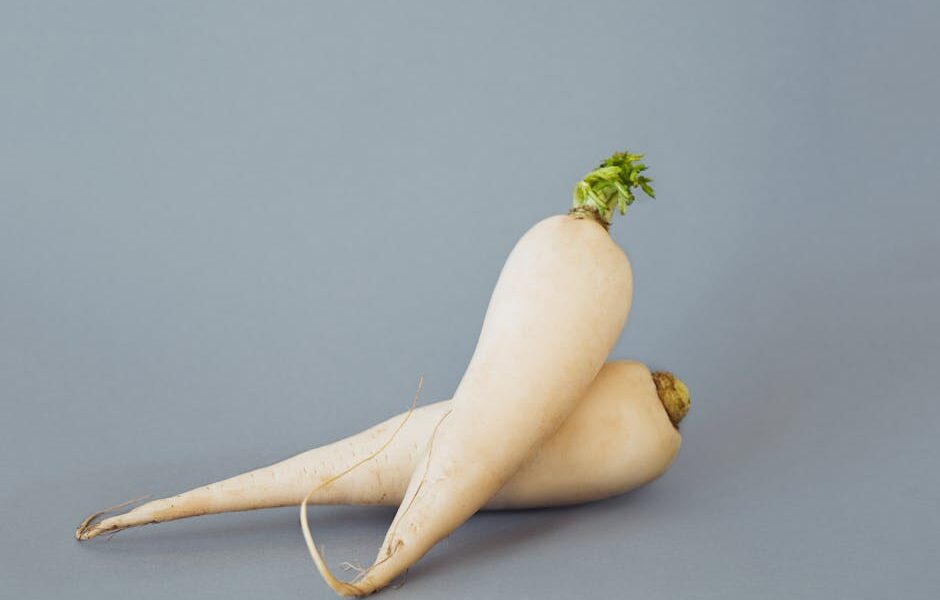
Walk into any Asian grocery store and you will almost certainly pass a bin of long, ivory-white roots that look something like a giant carrot crossed with a baseball bat. That is daikon radish, one of the most versatile and beloved vegetables in East and Southeast Asian cooking. From the golden pickled strips tucked inside sushi rolls to the comforting simmered cubes floating in a bowl of Japanese oden, from the fluffy pan-fried cakes on a Cantonese dim sum cart to the crisp, tangy slices in Korean banchan, daikon shows up everywhere. Yet in Western kitchens, it is still a quietly underused ingredient with enormous potential.
This complete guide covers everything you need to know about daikon radish: its history and cultural importance across Asia, the different varieties you will encounter, how to pick a good one at the market, proper storage techniques, the best substitutions when daikon is unavailable, five essential recipes that showcase its range, the impressive nutritional profile that is making it a global wellness favorite in 2026, and answers to the questions home cooks ask most often. Whether you are adding daikon to your pantry for the first time or looking to deepen your understanding of a vegetable you already love, this guide will give you the tools to use it confidently.
What Is Daikon Radish?
Daikon radish (Raphanus sativus var. longipinnatus) is a large, elongated winter radish native to East Asia. The name comes from the Japanese words dai (big) and kon (root), and that translation is completely accurate: a mature daikon can grow two feet long and weigh several pounds. The flesh is a snowy, porcelain white and the skin is thin and pale, sometimes tinged with green near the crown. Cut one open and you will find a crisp, juicy interior with a mild peppery bite that is noticeably softer than the sharp heat of a red radish.
Daikon plays a completely different role in the kitchen than the little pink salad radish most Americans grew up with. It is treated more like a root vegetable than a salad garnish. Raw, it is crisp and refreshing with a whisper of mustard heat. Cooked low and slow, it turns silky, translucent, and deeply savory, drinking up broth and braising liquids the way a potato does but with a cleaner, almost sweet finish. Grated, it becomes a bright condiment with digestive properties. Pickled, it shifts into something crunchy, sour, and addictive. Few ingredients have this kind of range.
History and Origins of Daikon
The radish family has been cultivated for thousands of years, with evidence of domestication stretching back to ancient Egypt and the eastern Mediterranean. From there, radishes traveled the Silk Road into Central Asia and eventually reached China, where they were transformed over centuries of selective breeding into the long, mild, large-rooted varieties we now recognize as daikon. Chinese agricultural texts describe winter radishes in detail as far back as the Tang dynasty, and the vegetable was already a staple of home cooking and preserved pantries by the Song era.
Daikon reached Japan sometime in the eighth century and quickly became foundational to Japanese cooking. Because the vegetable stores so well through cold months and can be grated, pickled, simmered, dried, or sun-cured, it became one of the most important winter crops on the Japanese archipelago. Varieties like the massive Sakurajima daikon of Kagoshima (which can exceed 60 pounds) and the slender, sweet Miyashige of Aichi prefecture reflect centuries of regional breeding. In Korea, daikon is called mu and forms the backbone of countless side dishes and the famous radish kimchi known as kkakdugi. In Vietnam, cu cai trang shows up shredded in the pickled carrot and radish blend that tops a banh mi. In India, it is known as mooli and is stuffed into parathas, simmered into dals, and eaten raw with salt. For a global tour of the cuisines that rely on daikon, our complete guide to Asian recipes is a great starting point.
Europeans encountered daikon relatively late. The vegetable traveled westward in the eighteenth and nineteenth centuries and appears occasionally in French and German cookbooks of that era under various regional names. In the United States, daikon quietly arrived with Japanese immigrants farming in California and Hawaii in the early twentieth century. It remained a specialty item until Asian grocery stores began expanding nationwide in the 1980s and 1990s, and today it is carried in many mainstream supermarkets thanks to the crossover popularity of sushi, ramen, banh mi, and Korean barbecue.
Varieties of Daikon You Will Encounter
Walk into a well-stocked Asian market and you will notice that not all daikon looks identical. There are dozens of cultivated varieties, and the ones you are most likely to encounter fall into a handful of broad categories based on shape, color, and culinary use. Understanding these differences helps you pick the right daikon for the dish you are making.
Japanese White Daikon (Aokubi)
This is the variety most Americans picture when they hear the word daikon: long, cylindrical, mostly white with a pale green shoulder, and about 12 to 18 inches in length. Aokubi means ”green neck” and refers to the greenish tinge at the crown where the root was exposed to sunlight. This type is versatile, mildly sweet, juicy, and works in virtually every preparation from raw grating to long braises.
Korean Radish (Mu)
Shorter and stubbier than Japanese daikon, Korean mu looks almost barrel-shaped with a bright green top that transitions to white. The flesh is denser, firmer, and a little spicier, which is exactly what you want for making kkakdugi (cubed radish kimchi) or mu saengchae (spicy shredded radish salad). If a Korean recipe calls for radish, try to find Korean mu rather than a slimmer Japanese variety for the right texture.
Chinese Green Daikon (Qing Luo Bo)
Also called Beauty Heart or watermelon radish in some markets, this variety has green skin and a striking magenta-pink interior. It is sweeter and less peppery than white daikon, making it exceptional for raw preparations, salads, and as a visually dramatic pickle. The color also makes it a favorite of food photographers and restaurant chefs.
Sakurajima Daikon
Grown in the volcanic soil of Kagoshima in southern Japan, this variety is round and massive, often reaching 30 pounds and occasionally over 100 pounds. It holds the Guinness World Record as the largest radish variety on earth. You are unlikely to find it at your local grocer, but it is worth knowing about if you travel to Japan or visit a specialty producer.
Black Radish (Heichi Luo Bo)
Less common but increasingly available, black radish has a dark, rough skin and white flesh. The flavor is stronger and more pungent than white daikon, with an earthier finish. It is prized in traditional Chinese medicine and used in restorative winter soups.
Mooli (Indian Radish)
Visually almost identical to Japanese daikon but often slightly slimmer and with a more assertive peppery flavor, mooli is used across South Asian cooking. It is grated into parathas, pickled into achaar, and simmered in sambars and dals.
How to Buy Daikon: A Shopping Guide
Picking a great daikon is easy once you know what to look for. The difference between a freshly harvested daikon and one that has been sitting in storage for weeks is dramatic, both in flavor and texture. Here is what to check.
- Weight: A good daikon should feel heavy for its size. Heft it in your hand. Lightness is a sign that the interior has started to dry out and become spongy.
- Firmness: Press gently. The root should feel solid and slightly springy, never soft, flexible, or wrinkled. If it bends like a rubber toy, it is past its prime.
- Skin: Look for smooth, taut, unblemished skin. Small scuffs are fine, but deep cracks, soft brown spots, or patches of mold are signs to put it back.
- Leaves (if attached): Fresh green tops are a good indicator of recent harvest. If the leaves are wilted, slimy, or yellow, the root was probably harvested a while ago.
- Shoulder color: A bright, clean transition from white to pale green at the crown signals freshness. A dull, grayish, or brown-edged shoulder suggests age.
- Size: Bigger is not always better. Medium-sized daikon (about a pound or two, roughly 12 to 14 inches) tends to be the sweetest and most tender. Very large daikon can be tougher and slightly woody at the core.
Seasonally, daikon is at its peak from late fall through early spring. A winter daikon is sweeter and denser because cold weather encourages the plant to convert starches into sugars. Summer daikon exists but is typically sharper and less complex in flavor. If you are shopping in winter, buy generously: the root stores beautifully and you will find endless uses for it.
Storage Tips to Keep Daikon Fresh
Daikon is a hardy root that keeps well when stored correctly, but it can also dry out quickly if you ignore it. The number-one rule is to separate the leaves from the root as soon as you get home. The greens pull moisture and nutrients out of the root even after harvest, which shortens shelf life dramatically. Twist or cut off the tops, leaving about a half inch of stem attached to the root.
For short-term storage, wrap the trimmed root in a slightly damp paper towel, then place it inside a plastic bag or reusable produce bag with a small opening for air circulation. Store it in the crisper drawer of your refrigerator. A whole daikon treated this way will stay crisp for two to three weeks, sometimes longer.
Once you cut into a daikon, wrap the exposed end tightly in plastic wrap or place the cut piece in an airtight container. Use it within four or five days for the best texture. If the cut face starts to dry out or develop a papery surface, just shave off a thin slice to reveal the fresh flesh underneath.
For longer storage, daikon freezes surprisingly well if you plan to use it in cooked dishes. Peel and cut the root into cubes or thick half-moons, blanch for 90 seconds in boiling water, shock in ice water, drain thoroughly, and freeze in a single layer on a tray before transferring to a freezer bag. Frozen daikon breaks down a little, so it will not work for raw salads, but it is excellent for soups, stews, and braises where the softer texture is actually desirable. You can also shred and freeze daikon specifically for turnip cake or grated condiments.
Do not forget about the greens. Fresh daikon tops are tender, peppery, and completely edible. Treat them like the leafy greens they are: saute with garlic, add to miso soup, fold into rice, or use them in any recipe that calls for turnip greens. Store them like fresh herbs, wrapped loosely in damp paper towels inside a sealed bag, and use within three or four days.
Daikon Substitution Table
If you cannot find daikon, there are several substitutes that work well depending on the dish. The right swap depends on whether the daikon is going to be eaten raw, simmered, pickled, or grated. This table breaks down the best alternatives for each use.
| Use Case | Best Substitute | Ratio | Notes |
|---|---|---|---|
| Raw salads and slaws | Jicama or Korean pear | 1:1 | Similar crunch, slightly sweeter. Red radishes also work but bring more heat. |
| Simmered dishes (oden, stews) | Turnip or kohlrabi | 1:1 | Both turn silky when braised. Turnip is milder, kohlrabi is sweeter. |
| Pickles and kimchi | Watermelon radish or regular white turnip | 1:1 | Watermelon radish adds visual drama. Turnip needs an extra salt massage. |
| Grated condiment (oroshi) | Small red radishes | 1:1 by weight | Expect more heat and a pink color. Reduce quantity if spice is a concern. |
| Stir-fries | Kohlrabi or green papaya | 1:1 | Cut matchsticks the same size for even cooking. |
| Turnip cake (lo bak go) | Parsnip plus turnip | 2:1 parsnip to turnip | Not an exact match but provides the starchy-vegetable texture needed. |
| Soups and broths | White turnip or celeriac | 1:1 | Celeriac has a celery note that works in clear broths. |
| Raw ponzu dipping | Grated jicama with lemon zest | 1:1 | Not traditional but replicates the bright, cool effect. |
For Korean recipes specifically, the closest substitute for mu is a firm green-topped turnip rather than a Japanese daikon, because Korean dishes rely on that denser, spicier texture. For Indian mooli recipes, regular Japanese daikon works beautifully with no adjustment needed.
Five Essential Daikon Recipes
The best way to get comfortable with daikon is to cook with it across different preparations. These five recipes cover the full range, from raw and bright to deeply simmered, and give you a working repertoire that spans Japanese, Korean, Chinese, and Vietnamese traditions. Once you have made all five, you will understand why daikon is a cornerstone vegetable across Asia.
1. Japanese Simmered Daikon (Furofuki Daikon)
This is the gateway recipe: thick rounds of daikon slowly simmered in a light dashi until almost translucent, then topped with a glossy miso glaze. The texture is unlike anything else, somehow both creamy and firm, and the flavor is pure and clean. Peel a daikon and slice it into 1.5-inch-thick rounds. Score one face with a shallow cross, which helps heat penetrate evenly. Par-boil the rounds in rice water (the water left over from rinsing rice) for about 20 minutes to remove bitterness and pre-cook the interior. Drain and transfer to a pot with fresh dashi, a splash of mirin, and a pinch of salt. Simmer gently for 30 to 40 minutes until a skewer slides through without resistance. Meanwhile, whisk two tablespoons of red miso with a tablespoon of mirin, a teaspoon of sugar, and a splash of sake in a small saucepan, warming it until glossy. Serve the daikon rounds in shallow bowls with a spoonful of the miso glaze on top and a sprinkle of yuzu zest or toasted sesame seeds.
2. Korean Kkakdugi (Cubed Radish Kimchi)
If you love traditional napa cabbage kimchi, kkakdugi will become your second obsession. It is crunchy, fiery, a little sweet from the radish, and brings a completely different texture to the table. Peel a large Korean mu (or the firmest daikon you can find) and cut into three-quarter-inch cubes. Toss with two tablespoons of coarse sea salt and a tablespoon of sugar, and let sit for 30 minutes, tossing occasionally. Drain off any liquid but do not rinse. In a blender, puree half a yellow onion, four garlic cloves, a one-inch knob of fresh ginger, a ripe Asian pear, and a quarter cup of fish sauce. Mix this with four to six tablespoons of Korean red pepper flakes (gochugaru), a tablespoon of glutinous rice flour paste (cook a tablespoon of rice flour with half a cup of water until thick), and three tablespoons of sliced scallions. Massage the paste into the drained radish cubes, pack into a clean jar, and leave at room temperature for 24 to 48 hours before refrigerating. Ready to eat after 3 days, peak flavor around 2 weeks.
3. Chinese Turnip Cake (Lo Bak Go)
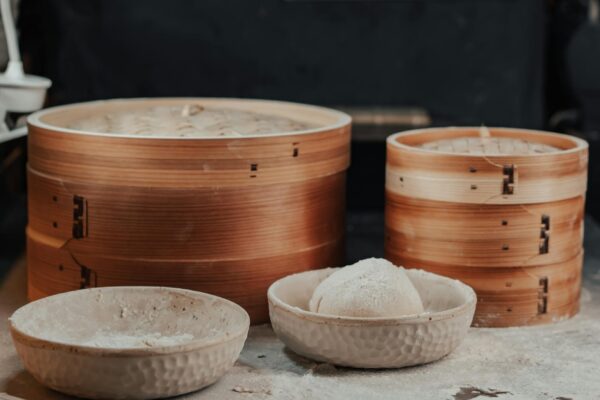
Despite the English name, this classic dim sum dish is made with daikon, not turnip. Grated daikon is simmered with rice flour, Chinese sausage, dried shrimp, and shiitake mushrooms, then steamed into a savory cake that is sliced and pan-fried until golden. Peel and grate about two pounds of daikon and simmer in a dry wok until most of the liquid releases, about 10 minutes. While it simmers, soak two Chinese sausages (lap cheong), a quarter cup of dried shrimp, and four dried shiitake mushrooms, then dice them finely. Saute the diced mix in a tablespoon of oil until fragrant. Whisk two cups of rice flour with one cup of cold water, a teaspoon of salt, a teaspoon of white pepper, and a teaspoon of sugar into a smooth slurry. Combine the grated daikon, the sauteed mix, and the rice flour slurry in a large bowl. Pour into an oiled 9-inch cake pan and steam in a bamboo steamer for 45 to 60 minutes until set. Cool completely, then cut into slices and pan-fry in neutral oil until both sides are crisp and golden. Serve with oyster sauce or chili oil.
4. Vietnamese Pickled Daikon and Carrot (Do Chua)
This is the bright, crunchy, tangy condiment that tops a Vietnamese banh mi and transforms it from a sandwich into an icon. Peel and julienne one small daikon and two medium carrots into matchsticks about three inches long. Toss with a tablespoon of salt and a tablespoon of sugar, squeeze gently to release water, and let sit for 15 minutes. Rinse briefly and drain well. Pack into a clean jar. In a small saucepan, combine one cup of rice vinegar, one cup of warm water, three-quarters of a cup of sugar, and a teaspoon of salt, stirring until dissolved. Pour over the vegetables, making sure everything is submerged. Refrigerate for at least one hour before using, though the flavor improves dramatically after 24 hours. Keeps for three weeks in the fridge.
5. Japanese Grated Daikon with Ponzu (Daikon Oroshi)
The simplest preparation in this list, and one of the most rewarding once you understand how it works as a condiment. Grated daikon is used in Japanese cooking to cut through rich, fatty, or fried foods. It is what balances crispy tonkatsu, grilled mackerel, tempura, and hamburg steak. Peel a six-inch piece of daikon and grate it on the fine side of a box grater or, ideally, on an oroshigane (a Japanese ceramic grater that produces an almost snowy texture). Let the grated daikon sit in a fine-mesh strainer for a few minutes and gently press out excess liquid. Shape into small mounds and serve alongside grilled or fried proteins with a drizzle of ponzu sauce and a few strands of thinly sliced scallion. The effect is instant: the grated radish cleans the palate between bites and makes even the richest food feel refreshing.
Nutritional Benefits of Daikon Radish
Beyond its culinary appeal, daikon is one of the more nutritious vegetables you can add to your rotation. It is low in calories, high in water, fiber-rich, and packed with vitamins and beneficial plant compounds. The table below breaks down the key nutrients in a typical one-cup (about 116 grams) serving of raw daikon.
| Nutrient | Amount per 1 cup (116 g) | % Daily Value |
|---|---|---|
| Calories | 21 kcal | 1% |
| Carbohydrates | 4.8 g | 2% |
| Dietary fiber | 1.9 g | 7% |
| Protein | 0.7 g | 1% |
| Vitamin C | 25 mg | 27% |
| Folate | 33 mcg | 8% |
| Potassium | 268 mg | 6% |
| Calcium | 31 mg | 3% |
| Magnesium | 19 mg | 5% |
| Water content | ~95% | — |
That vitamin C number is especially worth noting. A single cup of raw daikon delivers more than a quarter of the daily recommendation, which is part of why daikon has long been valued in traditional East Asian diets as a winter immune-support food. Daikon also contains a group of natural compounds called glucosinolates, which break down during chewing into isothiocyanates. These compounds have been studied for their antioxidant and anti-inflammatory properties and are found throughout the cruciferous vegetable family (which includes broccoli, kale, and cabbage).
Traditional Chinese medicine and Japanese folk tradition both credit daikon with strong digestive benefits. The vegetable contains natural enzymes, including amylase and diastase, that help break down starches, which is why grated daikon is served alongside heavy, oily, or fried foods. The fiber content supports gut motility, the high water content promotes hydration, and the low glycemic load makes daikon a sensible choice for people managing blood sugar. None of this makes daikon a cure-all, but it is an unusually functional vegetable that happens to also taste great.
How Daikon Is Used Across Asian Cuisines
The same root takes on remarkably different identities depending on which kitchen you walk into. In Japan, daikon is braised into oden alongside fish cakes and konjac, grated over grilled fish, pickled into takuan (the crunchy yellow disks that come with a bento), simmered into tonjiru miso soup, dried into kiriboshi daikon for pantry storage, and shredded raw as a palate-cleansing garnish. Nearly every traditional Japanese meal features daikon in one form or another. You can see how seamlessly it weaves through the cuisine in our guide to essential Japanese dishes.
In Korea, mu is the foundation of many side dishes. Beyond kkakdugi, there is dongchimi (a clear, refreshing water radish kimchi), mu malaengi (dried radish salad), and mu guk (beef radish soup). Strips of fresh mu are often served raw on a Korean barbecue table as a crunchy counterpoint to grilled meats, and a thin sheet of pickled daikon wrapper (ssam mu) is used to roll up bites of bulgogi like a taco.
Chinese cooks use daikon (luo bo or bai luo bo) year-round but especially in winter, where it goes into beef stews, clear chicken soups, pork bone broths, and the beloved turnip cake of Cantonese dim sum tradition. Sichuan kitchens pickle daikon with chilies and Sichuan peppercorns into a lightly fermented snack. Northern Chinese cuisine favors daikon and lamb soup to warm up through the coldest months.
Across Southeast Asia, daikon makes appearances in Vietnamese pho broths (a few chunks add subtle sweetness to the stock), Thai papaya salads when green papaya is unavailable, and Filipino pickles (atchara). In South Asian cooking, mooli is stuffed into parathas as a winter breakfast, grated into raitas, added to dals, and eaten simply with salt and lemon as a cooling side dish.
Cooking Techniques: Getting the Most from Daikon
Daikon responds to cooking in distinct ways depending on how it is cut and handled. Understanding these techniques will dramatically improve your results, whether you are making a quick pickle or a multi-hour simmer.
Raw: For raw preparations, slice daikon thinly against the fibers (short slices rather than long ones) to reduce the natural peppery bite and produce a more delicate texture. Salting raw daikon for 10 to 15 minutes and then rinsing pulls out some of the sharpness and helps the texture stay crisp. A mandoline is your best friend here.
Grating: For oroshi-style grated daikon, use a fine grater and grate in a circular motion rather than straight back and forth. Drain the grated daikon in a fine-mesh sieve, but do not squeeze it completely dry. You want some residual moisture for the characteristic fluffy texture. Grated daikon is best used within an hour because it loses pungency and nutritional value quickly after exposure to air.
Simmering: The classic Japanese technique of par-boiling in rice-washing water before the main simmer removes bitterness and softens the texture. A shallow cross-hatch score on one face of thick daikon rounds helps flavor penetrate deeper. Always simmer at a gentle, almost still, liquid rather than a rolling boil to keep the flesh silky rather than waterlogged.
Stir-frying: When adding daikon to a stir-fry, cut it into matchsticks or thin half-moons so it cooks quickly and maintains a slight crunch. Add it after proteins and aromatics but before delicate greens to get the right texture.
Pickling: For quick pickles, julienne and salt-purge first to draw out water. For long-fermented pickles like kkakdugi or takuan, cube or slab-cut and use a salt-and-sugar cure before applying your seasoning paste. Fermented daikon pickles develop dramatically over the first two to three weeks.
Drying: Shredded daikon can be sun-dried or low-oven-dried into kiriboshi daikon, a pantry staple in Japan. Once rehydrated, it has a chewy, concentrated flavor that makes an excellent side dish cooked with soy sauce, mirin, and carrots.
Common Mistakes to Avoid with Daikon
Even experienced cooks slip up with daikon. Here are the most frequent pitfalls and how to fix them.
- Skipping the par-boil. Dropping raw daikon straight into a simmering broth often produces a slightly bitter, vegetal result. A quick par-boil in rice water or plain water for 15 to 20 minutes solves this immediately.
- Cutting pieces too small for braises. Small dice disappear into the liquid and lose their tender-crisp appeal. For simmered dishes, stick to chunks at least one inch across.
- Using old daikon for raw dishes. A spongy or wrinkled daikon will taste stale no matter how you slice it. Reserve older specimens for soups and stews where the softer texture is hidden.
- Over-squeezing grated daikon. Draining the grated flesh is good; wringing it out like a dishcloth removes the moisture you actually want and makes the condiment dry and pebbly.
- Ignoring the greens. The tops are delicious, nutritious, and free. Throwing them away is a missed opportunity.
- Not peeling thick-skinned daikon. The skin is edible but older daikon develops a slightly fibrous outer layer that should be peeled away, especially for raw preparations.
- Boiling on high heat. A rolling boil breaks down daikon quickly and leaves it mushy on the outside and raw on the inside. Low and slow is the rule.
Daikon and the Broader Asian Pantry
Daikon pairs naturally with the ingredients you likely already have in your Asian pantry. The savory depth of soy sauce, the sweet-salty complexity of miso, the funk of fish sauce, and the brightness of rice vinegar all complement daikon in different ways. When building a dish around daikon, think about which direction you want to push it: umami-rich (soy, miso, dashi), bright and sour (vinegar, citrus, chilies), or warm and aromatic (ginger, star anise, cinnamon for braises). For home cooks building out their pantry, our complete guide to Asian cooking ingredients walks through the staples that make daikon recipes sing.
Daikon also has a natural affinity for certain proteins. Fatty cuts of pork and beef (belly, shank, short rib) love a daikon braise because the radish absorbs rendered fat and turns silky. Oily fish like mackerel, sardines, and salmon benefit from grated daikon as a counterpoint. Chicken thighs and daikon make a lovely clear soup. Tofu works beautifully too: cubes of firm tofu simmered with daikon in a dashi-soy broth is one of the most elegant simple dishes in Japanese home cooking.
Frequently Asked Questions About Daikon
Is daikon the same as white radish?
Essentially yes. ”White radish” is an umbrella term that includes daikon along with a few other large white radish varieties. In most American grocery stores, the large, long white radish labeled as ”white radish” or ”Asian radish” is daikon. They are interchangeable in recipes.
Can you eat daikon raw?
Absolutely. Raw daikon is crisp, juicy, and mildly peppery. Slice it thinly for salads, grate it for condiments, or cut it into matchsticks for spring rolls. Many Asian cuisines feature raw daikon as a standard preparation.
Why does my daikon taste bitter?
Bitter daikon usually means the root is older, was grown in hot weather, or came from the top section near the leaves. The bottom third of a daikon is typically the spiciest and most bitter, the middle is balanced, and the top is the sweetest and mildest. For raw preparations use the top. For simmering, par-boil in rice water first to remove bitterness.
How long does daikon last in the fridge?
A whole, properly stored daikon keeps for two to three weeks in the crisper drawer. Once cut, it stays fresh for four to five days if wrapped tightly. Pickled daikon preparations can last for several weeks to several months depending on the recipe.
Is daikon good for you?
Yes. Daikon is very low in calories, high in water and fiber, rich in vitamin C, and contains beneficial plant compounds from the cruciferous family. It has long been valued in traditional Asian diets for supporting digestion and immune function. Like most vegetables, it contributes most when it is one part of a varied diet.
Can I substitute red radishes for daikon?
You can, but expect stronger heat and a color change. Red radishes are spicier and more peppery, so reduce the amount slightly and understand that the mild, sweet character of daikon will be replaced by a sharper bite. For grated oroshi it can work in a pinch. For simmered dishes, turnip or kohlrabi is a better swap.
Do I need to peel daikon?
It depends. Young, fresh daikon has thin skin that is perfectly edible after a good scrub. Older daikon or larger roots often develop a fibrous outer layer that is worth peeling, especially for raw preparations. For long simmered dishes, peeling ensures an even, silky texture throughout.
Why is my daikon spongy?
A spongy interior usually indicates the root has been stored too long or was exposed to fluctuating temperatures. The moisture has left the flesh and it is no longer crisp. Older daikon can still be used in soups, stews, and braises where the texture is irrelevant, but it will not work for raw or quick-cooked dishes.
Can you freeze daikon?
Yes, but only for cooked applications. Freezing breaks down the cell walls, so thawed daikon is softer than fresh. For soups, stews, and braises this is fine or even beneficial. For raw salads or pickles, always use fresh daikon.
What does daikon taste like?
Fresh raw daikon is crisp, juicy, and mildly peppery with a clean, slightly sweet finish. It is much milder than a red radish, closer in flavor to a very mild turnip with a hint of mustard. Cooked daikon loses most of its pepperiness and turns sweet, silky, and savory, picking up whatever flavors it is simmered in.
Bringing Daikon Into Your Weekly Cooking
The best way to develop confidence with daikon is to keep one in your fridge. Once it is there, you will find reasons to use it. Slice thin rounds into your next miso soup. Grate a little into your sushi rolls. Julienne some and quick-pickle it for sandwiches and grain bowls. Braise a few chunks with soy sauce, sake, and ginger for a quick weeknight side dish. The vegetable is forgiving, the flavor is clean, and the payoff is almost always more than the effort.
Daikon is also one of the best vegetables for exploring Asian cuisine as a whole because it shows up in so many traditions. Cooking daikon five different ways in five different cuisines is effectively a crash course in the culinary logic of East and Southeast Asia: the Japanese love of restraint and ingredient purity, the Korean embrace of fermentation and fire, the Chinese balance of texture and heat, the Vietnamese brightness of raw and pickled. One root, many philosophies.
Like all the best pantry staples, daikon rewards curiosity. Treat it as a blank canvas. Try the classic recipes first, then improvise. Substitute it into dishes that normally call for potatoes, turnips, or parsnips. Pair it with proteins you love. Keep tasting and adjusting. Before long, daikon will stop feeling like a specialty ingredient and start feeling like a kitchen essential, something you reach for without thinking, the way a Tokyo grandmother or a Seoul aunt or a Saigon street cook has been doing for generations. That is exactly how great ingredients should be treated.

Mei Lin Chen
Mei Lin Chen is an Asian food writer and recipe developer. Melbourne-raised and London-based, she has spent over a decade exploring the rice paddies, hawker stalls, and home kitchens of South-East and East Asia. Her recipes balance traditional technique with everyday practicality.