Last updated: March 02, 2026
A bamboo steamer is one of the most versatile and affordable tools in Asian cooking. For centuries, cooks across China, Japan, Vietnam, Thailand, and beyond have used these elegant stackable baskets to produce food that is moist, flavorful, and remarkably healthy. Whether you want to steam dumplings, buns, fish, or vegetables, mastering the bamboo steamer unlocks an entire world of dishes that no other cooking method can replicate.
In this comprehensive guide, you will learn everything about using a bamboo steamer — from choosing the right size to advanced techniques used in professional dim sum kitchens. We will walk through the equipment, step-by-step steaming instructions, common mistakes, practice exercises, and recipe ideas so you can start steaming with confidence today.
What Is a Bamboo Steamer?
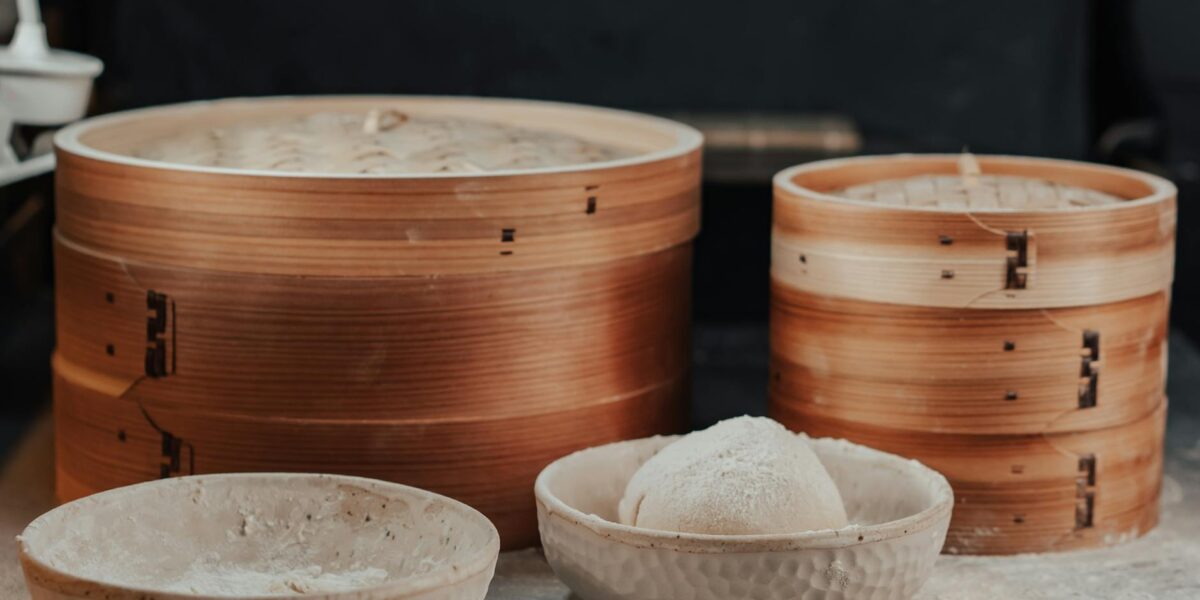
A bamboo steamer (zhēnglóng, 蒸笼) is a round, stackable cooking vessel made from woven bamboo. It consists of one or more open-bottomed tiers that sit over a pot or wok of boiling water. Steam rises through the woven bamboo base, cooking food gently and evenly. A fitted bamboo lid sits on top, trapping just enough steam while allowing excess moisture to escape — which prevents condensation from dripping back onto the food.
Unlike metal steamers, bamboo absorbs excess moisture rather than letting it condense and drip. This is why dim sum restaurants have used bamboo steamers for hundreds of years — they produce dumplings and buns with the perfect texture every single time. The natural bamboo material also imparts no metallic taste and keeps food warm at the table far better than metal alternatives.
Why Steam? The Benefits of Bamboo Steamer Cooking
Steaming is one of the healthiest cooking methods available. It requires no oil, preserves vitamins and minerals that would otherwise leach into boiling water, and maintains the natural color, texture, and flavor of ingredients. But beyond health, steaming with a bamboo steamer offers practical advantages that make it indispensable in an Asian kitchen.
Multi-tier cooking. Stack two or three tiers to cook different dishes simultaneously. Place items that need more heat on the bottom tier (closest to the steam source) and more delicate items on top. A single burner can produce an entire dim sum spread.
Moisture control. Bamboo naturally absorbs condensation, preventing soggy food. Metal steamers create pools of water on lids that drip back down. Bamboo does not.
Gentle, even heat. Steam cooks at a constant 100°C (212°F), so you cannot burn or overcook food the way you can with frying or roasting. The result is evenly cooked food with a tender, moist texture.
Table presentation. Bamboo steamers look beautiful at the table. In dim sum culture, food is served directly in the steamer basket — keeping it warm while adding rustic charm.
Affordable and sustainable. A quality bamboo steamer costs between $10 and $25 and lasts for years with proper care. Bamboo is a renewable resource that grows quickly and is fully biodegradable.
Choosing the Right Bamboo Steamer: Size and Material Guide
Bamboo steamers come in various sizes, typically measured by diameter. Choosing the right size depends on what you plan to cook and the pot or wok you will use it with.
| Steamer Diameter | Best For | Fits On | Capacity (per tier) |
|---|---|---|---|
| 6 inches (15 cm) | Individual servings, reheating | Small saucepan | 2–3 dumplings |
| 8 inches (20 cm) | Small households, side dishes | Medium saucepan or small wok | 4–6 dumplings |
| 10 inches (25 cm) | Most popular home size, versatile | Standard 14-inch wok | 8–10 dumplings or 1 whole fish |
| 12 inches (30 cm) | Large batches, entertaining | Large wok or stockpot | 12–15 dumplings |
| 14+ inches (35+ cm) | Restaurant or commercial use | Commercial wok | 20+ dumplings |
Our recommendation: For most home cooks, a 10-inch bamboo steamer with two tiers and a lid is the ideal starting point. It fits inside a standard 14-inch wok and provides enough space to steam a full meal. If you frequently host dinner parties or make large batches of dumplings, consider stepping up to 12 inches.
What to look for when buying: Choose a steamer with tightly woven bamboo slats on the base (no large gaps where food could fall through). The tiers should stack snugly without wobbling. Stainless steel staples or wire bindings are more durable than glue. Avoid steamers with a strong chemical smell — this indicates bleaching or chemical treatment.
Essential Equipment for Bamboo Steamer Cooking
Beyond the bamboo steamer itself, you need a few additional items to steam effectively. Most of these are inexpensive and likely already in your kitchen.
A wok or wide pot. The steamer needs to sit securely on top of a vessel of boiling water. A well-seasoned wok is traditional and ideal because the round bottom cradles the steamer perfectly. A wide saucepan or stockpot also works — just make sure the steamer sits on top without falling in. The steamer should rest on the rim, not touch the water below.
Steamer liners. These prevent food from sticking to the bamboo. You have several options:
- Parchment paper rounds — Poke small holes with a fork or skewer to allow steam through. The most accessible option.
- Napa cabbage or lettuce leaves — Traditional Chinese method. The leaves add subtle flavor and prevent sticking naturally.
- Silicone steamer mats — Reusable, perforated mats designed specifically for bamboo steamers. Nonstick and easy to clean.
- Cheesecloth or muslin — Dampen before use. Good for sticky rice and delicate items.
A kettle of hot water. Keep a kettle of boiling water nearby to replenish the steaming water. This is essential for longer steaming times — you never want the pot to boil dry.
Tongs or heat-proof gloves. Lifting a hot bamboo steamer requires protection. Silicone-tipped tongs work well for removing individual items; heat-proof gloves let you lift entire tiers safely.
How to Use a Bamboo Steamer: Step-by-Step Instructions
Follow these steps for perfectly steamed food every time. This method works for dumplings, buns, fish, vegetables, and more.
Step 1: Prepare the Bamboo Steamer
If your bamboo steamer is brand new, soak it in water for 30 minutes before first use. This prevents the bamboo from cracking under high heat and removes any manufacturing residue. For subsequent uses, a quick rinse under warm water is sufficient. Soaking also helps the bamboo absorb initial moisture so it does not pull moisture away from your food.
Step 2: Set Up the Steaming Water
Fill your wok or pot with water to a depth of about 2 inches (5 cm). The water level should be high enough to produce plenty of steam but low enough that it does not touch the bottom of the steamer basket when it sits on the rim. Bring the water to a rolling boil over high heat, then reduce to a steady medium-high simmer.
Step 3: Line the Steamer
Place your chosen liner in the bottom of each tier you plan to use. If using parchment paper, cut it to fit the base and punch several small holes throughout so steam can circulate freely. If using cabbage leaves, arrange them in a single layer covering the bamboo slats. Leave small gaps between the leaves for steam to rise through.
Step 4: Arrange the Food
Place food items in the steamer with at least 1 inch (2.5 cm) of space between each piece. This spacing is critical — steam needs to circulate around every item for even cooking. Overcrowding is the number one cause of unevenly cooked steamed food. For dumplings, leave about a finger-width gap between each one, as they will expand slightly during cooking.
Step 5: Stack and Cover
If using multiple tiers, stack them with food that requires more cooking time or higher heat on the bottom (closest to the steam). Place more delicate items on the upper tier. Put the bamboo lid on the top tier to trap steam. Make sure tiers are aligned and seated securely.
Step 6: Steam
Place the entire steamer assembly over the boiling water. Make sure the steamer sits securely on the rim of the wok or pot. Steam for the time specified in your recipe. Resist the urge to lift the lid frequently — every time you remove the lid, you lose a significant amount of steam and heat, which extends cooking time.
Step 7: Check and Serve
When the time is up, carefully lift the lid away from you (the steam is extremely hot). Check food for doneness. For dumplings, the wrappers should be translucent and the filling should be cooked through. For fish, the flesh should flake easily. For vegetables, they should be tender but still vibrant in color. Serve directly in the bamboo steamer for an authentic presentation.
Steaming Times for Common Asian Dishes
Knowing how long to steam each type of food is essential for great results. Use this reference table as your starting point and adjust based on the size and thickness of your ingredients.
| Food Item | Steaming Time | Doneness Indicator | Tips |
|---|---|---|---|
| Pork or shrimp dumplings (fresh) | 8–10 minutes | Wrapper turns translucent | Don’t overcrowd; leave 1 inch between each |
| Frozen dumplings | 12–15 minutes | Wrapper translucent, filling hot | Steam directly from frozen, no thawing needed |
| Char siu bao (steamed pork buns) | 12–15 minutes | Bun is fluffy and springs back when touched | Give extra space — buns expand significantly |
| Siu mai (open-top dumplings) | 8–10 minutes | Pork filling is firm and cooked through | Top with a dab of crab roe or goji berry |
| Whole fish (1 lb / 450g) | 10–12 minutes | Flesh flakes with a fork | Score the fish for even cooking |
| Fish fillets | 6–8 minutes | Opaque and flakes easily | Thinner fillets cook faster — check at 6 min |
| Chicken breast (boneless) | 15–18 minutes | Internal temp reaches 74°C / 165°F | Pound to even thickness for uniform cooking |
| Broccoli or bok choy | 4–6 minutes | Bright green and tender-crisp | Cut into uniform pieces |
| Sweet potato or taro | 20–25 minutes | Fork-tender throughout | Cut into 1-inch cubes for faster steaming |
| Sticky rice (pre-soaked 4+ hours) | 25–30 minutes | Grains are translucent and tender | Use cheesecloth liner; sprinkle water halfway |
| Egg custard (zhēng dàn) | 10–12 minutes on low heat | Set but still jiggles slightly | Cover with foil to prevent water drops |
| Rice rolls (cheung fun) | 3–4 minutes | Batter is set and translucent | Use a flat, oiled tray inside the steamer |
Common Bamboo Steamer Mistakes (And How to Fix Them)
Even experienced cooks make these mistakes when steaming. Review this table before your first session to avoid the most common pitfalls.
| Mistake | What Happens | How to Fix It |
|---|---|---|
| Water touches the steamer base | Bamboo becomes waterlogged; food gets soggy or boiled instead of steamed | Keep water level 1–2 inches below the steamer base. Check before placing the steamer on. |
| Overcrowding the tiers | Uneven cooking; some pieces raw while others are overcooked | Leave at least 1 inch between items. Cook in batches if needed. |
| Lifting the lid too often | Temperature drops; cooking time increases; food dries out | Set a timer and only check once near the end of the recommended time. |
| Not using a liner | Food sticks to bamboo; difficult cleanup; bamboo absorbs flavors | Always use parchment, cabbage leaves, or silicone liners. |
| Letting the pot boil dry | Wok or pot scorches; bamboo can crack or burn; fire hazard | Keep a kettle of boiling water on standby. Replenish every 15–20 minutes for long steams. |
| Using too much heat | Violent boiling splashes water onto food; buns may crack | Use medium-high heat for a steady, gentle steam — not a raging boil. |
| Not soaking a new steamer | Bamboo dries out, cracks, or splits during first use | Soak new steamers in water for 30 minutes before first use. |
| Stacking too many tiers | Top tiers receive insufficient steam; food cooks unevenly | Limit to 2–3 tiers for home cooking. Rotate tiers halfway through. |
| Placing steamer before water boils | Extended low-heat exposure; food absorbs moisture instead of cooking | Always wait for a full, rolling boil before placing the steamer on. |
| Ignoring condensation on delicate dishes | Water drops fall onto custards or cakes, creating pockmarks | Cover delicate items with foil or wrap the lid in a kitchen towel. |
Practice Exercises: Build Your Steaming Skills
Like any cooking technique, steaming improves with practice. Work through these exercises in order — each one builds on skills from the previous exercise.
Exercise 1: Steam Vegetables (Beginner)
Start with vegetables because they are forgiving and cook quickly. Steam a batch of bok choy halves for 4–5 minutes. The goal is bright green, tender-crisp stems with wilted but not mushy leaves. Dress with a drizzle of soy sauce, sesame oil, and minced garlic. This exercise teaches you how to judge steam intensity, set up the steamer properly, and recognize when food is done without a thermometer.
Exercise 2: Steam Fish Fillets (Intermediate)
Cantonese-style steamed fish is the gold standard of bamboo steamer cooking. Place a white fish fillet (such as sea bass, tilapia, or cod) on a heatproof plate that fits inside your steamer. Top with julienned ginger and scallions. Steam for 6–8 minutes until the fish flakes easily. Finish by pouring hot oil over the aromatics and drizzling with soy sauce. This exercise teaches you about plate-in-steamer technique, timing precision, and how to handle delicate proteins.
Exercise 3: Steam Dumplings (Intermediate)
Make or buy fresh dumplings and steam them in batches. This exercise focuses on spacing, liner selection, and preventing sticking. Steam for 8–10 minutes until wrappers are translucent. Pay attention to how different liners (parchment vs. cabbage leaves vs. silicone mats) affect the results. This builds confidence with the food type most associated with bamboo steamers.
Exercise 4: Multi-Tier Dim Sum Spread (Advanced)
Steam three different items simultaneously using multiple tiers. For example: siu mai on the bottom tier, har gow (shrimp dumplings) on the middle tier, and Chinese broccoli on the top tier. Stagger the start times — place the siu mai tier on first, add the har gow tier after 2 minutes, and the vegetables after another 3 minutes. This exercise develops your ability to manage multiple items with different cooking times using a single steamer setup.
Exercise 5: Steamed Buns (Advanced)
Making fluffy steamed buns (baozi or mantou) is the ultimate bamboo steamer challenge. The dough must be properly proofed, the steaming temperature must be steady, and you need to account for significant expansion. Steam for 12–15 minutes without lifting the lid. When done, turn off the heat but leave the lid on for 3–5 minutes — removing it immediately causes the buns to collapse from the sudden temperature change. Mastering this technique means you have full command of your bamboo steamer.
Advanced Bamboo Steamer Techniques
Once you have mastered the basics, these advanced techniques will elevate your steaming to professional levels.
Infused Steam
Add aromatics to the steaming water to infuse food with subtle flavors. Lemongrass stalks, pandan leaves, ginger slices, star anise, or tea leaves in the water create a fragrant steam that gently perfumes whatever you are cooking. Thai cooks use pandan-infused steam for sticky rice. Chinese cooks sometimes use jasmine tea water for steaming chicken. This technique adds a layer of complexity without adding any calories or changing the texture of the food.
The Towel Wrap Technique
Wrap the bamboo lid in a clean cotton kitchen towel before placing it on the steamer. The towel absorbs condensation that would otherwise collect on the inside of the lid and drip onto food. This is essential for steaming buns (prevents water spots on the smooth white surface), custards (prevents pockmarks), and cakes. Professional dim sum kitchens use this technique for every service.
Cold Water Start for Egg Custards
For silky smooth Chinese steamed egg custard (zhēng dàn), place the custard cups in the steamer before the water boils. Start with cold water and bring it up to a gentle simmer slowly. This gradual heating prevents air bubbles from forming in the custard, resulting in a perfectly smooth, silky texture. Steam on low heat for 10–12 minutes. This technique is the secret to the impossibly smooth custards you find at dim sum restaurants.
Tier Rotation
When steaming identical items across multiple tiers, rotate the tier positions halfway through cooking. The bottom tier receives the most direct steam and heat, while the top tier gets less. Swapping their positions ensures even cooking across all tiers. This is particularly important when steaming large batches of dumplings or buns for a crowd.
Combination Steaming and Frying
Some of the best Asian dishes combine steaming with another cooking method. Gyoza (Japanese pan-fried dumplings) are steamed in a covered pan and then crisped on the bottom. Shanghai-style shēng jiān bāo (pan-fried buns) use the same approach. Start by pan-frying to create a golden crust, then add water and cover to steam-cook the filling and top of the dumpling. This dual technique produces the coveted contrast of crispy bottom and tender, juicy top.
Bamboo Steamer Recipes to Try
Ready to put your skills into practice? Here are classic recipes that showcase the bamboo steamer at its best.
Cantonese Steamed Fish with Ginger and Scallion
This is perhaps the most iconic bamboo steamer dish. Use the freshest whole fish you can find — sea bass, snapper, or grouper. Score the fish diagonally on both sides, place it on a heatproof plate, and top with julienned ginger. Steam for 10–12 minutes until the flesh flakes. Remove and top with fresh scallion slivers and cilantro. Heat 2 tablespoons of oil until smoking and pour over the aromatics — they will sizzle dramatically. Finish with a generous drizzle of light soy sauce and a splash of Shaoxing wine. Serve immediately with steamed rice.
Har Gow (Crystal Shrimp Dumplings)
Har gow are the crown jewels of dim sum — translucent wheat starch wrappers encasing juicy shrimp filling. The wrapper dough is made with wheat starch and tapioca starch, mixed with boiling water. The filling combines chopped shrimp, bamboo shoots, sesame oil, white pepper, and a touch of sugar. Pleat each dumpling with at least 7 folds (traditional restaurants aim for 10–13). Steam for 8 minutes until the wrappers turn translucent and glossy. The bamboo steamer is non-negotiable for har gow — metal steamers create too much condensation and make the delicate wrappers soggy.
Char Siu Bao (BBQ Pork Buns)
Fluffy white steamed buns filled with sweet, savory barbecue pork are a dim sum essential. The dough requires a combination of cake flour, yeast, sugar, baking powder, and a small amount of vinegar (which keeps the buns snow-white). The filling uses diced char siu pork in a sauce of oyster sauce, hoisin sauce, soy sauce, and sugar. Let the filled buns proof for 30 minutes before steaming on medium-high heat for 12–15 minutes. Remember: do not remove the lid immediately when done. Turn off heat and wait 3 minutes to prevent collapse.
Thai Steamed Fish Curry (Hor Mok Pla)
This elegant Thai dish steams a spiced fish custard in banana leaf cups. Mix red curry paste with coconut cream, fish sauce, egg, and sugar. Fold in chunks of white fish and Thai basil leaves. Spoon the mixture into banana leaf cups and steam for 15–20 minutes until the custard is set. Top with a drizzle of thick coconut cream, sliced kaffir lime leaves, and red chili. The banana leaf adds an herbaceous fragrance that pairs beautifully with the curry.
Chinese Steamed Egg Custard (Zhēng Dàn)
This silky custard is Chinese comfort food at its finest. Beat 3 eggs gently (avoid creating bubbles) and combine with 1.5 cups of warm chicken or dashi broth. Season with light soy sauce, sesame oil, and white pepper. Strain through a fine sieve into a heatproof bowl. Cover tightly with foil to prevent condensation drops. Use the cold-water start method described above, bringing the steamer up to heat gradually. Steam on low for 10–12 minutes. The custard is done when it jiggles like set gelatin but is not liquid. Top with scallions, a few drops of soy sauce, and a drizzle of sesame oil.
How to Care for Your Bamboo Steamer
Proper care extends the life of your bamboo steamer and prevents mold and unpleasant odors. Follow these guidelines after every use.
Cleaning: Rinse the steamer under hot running water immediately after use. Use a soft brush or sponge to remove any stuck-on food. Do not use dish soap — bamboo is porous and will absorb the soap, transferring soapy flavors to your next meal. For stubborn residue, scrub gently with a paste of baking soda and water.
Drying: This is the most critical step. After washing, shake off excess water and place the steamer in a well-ventilated area to air dry completely. You can prop the tiers and lid upright so air circulates on all sides. Never store a damp bamboo steamer — moisture trapped in a dark cabinet is the primary cause of mold growth.
Removing odors: If your steamer has absorbed strong flavors (common after steaming fish or heavily spiced foods), rub the interior with white vinegar or lemon juice and let it sit for 30 minutes before rinsing. Alternatively, steam an empty steamer over water with a few slices of lemon for 10 minutes.
Preventing mold: If you notice mold, scrub it off with a mixture of vinegar and water, then dry thoroughly in direct sunlight. Sunlight is a natural mold killer. To prevent future mold, always dry the steamer completely before storing, and store in a dry, ventilated space — not sealed in a plastic bag.
Storage: Store with the tiers unstacked if possible to allow airflow. If space is limited, stack them but place a paper towel between each tier to absorb any residual moisture.
Bamboo Steamer vs. Metal Steamer: Which Is Better?
Both bamboo and metal steamers have their place in the kitchen. Here is how they compare across the factors that matter most.
Moisture management: Bamboo wins. The natural material absorbs excess condensation, while metal lids cause water to drip onto food. This is why bamboo is overwhelmingly preferred for dumplings, buns, and delicate items.
Durability: Metal wins. Stainless steel steamers last essentially forever and handle heavy use. Bamboo steamers can crack, warp, or develop mold if not properly cared for, though a well-maintained bamboo steamer can last 5–10 years.
Heat distribution: Metal steamers produce slightly more intense steam, which is better for items that need aggressive cooking (large cuts of meat, dense root vegetables). Bamboo provides gentler, more diffused steam — ideal for delicate proteins and dough-based items.
Presentation: Bamboo wins hands down. Serving dim sum in bamboo steamers is both traditional and visually appealing. Metal insert steamers are purely functional.
Price: Bamboo steamers are generally less expensive ($10–$25) compared to quality stainless steel steamers ($30–$60+).
The verdict: For Asian cooking — especially dim sum, dumplings, fish, and buns — a bamboo steamer is the better choice. For heavy-duty steaming of large vegetables, meats, or tamales, a metal steamer may serve you better. Many serious home cooks own both.
Frequently Asked Questions About Bamboo Steamers
Do I need to soak my bamboo steamer every time?
No. Only soak a brand-new bamboo steamer before its very first use (30 minutes in water). For regular use, a quick rinse under warm water before steaming is enough. Some cooks run the empty steamer over steam for a minute before adding food, but this is optional.
Can I steam food without a liner?
Technically yes, but it is not recommended. Without a liner, sticky foods like dumplings and buns will fuse to the bamboo, making removal difficult and cleanup messy. Over time, food residue absorbed into the bamboo causes odors and staining. Always use parchment paper, cabbage leaves, or silicone mats.
Can I put a bamboo steamer in the dishwasher?
Absolutely not. The high heat and harsh detergents in a dishwasher will warp, crack, and deteriorate the bamboo rapidly. Always hand-wash with hot water only and air dry thoroughly.
How do I steam frozen dumplings in a bamboo steamer?
Place frozen dumplings directly in the lined steamer — no thawing needed. Space them slightly further apart than fresh dumplings because they release more moisture as they cook. Steam for 12–15 minutes instead of the usual 8–10 minutes for fresh dumplings. Check that the filling is heated through before serving.
Can I use a bamboo steamer on an electric or induction stove?
Yes. The bamboo steamer does not sit directly on the burner — it sits on top of a wok or pot that contains the boiling water. As long as your wok or pot is compatible with your stovetop (use a flat-bottomed wok for electric or induction), the bamboo steamer works perfectly regardless of your heat source.
How do I prevent my bamboo steamer from getting moldy?
Mold is caused by storing a damp steamer in a dark, enclosed space. The solution is simple: dry your steamer completely after every wash. Air dry in a well-ventilated area for several hours, or place it in direct sunlight. Store unstacked in a dry area. If mold appears, scrub with a vinegar-water solution and sun-dry.
What size bamboo steamer should I buy?
A 10-inch steamer is the most versatile size for home cooking. It fits a standard 14-inch wok, holds 8–10 dumplings per tier, and can accommodate a small whole fish or chicken pieces. If you primarily cook for one or two people, an 8-inch steamer saves space. For entertaining, consider a 12-inch model.
Can I use my bamboo steamer to reheat food?
Yes, and it is one of the best methods for reheating. Unlike a microwave, which can make food rubbery or unevenly hot, steaming reheats gently and adds moisture back. It is particularly excellent for reheating rice, dumplings, buns, and leftover proteins. Steam for 3–5 minutes until heated through. Your day-old fried rice or spring rolls will taste almost as good as fresh.
Steaming Across Asian Cuisines
While the bamboo steamer is most closely associated with Chinese cooking, steaming is a foundational technique across all of Asia. Understanding how different cultures approach steaming will broaden your culinary repertoire and inspire new ways to use your bamboo steamer.
Chinese cuisine uses steaming more extensively than perhaps any other culinary tradition. Dim sum is the most famous application, but steamed fish, steamed egg custard, steamed spare ribs with black bean sauce, steamed chicken with mushrooms, rice noodle rolls, and countless other dishes rely on the bamboo steamer. In southern China, steaming is preferred over virtually every other cooking method for fresh seafood — the gentle heat preserves delicate flavors and textures.
Japanese cuisine features chawanmushi (savory steamed egg custard), steamed buns (nikuman), and various mushimono (steamed dishes). Japanese steaming tends to be more refined and minimalist, focusing on bringing out the natural flavor of pristine ingredients rather than layering on sauces and aromatics.
Thai cuisine steams fish in banana leaves (hor mok), makes steamed curry custards, and uses steam for sticky rice preparation. Thai steaming often incorporates bold aromatics like lemongrass, galangal, and kaffir lime leaves either in the food or in the steaming water itself.
Vietnamese cuisine features bánh cuốn (steamed rice rolls), bánh bao (steamed buns), and various steamed cakes. Vietnamese steaming is elegant and light, often paired with fresh herbs and nuoc cham dipping sauce.
Korean cuisine uses steaming for mandu (Korean dumplings), jjim dishes (steamed preparations), and various rice cakes (tteok). Korean steamed dishes often feature bold, fermented flavors from ingredients like gochujang and doenjang.
Indian cuisine employs steaming for idli (fermented rice and lentil cakes), dhokla (steamed chickpea flour cake), modak (sweet steamed dumplings), and various steamed fish preparations from the coastal regions. South Indian cooking, in particular, relies heavily on steaming as a primary cooking method.
Filipino cuisine includes puto (steamed rice cakes), siopao (steamed buns descended from Chinese baozi), and various steamed desserts. Filipino steaming traditions reflect the deep Chinese culinary influence on Philippine food culture.
Start Steaming Today
A bamboo steamer is one of the most rewarding investments you can make in your kitchen. For less than the cost of a single restaurant dim sum meal, you gain a tool that opens up hundreds of recipes across every major Asian cuisine. The technique is simple, the results are healthy and delicious, and the presentation at the table is unmatched.
Start with the beginner exercise — steam some bok choy and toss it with soy sauce and sesame oil. Once you are comfortable, move on to fish, then dumplings, and before long you will be hosting your own dim sum brunches at home. The bamboo steamer is waiting — all you need to add is steam.
Looking for more Asian cooking techniques? Explore our guides on wok seasoning, velveting chicken, and tempura batter to build your skills.

Mei Lin Chen
Mei Lin Chen is an Asian food writer and recipe developer. Melbourne-raised and London-based, she has spent over a decade exploring the rice paddies, hawker stalls, and home kitchens of South-East and East Asia. Her recipes balance traditional technique with everyday practicality.