Last updated: March 17, 2026
Turmeric is one of the most important spices in Asian cooking, prized for thousands of years for its vivid golden color, warm earthy flavor, and remarkable health properties. Whether you have encountered it as the yellow tint in a bowl of chicken biryani, a warming cup of golden milk, or the base of a fragrant Thai green curry, turmeric is an ingredient that bridges culinary traditions across South Asia, Southeast Asia, East Asia, and the Middle East.
In this complete guide, we cover everything you need to know about turmeric: its deep history, the different varieties available, how to buy and store it, how to cook with it, nutritional benefits backed by science, substitution options, and over five recipes that showcase its versatility. If you have ever wondered what turmeric actually is and how to make the most of it in your kitchen, this guide is for you.
What Is Turmeric?
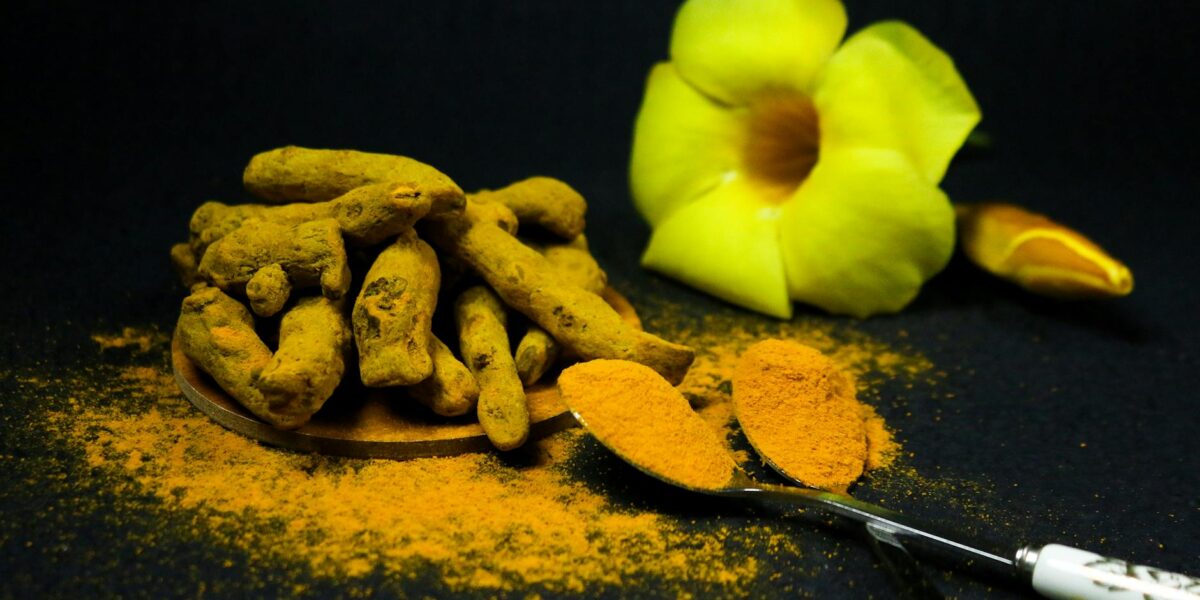
Turmeric (Curcuma longa) is a flowering plant in the ginger family, Zingiberaceae. The part we use in cooking is the rhizome — an underground stem that looks similar to ginger root but with a distinctly bright orange-yellow interior. When dried and ground into powder, turmeric becomes the deep golden spice that has flavored and colored dishes across Asia for millennia.
The flavor of turmeric is warm, slightly bitter, and peppery with earthy, mustard-like undertones. Fresh turmeric has a brighter, more pungent taste compared to the dried powder, with subtle citrus notes. While its flavor is important, turmeric is equally valued for the intense golden-yellow color it imparts to food — this color comes from curcumin, a natural pigment and the compound responsible for many of turmeric’s well-studied health benefits.
Turmeric goes by many names around the world: haldi in Hindi, kunyit in Malay and Indonesian, khamin in Thai, ukon in Japanese, and huang jiang in Chinese. This diversity of names reflects how deeply embedded turmeric is across Asian cultures — not just as a spice, but as a medicine, dye, and ceremonial ingredient.
History and Origin of Turmeric
Turmeric has one of the longest histories of any spice. Archaeological evidence suggests that turmeric was cultivated in the Indian subcontinent as early as 3000 BCE, making it one of the oldest cultivated spices in the world. Residues of turmeric have been found on ancient cooking pots excavated in New Delhi, dating back nearly 4,500 years.
In Vedic culture, turmeric held sacred significance. It was used in religious ceremonies, wedding rituals, and Ayurvedic medicine, where it was prescribed as an anti-inflammatory, digestive aid, and wound healer. The ancient Ayurvedic text Sushruta Samhita, written around 250 BCE, describes turmeric paste as a treatment for food poisoning and skin conditions.
Turmeric traveled along ancient trade routes from India to Southeast Asia, where it became a foundational ingredient in Thai, Indonesian, Malaysian, and Cambodian cuisines. Arab traders carried it westward to the Middle East and eventually to Europe by the 13th century. Marco Polo famously described turmeric in 1280 as ”a vegetable that exhibits the properties of saffron, yet which is not really saffron.” This comparison to saffron earned turmeric the nickname ”Indian saffron,” and it was historically used as a more affordable alternative to the precious spice for coloring food and textiles.
India remains the world’s largest producer of turmeric today, accounting for roughly 80 percent of global production. The city of Erode in Tamil Nadu is known as the ”Turmeric City” and hosts the world’s largest turmeric trading market. Other significant producers include Bangladesh, Myanmar, Nigeria, and Indonesia.
Varieties of Turmeric
Not all turmeric is the same. There are over 130 species in the Curcuma genus, but only a few are commonly used in cooking and medicine. Understanding the varieties can help you choose the right type for your needs.
| Variety | Origin | Curcumin Content | Best Use | Flavor Profile |
|---|---|---|---|---|
| Alleppey (Curcuma longa) | Kerala, India | 4–7% (highest) | Curries, golden milk, supplements | Deep, earthy, slightly bitter |
| Madras (Curcuma longa) | Tamil Nadu, India | 2–4% | Curry powders, rice dishes, mustards | Milder, more aromatic |
| Lakadong (Curcuma longa) | Meghalaya, India | 7–12% (premium) | Health supplements, medicinal use | Intensely earthy, very bitter |
| White Turmeric (Curcuma zedoaria) | Southeast Asia, India | Minimal | Pickles, salads, traditional medicine | Mango-like, camphor notes |
| Black Turmeric (Curcuma caesia) | Northeast India | Minimal | Traditional medicine, ritual use | Pungent, camphor-like |
| Javanese Turmeric (Curcuma xanthorrhiza) | Indonesia | 1–2% | Jamu (Indonesian herbal drinks), curries | Bitter, slightly sour |
For everyday cooking, Alleppey and Madras turmeric are the most widely available and practical choices. Alleppey has higher curcumin content and deeper color, making it ideal for curries and health-focused preparations. Madras turmeric is lighter in color and more commonly found in commercial curry powder blends.
Fresh Turmeric vs. Dried Turmeric Powder
One of the most common questions about turmeric is whether to use fresh or dried. The answer depends on the dish you are making.
Fresh turmeric looks like small, knobby fingers with thin brown skin and vivid orange flesh. It has a brighter, more complex flavor with citrusy, slightly resinous notes that dried turmeric lacks. Fresh turmeric is excellent in Southeast Asian curry pastes (like those used in Thai curry paste and rendang), smoothies, juices, and pickles. Use it grated, minced, or sliced.
Dried turmeric powder is the most common form. The drying process concentrates the flavor and makes it more uniform, which is why it works so well in spice blends, dry rubs, rice dishes, soups, and sauces. Dried turmeric blends more easily into liquids and batters and provides consistent color. It is essential in Indian dal, butter chicken, and countless curry preparations.
Conversion ratio: Use approximately 1 tablespoon of freshly grated turmeric for every 1 teaspoon of dried turmeric powder. Fresh turmeric contains about 80 percent water, so you need roughly three times as much by volume.
How to Buy Turmeric
Finding good turmeric is straightforward once you know what to look for. Here are tips for buying both fresh and dried forms.
Buying fresh turmeric: Look for rhizomes that are firm with taut, smooth skin. Avoid pieces that are soft, wrinkled, shriveled, or have visible mold. Fresh turmeric should feel heavy for its size. When you snap a piece, the interior should be a bright, deep orange. Fresh turmeric is increasingly available at Asian grocery stores, Indian markets, and well-stocked supermarkets. It is also commonly found at farmers’ markets in warmer climates.
Buying dried turmeric powder: Quality matters significantly with ground turmeric. Look for a deep golden-orange color — pale yellow turmeric often indicates lower curcumin content or age. Purchase from reputable brands, especially those that specify the turmeric variety (Alleppey or Madras). Check for a strong, earthy aroma. Avoid turmeric that smells musty or stale. For the freshest powder, buy from stores with high turnover, such as Indian grocery stores, or purchase from specialty spice companies that list harvest or packaging dates.
What to watch out for: Turmeric adulteration is unfortunately common in global markets. Some lower-quality turmeric powders are bulked up with fillers or colored with synthetic dyes like metanil yellow. Buy from trusted sources, and consider organic or third-party tested turmeric to minimize this risk.
How to Store Turmeric
Proper storage ensures you get the best flavor and color from your turmeric.
Fresh turmeric: Store unpeeled fresh turmeric in the refrigerator wrapped in a paper towel inside an airtight container or resealable bag. It will keep for two to three weeks this way. For longer storage, freeze fresh turmeric — it freezes exceptionally well. Simply place the whole rhizomes in a freezer bag and freeze for up to six months. Frozen turmeric can be grated directly from frozen without thawing, which also reduces the staining on your fingers.
Dried turmeric powder: Store in an airtight container in a cool, dark place away from heat and light. A sealed glass jar in your spice cabinet is ideal. Ground turmeric retains its best flavor for about six months to one year but can be used safely beyond that with diminished potency. If your turmeric powder has lost its vibrant color or pungent smell, it is time to replace it.
Pro tip: Turmeric stains everything — countertops, cutting boards, clothing, and fingertips. Use a dedicated cutting board for fresh turmeric, wear gloves when handling it, and wipe surfaces immediately with a paste of baking soda and water or a splash of white vinegar to remove stains.
How to Cook with Turmeric
Turmeric is incredibly versatile in the kitchen. Here are the key techniques and principles for cooking with it effectively.
Bloom it in oil or fat: Turmeric is fat-soluble, meaning its flavor compounds (including curcumin) are best extracted and absorbed when heated in oil, ghee, or coconut milk. This is why most Indian and Southeast Asian recipes begin by frying turmeric with other spices in hot oil — a technique called ”blooming” or ”tempering” (tadka in Hindi). Adding turmeric directly to water-based liquids without fat results in a muted flavor and less bioavailability.
Pair it with black pepper: Piperine, the compound in black pepper, increases the bioavailability of curcumin by up to 2,000 percent. This is not just a health tip — the combination of turmeric and black pepper is found naturally in many traditional Asian recipes, suggesting that this pairing was intuitively understood long before modern science confirmed it.
Use restraint: A little turmeric goes a long way. Too much can make food taste bitter and medicinal. For most savory dishes, one-quarter to one-half teaspoon of dried turmeric per serving is sufficient. When using fresh turmeric, taste as you go — different rhizomes vary in potency.
Add it at the right time: In stir-fries and sautes, add turmeric early to bloom it in oil. In soups, stews, and braises, add it during the simmering stage so it has time to infuse. For rice, add turmeric to the cooking water or saute it with rice before adding liquid. For marinades, mix it in advance to let it penetrate the protein — turmeric is a key ingredient in chicken satay marinades and velveting mixtures.
Turmeric in Asian Cuisines
Turmeric plays a starring role across virtually every major Asian cuisine. Here is how different culinary traditions use it.
Indian cuisine: Turmeric is the backbone of Indian cooking. It appears in nearly every curry, dal, and rice dish. It is essential to spice blends like garam masala and curry powder. In South Indian cooking, turmeric is used in rasam (pepper-tamarind soup), sambar, and rice preparations. It also features in drinks like haldi doodh (golden milk) and ceremonial applications — in Indian weddings, a haldi ceremony involves applying turmeric paste to the bride and groom’s skin.
Thai cuisine: Fresh turmeric is a key ingredient in Southern Thai curry pastes, particularly yellow curry paste. It colors and flavors dishes like khao soi (which you can make with our khao soi recipe), satay marinades, and various stir-fries. In Northern Thailand, turmeric is used in kanom jeen nam ngiao, a spicy noodle soup.
Indonesian and Malaysian cuisine: Turmeric is indispensable in both cuisines. It is a core ingredient in bumbu (Indonesian spice pastes) and rempah (Malaysian spice pastes). You will find it in rendang, nasi goreng, nasi lemak, and laksa. In Indonesia, fresh turmeric is the base of jamu, a traditional herbal wellness drink still consumed daily by millions.
Japanese cuisine: While less prominent than in South and Southeast Asian cooking, turmeric (ukon) is used in Okinawan cuisine and is the basis of ukon tea, a popular hangover remedy in Japan. Pickled turmeric is served as a condiment in some regional cuisines.
Middle Eastern cuisine: Turmeric flavors rice dishes like Persian tahdig and is used in spice blends throughout Iran, Iraq, and the Gulf states. In Persian cuisine, turmeric-stained rice is a hallmark of many polo (pilaf) preparations.
Turmeric Substitution Guide
If you run out of turmeric or need an alternative, here are the best substitutes depending on what aspect of turmeric you are trying to replace — color, flavor, or both.
| Substitute | Ratio (per 1 tsp turmeric) | Replaces Color? | Replaces Flavor? | Best For | Notes |
|---|---|---|---|---|---|
| Saffron | Small pinch (2-3 threads) | Yes (golden) | Partially (floral, different) | Rice dishes, pilafs | Expensive but gives excellent color; flavor differs significantly |
| Annatto powder | 1 tsp | Yes (orange-gold) | No (mild, peppery) | Rice, stews, marinades | Great color match; very mild flavor |
| Curry powder | 1 tsp | Yes (contains turmeric) | Yes (broader spice blend) | Curries, soups, stews | Already contains turmeric plus other spices; adjust other seasonings |
| Ground ginger | 1/2 tsp | No (pale) | Partially (warm, peppery) | Stir-fries, marinades | Same plant family; provides warmth but no color |
| Mustard powder | 1/2 tsp | Yes (yellow) | Partially (sharp, pungent) | Sauces, dressings | Good color; stronger flavor so use sparingly |
| Smoked paprika | 1/2 tsp | Partially (red-orange) | No (smoky, sweet) | Rubs, roasted vegetables | Different flavor profile but provides color and warmth |
| Galangal (fresh) | 1 tbsp grated | No | Partially (peppery, citrusy) | Curry pastes, soups | Related rhizome; learn more in our galangal guide |
Keep in mind that no single substitute perfectly replicates turmeric’s unique combination of color, flavor, and health benefits. For dishes where turmeric is the star ingredient (like golden milk or turmeric rice), there is really no substitute — stock up on the real thing.
Nutritional Benefits of Turmeric
Turmeric has been the subject of thousands of scientific studies, largely focused on curcumin, its primary bioactive compound. While turmeric has been used medicinally in Ayurveda and Traditional Chinese Medicine for thousands of years, modern science is catching up to validate many of these traditional uses.
Anti-inflammatory properties: Curcumin is a potent anti-inflammatory agent. Chronic low-level inflammation is linked to many serious conditions including heart disease, cancer, metabolic syndrome, and degenerative brain conditions. Studies show that curcumin can inhibit NF-kB, a molecule that activates inflammation-related genes in cells.
Antioxidant activity: Curcumin neutralizes free radicals and also stimulates the body’s own antioxidant enzymes. This dual mechanism makes it particularly effective at protecting cells from oxidative damage.
Brain health: Curcumin can cross the blood-brain barrier and has been shown to increase levels of brain-derived neurotrophic factor (BDNF), a growth hormone that functions in the brain. Low BDNF levels are linked to depression and Alzheimer’s disease.
Joint health: Multiple studies have found curcumin supplementation to be effective in reducing symptoms of arthritis, in some cases comparable to anti-inflammatory drugs without the side effects.
Digestive health: Turmeric stimulates bile production, which aids in fat digestion. It has traditionally been used to ease bloating and gas and is being studied for its potential benefits in inflammatory bowel conditions.
Nutritional profile per 1 teaspoon (3g) of ground turmeric: approximately 9 calories, 0.3g protein, 0.3g fat, 2g carbohydrates, 0.7g fiber, 26% daily value of manganese, 16% daily value of iron, and 5% daily value of potassium. While these amounts are small per serving, regular consumption as part of a spice-rich diet contributes meaningfully to micronutrient intake.
Important note on bioavailability: Curcumin is poorly absorbed on its own. To maximize absorption, consume turmeric with fat (coconut oil, ghee, olive oil) and black pepper. This is exactly how turmeric is traditionally used in most Asian cuisines — cooked in fat and seasoned with pepper — suggesting ancient cooks intuitively optimized for bioavailability.
Recipes Using Turmeric
Turmeric appears in an enormous range of dishes across Asian cooking. Here are some of our favorite recipes that showcase turmeric as a key ingredient.
1. Chicken Biryani
Turmeric gives biryani its signature golden rice layers. Combined with saffron, it creates the iconic two-toned rice that defines this Mughlai classic. Our chicken biryani recipe uses turmeric both in the rice and the meat marinade for maximum flavor and color.
2. Thai Yellow Curry (Khao Soi)
Fresh turmeric is pounded into the curry paste for Northern Thai khao soi, giving it a warm golden hue and earthy depth that complements the coconut milk broth. Try our khao soi recipe to experience how turmeric works in Thai cooking.
3. Dal (Indian Lentil Curry)
No dal is complete without turmeric. It flavors the lentils as they simmer and is often added again in the tadka (tempering) for double impact. Our dal recipe demonstrates the classic technique of blooming turmeric in ghee.
4. Chicken Satay
Turmeric is essential to the Southeast Asian satay marinade, giving the grilled skewers their characteristic yellow color and contributing a subtle earthy undertone that balances the lemongrass and coconut milk. Follow our chicken satay recipe for the authentic version.
5. Rendang
This Malaysian-Indonesian dry curry uses fresh turmeric in its spice paste (rempah), which is slowly cooked down until the meat is tender and deeply flavored. Turmeric works alongside galangal, lemongrass, and chili to build rendang’s complex flavor. Make it with our rendang recipe.
6. Butter Chicken (Murgh Makhani)
Turmeric colors and seasons the chicken marinade in this beloved North Indian dish. It works alongside ginger, garlic, and yogurt to tenderize and flavor the meat before it meets the rich tomato-cream sauce. Our butter chicken recipe shows the technique.
7. Golden Milk (Haldi Doodh)
This traditional Indian wellness drink has become globally popular. It combines turmeric with warm milk (dairy or plant-based), black pepper, a touch of sweetener, and often cinnamon and ginger. It is comforting, anti-inflammatory, and the perfect way to use turmeric outside of savory cooking. Simply simmer one teaspoon of turmeric powder with one cup of milk, a pinch of black pepper, half a teaspoon of cinnamon, and honey to taste for five minutes.
8. Nasi Lemak
While the core nasi lemak rice is cooked in coconut milk, many regional variations — particularly from the east coast of Malaysia — add turmeric to create nasi kunyit (turmeric rice), which is served at celebrations and festive occasions. Explore our nasi lemak recipe and try adding a teaspoon of turmeric to the coconut rice.
How to Make Turmeric Rice
Turmeric rice is one of the simplest and most beautiful ways to use turmeric. It transforms plain white rice into a vibrant golden side dish that pairs perfectly with curries, grilled meats, and stir-fries.
Ingredients:
- 1 1/2 cups jasmine or basmati rice (see our guide to the best rice for Asian cooking)
- 2 cups water or broth
- 1 tablespoon butter, ghee, or coconut oil
- 1 teaspoon ground turmeric
- 1/2 teaspoon salt
- 1 small pinch of black pepper
Instructions: Rinse rice until water runs clear. Heat butter or oil in a saucepan over medium heat. Add turmeric and black pepper, stirring for 30 seconds until fragrant (this blooms the turmeric in fat). Add rice and stir to coat every grain. Add water and salt, bring to a boil, then reduce heat to low, cover, and cook for 15 to 18 minutes. Remove from heat and let rest, covered, for 5 minutes. Fluff with a fork and serve. The rice should be evenly golden with a subtle, warm aroma.
Turmeric Stain Removal Tips
Working with turmeric inevitably means dealing with its powerful staining ability. Curcumin binds to surfaces and fabrics quickly, but there are effective ways to manage it.
On skin: Rub with coconut oil or a paste of baking soda and water, then wash with soap. Lemon juice also helps break down the pigment. The stain will fade within a day or two on its own.
On cutting boards: Scrub with baking soda paste, then place the board in direct sunlight for a few hours. UV light breaks down curcumin remarkably well. Alternatively, use a plastic cutting board that you designate for turmeric work.
On clothing: Act quickly. Rinse with cold water, apply a pre-treatment stain remover or white vinegar, then wash in the hottest water the fabric allows. Sunlight bleaching can help with remaining discoloration.
On countertops: Wipe immediately with a solution of baking soda and water or a mild bleach solution for non-porous surfaces. For natural stone countertops, use a hydrogen peroxide and baking soda poultice.
Frequently Asked Questions About Turmeric
What does turmeric taste like?
Turmeric has a warm, earthy, slightly bitter flavor with peppery and mustard-like notes. Fresh turmeric is more pungent with subtle citrus undertones, while dried turmeric powder has a more concentrated, mellow earthiness. In small amounts, it adds warmth and depth; in large amounts, it can become noticeably bitter.
Is turmeric the same as curry powder?
No. Turmeric is a single spice, while curry powder is a blend of multiple spices that typically includes turmeric along with coriander, cumin, fenugreek, chili, and other spices. Turmeric gives curry powder its yellow color, but curry powder has a much more complex flavor profile.
Can you eat turmeric raw?
Yes. Fresh turmeric can be eaten raw — grated into salads, blended into smoothies, or juiced. Raw turmeric has a sharper, more peppery flavor than cooked turmeric. However, cooking turmeric in fat with black pepper significantly improves the bioavailability of curcumin.
How much turmeric should I use per day?
For culinary use, one-quarter to one teaspoon of ground turmeric per day in cooking is typical and considered safe for most adults. For therapeutic doses (supplements), studies commonly use 500 to 2,000mg of curcumin extract daily, but consult a healthcare provider before taking concentrated supplements, especially if you take blood-thinning medications.
Does turmeric expire?
Dried turmeric powder does not spoil in a way that makes it unsafe, but it loses potency over time. Ground turmeric is best used within six months to one year of opening for optimal flavor and color. Whole dried turmeric rhizomes last longer — up to two years stored properly. Fresh turmeric keeps for two to three weeks refrigerated and up to six months frozen.
What is the difference between turmeric and curcumin?
Turmeric is the whole spice — the dried and ground rhizome of the Curcuma longa plant. Curcumin is one specific compound found within turmeric, making up about 2 to 8 percent of most turmeric preparations by weight. Curcumin is responsible for turmeric’s yellow color and most of its studied health benefits. Turmeric supplements often contain concentrated curcumin extract for higher doses than you would get from the spice alone.
Can turmeric replace saffron?
Turmeric can replicate saffron’s golden color in dishes, which is why it has historically been called ”Indian saffron.” However, the flavors are quite different — saffron is floral, honey-like, and complex, while turmeric is earthy and peppery. For dishes where color is the main goal (like yellow rice), turmeric is an excellent and affordable substitute. For dishes where saffron’s distinctive flavor is central (like Persian tahdig or paella), the substitution will change the character of the dish.
Is turmeric safe during pregnancy?
Turmeric used in normal culinary amounts (as a cooking spice) is generally considered safe during pregnancy. However, concentrated turmeric or curcumin supplements in high doses are not recommended during pregnancy as they may stimulate uterine contractions. Always consult your healthcare provider regarding supplements during pregnancy.
Where to Buy Turmeric Online
Quality turmeric is readily available at Asian grocery stores, Indian markets, and online. When shopping online, look for brands that specify the variety (Alleppey or Madras), provide information about sourcing, and ideally offer organic or third-party tested products. Fresh turmeric can be found seasonally at farmers’ markets and specialty produce stores, and some online retailers ship fresh turmeric directly to your door.
Whether you are making a fragrant chicken tikka masala, a warming bowl of massaman curry, or a simple pot of turmeric rice, this ancient golden spice has earned its place as one of the most essential ingredients in the Asian pantry. Stock up, experiment, and let turmeric bring its warmth, color, and depth to your cooking.

Mei Lin Chen
Mei Lin Chen is an Asian food writer and recipe developer. Melbourne-raised and London-based, she has spent over a decade exploring the rice paddies, hawker stalls, and home kitchens of South-East and East Asia. Her recipes balance traditional technique with everyday practicality.