Last updated: March 01, 2026
Indonesian cuisine is one of the most vibrant, complex, and underappreciated food traditions on Earth. Spanning more than 17,000 islands across the world’s largest archipelago, Indonesia’s culinary heritage draws from Javanese, Sundanese, Balinese, Minangkabau, Malay, Chinese, Indian, and Dutch colonial influences to create a cuisine of extraordinary depth and variety. With over 5,000 traditional recipes documented across the country’s 34 provinces, Indonesian food offers something for every palate — from the fiery sambals of Sumatra to the sweet, aromatic curries of Central Java.
If you’ve tried nasi goreng or rendang, you’ve barely scratched the surface. This guide covers the history, regional diversity, essential ingredients, must-try dishes, cooking techniques, and meal planning tips you need to explore Indonesian cooking at home.
A Brief History of Indonesian Cuisine
Indonesia’s culinary identity has been shaped by thousands of years of trade, migration, and cultural exchange. The Spice Islands — the Maluku archipelago — were the original global source for nutmeg, cloves, and mace, making Indonesia the epicenter of the spice trade that connected Asia, the Middle East, and Europe for centuries.
Indian traders brought Hindu and Buddhist traditions (and with them, curries, rice-based meals, and vegetarian cooking) as early as the 1st century CE. Arab merchants introduced Islam and halal dietary practices starting in the 13th century, profoundly shaping how most Indonesians eat today. Chinese immigrants, arriving in waves over several centuries, contributed wok cooking, noodles, soy sauce, and tofu — ingredients now inseparable from Indonesian food.
The Portuguese arrived in the 16th century, followed by the Dutch, who colonized Indonesia for over 300 years. The Dutch introduced the rijsttafel (”rice table”), an elaborate multi-course meal that showcased dozens of Indonesian dishes at once. While the rijsttafel was a colonial invention designed to impress European guests, it reflected the genuine diversity already present in Indonesian home cooking, where a meal typically features rice surrounded by several small dishes (lauk-pauk).
Post-independence in 1945, the Indonesian government actively promoted certain dishes — nasi goreng, satay, rendang, gado-gado, and soto — as national foods to help build a unified national identity across the country’s immense ethnic and linguistic diversity. Today, Indonesia’s food scene is experiencing a global renaissance, with rendang frequently voted the world’s most delicious food in international polls and Indonesian restaurants earning recognition in food capitals worldwide.
Regional Cuisines of Indonesia
One of the biggest mistakes people make with Indonesian food is treating it as a single cuisine. The culinary differences between, say, Padang food and Balinese food are as dramatic as the differences between Sichuanese and Cantonese cooking in China. Here are the major regional styles you should know.
Javanese Cuisine (Central and East Java)
Javanese food is the most widespread style in Indonesia, characterized by a preference for sweetness. Palm sugar (gula Jawa) features prominently, and dishes tend to be milder than those from Sumatra. Signature dishes include gudeg (young jackfruit stewed in coconut milk and palm sugar), rawon (beef black soup colored with keluak nuts), and tahu tek (fried tofu with peanut sauce). Javanese cooking makes heavy use of coconut milk and a mild, fragrant spice paste.
Sundanese Cuisine (West Java)
Sundanese food is lighter and fresher than Javanese cuisine, emphasizing raw vegetables, fresh herbs, and sambal. The Sundanese meal lalapan — raw or blanched vegetables served with sambal and fried protein — is a cornerstone. Karedok (raw vegetable salad with peanut dressing) and nasi timbel (rice wrapped in banana leaf) are essential Sundanese dishes.
Padang Cuisine (West Sumatra)
Padang food, from the Minangkabau people, is arguably Indonesia’s most famous regional cuisine and the one most widely available across the archipelago. Padang restaurants (rumah makan Padang) operate on a unique system: dozens of small dishes are brought to your table, and you pay only for what you eat. Padang cuisine is rich, spicy, and coconut-heavy. Rendang, dendeng balado (crispy beef with chili), and gulai (curry) are all Padang staples. The liberal use of chili, galangal, lemongrass, and turmeric gives Padang food its distinctive fire and complexity.
Balinese Cuisine
Bali’s Hindu majority sets its food apart from the rest of Muslim-majority Indonesia. Pork features prominently — babi guling (spit-roasted suckling pig) is the island’s most celebrated dish. Balinese cuisine relies on a complex spice paste called base genep, which can contain 15 or more ingredients. Lawar (mixed vegetables with minced meat and grated coconut), bebek betutu (slow-cooked spiced duck), and sate lilit (minced seafood satay pressed onto lemongrass stalks) showcase the island’s distinctive flavors.
Manado Cuisine (North Sulawesi)
Manado cuisine is among the spiciest in Indonesia, featuring generous quantities of bird’s eye chili, ginger, and lemongrass. The Christian Minahasa population here eats pork and exotic proteins rarely found elsewhere in Indonesia. Tinutuan (Manado porridge with vegetables and corn), cakalang fufu (smoked skipjack tuna), and rica-rica (a fiery chili-tomato sauce) are regional specialties.
Essential Indonesian Ingredients
Indonesian cooking relies on a distinctive pantry of aromatics, pastes, and condiments. Many of these ingredients overlap with other Southeast Asian cuisines, so if you already cook Thai or Malaysian food, your pantry is partially stocked. Here are the essentials.
| Ingredient | Indonesian Name | Role in Cooking | Where to Buy |
|---|---|---|---|
| Shallots | Bawang merah | Base of nearly every bumbu (spice paste); used raw, fried, or ground | Any grocery store |
| Garlic | Bawang putih | Essential aromatic paired with shallots in all bumbu | Any grocery store |
| Candlenut | Kemiri | Thickener and richness agent in curries and spice pastes; substitute macadamia nuts | Asian grocery stores |
| Galangal | Lengkuas | Aromatic rhizome for soups, curries, and rendang; sharper than ginger | Asian grocery stores |
| Lemongrass | Sereh | Citrusy fragrance for soups, satay marinades, and curries | Asian grocery stores |
| Turmeric | Kunyit | Color and earthy bitterness; fresh preferred over powdered | Most grocery stores |
| Kecap manis | Kecap manis | Sweet thick soy sauce; essential for nasi goreng and stir-fries | Asian grocery stores |
| Sambal oelek | Sambal ulek | Basic chili paste; foundation for hundreds of sambal variations | Asian grocery stores |
| Tamarind | Asam jawa | Sour component in soups, sayur asem, and dipping sauces | Asian grocery stores |
| Coconut milk | Santan | Richness and body in curries, rendang, desserts, and rice dishes | Most grocery stores |
| Palm sugar | Gula Jawa / Gula merah | Caramel sweetness in Javanese dishes, sauces, and desserts | Asian grocery stores |
| Shrimp paste | Terasi | Fermented umami depth in sambal and bumbu; use sparingly | Asian grocery stores |
| Tempeh | Tempe | Fermented soybean cake; uniquely Indonesian high-protein staple | Most grocery stores |
| Krupuk (crackers) | Kerupuk | Crispy accompaniment; prawn, fish, or tapioca varieties | Asian grocery stores |
| Salam leaf | Daun salam | Indonesian bay leaf; aromatic for soups, rice, and braises (no true substitute) | Asian grocery stores (frozen) |
The heart of Indonesian cooking is the bumbu — a freshly ground spice paste that forms the flavor base of most dishes. Unlike Thai curry pastes or Indian masalas, Indonesian bumbu are typically fried in oil until fragrant before liquid is added. A basic bumbu might contain just shallots, garlic, chili, and salt, while a complex rendang bumbu can include 20+ ingredients ground together.
15 Must-Try Indonesian Dishes
This is your essential starting list for exploring Indonesian cooking. These dishes represent the breadth of the cuisine — from street food to ceremonial feasts.
1. Nasi Goreng (Indonesian Fried Rice)
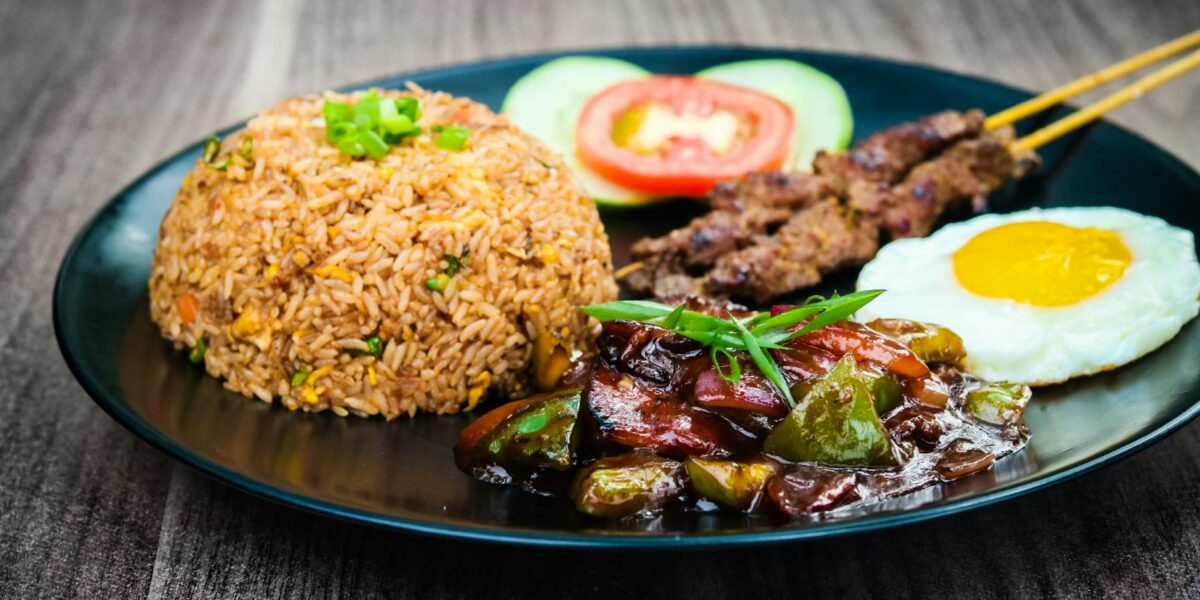
Indonesia’s de facto national dish, nasi goreng is fried rice flavored with kecap manis (sweet soy sauce), shallots, garlic, chili, and shrimp paste. Topped with a fried egg and served with krupuk and pickled cucumber, it’s eaten at any time of day — including breakfast. What sets Indonesian fried rice apart from Chinese or Thai versions is the distinctive sweetness from kecap manis and the deep umami of terasi.
2. Rendang (Dry Coconut Beef Curry)
Rendang is a slow-cooked dry curry from West Sumatra in which beef (or sometimes chicken, jackfruit, or egg) is simmered for hours in coconut milk and a complex spice paste until the liquid evaporates entirely and the meat becomes dark, intensely flavored, and tender. Originally a method of preservation for the Minangkabau people, rendang can last for weeks without refrigeration. It is traditionally served at ceremonial occasions like weddings and Hari Raya (Eid).
3. Satay (Sate)
Indonesia’s most famous street food consists of marinated meat skewered on bamboo sticks and grilled over charcoal. Chicken satay (sate ayam) with peanut sauce is the most common, but regional variations abound: sate Padang uses a turmeric-rich sauce, sate lilit from Bali uses minced fish pressed onto lemongrass, and sate Madura features a sweeter peanut-kecap sauce. The charcoal smoke and the interplay of sweet, savory, and nutty flavors make satay irresistible.
4. Soto (Indonesian Soup)
Soto is a broad category of aromatic soups found across the entire archipelago, each region claiming its own version. Soto ayam (chicken soup) with turmeric-yellow broth is the most widespread. Soto Betawi from Jakarta uses a creamy coconut-milk base with beef offal. Soto Madura is lighter and served with hard-boiled eggs. Coto Makassar from Sulawesi is a rich peanut-based beef soup. Whatever the version, soto is Indonesian comfort food at its finest — warming, herbaceous, and endlessly customizable with condiments.
5. Gado-Gado (Vegetable Salad with Peanut Sauce)
Gado-gado is a composed salad of blanched and raw vegetables — cabbage, bean sprouts, green beans, tofu, tempeh, boiled egg, and boiled potato — drenched in a rich, slightly sweet peanut sauce. It’s one of Indonesia’s greatest vegetarian dishes and a perfect example of how Indonesian cooks balance textures (crunchy krupuk, soft tofu, crisp vegetables) within a single plate. The peanut dressing, made from ground roasted peanuts, kecap manis, chili, and lime, ties everything together.
6. Nasi Padang
More an eating experience than a single dish, nasi Padang is steamed white rice served with your choice from an array of pre-cooked dishes: rendang, gulai (curry), sambal balado (spicy chili sauce), dendeng (beef jerky), ayam pop (poached chicken), perkedel (potato fritters), and more. In a traditional Padang restaurant, all dishes are brought to the table simultaneously, and you pay only for what you eat. This style of communal, abundant dining is central to Minangkabau culture and has spread to every corner of Indonesia.
7. Bakso (Meatball Soup)
Bakso is Indonesia’s beloved street-food soup — bouncy, dense beef meatballs served in a clear, savory broth with noodles, fried wontons, and greens. The meatballs get their distinctive springy texture from tapioca starch. Bakso carts are everywhere in Indonesia, and each vendor has a slightly different recipe. It’s the ultimate comfort food, customizable with chili sauce, kecap manis, and vinegar to taste.
8. Mie Goreng (Indonesian Fried Noodles)
The noodle counterpart to nasi goreng, mie goreng features egg noodles stir-fried with kecap manis, garlic, shallots, chili, vegetables, and your choice of protein. Topped with a fried egg and served with krupuk, it’s a staple of Indonesian street food and home cooking. The noodles should be slightly chewy, well-coated in the sweet-savory sauce, and smoky from high-heat wok cooking.
9. Gudeg (Sweet Jackfruit Stew)
The signature dish of Yogyakarta in Central Java, gudeg is young (unripe) jackfruit slowly stewed for hours in coconut milk, palm sugar, and teak leaves (which give it a distinctive brown color). The result is a sweet, creamy, almost caramelized dish served with rice, chicken, hard-boiled egg, krecek (spicy beef skin), and areh (thick coconut cream). Gudeg exemplifies the Javanese preference for sweet flavors in savory contexts.
10. Rawon (Black Beef Soup)
An East Javanese specialty, rawon gets its striking jet-black color from keluak (pangium) nuts — a mildly toxic nut that must be fermented before use. The broth is rich, earthy, and unlike anything else in Southeast Asian cuisine. Served with rice, bean sprouts, and salted egg, rawon is the kind of dish that rewards adventurous eaters with a truly unique flavor experience.
11. Nasi Uduk (Coconut Rice)
A Betawi (Jakarta) specialty, nasi uduk is rice cooked in coconut milk with lemongrass and pandan leaves, giving it a fragrant, subtly sweet character. It’s served with an assortment of side dishes — fried chicken, omelette, tempeh, sambal, and krupuk — and is a beloved breakfast food. If you’ve had Malaysian nasi lemak, nasi uduk is its close Indonesian relative.
12. Ayam Penyet (Smashed Fried Chicken)
Originating from East Java, ayam penyet is fried chicken that’s been literally smashed with a mortar and pestle just before serving, creating a craggy, crispy texture. It’s served with a ferocious raw sambal, rice, and lalapan (fresh vegetables). The smashing isn’t just theatrical — it breaks open the crust, allowing the fiery sambal to penetrate the meat. It’s one of Indonesia’s most satisfying fried chicken preparations.
13. Tempeh Mendoan (Lightly Battered Fried Tempeh)
While tempeh appears in countless Indonesian dishes, mendoan — thinly sliced tempeh dipped in a light, spiced batter and quickly fried — is one of the simplest and most delicious preparations. Originating from Purwokerto in Central Java, the batter stays slightly soft (not fully crisp), creating a tender, savory snack. It’s typically served with sweet soy sauce for dipping and is a staple of Javanese street food.
14. Pecel Lele (Fried Catfish with Sambal)
A street-food staple across Java, pecel lele is deep-fried catfish served with rice, fresh lalapan, and a generous portion of sambal. The catfish is fried whole until the exterior is crackling-crisp while the flesh stays moist inside. Simple, affordable, and deeply satisfying, pecel lele is the everyday working-class meal of Indonesia — the equivalent of a burger and fries.
15. Es Cendol (Iced Pandan Jelly Drink)
No Indonesian meal is complete without something sweet. Es cendol is a dessert drink made from green pandan-flavored rice flour jelly worms, coconut milk, and palm sugar syrup, served over shaved ice. The interplay of the smoky-sweet palm sugar, creamy coconut, and slippery pandan jelly is refreshing and addictive. Variations exist across Southeast Asia, but the Indonesian version typically features a richer coconut milk and deeper palm sugar flavor.
Indonesian vs. Malaysian vs. Thai Cuisine: A Comparison
Indonesia shares borders and ingredients with its Southeast Asian neighbors, but each cuisine has a distinctive identity. Here’s how they compare.
| Feature | Indonesian | Malaysian | Thai |
|---|---|---|---|
| Primary sweetener | Palm sugar (gula Jawa), kecap manis | Palm sugar, white sugar | Palm sugar, white sugar |
| Heat source | Bird’s eye chili, large red chili, sambal | Bird’s eye chili, dried chili, sambal | Bird’s eye chili, dried chili, curry paste |
| Sour element | Tamarind, lime, belimbing | Tamarind, lime, assam keping | Lime, tamarind, vinegar |
| Fermented elements | Terasi (shrimp paste), tempeh, tape | Belacan (shrimp paste), fermented durian | Shrimp paste, fish sauce, fermented fish |
| Coconut use | Very heavy: milk, cream, oil, grated | Heavy: milk, cream, grated | Moderate: mainly coconut milk in curries |
| Signature cooking fat | Coconut oil, palm oil | Palm oil, coconut oil | Vegetable oil, coconut oil |
| Soy sauce type | Kecap manis (sweet), kecap asin (salty) | Light and dark soy sauce | Light soy sauce, thin soy |
| Noodle preference | Egg noodles, rice vermicelli | Flat rice noodles, egg noodles | Rice noodles, glass noodles |
| Unique protein | Tempeh | Dried shrimp, ikan bilis | Fermented fish (pla ra) |
| Meal structure | Rice + many small dishes (lauk-pauk) | Rice + dishes, often shared | Rice + shared dishes, sequential curries |
| Spice paste | Bumbu (fried before use) | Rempah (fried before use) | Curry paste (pounded, added to coconut) |
The biggest distinction is Indonesia’s use of kecap manis and tempeh, both of which are uniquely Indonesian. Indonesian cuisine also tends to cook spice pastes longer and drier than Thai or Malaysian cuisine, producing deeper, more caramelized flavors. If you enjoy Thai cooking or Malaysian recipes, Indonesian food is a natural next step.
Key Indonesian Cooking Techniques
Indonesian cooking uses several distinctive techniques that you should understand before diving in.
Bumbu Making (Spice Paste Preparation)
The cornerstone of Indonesian cooking is the bumbu — a wet spice paste ground fresh for each dish. Traditionally made with a cobek and ulekan (mortar and pestle), the modern shortcut is a food processor. The critical step that many Western cooks skip is frying the bumbu: the paste must be sautéed in oil over medium heat, stirring constantly, until the oil separates from the paste and the raw smell disappears. This can take 10–20 minutes but is essential for developing the deep, rounded flavor that defines Indonesian food.
Slow Coconut Reduction
Many Indonesian dishes — rendang being the prime example — involve simmering ingredients in coconut milk until the liquid reduces completely and the coconut oil fries the remaining ingredients. This technique produces an incredibly rich, concentrated flavor. The key is patience: the process cannot be rushed, and the heat must be kept low to prevent the coconut milk from breaking before the flavors have developed.
Wok Stir-Frying
Like Chinese cooking, Indonesian cuisine relies heavily on high-heat wok cooking for dishes like nasi goreng, mie goreng, and various stir-fries. The technique is the same: a very hot wok, small batches, and fast movement. Indonesian stir-fries tend to use kecap manis as the primary seasoning, which caramelizes quickly and needs constant tossing to prevent burning.
Charcoal Grilling (Bakaran)
Satay, ikan bakar (grilled fish), and ayam bakar (grilled chicken) are all cooked over coconut-shell charcoal, which burns hotter and imparts a distinctive smoky-sweet flavor. If you’re grilling at home, use natural lump charcoal rather than briquettes. Fan the coals until they’re white-hot and grill the skewers close to the heat for quick charring.
Deep Frying
Indonesians are masters of deep frying, from the bouncy bakso goreng (fried meatballs) to the crispy mendoan and perkedel (potato fritters). The key to Indonesian frying is often a light batter — rice flour or tapioca starch mixed with spiced water — rather than a heavy coating. Krupuk (crackers) puff dramatically when dropped into hot oil and are an essential accompaniment to almost every meal.
Banana Leaf Wrapping and Steaming
Banana leaves serve as both cooking vessel and flavor enhancer in Indonesian cuisine. Foods wrapped in banana leaves and steamed or grilled absorb a subtle, grassy sweetness. Pepes ikan (spiced fish steamed in banana leaf), botok (steamed grated coconut with anchovies), and nasi timbel (rice in banana leaf) all rely on this technique. Banana leaves also keep food moist during cooking and make for beautiful presentation.
The Role of Sambal in Indonesian Cooking
No discussion of Indonesian food is complete without addressing sambal. With over 300 documented varieties across the archipelago, sambal is not just a condiment in Indonesia — it is a fundamental component of the meal, as essential as rice itself.
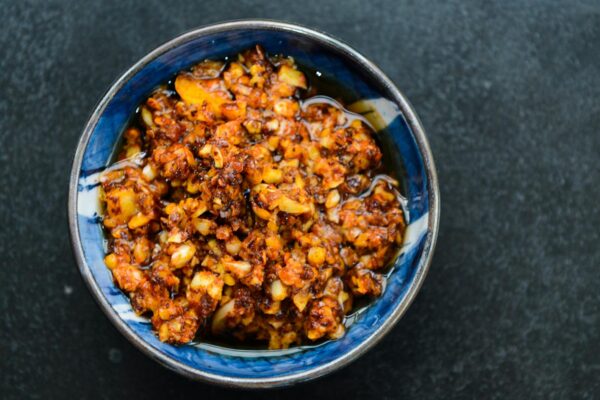
Sambal oelek (ulek) is the most basic: fresh red chilies ground with salt. From there, the variations explode — sambal terasi adds shrimp paste, sambal matah from Bali is a raw shallot-lemongrass relish, sambal bajak is a cooked and sweetened version, sambal dabu-dabu from Manado uses tomatoes and lime, and sambal lado mudo from Padang features green chilies. Each region, each family, and often each meal has its own sambal.
If you’re new to Indonesian cooking, start with sambal terasi (chili + shrimp paste + garlic + lime) and sambal kecap (kecap manis + sliced chili + shallots + lime). These two cover most situations and are easy to make at home. Bird’s eye chilies provide authentic heat, but you can use whatever fresh red chilies are available.
Tempeh: Indonesia’s Gift to the World
While tofu came to Indonesia from China, tempeh is a purely Indonesian invention — fermented soybeans bound together by Rhizopus mold into a firm, sliceable cake. Originating in Java, tempeh has been a cornerstone of the Indonesian diet for centuries and is now a global plant-protein phenomenon.
In Indonesia, tempeh is everyday food — fried, braised, crumbled into sambal, or simmered in coconut milk. Tempeh goreng (fried tempeh) is the simplest preparation: sliced thin, salted, and fried until golden and crispy. Tempeh mendoan, as mentioned above, uses a light batter for a different texture. Tempeh orek (sweet soy-braised tempeh) is a beloved home-cooked dish. For more ideas on cooking with this versatile ingredient, explore our tofu and plant-based recipes.
Indonesian Rice Culture
Rice is not just a staple in Indonesia — it’s the foundation of the entire culinary system. The Indonesian word for ”to eat” (makan) essentially implies eating rice; a meal without rice barely counts as a meal. Understanding Indonesian rice culture helps you appreciate the cuisine’s structure.
Indonesian meals revolve around steamed white rice (nasi putih), typically medium-grain or long-grain jasmine rice. The rice is the neutral canvas; the lauk-pauk (side dishes) provide flavor. A proper Indonesian meal includes rice, a protein (meat, fish, tofu, or tempeh), vegetables, sambal, and often krupuk. All dishes are served simultaneously and eaten communally.
Beyond plain rice, Indonesia has an extraordinary range of rice preparations. Nasi goreng (fried rice), nasi uduk (coconut rice), nasi kuning (turmeric rice, served for celebrations), nasi tumpeng (cone-shaped yellow rice for ceremonies), nasi liwet (rice cooked in coconut milk with aromatics from Solo), and lontong or ketupat (compressed rice cakes, served with satay and gado-gado) all demonstrate the central role rice plays. For tips on cooking the perfect pot, check our guide on how to cook rice.
Indonesian Meal Planning Tips
Whether you’re cooking a weeknight dinner or hosting an Indonesian feast, here’s how to plan your meals.
Weeknight Dinner (30–45 minutes)
Keep it simple with a one-wok meal. Nasi goreng or mie goreng with a fried egg and krupuk on the side makes a complete, satisfying dinner in under 30 minutes. Alternatively, pan-fry tempeh or chicken, make a quick sambal kecap, steam rice, and serve with sliced cucumber. The key is having kecap manis and sambal oelek in your pantry — they do most of the work.
Weekend Project (2–4 hours)
Dedicate a weekend afternoon to a slow-cook dish like rendang or gudeg. These dishes taste even better the next day as the flavors continue to meld, so make a large batch. Pair with steamed rice, a vegetable dish (sayur lodeh — mixed vegetables in coconut broth is a good choice), and sambal.
Indonesian Dinner Party (serves 6–8)
Create your own mini rijsttafel by preparing 5–7 dishes in advance. Most Indonesian dishes can be made ahead and served at room temperature. A sample spread might include: rendang (make a day ahead), gado-gado (vegetables blanched, peanut sauce made ahead, assemble before serving), satay with peanut sauce, sambal terasi, krupuk, steamed rice, and es cendol for dessert. The beauty of Indonesian entertaining is that everything can be set out buffet-style — no last-minute cooking required.
Pantry Essentials to Always Have
Stock these items and you can make Indonesian food on any night: kecap manis, sambal oelek, coconut milk, tamarind paste, shrimp paste (terasi), palm sugar, fish sauce, and dried krupuk. Fresh essentials include shallots, garlic, ginger, galangal, lemongrass, and limes. With these on hand, most Indonesian recipes are within reach.
Indonesian Street Food Culture
Street food is the backbone of Indonesian eating. In cities like Jakarta, Yogyakarta, and Bandung, mobile carts (kaki lima) and roadside stalls (warung) serve everything from bakso and satay to nasi goreng and martabak (stuffed pancakes). Indonesian street food operates on a trust-based system — you eat first and pay after, and many vendors specialize in a single dish, perfected over decades.
Some of the best Indonesian food exists only on the street. Martabak manis (thick sweet pancake stuffed with chocolate, peanuts, cheese, or condensed milk) is a beloved night-market treat. Siomay (Indonesian-style steamed fish dumplings with peanut sauce) is sold from carts in every city. Kerak telor (a Betawi egg-coconut crispy cake cooked over charcoal) is a Jakarta specialty becoming increasingly rare. Gorengan — an assortment of deep-fried snacks including banana fritters, tofu, tempeh, and cassava — is the universal afternoon snack.
The street food experience teaches an important lesson about Indonesian cooking: simplicity and mastery of a single dish often trumps the ambition of a complex menu. Many home cooks find that perfecting one bumbu and one sambal opens the door to dozens of variations.
Indonesian Desserts and Drinks
Indonesian sweets (kue) and iced drinks are a world unto themselves. Most Indonesian desserts feature coconut milk, palm sugar, and pandan — the holy trinity of Southeast Asian sweets.
Kue lapis (steamed layer cake) is a stunning dessert with alternating colored layers of rice flour, coconut milk, and sugar. Klepon are pandan-scented rice balls filled with liquid palm sugar, rolled in grated coconut — biting into one releases a burst of molten sweetness. Pisang goreng (fried banana fritters) are the most common street dessert, served hot and crispy. Bubur sumsum is a smooth rice-flour porridge in palm sugar syrup. And kolak, a warm coconut milk soup with banana and sweet potato, is the traditional Ramadan iftar dessert.
For drinks, Indonesia is famous for its coffee — particularly kopi luwak (though ethically sourced versions are rare) and the increasingly popular single-origin beans from Toraja, Gayo, and Bali. Es teh manis (sweetened iced tea) accompanies most meals. Jamu, a traditional herbal drink made from turmeric, ginger, tamarind, and honey, has been part of Javanese wellness culture for centuries and is now gaining global attention as a functional beverage.
Frequently Asked Questions About Indonesian Cuisine
Is Indonesian food very spicy?
It depends on the region and dish. Padang food and Manado cuisine are genuinely fiery, while Javanese food tends to be milder and sweeter. The beauty of the sambal system is that heat is customizable — sambal is served on the side, so you control how much you add. If you’re sensitive to spice, start with Javanese dishes like gudeg or soto ayam.
What’s the difference between rendang and curry?
Rendang is a dry preparation — the coconut milk is cooked down until it completely evaporates and the oil fries the remaining meat and spices. A curry (gulai in Indonesian) retains its sauce. The slow reduction process gives rendang its intense, concentrated flavor and longer shelf life. Think of rendang as a coconut curry taken to its logical extreme.
Is Indonesian food suitable for vegetarians?
Absolutely. Indonesia is one of the most vegetarian-friendly cuisines in Southeast Asia, thanks to tempeh and tofu being staple proteins. Dishes like gado-gado, tempeh goreng, sayur lodeh (vegetable coconut soup), urap (steamed vegetables with spiced coconut), and pecel (vegetables with peanut sauce) are all naturally vegetarian. Note that shrimp paste (terasi) is used widely, so ask about it if you’re strictly vegetarian.
What is kecap manis and can I substitute it?
Kecap manis is a thick, sweet Indonesian soy sauce with a molasses-like consistency. It’s essential for authentic nasi goreng and many other dishes. In a pinch, mix equal parts regular soy sauce and brown sugar or molasses, though the flavor won’t be identical. Kecap manis is widely available at Asian grocery stores and online — it’s worth seeking out the real thing.
How is Indonesian food different from Malaysian food?
Indonesia and Malaysia share Malay roots, so many dishes (rendang, satay, nasi goreng) appear in both cuisines. The differences are in seasoning emphasis: Indonesian food uses more kecap manis, tempeh, and terasi, while Malaysian food features more belacan and has stronger Chinese and Indian influences. Indonesian cuisine also has far more regional diversity due to the country’s size — Indonesia has hundreds of distinct culinary traditions versus Malaysia’s three main ones (Malay, Chinese, Indian).
What equipment do I need for Indonesian cooking?
A food processor or blender (for bumbu), a wok (for stir-frying and deep frying), a heavy-bottomed pot (for rendang and curries), and a mortar and pestle (for sambal, though a food processor works in a pinch). That’s it. Indonesian cooking doesn’t require specialized equipment beyond what most home cooks already own.
Where can I find Indonesian ingredients?
Most Indonesian ingredients are available at Asian grocery stores or online at specialty Asian ingredient retailers. The hardest items to find are salam leaves (Indonesian bay leaves) and fresh keluak nuts. Kecap manis, sambal oelek, krupuk, tempeh, and coconut milk are increasingly available at mainstream supermarkets. Fresh galangal, lemongrass, and turmeric can usually be found in the produce section of Asian markets.
Start Your Indonesian Cooking Journey
Indonesian cuisine rewards exploration like few others. Start with the familiar — a batch of nasi goreng or a plate of satay with peanut sauce — and work your way toward the more ambitious projects like rendang or gudeg. Stock your pantry with kecap manis, sambal oelek, and coconut milk. Learn to make one good bumbu and one good sambal. From there, the entire archipelago opens up.
With over 5,000 documented recipes spanning 17,000 islands, Indonesian food is one of the world’s great undiscovered cuisines — complex, generous, endlessly varied, and deeply satisfying. Whether you’re drawn to the fiery sambals of Sumatra, the sweet stews of Java, or the aromatic grills of Bali, there’s a world of flavor waiting for you.

Mei Lin Chen
Mei Lin Chen is an Asian food writer and recipe developer. Melbourne-raised and London-based, she has spent over a decade exploring the rice paddies, hawker stalls, and home kitchens of South-East and East Asia. Her recipes balance traditional technique with everyday practicality.