Last updated: March 11, 2026
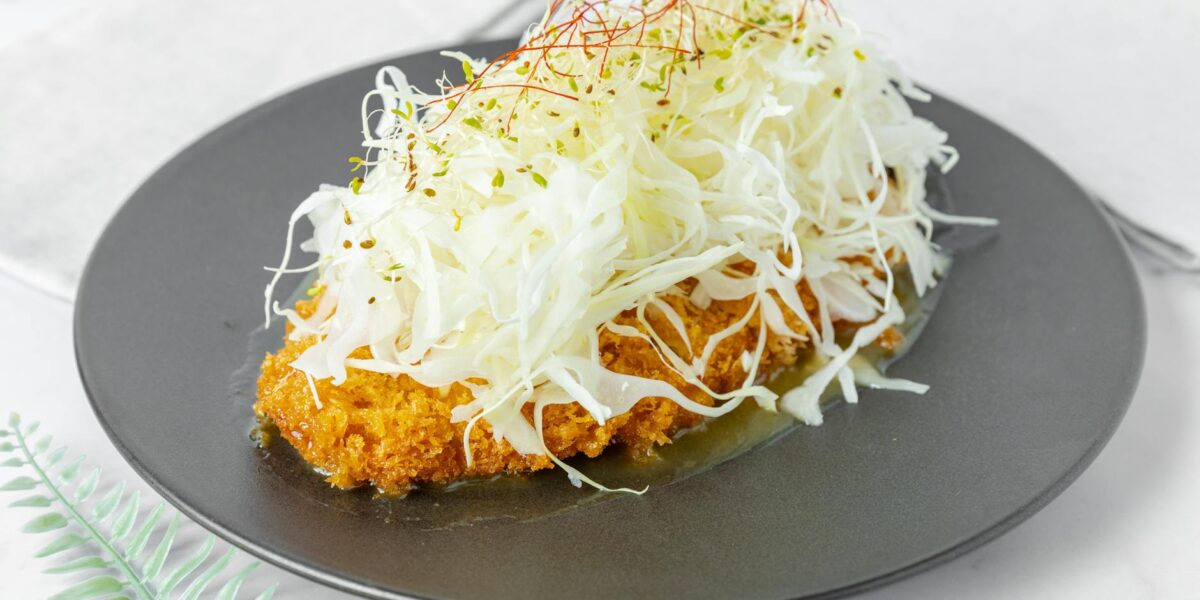
Tonkatsu — the crispy, golden-brown Japanese pork cutlet — is one of the most beloved comfort foods in Japan and around the world. With its shatteringly crunchy panko crust giving way to juicy, tender pork, tonkatsu is the kind of dish that makes you close your eyes and sigh with satisfaction at the first bite. Served alongside shredded cabbage, a mound of steaming rice, and a drizzle of tangy-sweet tonkatsu sauce, this is Japanese home cooking at its finest.
Despite its seemingly simple appearance, great tonkatsu requires attention to detail at every step: choosing the right cut of pork, achieving the perfect panko coating, and frying at precisely the right temperature. In this comprehensive guide, you will learn everything you need to know to make restaurant-quality tonkatsu at home, from selecting your ingredients to mastering the frying technique that produces an impossibly crispy crust every single time.
Whether you have enjoyed tonkatsu at a specialty tonkatsu-ya in Tokyo or tried it for the first time at your local Japanese restaurant, this recipe will help you recreate that experience in your own kitchen. We will also cover how to make authentic tonkatsu sauce from scratch, explore popular variations like chicken katsu and cheese-stuffed tonkatsu, and share tips for reheating leftovers so they stay crispy.
What Is Tonkatsu?
Tonkatsu (豚カツ or とんかつ) literally translates to ”pork cutlet” in Japanese — ”ton” (豚) meaning pork and ”katsu” (カツ) derived from the English word ”cutlet.” It consists of a thick slice of pork loin or pork tenderloin that is breaded with flour, egg, and panko (Japanese breadcrumbs), then deep-fried until golden and crispy.
Tonkatsu was introduced to Japan during the Meiji era (1868–1912) when Western-style cuisine, known as yoshoku, became popular. The dish evolved from European-style breaded cutlets — specifically the German schnitzel and the French cotelette — but Japanese cooks adapted it with panko breadcrumbs, which create an airier, crunchier texture than traditional Western breadcrumbs. By the 1930s, tonkatsu had become a distinctly Japanese dish, served with rice, miso soup, and shredded cabbage rather than the European accompaniments.
Today, tonkatsu is ubiquitous across Japan. Dedicated tonkatsu restaurants (tonkatsu-ya) take the craft seriously, aging their pork, grinding their own panko, and frying in carefully maintained oil blends. The dish has also spawned beloved variations including chicken katsu, katsudon (tonkatsu served over rice with egg), and katsu curry (tonkatsu with Japanese curry).
Tonkatsu Ingredients
One of the beauties of tonkatsu is its short ingredient list. You need just a handful of quality ingredients to produce an exceptional result. Here is everything you will need:
For the Tonkatsu
| Ingredient | Amount | Notes |
|---|---|---|
| Pork loin chops (bone-out) | 4 pieces (about 150 g / 5 oz each) | 3/4 to 1 inch thick; pork tenderloin also works |
| Salt | 1/2 teaspoon | Fine sea salt or kosher salt |
| Black pepper | 1/4 teaspoon | Freshly ground |
| All-purpose flour | 1/2 cup (65 g) | For the first coating layer |
| Eggs | 2 large | Beaten well |
| Panko breadcrumbs | 2 cups (100 g) | Japanese-style panko; avoid fine Western breadcrumbs |
| Neutral oil for frying | About 3 cups (720 ml) | Vegetable, canola, or peanut oil |
For the Tonkatsu Sauce
| Ingredient | Amount | Notes |
|---|---|---|
| Ketchup | 3 tablespoons | |
| Worcestershire sauce | 2 tablespoons | |
| Soy sauce | 1 tablespoon | Regular or low-sodium; see our complete guide to soy sauce |
| Mirin | 1 tablespoon | Sweet Japanese rice wine; learn more in our guide to mirin |
| Dijon mustard | 1 teaspoon | Optional; adds sharpness |
| Sugar | 1 teaspoon | Optional; adjust to taste |
For Serving
- Steamed Japanese short-grain rice (see our guide to cooking rice perfectly)
- Finely shredded green cabbage
- Miso soup
- Lemon wedges
- Karashi (Japanese hot mustard) — optional
- Pickled vegetables (tsukemono) — optional
Choosing the Right Cut of Pork for Tonkatsu
The cut of pork you choose has a major impact on the final result. In Japan, tonkatsu restaurants typically offer two options:
Rosu (ロース) — Pork Loin: This is the most popular choice. Pork loin has a strip of fat along one edge that renders during frying, keeping the meat moist and adding rich flavor. The marbling within the meat also contributes to juiciness. Rosu katsu has a satisfying contrast between the crispy crust and the succulent, slightly fatty meat. This is what most tonkatsu restaurants serve as their standard cut, and it is what we recommend for this recipe.
Hire (ヒレ) — Pork Tenderloin: The tenderloin is a leaner, more delicate cut. It produces a lighter tonkatsu with a more refined, almost melt-in-your-mouth texture. Because it has very little fat, hire katsu can dry out if overcooked, so it requires slightly more careful temperature control. It is an excellent choice if you prefer a less rich version or are watching your fat intake.
Whichever cut you choose, look for pork that is about 3/4 to 1 inch (2 to 2.5 cm) thick. If your pork chops are thinner, you can gently pound them to an even thickness rather than trying to make them thinner. If they are thicker than 1 inch, you may need to pound them down slightly so they cook through properly without over-browning the crust.
How to Make Tonkatsu: Step-by-Step Instructions
Follow these detailed steps for perfectly crispy, juicy tonkatsu every time.
Step 1: Prepare the Pork
Remove the pork from the refrigerator 15 to 20 minutes before cooking to take the chill off. This helps the pork cook more evenly.
If your pork loin has a thick strip of fat along one edge, make 2 to 3 small cuts through the fat and into the connective tissue between the fat and the meat. This prevents the cutlet from curling during frying. Do not cut too deep — just through the sinew.
If your cutlets are uneven in thickness, place them between two sheets of plastic wrap and gently pound with a meat mallet or the bottom of a heavy pan until they are an even 3/4 inch (2 cm) thick throughout.
Season both sides of each cutlet generously with salt and black pepper.
Step 2: Set Up the Breading Station
Prepare three shallow dishes or plates in a row:
- Dish 1: All-purpose flour
- Dish 2: Beaten eggs
- Dish 3: Panko breadcrumbs
For an extra-crispy coating, lightly crush the panko with your hands before placing it in the dish. This creates a mix of fine and coarse crumbs that produces a more textured, crunchier crust. Some tonkatsu experts also recommend briefly pulsing the panko in a food processor for 2 to 3 seconds — just enough to break up the largest pieces without turning it all to fine crumbs.
Step 3: Bread the Pork
Working with one cutlet at a time:
- Dredge the cutlet in flour, coating all sides evenly. Shake off any excess — too much flour creates a gummy layer.
- Dip the floured cutlet into the beaten egg, making sure it is completely coated.
- Press the cutlet firmly into the panko, then flip and press again. Use your hands to press the panko into the meat so it adheres well. Make sure the edges are coated too.
Place the breaded cutlets on a wire rack or plate. For the crispiest results, let them rest for 5 to 10 minutes before frying. This allows the coating to set and bond with the meat, which helps prevent the breading from falling off during frying.
Step 4: Heat the Oil
Pour enough oil into a heavy-bottomed pot or deep skillet to reach a depth of about 1.5 to 2 inches (4 to 5 cm). You want enough oil so the cutlets are at least half-submerged.
Heat the oil to 340 degrees F (170 degrees C). Use a deep-fry thermometer or an instant-read thermometer to monitor the temperature. This is critical — if the oil is too hot, the crust will burn before the pork cooks through; if it is too cool, the crust will absorb oil and become greasy.
To test without a thermometer, drop a few panko crumbs into the oil. At 340 degrees F, they should sink briefly, then float back up immediately while sizzling gently. If they brown instantly, the oil is too hot.
Step 5: Fry the Tonkatsu
Carefully lower 1 to 2 cutlets into the oil (do not overcrowd the pot). Fry for 2 to 3 minutes per side, or about 5 to 6 minutes total, until the crust is deep golden brown and the internal temperature of the pork reaches 145 degrees F (63 degrees C).
During frying, try not to move the cutlets too much. Flip them once, gently, using tongs or a spider strainer. Excessive handling can cause the crust to break.
If you are cooking thick-cut pork loin (closer to 1 inch), you may need an additional 1 to 2 minutes of frying time. To check doneness without cutting the meat, insert an instant-read thermometer into the thickest part from the side.
Step 6: Rest and Drain
Transfer the fried tonkatsu to a wire rack set over a sheet pan. Do not place them on paper towels — the steam from the hot cutlet will get trapped against the paper towels, making the bottom of the crust soggy. A wire rack allows air to circulate around the entire cutlet, keeping all sides crispy.
Let the tonkatsu rest for 2 to 3 minutes before cutting. During this resting period, the residual heat continues to cook the center of the pork gently (carryover cooking), the juices redistribute through the meat, and the crust firms up further. This resting step is one of the secrets to tonkatsu that is simultaneously crispy on the outside and juicy on the inside.
Step 7: Slice and Serve
Using a sharp knife, cut each tonkatsu crosswise into 3/4-inch (2 cm) strips. A serrated bread knife works well for this, as it cuts through the crust without crushing it. Reassemble the slices on a plate to maintain the cutlet shape.
Serve immediately with shredded cabbage, steamed rice, tonkatsu sauce, and lemon wedges. In Japan, it is traditional to squeeze lemon over some of the slices and dip others in sauce — both are excellent and offer different flavor experiences.
How to Make Tonkatsu Sauce
Tonkatsu sauce is a tangy, mildly sweet, and fruity condiment that is essential to the dish. While you can buy bottled tonkatsu sauce (Bull-Dog brand is the most popular), making it from scratch takes just a few minutes and lets you adjust the flavor to your preference.
To make the sauce, simply whisk together all the sauce ingredients listed in the ingredients table above:
- Combine 3 tablespoons ketchup, 2 tablespoons Worcestershire sauce, 1 tablespoon soy sauce, 1 tablespoon mirin, 1 teaspoon Dijon mustard, and 1 teaspoon sugar in a small bowl.
- Whisk until the sugar dissolves and everything is well combined.
- Taste and adjust — add more ketchup for sweetness, more Worcestershire for tang, or more soy sauce for depth.
The sauce can be made up to a week ahead and stored in an airtight container in the refrigerator. It actually improves after a day or two as the flavors meld together. If you prefer a smoother sauce, you can blend it briefly or strain out any mustard seed bits from the Dijon.
For a quick alternative, mix equal parts ketchup and Worcestershire sauce with a splash of soy sauce. It will not be quite as nuanced, but it gets the job done in a pinch.
Tips for the Crispiest Tonkatsu
After testing dozens of batches, these are the tips that make the biggest difference:
Use fresh panko. Panko that has been sitting open in your pantry for months will produce a less crispy result. Fresh panko has more moisture, which turns to steam during frying and creates a lighter, airier crust. If your panko is stale, you can revive it slightly by spritzing it with a little water and tossing it before use.
Do not skip the resting time after breading. Letting the breaded cutlets sit for 5 to 10 minutes before frying gives the egg and flour a chance to form a strong bond with the panko. This is the single most effective technique for preventing the breading from falling off during frying.
Maintain consistent oil temperature. The oil temperature will drop when you add the pork. To minimize this, avoid overcrowding the pot (fry no more than 2 cutlets at a time) and bring the oil back to 340 degrees F between batches. If you do not have a thermometer, learn the panko test described in Step 4 above.
Drain on a wire rack, not paper towels. As explained in Step 6, paper towels trap steam and make the bottom soggy. A wire rack keeps the crust crispy on all sides.
Season the pork, not just the crust. Seasoning the meat directly before breading ensures every bite is flavorful, not just the exterior. Some Japanese cooks also add a tiny pinch of salt to the flour for an extra layer of seasoning.
Double-fry for extra crunch. For an incredibly crispy crust, fry the tonkatsu at 340 degrees F for 3 minutes, remove and rest for 2 minutes, then fry again at 360 degrees F (180 degrees C) for 1 to 2 minutes until deep golden. This double-fry method, similar to the technique used in Korean fried chicken, produces a crust that stays crispy for longer.
Tonkatsu Variations
Once you have mastered the basic tonkatsu technique, you can explore these popular variations:
Katsudon (Pork Cutlet Rice Bowl)
Katsudon is one of Japan’s most beloved comfort foods. Sliced tonkatsu is simmered briefly in a mixture of dashi, soy sauce, mirin, and sliced onions, then finished with beaten eggs that are cooked until just set. The whole thing is served over a bowl of steamed rice. The combination of crispy-turned-slightly-soft cutlet, silky egg, and savory-sweet broth is absolutely irresistible. To make the dashi base, see our guide on how to make dashi.
Katsu Curry
Tonkatsu served alongside (or on top of) Japanese curry rice is a match made in heaven. The rich, mildly spiced curry pairs perfectly with the crispy, savory cutlet. This combination is a staple at Japanese curry houses and is extremely popular as a hearty dinner.
Katsu Sando (Pork Cutlet Sandwich)
The katsu sando is a simple but elegant Japanese sandwich: thick-cut tonkatsu nestled between slices of fluffy white milk bread (shokupan), spread with tonkatsu sauce and sometimes a thin layer of karashi mustard. The contrast between the pillowy bread and the crunchy cutlet is what makes this sandwich special. It has become a trendy item at convenience stores across Japan and at Japanese restaurants worldwide.
Menchi Katsu (Ground Meat Cutlet)
Instead of a whole pork cutlet, menchi katsu uses seasoned ground pork (or a pork-beef mixture) that is shaped into patties, breaded, and fried. Think of it as a Japanese take on a croquette — juicy, flavorful, and perfect as a snack or bento box item.
Cheese Tonkatsu
For a decadent twist, butterfly the pork cutlet, stuff it with a slice of cheese (mozzarella or processed cheese both work well), press the edges to seal, then bread and fry as usual. When you cut into the finished tonkatsu, you get a satisfying cheese pull that takes this comfort food to the next level.
Air Fryer Tonkatsu
For a lighter version, spray the breaded cutlets generously with cooking oil and cook in a preheated air fryer at 375 degrees F (190 degrees C) for 12 to 14 minutes, flipping halfway through. The result will not be quite as crispy as deep-fried tonkatsu, but it is a solid alternative that uses far less oil. Mist with additional oil after flipping for the best results.
What to Serve with Tonkatsu
A traditional tonkatsu meal, known as a tonkatsu teishoku (set meal), typically includes:
- Shredded raw cabbage: This is non-negotiable. The fresh, crunchy cabbage provides a refreshing contrast to the rich, fried cutlet. Use green cabbage, shred it as finely as possible, and soak it in ice water for 10 minutes for maximum crispness. Drain and pat dry before serving.
- Steamed rice: Japanese short-grain rice is traditional. Our guide on the best rice for Asian cooking can help you choose the right variety.
- Miso soup: A simple miso soup with tofu and wakame seaweed rounds out the meal perfectly.
- Pickles (tsukemono): Japanese pickled vegetables like takuan (pickled daikon), shibazuke (pickled eggplant and cucumber), or fukujinzuke (mixed vegetable relish) add brightness and acidity.
- Lemon wedges: A squeeze of fresh lemon is an alternative to tonkatsu sauce that many people prefer, especially with hire (tenderloin) katsu.
- Karashi mustard: Japanese hot mustard offers a sharp, nasal heat that cuts through the richness of the fried pork beautifully.
Nutritional Information
The nutritional values below are approximate and based on one serving of tonkatsu (one pork loin cutlet) with 2 tablespoons of tonkatsu sauce, without rice or sides.
| Nutrient | Amount Per Serving | % Daily Value* |
|---|---|---|
| Calories | 450 kcal | 22% |
| Total Fat | 24 g | 31% |
| Saturated Fat | 5 g | 25% |
| Trans Fat | 0 g | — |
| Cholesterol | 140 mg | 47% |
| Sodium | 680 mg | 30% |
| Total Carbohydrates | 22 g | 8% |
| Dietary Fiber | 1 g | 4% |
| Sugars | 4 g | — |
| Protein | 36 g | 72% |
| Vitamin D | 0.4 mcg | 2% |
| Calcium | 45 mg | 3% |
| Iron | 2.2 mg | 12% |
| Potassium | 480 mg | 10% |
*Percent Daily Values are based on a 2,000-calorie diet. Your daily values may be higher or lower depending on your calorie needs.
Note that the calorie and fat content can vary significantly depending on the cut of pork used (tenderloin is leaner), the amount of oil absorbed during frying, and the portion size. Air fryer tonkatsu will generally have 25 to 30 percent less fat than the deep-fried version.
Storage, Reheating, and Meal Prep Tips
Refrigerator storage: Store leftover tonkatsu in an airtight container in the refrigerator for up to 3 days. Place a paper towel between layers to absorb any moisture that could make the crust soggy.
Freezer storage: Tonkatsu freezes exceptionally well, making it an excellent meal prep option. You can freeze at two stages:
- Breaded but uncooked: Arrange breaded cutlets on a parchment-lined sheet pan in a single layer. Freeze until solid (about 2 hours), then transfer to a freezer bag. They will keep for up to 1 month. Fry directly from frozen, adding 1 to 2 extra minutes of cooking time. Start at a slightly lower temperature (320 degrees F / 160 degrees C) for the first 3 minutes, then increase to 340 degrees F (170 degrees C) to finish.
- Cooked: Let fried tonkatsu cool completely, then freeze on a sheet pan before transferring to a freezer bag. Keeps for up to 1 month.
Reheating for maximum crispiness: The oven or toaster oven is by far the best method. Preheat to 375 degrees F (190 degrees C) and place the tonkatsu on a wire rack set over a sheet pan. Heat for 8 to 10 minutes (from refrigerated) or 15 to 18 minutes (from frozen) until heated through and crispy. Do not microwave tonkatsu — it will make the crust soggy and chewy.
Meal prep strategy: Bread and freeze the cutlets on a Sunday. On busy weeknights, you can go from freezer to table in about 10 minutes of frying. Pair with quick-cooking rice and pre-shredded cabbage for a complete meal in under 20 minutes.
Common Mistakes and How to Avoid Them
Mistake: The crust falls off during frying. This usually happens because the breading was not pressed firmly enough into the meat, or the cutlets were not rested after breading. Make sure you press the panko firmly onto the meat and let the breaded cutlets sit for at least 5 minutes before frying.
Mistake: The pork is dry and tough. Overcooking is the most common culprit. Use a thermometer and pull the tonkatsu from the oil when it reaches 145 degrees F (63 degrees C) — carryover cooking will bring it to a safe final temperature. Also, choosing pork loin over tenderloin gives you more margin for error since the fat content keeps the meat moist.
Mistake: The crust is golden but the pork is raw inside. This happens when the oil is too hot. At 340 degrees F (170 degrees C), the crust browns at a rate that aligns with the pork cooking through. If your oil is at 375 degrees F or above, the crust will be done in 2 minutes while the center is still cold. Always use a thermometer.
Mistake: The tonkatsu is greasy. Either the oil was not hot enough (below 320 degrees F), or the cutlets were in the oil for too long. Properly heated oil creates a steam barrier that prevents excessive oil absorption. Draining on a wire rack rather than paper towels also helps.
Mistake: Uneven browning. Make sure the oil is deep enough (at least 1.5 inches) and that you are not moving the cutlets too much during frying. Flip once, gently, halfway through the cooking time.
The History and Culture of Tonkatsu in Japan
Tonkatsu’s journey from Western import to Japanese icon is a fascinating story of culinary adaptation. When Japan opened its ports to Western trade during the Meiji period, European-style restaurants began appearing in port cities like Yokohama and Kobe. These establishments served Western-style cutlets breaded with fine breadcrumbs and cooked in butter, much like a Viennese schnitzel.
Japanese cooks gradually adapted the dish to local tastes. The switch from fine breadcrumbs to panko — which was originally developed in Japan using an electrical current to bake the bread, producing a crustless, ultra-airy crumb — was the key innovation. Frying in oil rather than butter, serving with rice instead of potatoes, and adding shredded cabbage and a Japanese-style sauce completed the transformation.
By the 1930s, dedicated tonkatsu restaurants had opened across Tokyo. The dish became so popular that it spawned its own dining category. Today, famous tonkatsu establishments like Maisen (founded 1965), Tonki (founded 1939), and Butagumi are institutions in Tokyo, where diners sometimes wait over an hour for a seat.
Tonkatsu also holds a special place in Japanese sports culture. Because ”katsu” sounds like the Japanese word for ”to win” (勝つ, also pronounced ”katsu”), it is considered good luck to eat tonkatsu before exams, competitions, or important events. Many Japanese students eat katsudon the night before university entrance exams, hoping the name will bring them victory.
The dish’s influence extends beyond Japan as well. Tonkatsu directly inspired dishes across Asia, including the Taiwanese paigukuai, Korean donkkaseu, and the now-ubiquitous chicken katsu that has become a staple on menus from Honolulu to London.
Frequently Asked Questions
What is the difference between tonkatsu and schnitzel?
While both are breaded and fried cutlets, they differ in several key ways. Schnitzel is traditionally made with veal (Wiener Schnitzel) or pork, pounded very thin, coated in fine breadcrumbs, and pan-fried in butter or lard. Tonkatsu uses thicker-cut pork, coated in coarse panko breadcrumbs, and deep-fried in oil. The panko coating gives tonkatsu a much airier, crunchier texture compared to schnitzel’s denser, more compact crust.
Can I use chicken instead of pork?
Absolutely. Chicken katsu (tori katsu) follows exactly the same technique using boneless, skinless chicken breasts or thighs. Chicken thighs are more forgiving as they stay juicier. If using chicken breast, pound it to an even half-inch thickness so it cooks through without drying out. The internal temperature should reach 165 degrees F (74 degrees C).
What type of oil is best for frying tonkatsu?
Use a neutral oil with a high smoke point. Vegetable oil, canola oil, and peanut oil all work well. Some high-end tonkatsu restaurants in Japan use a blend of lard and sesame oil for a richer flavor, but for home cooking, any neutral oil will produce excellent results. Avoid olive oil, which has too strong a flavor and a lower smoke point.
How do I know when the oil is at the right temperature without a thermometer?
Drop a few panko crumbs into the oil. At 340 degrees F (170 degrees C), they will sink to the bottom briefly and then rise back to the surface quickly, sizzling gently. If they stay on the surface and sizzle vigorously, the oil is too hot (around 375 degrees F or above). If they sink and take a long time to rise, the oil is not hot enough yet. You can also use a wooden chopstick: insert the tip into the oil, and if small, steady bubbles rise from the tip, the oil is ready.
Can I make tonkatsu in advance for a party?
Yes. Fry the tonkatsu, let them cool, and keep them warm in a 200 degrees F (93 degrees C) oven on a wire rack for up to 30 minutes. For longer holding times, let them cool completely, refrigerate, and reheat at 375 degrees F (190 degrees C) for 8 to 10 minutes before serving. The crust will not be quite as perfect as freshly fried, but it will still be very good. You can also bread the cutlets in advance and refrigerate them (up to 24 hours) or freeze them for frying later.
What is the best tonkatsu sauce brand?
Bull-Dog brand tonkatsu sauce is the most iconic and widely available. It has a balanced sweet-tangy flavor that pairs perfectly with fried cutlets. Otafuku and Ikari are also popular choices. However, homemade sauce (as described in this recipe) takes just minutes and lets you customize the flavor. Once you try making it yourself, you may never go back to bottled.
Is tonkatsu gluten-free?
Traditional tonkatsu is not gluten-free because it uses wheat flour and panko breadcrumbs (which are made from wheat bread). However, you can make a gluten-free version by substituting rice flour for the all-purpose flour and using gluten-free panko (available from brands like Kikkoman). The texture will be slightly different but still very good.
How many calories are in tonkatsu?
A single serving of tonkatsu (one pork loin cutlet with sauce) contains approximately 450 calories. The calorie count increases when served as part of a set meal with rice (add about 250 calories for a bowl of rice) and miso soup (about 40 calories). See the full nutritional breakdown in the table above.
Why Panko Makes All the Difference
If there is one ingredient that separates tonkatsu from every other breaded cutlet in the world, it is panko. Understanding why panko works the way it does can help you get even better results.
Panko is made from bread that is baked using an electrical current rather than conventional oven heat. This unusual process produces bread without a crust — the entire loaf is uniformly white and has an extremely open, airy crumb structure. When this bread is dried and processed into crumbs, the resulting flakes are large, jagged, and irregular, quite different from the fine, uniform crumbs made from conventionally baked bread.
When these large, irregular panko flakes hit hot oil, several things happen. The moisture within each flake turns to steam, puffing the crumb up and creating tiny air pockets. The jagged edges crisp up quickly, creating a three-dimensional texture with lots of nooks and crannies. The result is a coating that is simultaneously light and incredibly crunchy — shattering rather than crunching when you bite through it.
For tonkatsu, look for Japanese-style panko (sometimes labeled ”Japanese bread crumbs” or simply ”panko”) rather than panko-style breadcrumbs from Western brands, which are often finer and more uniform. The best panko for tonkatsu will have large, flaky, irregular pieces that you can clearly see and feel. Many Asian grocery stores carry high-quality panko, and it is also widely available online.
If you want to take things to the next level, you can make fresh panko at home from white sandwich bread. Remove the crusts, tear the bread into chunks, and pulse in a food processor until you have coarse, irregular crumbs. Spread them on a sheet pan and let them dry at room temperature overnight, or dry them in a 250 degrees F (120 degrees C) oven for 15 to 20 minutes. Fresh panko produces an even crunchier, more delicate crust than store-bought — it is what the best tonkatsu restaurants in Tokyo use.
Final Thoughts
Tonkatsu proves that great cooking does not always require a long ingredient list or complicated techniques. With just pork, panko, and a few pantry staples, you can create a dish that rivals what you would find at a specialty tonkatsu restaurant in Tokyo. The keys are choosing a good cut of pork, maintaining consistent oil temperature, and respecting the small details — resting after breading, draining on a wire rack, and giving the cutlet a few minutes to rest before cutting.
Once you have made tonkatsu a few times, it becomes second nature. The technique is the same whether you are making a simple weeknight dinner or preparing katsudon, katsu curry, or an elegant katsu sando. It is one of those recipes that rewards practice — each batch gets a little better as you develop a feel for the oil temperature, the breading pressure, and the frying time.
We hope this guide gives you the confidence to make tonkatsu at home. For more Japanese recipes and Asian cooking techniques, explore our recipe collection. And if you need ingredients like panko, soy sauce, mirin, or tonkatsu sauce, you will find them all in our shop.

Mei Lin Chen
Mei Lin Chen is an Asian food writer and recipe developer. Melbourne-raised and London-based, she has spent over a decade exploring the rice paddies, hawker stalls, and home kitchens of South-East and East Asia. Her recipes balance traditional technique with everyday practicality.