
Japanese Recipes: 20 Essential Dishes to Make at Home

Japanese Recipes: 20 Essential Dishes to Make at Home

By Gustav Backström · Published
15 min
20 min
4
Easy
↓ Jump to Recipe
Note: This page was originally published on UmamiCart. Content is provided for informational purposes only. Always check food safety guidelines and allergen information before preparing dishes.
*Last Updated: March 23, 2026* # Japanese Recipes: 20 Essential Dishes to Make at Home **Japanese recipes** capture the balance of flavor, texture, and season that defines our culinary heritage. We explore the dishes, techniques, and pantry staples that make home cooking both rewarding and authentic. > **Key Takeaways** > – Master the four pantry pillars to unlock umami in every dish. > – Respect seasonality and regional nuance for true Japanese flavor. > – Simple techniques such as grilling, steaming, and simmering form the backbone of Japanese cooking. > – A modest pantry can produce a wide array of noodles, rice dishes, and soups. ## The Philosophy Behind Japanese Cuisine ### Washoku and the UNESCO Recognition Washoku, the traditional dietary culture of Japan, emphasizes harmony between nature, people, and food. In 2013 the practice earned a place on the UNESCO Intangible Cultural Heritage list, acknowledging its role in community health and cultural identity [UNESCO, 2013]. We view Washoku as a framework that guides ingredient selection, preparation, and presentation. The philosophy stresses balance among five basic tastes—sweet, sour, salty, bitter, and umami—while keeping the plate visually appealing. This balance is not accidental; it reflects centuries of observation and adaptation to Japan’s island geography. By adhering to Washoku, we honor a tradition that has survived wars, natural disasters, and rapid modernization. In practice, Washoku encourages modest portions, seasonal produce, and mindful eating. The approach aligns with modern nutrition research that links varied, plant‑rich diets to lower disease risk. Data from the FAO show that societies that maintain traditional dietary patterns enjoy higher life expectancy [FAO, 2022]. ### Seasonality and Ma — the Art of Restraint Seasonality drives ingredient choice from the crisp radish of early spring to the hearty sweet potato of autumn. We select produce at its peak to capture peak flavor and texture, a practice that reduces waste and supports local growers. The Japanese concept of *ma*—the space between elements—guides plating, allowing each bite to breathe. *Ma* can be compared to a musical rest that gives rhythm to a melody; it creates anticipation and highlights the flavors that follow. When a bowl of miso soup arrives, the subtle pause before the first sip magnifies the broth’s depth. This restraint is not a limitation but a deliberate design that sharpens the dining experience. Regional calendars differ, and we respect those variations. In Kyoto, the *shojin ryori* tradition celebrates Buddhist vegetarian dishes during the summer heat, while Osaka’s street stalls burst with takoyaki in winter evenings. By aligning our menus with the calendar, we maintain a living connection to the land. ### Regional Identities: Tokyo, Osaka and Kyoto Tokyo (formerly Edo) favors precise knife work and dark soy‑based sauces that lend a strong, assertive flavor. The city’s bustling sushi counters showcase precisely sliced fish, while ramen shops serve broth steeped in deep, smoky notes. Osaka, the “nation’s kitchen,” embraces lighter dashi, generous toppings, and a culture of *kuidaore*—eating until you drop. Street foods such as okonomiyaki and takoyaki illustrate the city’s love for bold, communal flavors. Kyoto, the former imperial capital, presents a muted elegance rooted in vegetable‑forward *shojin ryori* and refined presentation. The city’s kaiseki meals arrange seasonal ingredients like brushstrokes on a scroll, emphasizing subtlety over intensity. These regional identities inform the way we season, plate, and serve each dish, allowing us to travel through Japan without leaving the kitchen. ## Japanese Noodle Recipes
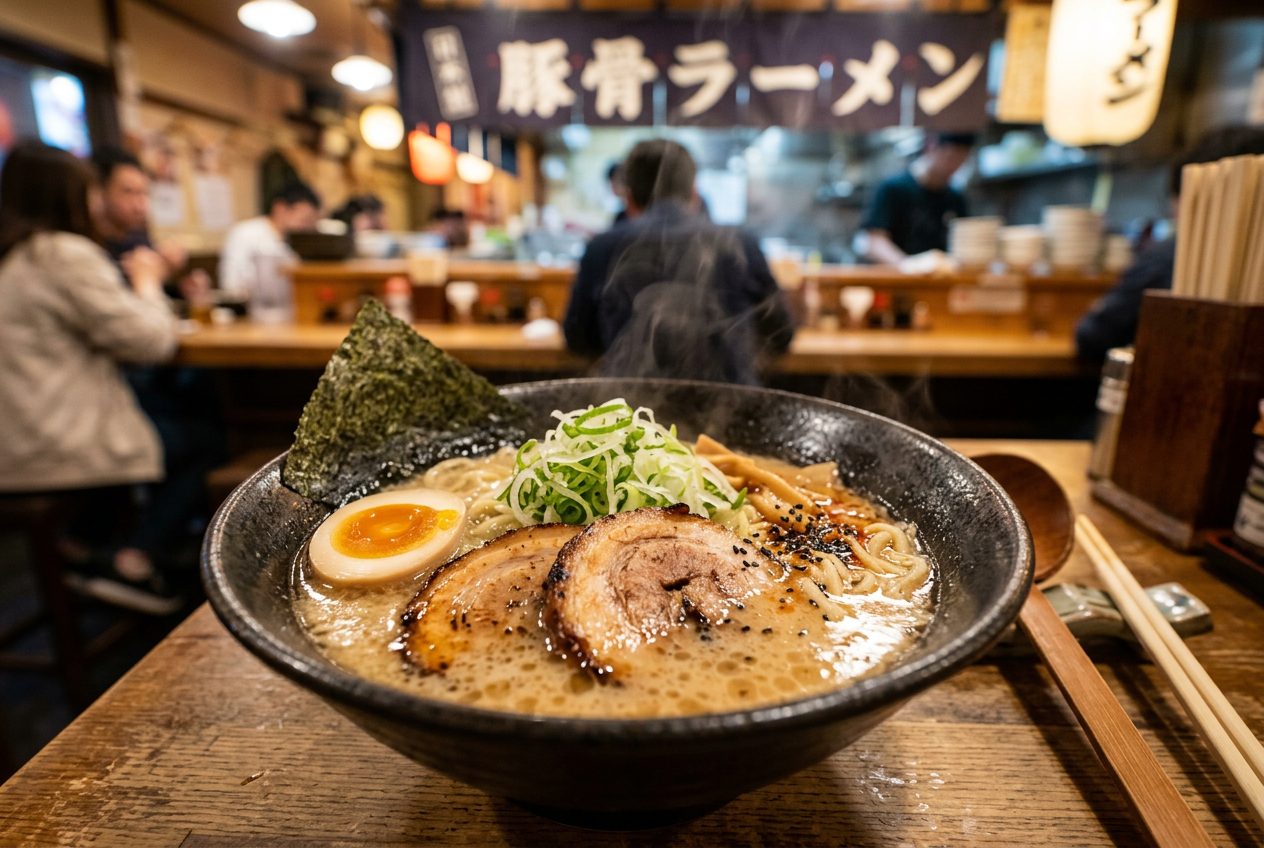
Steaming ramen bowl with chashu pork, soft-boiled egg, nori and scallions
Japan consumes roughly six billion bowls of ramen per year — each region interpreting the bowl in its own way.
### Ramen: Japans Most Debated Bowl Ramen arrived in Japan in the early 20th century, with the first dedicated shop opening in Asakusa, Tokyo, in 1910 [food historians]. Today, the nation consumes roughly six billion bowls of ramen each year, a testament to its popularity [Noodle industry association data]. The dish consists of wheat noodles bathed in a broth that can be shoyu (soy), shio (salt), miso, or tonkotsu (pork bone). Each region interprets ramen differently. In Hokkaido, the broth is often rich and buttery, while Kyushu favors a milky tonkotsu base. The noodles themselves vary in thickness and curl, affecting texture and how the broth clings. By mastering a few core techniques, we can recreate the spirit of any regional ramen at home. The preparation begins with a well‑made dashi, which supplies the umami backbone. We then layer aromatics such as ginger, garlic, and scallions, followed by the chosen protein—chashu pork, soft‑boiled egg, or marinated bamboo shoots. The final touch includes a drizzle of sesame oil or a sprinkle of toasted nori, completing the harmony of flavors. ### Soba, Udon and Somen: The Other Noodle Trinity Soba, udon, and somen complete the noodle quartet, each reflecting distinct textures and regional preferences. Soba, made from buckwheat, offers a nutty aroma and is often served chilled with a dipping sauce in summer. Udon, thick wheat noodles, thrives in hot broth or cold salads, while somen, thin wheat strands, is a staple for quick, light meals. The preparation of these noodles requires careful handling of dough hydration and resting time. For soba, we blend buckwheat flour with a small proportion of wheat flour to achieve elasticity, then roll and cut by hand. Udon dough demands a higher water content, resulting in a chewy bite that holds up to hearty broth. Somen’s delicate nature calls for rapid boiling and immediate cooling to preserve its silkiness. When selecting a noodle for a dish, we consider the broth’s intensity and the desired mouthfeel. A light dashi pairs well with somen, while a hearty miso broth supports udon’s heft. By matching noodle type to broth, we create a balanced plate that respects the principle of *ma*. ### How Region Shapes Your Noodle Order Regional preferences dictate not only broth style but also noodle thickness and toppings. In Tokyo, a slim, straight ramen noodle accompanies a clear shoyu broth, whereas Osaka’s Osaka‑style ramen often features a slightly thicker noodle and a richer, sweeter broth. Kyoto’s yudofu soba showcases thin noodles served in a gentle kelp‑based dashi, highlighting the city’s vegetarian heritage. Street vendors in Osaka serve quick somen dishes with a dash of yuzu citrus, reflecting the city’s love for bright, refreshing flavors. In contrast, Hokkaido’s ramen stalls offer thick, curly noodles that trap the buttery miso broth, catering to the cold climate. Understanding these nuances allows us to tailor our home cooking to the spirit of each locale. Below is a quick reference for the four main noodle types: | Noodle | Made From | Best For | Typical Broth | |——–|———–|———-|—————| | Ramen | Wheat flour, kansui (alkaline) | Hearty, rich dishes | Shoyu, shio, miso, tonkotsu | | Soba | Buckwheat (often mixed with wheat) | Light, cold dishes | Dashi‑based dipping sauce | | Udon | Wheat flour, water | Comforting, hot soups | Light dashi, soy‑based | | Somen | Wheat flour, water | Quick, chilled meals | Light dashi, citrus‑infused | For a beloved Southeast Asian noodle dish to complement your Japanese repertoire, our Pad Thai recipe covers another landmark noodle tradition from the region. ## Japanese Rice Dishes
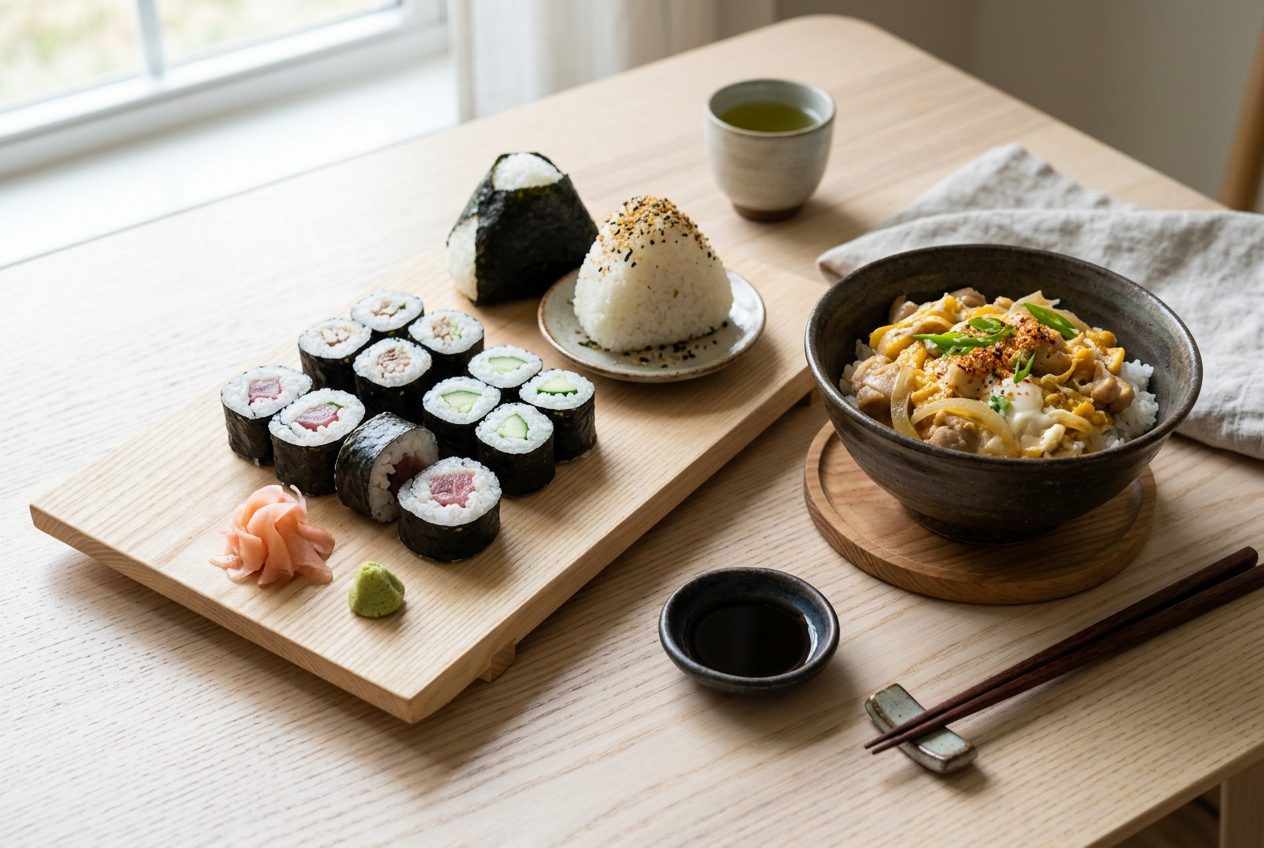
Japanese rice dishes including sushi rolls, onigiri triangles and oyakodon rice bowl
From pressed sushi to triangular onigiri, Japanese rice dishes span a remarkable range of textures and techniques.
### Sushi: Far More Than Raw Fish Sushi is often reduced to “raw fish on rice,” yet its essence lies in the interplay of vinegared rice, seasoned fish, and precise technique. The rice, or *shari*, receives a blend of rice vinegar, sugar, and salt, creating a subtle sweet‑sour balance that complements the umami of the fish. We source high‑quality *kuroko* (black rice) for its sticky texture, which holds the shape without becoming mushy. The art of sushi demands precise knife work, especially in Tokyo where *edomae* style emphasizes clean cuts and minimal seasoning. Each piece is assembled with a single grain of rice visible, a visual cue of the chef’s discipline. In Osaka, *hakozushi* (pressed sushi) reflects the region’s love for compact, flavorful bites. Beyond nigiri and maki, we explore *chirashi* bowls, where a bed of sushi rice hosts a colorful assortment of toppings. This format allows us to incorporate seasonal vegetables and pickles, expanding the dish’s nutritional profile while staying true to the core principles of balance and respect for ingredients. ### Donburi Bowls: Oyakodon, Katsudon and Chahan Donburi, or “bowl food,” brings together rice and a topping that is simmered or fried, delivering comfort in a single serving. Oyakodon combines chicken, egg, and onions in a sweet‑savory sauce, symbolizing “parent and child” through its ingredients. Katsudon features a breaded pork cutlet, sliced and covered with egg, representing a hearty, satisfying meal. Chahan, Japanese fried rice, showcases the versatility of leftover rice, vegetables, and protein. The dish’s flavor hinges on a well‑seasoned dashi base, a splash of soy sauce, and a hint of mirin for subtle sweetness. By employing a high‑heat wok and quick tosses, we achieve the characteristic slightly smoky *katsu* aroma. These bowls illustrate how Japanese cooking transforms simple staples into dishes that convey both history and comfort. The layering of flavors—sweet, salty, and umami—mirrors the cultural layering of regional influences across the archipelago. ### Onigiri: Japans Original Fast Food Onigiri, triangular rice balls wrapped in nori, serve as portable nutrition that dates back to the Edo period. The rice is seasoned with a pinch of salt and often contains a central filling such as pickled plum (*umeboshi*), salted salmon, or tuna mayo. The shape—ball, triangle, or cylinder—reflects both practicality and aesthetic consideration. We find onigiri in convenience stores, school lunches, and temple offerings, underscoring its role as a cultural staple. The simplicity of the dish belies its importance; it provides a balanced combination of carbohydrates, protein, and seaweed‑derived minerals. By mastering the technique of shaping and sealing with nori, we can customize fillings to suit seasonal produce or personal preference. In addition to traditional fillings, we experiment with Western influences—such as cheese and ham—while preserving the core principles of texture and flavor balance. This adaptability demonstrates how Japanese cuisine can evolve without losing its identity. ## Japanese Soups and Broths
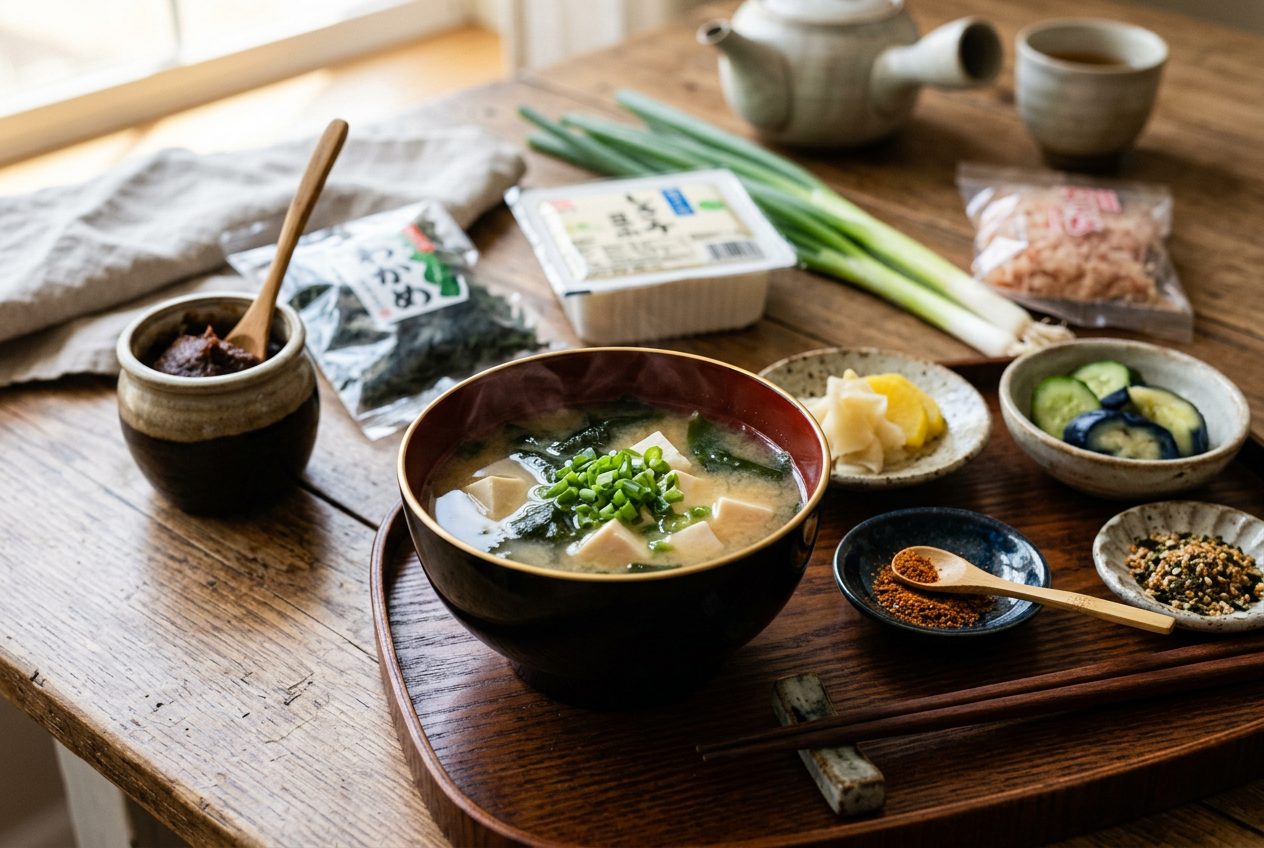
Japanese miso soup in a lacquered bowl with tofu, wakame and Japanese pantry ingredients
Miso soup and the Japanese pantry: four pillars — soy sauce, miso, mirin and sake — underpin nearly every dish.
### Miso Soup: Daily Ritual, Not Just a Starter Miso soup occupies a daily place on Japanese breakfast tables, offering warmth and nourishment. The base starts with dashi, to which miso paste—red, white, or mixed—is dissolved, creating a savory depth that varies by region. Common additions include silken tofu, wakame seaweed, and sliced scallions, each contributing texture and subtle flavor. The preparation respects the principle of *ma*: we add miso at the end of cooking to preserve its live cultures and prevent bitterness. This timing also maintains the soup’s bright, aromatic profile. In Kyoto, a lighter *shiro miso* is favored, while Hokkaido prefers a deep-flavored *aka miso* that stands up to colder weather. Miso soup’s nutritional benefits are well‑documented; it supplies protein, probiotics, and essential minerals. According to data from nippon.com, the average Japanese household consumes miso soup at least three times per week [nippon.com, 2023]. Incorporating this simple broth into our routine reinforces a connection to tradition and health. ### Dashi: The Foundation Stock of Japanese Cooking Dashi, the cornerstone of Japanese soups, sauces, and simmered dishes, derives its umami from kombu (dried kelp) and katsuobushi (dried bonito flakes). The kombu releases glutamates, while katsuobushi contributes inosinate, together creating a synergistic flavor that defines *umami*. We simmer kombu briefly, then add katsuobushi and strain, yielding a clear, golden broth. Variations include shiitake dashi for vegetarian meals and niboshi (dried sardine) dashi for deeper, fishier notes. The choice of dashi influences the final dish’s character; a light kombu dashi suits delicate soups, while a full-bodied katsuobushi dashi underpins hearty ramen. Mastery of dashi enables us to craft sauces, dressings, and simmered dishes with minimal effort. The simplicity of dashi aligns with the Japanese belief that the best flavors arise from quality ingredients and careful timing. By preserving the kombu’s edge and avoiding over‑cooking the katsuobushi, we retain the broth’s clarity and aromatic intensity. ### Tonkotsu and Ramen Broths Tonkotsu broth, a hallmark of Kyushu ramen, emerges from simmering pork bones for twelve hours or more, extracting collagen and marrow. The resulting milk‑white broth delivers a rich, velvety mouthfeel that pairs well with straight‑cut noodles and a soft‑boiled egg. We finish the broth with a splash of soy sauce and a pinch of garlic for depth. In contrast, Tokyo’s shoyu ramen utilizes a clear chicken‑based dashi seasoned with dark soy sauce, yielding a lighter yet savory profile. The broth’s clarity highlights the subtle sweetness of mirin and the aromatic bite of ginger. Both styles illustrate how regional preferences shape the same foundational ingredients into distinct experiences. The popularity of ramen has sparked global interest, with an estimated six billion bowls consumed annually [Noodle industry association data]. By mastering both tonkotsu and shoyu bases, we can replicate the diversity of ramen across Japan’s major culinary centers. ## Japanese Meat and Fish Dishes
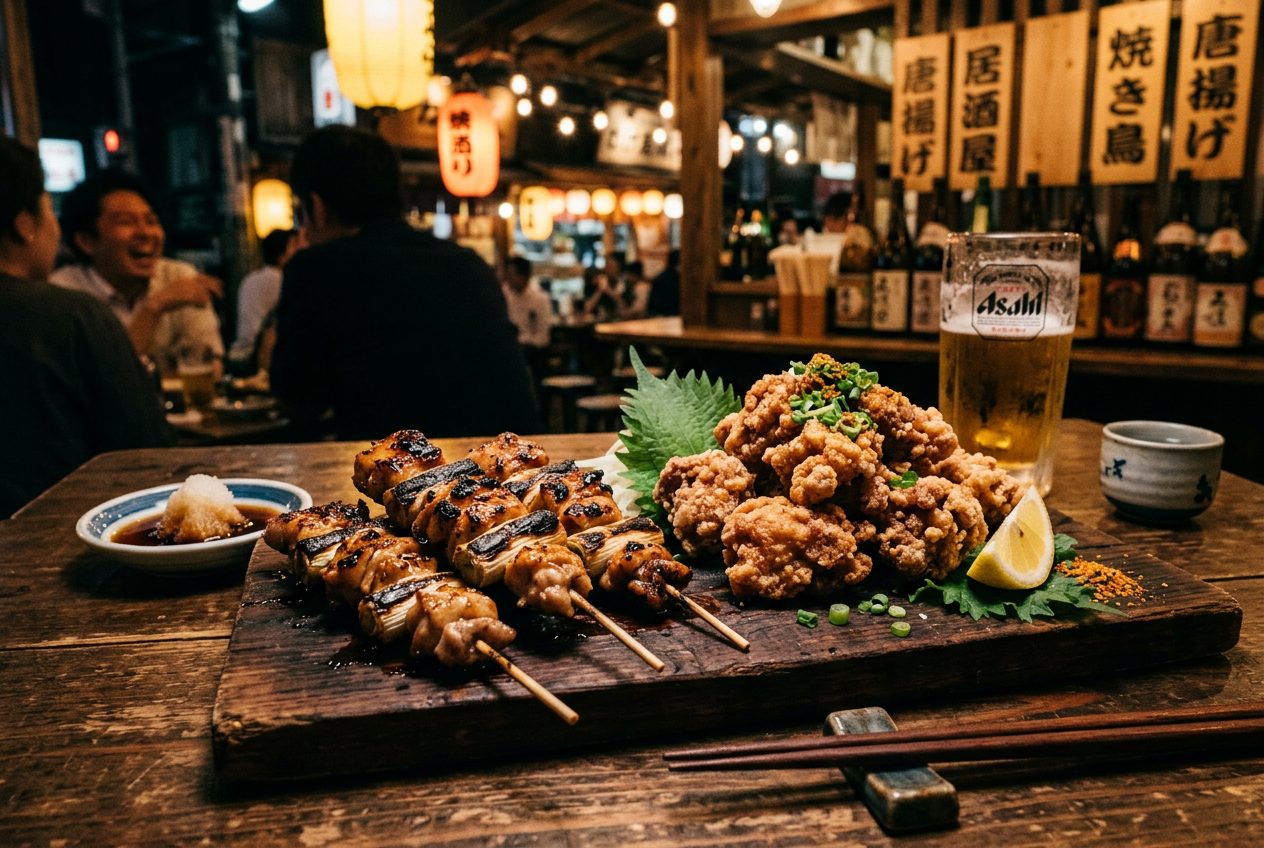
Crispy chicken karaage and yakitori skewers on a wooden board with lemon
Karaage and yakitori represent two sides of Japanese street food — one fried, one grilled, both deeply satisfying.
### Teriyaki Chicken and Karaage: Two Approaches to Chicken Teriyaki chicken showcases a glossy glaze made from soy sauce, mirin, sake, and sugar, creating a sweet‑savory coating that caramelizes during grilling. The technique involves marinating the meat briefly, then cooking over high heat to achieve a slight char while preserving juiciness. In Tokyo, the sauce is often reduced to a syrupy consistency, emphasizing depth of flavor. Karaage, by contrast, relies on a marination of soy sauce, sake, ginger, and garlic before coating the pieces in potato starch and deep‑frying to a crisp golden hue. The result is a tender interior surrounded by a crunchy exterior, a texture celebrated across Osaka’s street stalls. The method reflects the region’s love for bold, indulgent bites. Both dishes illustrate how a few pantry staples—soy sauce, mirin, sake, and starch—can produce vastly different experiences. By adjusting cooking temperature and coating, we achieve either a glossy glaze or a crunchy crust, demonstrating the versatility of Japanese meat preparation. ### Gyoza and Yakitori: Street Food Done Right Gyoza, pan‑fried dumplings filled with minced pork, cabbage, and garlic, exemplify the balance of crisp and tender. We steam the dumplings first, then finish them in a hot pan to develop a golden bottom, a technique known as *yaki‑gyoza*. The dipping sauce—soy sauce, rice vinegar, and a hint of chili oil—adds a bright counterpoint. Yakitori, skewered chicken grilled over charcoal, showcases the simplicity of Japanese grilling. We season the pieces with *tare* (a blend of soy sauce, mirin, sake, and sugar) or simply with salt, letting the charcoal’s smoke enhance the meat’s natural flavor. In Osaka, yakitori stalls often serve a variety of cuts, from thigh to liver, reflecting the region’s “kuidaore” spirit. Both dishes are staples of Japanese izakayas and street festivals, offering quick, satisfying bites that can be enjoyed with a cold beer or sake. Their preparation highlights the importance of heat control and seasoning precision in Japanese cooking. ### Katsu Curry: Japans Adopted Classic Katsu curry blends a breaded pork cutlet (katsu) with a thick, mildly spiced curry sauce, a dish introduced during the Meiji era when Western influences merged with Japanese tastes. The sauce typically incorporates roux, apples, carrots, and a dash of soy sauce, creating a sweet‑savory profile that complements the crunchy katsu. In Kyoto, the curry is often milder, allowing the pork’s texture to shine. The dish demonstrates how Japanese cuisine adapts foreign elements while preserving core techniques such as deep‑frying and simmering. By using a base of dashi in the curry, we retain the umami that ties the sauce back to Japanese tradition. The result is a comforting bowl that satisfies both nostalgic cravings and modern palates. ## Japanese Pantry Essentials
Japanese miso soup in a lacquered bowl with tofu, wakame and Japanese pantry ingredients
### The Four Pillars: Soy Sauce, Miso, Mirin and Sake Our pantry rests on four pillars that deliver depth to every dish. Soy sauce provides salty umami; miso contributes fermented richness; mirin adds gentle sweetness and gloss; sake supplies acidity and a subtle aroma. Together they form the backbone of sauces, marinades, and soups across Japanese cuisine. Each pillar offers multiple varieties. Light *usukuchi* soy sauce suits delicate dishes, while dark *koikuchi* adds color and intensity. White miso (*shiromiso*) offers a mild, sweet flavor, whereas red miso (*akamiso*) delivers a deep, earthy profile. Mirin’s sugar content balances salty components, and sake’s fermentation notes brighten sauces. By keeping these staples on hand, we can create a wide range of flavors without needing an extensive inventory. The versatility of these ingredients aligns with the Japanese principle of *mottainai*—avoiding waste by maximizing the use of each item. ### Dashi Ingredients: Kombu, Katsuobushi and Shiitake Kombu, a thick kelp, releases glutamates when simmered gently, forming the base of many stocks. Katsuobushi, shaved dried bonito, contributes inosinate, amplifying the umami impact. Shiitake mushrooms, when dried, add a vegetal depth that complements vegetarian dishes. Combining these elements yields a dashi that can be used for soups, sauces, and simmered vegetables. We store kombu in a cool, dry place and slice it into manageable pieces for quick broth preparation. Katsuobushi is best kept in an airtight container to preserve its aroma. Dried shiitake mushrooms are rehydrated in warm water, and the soaking liquid can be repurposed as an additional flavor boost. These ingredients are relatively inexpensive, making it possible to build a functional Japanese pantry on a modest budget. By mastering the basics, we lay the groundwork for countless recipes that rely on the subtle richness of dashi. ### Building Your Japanese Kitchen on a Budget A functional Japanese kitchen does not require a mountain of specialty items. We prioritize the four pillars, a small pack of kombu, a bag of katsuobushi, and a selection of dried shiitake. These items can be sourced from Asian grocery stores or online retailers, often at competitive prices. To stretch ingredients further, we use multi‑purpose items such as rice vinegar for both dressings and pickling, and sesame oil for finishing dishes. Reusing leftover broth as a base for subsequent soups exemplifies resourceful cooking. This approach aligns with the Japanese value of *mottainai* and keeps our pantry lean yet capable. ## Japanese Cooking Techniques
Crispy chicken karaage and yakitori skewers on a wooden board with lemon
### Yakimono (Grilling) and Nimono (Simmering) Yakimono, the art of grilling, relies on precise heat and timing to achieve a caramelized exterior while preserving interior moisture. In Tokyo, we often grill fish over binchotan charcoal, which imparts a subtle smoky flavor without overwhelming the natural taste. The technique demands attention to the grill’s temperature, a practice that mirrors the discipline of a tea ceremony. Nimono, or simmering, involves cooking ingredients gently in a seasoned broth until flavors meld. Common nimono dishes include *sukiyaki* and *oden*, where vegetables, tofu, and meat absorb the dashi‑based sauce. The low, steady heat ensures tenderness and allows the umami to permeate each component. Both techniques highlight the Japanese emphasis on respecting the ingredient integrity. By allowing the natural flavors to shine, we keep the dish simple yet satisfying. In our hands, a lightly simmered fish or a delicate vegetable broth becomes a stage where each component can be heard without competing for attention. This restraint is why many of our favorite yakimono and nimono recipes feel both comforting and refined. When we finish a simmered dish, we often finish with a splash of dashi‑based sauce or a sprinkle of fresh herbs. The final touch adds brightness without overwhelming the subtle taste that the slow cooking has coaxed out. It is this balance that makes Japanese simmered fare a staple in our everyday meals. ### Agemono (Deep‑Frying): Tempura and Karaage Tempura is our answer to a light, airy crunch. We dip thin slices of fish, shrimp, or seasonal vegetables in a cold batter made from ice‑cold water and flour, then fry them quickly in oil that hovers just below 180 °C. The rapid heat creates a puffed coating that stays crisp while the interior remains tender. We serve tempura with a dipping sauce that blends dashi, soy sauce, and a hint of grated daikon for a gentle tang. Karaage, on the other hand, leans toward a richer, more savory profile. We marinate bite‑size pieces of chicken, pork, or tofu in a mixture of soy sauce, ginger, garlic, and a splash of mirin. After the marination, we coat the meat in potato starch or a fine flour blend before frying. The starch forms a crisp crust that locks in juiciness, and the finished bites are often finished with a squeeze of fresh lemon or a sprinkle of shichimi togaru for a subtle heat. Both methods teach us the value of temperature control. We keep the oil steady, avoid overcrowding the pan, and remove the pieces as soon as they turn golden. The result is a satisfying crunch that complements the delicate flavors of the main ingredient rather than masking them. ### Mushimono (Steaming) and the Precision of Japanese Heat Steaming is our go‑to technique when we want to preserve the pure taste and texture of fish, vegetables, or dumplings. By placing the food over a gentle flow of steam, we maintain moisture while allowing subtle aromatics—such as kombu or a slice of ginger—to infuse the dish. The result is a tender, moist bite that feels almost melt‑in‑your‑mouth. We often season steamed dishes with a light drizzle of soy sauce, a dash of rice vinegar, or a sprinkle of toasted sesame seeds. In the case of chawanmushi, a savory custard, we whisk together dashi, eggs, and a pinch of salt before steaming, creating a silky texture that holds together without a solid crust. The gentle heat ensures the custard sets evenly and retains a delicate mouthfeel. The key to success lies in timing and the quality of the steam. We use a tight‑fitting lid to keep the vapor inside, and we check the water level regularly to prevent the pot from drying out. By mastering these small details, we can produce steamed dishes that highlight the natural sweetness of each ingredient. **Pantry Essentials at a Glance** | Ingredient | What It Does | Substitute | |————|————–|————| | Soy sauce | Adds salty umami depth | Tamari, coconut aminos | | Miso | Provides fermented richness and body | Fermented bean paste, miso‑free seasoning | | Mirin | Supplies mild sweetness and gloss | Sweet rice wine, honey diluted in water | | Sake | Enhances aroma and balances flavors | Dry sherry, rice wine | | Dashi (stock) | Forms the backbone of soups and sauces | Kombu‑water, mushroom broth | | Kombu (kelp) | Imparts subtle oceanic note to broths | Dried seaweed, kelp flakes | | Katsuobushi (bonito flakes) | Gives smoky, savory finish | Smoked fish flakes, mushroom powder | | Rice vinegar | Brightens dishes with gentle acidity | Apple cider vinegar, white wine vinegar | | Sesame oil | Adds nutty aroma to dressings | Toasted sesame seeds, peanut oil | For more Asian pantry guidance, see our Asian cooking ingredients guide. For a deeper look at technique, visit our Asian cooking techniques guide. See also our full Asian recipes hub for recipes from across the continent. ## FAQ **What are 10 popular Japanese dishes?** We often enjoy sushi, ramen, tempura, okonomiyaki, tonkatsu, yakitori, miso soup, udon, takoyaki, and sukiyaki. Each dish showcases a different cooking method and flavor balance. **What is the most famous dish from Japan?** Sushi is widely recognized as Japan’s signature dish, especially nigiri and maki rolls that feature fresh fish and seasoned rice. **What Japanese food is good for beginners to cook?** Simple dishes like miso soup, tamago (Japanese omelet), onigiri (rice balls), and simple stir‑fried yakisoba are great starting points because they require few ingredients and straightforward techniques. **What are some Japanese main dishes for dinner?** We often serve grilled salmon with teriyaki glaze, sukiyaki hot pot, chicken katsu with curry, or a comforting bowl of ramen as the centerpiece of an evening meal. **What makes Japanese recipes different from other Asian cuisines?** Japanese cooking tends to emphasize subtlety, seasonal ingredients, and a balance of salty, sweet, sour, and umami. The focus is on enhancing the natural taste of each component rather than layering heavy spices. **How do I start cooking Japanese food at home?** Begin by stocking a small pantry of soy sauce, mirin, dashi, and rice vinegar. Practice basic techniques such as simmering, steaming, and light frying, then move on to simple recipes like miso soup or teriyaki chicken.
Mei Lin Chen

Mei Lin Chen

Asian Food Writer & Recipe Developer

Mei has spent 15 years traveling across Asia, learning from home cooks and street vendors. She's tested over 500 Asian recipes in her London kitchen, focusing on authentic techniques and accessible ingredients.

Recipe Details

Full recipe schema is added by RankMath Recipe block when this page is converted to a WordPress post.
You Might Also Like