Last updated: March 23, 2026
Hojicha is the warm, toasty, amber-colored Japanese tea that has quietly moved from a humble after-dinner drink in Kyoto teahouses to one of the most buzzed-about flavors in global cafes, pastry kitchens, and specialty grocery aisles. If you have ever sipped a caramel-scented latte that tasted somehow roasted, woody, and faintly sweet without a drop of syrup, you have probably met hojicha. And if you love matcha but want something mellower and lower in caffeine, hojicha may well become your new daily ritual.
This guide walks you through everything worth knowing about hojicha: its origin story, the different grades and cuts, how to buy the good stuff, how to store it so it does not lose its aroma, how to brew it three ways, what to swap in when you run out, five recipes that show off its range, the health benefits that make it a favorite among late-night drinkers, and answers to the questions people ask most often.
What Is Hojicha?
Hojicha (焾茶, also romanized as houjicha) is a Japanese green tea that has been roasted over charcoal or in a porcelain pan at high heat, typically between 150°C and 200°C (302°F to 392°F). The roasting transforms the leaves from deep green to a reddish-brown color and turns the brewed liquor from grassy and vegetal into something closer to toasted grain, caramel, and wood smoke. It is still technically a green tea because the leaves are steamed before roasting, which halts oxidation, but the final cup has almost none of the vegetal bitterness most drinkers associate with Japanese green tea.
The flavor profile sits in a lane of its own. Expect notes of roasted chestnut, brown sugar, toasted sesame, baked bread crust, and sometimes cocoa or tobacco at the higher roast levels. The tea is naturally low in caffeine, low in tannins, and very low in astringency, which is why it is traditionally served after meals and to children, the elderly, and anyone who wants tea right before bed.
History and Origin
Hojicha is a relatively young invention in a country that has been drinking tea for more than a thousand years. The roasting technique we recognize today was developed in Kyoto in 1920, during a period of economic strain after World War I. A tea merchant in the city, commonly credited as a wholesaler in the Kyoto tea district, was looking for a way to salvage tea stems, twigs, and late-harvest leaves that could not be sold at a premium. Rather than discard them, he experimented with roasting the trimmings over charcoal. The result was a tea that smelled like a bakery, brewed almost clear of bitterness, and could be sold at a fraction of the price of sencha or gyokuro.
The timing was perfect. Food was rationed, household budgets were tight, and a cheap, pleasant, stomach-friendly tea caught on quickly in Kyoto homes and teahouses. From Kyoto it spread across Japan, and by the mid-twentieth century hojicha was a standard household tea served after dinner, in bento shops, at sushi counters, and in vending machines across the country.
The modern wave of interest outside Japan started in the 2010s, when specialty coffee shops began offering hojicha lattes as a caffeine-light alternative to matcha lattes. By 2026, hojicha has moved firmly into the global mainstream, showing up in ice cream, chocolate bars, tiramisu, cocktails, and even skincare. Industry trend reports for 2026 have singled it out as one of the fastest-rising Japanese ingredients in Western markets, and search volume has climbed steadily year over year.
How Hojicha Is Made
Understanding how hojicha is produced makes it much easier to pick a good bag at the store. The process has three stages.
Stage one — harvest and sorting. The leaves start life as ordinary Japanese green tea. They may be bancha (coarse, late-harvest leaves), kukicha (the stems and twigs of the tea plant), sencha (standard Japanese green tea leaves), or even the premium gyokuro. After steaming and initial drying, the material is sorted by size and type. The cut and grade going into the roaster are what distinguish one hojicha from another.
Stage two — roasting. The sorted tea is roasted in a rotating porcelain drum or, for traditional small-batch production, over charcoal in a handheld pan called a horoku. Temperatures climb fast, and the master roaster watches color and smell rather than a timer, pulling the tea the moment it hits the desired roast level. A light roast lasts only a few minutes; a dark roast may go twice as long. The Maillard reaction and caramelization happening in those minutes are responsible for hojicha’s signature aroma.
Stage three — cooling and blending. Hot tea is spread on bamboo trays to cool quickly, locking in volatile aromas. Many producers then blend two or three roasts together to balance body, sweetness, and smokiness. The finished tea is sealed in nitrogen-flushed bags to protect against oxygen damage until it reaches you.
Varieties of Hojicha
Hojicha is not a single tea. It is a category that covers a broad range of products based on the starting leaf, the roast level, and the final form. Knowing the vocabulary helps you shop with confidence.
By Starting Leaf
- Bancha hojicha. The most common type. Made from mature, coarse bancha leaves harvested in summer or autumn. Full-bodied, nutty, easy drinking, inexpensive.
- Kukicha hojicha (kuki-hojicha). Made from stems and twigs. Very light body, pronounced sweetness, almost no bitterness, very low caffeine. A favorite for children and evening drinking.
- Sencha hojicha. Roasted sencha leaves. More refined, slightly grassier, retains more of the original green tea character under the roast.
- Gyokuro hojicha (karigane hojicha). The premium end. Made from gyokuro stems or leaves. Deeper sweetness, silkier mouthfeel, a touch of umami under the roast. Expensive.
By Roast Level
- Light roast (asa-iri). Pale amber liquor, more toasted-grain than caramel. Closer to a green tea in character.
- Medium roast. The standard profile most drinkers know. Balanced nutty-sweet aroma, copper-colored liquor.
- Dark roast (fukai-iri). Deep mahogany cup, pronounced smoky, coffee-adjacent notes. Common in cafe hojicha lattes.
By Form
- Loose leaf. The original form. Best flavor, most flexibility, requires a pot or infuser.
- Hojicha powder (stone-ground). Whole roasted leaves milled into a fine powder similar to matcha. Used for lattes, baking, ice cream, and anywhere you want the whole leaf in the finished product.
- Tea bags. Convenient, usually made with cut bancha or kukicha. Fine for daily drinking, less nuanced than loose leaf.
- Bottled and canned hojicha. Common in Japanese vending machines and convenience stores. Ready to drink, chilled, typically unsweetened.
Hojicha vs Matcha vs Genmaicha vs Sencha
Because all four are Japanese green teas, they are often lumped together in Western shops, but they drink very differently. Here is a side-by-side to help you pick the right one for any moment.
| Tea | Processing | Color in Cup | Flavor | Caffeine (per 8 oz) | Best For |
|---|---|---|---|---|---|
| Hojicha | Steamed, then roasted | Amber to mahogany | Toasty, nutty, caramel, low bitterness | 7–15 mg | Evenings, after meals, lattes, baking |
| Matcha | Shaded, steamed, stone-ground whole-leaf powder | Bright jade green | Umami, vegetal, slightly bitter | 60–80 mg | Morning focus, ceremonial drinking, lattes |
| Genmaicha | Sencha blended with roasted brown rice | Pale yellow-green | Popcorn, grainy, light and savory | 15–25 mg | Light meals, all-day sipping |
| Sencha | Steamed, rolled, dried (unroasted) | Green to pale yellow | Grassy, fresh, slightly astringent | 30–50 mg | Midday, pairing with sushi or light fish |
If the roasted nutty character of hojicha appeals to you, genmaicha is the closest flavor cousin because of the toasted brown rice. Matcha is the opposite end of the spectrum: vegetal, vibrant, high caffeine. Sencha sits in the middle, unroasted and bright.
How to Buy Hojicha
The hojicha you buy in a 99-cent grocery tea bag and the hojicha a Kyoto tea master hand-roasts are technically the same drink, but they are worlds apart in the cup. A few simple things to check make a big difference.
Check the Color
Good hojicha leaves look glossy, deep reddish-brown to chocolate brown, with intact twigs and leaf pieces. Avoid tea that looks grey, dusty, or uniformly black; those are signs of over-roasting or old stock. Powdered hojicha should be deep tan to chestnut brown, never dull grey. If the powder looks nearly black, it has been over-roasted or, worse, adulterated with coffee-adjacent fillers. Bright orange or reddish powder usually means food coloring has been added.
Smell Before You Buy (If You Can)
A fresh bag of hojicha hits you with warm, toasty notes the instant you crack the seal. Think fresh-baked cookies or coffee shop in the morning. If the aroma is faint, papery, or vaguely ashy, the tea is stale or was roasted poorly.
Look for Origin and Harvest Information
Reputable brands list the prefecture (Kyoto, Shizuoka, Kagoshima, Mie, and Fukuoka are the big five producing regions), the base tea (bancha, kukicha, sencha), the roast level, and the harvest year. Single-origin Kyoto hojicha from the Uji region is considered the benchmark and is worth the price if you are drinking it on its own.
Packaging Matters
Because hojicha has been roasted, the volatile aromas that make it special start escaping as soon as the bag opens. Look for opaque, resealable, foil-lined pouches. Clear plastic windows that expose the leaves to light are a bad sign. Small tins with tight lids are ideal for storing loose leaf at home once opened.
Price Benchmarks
As of 2026 in the US market, reasonable loose-leaf hojicha runs USD 15–25 for 100 grams. Culinary-grade hojicha powder is USD 25–40 per 100 grams. Ceremonial or premium Kyoto-grown hojicha powder can climb to USD 50–80 per 100 grams. Anything priced dramatically below those ranges is almost certainly last year’s stock or low-grade blended material.
How to Store Hojicha
Hojicha is more forgiving than matcha (which loses color in days after opening) but less forgiving than black or oolong tea. The roasted oils that give it its aroma are volatile and prone to going flat. Follow these rules and a bag stays fresh for months.
- Keep it sealed. Squeeze the air out of resealable bags after each use, or transfer to an opaque, airtight tin or ceramic caddy.
- Away from light. UV degrades the roasted aroma compounds. A dark pantry or closed cabinet is ideal.
- Away from heat. Do not store near the stove, oven, toaster, or on top of the fridge. Room temperature below 25°C (77°F) is fine.
- Away from strong odors. Tea absorbs ambient smells aggressively. Do not store next to spices, garlic, coffee, or anything pungent.
- Skip the fridge for loose leaf. Condensation when you pull the bag out can ruin the tea. The freezer is acceptable only if the bag is completely airtight and you let it come to room temperature before opening.
- Powder is different. Hojicha powder oxidizes faster because of the exposed surface area. Use within 4–6 weeks of opening, or refrigerate (sealed) and use within three months.
Loose-leaf hojicha stored well will drink beautifully for 6–12 months after opening. Unopened nitrogen-flushed bags keep for 18–24 months. Hojicha rarely spoils in a dangerous sense, but old hojicha tastes dusty and cardboard-like and is not worth drinking.
How to Brew Hojicha
One of hojicha’s great virtues is that it is almost impossible to over-brew. Unlike most green teas, it contains very few astringent catechins, so it does not turn bitter even if you forget the pot on the counter for an extra few minutes. That makes it the easiest Japanese tea for beginners.
Hot Brewed (Traditional)
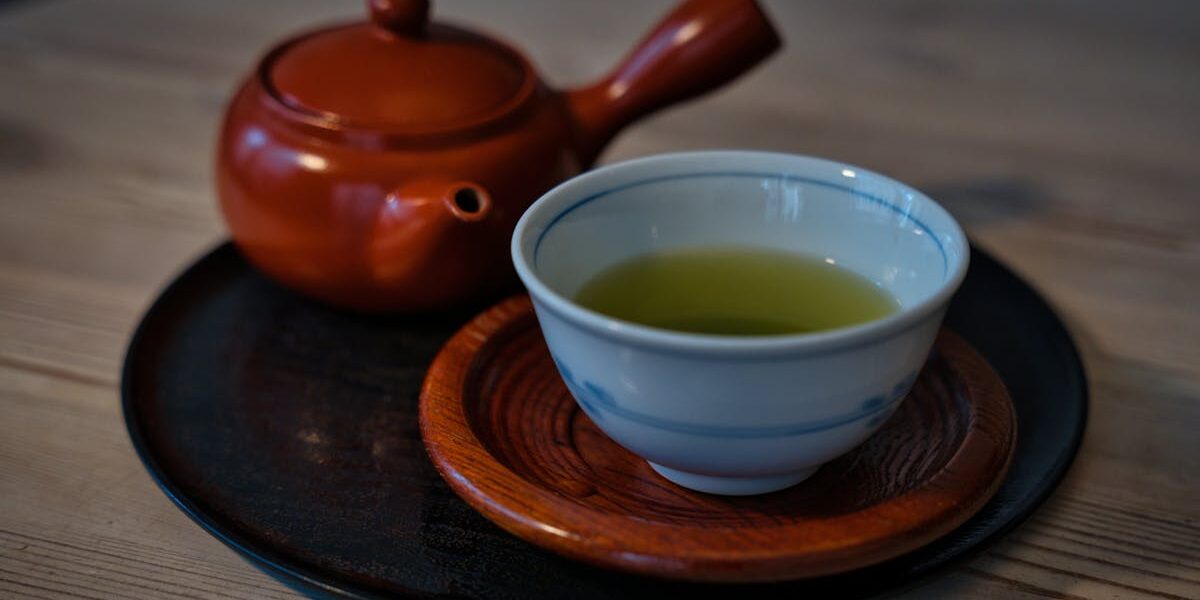
Use 1 tablespoon (about 5 grams) of loose-leaf hojicha per 200 ml (about 6.75 oz) of water. Bring water to a rolling boil, then pour it directly over the leaves (unlike sencha, you do not need to cool the water). Steep for 30–45 seconds for the first infusion, 15–20 seconds for the second. Good hojicha gives two or three good infusions. Serve in clear glass cups to appreciate the amber color.
Cold Brew
Put 2 tablespoons (about 10 grams) of loose-leaf hojicha in a 1-liter pitcher. Fill with cold, filtered water. Refrigerate for 6–8 hours, then strain. Cold brew hojicha is smooth, slightly sweet, completely non-bitter, and the best summer iced tea most people have never tried.
Hojicha Latte
Whisk 1 teaspoon of hojicha powder with 60 ml (2 oz) of hot water (80°C / 175°F) until dissolved. In a separate pitcher, steam 240 ml (8 oz) of whole milk or oat milk until it hits 65°C (150°F) and develops microfoam. Pour the milk over the tea concentrate. Add a teaspoon of honey or maple syrup if you want sweetness. The result tastes like toasted caramel with none of the sharpness of a matcha latte.
Hojicha Substitution Table
If your bag runs out mid-recipe or you are trying to cook Japanese at home without access to a specialty grocer, here is what to reach for. No substitute is perfect, but each one captures part of the profile.
| You Need | Substitute | Ratio | What You Lose | Best For |
|---|---|---|---|---|
| Loose-leaf hojicha | Genmaicha | 1:1 | Caramel sweetness, gain popcorn note | After-meal tea, cold brew |
| Loose-leaf hojicha | Roasted barley tea (mugicha) | 1:1 | Green-tea base, pure roasted grain | Iced drinks, hydration |
| Loose-leaf hojicha | Kukicha (green, unroasted) | 1:1, steep longer | Smoky roast, gain fresh grass | Evening drinking |
| Hojicha powder (baking) | Matcha + 1/4 tsp espresso powder | 3/4 matcha + pinch espresso = 1 tsp hojicha | Exact aroma, gain green color | Cookies, cakes when color is negotiable |
| Hojicha powder (latte) | Toasted rice flour + black tea | 1 tsp rice flour + 1 tsp strong black tea | Authenticity | Emergency latte, not for serving guests |
| Hojicha powder (ice cream) | Fine-ground instant coffee + caramel | 1 tsp coffee + 1 tbsp caramel = 2 tsp hojicha | Tea character entirely, gain coffee | Desserts for coffee lovers only |
| Hojicha syrup | Brown sugar syrup + a drop of sesame oil | 1:1 for sweetness, pinch of sesame | Tea notes | Cocktails, drizzling |
5 Recipes That Show Off Hojicha
Hojicha is far more than a mug of tea. Its caramel-toasted character plays beautifully with dairy, chocolate, stone fruit, and savory broths. These five recipes are arranged from easy to more ambitious, and each one can be made with either loose leaf or powder.
Recipe 1: Iced Hojicha Oat Milk Latte
A cafe-style drink you can make in five minutes. Yields 1 tall glass.
- 2 teaspoons hojicha powder
- 60 ml hot water (80°C / 175°F)
- 2 teaspoons maple syrup or light brown sugar
- 240 ml cold oat milk (barista blend works best)
- 1 cup ice cubes
Whisk the hojicha powder, hot water, and sweetener in a small bowl with a bamboo whisk or milk frother until no lumps remain. Fill a tall glass with ice, pour in the oat milk, then slowly pour the hojicha concentrate on top so it marbles through. Stir before drinking. For an even smoother texture, shake everything together in a cocktail shaker with ice and strain into the glass.
Recipe 2: Hojicha Chocolate Chip Cookies
The roasted tea notes turn a standard chocolate chip cookie into something that tastes like a coffee shop pastry. Yields about 20 cookies.
- 226 g unsalted butter, melted and slightly cooled
- 200 g light brown sugar
- 100 g granulated sugar
- 2 large eggs
- 2 teaspoons vanilla extract
- 320 g all-purpose flour
- 3 tablespoons hojicha powder
- 1 teaspoon baking soda
- 1 teaspoon fine sea salt
- 250 g dark chocolate, chopped
Whisk butter and both sugars until glossy, then beat in eggs and vanilla. In a separate bowl, sift flour, hojicha powder, baking soda, and salt together. Fold the dry ingredients into the wet until just combined, then stir in the chocolate. Chill the dough for at least 1 hour (overnight is better). Scoop into 45-gram balls, space on parchment-lined sheets, and bake at 190°C (375°F) for 11–13 minutes until edges are set and centers look just underdone. Rest on the tray for 5 minutes before transferring. The hojicha aroma intensifies as the cookies cool.
Recipe 3: Hojicha Panna Cotta with Kinako
An elegant dinner-party dessert that takes ten minutes of active work. Yields 6 ramekins.
- 500 ml heavy cream
- 250 ml whole milk
- 80 g granulated sugar
- 3 tablespoons loose-leaf hojicha
- 7 g (2 1/2 teaspoons) powdered gelatin
- 3 tablespoons cold water
- 1 teaspoon vanilla extract
- Kinako (roasted soybean powder) and brown sugar syrup, to serve
Combine cream, milk, sugar, and loose-leaf hojicha in a saucepan. Warm over medium-low heat until just below a simmer, then remove from heat, cover, and steep 15 minutes. Meanwhile, bloom the gelatin in 3 tablespoons cold water for 5 minutes. Strain the cream through a fine sieve into a clean bowl, pressing the leaves. Return to the pan, add the bloomed gelatin, and whisk over low heat until fully dissolved (do not boil). Stir in vanilla. Divide among six ramekins, cool to room temperature, then refrigerate at least 4 hours or overnight. Serve with a dusting of kinako and a drizzle of brown sugar syrup.
Recipe 4: Hojicha-Braised Pork Belly
A savory application that surprises everyone who tries it. The tea tannins tenderize the pork and the roasted notes amplify the caramelization of the braise. Pairs with the techniques in our red braising guide. Yields 4 servings.
- 800 g skin-on pork belly, cut into 4 cm cubes
- 4 tablespoons loose-leaf hojicha
- 800 ml boiling water
- 3 tablespoons soy sauce
- 2 tablespoons mirin
- 2 tablespoons sake
- 3 tablespoons rock sugar or brown sugar
- 4 slices fresh ginger
- 2 whole star anise
- 1 stick cinnamon
Steep the hojicha in 800 ml boiling water for 5 minutes, then strain and set the tea aside. Blanch the pork belly in boiling water for 3 minutes, drain, and pat dry. Sear the pork in a heavy pot over medium-high heat until all sides are golden. Add the rock sugar and stir until it melts and turns deep amber. Add ginger, star anise, and cinnamon, then pour in the hojicha tea, soy sauce, mirin, and sake. Bring to a simmer, cover, and cook gently for 90 minutes until the pork is fork-tender. Uncover and reduce the sauce until glossy and coating. Serve over rice with steamed greens.
Recipe 5: Hojicha Tiramisu
A Japanese-Italian mashup that has become a signature dessert at cafes from Tokyo to New York. Yields 1 large 9×13 inch dish.
- 500 ml strong brewed hojicha (2 tablespoons leaves steeped in 500 ml boiling water for 5 minutes, then cooled)
- 2 tablespoons dark rum (optional)
- 6 large egg yolks
- 150 g granulated sugar
- 500 g mascarpone, at room temperature
- 300 ml heavy cream
- 400 g ladyfingers (savoiardi)
- 2 tablespoons hojicha powder, for dusting
Combine cooled hojicha with rum if using. Whisk egg yolks and sugar over a double boiler until pale, thick, and reaching 71°C (160°F) for food safety. Remove from heat and beat until room temperature. Fold in mascarpone until smooth. In a separate bowl, whip cream to soft peaks and fold into the mascarpone mixture. Quickly dip each ladyfinger into the hojicha (do not soak) and line the bottom of the dish. Spread half the cream over the top. Repeat with another layer of soaked ladyfingers and cream. Dust generously with hojicha powder, cover, and refrigerate at least 6 hours, ideally overnight. Dust again just before serving.
Nutritional Benefits of Hojicha
The roasting process changes hojicha’s nutritional profile compared to its unroasted green tea cousins in ways that make it uniquely appealing for specific drinkers.
Low Caffeine
An 8-ounce cup of hojicha contains roughly 7–15 milligrams of caffeine, versus 30–50 mg in sencha, 60–80 mg in matcha, and 95 mg in a typical cup of drip coffee. The high roasting temperature degrades a portion of the caffeine in the leaf, and bancha and kukicha (the most common base teas for hojicha) start with less caffeine to begin with. This is why hojicha is traditionally served after dinner, to children, and to the elderly, and why it has become a favorite of people who want tea late at night.
Antioxidants
Roasting reduces the catechin content (the polyphenols responsible for green tea’s famous EGCG benefits) by about 30–40 percent compared to sencha. However, the process also creates pyrazines and other roasted-flavor compounds that have their own mild antioxidant activity. Hojicha still contains meaningful amounts of vitamin C, vitamin E, and theanine, the amino acid associated with calm, focused alertness.
Low Tannins, Gentle on the Stomach
The tannins responsible for the astringent puckery sensation in strong tea are reduced during roasting. This makes hojicha far easier on sensitive stomachs than sencha or matcha. It is commonly recommended in Japan for people with acid reflux or who find most teas upsetting first thing in the morning or after meals.
Calming Theanine
Like all green teas, hojicha contains L-theanine, a naturally occurring amino acid that crosses the blood-brain barrier and is associated with reduced stress, improved focus, and better sleep quality. With very little caffeine to counteract it, hojicha delivers a relaxing, almost meditative cup — perfect for winding down an evening.
Hydration and Minerals
Hojicha is a zero-calorie drink (when unsweetened and without milk) that contributes to daily hydration and provides small amounts of potassium, manganese, and fluoride from the leaves. It is commonly served hot or iced throughout the day in Japan as an alternative to water.
Cooking with Hojicha Beyond the Mug
Hojicha is one of the most versatile Japanese pantry items, and once you get comfortable with it, you will start using it in places you never expected. A few quick ideas to expand your repertoire:
- Whipped cream. Add 1 tablespoon hojicha powder to 250 ml whipping cream and 2 tablespoons powdered sugar. Whip to soft peaks. Serve with fruit, waffles, or folded into chocolate mousse.
- Ice cream base. Steep 3 tablespoons loose-leaf hojicha in the warm milk base of any standard custard ice cream recipe for 20 minutes before churning.
- Savory rub. Combine 1 tablespoon hojicha powder with 1 teaspoon flaky salt, 1 teaspoon brown sugar, and 1/2 teaspoon black pepper. Use on roasted duck breast or pork tenderloin.
- Rice. Replace 1/3 of the water in a rice-cooker pot with strong brewed hojicha. The resulting rice has a faint caramel aroma that pairs beautifully with grilled fish and pickles.
- Cocktails. Infuse bourbon or Japanese whisky with 2 tablespoons hojicha per 750 ml bottle for 6 hours. Strain and use in old-fashioneds, sours, and highballs.
- Syrup. Simmer 200 g sugar, 200 ml water, and 3 tablespoons hojicha for 10 minutes. Strain. Keeps 2 weeks refrigerated. Use in lattes, iced tea, cocktails, or drizzled on pancakes.
Hojicha at the Japanese Table
In Japan, hojicha has a role and a time. Understanding how it is used traditionally can inform how you incorporate it into your own kitchen. Hojicha is the tea most commonly served at the end of a kaiseki (formal Japanese meal), because its low caffeine and toasty notes aid digestion without disrupting sleep. At sushi counters, hojicha is often poured alongside or after the stronger sencha or agari to cleanse the palate. In family homes, it is the everyday tea that sits in a thermos on the table for the whole day, topped off from a large kettle. Many ryokan (traditional inns) welcome guests to their rooms with a small tin of hojicha and a hot water pot, and convenience stores sell chilled hojicha alongside oolong and barley tea as a neutral, food-friendly drink.
In Western cafes, the most common format is the hojicha latte, often with oat or almond milk and a touch of maple or vanilla. The second most common is baked goods: hojicha cookies, basque cheesecake, madeleines, and tiramisu all appear regularly on specialty menus. Whenever you see hojicha on a drinks list, you can count on the cafe being serious about Japanese ingredients, which also signals they will likely do matcha and dashi-based dishes well.
Pairing Hojicha with Food
Because hojicha is low in tannin and high in roasted aroma, it pairs with a much wider range of foods than most green teas. The general rule is to match intensity: a light-roast hojicha pairs with delicate foods, a dark-roast hojicha stands up to bold ones.
| Hojicha Style | Best Food Pairings | Why It Works |
|---|---|---|
| Light-roast hojicha | Tempura, white fish sashimi, onigiri, tamagoyaki | Light body and clean finish do not overwhelm delicate flavors |
| Medium-roast hojicha | Grilled salmon, yakitori, salted rice crackers, daifuku | Nutty character mirrors the smoke and char of grilled proteins |
| Dark-roast hojicha | Braised pork, chocolate desserts, aged cheese, roasted nuts | Bold roasted notes stand up to intense flavors; cuts richness |
| Hojicha latte | Buttery pastries, croissants, biscotti, fruit tarts | Caramel sweetness bridges dairy and sugar in baked goods |
| Cold-brew hojicha | Summer salads, chilled noodles, sushi, melon | Refreshing and mineral, palate-cleansing without astringency |
Frequently Asked Questions
Is hojicha the same as matcha?
No. Both are Japanese green teas, but they are processed very differently. Matcha is made from shade-grown leaves that are steamed and stone-ground into a bright green powder; hojicha is made from leaves, stems, or twigs that are roasted until brown. The flavors are nearly opposite: matcha is vegetal, umami, and bitter; hojicha is toasty, nutty, and sweet. Matcha has roughly five times the caffeine of hojicha.
Does hojicha have caffeine?
Yes, but very little. An 8-ounce cup contains about 7–15 milligrams, compared to 95 milligrams in drip coffee and 60–80 in matcha. This makes hojicha one of the few true teas you can safely drink in the evening without disrupting sleep for most adults.
Can I drink hojicha while pregnant?
Hojicha’s low caffeine content makes it a popular pregnancy-friendly choice in Japan, where it is widely recommended over sencha or matcha for expectant mothers. That said, it still contains caffeine, so moderation applies, and anyone pregnant or nursing should check with a healthcare provider about caffeine limits.
Can kids drink hojicha?
In Japan, yes, and commonly so. Hojicha (especially kukicha hojicha made from stems) is one of the most popular teas for children because of its mild flavor, very low caffeine, and gentle character. As with any caffeinated drink, moderation is the rule for younger kids.
Is hojicha gluten-free?
Pure hojicha is naturally gluten-free. Watch out only for flavored hojicha blends or pre-made hojicha lattes that may include gluten-containing thickeners, and for baked goods made with hojicha that of course use flour.
Can I make hojicha powder at home by grinding loose leaves?
You can, but the result will be coarser and less silky than commercial stone-ground hojicha powder. A high-powered blender or spice grinder can produce an acceptable powder for baking. Work in small batches, pulse rather than run continuously to avoid heat buildup, and sift the result through a fine-mesh sieve. For lattes and drinking, invest in purpose-made hojicha powder — the difference in texture is significant.
Can I roast my own sencha or bancha at home to make hojicha?
Yes, and this is a rewarding home project. Spread loose-leaf sencha or bancha in a dry skillet over medium-low heat. Stir constantly with a wooden spoon for 5–10 minutes until the leaves turn from deep green to reddish-brown and a toasty aroma fills the kitchen. Immediately transfer to a plate to cool (leaves continue cooking on the hot pan). Use within a week for best flavor. This is a great way to rescue old sencha that has lost its brightness.
Why is hojicha so trendy right now?
Three reasons converge in 2026. First, matcha fatigue: after a decade of matcha lattes, consumers and cafes want a new Japanese tea to feature. Second, caffeine consciousness: drinkers are looking for warm, comforting drinks that do not keep them awake. Third, roasted-flavor trends: brown butter, toasted milk, burnt caramel, and smoky maple have all trended in recent years, and hojicha fits the roasted-sweet flavor profile perfectly. Together these drivers have made hojicha one of the fastest-growing Japanese ingredients in Western markets.
How do I pronounce hojicha?
Hoh-jee-chah. Three syllables, even stress. The ”ho” is like the English ”hoe,” the ”ji” rhymes with ”gee,” and the ”cha” is the same ”cha” as in cha-cha. The alternate romanization ”houjicha” is pronounced the same way.
Does hojicha go bad?
Hojicha does not spoil in a dangerous sense as long as it stays dry, but it loses aroma over time. A well-sealed loose-leaf bag keeps for 12–18 months after opening. Powder degrades faster — plan on 4–6 weeks at room temperature or three months refrigerated. If your hojicha tastes dusty, papery, or ashy, it is past its prime.
What is the best hojicha brand to try first?
Start with a single-origin Kyoto or Uji loose-leaf bancha hojicha from a reputable Japanese specialty retailer. For powder, look for a culinary-grade stone-ground product from a Kyoto or Shizuoka producer with a harvest date printed on the bag. Expect to pay USD 20–35 for 100 grams of a good starter-level product.
Hojicha Shopping and Storage Quick Reference
A final summary you can screenshot for the next time you are staring at a tea aisle.
| Category | What to Look For | What to Avoid |
|---|---|---|
| Color (leaves) | Glossy reddish-brown to chocolate brown | Grey, dusty, or uniformly black |
| Color (powder) | Deep tan to chestnut brown | Bright orange, dull grey, or near-black |
| Aroma | Strong toasted caramel, bakery | Faint, papery, ashy |
| Label | Prefecture of origin, base tea, roast, harvest year | Generic ”product of Japan” with no details |
| Packaging | Opaque, resealable, foil-lined | Clear plastic, no reseal, expired |
| Price (100 g loose) | USD 15–35 | Under USD 10 (likely stale) or over USD 80 (overpriced unless truly ceremonial) |
| Storage | Airtight, cool, dark, away from odors | Fridge for open loose leaf, heat, sunlight, near spices |
| Use-by (open) | Leaves: 12 months. Powder: 4–6 weeks | Drinking hojicha that has lost its aroma |
Final Thoughts
Hojicha is one of those ingredients that quietly changes how you cook and drink once it enters your pantry. It takes almost no skill to brew well, it is forgiving enough to survive a distracted morning, it pairs with food at any intensity level, and it brings a roasted, caramel character to desserts and savory dishes that nothing else quite replicates. Whether you are looking for a gentler alternative to matcha, an evening-friendly tea, or a new weapon in your baking arsenal, a good bag of hojicha earns its shelf space in the first week.
To go deeper into the Japanese pantry, explore our guides to matcha, mirin, dashi, miso, and koji, or browse our full collection of Japanese recipes and Asian cooking ingredients.

Mei Lin Chen
Mei Lin Chen is an Asian food writer and recipe developer. Melbourne-raised and London-based, she has spent over a decade exploring the rice paddies, hawker stalls, and home kitchens of South-East and East Asia. Her recipes balance traditional technique with everyday practicality.