Last updated: March 20, 2026
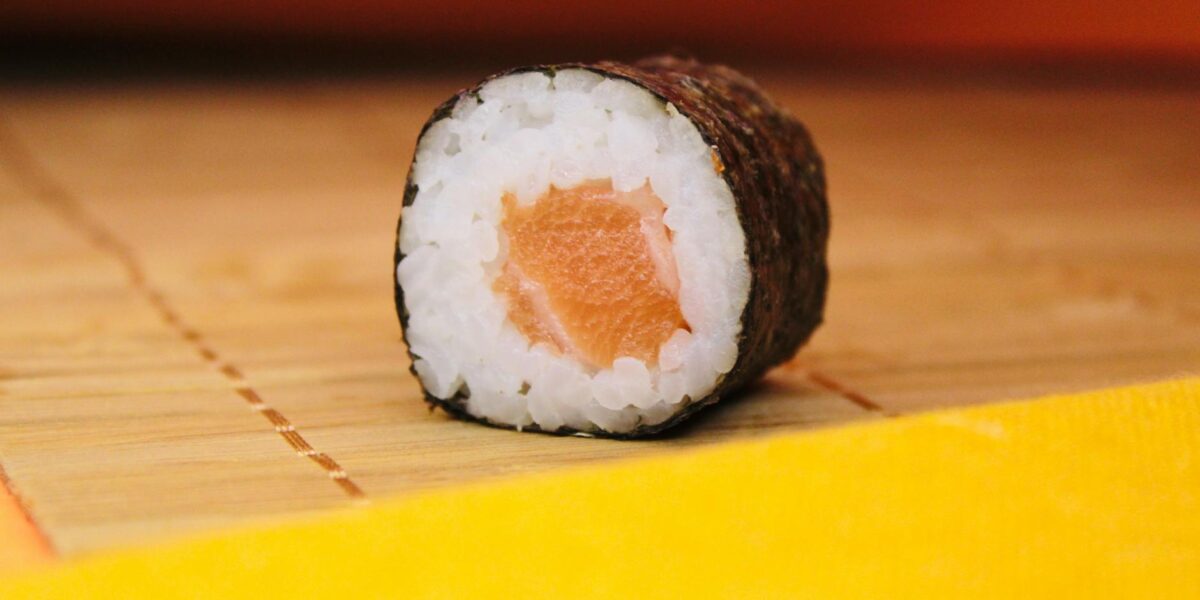
If you have ever eaten sushi, you have eaten nori. Those thin, dark green sheets wrapped around your California roll or hand roll are nori — dried edible seaweed that has been a cornerstone of Japanese cuisine for over a thousand years. But nori is far more than a sushi wrapper. It is one of the most nutrient-dense foods on the planet, a natural source of umami flavor, and a versatile ingredient used across East Asian cooking in ways that might surprise you.
Whether you are new to cooking with seaweed or looking to expand your repertoire beyond sushi night, this guide covers everything you need to know about nori — from its fascinating history and harvesting process to buying tips, storage methods, nutritional benefits, and recipes that showcase its incredible depth of flavor.
What Is Nori?
Nori is edible seaweed from the genus Pyropia (formerly Porphyra), most commonly the species Pyropia yezoensis and Pyropia tenera. In its processed form, nori is made by shredding raw seaweed, pressing it into thin sheets on frames, and drying it — a process remarkably similar to traditional papermaking. The result is the familiar flat, dark green-to-black sheets sold in packages at grocery stores and Asian markets.
The word ”nori” (海苔) is Japanese, but similar seaweed products exist throughout East Asia. In Korean cuisine, the equivalent product is called gim (김), while in Chinese cooking it is known as zicai (紫菜, literally ”purple vegetable”). Each culture processes and seasons its seaweed slightly differently, creating distinct varieties with unique textures and flavors.
At its core, nori delivers a concentrated hit of umami — that savory fifth taste that makes food deeply satisfying. It contains high levels of glutamic acid, the same compound responsible for the flavor of miso, aged cheese, and soy sauce. This makes nori not just a wrapper or garnish, but a genuine flavor enhancer in any dish it touches.
The History and Origin of Nori
Seaweed consumption in Japan dates back to at least the 8th century. The Taiho Code of 701 CE listed nori among the marine products that could be used to pay taxes, indicating its economic importance even in ancient times. Early nori was consumed as a paste rather than in sheet form — the word ”nori” itself derives from the Japanese verb noru, meaning ”to paste” or ”to glue.”
The innovation of sheet nori (板海苔, ita-nori) emerged during the Edo period (1603–1868) in the Asakusa district of Tokyo. Local fishermen adapted the papermaking technique of the time to create flat sheets of dried seaweed, which could be stored longer and used more conveniently in cooking. This Asakusa nori became a prized delicacy and helped establish the sushi culture we know today.
For centuries, nori farming remained unpredictable. Farmers would place bamboo poles or nets in shallow coastal waters and hope that wild seaweed spores would settle and grow. Entire harvests could fail without explanation. The breakthrough came in 1949 when British phycologist Kathleen Mary Drew-Baker published research revealing the complex three-stage life cycle of Porphyra seaweed. Her discovery that nori spores needed to pass through a shell-boring phase before attaching to growing surfaces transformed nori from a wild-harvested luxury into a reliable aquaculture crop.
Drew-Baker’s contribution was so significant that she is still honored annually in Japan at the ”Mother of the Sea” festival in Uto, Kumamoto Prefecture. Thanks to her research, Japan’s nori industry exploded in the 1950s and 1960s, making nori affordable and accessible to everyday consumers. Today, nori aquaculture is a multi-billion dollar industry, with Japan, South Korea, and China as the three largest producers.
Types and Varieties of Nori
Not all nori is created equal. Understanding the different types will help you choose the right product for your cooking needs.
By Processing Method
| Type | Japanese Name | Description | Best Uses |
|---|---|---|---|
| Toasted nori | Yaki-nori (焼き海苔) | Sheets toasted over heat until crisp and dark green. Most common variety sold internationally. | Sushi rolls, onigiri, snacking, garnish |
| Seasoned nori | Ajitsuke-nori (味付け海苔) | Toasted sheets brushed with soy sauce, sugar, and sometimes sesame oil. Smaller snack-sized cuts. | Snacking, rice accompaniment, bento boxes |
| Untoasted nori | Hoshi-nori (干し海苔) | Dried but not toasted. Purple-black color, chewier texture, stronger ocean flavor. | Toasting at home for freshest flavor, soups |
| Shredded nori | Kizami-nori (刻み海苔) | Finely cut strips of toasted nori. | Topping for noodles, rice bowls, salads |
| Nori powder | Ao-nori (青海苔) | Ground green laver, technically a different seaweed species. Bright green, aromatic. | Takoyaki, okonomiyaki, tempura seasoning |
| Korean roasted seaweed | Gim (김) | Thinner sheets roasted with sesame oil and salt. Lighter, crispier texture than Japanese nori. | Snacking, kimbap, rice wraps, banchan |
By Grade
Japanese nori is graded based on color, thickness, texture, flavor, and appearance. The grading varies by region and producer, but generally follows this hierarchy:
- Gold grade (金, kin): The highest quality. Deep black-green color, uniform thickness, glossy sheen, and a melt-in-your-mouth texture with intense umami. Harvested from the first cutting of the season.
- Silver grade (銀, gin): Excellent quality with very slight imperfections. Still deep in color and flavor.
- Superior grade (優, yu): Good everyday nori with consistent quality. The best balance of quality and price for home cooking.
- Standard grade (並, nami): Perfectly acceptable for cooking. May be lighter in color or slightly uneven, but still flavorful.
First-harvest nori (一番摘み, ichiban-tsumi) is the most prized. Seaweed harvested in the first cutting of the season (typically late November to December) is the most tender, flavorful, and darkest in color. Subsequent harvests produce progressively tougher and lighter-colored sheets.
How to Buy Nori: A Shopping Guide
Choosing good nori can feel overwhelming when faced with dozens of options at an Asian grocery store. Here is what to look for:
Signs of High-Quality Nori
- Color: Look for deep, dark green to near-black sheets. Avoid nori that looks pale green, brownish, or has visible red or purple patches (a sign of lower-grade or old stock).
- Sheen: Quality nori has a subtle glossy sheen on one side (the smooth side that faced the drying frame).
- Texture: Hold a sheet up to the light — it should be uniformly thin without thick clumps or holes.
- Aroma: Fresh nori smells pleasantly of the ocean with sweet undertones. Stale nori smells flat or slightly fishy.
- Snap: Good nori should snap cleanly when bent or torn, not bend limply.
Popular Brands
For sushi making: Nagai Deluxe Sushi Nori, Yamamotoyama Premium, and Takaokaya are reliable choices widely available in the US. For premium quality, look for Ariake Sea nori from Saga or Kumamoto prefectures in Japan.
For snacking: gimMe Organic and SeaSnax offer roasted seaweed snack packs. For Korean-style gim, look for Dongwon Yangban or CJ Bibigo brands.
For cooking: Any mid-range toasted nori works well when the seaweed will be crumbled, cut into strips, or dissolved into broth. Save the premium sheets for sushi and onigiri where the nori is the star.
Where to Buy
Nori is widely available at Asian grocery stores, health food stores, and most major supermarkets in the international or natural foods aisle. Online retailers offer the widest selection, including premium Japanese brands that may be hard to find locally. A standard package of 10 full sheets (approximately 7 x 8 inches) costs between $3 and $8, while premium first-harvest nori can cost $15 to $25 for the same quantity.
How to Store Nori
Nori’s greatest enemy is moisture. Once exposed to humidity, the sheets lose their crispness, become chewy, and their flavor dulls. Proper storage is essential to maintaining quality.
- Unopened packages: Store in a cool, dry place away from direct sunlight. Properly sealed nori can last 1 to 2 years in the pantry.
- Opened packages: Transfer to an airtight container or resealable bag, pressing out as much air as possible. Include the silica gel desiccant packet that comes in most nori packages — it helps absorb residual moisture. Use within 1 to 2 months for best flavor and crispness.
- Freezer storage: For long-term storage, nori freezes exceptionally well. Place sheets in a freezer-safe zip-top bag with the air removed. Frozen nori can last up to a year. No thawing is needed — the sheets return to their crisp state within seconds of being removed from the freezer.
- Reviving stale nori: If your nori has gone limp, pass it briefly over a gas flame or hold it a few inches above an electric burner for 5 to 10 seconds per side. This toasting process drives off moisture and restores crispness. The nori should turn from purple-ish to a brighter green as it toasts.
Pro tip: Never store nori near your stove, spice rack, or anywhere that generates steam. Even small amounts of ambient moisture can soften an entire package over time.
Nori Substitutions
While nothing perfectly replicates nori’s unique combination of flavor and texture, these alternatives can work in a pinch:
| Substitute | Best For | Flavor Comparison | Notes |
|---|---|---|---|
| Korean gim | Sushi, rice wraps, snacking | Similar umami, more sesame flavor from oil coating | Thinner and more fragile than Japanese nori. Works well for hand rolls. |
| Kombu (kelp) | Broths, soups, dashi stock | Stronger, more mineral umami | Not a sheet substitute — use for flavor in liquids. Essential for dashi. |
| Wakame | Soups, salads | Milder, slightly sweet ocean flavor | Rehydrate dried wakame before use. Great in miso soup. |
| Dulse | Snacking, salads, seasoning | Smoky, bacon-like when pan-fried | Atlantic seaweed with a completely different flavor profile but similar nutrition. |
| Rice paper | Wrapping rolls | Neutral flavor, no umami | Texture substitute only. Use for fresh spring rolls when nori is unavailable. |
| Soy paper (mamenori) | Sushi rolls | Mild soybean flavor | Colorful alternative for inside-out rolls. Soy-based, not seaweed. |
| Shiso leaves (perilla) | Hand rolls, wrapping | Herbaceous, minty, slightly anise | Adds a fresh dimension. Common in Japanese cuisine as a nori alternative for temaki. |
| Lettuce or collard greens | Low-carb wraps | Mild, vegetal | Texture substitute only. Use butter lettuce for the most pliable wrap. |
Nutritional Benefits of Nori
Nori is one of the most nutritionally impressive foods by weight. A single standard sheet (approximately 3 grams) is extremely low in calories but packed with vitamins, minerals, and bioactive compounds.
Key Nutrients in Nori (per 10-sheet serving, approximately 30 grams)
- Protein: Nori is approximately 30 to 50 percent protein by dry weight, making it one of the most protein-dense plant foods. A 10-sheet serving provides roughly 6 grams of protein with a complete amino acid profile.
- Iodine: Essential for thyroid function, nori provides a significant amount of iodine — though less than kelp, making it a safer daily option for those monitoring iodine intake.
- Vitamin B12: Nori is one of the few plant-based sources of bioavailable vitamin B12, making it particularly valuable for vegetarians and vegans. Research published in the British Journal of Nutrition confirmed that the B12 in nori is bioactive and can help prevent deficiency.
- Vitamin C: A 30-gram serving provides roughly 10 to 15 percent of the daily recommended value.
- Iron: Nori contains more iron per gram than spinach, and the vitamin C content enhances iron absorption.
- Omega-3 fatty acids: Nori contains EPA (eicosapentaenoic acid), an omega-3 fatty acid typically found in fish. This makes it a valuable plant-based omega-3 source.
- Fiber: About 25 to 35 percent of nori’s dry weight is dietary fiber, including soluble fiber that supports gut health.
- Antioxidants: Nori contains fucoxanthin, a carotenoid pigment with documented anti-inflammatory and anti-obesity properties in research studies.
A note on heavy metals: Like all seaweed, nori can accumulate trace amounts of heavy metals from ocean water. However, nori consistently tests among the lowest of all edible seaweeds for arsenic and other contaminants. Eating nori in normal dietary quantities (a few sheets per day) is considered safe by food safety authorities worldwide.
How to Use Nori in Cooking
Nori is far more versatile than most home cooks realize. Beyond sushi, here are the primary ways to incorporate nori into your cooking:
As a Wrapper
The most familiar use. Full sheets wrap sushi rolls (makizushi), hand rolls (temaki), and onigiri (rice balls). When using nori as a wrapper, place the shiny, smooth side facing outward. The rough, matte side grips the rice better. For the crispest results, wrap just before eating — nori begins absorbing moisture from rice within minutes.
As a Garnish
Shredded nori (kizami-nori) is the finishing touch on countless Japanese dishes. Scatter it over ramen, noodle dishes, fried rice, and rice bowls. The heat from the food gently toasts the nori, releasing its aroma. Cut strips also garnish soups and stews beautifully.
As a Seasoning
Crumble nori into powder using your hands or pulse it in a spice grinder. Mix with salt and sesame seeds for a quick furikake-style seasoning. This nori salt is incredible on popcorn, roasted vegetables, grilled meats, eggs, and avocado toast. Ao-nori powder is the classic seasoning sprinkled over takoyaki and okonomiyaki.
In Broths and Soups
Small pieces of nori dissolve into hot broth, adding body and umami depth. Add torn nori sheets to miso soup, ramen broth, or any Asian soup for an extra layer of savory flavor. Some ramen shops drape a half-sheet of nori on the side of the bowl as both garnish and flavor component — dip it into the broth as you eat.
In Compound Butters and Sauces
Nori butter — softened butter mixed with finely minced nori, a squeeze of lemon, and a pinch of salt — is a restaurant trick that works brilliantly on steak, grilled fish, corn on the cob, and baked potatoes. Blend nori into mayonnaise for an umami-rich spread for sandwiches and banh mi.
6 Recipes Using Nori
1. Classic Onigiri (Japanese Rice Balls)
Onigiri are the ultimate Japanese comfort food — portable, satisfying, and endlessly customizable. Nori provides the signature wrapper that makes them easy to hold and eat.
Ingredients:
- 2 cups cooked Japanese short-grain rice, still warm
- 1 teaspoon fine sea salt
- 3 full nori sheets, cut in half
- Fillings of your choice: salted salmon flakes, umeboshi (pickled plum), seasoned tuna mayo, or kombu tsukudani
Instructions:
- Wet your hands with water and sprinkle salt on your palms.
- Take about half a cup of warm rice and flatten it slightly in one palm.
- Place a teaspoon of filling in the center. Close the rice around the filling.
- Shape into a triangle by cupping your hands at right angles, pressing gently but firmly. Rotate and press 3 to 4 times until the triangle holds its shape.
- Wrap each onigiri with a half-sheet of nori. For the crispest nori, wrap just before eating. For convenience packs, wrap in plastic with nori separated (convenience-store style).
Makes 6 onigiri. These keep at room temperature for up to 6 hours or refrigerated for 1 day.
2. Nori Furikake (Japanese Rice Seasoning)
Homemade furikake is vastly better than store-bought and takes just 10 minutes. This nori-forward version is a staple rice topping in Japan.
Ingredients:
- 5 sheets nori, cut into small pieces
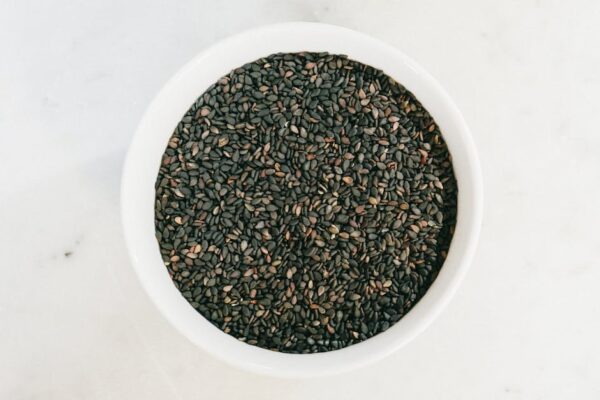
- 3 tablespoons white sesame seeds
- 1 tablespoon black sesame seeds
- 2 tablespoons bonito flakes (katsuobushi)
- 1 tablespoon soy sauce
- 1 tablespoon mirin
- 1 teaspoon sugar
- 1/2 teaspoon fine sea salt
Instructions:
- Toast sesame seeds in a dry skillet over medium heat until fragrant and popping, about 2 minutes. Remove and set aside.
- In the same skillet, add bonito flakes and toast for 1 minute until dry and crispy. Remove and crush roughly with your fingers.
- Add soy sauce, mirin, and sugar to the skillet. Stir until sugar dissolves and liquid reduces by half, about 1 minute.
- Remove from heat. Add nori pieces and toss to coat. The residual heat will crisp the nori.
- Add toasted sesame seeds, crushed bonito, and salt. Toss to combine.
- Spread on a plate to cool completely before transferring to an airtight jar.
Keeps in an airtight container for up to 1 month. Sprinkle over steamed rice, noodles, eggs, or steamed vegetables.
3. Nori-Wrapped Teriyaki Salmon
This elegant but simple dish uses nori as both a flavor booster and a crispy outer crust for pan-seared salmon.
Ingredients:
- 4 salmon fillets (6 ounces each), skin removed
- 4 sheets nori
- 3 tablespoons soy sauce
- 2 tablespoons mirin
- 1 tablespoon honey or sugar
- 1 teaspoon sesame oil
- 2 tablespoons neutral oil for pan-frying
- Sesame seeds for garnish
Instructions:
- Mix soy sauce, mirin, and honey to make teriyaki sauce. Brush salmon fillets with half the sauce.
- Wrap each fillet snugly in a nori sheet, folding edges underneath. Use a dab of water to seal if needed.
- Heat neutral oil in a nonstick skillet over medium-high heat. Place salmon nori-side down first. Cook 3 minutes until nori is crispy, then flip and cook 3 to 4 more minutes until salmon is just cooked through.
- Add remaining teriyaki sauce to the pan in the last minute. Let it bubble and glaze the fish.
- Serve with sesame seeds and steamed rice.
Serves 4. The nori creates an umami-rich crust that elevates simple teriyaki to restaurant quality.
4. Nori Butter Pasta
East-meets-West comfort food at its finest. The nori butter creates a deeply savory sauce that clings to every strand of pasta — think cacio e pepe meets the Japanese seaside.
Ingredients:
- 12 ounces spaghetti or linguine
- 4 tablespoons unsalted butter
- 3 sheets nori, finely minced or pulsed in a blender
- 2 cloves garlic, minced
- 1 tablespoon soy sauce
- 1 teaspoon mirin
- Juice of half a lemon
- Red pepper flakes (optional)
- Shredded nori and sesame seeds for garnish
Instructions:
- Cook pasta in well-salted water until al dente. Reserve 1 cup pasta water before draining.
- In a large skillet over medium heat, melt butter. Add minced nori and garlic. Cook, stirring, for 2 minutes until fragrant.
- Add soy sauce, mirin, and lemon juice. Stir to combine.
- Add drained pasta and 1/2 cup reserved pasta water. Toss vigorously over heat for 1 to 2 minutes until the sauce emulsifies and coats the pasta. Add more pasta water if needed.
- Serve immediately with a generous pile of shredded nori, sesame seeds, and red pepper flakes if desired.
Serves 3 to 4. Ready in 20 minutes. The nori butter technique also works beautifully on stir-fried vegetables and grilled meats.
5. Crispy Nori Chips with Sesame and Sea Salt
Addictive, healthy, and ready in under 10 minutes. These are the perfect snack or appetizer.
Ingredients:
- 10 sheets nori
- 1 tablespoon sesame oil
- 1 teaspoon fine sea salt
- 1 tablespoon sesame seeds
- Optional: pinch of chili flakes or wasabi powder
Instructions:
- Preheat oven to 300 degrees Fahrenheit (150 degrees Celsius).
- Lightly brush each nori sheet with sesame oil on one side.
- Sprinkle with salt, sesame seeds, and optional chili flakes.
- Stack 2 sheets together (oiled sides touching the dry side of the next sheet) and cut into rectangles or squares with scissors.
- Arrange on a baking sheet in a single layer. Bake for 5 to 7 minutes until crispy but not burned. Watch carefully — nori can go from perfect to scorched in seconds.
- Cool for 1 minute (they will crisp further as they cool). Serve immediately.
Best eaten fresh, but can be stored in an airtight container with a desiccant packet for up to 3 days.
6. Nori and Scallion Egg Crepes
A popular street snack in parts of China and Taiwan, these savory egg crepes use nori for umami punch.
Ingredients:
- 4 eggs, beaten
- 2 sheets nori, torn into small pieces
- 2 scallions, thinly sliced
- 1 teaspoon soy sauce
- Pinch of white pepper
- 1 tablespoon neutral oil
Instructions:
- Mix beaten eggs with soy sauce and white pepper.
- Heat oil in a nonstick skillet over medium heat. Pour in egg mixture and immediately scatter nori pieces and scallions across the surface.
- Cook until the bottom is set but the top is still slightly wet, about 2 minutes.
- Fold in half or roll up. Slide onto a plate and cut into sections.
Serves 2. Quick, nutritious, and packed with umami. Perfect for breakfast or a light lunch alongside congee.
Nori in Different Asian Cuisines
While nori is most closely associated with Japan, edible seaweed plays important roles across multiple Asian food traditions.
Japan
Nori is omnipresent in Japanese food. It wraps sushi and onigiri, garnishes ramen and soba, forms the base of furikake seasoning, and is enjoyed as a snack with tea. Ao-nori (green laver powder) is an essential topping for takoyaki, okonomiyaki, and tempura. In fine dining, tsukudani — nori simmered in soy sauce, mirin, and sugar until it forms a thick, intensely savory paste — is served as a condiment with plain rice.
Korea
Korean gim is typically thinner than Japanese nori and is roasted with sesame oil and salt. Gim is one of the most popular banchan (side dishes) in Korea, served at nearly every meal. It wraps kimbap (Korean rice rolls), accompanies bibimbap, and is crumbled over rice. Gamtae, a wild-harvested variety of green laver from Korea’s Jeju Island, has gained international attention for its intense aroma and is considered a premium delicacy.
China
Zicai is used primarily in soups in Chinese cooking. Egg drop soup with zicai is a beloved home-style dish across China. Dried zicai is also deep-fried as a crispy appetizer in some regional cuisines and stir-fried with garlic in Fujian-style cooking.
Wales and Beyond
Interestingly, the same genus of seaweed used for nori grows in the Atlantic Ocean, where it has a separate culinary tradition. In Wales, it is known as ”laver” and is traditionally made into laverbread (bara lawr), a paste mixed with oatmeal and fried. This parallel development highlights just how universally valued this seaweed is across cultures.
Environmental and Sustainability Considerations
Nori aquaculture is one of the most environmentally sustainable forms of food production. Seaweed farming requires no freshwater, no fertilizer, no feed, and no arable land. Nori farms actually improve water quality by absorbing excess nitrogen and phosphorus from the surrounding ocean, helping to combat coastal eutrophication.
Seaweed also absorbs carbon dioxide during photosynthesis, making it a net carbon sink. Some researchers estimate that seaweed farming could play a meaningful role in climate change mitigation if scaled significantly. The nori industry has a smaller environmental footprint than virtually any other form of protein or vegetable production.
However, climate change itself poses a threat to nori production. Rising ocean temperatures and acidification have already affected harvests in some regions of Japan, leading to research into heat-resistant cultivars. Supporting sustainable nori producers helps ensure the long-term viability of this remarkable food.
Frequently Asked Questions About Nori
Is nori the same as seaweed?
Nori is a specific type of edible seaweed, but not all seaweed is nori. The word ”seaweed” encompasses thousands of marine algae species. Nori refers specifically to the thin, dried sheets made from red algae in the genus Pyropia. Other common edible seaweeds include kombu (kelp), wakame, hijiki, and dulse — each with different flavors, textures, and culinary uses.
Is nori vegan and gluten-free?
Plain nori is both vegan and naturally gluten-free. However, check labels on seasoned nori (ajitsuke-nori) — some brands add flavoring that may contain wheat-based soy sauce or animal-derived ingredients. If you need strictly gluten-free nori, look for products seasoned with tamari rather than regular soy sauce.
Can you eat too much nori?
For most people, nori is safe to eat daily in reasonable amounts (a few sheets per day). The main consideration is iodine content. While nori contains less iodine than kelp or kombu, people with thyroid conditions should consult their doctor about appropriate intake levels. Eating 3 to 5 sheets of nori per day is well within safe limits for healthy adults.
What is the difference between Japanese nori and Korean gim?
Both are made from similar species of red algae, but they differ in processing. Japanese nori sheets are thicker, sturdier, and typically sold either untoasted or dry-toasted. Korean gim sheets are thinner, more delicate, and roasted with sesame oil and salt, giving them a distinctive nutty flavor and lighter, crispier texture. Both work for wrapping rice, but their flavor profiles are distinct.
Why does my nori get chewy when I make sushi?
Nori absorbs moisture from the rice very quickly. If you roll sushi and wait more than a few minutes to eat it, the nori will soften. To maintain crispness: use well-cooled rice (not hot), roll tightly, and serve immediately after cutting. For the crispest experience, make hand rolls (temaki) — the nori stays crisp because you eat them right away.
What does the shiny side of nori mean?
Every nori sheet has a smooth, slightly shiny side and a rough, matte side. The smooth side was pressed against the drying frame during production. When making sushi, the rough side should face the rice (it grips better), while the shiny side faces outward for the best appearance. For snacking and garnishing, orientation does not matter.
Can I use nori past its expiration date?
Properly stored nori is safe to use well past its printed date — the date indicates optimal freshness rather than safety. If it smells normal (not rancid or strongly fishy), has no visible mold, and still crisps up when toasted, it is fine to eat. Old nori that has lost its snap can be crumbled into seasoning or dissolved into soups and broths.
Is nori good for weight loss?
Nori is extremely low in calories (roughly 5 calories per sheet) while being high in fiber, protein, and micronutrients. It adds flavor and satisfaction to meals without adding significant calories. The fiber content promotes satiety, and the umami flavor can make simple meals feel more satisfying. While no single food causes weight loss, nori is an excellent addition to a calorie-conscious diet.
Final Thoughts: Why Every Kitchen Needs Nori
Nori is one of those rare ingredients that checks every box: it is deeply flavorful, incredibly nutritious, environmentally sustainable, naturally vegan, gluten-free, and remarkably affordable. A single package of nori costs a few dollars and lasts for weeks of cooking.
If you are just getting started with nori, pick up a package of toasted nori sheets and a bag of Japanese short-grain rice. Make a simple onigiri or crumble nori over a bowl of steaming rice with a drizzle of soy sauce. That first bite — the contrast of crispy seaweed against warm, sticky rice, the burst of ocean-sweet umami — is all it takes to understand why nori has been treasured in East Asian kitchens for over a thousand years.
From there, experiment. Add it to your ramen, blend it into butter, toss it with pasta, or simply snack on it straight from the package. Nori rewards curiosity. The more you use it, the more indispensable it becomes.

Mei Lin Chen
Mei Lin Chen is an Asian food writer and recipe developer. Melbourne-raised and London-based, she has spent over a decade exploring the rice paddies, hawker stalls, and home kitchens of South-East and East Asia. Her recipes balance traditional technique with everyday practicality.