Last updated: March 30, 2026
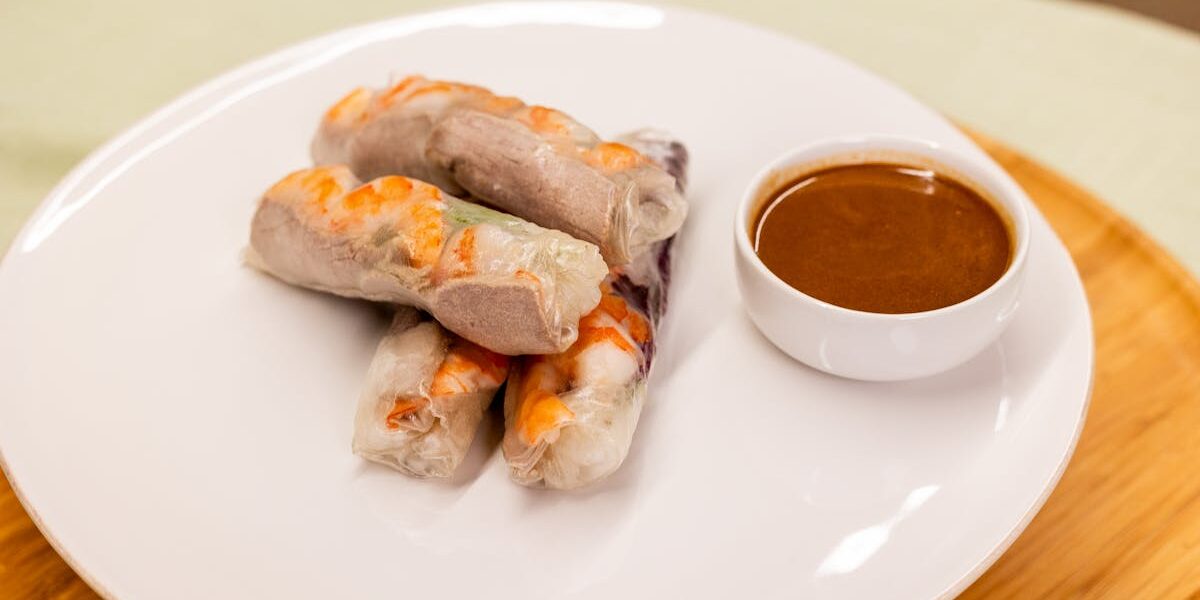
Rice paper is the translucent, paper-thin sheet that holds together one of the most iconic dishes in Southeast Asian cooking: the Vietnamese summer roll. Made from just rice flour, tapioca starch, water, and salt, these brittle dried discs transform within seconds of contact with warm water into a pliable, glassy wrapper that you can fold around shrimp, herbs, vermicelli, and crisp vegetables. For home cooks who want to bring fresh, vibrant Southeast Asian flavors to the table without turning on the stove, rice paper is one of the most useful ingredients in the pantry.
But rice paper is far more versatile than its reputation as a summer roll wrapper suggests. It is also used for fried Vietnamese spring rolls, Thai grilled rice paper snacks, Cambodian fresh rolls, viral TikTok dumplings, low-carb tortilla substitutes, and even crispy bacon-style strips. Understanding what rice paper is, how to buy it, how to handle it, and how to store it opens up an entire universe of recipes that are naturally gluten-free, vegan-friendly, and remarkably forgiving once you know the technique.
This complete guide covers the history of rice paper, the major regional varieties you will find at Asian grocers, how to choose quality sheets, storage strategies, substitutions when you run out, five reliable recipes to put rice paper to work, nutritional benefits, and answers to the questions home cooks ask most often.
What Is Rice Paper?
Rice paper, called bánh tráng in Vietnamese, is a thin, dried sheet made from a slurry of rice flour, tapioca starch (sometimes cassava or arrowroot), water, and salt. The batter is steamed over cloth-stretched bamboo frames, sun-dried until brittle, and cut into rounds, triangles, or rectangles. The result is an inexpensive, shelf-stable wrapper that softens within seconds when dipped in warm water, becoming pliable and elastic enough to wrap around any filling you can imagine.
The most familiar form to Americans is the round, semi-transparent disc used in Vietnamese summer rolls (gỏi cuốn). However, rice paper exists in many shapes and thicknesses across Asia, from the larger, thicker grilled rice paper of Vietnam’s Da Lat region to the small, ultra-thin sheets used as the foundation of crispy fried imperial rolls (chả giò or nem rán). Some versions include sesame seeds, dried shrimp, scallions, or coconut, transforming the wrapper itself into a snack.
Despite the name, traditional rice paper has no relation to paper made from rice straw used for calligraphy. The two are distinct products: edible rice paper is a food, while the calligraphy material is a craft paper from the rice paper plant (Tetrapanax papyrifer). In a kitchen context, when someone says ”rice paper,” they always mean the edible wrapper.
The History and Origin of Rice Paper
Rice has been cultivated across Southeast Asia for at least 4,000 years, and many Asian cuisines developed techniques for transforming rice flour into noodles, cakes, and wrappers. In Vietnam, rice paper is most strongly associated with the central and southern regions, particularly Tay Ninh province, which has become synonymous with high-quality bánh tráng. Tay Ninh’s relatively dry climate and intense sun make it ideal for the sun-drying step, and the village of Trang Bang has produced rice paper using essentially the same technique for centuries.
The classic method is artisanal and labor-intensive. Soaked rice is ground into a fine slurry, sometimes blended with a small percentage of tapioca starch for elasticity. The slurry is ladled onto a cloth stretched over a steaming pot, covered briefly, and lifted off with a flat bamboo paddle. The wet sheet is then transferred to woven bamboo mats and laid out in the sun to dry into the brittle disc you see in stores.
Modern industrial production replaces sun drying with mechanical drying and produces a more uniform sheet, which is what you typically find in supermarkets. Both styles are valid, but many cooks prefer the slight texture and natural variation of traditionally made rice paper. In recent decades, bánh tráng has crossed cultural boundaries: Thai street food incorporates grilled rice paper, Cambodian cuisine uses it for fresh rolls, and a TikTok-driven wave of recipes from 2020 onward has reintroduced rice paper to a global audience through viral ”rice paper dumplings” and ”rice paper bacon.”
Varieties of Rice Paper
Walk through the aisle of a well-stocked Vietnamese or Southeast Asian grocer and you will see more types of bánh tráng than you might expect. Each variety has a specific purpose, and choosing the right one makes the difference between a clean roll and a frustrating, sticky disaster.
| Variety | Vietnamese name | Best use | Texture when softened |
|---|---|---|---|
| Round summer roll wrappers | Bánh tráng cuốn | Fresh summer rolls, viral dumplings | Soft, elastic, translucent |
| Spring roll / fried wrappers | Bánh tráng chiên or bánh đa nem | Crispy fried imperial rolls | Crisps and bubbles when fried |
| Thick grilled rice paper | Bánh tráng nướng | Vietnamese ”pizza” grilled over coals | Stays crisp; eats like a cracker |
| Sesame rice paper | Bánh tráng mè | Snacks, salad toppers, broken into pho | Crisp; toasted over flame |
| Coconut rice paper | Bánh tráng dừa | Sweet snacking, grilled | Crisp, lightly sweet |
| Square or triangle | Bánh tráng tam giác | Custom rolls, Tay Ninh specialties | Same as round equivalents |
| Chewy / ”salted” rice paper | Bánh tráng dẻo | Tay Ninh-style snacks, no soaking | Already chewy from the bag |
Round Summer Roll Wrappers
The most common variety in the U.S. is the 22-centimeter (8.5-inch) round wrapper made with rice flour and tapioca starch. Look for brands such as Three Ladies, Red Rose, and Bánh Tráng Tây Ninh. These wrappers soften in 5 to 15 seconds in warm water and are the standard choice for summer rolls and the viral rice paper dumplings that took over social media in 2024 and 2025.
Spring Roll Wrappers for Frying
For fried Vietnamese imperial rolls (chả giò in the south, nem rán in the north), you want a thinner, more delicate wrapper sometimes labeled bánh đa nem. These are designed to crisp up dramatically in hot oil and form the bubbly, shatter-thin shell of a great fried roll. Do not confuse them with Chinese wheat-based spring roll wrappers, which are a completely different product.
Grilled Rice Paper (Bánh Tráng Nướng)
A thicker, sturdier disc designed to be grilled directly over charcoal. Vendors brush it with egg, scallion oil, ground pork, dried shrimp, and chili sauce to produce the so-called Vietnamese pizza of Da Lat. This style is increasingly available in U.S. Asian markets and online.
Snacking Varieties
Vietnamese street food culture has elevated rice paper to a snack category of its own. Bánh tráng trộn (mixed rice paper salad) shreds soft rice paper with mango, beef jerky, dried squid, quail eggs, and chili. Bánh tráng dẻo is a chewy, pre-softened style that comes ready to eat directly from the bag, often flavored with shrimp salt and lime. These are typically labeled in Vietnamese, so look for the iconic Tay Ninh imagery on the packaging.
How to Buy Rice Paper: A Practical Guide
Rice paper looks deceptively simple, but the quality varies enormously between brands. A great pack rolls cleanly, has no holes, and softens evenly. A poor pack tears, gets gummy, or has cracked discs.
- Check the ingredients. A clean rice paper contains rice flour, tapioca starch, water, and salt. Tapioca is what gives the wrapper its essential elasticity. If a brand uses only rice flour, the wrappers tend to crack and tear.
- Inspect the discs through the packaging. Avoid packs where you can see broken, cracked, or chipped wrappers stacked together. Damaged sheets cannot be rolled cleanly.
- Choose the right size. 22 cm (8.5 inch) is the standard size for full-sized summer rolls. Smaller 16 cm discs are good for cocktail-sized appetizers and for the viral rice paper dumplings. Larger 28 cm discs are useful for wrapping bulky fillings.
- Pick a trusted brand. Three Ladies (Bông Hồng Đỏ), Red Rose, Bánh Tráng Tây Ninh, and Sa Giang are widely respected. Generic supermarket brands can be inconsistent.
- Look at the color. Quality wrappers should be uniformly off-white or pale ivory. Yellowing or brownish patches signal old, oxidized stock.
- Check the date. While rice paper is shelf-stable for over a year, fresher packs are easier to handle. Look for a manufacturing or expiration date and aim for stock within 6 to 8 months of purchase.
If you are buying online, read recent reviews specifically for broken-disc complaints, since shipping is the main cause of cracked rice paper. Asian grocery chains like H Mart, 99 Ranch, and well-stocked Vietnamese markets in cities like San Jose, Houston, and Westminster typically have the freshest selection.
How to Use Rice Paper Without Tearing
The single most common complaint about rice paper is that it tears, sticks, or turns into glue. The fix is mechanical: use warm water (not hot), barely wet the disc, and work on a damp, smooth surface. Here is the technique restaurants use.
- Fill a wide, shallow bowl or pie plate with warm tap water (about 95 to 105°F / 35 to 40°C). Hot water makes the wrapper too sticky.
- Set up your fillings in a line: lettuce, herbs, noodles, protein, sauce.
- Have a damp, lint-free kitchen towel or large smooth plate ready for assembly.
- Dip a single wrapper into the water for about 5 to 10 seconds. It should still feel slightly stiff when you lift it out. Do not soak until floppy.
- Lay the wrapper flat on the damp towel. It will continue to soften on its own as you work, reaching ideal pliability in about 30 seconds.
- Build the roll in the lower third: lettuce and herbs first as a barrier, then noodles, then protein on top.
- Fold the bottom of the wrapper up over the filling, fold in the two sides, then roll forward firmly. Tuck and roll like a burrito.
If your wrappers tear consistently, the most likely problems are oversoaking, water that is too hot, working on a dry surface that pulls moisture out unevenly, or simply old wrappers from the back of the pantry. A second disc layered over a tear can rescue a struggling roll, and many cooks routinely double up to make sturdier party-sized rolls.
Storage Tips: Keeping Rice Paper at Peak Quality
Rice paper is one of the easiest pantry staples to store, but a few small habits will extend its useful life and prevent the disappointment of finding a pack of shattered discs.
- Keep it cool, dry, and flat. An unopened pack stored in a cool pantry is good for 12 to 18 months. Humidity is the enemy: it makes the wrappers stick together and lose their snap.
- Reseal carefully. Once opened, slide the discs into a zip-top bag, press out as much air as possible, and store horizontally. Standing the pack upright causes the bottom discs to chip.
- Refrigerate in humid climates. If you live in a humid area or your kitchen is steamy, refrigerate the resealed bag. Bring back to room temperature before using.
- Freeze for long-term storage. Rice paper freezes well in an airtight bag for up to two years. There is no thawing step; you can dip a frozen disc directly in warm water.
- Store rolled summer rolls properly. Finished summer rolls dry out quickly. Wrap them individually in plastic wrap or arrange in a single layer on a plate covered with a damp paper towel and then plastic wrap. Eat within 4 hours for the best texture, and never refrigerate longer than 24 hours.
- Revive slightly stale wrappers. If your rice paper has been in the pantry a long time and starts cracking when handled, lightly mist both sides with water, sandwich between damp towels for 10 minutes, then use immediately.
Rice Paper Substitutions
Rice paper is unique enough that no other ingredient is a perfect one-to-one swap. However, depending on how you plan to use it, several alternatives can work. Use the table below to pick a substitute based on your application.
| Application | Best substitute | How to use it | Notes |
|---|---|---|---|
| Fresh summer rolls | Soft butter lettuce leaves | Wrap fillings in 1 to 2 overlapping leaves | Lighter, less chewy; lower carb |
| Fresh summer rolls | Collard greens (blanched) | Blanch 15 seconds, shock in ice water, trim stem | Sturdier, slightly bitter |
| Fried imperial rolls | Spring roll pastry (wheat-based) | Wrap and deep fry as normal | Crispier shell, contains gluten |
| Fried imperial rolls | Lumpia wrappers | Standard 1-to-1 swap | Filipino style; thinner crisp |
| Rice paper dumplings (viral) | Dumpling wrappers | Use round wheat dumpling wrappers | Different chew; not gluten-free |
| Low-carb wraps | Cassava tortillas | Use as a flexible tortilla replacement | Similar gluten-free profile |
| Rice paper bacon (TikTok) | Tempeh strips | Marinate and bake or fry | Different texture but similar flavor |
| Grilled rice paper snack | Lavash crackers or thin pita | Brush with egg and toppings, grill | Different cultural origin but similar concept |
5 Recipes That Put Rice Paper to Work
Once you understand the technique, rice paper becomes one of the most versatile ingredients in your kitchen. Here are five recipes that show off its full range, from the classic Vietnamese summer roll to the modern TikTok dumpling that turned a Vietnamese pantry staple into a global trend.
1. Classic Vietnamese Summer Rolls (Gỏi Cuốn)
The benchmark dish. Poach a pound of medium shrimp until just pink, then cool and halve each shrimp lengthwise so the curl shows through the wrapper. Cook 4 ounces of rice vermicelli until tender, rinse, and toss with a teaspoon of toasted sesame oil. For each roll, dip a wrapper, lay it on a damp surface, and place a piece of butter lettuce in the lower third. Top with a tangle of vermicelli, a few mint and Thai basil leaves, a strip of cucumber, and a slice of chive. Lay three shrimp halves cut-side-down at the very top of the filling line, then roll up tightly. The shrimp will be visible through the translucent wrapper. Serve with peanut-hoisin sauce: blend 1/3 cup hoisin sauce, 2 tablespoons creamy peanut butter, 1 tablespoon rice vinegar, 1 minced garlic clove, and a splash of warm water to loosen.
2. Viral Rice Paper Dumplings
The dish that put rice paper on every food TikTok feed. Dip two wrappers in warm water and stack them on a board, slightly offset, while still firm. Spoon a tablespoon of filling (ground chicken seasoned with garlic, ginger, scallion, soy sauce, and a pinch of Sichuan peppercorn; or sautéed mushrooms with kimchi for a vegetarian version) onto the center. Fold like an envelope: bottom up, sides in, top down. Pan-fry the parcels in 2 tablespoons of neutral oil, seam-side down first, until each side is golden and crisp. The double-wrapper trick gives you a chewy, crispy exterior that holds the filling without leaking.
3. Crispy Vietnamese Imperial Rolls (Chả Giò)
The fried cousin of summer rolls. Combine 8 ounces of ground pork, 4 ounces of peeled and chopped shrimp, 1/2 cup of soaked and chopped wood ear mushrooms, 1/2 cup of soaked mung bean noodles, 1 grated carrot, 2 minced shallots, 2 cloves of garlic, 1 tablespoon of fish sauce, 1/2 teaspoon of sugar, and a pinch of white pepper. Soak rice paper wrappers (use the smaller 16 cm bánh đa nem or cut larger ones into quarters) in warm water with a splash of vinegar (which helps them brown). Wrap a tablespoon of filling into tight cigars and deep-fry at 325°F (165°C) in two stages for an extra-crisp shell. Serve with nuoc cham-style dipping sauce.
4. Bánh Tráng Nướng (Vietnamese Grilled Rice Paper)
Da Lat’s beloved street food, sometimes called Vietnamese pizza. Place a thick rice paper disc on a hot, dry pan or directly over a low gas flame. Crack a quail egg or beaten regular egg on top and spread it thinly across the surface with the back of a spoon. Quickly sprinkle on chopped scallions, dried shrimp, a pinch of shredded cheese, and a dusting of Vietnamese sa tế chili oil. Heat for 1 to 2 minutes until the paper is crisp and the toppings are set. Drizzle with Kewpie-style mayo, fold in half, and slice.
5. Rice Paper Bacon
A clever plant-based application. Cut 4 rice paper wrappers into 1-inch strips. Stack two strips of slightly different widths, dip them quickly in water until pliable, and press them together so they fuse. Brush with a mixture of 2 tablespoons soy sauce, 1 tablespoon maple syrup, 1 teaspoon liquid smoke, 1 teaspoon olive oil, 1/2 teaspoon smoked paprika, and a pinch of black pepper. Bake on parchment at 400°F (200°C) for 6 to 8 minutes, flipping halfway, until crisp and bronzed. The strips firm up further as they cool, mimicking the chew and crunch of bacon.
Nutritional Benefits of Rice Paper
Rice paper is one of the lightest wrappers in any cuisine. A single standard 22 cm disc weighs roughly 8 to 9 grams and contains about 30 to 35 calories, almost entirely from carbohydrate. That makes rice paper meaningfully lower in calories than a flour tortilla or a slice of sandwich bread.
| Per 22 cm rice paper disc (~9 g) | Amount |
|---|---|
| Calories | 30–35 kcal |
| Carbohydrates | 7–8 g |
| Protein | 0.3 g |
| Fat | 0 g |
| Fiber | 0.2 g |
| Sodium | 30–80 mg |
| Gluten | None |
The nutritional headline for rice paper is what it is not. It contains no gluten, making it suitable for people with celiac disease or gluten sensitivity (assuming the brand is not processed near wheat-based wrappers, so always check labels). It is naturally vegan and dairy-free. It contains no added fat. And, because traditional rice paper is just rice, tapioca, water, and salt, it has very few ingredients of any kind, which appeals to cooks who want minimally processed pantry staples.
That said, rice paper is essentially refined carbohydrate. It has a high glycemic index and very little fiber or protein, so the wrapper itself does not contribute meaningfully to satiety. The nutritional value of a rice paper dish comes from what you put inside it: lean shrimp, fresh herbs, raw vegetables, and a sauce with healthy fats build a balanced meal that the wrapper alone cannot.
Rice Paper Across Asia: A Regional Tour
Although rice paper is most closely associated with Vietnam, similar products exist in many Asian cuisines, each with distinctive flavors, shapes, and uses.
- Vietnam: The undisputed home of rice paper. Used for summer rolls, fried imperial rolls, grilled snacks, and dozens of regional specialties. Tay Ninh is the most famous production region.
- Cambodia: Cambodian fresh rolls, called nime chow, use rice paper similarly to Vietnamese gỏi cuốn but often include grilled pork sausage and lean toward a tangier, more lime-forward dipping sauce.
- Thailand: Thai cuisine adopts rice paper for spring rolls and street-food snacks. The Thai grilled rice paper trend that swept social media in 2023 wraps rice paper around marinated pork, herbs, and sticky rice, then grills it for a smoky char.
- Laos: Lao cuisine uses rice paper for fresh rolls similar to Vietnamese versions, often featuring grilled meats and abundant fresh herbs like dill, mint, and culantro.
- Philippines: Filipino lumpia uses thinner wheat-based wrappers rather than rice paper, but in recent years home cooks have adapted rice paper for gluten-free lumpia.
- Korea and Japan: Neither country has a native rice paper tradition, but Korean creators on social media popularized rice paper dumplings and rice paper tteokbokki-style snacks during the global TikTok wave.
Rice Paper FAQ
Is rice paper gluten-free?
Traditional rice paper made with rice flour, tapioca starch, water, and salt contains no gluten. However, cross-contamination is possible at factories that also process wheat-based wrappers, so people with celiac disease should look for explicitly certified gluten-free brands.
Why is my rice paper sticking together?
The most common cause is using water that is too hot or soaking the wrapper too long. The wrapper should come out of the water still slightly firm and finish softening on your work surface. Sticking also happens when you stack soaked wrappers on a dry plate. Use a damp, lint-free towel as your work surface.
Can I make rice paper at home?
Technically yes, but it is impractical for most home cooks. Authentic rice paper requires a setup with steaming pots, cloth, and a bamboo drying rack. Most home recipes for ”rice paper” produce a fresh, soft sheet that does not match the dried, shelf-stable commercial product. For everyday cooking, factory-made rice paper is so inexpensive that home production rarely makes sense.
What is the difference between rice paper and spring roll wrappers?
”Spring roll wrappers” is an ambiguous term. Vietnamese spring roll wrappers are made from rice paper. Chinese spring roll wrappers are made from a wheat-flour dough, are square or rectangular, and are designed for deep-frying. Filipino lumpia wrappers are a third, thinner wheat-based product. All three are visually different and not interchangeable; check the ingredient list and country of origin on the package.
Can rice paper be eaten raw?
Dried rice paper straight from the package is technically edible but tough and unpalatable. Rice paper is meant to be either softened with water or cooked. Some chewy Tay Ninh-style snack varieties (bánh tráng dẻo) come pre-softened and ready to eat, but those are a specific product.
Do summer rolls need to be eaten right away?
For best texture, yes. Rice paper dries out and gets gummy within a few hours. If you must hold them, wrap each roll individually in plastic wrap and refrigerate for up to a few hours. For a party, prepare the components in advance and let guests roll their own at the table.
What sauce goes with summer rolls?
The two classic options are peanut-hoisin sauce (rich, creamy, and slightly sweet) and nước chấm (bright, sour, and salty with fish sauce, lime, sugar, garlic, and chili). Peanut sauce works particularly well with shrimp and pork rolls, while nước chấm highlights vegetable-forward rolls.
Why does my rice paper get holes when I roll it?
Holes usually come from sharp ingredients like over-pointed shrimp tails, chunky nuts, or rough vegetable edges, combined with a wrapper that is over-softened. Round off your filling, do not overstuff, and roll with even pressure. A second wrapper layered over a torn one rescues most damaged rolls.
How long does rice paper last?
Unopened rice paper kept in a cool, dry pantry is good for 12 to 18 months past the packing date, often longer. Once opened, reseal tightly and use within 6 months for best handling.
Can I use rice paper to make dumplings?
Yes, although the texture is different from a traditional wheat dumpling wrapper. Rice paper dumplings, the social-media-famous version, fry up with a crisp, chewy shell that is naturally gluten-free. Use two wrappers stacked together to prevent the filling from breaking through during frying.
Pairing Rice Paper with Other Asian Pantry Staples
Rice paper is most fun when you build a Southeast Asian pantry around it. A well-stocked drawer turns last-minute summer rolls into one of the easiest weeknight dinners you can put on a table.
- Fish sauce — The non-negotiable base of nước chấm dipping sauce. See our full fish sauce guide.
- Hoisin sauce — The heart of peanut-hoisin dipping sauce; learn more in the hoisin sauce guide.
- Rice vermicelli — Standard summer-roll filler. Our rice noodles guide covers what to buy.
- Thai basil — Brings anise-licorice notes that lift cold rolls. See our Thai basil guide.
- Mint, cilantro, and shiso — Fresh herbs are essential. Bigger leaves can serve as a barrier between the wrapper and wetter fillings.
- Tofu and shrimp — Classic protein options. For crisp tofu rolls, try the technique in our crispy tofu guide.
- Pickled vegetables — Carrot and daikon pickles cut through richer fillings. The same brine used in banh mi works perfectly.
Common Rice Paper Mistakes to Avoid
- Soaking the wrapper too long. The most common mistake. Five to ten seconds is plenty; the wrapper finishes softening on the work surface.
- Using hot water. Hot water makes rice paper too soft, too fast. Warm tap water is the goal.
- Working on a dry plate. Use a damp surface so the wrapper does not stick. A clean dish towel rinsed and wrung out is ideal.
- Overstuffing. A burrito-tight roll is satisfying, but too much filling will tear the wrapper. Aim for a 2- to 3-tablespoon filling per roll.
- Skipping the herb barrier. A lettuce leaf or whole herb leaves on the bottom of the filling protect the wrapper from puncture by sharper ingredients.
- Buying a single brand and giving up. Different brands behave differently. If you have trouble with one, try another. Three Ladies is a reliable starting point.
- Storing in humid environments. Humidity is the enemy of rice paper. Refrigerate or freeze the pack in tropical climates.
The Bottom Line on Rice Paper
Rice paper is the kind of ingredient that rewards a small upfront investment in technique with years of fast, fresh, and flexible dinners. Once you understand the warm-water dip, the damp work surface, and the proper filling order, you can build summer rolls in five minutes flat, fry up imperial rolls for parties, grill bánh tráng nướng over a backyard fire, and even ride the latest viral dumpling trend without leaving your kitchen.
Stock a good brand of round wrappers, keep them flat and dry in your pantry, pair them with the staples of Southeast Asian cooking, and you have one of the most useful gluten-free, vegan-friendly, and naturally light wrappers in any cuisine. For a deeper dive into the broader Vietnamese pantry, explore our banh xeo guide, pho broth fundamentals, and Vietnamese caramel sauce technique. Rice paper sits at the center of that world, simple, ancient, and endlessly adaptable to whatever you put inside it.

Mei Lin Chen
Mei Lin Chen is an Asian food writer and recipe developer. Melbourne-raised and London-based, she has spent over a decade exploring the rice paddies, hawker stalls, and home kitchens of South-East and East Asia. Her recipes balance traditional technique with everyday practicality.