Last updated: March 19, 2026
Fermented black beans are one of the oldest and most flavor-packed ingredients in Chinese cooking. Known as douchi (豆豉) in Mandarin or dow see in Cantonese, these small, wrinkled, salt-cured soybeans deliver an intense umami punch that transforms simple stir-fries, steamed dishes, and sauces into something deeply savory and complex. If you have ever ordered black bean sauce chicken or steamed fish with black bean at a Chinese restaurant, you have already tasted the magic of this ancient ingredient.
Despite their transformative power, fermented black beans remain one of the most underused ingredients in Western home kitchens. Many cooks reach for bottled black bean sauce without realizing that the whole beans offer far more flavor and versatility. In this comprehensive guide, we cover everything you need to know about fermented black beans: their history, how they are made, the different varieties available, how to buy and store them, substitution options, nutritional benefits, and over five recipes to put them to work in your kitchen.
What Are Fermented Black Beans?
Fermented black beans are small black soybeans that have been preserved through a process of salting, steaming, and fermenting with Aspergillus oryzae or similar molds. The result is a soft, slightly chewy bean with an intensely savory, salty, and slightly bitter flavor profile. They are jet black in color, wrinkled in appearance, and have a pungent aroma that mellows beautifully when cooked.
Unlike miso or doenjang, which are ground into pastes, fermented black beans retain their whole bean form. This gives them a unique textural quality in dishes — they can be left whole for bursts of flavor, lightly mashed for a more integrated sauce, or minced finely to distribute their umami throughout a dish. They are not the same as black turtle beans or black-eyed peas used in Latin American or Southern cooking. Fermented black beans are specifically soybeans that have undergone a controlled fermentation process rooted in over two millennia of Chinese culinary tradition.
History and Origin of Fermented Black Beans
Fermented black beans are among the oldest recorded condiments in Chinese food history. Archaeological evidence places their origin as far back as 165 BCE during the Western Han Dynasty, with remnants of douchi discovered in the Mawangdui tomb excavations in Hunan Province. This makes fermented black beans older than soy sauce as a distinct seasoning product.
The earliest written references appear in Chinese medical and agricultural texts from the Han Dynasty, where douchi was valued not only as a flavoring agent but also as a medicinal ingredient. Traditional Chinese medicine practitioners prescribed fermented black beans for relieving cold symptoms, aiding digestion, and reducing inflammation. The text Shennong Bencao Jing, one of the foundational pharmacopoeias of Chinese medicine, lists douchi among its therapeutic preparations.
From China, fermented black beans spread throughout East and Southeast Asia. The Japanese adopted a variation called hamanatto (浜納豆), which has a drier texture and is enjoyed as a snack or side dish in certain regions of Japan. Korean cuisine uses a similar product called cheonggukjang in some preparations, though it diverged significantly in its fermentation techniques. In the Philippines, the condiment tausi is directly descended from Chinese douchi and plays a key role in dishes like tausi spareribs.
By the Tang Dynasty (618–907 CE), fermented black beans were a commodity in trade along the Silk Road. Their long shelf life and concentrated flavor made them ideal for travel and commerce. Today, the major production centers for high-quality fermented black beans are in Guangdong Province (particularly the city of Yangjiang, famous for its premium douchi), Hunan, and Sichuan.
How Fermented Black Beans Are Made
The production process for fermented black beans involves several carefully controlled stages. Understanding how they are made helps explain why different brands and varieties taste so different from one another.
Step 1: Soaking and steaming. Whole black soybeans are soaked in water for several hours until fully hydrated, then steamed until tender. The steaming process partially denatures the proteins in the beans, making them more accessible to the fermenting microorganisms.
Step 2: Inoculation. The cooked beans are spread on bamboo trays and inoculated with Aspergillus oryzae or Aspergillus sojae — the same family of molds used to make koji, soy sauce, and miso. The beans are kept in a warm, humid environment for two to five days as the mold colonizes them, breaking down proteins into amino acids (the source of umami) and starches into simple sugars.
Step 3: Salting and aging. After the initial fermentation, the beans are heavily salted — typically 12 to 18 percent salt by weight — and packed into jars or crocks. They are then aged for anywhere from a few weeks to several months. Longer aging produces deeper, more complex flavors. Some artisanal producers age their douchi for six months or more.
Step 4: Drying. After fermentation is complete, the beans are spread out and sun-dried or oven-dried to reduce moisture content. This concentrates their flavor and extends their shelf life significantly. The finished product is shelf-stable and can last for years when stored properly.
Some producers add additional flavorings during the fermentation stage. Ginger-infused fermented black beans are a popular variation, as are versions that incorporate chili flakes or five-spice powder. However, the classic plain variety remains the most versatile and widely available.
Varieties of Fermented Black Beans
Not all fermented black beans are created equal. There are several distinct varieties, each with unique characteristics that make them better suited for different applications.
| Variety | Origin | Flavor Profile | Texture | Best Uses |
|---|---|---|---|---|
| Yangjiang Douchi | Guangdong, China | Rich, savory, slightly sweet | Soft, moist | Steamed fish, stir-fries, black bean sauce |
| Hunan Douchi | Hunan, China | Bold, pungent, slightly bitter | Drier, firmer | Spicy stir-fries, braised dishes |
| Sichuan Douchi | Sichuan, China | Smoky, deep umami | Semi-dry | Mapo tofu variations, dry-fried dishes |
| Ginger Douchi | Various regions | Savory with warm ginger notes | Soft | Steamed ribs, seafood dishes |
| Hamanatto (Japanese) | Hamamatsu, Japan | Milder, slightly sweet | Dry, firm | Snack, garnish, temple cuisine |
| Tausi (Filipino) | Philippines | Salty, briny | Soft, wet | Tausi spareribs, stews |
Yangjiang douchi is widely considered the gold standard. Produced in the coastal city of Yangjiang in Guangdong Province, these beans undergo a meticulous fermentation and aging process that yields a complex, well-rounded flavor. They are moister and softer than other varieties, which makes them ideal for quick-cooking applications like stir-fries and steamed dishes where you want the beans to release their flavor quickly.
Hunan douchi tends to be drier and more assertive in flavor, with a pronounced pungency that stands up well to the bold, chili-heavy cooking style of Hunan cuisine. Sichuan douchi often has a lightly smoky quality and pairs beautifully with the numbing heat of Sichuan peppercorn.
How to Buy Fermented Black Beans
Fermented black beans are available at most Asian grocery stores and online retailers. Here is what to look for when shopping:
Whole beans vs. black bean sauce. For maximum flavor and versatility, always buy whole fermented black beans rather than pre-made black bean sauce. Bottled sauces typically contain added sugar, starch, and preservatives that dull the character of the beans. Whole beans give you full control over the final flavor of your dish.
Packaging. Fermented black beans are commonly sold in cylindrical cardboard containers, plastic bags, or glass jars. The cardboard cylinder packaging from brands like Yang Jiang is the classic format you will find in Chinatown grocery stores. Bags and jars are more common online.
Ingredient list. The best fermented black beans have a short ingredient list: black soybeans, salt, and possibly water. Avoid products with long lists of additives. Some brands add a small amount of vegetable oil to prevent clumping, which is acceptable.
Appearance. Good fermented black beans should look uniformly dark black, slightly wrinkled, and dry but not desiccated. They should not be dusty white (a sign of excess mold growth or staleness) or have an off-putting ammonia smell. A pleasantly pungent, earthy aroma is normal and desirable.
Recommended brands:
- Yang Jiang Preserved Beans — The most widely available and consistently high-quality brand. The round cardboard container with the yellow label is iconic.
- Pearl River Bridge Fermented Black Beans — A trusted name from Guangdong with excellent flavor and reliable quality.
- Lee Kum Kee Fermented Black Beans — Easy to find at mainstream grocery stores and a solid all-purpose choice.
- Koon Chun Fermented Black Beans — A Hong Kong heritage brand favored by many Chinese home cooks.
How to Store Fermented Black Beans
One of the great advantages of fermented black beans is their exceptional shelf life. Proper storage ensures they maintain their flavor for months or even years.
Unopened. Store in a cool, dry pantry away from direct sunlight. Unopened fermented black beans can last for two to three years without any loss of quality.
Opened. Once opened, transfer the beans to an airtight container — a glass jar with a tight lid works well — and store in the refrigerator. They will keep for at least one year in the fridge, often much longer. The high salt content acts as a natural preservative, inhibiting bacterial growth.
Freezer storage. For the longest possible shelf life, you can freeze fermented black beans in a zip-lock bag with the air pressed out. They do not freeze solid due to their low moisture content and can be used straight from the freezer without thawing.
Signs of spoilage. Fermented black beans are extremely resilient, but discard them if you notice a strong ammonia smell (different from their normal pungent aroma), visible mold that is white or green and fuzzy (as opposed to the normal dry surface), or a slimy texture.
How to Prepare and Cook with Fermented Black Beans
Before using fermented black beans in cooking, a brief preparation step helps optimize their flavor.
Rinse or soak. Give the beans a quick rinse under cold water to remove excess surface salt. For a mellower flavor, soak them in warm water for five to ten minutes, then drain. Do not over-soak them, as they will lose their concentrated flavor. Some cooks skip rinsing entirely for a more assertive, salty punch — this is a matter of personal preference and depends on the dish.
Mash or chop. For sauces and stir-fries, lightly mash the beans with the flat side of a knife or a fork. This helps release their flavor more quickly during cooking. For steamed dishes, leaving them whole or coarsely chopped provides pleasant bursts of flavor.
Aromatics pairing. Fermented black beans have a natural affinity with garlic and ginger. The classic Chinese technique is to mince garlic and ginger, combine them with the mashed beans, and stir-fry this mixture in hot oil until fragrant before adding your main ingredients. This aromatic trio — fermented black beans, garlic, and ginger — forms the flavor base for dozens of Cantonese and Sichuan dishes.
Cooking methods. Fermented black beans excel in:
- Stir-frying — Add the mashed bean-garlic-ginger mixture to a hot wok with oil, then toss with proteins and vegetables.
- Steaming — Scatter whole or chopped beans over fish, ribs, or chicken before steaming for clean, intense flavor infusion.
- Braising — Stir into braising liquids for red-braised dishes to add depth and complexity.
- Sauce-making — Simmer with stock, soy sauce, and aromatics to create a versatile homemade black bean sauce.
Fermented Black Bean Substitutes
While there is no perfect substitute for the unique flavor of fermented black beans, several alternatives can approximate their savory depth in a pinch.
| Substitute | Ratio (per 1 tbsp douchi) | Flavor Match | Best For | Notes |
|---|---|---|---|---|
| Black bean sauce (jarred) | 1.5 tbsp | High | Stir-fries, sauces | Contains sugar and starch; reduce other sauces in recipe |
| Miso paste (dark/red) | 1 tbsp | Medium | Sauces, braises | Similar umami depth; lacks the distinct fermented bean flavor |
| Doenjang | 1 tbsp | Medium | Stews, braises | Korean fermented soybean paste; earthier and chunkier |
| Soy sauce + miso | 1 tsp soy + 1 tsp miso | Medium | Stir-fries | Blends saltiness with fermented depth |
| Oyster sauce | 1 tbsp | Low-Medium | Stir-fries | Adds umami and body but sweeter; lacks pungent fermented character |
| Tapenade (olive) | 1 tbsp | Low | Non-Asian fusion | Surprising stand-in for texture and salty-savory flavor in Western dishes |
For the closest approximation, use jarred black bean sauce — it is literally made from fermented black beans, just with additional seasonings. For a more creative substitute in non-Asian cooking contexts, dark miso paste provides comparable umami intensity. Keep in mind that fermented black beans are inexpensive and shelf-stable, so if you cook Asian food regularly, there is no reason not to keep a container on hand.
Nutritional Benefits of Fermented Black Beans
Beyond their extraordinary flavor, fermented black beans offer several nutritional advantages that make them a smart addition to your pantry.
Rich in protein. As a soybean product, fermented black beans are a good source of plant-based protein. A one-tablespoon serving provides approximately 2 grams of protein, making them a useful flavor-boosting supplement for vegetarian and vegan meals.
Probiotic potential. The fermentation process produces beneficial bacteria and enzymes that may support gut health and improve digestion. While the drying process reduces the live probiotic count compared to fresh fermented foods like yogurt or fresh kimchi, fermented black beans still contain bioactive compounds generated during fermentation.
Antioxidants. Black soybeans are notably high in anthocyanins, the same class of antioxidants found in blueberries and purple grapes. Research published in the Journal of Agricultural and Food Chemistry has shown that fermented black soybeans retain significant antioxidant activity, and the fermentation process may actually increase the bioavailability of certain phenolic compounds.
Isoflavones. Like other soy products, fermented black beans contain isoflavones — plant compounds that have been studied for their potential role in supporting heart health, bone density, and hormonal balance. Fermentation increases the proportion of bioactive aglycone isoflavones, which are more easily absorbed by the body.
Vitamins and minerals. Fermented black beans provide iron, manganese, phosphorus, and B vitamins. The fermentation process enhances mineral bioavailability by breaking down phytic acid, an antinutrient present in raw soybeans that can inhibit mineral absorption.
Sodium consideration. The primary nutritional concern with fermented black beans is their high sodium content — roughly 500 to 600 milligrams per tablespoon. However, because they are so flavor-dense, a small amount goes a long way. Most recipes call for just one to two tablespoons of beans to season an entire dish serving four to six people, which distributes the sodium across multiple portions. Rinsing the beans before use also reduces their sodium content by approximately 30 to 40 percent.
Classic Recipes Using Fermented Black Beans
Fermented black beans are incredibly versatile. Here are six classic and modern recipes that showcase this ingredient at its best.
1. Black Bean Sauce Stir-Fry with Beef and Green Peppers
This Cantonese restaurant classic is one of the most popular fermented black bean dishes worldwide. Tender strips of velveted beef are stir-fried with green bell peppers and onions in a savory black bean sauce.
Ingredients: 400g flank steak (sliced thin against the grain), 2 green bell peppers (cut into chunks), 1 medium onion (cut into wedges), 2 tablespoons fermented black beans (rinsed and lightly mashed), 3 cloves garlic (minced), 1 tablespoon fresh ginger (minced), 2 tablespoons soy sauce, 1 tablespoon Shaoxing wine, 1 teaspoon sugar, 1 teaspoon cornstarch mixed with 2 tablespoons water, 2 tablespoons vegetable oil.
Method: Marinate beef with 1 tablespoon soy sauce, Shaoxing wine, and a pinch of cornstarch for 15 minutes. Heat oil in a wok over high heat. Stir-fry beef until just seared, about 90 seconds. Remove and set aside. Add a splash more oil, then stir-fry the mashed black beans, garlic, and ginger until fragrant, about 30 seconds. Add peppers and onions, toss for 2 minutes. Return beef to wok. Add remaining soy sauce, sugar, and cornstarch slurry. Toss until sauce thickens and coats everything, about 30 seconds. Serve immediately over steamed rice.
2. Steamed Spareribs with Fermented Black Beans (Dou Chi Pai Gu)
A dim sum favorite that demonstrates how steaming lets fermented black beans infuse meat with deep, clean flavor.
Ingredients: 500g pork spareribs (cut into 2cm pieces by your butcher), 2 tablespoons fermented black beans (rinsed and coarsely chopped), 3 cloves garlic (minced), 1 tablespoon fresh ginger (minced), 1 tablespoon soy sauce, 1 tablespoon Shaoxing wine, 1 teaspoon sugar, 1 teaspoon sesame oil, 1 tablespoon cornstarch, 1 red chili (sliced, optional).
Method: Blanch spareribs in boiling water for 2 minutes to remove impurities. Drain and pat dry. Combine with all remaining ingredients in a bowl and mix well. Transfer to a heatproof plate. Set up a bamboo steamer over boiling water. Steam on high heat for 25 to 30 minutes until ribs are tender and the black beans have melted into a savory glaze. Garnish with sliced red chili and serve as part of a dim sum spread or with rice.
3. Steamed Whole Fish with Black Beans and Ginger
Cantonese steamed fish is often made with just soy sauce and scallions, but the black bean variation adds a more robust flavor that works especially well with stronger-flavored fish like sea bass, snapper, or pomfret.
Ingredients: 1 whole fish (about 700g, cleaned and scored), 2 tablespoons fermented black beans (rinsed), 2 tablespoons fresh ginger (julienned), 3 cloves garlic (sliced), 2 scallions (cut into 5cm lengths), 1 tablespoon soy sauce, 1 tablespoon Shaoxing wine, 1 teaspoon sugar, 1 tablespoon vegetable oil.
Method: Place fish on a heatproof plate. Stuff some ginger inside the cavity. Scatter black beans, remaining ginger, and garlic over the fish. Drizzle with soy sauce and Shaoxing wine. Sprinkle with sugar. Steam over high heat for 10 to 12 minutes (depending on thickness) until the flesh flakes easily with a fork. Heat oil in a small pan until smoking. Remove fish from steamer, scatter scallions on top, and pour the hot oil over the fish. The sizzle will release a burst of aroma. Serve immediately.
4. Black Bean Clams (Si Chao Ge Li)
A Cantonese seafood classic that takes under 10 minutes. Briny clams and pungent black beans are a natural pairing.
Ingredients: 1 kg fresh clams (manila or littleneck, purged in salted water for 30 minutes), 2 tablespoons fermented black beans (rinsed and mashed), 4 cloves garlic (minced), 1 tablespoon ginger (minced), 2 scallions (cut into 3cm lengths), 1 tablespoon Shaoxing wine, 1 tablespoon soy sauce, 1 teaspoon sugar, 1 tablespoon vegetable oil, fresh cilantro for garnish.
Method: Heat oil in a wok over high heat until smoking. Add black beans, garlic, and ginger and stir-fry for 20 seconds until fragrant. Add clams and toss for 1 minute. Splash in Shaoxing wine and soy sauce. Add sugar and scallions. Cover the wok with a lid and cook for 3 to 4 minutes until all clams open. Discard any that remain closed. Toss everything together, transfer to a serving plate, and garnish with cilantro. Serve with plenty of steamed rice to soak up the sauce.
5. Mapo Tofu with Fermented Black Beans
While the standard mapo tofu recipe relies on doubanjiang as the primary flavoring, adding fermented black beans creates an extra layer of savory complexity that many Sichuan restaurants employ.
Ingredients: 400g soft or medium-firm tofu (cut into 2cm cubes), 150g ground pork, 2 tablespoons doubanjiang, 1 tablespoon fermented black beans (rinsed and mashed), 3 cloves garlic (minced), 1 tablespoon ginger (minced), 2 scallions (chopped), 1 tablespoon Sichuan peppercorn powder, 1 cup chicken or vegetable stock, 1 tablespoon soy sauce, 1 teaspoon cornstarch mixed with 2 tablespoons water, 2 tablespoons vegetable oil.
Method: Gently blanch tofu cubes in salted boiling water for 2 minutes to firm them up. Drain and set aside. Heat oil in a wok. Stir-fry pork until it renders its fat and turns crispy, about 3 minutes. Push to the side and add doubanjiang and fermented black beans. Stir-fry for 1 minute until the oil turns red and fragrant. Add garlic and ginger. Add stock and soy sauce, bring to a simmer. Gently slide in tofu cubes. Simmer for 5 minutes. Drizzle in cornstarch slurry and gently stir until sauce thickens. Transfer to a bowl, top with scallions and a generous pinch of Sichuan peppercorn powder.
6. Stir-Fried Green Beans with Fermented Black Beans
A quick vegetarian side dish that proves fermented black beans are not just for proteins. The charred, blistered green beans paired with pungent douchi create an addictive combination.
Ingredients: 500g green beans (trimmed), 2 tablespoons fermented black beans (rinsed and lightly mashed), 3 cloves garlic (minced), 1 tablespoon ginger (minced), 2 dried red chilies (optional), 1 tablespoon soy sauce, 1 teaspoon sugar, 3 tablespoons vegetable oil.
Method: Heat oil in a wok over high heat until just smoking. Add green beans and stir-fry for 4 to 5 minutes until blistered and charred in spots but still crisp. Push beans to the side. Add black beans, garlic, ginger, and dried chilies. Stir-fry for 30 seconds until fragrant. Toss everything together. Add soy sauce and sugar, toss for another 30 seconds. Serve immediately. This dish is also excellent with long beans (Chinese yard-long beans) for a more traditional presentation.
Fermented Black Beans vs. Black Bean Sauce
One of the most common points of confusion is the difference between whole fermented black beans and bottled black bean sauce. While they are related, they are quite different products with different applications.
Whole fermented black beans are the pure, unprocessed ingredient. They contain just soybeans, salt, and whatever flavoring the producer has added (ginger, for example). They give you full control over salt levels, sweetness, and texture in your cooking. They require a brief prep step (rinsing and mashing) but deliver superior depth of flavor.
Bottled black bean sauce (such as Lee Kum Kee Black Bean Sauce) is a convenience product made from fermented black beans that have been ground and combined with soy sauce, sugar, garlic, cornstarch, and sometimes MSG. It is ready to use straight from the jar, making it convenient for weeknight cooking. However, the added sugar and starch give it a sweeter, thicker character that can mask the distinctive pungent quality of the beans themselves.
The verdict: If you are just starting out, bottled black bean sauce is a perfectly fine way to introduce black bean flavors into your cooking. But once you are comfortable with the ingredient, upgrading to whole fermented black beans is absolutely worth it. The flavor difference is comparable to using freshly grated Parmesan versus the pre-grated kind — technically the same ingredient, but worlds apart in taste and aroma.
Fermented Black Beans in Asian Cuisines Beyond China
While fermented black beans are most closely associated with Chinese cooking — particularly Cantonese and Sichuan cuisines — their influence extends across Asia and, increasingly, into global fusion kitchens.
Philippines. Tausi (the Filipino name for fermented black beans, derived from the Hokkien Chinese pronunciation) is used in dishes like tausi spareribs and various stir-fries. It reflects the deep historical ties between Chinese and Filipino cuisines.
Malaysia and Singapore. Black bean sauce appears in numerous Malaysian and Singaporean stir-fry dishes, particularly with seafood. Hokkien and Cantonese diaspora communities brought the ingredient with them and integrated it into the local food culture.
Japan. Hamanatto from Hamamatsu and Daitokuji-natto from Kyoto are Japanese variations that are eaten as condiments or used in temple cuisine. They tend to be drier and less salty than Chinese douchi.
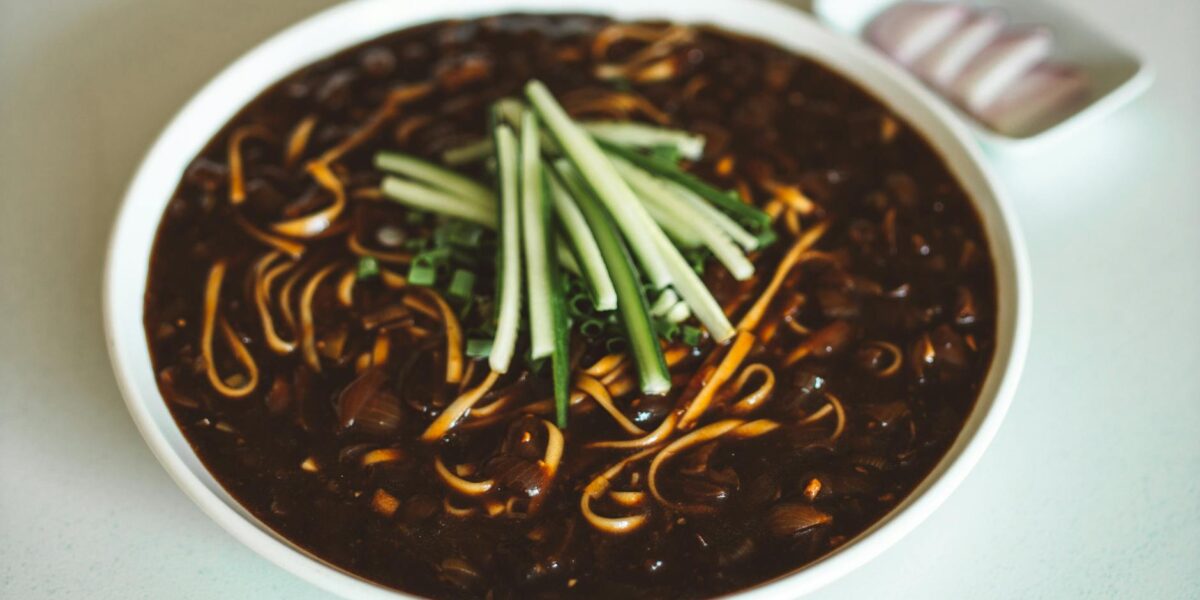
Korea. While Korean cuisine has its own robust fermented soybean tradition (doenjang, gochujang), some Korean-Chinese fusion dishes incorporate douchi-style flavors, particularly in jajangmyeon-adjacent dishes.
Modern Western kitchens. Chefs in the US and Europe have embraced fermented black beans as a versatile umami bomb. They appear in pasta sauces, compound butters, vinaigrettes, and even on pizza. The beans’ ability to add savory depth without dominant flavor makes them a natural fit for creative cross-cultural cooking.
Frequently Asked Questions About Fermented Black Beans
Are fermented black beans the same as regular black beans?
No. Fermented black beans are made from black soybeans that have been salted and fermented. Regular black beans (black turtle beans) are a completely different species of legume used in Latin American and Caribbean cooking. They are not interchangeable.
Are fermented black beans gluten-free?
Traditional fermented black beans made with only soybeans and salt are naturally gluten-free. However, some brands may use wheat flour in the fermentation process or produce the beans in facilities that also handle wheat products. Always check the label if you have celiac disease or a gluten sensitivity.
Do I need to cook fermented black beans before eating them?
Fermented black beans are safe to eat without further cooking, as the fermentation and salting process makes them shelf-stable. However, they are extremely salty when eaten raw and are almost always cooked as part of a dish. Cooking also mellows their flavor and integrates them into the overall dish.
How long do fermented black beans last?
Unopened, they can last two to three years in a cool, dry pantry. Once opened and stored in an airtight container in the refrigerator, they will keep for at least one year. Their high salt content makes spoilage rare.
Can I make fermented black beans at home?
Yes, but it requires koji spores, patience, and careful temperature control. The process takes several weeks to several months. For most home cooks, buying commercially produced fermented black beans is far more practical — they are inexpensive and widely available.
What is the difference between douchi and doubanjiang?
Douchi (fermented black beans) are whole salted, fermented soybeans. Doubanjiang is a chili bean paste made from fermented broad beans (fava beans) and chili peppers. They are different products with different base ingredients, though both are fermented and deliver umami. They are often used together in Sichuan cooking for layered complexity.
Are fermented black beans vegan?
Yes. Fermented black beans are made entirely from soybeans and salt, making them suitable for vegan and vegetarian diets. They are an excellent way to add meaty, savory depth to plant-based dishes.
Where can I buy fermented black beans?
Fermented black beans are available at Chinese and Asian grocery stores, often in the condiment or dried goods aisle. They are also available online from retailers specializing in Asian ingredients. Look for the classic Yang Jiang brand in the round cardboard container as a reliable starting point.
Final Thoughts
Fermented black beans are one of those rare ingredients that deliver maximum impact with minimum effort. A tablespoon or two of these humble, wrinkled beans can transform a simple stir-fry into something with restaurant-quality depth and complexity. They are inexpensive, shelf-stable for years, and endlessly versatile — equally at home in a classic Cantonese steamed fish as they are in a modern fusion pasta.
If you have never cooked with whole fermented black beans before, start with the black bean sauce beef stir-fry or the steamed spareribs recipe above. Once you experience the difference between whole beans and bottled sauce, you will understand why this 2,000-year-old ingredient has earned its permanent place in the Asian pantry. Stock a container of Yang Jiang douchi in your fridge, and you will always be one quick stir-fry away from an umami-packed meal.

Mei Lin Chen
Mei Lin Chen is an Asian food writer and recipe developer. Melbourne-raised and London-based, she has spent over a decade exploring the rice paddies, hawker stalls, and home kitchens of South-East and East Asia. Her recipes balance traditional technique with everyday practicality.