Last updated: March 13, 2026
If you have ever eaten Sichuan food and felt a strange, electric tingling on your lips, you have experienced the magic of Sichuan peppercorn. This tiny, reddish-brown husk is not actually a peppercorn at all — it is the dried berry husk of the prickly ash tree (Zanthoxylum), and it delivers a sensation unlike any other spice in the world. Known in Chinese as huajiao (花椒), meaning ”flower pepper,” Sichuan peppercorn is one of the most distinctive and essential ingredients in Asian cooking.
Whether you are a seasoned cook who already keeps a jar of doubanjiang in your pantry or a curious beginner exploring Chinese recipes, understanding Sichuan peppercorn will transform how you approach flavor. This comprehensive guide covers everything from the history and science behind its famous numbing sensation to how to buy, store, cook with, and substitute this extraordinary spice.
What Is Sichuan Peppercorn?
Sichuan peppercorn (also spelled Szechuan peppercorn) is the dried husk of the fruit from trees in the Zanthoxylum genus, part of the citrus family Rutaceae. Despite its name, it is not related to black pepper (Piper nigrum) or chili peppers (Capsicum). The spice comes from several species, most commonly Zanthoxylum bungeanum (red Sichuan peppercorn) and Zanthoxylum armatum (green Sichuan peppercorn).
What makes Sichuan peppercorn truly unique is its signature numbing sensation, called ma (麻) in Chinese. This tingling, buzzing feeling on the tongue and lips is caused by a compound called hydroxy-alpha-sanshool, which activates the same nerve fibers that detect touch and vibration. Scientists have measured this sensation and found it vibrates at approximately 50 hertz — the same frequency as the hum of electrical power lines. It is a genuinely electric experience.
The spice also has a complex aromatic profile: citrusy, slightly floral, with hints of lavender and pine. When combined with chili heat (la, 辣), it creates the famous mala (麻辣) flavor — the numbing-spicy combination that defines much of Sichuan stir-fry cooking.
History and Origin of Sichuan Peppercorn
Sichuan peppercorn has a history stretching back thousands of years in China, predating the arrival of chili peppers by millennia. It is mentioned in the Shijing (Book of Songs), one of China’s oldest poetry collections dating to around 1000-600 BCE, where it appears in references to offerings and celebrations.
In ancient China, Sichuan peppercorn held deep cultural significance beyond cooking. The spice was burned as incense, used in traditional medicine, and even mixed into the plaster of imperial palace walls — the women’s quarters of the Han Dynasty palace were called jiaofang (椒房), or ”pepper chambers,” because Sichuan peppercorn was pressed into the walls for its fragrance and supposed ability to promote fertility.
For centuries, Sichuan peppercorn was the primary source of ”heat” in Chinese cooking. Chili peppers did not arrive in China until the late 16th century via Portuguese traders from the Americas. Before that, the numbing spice of huajiao and the pungency of ginger and galangal were the dominant forms of spiciness in Chinese cuisine. When chili peppers finally arrived, cooks in the Sichuan province combined them with their beloved peppercorn, creating the mala flavor profile that the region is now famous for.
Interestingly, Sichuan peppercorn was effectively banned from import into the United States from 1968 to 2005. The USDA prohibited it because the husks could carry citrus canker, a bacterial disease threatening American citrus crops. The ban was lifted in 2005 with the requirement that peppercorns be heated to 160°F (70°C) before import to kill any bacteria. This restriction meant that many Americans eating ”Sichuan food” during those decades never actually tasted real Sichuan peppercorn — a gap that has been enthusiastically filled since the ban was lifted.
Varieties of Sichuan Peppercorn
Not all Sichuan peppercorns are the same. The two main varieties you will encounter differ significantly in flavor, potency, and culinary application.
Red Sichuan Peppercorn (Hong Huajiao, 红花椒)
Red Sichuan peppercorn is the most common and widely available variety. It comes from Zanthoxylum bungeanum and has a reddish-brown color when dried. The flavor profile is warm, earthy, and citrusy with a moderate numbing sensation. Red peppercorns are the backbone of classic Sichuan dishes like mapo tofu, kung pao chicken, and dan dan noodles. The best quality red Sichuan peppercorns come from Hanyuan County in Sichuan Province, where they have been cultivated for over 2,000 years.
Green Sichuan Peppercorn (Qing Huajiao, 青花椒)
Green Sichuan peppercorn comes from Zanthoxylum armatum and is harvested earlier, retaining its bright green color when dried. Green peppercorns deliver a more intensely numbing, sharper sensation and have a brighter, more herbaceous, and piney aroma. They are increasingly popular in Sichuan cooking, particularly in dishes like Sichuan boiled fish (shuizhu yu) and green peppercorn chicken. Green peppercorns pair especially well with seafood, poultry, and lighter dishes.
Other Related Varieties
Japanese sansho (Zanthoxylum piperitum) is a close relative used in Japanese cuisine, often ground and sprinkled over grilled eel (unagi). It has a milder, more citrus-forward flavor with gentle numbing. Korean chopi (Zanthoxylum schinifolium) is another cousin used in Korean cuisine, particularly in chueotang (loach soup). Indonesian andaliman (Zanthoxylum acanthopodium) is used in Batak cuisine from North Sumatra, adding a lemony tingle to dishes.
| Variety | Color | Numbing Level | Flavor Notes | Best Used In |
|---|---|---|---|---|
| Red Sichuan Peppercorn | Reddish-brown | Moderate | Warm, earthy, citrusy | Mapo tofu, stir-fries, braises |
| Green Sichuan Peppercorn | Bright green | Intense | Herbaceous, piney, sharp | Fish, poultry, lighter dishes |
| Japanese Sansho | Green-brown | Mild | Citrus-forward, delicate | Grilled eel, rice dishes |
| Korean Chopi | Dark brown | Moderate | Aromatic, slightly bitter | Soups, stews |
| Indonesian Andaliman | Greenish | Strong | Lemony, bright | Batak meat dishes, sambal |
How to Buy Sichuan Peppercorn
The quality of Sichuan peppercorn varies enormously, and buying the right product makes a huge difference. Here is what to look for:
Look for whole husks, not seeds. The numbing compound is concentrated in the outer husk of the fruit, not in the small black seeds sometimes found inside. High-quality Sichuan peppercorn should consist mostly of open, split husks with few seeds or stems. If your bag is full of black seeds and debris, it is a lower-grade product.
Check the color and aroma. Fresh, high-quality red Sichuan peppercorns should be a vibrant reddish-brown with a strong, fragrant citrus aroma when you open the bag. Dull, dark brown peppercorns that smell musty or flat are likely old. Green Sichuan peppercorns should be a vivid green and intensely aromatic.
Buy from Asian grocery stores or specialty online retailers. Chinese and Asian grocery stores typically stock fresher, higher-quality Sichuan peppercorn than generic supermarket spice brands. Look for brands imported from Sichuan Province. Online retailers specializing in Asian cooking ingredients are another excellent source.
Consider origin. Hanyuan (汉源) peppercorns from Sichuan Province are widely considered the gold standard for red Sichuan peppercorn. For green peppercorns, Jintang County and parts of Yunnan Province are known for excellent quality.
Buy whole, not pre-ground. Ground Sichuan peppercorn loses its potency and aromatic oils much faster than whole husks. Always buy whole and grind at home as needed.
How to Store Sichuan Peppercorn
Proper storage keeps your Sichuan peppercorn potent and fragrant for much longer:
Airtight container in a cool, dark place. Transfer peppercorns from the original bag to a glass jar or airtight container. Stored this way at room temperature, they will retain good potency for 6 to 12 months.
Freezer for long-term storage. For maximum shelf life, store whole Sichuan peppercorns in a sealed freezer bag or container in the freezer. They will stay potent for up to 2 years. You can use them directly from frozen — no need to thaw.
Avoid heat, light, and moisture. Like most spices, the aromatic compounds in Sichuan peppercorn degrade with exposure to heat, sunlight, and humidity. Do not store them above your stove or in a sunny window.
Make Sichuan peppercorn oil or powder in small batches. If you make infused chili oil with Sichuan peppercorn or grind it into powder, prepare small quantities you can use within a few weeks. Both oil infusions and powder lose their numbing potency more quickly than whole husks.
How to Prepare and Cook with Sichuan Peppercorn
Getting the most out of Sichuan peppercorn requires a few simple techniques:
Toasting
Dry-toasting whole Sichuan peppercorns in a skillet over medium-low heat for 2 to 3 minutes until fragrant unlocks their aromatic oils and intensifies the flavor. Stir constantly and remove from heat as soon as they become fragrant — they burn easily. Let them cool before grinding.
Grinding
After toasting, grind peppercorns using a spice grinder, mortar and pestle, or even a rolling pin over a zip-lock bag. Sift the powder through a fine mesh strainer to remove any remaining seed husks, which can be gritty. This freshly ground powder is what Chinese cooks call huajiao fen (花椒粉) and it is a core seasoning in Sichuan kitchens.
Infusing in Oil
Sichuan peppercorn oil is made by gently heating whole peppercorns in neutral oil (such as vegetable or grapeseed oil) over low heat until the oil becomes fragrant and slightly tingling. Strain out the peppercorns and use the oil as a finishing drizzle on noodles, dumplings, and cold dishes. This infused oil is a key component of many Sichuan sauces and is often combined with chili oil for the full mala effect.
Whole in Cooking
Whole Sichuan peppercorns are frequently added at the start of stir-fries and braises, bloomed in hot oil along with dried chilies and other aromatics. In dishes like Chinese hot pot, handfuls of whole peppercorns simmer in the broth base throughout cooking. When used whole, some cooks remove the peppercorns before serving, while others leave them in — biting into one delivers an intense burst of numbing.
Sichuan Peppercorn Substitutes
True Sichuan peppercorn is difficult to replicate because no other common spice delivers the same numbing ma sensation. However, if you cannot find it, these substitutes can approximate some aspects of the flavor:
| Substitute | Ratio | Flavor Match | Numbing Effect | Best For |
|---|---|---|---|---|
| Japanese Sansho Pepper | 1:1 | Very close — citrusy, floral | Mild numbing | Any recipe calling for Sichuan peppercorn |
| Black Pepper + Lemon Zest | 1 tsp black pepper + 1/2 tsp zest | Approximates the heat and citrus | None | Stir-fries, marinades |
| White Pepper + Coriander Seeds | 3/4 tsp white pepper + 1/4 tsp coriander | Warm, slightly floral | None | Soups, braises |
| Tasmanian Pepper | 1/2:1 (use less, it is stronger) | Woody, slightly numbing | Mild numbing | Rubs, marinades |
| Grains of Paradise | 1:1 | Warm, peppery, slightly citrusy | None | General seasoning |
| Sichuan Peppercorn Oil | 1/2 tsp oil per 1 tsp peppercorn | Authentic numbing flavor | Good numbing | Finishing drizzle, cold dishes |
Keep in mind that none of these substitutes will fully replicate the numbing sensation of real Sichuan peppercorn. If you enjoy Sichuan cooking, it is well worth sourcing the real thing.
The Science of the Numbing Sensation
The numbing sensation of Sichuan peppercorn has fascinated scientists for decades. The primary active compound responsible is hydroxy-alpha-sanshool, an alkylamide that does not actually numb your mouth in the medical sense — it activates it.
Sanshool targets touch-sensitive nerve fibers (specifically, the light-touch mechanoreceptors that normally detect vibration) rather than pain receptors. This is why the sensation feels like buzzing or tingling rather than burning. Research published in the journal Proceedings of the Royal Society B found that this activation causes neurons to fire at approximately 50 Hz, creating a physical vibration sensation on the lips and tongue.
This mechanism is fundamentally different from the capsaicin in chili peppers, which activates pain and heat receptors (TRPV1). When you combine Sichuan peppercorn with chili peppers in mala cooking, you are simultaneously stimulating two completely separate sensory pathways — touch/vibration and pain/heat — which is why the combined sensation is so complex and compelling. Some researchers have compared it to synesthesia, where multiple senses merge into a single experience.
The numbing effect also has a practical purpose in Sichuan cuisine: it slightly desensitizes the mouth, which allows you to eat more chili heat than you otherwise could. This is one reason why Sichuan food can be both extremely spicy and extremely enjoyable — the peppercorn literally prepares your mouth for the chili.
Nutritional Benefits of Sichuan Peppercorn
While Sichuan peppercorn is used in small quantities as a spice, it does contain several noteworthy nutritional and medicinal compounds:
Rich in essential oils. The volatile oil content (2-4% of the dried husk) includes limonene, linalool, and geraniol, which have documented antioxidant and anti-inflammatory properties.
Minerals. Sichuan peppercorn contains notable amounts of potassium, manganese, iron, and zinc relative to the small quantities used.
Digestive benefits. In traditional Chinese medicine (TCM), huajiao has been used for centuries to warm the stomach, relieve abdominal pain, and aid digestion. Modern research has found that sanshool compounds can stimulate digestive function and have antimicrobial properties.
Pain relief potential. The numbing properties of sanshool have been studied for potential analgesic applications. Some research suggests it may help with toothache pain and oral discomfort, which aligns with its historical use in Chinese folk medicine.
Antimicrobial activity. Studies have shown that Sichuan peppercorn essential oils exhibit antibacterial and antifungal properties, which may partly explain its historical use as a food preservative in Chinese cooking.
Low calorie. Like most spices, Sichuan peppercorn adds negligible calories to food while dramatically increasing flavor — making it an excellent tool for anyone looking to make healthy food more exciting.
Classic Sichuan Peppercorn Recipes
Sichuan peppercorn is indispensable in countless dishes across Asian cuisines. Here are some essential recipes that showcase this spice at its best:
1. Mapo Tofu (麻婆豆腐)
The quintessential mala dish — silky tofu in a fiery, numbing sauce of doubanjiang, ground pork, and a generous dusting of freshly ground Sichuan peppercorn. The peppercorn is used both in the cooking sauce and as a finishing powder. Our mapo tofu recipe is one of the best ways to experience the full power of this spice.
2. Kung Pao Chicken (宫保鸡丁)
This iconic Sichuan stir-fry uses whole dried Sichuan peppercorns bloomed in oil alongside dried red chilies, creating a fragrant, numbing-spicy base for the diced chicken, peanuts, and sweet-savory sauce. Try our authentic kung pao chicken recipe for the real Sichuan version, not the Americanized takeout interpretation.
3. Sichuan Mala Hot Pot (麻辣火锅)
The mala hot pot broth is loaded with both red and green Sichuan peppercorns, dried chilies, doubanjiang, and a complex blend of spices. As you cook thin-sliced meats, vegetables, and noodles in this bubbling, numbingly spicy broth, the peppercorn flavor permeates everything. Hot pot is perhaps the dish where Sichuan peppercorn is used most generously — some recipes call for half a cup or more.
4. Dan Dan Noodles (担担面)
These spicy Sichuan noodles feature a sauce built on sesame paste, chili oil, and Sichuan peppercorn. Our dan dan noodles recipe includes ground Sichuan peppercorn in both the sauce and the pork topping. The numbing tingle cuts through the richness of the sesame and pork, creating a perfectly balanced bowl.
5. Sichuan Peppercorn Chicken (Lazi Ji, 辣子鸡)
This dramatic Chongqing dish features bite-sized pieces of crispy fried chicken buried in a mountain of dried red chilies and Sichuan peppercorns. The chicken is tossed in a scorching hot wok with the aromatics until everything is fragrant and crackling. Despite looking impossibly spicy, the balance of numbing and heat makes it addictively delicious.
6. Sichuan Boiled Fish (Shuizhu Yu, 水煮鱼)
Tender slices of white fish are poached in a fiery broth, then topped with a heap of dried chilies and green Sichuan peppercorns. Sizzling hot oil is poured over the top at the table, releasing an incredible rush of numbing, spicy aroma. This dish showcases green Sichuan peppercorn beautifully, with its bright, sharp tingle complementing the delicate fish.
7. Mouth-Watering Chicken (Kouishui Ji, 口水鸡)
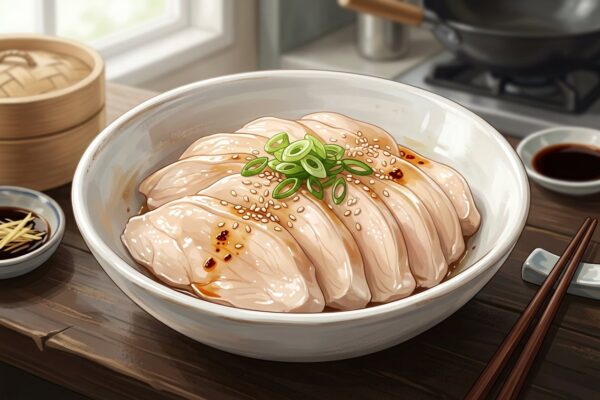
This classic Sichuan cold dish features poached chicken drenched in a complex sauce of chili oil, Sichuan peppercorn oil, soy sauce, vinegar, sugar, and sesame. The name literally translates to ”mouth-watering chicken” because the combination of flavors is so enticing it makes your mouth water just thinking about it. The Sichuan peppercorn oil is essential to the sauce.
Sichuan Peppercorn Beyond Chinese Cooking
While Sichuan peppercorn is most closely associated with Chinese cuisine, its culinary reach extends much further:
Japanese cuisine. Sansho, the Japanese relative of Sichuan peppercorn, is a standard condiment for grilled eel (unagi) and is one of the seven ingredients in shichimi togarashi, the beloved Japanese seven-spice blend. Young sansho leaves (kinome) are used as a garnish in spring dishes. Japanese cooks also use Sichuan peppercorn itself in Japanese-style mapo tofu, which has become one of the most popular home-cooked dishes in Japan.
Tibetan and Nepali cuisine. In the Himalayan region, timur (a local Zanthoxylum species) is used in pickles, chutneys, and meat dishes. Nepali cuisine uses it in masu (meat curries) and achaar (pickles).
Southeast Asian cuisine. Indonesian andaliman features prominently in the cuisine of the Batak people of North Sumatra, while various Zanthoxylum species are used across Thailand, Vietnam, and Myanmar in regional dishes.
Modern Western cooking. Chefs around the world have embraced Sichuan peppercorn for its unique sensory properties. It appears in cocktails, chocolates, ice creams, and even perfumes. The tingling sensation pairs surprisingly well with citrus desserts, dark chocolate, and gin-based drinks.
Five Spice Powder and Other Sichuan Peppercorn Blends
Sichuan peppercorn is a key component of several important spice blends:
Chinese five spice powder (wuxiang fen, 五香粉) traditionally combines Sichuan peppercorn with star anise, cloves, Chinese cinnamon (cassia), and fennel seeds. This blend is used in marinades, rubs, and braises throughout Chinese and Vietnamese cooking. The Sichuan peppercorn adds a subtle numbing warmth that distinguishes authentic five spice from imitations.
Mala spice mix is a blend of Sichuan peppercorn, dried red chilies, star anise, fennel seeds, bay leaves, cardamom, and other spices used as the base for hot pot broth and mala xiangguo (dry pot).
Sichuan peppercorn salt (jiaoyan, 椒盐) is simply a mix of toasted, ground Sichuan peppercorn and salt, used as a dipping condiment for fried foods. It is the traditional accompaniment to salt-and-pepper shrimp, crispy tofu, and other deep-fried dishes in Cantonese and Sichuan restaurants.
Common Mistakes When Using Sichuan Peppercorn
Avoid these pitfalls to get the best results from this spice:
Using too much too soon. If you are new to Sichuan peppercorn, start with small amounts. The numbing sensation can be overwhelming and even unpleasant in large doses for those unaccustomed to it. You can always add more, but you cannot take it away.
Not removing seeds and stems. The black seeds inside Sichuan peppercorn husks add bitterness and grittiness without contributing numbing flavor. Pick through your peppercorns and discard seeds and stems, especially if using them ground. High-quality peppercorns will have fewer seeds to begin with.
Burning them. Sichuan peppercorn burns quickly in hot oil, turning bitter and acrid. When blooming in oil, use medium-low heat and remove the peppercorns as soon as they are fragrant (usually 30 seconds to 1 minute). When toasting dry, keep the heat moderate and stir constantly.
Using stale peppercorns. Old Sichuan peppercorn loses its numbing potency and aromatic complexity. If your peppercorns do not make your lips tingle when you bite into one, they are too old. Replace them.
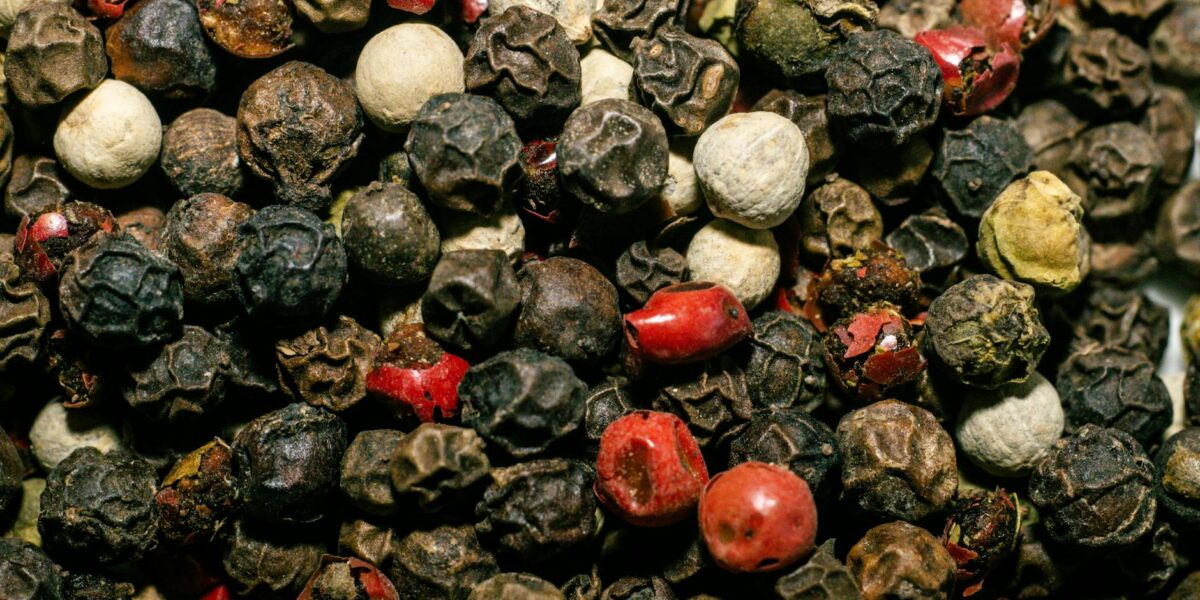
Confusing them with pink peppercorns. Pink peppercorns (from Schinus molle or Schinus terebinthifolia) look somewhat similar but are an entirely different spice with no numbing properties. Make sure you are buying the real thing from a reliable source.
Frequently Asked Questions About Sichuan Peppercorn
Is Sichuan peppercorn actually a pepper?
No. Despite the name, Sichuan peppercorn is not related to black pepper or chili peppers. It is the dried husk of the fruit from the prickly ash tree (Zanthoxylum), which belongs to the citrus family. The ”peppercorn” name comes from its small, round shape and its use as a spice.
Is Sichuan peppercorn spicy?
Sichuan peppercorn is not ”spicy” in the way chili peppers are. It does not produce a burning heat sensation. Instead, it creates a unique numbing and tingling sensation called ma. When paired with chili heat in mala dishes, the combination creates something far more complex than either spice alone.
Can I eat Sichuan peppercorn raw?
Yes, Sichuan peppercorn is safe to eat raw, and biting into a single husk is actually the best way to test its quality and freshness. However, the flavor and aroma are much better developed through toasting or cooking in oil.
What is the difference between Sichuan and Szechuan peppercorn?
Nothing — they are the same ingredient. ”Sichuan” is the modern pinyin romanization of the Chinese province name (四川), while ”Szechuan” is an older Wade-Giles romanization. You may also see ”Szechwan.” All refer to the same spice and the same Chinese province.
Is Sichuan peppercorn safe during pregnancy?
Sichuan peppercorn consumed in normal culinary amounts is generally considered safe during pregnancy. However, concentrated extracts or medicinal doses should be avoided. As with any dietary concern during pregnancy, consult your healthcare provider.
Where can I buy Sichuan peppercorn?
Sichuan peppercorn is available at most Asian grocery stores, specialty spice shops, and online retailers. Look for it in the spice aisle of Chinese supermarkets. For the freshest and highest quality, seek out brands that specify origin from Sichuan Province. Online Asian grocery stores often carry both red and green varieties.
How long does Sichuan peppercorn last?
Whole Sichuan peppercorns stored in an airtight container in a cool, dark place will retain good potency for about 6 to 12 months. Stored in the freezer, they can last up to 2 years. Ground Sichuan peppercorn loses potency much faster — use it within a few weeks for best results.
Can I grow my own Sichuan peppercorn?
Yes, Zanthoxylum trees can be grown in USDA hardiness zones 6-9. They are relatively low-maintenance, drought-tolerant once established, and can produce harvestable berries within 3 to 5 years. Several nurseries in the US sell seedlings. The trees are also attractive ornamentals with fragrant foliage.
Start Cooking with Sichuan Peppercorn
Sichuan peppercorn is one of those rare ingredients that can genuinely change the way you think about flavor. Its unique numbing sensation, complex aroma, and deep cultural history make it one of the most fascinating spices in the world. Once you start cooking with it, you will understand why it has been treasured in Chinese kitchens for over 3,000 years.
Start simple: toast a tablespoon of whole peppercorns, grind them, and sprinkle the powder over your next stir-fry. Try our mapo tofu recipe for the full mala experience, or add a handful to your next hot pot broth. Once you feel that first tingle, you will be hooked.

Mei Lin Chen
Mei Lin Chen is an Asian food writer and recipe developer. Melbourne-raised and London-based, she has spent over a decade exploring the rice paddies, hawker stalls, and home kitchens of South-East and East Asia. Her recipes balance traditional technique with everyday practicality.