Last updated: March 04, 2026
Dan dan noodles (担担面, dan dan mian) are one of Sichuan cuisine’s most iconic street food dishes — a bowl of slippery wheat noodles draped in a rich, spicy, nutty sauce made from chili oil, Sichuan peppercorns, sesame paste, and savory pork mince. The name comes from the shoulder poles (担担, dan dan) that street vendors once used to carry their portable noodle stalls through the alleys of Chengdu.
This dan dan noodles recipe gives you the real thing at home in about 30 minutes. We are talking proper doubanjiang, toasted Sichuan peppercorns, Chinese sesame paste, and a meat sauce packed with ya cai (Sichuan preserved mustard greens). The result is a bowl that hits every flavor note — spicy, numbing, savory, nutty, and slightly sweet — all in one bite.
Whether you have had dan dan noodles at your favorite Sichuan restaurant and want to recreate the experience, or you are discovering this dish for the first time, this guide walks you through every ingredient, technique, and variation you need to make restaurant-quality dan dan noodles in your own kitchen.
What Are Dan Dan Noodles?
Dan dan noodles are a classic Sichuan street food that dates back to the 1840s in Chengdu. The dish was originally sold by walking vendors who balanced two baskets on a bamboo pole across their shoulders — one basket held the noodles and sauce, the other held a charcoal stove and boiling water. The name literally translates to ”pole-carrying noodles.”
The traditional Chengdu version is quite different from what most Western restaurants serve. Authentic dan dan noodles are a dry noodle dish — a small portion of thin wheat noodles tossed in a concentrated sauce at the bottom of the bowl, not swimming in broth. The sauce combines soy sauce, chili oil, Sichuan pepper, Chinese sesame paste (or peanut butter), and a topping of spiced minced pork cooked with ya cai (preserved mustard greens).
What makes dan dan noodles special is the layering of flavors — the Sichuan concept of ”ma la” (numbing and spicy) combines with nutty sesame, fermented bean depth from doubanjiang, and the umami punch of preserved vegetables. Every component plays a role, and when tossed together, the result is far greater than the sum of its parts.
Ingredients for Dan Dan Noodles
This recipe serves 4 people. Here is everything you need, broken down by component.
The Sauce (Per Bowl)
| Ingredient | Amount | Notes |
|---|---|---|
| Chinese sesame paste (zhima jiang) | 1 tablespoon | Not tahini — Chinese sesame paste is made from toasted sesame seeds and has a deeper, nuttier flavor. If unavailable, use natural peanut butter as a substitute. |
| Chili oil with sediment | 1–2 tablespoons | Use a good Sichuan chili oil with the crispy chili flake sediment. Adjust to your heat preference. |
| Light soy sauce | 1 tablespoon | For salt and umami. Use Chinese light soy sauce, not Japanese. |
| Chinkiang black vinegar | 1 teaspoon | Adds a mellow acidity that balances the richness. Rice vinegar works in a pinch. |
| Sugar | 1/2 teaspoon | Rounds out the heat and acidity. |
| Ground Sichuan peppercorn | 1/4 to 1/2 teaspoon | Freshly toasted and ground is best. This provides the signature numbing ”ma” sensation. |
| Garlic, minced | 1 clove | Raw, finely minced. |
| Scallion, finely chopped | 1 tablespoon | White and light green parts. |
| Noodle cooking water | 2–3 tablespoons | Added when tossing to loosen the sauce. |
The Pork Topping
| Ingredient | Amount | Notes |
|---|---|---|
| Ground pork | 250 g (about 1/2 pound) | Not too lean — you want some fat for flavor. Ground chicken or turkey works as a lighter option. |
| Doubanjiang (Pixian chili bean paste) | 1 tablespoon | The soul of Sichuan cooking. Provides fermented, spicy, salty depth. |
| Ya cai (Sichuan preserved mustard greens) | 2 tablespoons | Finely chopped. If unavailable, use Tianjin preserved vegetable (dong cai) or sui mi ya cai. |
| Shaoxing wine | 1 tablespoon | Dry sherry works as a substitute. |
| Light soy sauce | 1 teaspoon | For seasoning the meat. |
| Vegetable oil | 1 tablespoon | For cooking. |
The Noodles
You need 400 g (14 oz) of thin, round wheat noodles. Fresh Chinese alkaline noodles are ideal — look for them in the refrigerated section of your Asian grocery store. Dried thin Chinese egg noodles or even dried spaghetti work as an acceptable backup. The key is a noodle that is thin enough to pick up the sauce and has some chew to it.
Essential Ingredients Explained
A few of these ingredients deserve extra context, especially if this is your first time cooking Sichuan food at home.
Chinese sesame paste (zhima jiang): This is not the same as Middle Eastern tahini. Chinese sesame paste is made from deeply toasted sesame seeds, giving it a much darker color and a more intense, almost smoky flavor. It is thick and tends to separate in the jar — stir it well before using. If you cannot find it, natural unsweetened peanut butter is the closest substitute, though the flavor will be different.
Sichuan peppercorns: These are not actually peppercorns but the dried husks of the prickly ash berry. They produce a unique tingling, numbing sensation on the tongue called ”ma” in Chinese. Toast them in a dry pan until fragrant, then grind with a mortar and pestle or spice grinder. Remove the black seeds if present — they are gritty and flavorless.
Doubanjiang: Pixian doubanjiang from Sichuan province is the gold standard. It is a coarsely ground paste of fermented broad beans and chili peppers, aged for one to eight years. It provides deep umami, moderate heat, and a distinctive fermented flavor that is impossible to replicate with other ingredients. Read our complete guide to doubanjiang for buying recommendations and substitutes.
Ya cai (preserved mustard greens): This Sichuan preserved vegetable adds a salty, slightly sweet crunch to the pork topping. It comes in small vacuum-sealed packets at Chinese grocery stores. Sui mi ya cai is the pre-chopped version that is ready to use. If you cannot find it, Tianjin preserved vegetable (dong cai) or even finely chopped zha cai (pickled mustard tuber) can work.
Chili oil: You can buy good Sichuan chili oil (like Lao Gan Ma or Fly By Jing) or make your own. The key is using an oil that includes the chili flake sediment — that is where much of the flavor and heat lives. Pour from the bottom of the jar, not the clear oil on top.
Step-by-Step Dan Dan Noodles Recipe
Total time: 25–30 minutes. Active cooking time: 20 minutes.
Step 1: Toast and Grind the Sichuan Peppercorns
Add 1 tablespoon of whole Sichuan peppercorns to a small dry skillet over medium-low heat. Toast for 2–3 minutes, shaking the pan frequently, until they become very fragrant and darken slightly. Transfer immediately to a plate to stop the cooking. Once cool, grind to a fine powder using a mortar and pestle or spice grinder. Pick out any black seeds before grinding — they add an unpleasant grittiness. Set the ground peppercorn aside.
Step 2: Prepare the Sauce Bowls
In each of your four serving bowls, add the sauce ingredients: 1 tablespoon sesame paste, 1–2 tablespoons chili oil (with sediment), 1 tablespoon light soy sauce, 1 teaspoon Chinkiang vinegar, 1/2 teaspoon sugar, 1/4 to 1/2 teaspoon ground Sichuan peppercorn, 1 clove minced garlic, and 1 tablespoon chopped scallion. Do not stir yet — you will toss everything together when the hot noodles and cooking water go in.
Preparing the sauce in the bowls first is the traditional method and ensures each serving is consistently seasoned. This is a common technique in Sichuan noodle shops.
Step 3: Cook the Pork Topping
Heat 1 tablespoon of vegetable oil in a wok or skillet over medium-high heat. Add the ground pork, breaking it into small crumbles with your spatula. Cook for 3–4 minutes until the pork is no longer pink and is starting to brown.
Push the pork to the side and add the doubanjiang to the cleared space in the pan. Fry the doubanjiang for about 30 seconds, stirring it in the oil, until it becomes fragrant and the oil turns red. This step is called ”chao xiang” (stir-frying until fragrant) and is critical — it blooms the flavors of the fermented paste.
Mix the doubanjiang into the pork, then add the ya cai and Shaoxing wine. Stir-fry for another 1–2 minutes until the wine evaporates and the ya cai is heated through. Season with 1 teaspoon of light soy sauce. The pork should be deeply browned, crumbly, and intensely savory. Remove from heat and set aside.
Step 4: Boil the Noodles
Bring a large pot of water to a rolling boil. Cook the noodles according to the package directions — fresh noodles usually take 2–3 minutes, dried noodles 5–7 minutes. You want them just cooked through with a slight chew (al dente). Do not overcook — the noodles will continue to absorb moisture from the sauce.
Before draining, reserve about 1 cup of the starchy noodle cooking water. This liquid is essential for loosening the sauce and helping it cling to the noodles.
Step 5: Assemble the Bowls
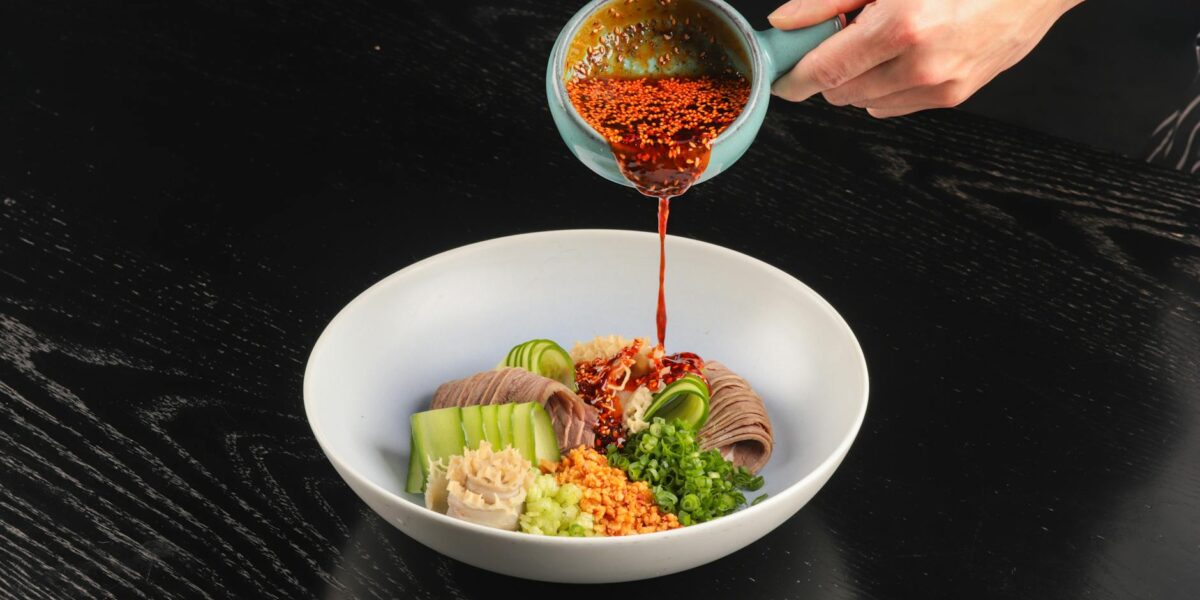
Add 2–3 tablespoons of hot noodle cooking water to each prepared sauce bowl. Divide the drained noodles among the four bowls. Top each bowl with a generous spoonful of the pork topping.
Garnish with chopped scallion greens, a drizzle of additional chili oil, and a sprinkle of roasted peanuts if desired. Serve immediately.
Step 6: Toss and Eat
Here is the most important step — and the one most people skip. Before eating, use your chopsticks to thoroughly toss and mix the noodles with the sauce at the bottom of the bowl. Every strand should be coated. The sauce, noodle water, and pork topping should form a cohesive, glossy coating on the noodles. Taste and adjust — add more chili oil for heat, more vinegar for brightness, or more soy sauce for salt. Then eat while it is hot.
Tips for the Best Dan Dan Noodles
After testing this recipe dozens of times, here are the details that make the biggest difference.
Use fresh Sichuan peppercorns: Sichuan peppercorns lose their numbing potency quickly once ground. Buy whole peppercorns and toast and grind them fresh each time. If your peppercorns do not make your tongue tingle, they are too old — replace them. Store whole peppercorns in a sealed container in the freezer for maximum shelf life.
Do not skip the ya cai: Many Western recipes leave out the preserved mustard greens, but ya cai is what gives the pork topping its distinctive Sichuan character. It adds a salty, slightly fermented crunch that balances the richness of the meat. It is available online if your local Asian grocery does not carry it.
Bloom the doubanjiang: Frying the doubanjiang in oil before mixing it with the pork is non-negotiable. This step transforms its raw, salty flavor into something rounded, fragrant, and complex. Give it at least 30 seconds in hot oil, stirring constantly so it does not burn.
Starchy noodle water matters: The starchy water from cooking the noodles acts as an emulsifier, helping the sauce cling to each strand instead of pooling at the bottom of the bowl. Always reserve some before draining.
Mise en place everything: This dish comes together fast once you start cooking. Have all your sauce ingredients measured into the bowls, your ya cai chopped, your garlic minced, and your noodle water boiling before you touch the wok. Being ready means less stress and better results.
Serve immediately: Dan dan noodles are best eaten right away. The noodles absorb the sauce as they sit, and the texture goes from silky to sticky within minutes. Do not let the bowls sit while you plate garnishes.
Variations and Adaptations
The recipe above is the traditional Chengdu dry-style dan dan noodles. But there are plenty of ways to adapt it to different tastes and dietary needs.
Soupy Dan Dan Noodles
Many restaurants outside Sichuan serve dan dan noodles in a broth. To make this version, prepare the sauce as written, then add 3/4 cup of hot chicken or pork broth to each bowl instead of just noodle water. The result is a more soup-like dish that is slightly less intense but very comforting. This is actually the version most popular in the United States and is sometimes called ”dan dan noodle soup.”
Vegetarian and Vegan Dan Dan Noodles
Replace the ground pork with crumbled firm tofu or reconstituted textured vegetable protein (TVP). Use mushroom-based doubanjiang or check that your doubanjiang does not contain shrimp. Swap the soy sauce for tamari if needed. Add extra ya cai or finely chopped shiitake mushrooms for umami depth. The noodle sauce itself is naturally vegan if you use vegan-friendly chili oil.
Peanut Butter Dan Dan Noodles
If you cannot find Chinese sesame paste, natural creamy peanut butter is a common substitute. Some versions lean into this and add an extra tablespoon of peanut butter for a richer, nuttier sauce. Top with crushed roasted peanuts for added crunch. This is not traditional, but it is delicious and very popular in American adaptations.
Milder Version
For those who are sensitive to spice, reduce the chili oil to 1 teaspoon per bowl, cut the Sichuan peppercorn by half, and use a mild doubanjiang or omit it entirely (add a bit of regular miso paste for umami instead). You will lose some authenticity, but the nutty sesame base is delicious on its own.
Different Proteins
Ground chicken, turkey, or lamb all work well in the pork topping. Lamb is especially good if you enjoy a richer, gamier flavor — it pairs beautifully with Sichuan peppercorn and cumin. You can also use raw shrimp, chopped and stir-fried, for a seafood version.
Dan Dan Noodles vs. Tan Tan Ramen
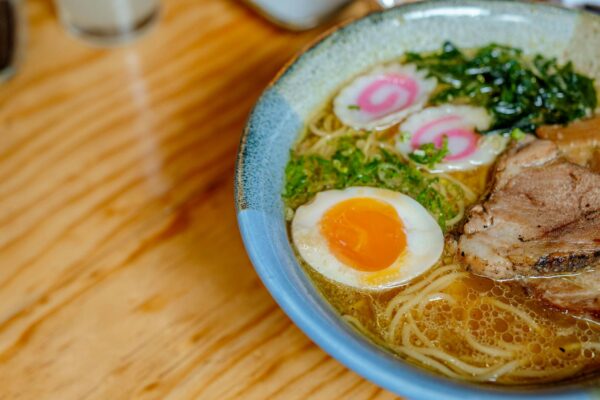
If you have been to a Japanese ramen shop, you may have seen ”tan tan men” or ”tantanmen” on the menu. This is Japan’s adaptation of Sichuan dan dan noodles, and the two are quite different despite sharing a name.
Japanese tantanmen is a ramen-style dish served in a rich, creamy broth — often made with sesame paste, pork or chicken stock, and soy milk or dashi. The noodles are thicker ramen-style alkaline noodles, and the toppings usually include bok choy, ground pork, and a soft-boiled egg. The spice level is typically milder, with less emphasis on Sichuan peppercorn numbing.
Authentic Sichuan dan dan noodles, by contrast, are a dry noodle dish with a concentrated sauce, thin wheat noodles, and a much more assertive flavor profile. Both are delicious — they are just different dishes with a common ancestor.
The History and Culture of Dan Dan Noodles
Dan dan noodles have a history stretching back nearly 200 years. The dish is widely attributed to a Chengdu street vendor in the 1840s who carried his noodle stall on a bamboo pole — a common method for mobile food vendors in China at the time. The two baskets balanced on the pole contained everything needed: a small stove, boiling water, noodles, and the sauce ingredients.
The dish belongs to Sichuan’s ”xiao chi” (small eats) tradition — a category of affordable, flavorful street snacks that are not considered a full meal. Traditional servings were small, just a few bites, and a customer might eat two or three bowls rather than one large portion. This is why authentic dan dan noodles from Chengdu often come in small bowls that seem surprisingly modest compared to the heaping portions served at Chinese-American restaurants.
The dish gained national fame in China during the 20th century as Sichuan cuisine spread beyond the province. It became one of the signature dishes that defined Sichuan cooking for the rest of the country, alongside mapo tofu, kung pao chicken, and twice-cooked pork.
In the West, dan dan noodles became widely known through the work of Sichuan cuisine advocates like Fuchsia Dunlop, whose cookbooks introduced English-speaking audiences to authentic Sichuan recipes. Today, the dish is a staple on menus at Sichuan restaurants worldwide and has become one of the most searched Chinese noodle recipes online.
Nutritional Information
Approximate nutritional values per serving (1 of 4 bowls), based on the standard recipe with pork topping. Values will vary based on specific ingredients, noodle brand, and how much chili oil you use.
| Nutrient | Amount Per Serving | % Daily Value |
|---|---|---|
| Calories | 520 kcal | 26% |
| Total Fat | 24 g | 31% |
| Saturated Fat | 5 g | 25% |
| Cholesterol | 45 mg | 15% |
| Sodium | 980 mg | 43% |
| Total Carbohydrates | 52 g | 19% |
| Dietary Fiber | 3 g | 11% |
| Sugars | 3 g | — |
| Protein | 22 g | 44% |
| Iron | 3.5 mg | 19% |
| Calcium | 85 mg | 7% |
| Vitamin A | 350 IU | 7% |
Dan dan noodles are a moderately calorie-dense dish due to the chili oil and sesame paste. The protein content is solid thanks to the pork topping. To reduce calories, use less chili oil and sesame paste, or increase the vegetable toppings. For a lower-sodium version, reduce the soy sauce and use low-sodium broth if making the soup variation.
Storage and Make-Ahead Tips
Dan dan noodles are best eaten immediately, but here is how to handle leftovers and meal prep.
Store components separately: If you plan to meal prep, keep the pork topping, sauce, and cooked noodles in separate containers in the refrigerator. Tossing them together ahead of time results in mushy, clumped noodles.
Pork topping: Stores well in an airtight container in the refrigerator for up to 4 days or in the freezer for up to 2 months. Reheat in a skillet or microwave.
Sauce: You can pre-mix the sauce (minus the noodle water and raw garlic) and store it in a jar in the refrigerator for up to 1 week. Add the garlic and hot noodle water when assembling fresh.
Noodles: Cooked noodles do not store well — they become sticky and lose their texture. Cook fresh noodles for each serving. If you must store them, toss with a small amount of sesame oil to prevent clumping and refrigerate for no more than 1 day.
Batch cooking the pork: The pork topping is excellent for meal prep. Make a double or triple batch and freeze it in individual portions. On a busy weeknight, you can have dan dan noodles on the table in the time it takes to boil water and cook noodles — just assemble the sauce in bowls, cook fresh noodles, and reheat the frozen pork.
Where to Buy the Ingredients
Most of these ingredients are available at well-stocked Asian grocery stores. Here is where to find the harder-to-source items.
Chinese sesame paste: Look in the condiment aisle of any Chinese grocery store, near the soy sauce and vinegar. Common brands include Wang Zhihe and Liubiju. Online, you can find it at Umami Cart and other Asian grocery delivery services.
Sichuan peppercorns: Available at most Asian grocery stores in the spice section. Look for ones that are bright reddish-pink — dull, dark ones are past their prime. Store in the freezer to maintain potency.
Ya cai: This is the trickiest ingredient to find. Look for small vacuum-sealed packets labeled ”ya cai” or ”sui mi ya cai” at Chinese grocery stores. It is often shelved with pickled and preserved vegetables. If you are shopping online, search for ”Yibin ya cai” — Yibin is the city in Sichuan famous for producing it.
Doubanjiang: Pixian doubanjiang is available at virtually all Chinese grocery stores. The most widely available brand is Juan Cheng. Check our doubanjiang guide for detailed buying advice.
Chinkiang vinegar: Also called ”black vinegar” or ”Zhenjiang vinegar.” Available at any Chinese grocery store, usually near the soy sauce. The most common brand has a distinctive brown bottle with a yellow label.
Frequently Asked Questions
What does dan dan noodles taste like?
Dan dan noodles are a complex combination of spicy (from chili oil and doubanjiang), numbing (from Sichuan peppercorn), nutty (from sesame paste), savory and umami (from soy sauce, pork, and preserved vegetables), slightly sweet, and tangy (from black vinegar). The overall impression is rich, deeply savory, and warming, with a tingling heat that builds gradually. It is one of the most flavorful noodle dishes in any cuisine.
Are dan dan noodles very spicy?
Traditional dan dan noodles are moderately spicy with a numbing quality from Sichuan peppercorn. The heat is adjustable — use less chili oil and peppercorn for a milder version, or increase them for more fire. The sesame paste and noodles help temper the spice, so even the full-heat version is manageable for most people who enjoy spicy food.
Can I use tahini instead of Chinese sesame paste?
You can, but the flavor will be different. Tahini is made from raw or lightly toasted sesame seeds and has a more bitter, lighter flavor. Chinese sesame paste uses deeply roasted seeds and is richer and more intensely nutty. If using tahini, add a bit of toasted sesame oil to compensate. Natural peanut butter is actually a closer flavor match than tahini for this dish.
What noodles are best for dan dan noodles?
Fresh thin Chinese wheat noodles are the traditional choice. In Chengdu, vendors use thin, round noodles with a slightly chewy texture. If you cannot find fresh Chinese noodles, dried thin Chinese egg noodles are the next best option. In a pinch, dried spaghetti or angel hair pasta works surprisingly well — the sauce does not discriminate. Avoid rice noodles, which have a different texture that does not work as well with this sauce.
What is ya cai and can I skip it?
Ya cai is a Sichuan preserved mustard green from Yibin, China. It has a salty, slightly sweet, and lightly fermented flavor. While you can technically make dan dan noodles without it, ya cai adds an authentic layer of flavor and textural contrast that is hard to replicate. Tianjin preserved vegetable (dong cai) or finely chopped zha cai are the best substitutes. In a pinch, finely diced kimchi that has been rinsed of excess liquid can add a similar fermented, salty element.
Can I make dan dan noodles ahead of time?
You can prep the pork topping and sauce mixture ahead of time, but cook the noodles fresh for each serving. See the Storage and Make-Ahead Tips section above for detailed meal prep instructions. The pork topping freezes beautifully for up to 2 months.
How do I make this dish gluten-free?
Use rice noodles or sweet potato glass noodles instead of wheat noodles. Replace the soy sauce with tamari (check the label for gluten-free certification). The doubanjiang and Shaoxing wine both contain wheat — for gluten-free versions, use a gluten-free bean paste or miso paste and substitute dry sherry for the Shaoxing wine. The sesame paste, chili oil, and vinegar are naturally gluten-free.
Is this the same as ”Chinese peanut noodles”?
Not exactly, though they are related. Many American-Chinese restaurants serve a dish called ”sesame noodles” or ”peanut noodles” that is inspired by dan dan noodles but simplified — usually cold noodles tossed in peanut butter, soy sauce, and sesame oil without the Sichuan peppercorn, doubanjiang, or ya cai. Authentic dan dan noodles are served hot, use sesame paste (not peanut butter), and have a more complex, layered flavor profile with the signature numbing spice.
More Sichuan and Chinese Noodle Recipes
If you love dan dan noodles, explore these related recipes and guides:
- Mapo Tofu Recipe (Authentic Sichuan) — the other pillar of Sichuan home cooking, featuring the same ma la flavor profile.
- Kung Pao Chicken Recipe — another Sichuan classic with peanuts, dried chilies, and Sichuan peppercorn.
- Lo Mein Recipe (15-Minute Dinner) — a quick and easy Chinese noodle dish for weeknights.
- What Is Doubanjiang? — our complete guide to the chili bean paste that gives dan dan noodles their soul.
- What Is Wok Hei? — understand the breath of the wok and how it elevates stir-fried dishes.
- Chinese Recipes: 30 Authentic Dishes to Cook at Home — our full collection of Chinese recipes from across the country.

Mei Lin Chen
Mei Lin Chen is an Asian food writer and recipe developer. Melbourne-raised and London-based, she has spent over a decade exploring the rice paddies, hawker stalls, and home kitchens of South-East and East Asia. Her recipes balance traditional technique with everyday practicality.