Last updated: March 07, 2026
Making ramen broth from scratch is one of the most rewarding techniques in Japanese cooking. While a bowl of instant ramen takes minutes, an authentic ramen broth requires patience, quality ingredients, and an understanding of how bones, fat, and aromatics transform into something deeply satisfying. This complete guide walks you through every style of ramen broth — from rich, creamy tonkotsu to clear, elegant chintan — with step-by-step instructions, troubleshooting tips, and recipes to put your broth to work.
Whether you are a home cook trying ramen broth for the first time or a seasoned noodle enthusiast looking to refine your technique, this guide covers the equipment, ingredients, timing, and science you need to produce restaurant-quality ramen broth in your own kitchen.
What Makes Ramen Broth Different from Other Stocks
Ramen broth is not the same as Western stock or even traditional Japanese dashi. While dashi relies on quick extraction from kombu and bonito flakes, ramen broth is built through prolonged cooking that extracts collagen, marrow, fat, and minerals from bones. The result is a broth with body, richness, and a lip-coating texture that no quick stock can replicate.
Three elements define a great ramen broth: the base stock (made from bones and/or meat), the tare (a concentrated seasoning blend), and the aromatic oil or fat. When these three components combine in the bowl, they create the layered depth of flavor that makes ramen so compelling. Understanding this three-part system is the foundation of ramen broth mastery.
Ramen broth also differs in intensity. A good chicken stock for Western cooking might simmer for four hours. Tonkotsu ramen broth can simmer for 12 to 18 hours. This extended cooking breaks down collagen into gelatin, which gives the broth its signature viscosity. The broth should be so rich that it solidifies into jelly when refrigerated — that is how you know you have extracted enough gelatin.
The Four Main Types of Ramen Broth
Japanese ramen broth falls into two broad categories based on clarity: chintan (clear broth) and paitan (opaque, emulsified broth). Within these categories, the type of bones used creates further variation. Here are the four main styles every ramen maker should understand.
| Broth Type | Base Ingredients | Appearance | Cooking Time | Key Characteristic |
|---|---|---|---|---|
| Tonkotsu (Pork Bone) | Pork leg bones, neck bones, trotters | Milky white, opaque | 12–18 hours | Creamy, rich, collagen-heavy |
| Tori Paitan (Chicken) | Whole chicken carcasses, feet, wings | Creamy white to golden | 6–10 hours | Lighter than tonkotsu but still creamy |
| Tori Chintan (Clear Chicken) | Chicken carcasses, vegetables | Golden, clear | 4–6 hours | Clean, elegant, delicate |
| Gyokai (Seafood) | Dried fish, niboshi, kombu, bonito | Light amber, clear | 30 min–2 hours | Smoky, oceanic, umami-rich |
Many ramen shops use a double or even triple soup approach, blending a pork or chicken base with a secondary seafood broth. This technique, called daburu supu (double soup), was popularized by shops like Taishoken in Tokyo and creates extraordinary complexity.
Essential Equipment for Making Ramen Broth
You do not need specialized restaurant equipment to make excellent ramen broth at home. However, a few key pieces of equipment make the process much easier and produce better results.
Large stockpot (12-quart minimum): Ramen broth requires a large volume of bones and water. A 12-quart pot works for a single batch. For tonkotsu, where you need to maintain a rolling boil for hours, a heavy-bottomed pot prevents scorching.
Fine mesh strainer and cheesecloth: Straining is critical for achieving the right clarity in chintan broths. A fine mesh strainer catches large particles, and a cheesecloth-lined pass removes the finest sediment.
Spider skimmer: Essential for removing scum and impurities that rise to the surface during the initial blanching and early simmering stages. A wide, flat spider skimmer covers more surface area than a regular slotted spoon.
Kitchen scale: Ramen broth benefits from precision. Weighing your bones, water, and tare ingredients produces consistent results batch after batch.
Pressure cooker or Instant Pot (optional): A pressure cooker can reduce tonkotsu cooking time from 12–18 hours to 2–4 hours. The high-pressure environment extracts collagen rapidly. While purists prefer the traditional method, a pressure cooker is a practical shortcut for weeknight ramen.
Blender or immersion blender (for paitan): For creamy paitan broths, an immersion blender helps emulsify the fat and gelatin into a smooth, homogeneous mixture. This step is optional but creates a silkier final texture.
How to Make Tonkotsu Ramen Broth (Step by Step)
Tonkotsu is the king of ramen broths — a creamy, pork-bone broth that originated in Fukuoka on Japan’s Kyushu island. The technique requires time but is straightforward. Here is the complete method.
Ingredients (yields approximately 3 quarts):
- 4 pounds pork leg bones (femur), cut into 3-inch pieces
- 2 pounds pork neck bones
- 1 pound pork trotters (feet), split
- 1 large onion, halved
- 1 head garlic, halved crosswise
- 2-inch piece fresh ginger, sliced
- 4 quarts cold water (plus more for blanching)
Step 1: Blanch the bones. Place all bones in the stockpot and cover with cold water. Bring to a rolling boil over high heat. Boil for 10 minutes. The water will turn dark brown with blood and impurities. Drain the bones, rinse each piece thoroughly under running water, and scrub away any dark bits clinging to the surface. Clean the pot as well. This blanching step is essential — it removes blood proteins that would otherwise make the broth murky and bitter.
Step 2: Start the broth. Return the cleaned bones to the clean pot. Add 4 quarts of cold water. Bring to a boil over high heat. Once boiling, reduce the heat to maintain a strong, rolling simmer. Unlike chintan broths, tonkotsu requires vigorous boiling to emulsify the fat and collagen into the broth. The agitation is what creates the signature milky white color.
Step 3: Skim and maintain the boil. During the first hour, skim any foam or scum that rises to the surface. After the first hour, the scum production will slow significantly. Maintain the rolling boil, adding hot water as needed to keep the bones submerged. Never add cold water, as this can shock the broth and slow the emulsification process.
Step 4: Add aromatics. After 8 hours of boiling, add the onion, garlic, and ginger. Adding aromatics too early can make them bitter. Eight hours in, the broth has already developed its base flavor and the aromatics provide a finishing layer.
Step 5: Check for doneness. After 12 to 18 hours total cooking time, the broth should be opaque white and thick enough to coat the back of a spoon. Dip a spoon in and run your finger through it — the broth should leave a clear trail. If it is still thin, continue cooking.
Step 6: Strain and store. Strain through a fine mesh strainer, pressing the solids gently to extract maximum liquid. Discard the spent bones. Cool the broth rapidly by placing the pot in an ice bath. Refrigerate overnight. The broth will set into a firm jelly — this is exactly what you want.
How to Make Clear Chicken Broth (Tori Chintan)
If tonkotsu is bold and assertive, tori chintan is refined and elegant. This clear chicken broth is the backbone of shoyu (soy sauce) and shio (salt) ramen styles. The technique prioritizes gentle simmering to keep the broth transparent.
Ingredients (yields approximately 3 quarts):
- 4 pounds chicken carcasses (backs, necks, wings)
- 1 pound chicken feet (for gelatin)
- 1 large onion, quartered
- 2 scallions, whole
- 1-inch piece fresh ginger, sliced
- 4 quarts cold water
Step 1: Blanch the chicken. Just like tonkotsu, blanch the carcasses and feet in boiling water for 5 minutes. Drain, rinse, and clean the pot.
Step 2: Build the broth gently. Return blanched chicken to the clean pot with 4 quarts cold water. Bring to a bare simmer over medium heat — you want tiny bubbles breaking the surface, not a boil. This is the critical difference from tonkotsu. Boiling will make the broth cloudy.
Step 3: Skim diligently. For the first 30 minutes, skim every few minutes. Clarity requires diligence. Every bit of scum you remove is cloudiness you prevent.
Step 4: Add aromatics after 1 hour. Add the onion, scallions, and ginger. Continue simmering gently for 3 to 5 more hours. The total cooking time should be 4 to 6 hours.
Step 5: Strain carefully. Strain through a cheesecloth-lined fine mesh strainer. Do not press the solids — let gravity do the work. Pressing forces particles through the strainer and clouds the broth. You may sacrifice a little yield for superior clarity.
A well-made tori chintan should be golden and clear enough to read through. When refrigerated, it should set into a soft, trembling jelly.
Understanding Tare: The Seasoning Base
The broth alone is not the complete picture. Tare (pronounced tah-reh) is the concentrated seasoning that transforms unseasoned stock into ramen broth. Tare is placed in the bottom of the bowl before the hot broth is ladled over it. There are three main types.
Shoyu tare (soy sauce base): The most classic ramen seasoning. Combine 1 cup soy sauce, 2 tablespoons mirin, 1 tablespoon sake, and 1 tablespoon sugar. Simmer for 5 minutes and cool. Some shops add dried shiitake, kombu, or niboshi to the tare for extra umami depth.
Shio tare (salt base): More than just salt water. A proper shio tare uses multiple mineral-rich salts, dried seafood, and sake. Combine 3 tablespoons fine sea salt, 1 tablespoon sake, 1 tablespoon mirin, and a 2-inch piece of kombu simmered in 1/2 cup water. The kombu provides glutamic acid that enhances the broth’s natural umami.
Miso tare: Blend 1/2 cup white or red miso with 2 tablespoons sesame oil, 1 tablespoon sake, 1 tablespoon sugar, and 1 teaspoon grated garlic. Miso tare adds body and a fermented savoriness that pairs especially well with rich tonkotsu broth.
The standard ratio is approximately 1.5 to 2 tablespoons of tare per bowl (roughly 300 ml of broth). Adjust to taste — the tare should enhance the broth’s natural flavor without overpowering it.
Aromatic Oils and Fats (Kaeshi)
The third pillar of ramen broth is the aromatic oil or fat that floats on top. This layer provides aroma, richness, and an additional flavor dimension. Here are the most common options.
Rendered pork back fat (pork lard): The traditional choice for tonkotsu ramen. Slowly render pork back fat over low heat until the solid pieces become crispy cracklings. The liquid fat adds richness and helps the broth retain heat in the bowl.
Chicken schmaltz: Rendered chicken fat is lighter than pork lard and works beautifully with chintan broths. Save the fat skimmed from your chicken broth — it is already flavored.
Mayu (black garlic oil): A signature topping for Kumamoto-style ramen. Slowly fry thinly sliced garlic in sesame oil until black and charred, then blend until smooth. The oil adds a deep, slightly bitter, intensely savory note.
Negi oil (scallion oil): Fry sliced scallions in neutral oil over medium heat until deeply browned. Strain. The oil takes on a sweet, allium fragrance that brightens any bowl of ramen.
Add 1 to 2 tablespoons of your chosen oil to the bowl before ladling in the broth. The oil creates a glistening layer that insulates the broth and delivers aroma with every sip.
Common Mistakes When Making Ramen Broth
Ramen broth is simple in concept but demanding in execution. Here are the most common mistakes and how to avoid them.
| Mistake | Why It Happens | How to Fix It |
|---|---|---|
| Broth is cloudy (chintan) | Boiled too aggressively or pressed solids when straining | Keep heat at a bare simmer; strain without pressing |
| Broth is thin and watery | Too much water or not enough bones | Use a 1:1 ratio of bones to water by weight; reduce by simmering longer |
| Tonkotsu is not white | Heat was too low — fat did not emulsify | Maintain a strong rolling boil throughout |
| Broth tastes bitter | Aromatics added too early and overcooked, or scum not removed | Add aromatics in the last third of cooking; skim thoroughly |
| Broth has off flavors | Bones were not properly blanched | Always blanch, rinse, and scrub bones before starting the broth |
| Broth does not gel when chilled | Not enough collagen-rich bones (feet, trotters, knuckles) | Add at least 20% collagen-rich cuts to your bone mix |
| Broth is too salty | Tare ratio is too high | Start with 1 tablespoon tare per bowl and increase gradually |
| Surface has dark scum layer | Blood proteins not removed during blanching | Blanch for a full 10 minutes and scrub bones clean |
Practice Exercises to Build Your Ramen Broth Skills
Like any technique, ramen broth-making improves with practice. Here are progressive exercises that build your skills from beginner to advanced.
Exercise 1: Quick chicken chintan (Beginner, 4 hours). Start with a simple clear chicken broth. Use 2 pounds of chicken backs and 1 pound of chicken feet. Focus on maintaining a gentle simmer and skimming diligently. Your goal is a clear, golden broth that gels when chilled. This teaches temperature control and patience.
Exercise 2: Shoyu ramen assembly (Beginner, 30 minutes plus broth time). Using your chicken chintan, make a basic shoyu tare. Assemble a complete bowl: tare in the bowl, broth ladled over, topped with cooked ramen noodles, a soft-boiled egg, and sliced scallions. This exercise teaches the assembly system and helps you calibrate your tare ratios.
Exercise 3: Overnight tonkotsu (Intermediate, 12–18 hours). Commit to a full tonkotsu broth. Plan to start on a Saturday morning. Focus on maintaining the boil, adding water as it evaporates, and learning the visual cues of proper emulsification. By hour 10, the broth should start turning milky. Compare the texture at 12 hours versus 16 hours.
Exercise 4: Tare comparison (Intermediate, 1 hour). Make all three tare types — shoyu, shio, and miso. Split a batch of chicken broth into three portions and season each with a different tare. Taste them side by side. This teaches you how dramatically tare changes the personality of the same base broth.
Exercise 5: Double soup technique (Advanced, full day). Make both a pork or chicken base and a separate gyokai (seafood) broth using dried sardines, kombu, and bonito. Blend them at different ratios — 70/30, 50/50, 30/70 — and taste the difference. This is how many top ramen shops build their signature flavor.
Advanced Tips for Restaurant-Quality Ramen Broth
Once you have the fundamentals down, these advanced techniques will elevate your ramen broth to the next level.
Toast your bones first. Before blanching, roast pork or chicken bones at 400°F (200°C) for 30 minutes. This Maillard reaction adds depth and a roasted sweetness that raw bones cannot provide. This technique is especially effective for tori paitan.
Use a pressure cooker for weeknight tonkotsu. After blanching, cook bones in a pressure cooker on high for 2 to 3 hours. Release pressure, then boil vigorously on the stove for 30 minutes to emulsify. This method produces about 80% of the depth of the traditional long-simmer method in a fraction of the time.
Layer your umami sources. The best ramen broths use multiple umami sources that amplify each other through a phenomenon called umami synergy. Combining glutamate (from kombu, soy sauce, and miso) with inosinate (from bonito, chicken, and pork) and guanylate (from dried shiitake mushrooms) creates a perceived umami that is far greater than any single source. Learn more about this in our guides to miso and koji.
Make a chashu braising liquid tare. After braising your soy sauce-based chashu pork, the braising liquid becomes an incredibly complex tare. It contains pork fat, caramelized soy, and slow-cooked aromatics. Reduce it slightly and use it as your bowl seasoning for double-duty flavor.
Age your tare. Like a good sourdough starter, shoyu tare improves over time. Some ramen shops maintain their tare for months or even years, adding to it incrementally. The aging process develops complex fermented flavors. Start by making a large batch and using it over several weeks, topping it off with fresh tare as needed.
Control your water-to-bone ratio carefully. For tonkotsu, aim for a 1:1 ratio by weight (e.g., 7 pounds of bones to 7 pounds or roughly 3.5 quarts of water). For chintan, use a 1:1.5 to 1:2 ratio. Too much water dilutes flavor; too little means you will need to keep adding water during cooking, which also dilutes flavor.
Three Recipes Using Your Homemade Ramen Broth
Now that you can make great broth, here are three recipes that showcase different styles.
Classic Tonkotsu Shoyu Ramen
This Hakata-inspired bowl combines your creamy tonkotsu broth with shoyu tare for a rich, savory ramen.
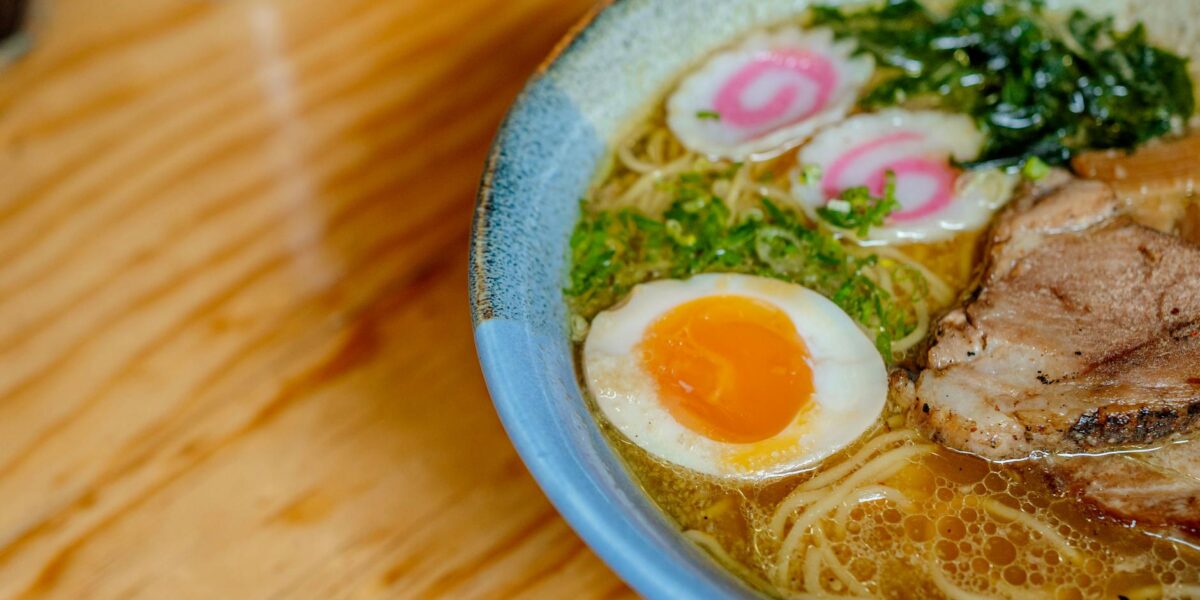
Per bowl: Place 1.5 tablespoons shoyu tare and 1 tablespoon rendered pork fat in the bowl. Ladle in 1.5 cups hot tonkotsu broth and stir to combine. Add cooked thin, straight ramen noodles. Top with two slices of chashu pork, a soft-boiled ajitsuke tamago (marinated egg), sliced scallions, a sheet of nori, and a sprinkle of white sesame seeds.
Clear Chicken Shio Ramen
A delicate, refined bowl that lets the chicken broth shine.
Per bowl: Place 1.5 tablespoons shio tare and 1 tablespoon chicken schmaltz in the bowl. Ladle in 1.5 cups hot tori chintan. Add cooked medium-wavy noodles. Top with sliced chicken breast (poached in the broth for the final 20 minutes of simmering), menma (seasoned bamboo shoots), thinly sliced scallions, and a yuzu zest garnish.
Miso Ramen with Black Garlic Oil
A rich, bold bowl with layers of fermented flavor. This style is inspired by Sapporo’s famous miso ramen shops.
Per bowl: Heat a small saucepan and sauté 1 tablespoon minced garlic, 1 tablespoon minced ginger, and 1 teaspoon doubanjiang in sesame oil until fragrant. Add 2 tablespoons miso tare and stir for 30 seconds. Ladle in 1.5 cups hot tonkotsu or tori paitan broth and stir to dissolve the miso. Pour into the bowl. Add cooked thick, curly noodles. Top with ground pork stir-fried with garlic, corn kernels, butter, bean sprouts, nori, and a drizzle of mayu (black garlic oil).
How to Store and Freeze Ramen Broth
Ramen broth is a significant time investment, so proper storage is essential to make the most of every batch.
Refrigerator: Store broth in airtight containers for up to 5 days. The broth will solidify into jelly — this is normal and desirable. Simply reheat and it returns to liquid form. The fat cap that forms on top acts as a natural seal, extending freshness.
Freezer: Ramen broth freezes beautifully for up to 3 months. For convenience, freeze in single-serving portions (about 1.5 to 2 cups per container). Ice cube trays work well for small amounts of tare and aromatic oil. Label everything with the date and type.
Reducing for storage: To save freezer space, reduce your strained broth by half over medium heat. This concentrated broth takes up less space and can be diluted with water when you are ready to use it. Note the reduction ratio on the label.
Store tare separately. Tare keeps for weeks in the refrigerator and months in the freezer. Keeping it separate from the broth gives you flexibility to mix and match broths and tare styles when assembling bowls.
Ramen Broth Variations by Region
Japan’s regional ramen styles each developed their own approach to broth, reflecting local ingredients and tastes. Understanding these regional differences gives you a broader palette to draw from.
Hakata (Fukuoka): The birthplace of tonkotsu ramen. The broth is boiled aggressively to achieve maximum creaminess. Noodles are thin and straight, served with minimal toppings. The kaedama system lets diners order extra noodles to add to remaining broth.
Sapporo (Hokkaido): Known for miso ramen. The cold northern climate inspired a rich, warming bowl. Sapporo-style often features stir-fried vegetables and ground pork added directly to the broth. Corn and butter are signature toppings.
Tokyo: A balanced approach using a chicken and pork double broth seasoned with shoyu tare. Tokyo-style ramen is less extreme than Hakata or Sapporo — it aims for harmony rather than intensity. Curly medium noodles are standard.
Kitakata (Fukushima): One of Japan’s top three ramen cities. The broth is a clear pork and niboshi (dried sardine) combination seasoned with shoyu. The flat, wide, curly noodles have a high hydration that gives them a distinctive chewy texture.
Wakayama: A lesser-known style featuring a tonkotsu-shoyu hybrid — creamy pork bone broth seasoned with a soy-based tare. Often served with hayazushi (pressed mackerel sushi) on the side.
Adapting Ramen Broth for Dietary Needs
Traditional ramen broth relies on animal bones, but excellent plant-based versions exist for those who need them.
Vegetarian/vegan ramen broth: Build umami with roasted soy milk (heated until it develops a skin), kombu, dried shiitake, roasted onion, garlic, and white miso. Soy milk provides the creaminess of a paitan broth. Tahini stirred into the tare adds richness and body. Some shops use cashew cream blended with mushroom stock for an impressively convincing vegan tonkotsu.
Low-sodium options: Use reduced-sodium soy sauce in your shoyu tare and increase umami through kombu and mushrooms rather than salt. The glutamic acid in kombu enhances perceived saltiness without adding sodium.
Gluten-free adjustments: Replace regular soy sauce with tamari in your tare. Ensure your noodles are also gluten-free — rice noodles or specialized gluten-free ramen noodles work well. The broth itself is naturally gluten-free.
Frequently Asked Questions About Ramen Broth
How long does it take to make ramen broth?
It depends on the style. A clear chicken chintan takes 4 to 6 hours. Tonkotsu takes 12 to 18 hours. A pressure cooker can reduce tonkotsu to 2 to 4 hours. Quick gyokai (seafood) broths take as little as 30 minutes.
Can I use store-bought broth as a shortcut?
You can enhance store-bought chicken or pork broth by simmering it with garlic, ginger, scallions, and kombu for 30 minutes. It will not match homemade, but combined with a good tare and aromatic oil, it produces a respectable weeknight bowl.
Why is my tonkotsu broth not turning white?
The most common reason is insufficient heat. Tonkotsu requires a strong, rolling boil — not a simmer. The vigorous agitation emulsifies the fat into the broth, creating the white color. Also ensure you are using enough collagen-rich bones like trotters and knuckles.
What is the best bone-to-water ratio?
For tonkotsu, aim for a 1:1 ratio by weight. For chintan, use 1:1.5 to 1:2. These ratios ensure concentrated flavor. You will lose about 30 to 40% of the liquid to evaporation during cooking.
Can I combine different animal bones?
Absolutely. Many ramen shops use a combination of pork and chicken bones. Pork provides richness and viscosity; chicken adds clean flavor and extra gelatin. A 60/40 pork-to-chicken ratio is a great starting point for a blended broth.
What is the difference between ramen broth and dashi?
Dashi is a quick-extraction stock made from kombu and katsuobushi (bonito flakes) in under 30 minutes. Ramen broth is a slow-cooked bone stock that takes hours. However, many ramen recipes incorporate dashi elements — particularly gyokai (seafood) broths used as a secondary soup layer.
How do I know when the broth is done?
For tonkotsu, the broth should be opaque white, thick enough to coat a spoon, and taste deeply porky. For chintan, it should be golden, clear, and have a distinct chicken flavor with a silky mouthfeel. Both should gel when refrigerated.
Can I make ramen broth in an Instant Pot?
Yes. After blanching the bones, pressure cook on high for 120 minutes for a tonkotsu-style broth. Release pressure, then boil vigorously on the stove for 20 to 30 minutes to emulsify. For chintan, pressure cook for 60 minutes on low pressure, then strain gently.
What should I do with leftover bones and scraps?
Once bones have been simmered for the full broth time, they are spent and should be discarded. However, if you have raw bones you are not using immediately, freeze them. You can accumulate chicken carcasses from roast chickens over several weeks until you have enough for a batch.
How can I make my ramen broth more flavorful?
Layer your umami sources. Add kombu to your broth during the last hour. Use a complex tare with multiple ingredients. Incorporate a secondary gyokai broth. And do not underestimate the power of the aromatic oil — mayu, negi oil, or spiced chili oil can transform a good bowl into a great one. For more on building umami with fish sauce or miso, explore our ingredient guides.
Start Making Ramen Broth Today
Making ramen broth from scratch is a commitment, but the reward is a bowl of ramen that no restaurant delivery can match. Start with a simple chicken chintan if you are new to the process, then work your way up to tonkotsu as your confidence and patience grow. Build a collection of tare recipes and aromatic oils, and you will have a modular system that lets you create dozens of different ramen bowls from the same core techniques.
The beauty of ramen broth is that it rewards patience. Every hour of simmering adds depth. Every batch teaches you something new about temperature, timing, and flavor. Stock your pantry with the essential Japanese ingredients, clear a weekend afternoon, and start your first batch. Your future bowls of ramen will thank you.

Mei Lin Chen
Mei Lin Chen is an Asian food writer and recipe developer. Melbourne-raised and London-based, she has spent over a decade exploring the rice paddies, hawker stalls, and home kitchens of South-East and East Asia. Her recipes balance traditional technique with everyday practicality.