Last updated: March 31, 2026
Hot pot is the most communal meal in Asia. A bubbling cauldron sits at the center of the table, ringed by platters of paper-thin meat, jewel-bright greens, springy noodles, and slick mushrooms. Diners cook each morsel themselves, swirling chopsticks through fragrant broth, then dunking the cooked bite into a custom dipping sauce. The meal stretches for hours. Conversation slows and starts again with each new addition to the pot. Learning to make hot pot at home is not so much learning a recipe as learning a rhythm — a way of cooking that turns dinner into theater, and theater into dinner.
Known as huo guo (火锅) in Mandarin, hot pot exists in dozens of regional styles across China and has cousins all over Asia: Japanese shabu shabu and sukiyaki, Korean jeongol, Thai suki, Vietnamese lau, and Mongolian instant-boiled mutton. This guide focuses on the Chinese tradition — Sichuan mala, Cantonese clear broth, Chongqing, and the popular split-pot or yuanyang style — while explaining the technique well enough that you can adapt it to any cuisine. By the end, you will be able to host a hot pot dinner for two or twelve without the panic of last-minute decisions.
What Is Hot Pot? A Cooking Technique Disguised as a Meal
Hot pot is a tabletop simmering technique. A single vessel of seasoned liquid is kept at a rolling simmer in front of diners, who cook raw ingredients to order by submerging them in the broth for seconds or minutes depending on the food. The pot is shared. The broth grows richer as the meal progresses, and the final, deeply flavored liquid is often ladled over noodles or rice at the end of the meal to finish.
The earliest written reference to hot pot dates back nearly two thousand years to the Han Dynasty, when bronze tripod vessels held simmering meat broths over charcoal. Genghis Khan’s cavalry is credited with spreading instant-boiled mutton across northern Asia in the thirteenth century. The mala (numbing-spicy) version of hot pot crystallized in Chongqing in the nineteenth century, when dockworkers along the Yangtze River simmered tough offal in fiery oil and Sichuan peppercorns to keep warm and ward off humidity. From those riverbanks, hot pot exploded across China, then across the globe.
Mechanically, hot pot is one of the simplest Asian cooking techniques. There is no stir-frying timing window like in classic wok stir-frying, no temperature-by-feel finesse like in deep frying. What hot pot demands instead is preparation. Almost all the work happens before the burner is even lit. The hour you spend at the cutting board sets up an hour or two of relaxed, interactive cooking at the table.
Equipment: Building Your Hot Pot Setup
You do not need much specialty gear to make hot pot at home, but the equipment you choose will shape the experience. The heat source is the single most important decision, followed by the pot itself, and then the diner-side tools.
The Heat Source
A portable butane burner is the classic home choice. These small canister burners deliver about 8,000 to 10,000 BTU, enough to keep two liters of broth at a steady simmer for hours. Butane is preferred over induction in many households because it allows fine flame adjustment with a knob you can reach from your seat. Each canister lasts roughly two hours; have a spare on hand for a long dinner. An induction cooktop works beautifully if your pot is induction-compatible (test by sticking a magnet to the base). Induction is safer with kids around since the surface stays cool, but you give up the visible flame that signals ”the pot is hot.”
For very small dinners, a multicooker on the sauté or slow-cook function can serve as a hot pot, though the deep, narrow shape is awkward for diners to reach into. Traditional charcoal hot pots — the chimney-style brass pots used in northern Chinese instant-boiled lamb — are stunning but require careful ventilation and outdoor lighting.
The Pot
Look for a wide, shallow pot — between 10 and 13 inches across, about 3 to 4 inches deep — so that diners on every side can reach in without crowding chopsticks. The yuanyang or ”mandarin duck” pot has a metal divider down the middle that lets you run two different broths (typically clear and spicy) in one vessel. This split-pot style has become the default in Chinese hot pot restaurants and is the best choice for hosting groups with mixed spice tolerance.
Stainless steel is durable, easy to clean, and works on any burner. Aluminum is light and inexpensive but stains permanently from spicy oil. Ceramic-clad pots and traditional Chinese clay pots hold heat beautifully but crack on direct flame without a diffuser; reserve them for show or for finished, served broths.
Diner-Side Tools
Each guest needs two pairs of chopsticks (one for raw food, one for cooked) or, more practically, one pair plus a wire mesh ladle called a louwang. Long bamboo chopsticks — at least 10 inches — keep fingers safely away from the simmering broth. A small fine-mesh skimmer or a slotted spoon at the host’s seat is essential for skimming foam and rescuing dropped ingredients. Provide every guest with a small dipping bowl, a soup bowl, and a deep plate or shallow bowl for cooked food.
The Broth: Foundation of Every Hot Pot
Broth is to hot pot what stock is to French cooking — the medium that carries every flavor in the meal. A hot pot broth is not a soup you would drink on its own. It is engineered to be reductive, meaning it gets better as the night goes on, picking up the essence of everything cooked in it. The broth must be deeply seasoned from the start, because diluting it with raw ingredients all night will soften any harsh edges and concentrate any flat notes.
Clear (White) Broth — Qing Tang
The Cantonese-style clear broth is the most versatile. It tastes like a great chicken-and-pork stock dressed with aromatics. To make four liters: simmer two pounds of chicken backs and one pound of pork neck bones with two crushed scallions, a four-inch piece of smashed ginger, a small handful of goji berries, four jujube dates, two slices of Jinhua ham (or substitute country ham), and four dried shiitake mushrooms for at least three hours, skimming the surface every thirty minutes. Strain. Season with salt only after straining, and season more lightly than you would a soup — the broth will reduce and concentrate at the table.
Sichuan Mala Broth — Hong Tang
This is the broth that put hot pot on the global map. Mala means ”numbing-spicy,” a sensation built from Sichuan peppercorns and dried red chilies bloomed in beef tallow. For four liters of broth, render four ounces of beef tallow over low heat, then add four tablespoons of Pixian doubanjiang, one tablespoon of fermented black beans, six cloves of garlic, a thumb of smashed ginger, three star anise, two black cardamom pods, a small piece of cassia bark, and two bay leaves. Cook the aromatics for ten minutes until the fat turns deep red. Add three cups of clear chicken stock per liter of finished broth, two cups of dried red chilies (snipped and soaked briefly to remove dust), two tablespoons of Sichuan peppercorns, and two tablespoons of Shaoxing wine. Simmer 45 minutes; strain or leave the aromatics in for visual drama.
Tomato Broth
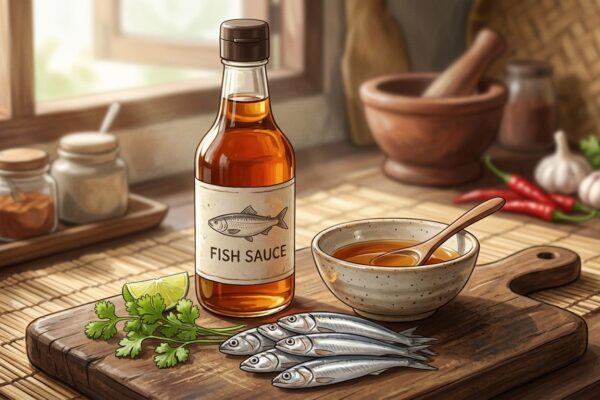
A modern favorite, especially with kids. Brown a pound of fresh tomatoes (cored, scored, peeled) in oil, add a can of crushed tomatoes, two liters of chicken stock, a smashed thumb of ginger, two tablespoons of sugar, and a tablespoon of fish sauce. Simmer 30 minutes. The acidity tenderizes meat as it cooks, and the broth carries dipping sauces beautifully.
Mushroom Broth
The vegetarian’s secret weapon. Combine an ounce of dried shiitake, an ounce of dried porcini, an ounce of dried wood ear, and a small handful of dried boletus. Cover with eight cups of cold water, let stand one hour, then simmer 90 minutes with a piece of kombu kelp, a smashed leek, a piece of ginger, and a tablespoon of light soy sauce. Strain through cheesecloth. The result is so deeply umami that few diners will notice the absence of meat.
Ingredients: Building the Hot Pot Table
A great hot pot spread balances proteins, vegetables, mushrooms, starches, and accent items. Aim for variety in color, texture, and cooking time. Below is a working list of categories with quantities for four to six diners — adjust by feel for larger groups.
Proteins (allow about 6 oz of total protein per person)
Hot pot rewards thin, fast-cooking cuts. The classic centerpiece is paper-thin sliced fatty beef — typically ribeye, brisket, or short rib — sold frozen in rolled ”hot pot beef” packages at any Asian grocer. Lamb shoulder sliced the same way is the northern Chinese standard. Pork belly, pork neck, and chicken thigh (sliced or in bite-size pieces) round out the meats. For seafood, plan on head-on shrimp, squid rings, scallops, fish fillet cubes, fish balls, shrimp balls, and (for the adventurous) thinly sliced pork or beef tripe, gizzard, and chicken hearts. Egg dumplings, tofu skin knots, and slices of luncheon meat — yes, Spam — are non-negotiable in Hong Kong hot pot. Velveting chicken or beef slices in a quick cornstarch-and-wine slurry before bringing them to the table keeps them silky in the broth.
Vegetables (plan on a heaping platter per two people)
Leafy greens are mandatory: napa cabbage, bok choy, baby bok choy, spinach, water spinach (ong choy), pea shoots, chrysanthemum greens (tong ho), and watercress. Crunchy vegetables: lotus root cut into thin coins, sliced daikon, taro chunks, sweet potato, kabocha squash, corn on the cob cut into rounds. Mushrooms: enoki (separated into small clusters), king oyster (sliced), shiitake (scored on top), shimeji, and wood ear. Avoid waxy or dense vegetables that will not cook through in a few minutes — whole potatoes, beets, and winter squash need to be parboiled first.
Starches
Rice noodles, glass (mung bean) noodles, ramen, udon, and hand-cut wheat noodles all work. Glass noodles are especially good because they take on the broth’s flavor like a sponge. Frozen dumplings, wontons, and rice cakes (tteok or nian gao) are crowd-pleasers added in the second half of the meal. Save noodles for the final round — they sap broth quickly and are best in concentrated, late-meal liquid.
Tofu and Soy Products
Firm tofu, soft tofu, tofu puffs, frozen tofu (with its sponge-like texture), bean curd skin sheets, bean curd knots, and fish-cake-stuffed tofu pouches. Frozen tofu is a hot pot revelation if you have not tried it: freezing the tofu, thawing it, and squeezing out the water creates open cell walls that drink in broth.
Step-by-Step: Hot Pot Technique from Mise en Place to Final Bowl
Here is the complete sequence, with the assumption that you are hosting four to six people with two broths in a split pot.
Step 1: Make the broths a day in advance
Both clear and mala broths benefit from a night in the refrigerator. The clear broth firms into a wobbly gel, signaling rich collagen; the mala broth’s spice deepens and the chili oil floats clean to the surface for easy reheating. Make at least three liters per side of a split pot, since the broth reduces visibly over a two-hour meal.
Step 2: Slice proteins partially frozen
Hot pot proteins must be sliced thin — 1 to 2 millimeters — so they cook in seconds and stay tender. Freeze meats for two to three hours before slicing, until they are firm but still yield to a knife. Use a long, thin slicing knife or a Chinese cleaver held nearly flat to the cutting board. If you have access to a meat slicer (or a deli counter), even better. Frozen pre-sliced hot pot meat from Asian grocers is the easiest path; it comes rolled in tight spirals and unfolds in the broth.
Step 3: Wash and arrange vegetables on platters
Hot pot is a visual meal. Group vegetables and mushrooms on broad platters with high-contrast colors next to each other — green pea shoots beside white enoki, orange kabocha beside purple eggplant, red lotus root coins beside dark wood ear. The platters serve as both pantry and centerpiece. Plan platter sizes so that they hold roughly two rounds of cooking; you can refill from the kitchen during the meal.
Step 4: Set the table
Place the burner in the center of the table on a heat-resistant trivet at least an inch larger than the pot base. Run an extension cord (for induction) or place spare butane canisters within reach. Each diner gets: one dipping bowl, one rice or soup bowl, one large plate, two pairs of long chopsticks, a soup spoon, and a wire mesh basket if you have them. Lay out condiments in small dishes so diners can build their own dipping sauces. Place raw protein platters within arm’s reach of the host.
Step 5: Bring the broths to a rolling simmer
Pour broths into the pot in the kitchen and bring them up to a strong simmer on the stove before carrying the pot to the burner. This avoids a slow ramp-up at the table while hungry guests sit watching. On the table burner, hold each side at a steady, vigorous simmer — small bubbles all across the surface, not a hard boil. A hard boil dries out proteins; a sleepy simmer undercooks them.
Step 6: Cook in waves
Begin with hardy vegetables that need time: lotus root, daikon, taro, and kabocha. Add them to the pot together so they have a head start. Sprinkle in mushrooms next. Then turn to proteins: with chopsticks, hold a slice of beef by one end and swish it through the broth in a ”shabu shabu” motion for 5 to 8 seconds until the surface turns from red to brown. Lift, dip, eat. Cook a few pieces at a time. Avoid dumping a whole platter of meat in at once — it drops the broth temperature, and the slices clump and overcook.
Step 7: Skim and replenish
Foam will rise to the surface of the clear broth side. Skim it every ten minutes with a fine-mesh strainer. Top up evaporated broth with kettle-hot water or warm stock kept on the side burner. Never add cold liquid — it shocks the pot off the simmer.
Step 8: Finish with noodles or rice
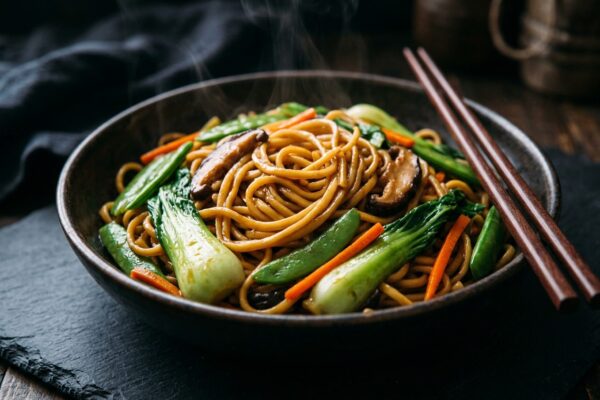
The final round is the soul of the meal. Drop noodles (ramen, udon, or glass noodles) directly into the broth and cook until tender. Ladle the now-deeply-flavored broth, full of essence from every ingredient cooked before, into each guest’s bowl with the noodles. Alternatively, add cooked rice to the broth to make a quick congee-like porridge, finished with chopped scallions and a beaten egg drizzled in to ribbon the surface.
Dipping Sauces: The Diner-Designed Half of Hot Pot
If the broth is the host’s contribution, the dipping sauce is each guest’s. Hot pot dipping sauces are personal, regional, and infinitely customizable. The right sauce contrasts with the broth: rich and umami-heavy for clear broth, cooling and aromatic for spicy broth.
Sesame Paste Sauce (Beijing-Style)
The traditional companion to instant-boiled mutton. Thin two tablespoons of Chinese sesame paste (or tahini in a pinch) with a tablespoon of warm broth until creamy. Stir in a teaspoon each of fermented bean curd liquid, light soy sauce, and chive flower paste, plus a splash of toasted sesame oil. Top with cilantro and minced garlic.
Ma You — Sichuan Garlic Oil Sauce
The Chongqing classic, designed to cut through the heaviness of mala broth. Combine three tablespoons of toasted sesame oil with two tablespoons of finely minced raw garlic, a teaspoon of chopped cilantro, a pinch of salt, and a tablespoon of chopped scallion. Eat immediately — the raw garlic mellows by the spoonful but loses its lift after twenty minutes.
Sha Cha — Cantonese BBQ Sauce Dip
Sha cha (or sa cha) is a chunky paste of dried shrimp, garlic, shallots, and chiles fried in oil. Spoon two tablespoons into a bowl, whisk in an egg yolk for richness, and finish with fish sauce, sugar, and a squeeze of lime. The egg yolk version is Taiwanese; in Hong Kong, sha cha is mixed with soy and chili oil instead.
Build-Your-Own Sauce Bar
For groups, the best approach is to set out small bowls of ingredients and let guests assemble their own. Provide: minced garlic, minced scallion, chopped cilantro, minced ginger, sliced bird’s-eye chili, sesame paste, sesame oil, toasted sesame seeds, light soy, dark soy, Chinkiang black vinegar, chili oil, oyster sauce, fermented tofu, peanuts, sha cha, and a beaten raw egg yolk. Each guest builds a sauce in their own bowl, customizing as the meal progresses.
Common Hot Pot Mistakes (and How to Fix Them)
| Mistake | Why It Happens | The Fix |
|---|---|---|
| Broth tastes flat by the end of the meal | Under-seasoned at the start, or diluted with too much added water | Season the starting broth more aggressively than seems right. Replenish with hot stock from a side pot, not water. |
| Meat is rubbery or chewy | Slices too thick, broth boiling too hard, or meat dumped in en masse | Slice 1 to 2 millimeters thick (freeze first). Hold broth at simmer, not boil. Cook three to five pieces at a time. |
| Vegetables turn to mush | Left in the pot and forgotten | Use a mesh basket per guest or per group; lift cooked food promptly. Leafy greens take 30 to 45 seconds, no more. |
| Spicy broth burns out the dinner palate | Sichuan peppercorns and chiles release more heat as the broth reduces | Start with less peppercorn than you think. Add bone broth to dilute halfway through if needed. |
| Pot boils over or pot is empty | Burner too high, or evaporation outpaces replenishment | Keep a kettle of just-simmering stock on the kitchen stove for refills. Reduce flame after the first round. |
| Guests cannot reach the pot | Pot is too deep or table is too wide | Choose a shallow pot (3 to 4 inches deep) on a low trivet. Limit the table to eight diners per pot. |
| Cross-contamination from raw to cooked | Single pair of chopsticks for raw and cooked food | Give every guest two pairs of chopsticks, or one pair plus a wire skimmer. Color-code if helpful. |
| Tofu falls apart | Stirred or moved while cooking | Cut tofu in 1-inch cubes, drop in gently, and let it cook untouched for 3 to 4 minutes before lifting. |
| Mala broth oil splatters dangerously | Water droplets hit the surface oil layer | Dry all ingredients with paper towels before adding. Keep the simmer gentle, not violent. |
| Noodles overcook into a starchy mass | Added too early | Save noodles for the very last round. Cook only what each guest will eat that minute. |
Practice Exercises: Build Skill in Three Sessions
Like any technique, hot pot improves with practice. Here are three progressively challenging sessions to develop your hosting and timing skills.
Exercise 1: Solo Hot Pot for One
Set up a small saucepan of mushroom broth on the stove. Plate one half-pound of sliced beef, one platter with one type of leafy green, one type of mushroom, one starch (a portion of glass noodles), and a small block of frozen tofu. Make one dipping sauce. Cook everything yourself, one item at a time, taking notes on cooking times. The goal is to learn the seconds-and-minutes vocabulary of each ingredient: napa cabbage rib (90 seconds), leafy top (30 seconds), enoki (45 seconds), beef slice (8 seconds), shrimp (60 seconds), thin lotus root coin (3 minutes). Write your times down.
Exercise 2: Hot Pot for Two with a Single Broth
Invite one person and use a single pot — no split. Make clear broth from scratch. Plate two proteins, three vegetables, two mushrooms, two starches. Build a sauce bar with eight or ten ingredients. The goal is to learn how to host: refilling broth, skimming, suggesting cooking sequences, and pacing the meal so it lasts at least 75 minutes without lulls. Time the meal start to finish.
Exercise 3: Yuanyang Split Pot for Four to Six
Buy or borrow a divided pot. Make two broths — clear and mala. Set out four proteins, five vegetables, three mushrooms, three starches, and a build-your-own sauce bar. Practice managing two broth temperatures, two flavor profiles, and the interaction between them (do not let aggressive mala oil splash into the clear side). This is the true test of hot pot hosting. Most home cooks need three or four runs at this scale before it flows easily.
Advanced Techniques: Beyond the Basic Pot
Layered Broth Building
Restaurants in Chongqing and Chengdu start the mala pot with rendered beef tallow at the bottom, then add aromatics, then layer in stock. This stratification keeps a glistening layer of red, fragrant oil floating on top throughout service. At home, you can replicate this by reserving a cup of strained spice oil from a previous batch and pouring it on top of the simmering broth just before guests sit down.
The Egg-Yolk Sauce Trick
A raw egg yolk whisked into sha cha or sesame paste sauce coats meat with a custard-like sheen as it comes out of the broth. This is the signature Taiwanese sha cha hot pot move. Use the freshest eggs you can source, and offer this option separately so guests who prefer to avoid raw egg can opt out.
Cold Dishes and Palate Cleansers
Serve small cold dishes at the start and during the meal to keep diners refreshed between hot pot bites. Smashed cucumbers in black vinegar and garlic, pickled daikon, century egg with tofu, soy-poached peanuts, or a simple pile of quick-pickled cabbage all serve this role. Pair with iced barley tea, oolong, or a cold lager.
Regional Style Swaps
Once you have the basic technique, swap broths and ingredient lists to explore other styles. Japanese shabu shabu uses kombu-dashi broth with paper-thin wagyu and a citrusy ponzu dip. Sukiyaki adds soy and sugar to make a sweet braising sauce rather than a pure broth. Thai suki uses chicken broth with morning glory and chili-lime sauce. Korean jeongol layers ingredients into a flat dish, all visible from above, and pours broth over before bringing to the table. Vietnamese lau de uses goat with lemongrass, ginger, and fish sauce. Each is a variation on the same simmering-at-the-table grammar.
Hot Pot Broth Reference Chart
| Broth Style | Region | Flavor Profile | Best Paired Proteins | Classic Dipping Sauce |
|---|---|---|---|---|
| Qing Tang (Clear) | Cantonese | Light, umami, herbal | Chicken, seafood, fish balls | Soy + scallion + ginger |
| Mala Hong Tang (Red) | Chongqing / Sichuan | Numbing-spicy, oily, deep | Beef, tripe, blood cake, mushrooms | Ma you (garlic-sesame oil) |
| Suan Cai Bai Rou (Pickled Cabbage) | Northeastern China | Sour, tangy, savory | Pork belly, glass noodles | Sesame paste + chive flower |
| Coconut Chicken | Hainan / Southern | Sweet, creamy, light | Chicken, shrimp, tropical mushrooms | Sa cha + lime |
| Tomato | Modern Chinese | Tangy, sweet, kid-friendly | Beef, meatballs, root vegetables | Soy + sesame oil + cilantro |
| Mushroom | Vegetarian Modern | Earthy, deeply umami | Tofu, mushrooms, leafy greens | Sesame paste + light soy |
| Tom Yum | Thai Suki | Sour, spicy, lemongrass-bright | Shrimp, white fish, glass noodles | Nam jim seafood (chili-lime-fish sauce) |
| Kombu Dashi | Japanese Shabu Shabu | Mineral, restrained, clean | Wagyu, pork loin, leeks | Ponzu and sesame goma dare |
| Soy-Mirin (Sukiyaki Warishita) | Japanese Sukiyaki | Sweet, soy-deep, glossy | Beef ribeye, tofu, shungiku | Beaten raw egg |
Recipe Example: Yuanyang (Mandarin Duck) Split Pot for Six
This is the full party setup. Plan on three hours from broth-on-the-stove to plate-wiping, including 90 minutes of active eating.
Clear Broth Side (3 quarts)
2 lb chicken backs, 1 lb pork neck bones, 1 small chicken (cut up), 6 quarts cold water, 5-inch piece ginger smashed, 4 scallions, 6 dried jujube dates, 2 tbsp goji berries, 4 dried shiitakes, 2 slices Jinhua ham, 1 cinnamon stick, 1 star anise. Simmer 4 hours. Strain. Season with 4 teaspoons salt. Reserve.
Mala Broth Side (3 quarts)
1 cup beef tallow, 6 tbsp Pixian doubanjiang, 2 tbsp fermented black beans, 8 cloves smashed garlic, 4-inch piece smashed ginger, 6 star anise, 3 black cardamom, 1 cassia stick, 3 bay leaves, 2 tsp fennel seed. Bloom in oil for 10 minutes. Add 3 quarts clear chicken stock, 2 cups dried red chilies (snipped, dust-shaken), 3 tbsp Sichuan peppercorns, 3 tbsp Shaoxing wine, 2 tbsp rock sugar. Simmer 1 hour. Salt to taste.
Proteins (about 3 lb total)
1 lb thin-sliced fatty beef (ribeye or brisket), 8 oz thin-sliced lamb shoulder, 12 head-on shrimp, 8 oz fish fillet cubes (cod or basa), 6 oz pork belly slices, 6 oz chicken thigh slices (velveted), 1 cup fish balls, 4 oz beef tripe (optional, parboiled).
Vegetables and Mushrooms
1 small napa cabbage cut into 2-inch pieces, 2 bunches bok choy halved, 1 bunch chrysanthemum greens, 4 oz spinach, 2 cups lotus root coins, 1 daikon sliced, 1 small kabocha squash in 1/2-inch pieces (parboiled), 2 ears corn in 1-inch rounds, 8 oz enoki, 6 oz king oyster sliced, 6 fresh shiitake.
Starches and Tofu
1 lb frozen tofu (thawed and squeezed), 8 oz tofu skin knots, 12 oz fresh udon, 6 oz glass noodles, 1 dozen frozen wontons.
Sauce Bar
Chinese sesame paste, sesame oil, light soy, dark soy, Chinkiang black vinegar, chili oil, doubanjiang, oyster sauce, fermented tofu, sha cha, minced garlic, minced scallion, chopped cilantro, sliced bird’s-eye chili, peanuts, toasted sesame seeds. Six small bowls and six small spoons.
Service Sequence
Bring both broths to a hard simmer on the stove. Transfer to the divided pot on the table burner. Diners build their sauces. Begin with hardy vegetables in the clear side and tripe in the mala side. Roll out the meat platters as the broths return to simmer. Cook in waves, replenishing from the kitchen as platters empty. After 75 minutes, add noodles and any leftover proteins. Ladle finished broth over noodles for the final bowl. Total active eating time: roughly 90 to 100 minutes.
Hot Pot Across Asia: Regional Variations to Try Next
The technique you have just learned is the platform; the variations are nearly endless. Japanese shabu shabu (literally ”swish swish”) emphasizes the cooking sound of beef slices through kombu-dashi broth, with ponzu and sesame goma dare as the dual dipping sauces. Sukiyaki uses a sweetened soy ”warishita” rather than a clear broth, with diners cooking beef and tofu in a shallow iron pan and dipping each bite in beaten raw egg before eating.
Korean jeongol is a stew-hot-pot hybrid: the host arranges all ingredients in concentric rings in a wide flat pan, pours seasoned broth in, and brings it to the table to simmer. Korean budae jjigae (army stew) is a hot pot of its own, layering kimchi, gochujang, instant ramen, processed meats, and American cheese in a single fiery pot. Thai suki arrived from Chinese immigrants but added local tropical flavor: tom yum broth, with seafood and morning glory, and a distinctive sweet-spicy red chili-lime-fermented bean curd dipping sauce.
Vietnamese lau uses tamarind-soured broths with goat, beef, or seafood, served with rice vermicelli and stacks of fresh herbs. Cambodian yhon hon features a beef-stock broth with prahok (fermented fish paste) and palm sugar for sweetness. Mongolian shuan yang rou — instant-boiled mutton in a brass charcoal chimney pot — is the oldest documented hot pot tradition still practiced today. Even outside Asia, the Swiss fondue and Japanese-French shabu-fusion menus point to how universal the technique is: a single hot vessel, shared cooking, time taken together.
Sourcing Ingredients: What to Buy and Where
The single biggest improvement most home cooks can make to their hot pot is using authentic, well-sourced ingredients. Pre-sliced hot pot beef and lamb from an Asian grocery freezer will outperform anything you can slice at home unless you have a deli slicer. Look for the Japanese ”kuro” and Australian wagyu thin-roll packages for the highest quality.
Doubanjiang is non-negotiable for mala broth — specifically Pixian (郫县) brand from Sichuan, sold in tubs or bags labeled ”broad bean chili paste.” Sichuan peppercorns must be aromatic and recently roasted; stale peppercorns produce a sour, soapy note instead of the desired tingle. Buy in small quantities and store in the freezer. For dried chilies, look for Erjingtiao (二荆条) or Tianjin chili varieties — wrinkled, deep brick-red, fragrant. Avoid generic ”Chinese hot chiles” of unknown origin.
Chinese sesame paste, sold in jars labeled zhima jiang (芝麻酱), is roasted darker than tahini and has a thicker, deeper, almost peanut-buttery character. Tahini is a passable substitute but it is not the same product. Shaoxing rice wine for cooking should be aged at least three years and used in glass-bottled form, not the salted ”cooking wine” found in supermarkets. For the cleanest broths, source bones from a butcher, not from supermarket shrink-wrap; ask for chicken backs, pork neck, and beef knuckle (split).
Storing Leftovers and Reusing the Broth
After a hot pot meal, the broth is the most valuable thing in the kitchen. The clear side, especially, has absorbed essence from every protein and vegetable cooked in it. Strain through a fine-mesh sieve, then again through a doubled coffee filter or muslin cloth. Refrigerate within two hours of cooking; freeze if not using within three days.
Reheated hot pot broth makes a stunning base for noodle soups (toss in fresh ramen and a soft-boiled egg), a luxurious cooking liquid for congee, or a ”second-day” simmer for tofu and vegetables. The mala broth side is trickier — its oil and chiles intensify on second use — so dilute with at least an equal volume of clear stock before reheating, and skim the surface oil if it has hardened to more than a quarter inch.
Leftover raw proteins are best cooked the next day in a stir-fry rather than refrozen. Leftover cooked vegetables and tofu can be added directly to the strained broth for a one-pot lunch.
Frequently Asked Questions
How much food do I need per person?
Plan on roughly 6 ounces of total protein and a packed cup of vegetables per person, plus a small starch portion. Hot pot meals run long, and people eat more slowly than they expect. It is better to err on the side of slightly less protein and more variety — leftovers of one type signal poor planning more than leftovers of many.
Can I make hot pot vegetarian?
Absolutely, and a vegetarian hot pot can be just as compelling as a meat-heavy one. Start with a dried mushroom and kombu broth. Build the ingredient platter around firm tofu, frozen tofu, tofu skin knots, fish-cake-style mushrooms (king oyster sliced into ”scallops”), three or four leafy greens, three or four fresh mushroom varieties, lotus root, daikon, taro, and corn. The mushroom broth at the end of a vegetarian hot pot is genuinely better than what you started with — even more reason to save it.
Is the broth supposed to be drinkable on its own?
Yes — the clear broth is meant to be sipped throughout the meal and at the end as a cleansing soup. Mala broth is not generally drunk; it is too oily and aggressive. A second clear broth alongside mala (the yuanyang setup) is partly there so guests can refresh their palates with a sip of clean stock.
What if my guests do not eat spicy food?
Run a yuanyang split pot with clear broth on one side and mala on the other. The divider prevents cross-flavoring, and every guest can choose where to cook each bite. Even hot pot devotees often go back and forth, using the clear side to rinse spicy oil off a slice of meat before eating.
Can I use store-bought hot pot soup base?
Yes, and many great home hot pots start with a packaged base. The Haidilao, Little Sheep, and Daoxiangcun brands are the most reliable. Dissolve the soup base block in 8 to 10 cups of chicken stock (not water) for the best flavor. The chicken stock — even a basic store-bought version — adds a roundness that water alone cannot.
How do I keep the meal flowing without long lulls?
The host’s job is to feed ingredients into the pot in waves so that there is always something cooking and something ready to eat. Start sturdy vegetables at the beginning, layer in proteins as the broth heats fully, then alternate proteins and vegetables. Refill platters from the kitchen during natural pauses. Save noodles, dumplings, and rice for the final 15 minutes when guests want to wind down.
What is the best beer or drink pairing?
Cold light lagers are the traditional companion in China — Tsingtao, Yanjing, or Snow. The crispness cuts through both fat and chili. Iced barley tea is the non-alcoholic standard. For something more refined, try a chilled dry riesling or a low-tannin gamay with mala. Avoid heavy reds (tannins clash with chili heat) and anything too sweet (it amplifies the burn).
How long does hot pot last as a meal?
A proper hot pot dinner runs 90 to 120 minutes of active eating. Add 30 minutes of arrival, sauce-building, and final tea or dessert. Plan for a three-hour evening total for groups of four to six.
Can I make hot pot in summer?
The Chinese eat hot pot year-round, including in the brutal humidity of Chongqing and Chengdu summers, on the theory that ”heat fights heat.” If you have air conditioning, summer hot pot with lots of cooling sides — pickled vegetables, smashed cucumbers, iced barley tea — is one of the most satisfying meals you can host. Eating hot, spicy food in summer reliably triggers a cooling sweat that makes the rest of the night feel breezier.
What is the difference between hot pot and shabu shabu?
The two are cousins. Shabu shabu is a specifically Japanese form of hot pot built around very thin slices of premium beef cooked in kombu broth, traditionally with ponzu and sesame goma dare dips. Chinese hot pot encompasses many regional traditions, often with much bolder, spicier, or richer broths. Shabu shabu emphasizes the purity of the meat; Chinese hot pot emphasizes the layering of flavors in broth, ingredient, and sauce.
What is the best meat for hot pot?
Thinly sliced fatty beef — ribeye, short rib, or brisket — is the most popular hot pot meat globally. The fat marbling melts into the broth and bastes the meat as it cooks. Lamb shoulder is the northern Chinese tradition and pairs beautifully with sesame paste sauce. Pork belly is the comfort choice. For premium occasions, look for A5 wagyu sliced 1 millimeter thick.
Do I really need a divided pot?
No. A single pot of clear broth or a single pot of mala broth makes a complete hot pot meal. The yuanyang split pot is a luxury, not a necessity. If you host frequently or have guests with varying spice tolerance, the divided pot pays for itself quickly. Otherwise, two single-broth dinners back-to-back are perfectly authentic.
Final Thoughts: Hot Pot as a Hosting Philosophy
What separates a great hot pot from a merely competent one is rarely the broth or the meat. It is the rhythm. A well-hosted hot pot moves like good conversation: a hardy vegetable laid in to start the simmer, a few slices of beef to bridge to the meat course, a pause for sauce-building and chatter, then mushrooms, then more meat, then a starch, then a final round of noodles soaking up everything that came before. The host adjusts the flame, skims the foam, refills the platters, and — most importantly — sits down and eats with everyone else.
Hot pot is one of the few cooking techniques where the guest finishes the dish. You are not serving them food; you are serving them the conditions to cook food themselves. That generosity is why hot pot has survived two thousand years and spread across half the world. Master the broth, prep the ingredients well, set the table thoughtfully, and the rest takes care of itself. The pot will simmer, the chopsticks will dip, and the conversation will not stop until the noodles are gone and the broth is empty.

Mei Lin Chen
Mei Lin Chen is an Asian food writer and recipe developer. Melbourne-raised and London-based, she has spent over a decade exploring the rice paddies, hawker stalls, and home kitchens of South-East and East Asia. Her recipes balance traditional technique with everyday practicality.