
Lo Mein Recipe (15-Minute Dinner)

Lo Mein Recipe (15-Minute Dinner)

By Gustav Backström · Published
15 min
20 min
4
Easy
↓ Jump to Recipe
Note: This page was originally published on UmamiCart. Content is provided for informational purposes only. Always check food safety guidelines and allergen information before preparing dishes.
_Last Updated: March 23, 2026_ **Lo mein recipe** is the fastest route from pantry to plate when we crave that classic Cantonese takeout flavor at home. In just a quarter-hour we can serve a dish that rivals the best city-wide stalls.
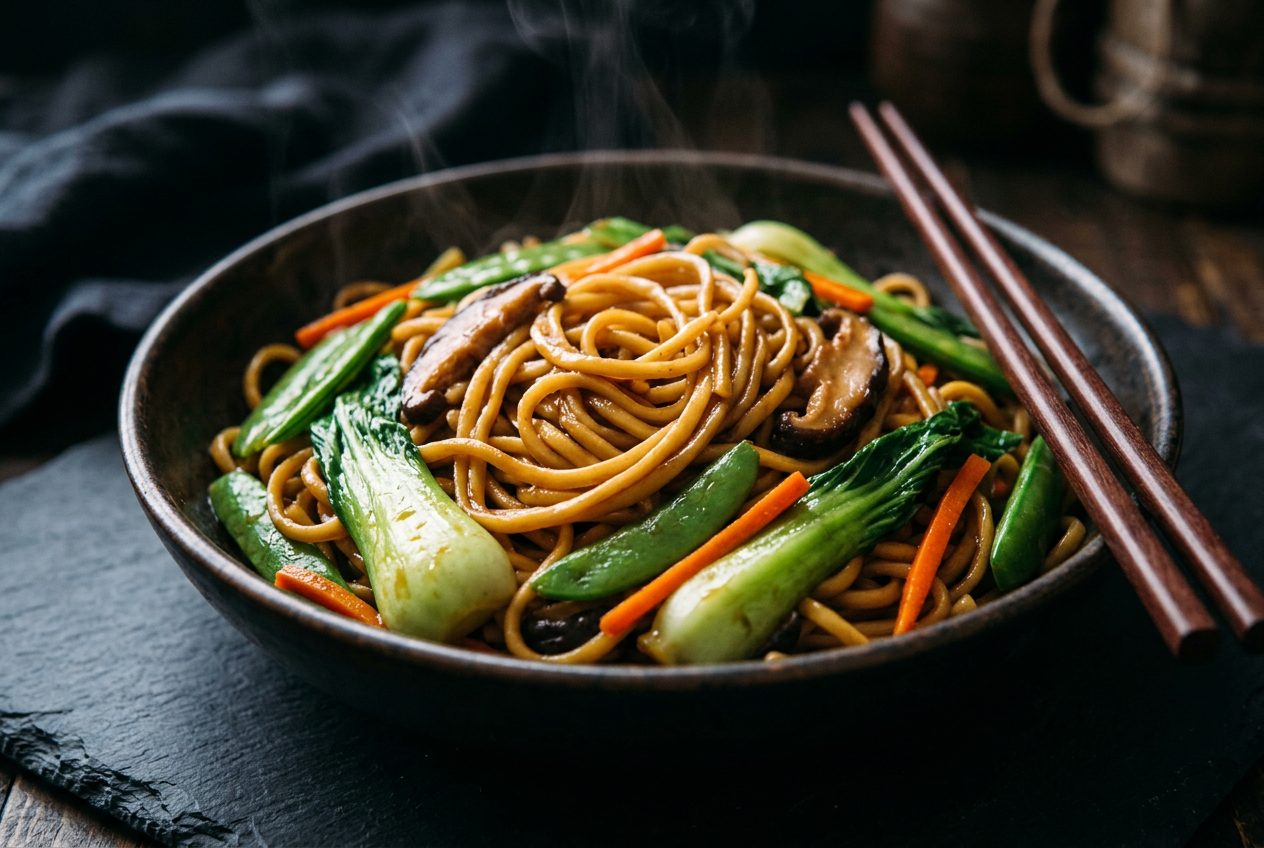
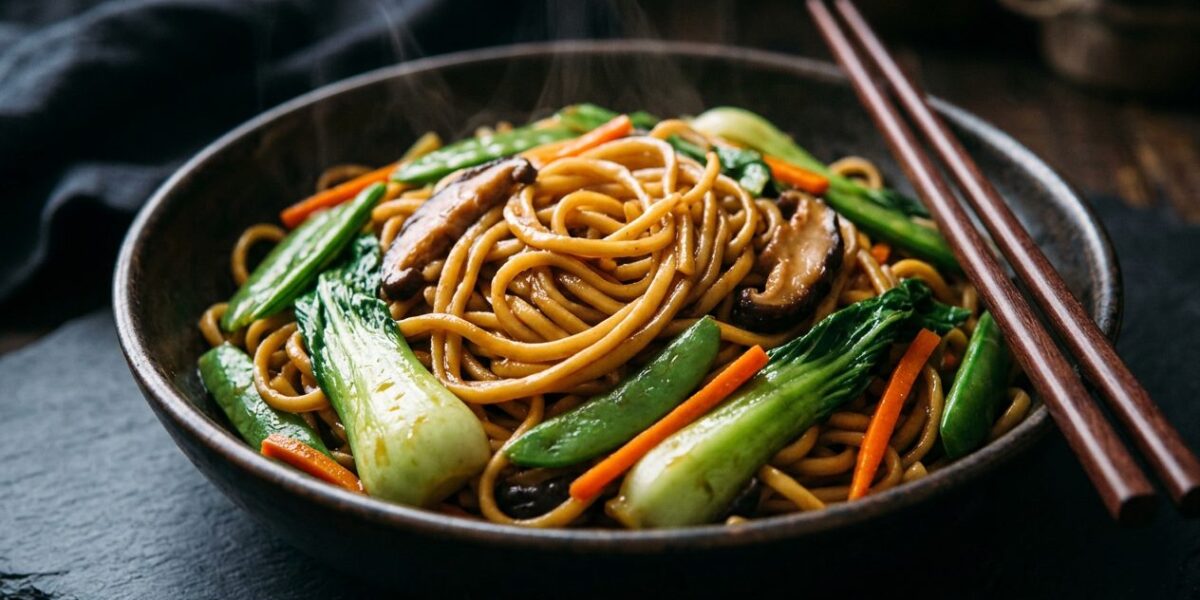
A bowl of authentic Chinese lo mein noodles with vegetables and chopsticks
## Key Takeaways – **Lo mein** (撈麵) literally means ”tossed noodles” — noodles are cooked first, then coated with sauce, never fried to crispiness. – Authentic lo mein differs fundamentally from chow mein, which relies on direct wok-frying for a crispy texture. – The sauce ratio — soy sauce, oyster sauce, sesame oil, and sugar — is the single factor that separates a memorable bowl from a forgettable one. – Fresh lo mein noodles give the best mouthfeel, but dried egg noodles work reliably when fresh is unavailable. – High heat, a seasoned wok, and the velveting technique for protein are what deliver restaurant-quality results at home. — ## What Is Lo Mein? (And Why Most Recipes Get It Wrong) The word ”lo mein” appears on nearly every Chinese-American takeout menu, yet a surprising number of published recipes misrepresent what it actually is. Before we get to the stove, we want to set the record straight — because understanding the dish makes cooking it significantly easier. ### The Meaning Behind the Name The Chinese characters 撈麵 (lāo miàn in Mandarin, lo mein in Cantonese) translate directly as ”tossed noodles.” In Cantonese cooking tradition, the act of tossing already-cooked noodles with a flavored sauce and fillings defines this dish. The noodles enter the wok after they have been boiled and drained, where they spend only a short time — enough to absorb the sauce and pick up a breath of wok heat, but not long enough to crisp up. That is the entire technical premise. According to food historian Lo mein — Wikipedia, the dish traces its roots to Cantonese cooking traditions where noodles were treated as a vehicle for sauce rather than a textural element to be browned. Understanding that lineage matters, because it tells us exactly how to handle the noodles at every stage of cooking. Think of lo mein like a perfectly dressed salad: you do not fry the lettuce. You toss it, coat it, and serve it while it still has its natural character. The sauce is the dressing; the noodles are the base. That analogy holds up whether you are making a simple vegetable version or a full chicken lo mein for a weeknight dinner. ### Lo Mein vs. Chow Mein: The Distinction Competitors Miss Many Western cookbooks treat lo mein and chow mein as interchangeable terms for Chinese noodle stir-fries. The Cantonese tradition draws a clear and consistent line between them: | Feature | Lo Mein (撈麵) | Chow Mein (炒麵) | |—|—|—| | Noodle texture | Soft, silky, slightly chewy | Crispy, sometimes charred at edges | | Cooking method | Boiled first, then tossed with sauce | Stir-fried directly in hot oil | | Oil volume | Light — sesame oil finish only | Higher — oil needed for crispness | | Final result | Glossy, sauce-coated noodles | Browned, textured noodles | | Origin style | Cantonese takeout | Northern and Shanghainese cuisines | The difference is like the contrast between a smooth jazz bass line and a sharp snare hit: both belong in the same genre, but they serve entirely different functions. Lo mein is fluid and saucy; chow mein is crisp and assertive. For a deeper look at how this fits within the broader world of Asian cooking traditions and techniques, we have a full guide that covers the family of noodle dishes across the continent. ### What Makes a Noodle Dish Authentically Lo Mein Authentic lo mein meets three non-negotiable criteria. First, the noodles must be boiled to al-dente and rinsed in cold water before they enter the wok — this stops the cooking and prevents them from becoming soft and clumped. Second, the sauce is added after the noodles, not before, so every strand picks up a uniform coat rather than sitting in a pool. Third, the noodles should not sit in the wok long enough to develop any crust; 1 to 2 minutes of tossing is the ceiling. When we respect these three rules, the final dish mirrors the lo mein we ate growing up around San Francisco’s Chinatown, where the noodles arrive glossy, fragrant, and cohesive — not greasy, not dry, not fried. — ## The Lo Mein Sauce Ratio (This Is the Make-or-Break Element) We have tested more than a dozen lo mein sauce formulations over the years. The version below is the one we return to every time, and the one our readers consistently rate as ”exactly like takeout.” The ratio is not arbitrary — each component plays a specific role. ### The Four Core Sauce Ingredients **Soy sauce** provides the base salinity and the dark color that makes lo mein visually appetizing. We use low-sodium soy sauce so we control the salt level without compromising depth. **Oyster sauce** adds a thick, sweet-savory umami layer that no other ingredient replicates; Serious Eats explains that oyster sauce’s glutamate concentration is what gives Cantonese stir-fries their signature savory depth. **Sesame oil** is used purely as a finishing flavor — a small amount delivers a nutty aromatic that signals authenticity to anyone who grew up eating Chinese food. **Sugar** rounds out the salt and creates the slight sweetness that balances the sauce’s umami weight. Cornstarch mixed with water forms the slurry that makes the sauce cling to every noodle strand with a glossy, restaurant-quality sheen. ### Sauce Ratio Reference Table | Ingredient | Amount (4 servings) | Role | |—|—|—| | Low-sodium soy sauce | 3 tbsp | Base salinity + color | | Oyster sauce | 1.5 tbsp | Umami depth + sweetness | | Sesame oil | 1 tsp | Aromatic finish | | Sugar | 1 tsp | Balance | | Cornstarch | 1 tsp | Glossy cling | | Water | 2 tbsp | Slurry consistency | ### How to Adjust the Sauce for Your Taste The base ratio is calibrated for a balanced, crowd-pleasing result. To push it in a specific direction: add an extra half tablespoon of soy sauce for more saltiness; halve the sugar if you prefer a drier, more savory profile; add a half teaspoon more cornstarch if you want a thicker sauce that coats heavily. To increase umami without adding salt, swap half the oyster sauce for hoisin — the sweetness increases slightly but the overall savory depth deepens. One rule holds regardless of variation: mix the sauce before you start cooking. Once the wok is hot, there is no time to measure. Having the sauce bowl ready means you can add it in a single pour and focus on the toss. — ## Ingredients for the Best Lo Mein Recipe For our Chinese recipes collection, this lo mein stands out as the most adaptable weeknight dish we publish. The ingredient list is short, the technique is straightforward, and the results are consistent every time. Explore our full collection of Chinese recipes for more dishes from this tradition, from fried rice to orange chicken. ### The Right Noodles (Fresh vs. Dried) Fresh lo mein noodles — available in the refrigerated section of Asian grocery stores — are the correct choice for authentic texture. They are made from wheat flour and egg, which gives them an elastic, silky bite that holds up to tossing without breaking. A 12 oz package serves four people generously. Dried thin egg noodles are a practical substitute. They require 8 to 10 minutes of boiling versus 2 to 3 minutes for fresh, and they produce a slightly firmer, less silky noodle — still good, just not identical. In a pinch, thin spaghetti (cooked al-dente) works as a last resort, though the flavor profile shifts noticeably. ### Vegetables That Work Best The vegetables in lo mein serve two purposes: they provide textural contrast and they contribute color that makes the dish visually appealing. We choose vegetables that cook fast enough to stay crisp after only 2 minutes of high-heat stir-frying. Bok choy provides mild bitterness and satisfying crunch from its thick stems. Snap peas hold their shape under heat and add a clean sweetness. Julienned carrots contribute color and an earthy note. Shiitake mushrooms bring umami depth that amplifies the sauce. Any combination of these four, totaling about 2 cups, is our recommendation. ### Five Protein Variations The protein is the most flexible element of this recipe. All five options below produce excellent results when prepared correctly: | Protein | Prep method | Cook time | Flavor profile | |—|—|—|—| | Chicken breast | Thin slice, velveted | 3–4 min | Mild, absorbs sauce | | Shrimp (peeled, deveined) | Quick blanch | 2 min | Sweet, slightly briny | | Beef flank steak | Thin slice, marinated | 3–4 min | Rich, savory | | Firm tofu | Pressed, cubed | 2–3 min | Neutral, absorbs | | Pork tenderloin | Thin slice, velveted | 3–4 min | Succulent, lightly sweet | For the best results with any meat-based protein, we recommend the velveting technique described below. — ## How to Make Lo Mein at Home (Step by Step) ### Step 1: Prepare Your Noodles Bring a large pot of water to a full boil. Add the lo mein noodles and cook for 2 to 3 minutes if fresh, or 8 to 10 minutes if dried, until just al-dente — they should have a slight resistance when bitten. Drain immediately and rinse under cold running water for 30 seconds to stop the cooking. Toss the drained noodles with 1 teaspoon of sesame oil to prevent them from sticking together. Set aside. This step is non-negotiable. Noodles that skip the cold rinse continue cooking from residual heat and arrive at the wok already over-cooked. The sesame oil coating also contributes a subtle aromatic layer even before the sauce is added. Getting this step right means the difference between noodles that stay distinct and springy versus a clumped, pasty mass. We cannot overstate how often overcooked noodles are the root cause of a disappointing lo mein. ### Step 2: Mix the Sauce Combine all sauce ingredients — low-sodium soy sauce, oyster sauce, sesame oil, sugar, cornstarch, and water — in a small bowl. Whisk until the cornstarch fully dissolves and the mixture is smooth. The sauce should be fluid but slightly viscous; if it seems too thick, add one more tablespoon of water. Set the sauce bowl next to the stove within reach. When the wok is smoking hot, the window for adding the sauce is narrow, and fumbling with measurements at that moment will cost you the dish. ### Step 3: Cook the Protein and Vegetables Heat a wok or large skillet over the highest heat your stove allows. Wait until you see a faint wisp of smoke rising from the surface — this confirms the wok has reached the temperature needed for proper searing. Add 2 tablespoons of neutral oil (vegetable or avocado) and swirl to coat. Add your protein in a single layer. Do not move it for the first 30 seconds; this allows a sear to develop. Stir-fry until lightly browned and just cooked through, about 3 to 4 minutes for chicken or beef, 2 minutes for shrimp. Remove the protein and set aside on a plate. Without cleaning the wok, add the mixed vegetables. Stir-fry over high heat for exactly 2 minutes, keeping them moving to prevent burning. Add the minced garlic and stir for 30 seconds until fragrant. The garlic should sizzle and color slightly at the edges but not brown deeply. ### Step 4: Toss Everything Together Return the cooked protein to the wok. Add the prepared noodles on top, then immediately pour the sauce evenly across the entire surface. Using tongs or chopsticks, toss everything together continuously for 1 to 2 minutes. The goal is to coat every noodle strand with sauce and to allow the cornstarch to thicken slightly from the wok heat. Finish with sliced green onions scattered across the top. Serve immediately — lo mein is at its best within five minutes of leaving the wok. — ## Tips for Restaurant-Quality Results ### Wok Hei and High Heat Wok hei (鑊氣) — literally ”wok breath” — is the slightly smoky, charred quality that separates restaurant lo mein from most home versions. It comes from sustained contact between food and an extremely hot wok surface. Home stovetops generate less BTU output than commercial burners, but you can compensate by heating the wok longer before adding any food, cooking in smaller batches so the temperature does not drop, and keeping everything moving quickly. A dry, pre-seasoned carbon-steel wok is the right tool. Non-stick pans cannot handle the heat required, and stainless steel loses too much heat when cold ingredients hit the surface. ### The Velveting Trick for Silky Protein Velveting is a Chinese restaurant technique that keeps protein silky and moist through high-heat cooking. To velvet chicken or beef: combine 1 teaspoon cornstarch, 1 teaspoon soy sauce, 1 teaspoon Shaoxing wine, and one egg white in a bowl. Toss the thinly sliced protein in this mixture and let it sit for 15 minutes. The cornstarch-egg white coating forms a barrier that locks moisture inside the protein cells during the rapid heat of stir-frying. The result is meat that remains tender rather than turning rubbery. For a complete breakdown of this technique, our guide on Asian pantry ingredients for authentic stir-fry covers Shaoxing wine, oyster sauce, and other key components. ### Common Mistakes to Avoid Over-cooking the noodles before they reach the wok is the single most common error we see — always cook to al-dente and rinse immediately. Cooking on low or medium heat is the second most common mistake; the sauce will not reduce or cling, and the protein will stew rather than sear. Using the wrong noodles — substituting thick udon or rice vermicelli — changes the texture profile completely and the sauce clings differently. Skipping the sauce pre-mix creates uneven seasoning. Adding too much oil produces a greasy result that obscures the sauce’s flavor. — ## FAQ ### What noodles do I use for lo mein? Fresh lo mein noodles from an Asian grocery store are the preferred choice — look for them in the refrigerated section, typically labeled ”lo mein” or ”fresh egg noodles.” They cook in 2 to 3 minutes and produce the silkiest result. When fresh noodles are unavailable, dried thin egg noodles are a reliable substitute that require 8 to 10 minutes of boiling. ### Can I make lo mein without oyster sauce? Yes. The closest substitute is an equal amount of mushroom soy sauce, which provides similar umami depth with a slightly earthier flavor. A combination of regular soy sauce plus a small amount of hoisin sauce also works — use 1 tablespoon soy sauce and half a tablespoon hoisin in place of the 1.5 tablespoons of oyster sauce. ### What is the difference between lo mein and chow mein? Lo mein (撈麵) means tossed noodles — the noodles are boiled first, then tossed with sauce in a hot wok for a brief period, producing a soft, glossy result. Chow mein (炒麵) means stir-fried noodles — the noodles are cooked directly in the wok with oil, which creates a crispy, slightly charred texture. The two are related but they are not the same dish, and using the wrong technique for the wrong dish produces the wrong result. ### How do I store and reheat leftover lo mein? Allow the lo mein to cool to room temperature, then transfer to an airtight container. Refrigerate for up to 3 days. To reheat, add the noodles to a hot wok or skillet with 2 tablespoons of water or chicken broth; toss over high heat for 2 minutes until the sauce loosens and re-coats the noodles. Microwaving works in a pinch but produces steamed rather than stir-fried noodles. ### Can I make lo mein gluten-free? Yes, with two substitutions: replace the lo mein noodles with rice noodles or gluten-free egg-style noodles, and replace the soy sauce with tamari (gluten-free certified). Verify that the oyster sauce brand you use is also labeled gluten-free, as some brands include wheat starch as a thickener. — **About the Author:** Mei Lin Chen is a Chinese-American food writer who grew up in San Francisco’s Chinatown surrounded by Cantonese cooking. She tests every recipe at least three times before publishing and draws on both family tradition and modern food science to explain the ”why” behind each technique.
Mei Lin Chen

Mei Lin Chen

Asian Food Writer & Recipe Developer

Mei has spent 15 years traveling across Asia, learning from home cooks and street vendors. She's tested over 500 Asian recipes in her London kitchen, focusing on authentic techniques and accessible ingredients.

Recipe Details

Full recipe schema is added by RankMath Recipe block when this page is converted to a WordPress post.
You Might Also Like