Last updated: March 14, 2026
If you have ever sipped a steaming bowl of miso soup at a Japanese restaurant and wondered how something so simple could taste so deeply savory, you have already met one of the most powerful ingredients in the Asian pantry. Miso paste is the umami engine of Japanese cooking: a thick, salty, fragrant fermented soybean paste that can transform a plain pot of dashi into liquid comfort, glaze a piece of cod into something memorable, or turn a bowl of boiled greens into a side dish you crave. For centuries it has been a daily staple in Japan, and today it has crossed every culinary border imaginable, sliding into pasta sauces, caramels, salad dressings, and butter compounds in kitchens from Brooklyn to Bangkok.
This complete guide walks you through everything you need to know about miso paste: what it actually is, how it is made, the major varieties you will encounter, how to buy and store it, what to substitute when you are out, five recipes that show off its range, and the nutritional benefits that have made it a darling of the gut-health movement. Whether you are a longtime fan looking to upgrade your understanding or a curious cook ready to crack open your first tub, this is the only miso primer you need.
What Is Miso Paste?
Miso is a thick, spreadable fermented paste made from soybeans, salt, and koji, which is a grain (most often rice, sometimes barley or soybeans themselves) that has been inoculated with a benevolent mold called Aspergillus oryzae. The koji enzymes slowly break down the proteins and starches in the soybeans over weeks, months, or even years, producing a paste packed with glutamates, peptides, and aromatic compounds that the human tongue reads as deep umami. The color ranges from creamy ivory to chocolate brown to almost black, and the texture sits somewhere between peanut butter and clay.
Calling miso a ”seasoning” undersells it. It is simultaneously a salt, a fermenting agent, a tenderizer, a flavor builder, and a finishing touch. A tablespoon stirred into a soup base delivers more body and complexity than a cup of bone broth. A spoonful mashed into butter creates a compound that turns toast into a craveable snack. Stirred into ground meat, it acts like a savory bullion cube. Because miso comes in dozens of styles, from delicate and sweet to aggressive and funky, learning to use it is less about a single technique and more about getting fluent with a whole alphabet of flavor.
The History and Origin of Miso
The ancestor of miso is a Chinese paste called jiang, made from fermented grain and meat or fish, that dates back more than two thousand years. Buddhist monks are credited with carrying early versions to Japan in the 7th century, where it was transformed by the introduction of Aspergillus oryzae, the koji mold that would become the cornerstone of Japanese fermentation. By the Nara period (710–794 CE), miso-like pastes appear in court records as luxury goods reserved for nobility and temple kitchens.
By the Kamakura period (1185–1333), miso had escaped the elite and become a staple of the samurai diet. A bowl of rice, a bowl of miso soup, and a piece of pickled vegetable formed the ichiju-issai meal that fueled warriors and farmers alike. The Edo period (1603–1868) saw the rise of regional miso traditions: Saikyo miso in Kyoto, mellow and sweet; Sendai miso in the cold north, red and assertive; Hatcho miso in Aichi, an almost-black paste made entirely of soybeans and aged for years in cedar vats. These regional styles still define the miso landscape today.
Industrial production in the 20th century brought miso to every grocery shelf in Japan and eventually to international markets. The first wave of miso to reach the United States in the 1960s and 70s arrived through the macrobiotic movement, marketed as a health food. The second wave came with the explosion of Japanese restaurant culture in the 1980s and 90s. The third wave, happening now, is chef-driven and craft-focused, with small American and European producers fermenting miso from chickpeas, sunflower seeds, lentils, and other regional legumes that earlier generations would never have imagined.
How Miso Is Made
Traditional miso production follows a deceptively simple sequence. First, soybeans are soaked overnight and steamed until soft. Separately, a grain (usually rice) is steamed and inoculated with koji spores, then incubated in a warm, humid room for about 48 hours until the grains are coated in a fragrant white bloom of mold. This is the famous koji that does the heavy lifting.
The cooked soybeans are mashed and combined with the koji, salt, and a small amount of starter miso from a previous batch. The mixture is packed tightly into cedar barrels, weighted down with heavy stones, and left to ferment. Salt regulates the activity of the koji enzymes and prevents unwanted spoilage. Temperature, moisture, and time do the rest. Sweet white miso can be ready in as little as two weeks. Standard miso ferments for three to twelve months. Long-aged red and barrel-aged miso can sit for two to three years, developing the dark color and concentrated, almost meaty flavor of an aged cheese.
The Major Varieties of Miso
Miso is classified along three main axes: the type of koji used (rice, barley, or soybean), the color and aging time, and the regional style. For everyday cooks, the most useful distinction is color, which correlates closely with sweetness, saltiness, and intensity.
Shiro Miso (White Miso)
Pale yellow to light beige, shiro miso is made with a high proportion of rice koji and a short fermentation, usually two weeks to three months. It is the sweetest and mildest of the common misos, with a flavor closer to caramelized onion than to fermented soybeans. Use it in dressings, light soups, vegetable glazes, and desserts where its delicacy will not overwhelm.
Aka Miso (Red Miso)
Brick red to mahogany, aka miso is fermented for one to three years and contains a higher ratio of soybeans to rice. It is saltier, funkier, and considerably more intense than shiro. Reach for it in long-simmered stews, hearty soups, marinades for red meats, and any dish where you want assertive umami depth. A little goes a long way.
Awase Miso (Mixed Miso)
A blend of white and red miso, awase is the workhorse miso of Japanese home kitchens. It balances sweetness and depth, making it the most versatile single jar you can buy if you only have shelf space for one. It is excellent in everyday miso soup and serves as a reliable substitute when a recipe calls for either red or white.
Hatcho Miso
A specialty of Aichi Prefecture, hatcho is made entirely from soybeans (no rice or barley koji) and aged for two to three years in massive cedar barrels under stacks of river stones. The result is a very dark, dense paste with concentrated, almost chocolatey umami and minimal sweetness. Use it sparingly in slow-simmered dishes, glazes for game meats, and braises where you want maximum savoriness.
Mugi Miso (Barley Miso)
Made with barley koji instead of rice, mugi miso has an earthy, slightly toasty, almost rustic flavor. Beloved in Kyushu and Shikoku, it ranges in color from medium tan to deep brown depending on aging. Excellent in vegetable stews, root vegetable glazes, and any dish where you want a country-style heartiness.
Saikyo Miso
The pride of Kyoto, Saikyo miso is the sweetest commercial miso, with a particularly high rice-to-soybean ratio and a very short ferment. It is the classic choice for saikyo-yaki, the elegant marinade for black cod and chicken. Pale ivory in color with a custardy texture, it can almost be eaten straight from the tub.
Genmai Miso (Brown Rice Miso)
Made with brown rice koji rather than white rice, genmai miso has a slightly nuttier, more complex flavor and a coarser texture. It tends to be a favorite of macrobiotic cooks and natural-foods enthusiasts. Use it anywhere you would use awase or red, with a small bonus of whole-grain character.
Miso Variety Comparison Table
| Variety | Color | Fermentation Time | Flavor Profile | Best For |
|---|---|---|---|---|
| Shiro (White) | Pale ivory to yellow | 2 weeks to 3 months | Sweet, mild, light umami | Dressings, light soups, fish glazes, desserts |
| Saikyo | Creamy ivory | 2 to 4 weeks | Very sweet, almost custardy | Black cod marinade, sweet glazes |
| Awase (Mixed) | Medium tan | 3 to 6 months | Balanced sweet-salty | Daily miso soup, all-purpose use |
| Aka (Red) | Brick red to mahogany | 1 to 3 years | Salty, funky, deep | Hearty stews, ramen broth, red meat marinades |
| Hatcho | Almost black | 2 to 3 years | Concentrated, chocolatey, minimal sweetness | Slow braises, dengaku, miso katsu sauce |
| Mugi (Barley) | Tan to brown | 6 months to 2 years | Earthy, rustic, toasty | Vegetable stews, root vegetables, country-style soups |
| Genmai (Brown Rice) | Tan to deep brown | 6 to 18 months | Nutty, whole-grain | Whole-grain bowls, hearty soups |
How to Buy Miso Paste
Walking into a Japanese grocery store can be intimidating because the miso aisle alone can hold thirty varieties. Even an Asian supermarket like H Mart or 99 Ranch will typically carry six to ten. Mainstream grocers like Whole Foods, Wegmans, Kroger, and Trader Joe’s usually offer at least one white and one red miso. Here is how to choose wisely.
Read the Label
Look for short, recognizable ingredient lists: soybeans, rice (or barley), salt, koji, and sometimes water. Avoid products with added MSG, dashi, alcohol preservatives, or coloring agents. Authentic miso does not need any of them. The label should say unpasteurized, raw, or nama if you want the live probiotic cultures intact. Pasteurized miso has been heated to extend shelf life and stop fermentation, which kills the beneficial microbes but does not affect flavor much.
Check the Packaging
Miso is sold in plastic tubs, glass jars, and vacuum pouches. Refrigerated miso is generally fresher and unpasteurized; shelf-stable miso is pasteurized but still good for cooking. Avoid powdered or freeze-dried instant miso for cooking; it is fine for emergency soup but lacks the body of real paste.
Trusted Brands
For traditional Japanese-made miso, look for Hikari, Marukome, Miyasaka (Shinshu Ichi), Hanamaruki, and Yamaki. For artisanal American craft miso, look for Miso Master (the largest US producer), South River Miso, Shared Cultures, Jorinji, and Aedan. For specialty styles, look for Saikyo Miso Co. for genuine Saikyo paste and Maruya Hatcho for authentic Hatcho miso aged in cedar barrels in Aichi.
What to Buy First
If you are starting from zero, buy one tub of unpasteurized white miso and one tub of red. These two will cover roughly 90 percent of recipes you will encounter, and you can blend them to approximate awase, Saikyo, or Hatcho as needed. Once you are comfortable, add a barley miso for variety.
How to Store Miso Paste
Miso is shockingly forgiving. It is high in salt, low in moisture, and chemically inhospitable to most spoilage organisms. Stored properly, it will keep for a year or more in your refrigerator with negligible quality loss. Here are the rules.
- Refrigerate after opening. Even shelf-stable miso should go in the fridge once you crack the seal.
- Press plastic against the surface. Air exposure causes oxidation and darkening. Smooth the top of the miso flat and press a piece of plastic wrap directly onto the surface before closing the tub.
- Use a clean spoon every time. Introducing crumbs, butter, or wet utensils invites mold. Light surface mold on long-stored miso can usually be scraped off without harming the paste underneath, but it is best avoided.
- Expect color change. White miso will darken slightly over months in the fridge. This is normal and does not signal spoilage.
- Long-term freezing. Miso never fully freezes solid because of its salt content. You can keep a tub in the freezer for two years or more with very little change in texture. Scoop straight from frozen.
- Discard if it smells alcoholic, sour beyond its baseline, or develops fuzzy colored mold throughout. Rare, but possible.
Miso Substitutes
When you run out of miso mid-recipe, you have more options than you might think. None will perfectly replicate the flavor, but each can deliver a workable umami hit. Use this table as a quick reference.
| Substitute | Best Replaces | Ratio | Notes |
|---|---|---|---|
| Soy sauce + tahini | White or awase miso | 1 tbsp soy + 1 tbsp tahini per 1 tbsp miso | Closest to the salty, nutty profile; reduce other salt |
| Doenjang (Korean fermented soybean paste) | Red miso | 1:1 | Funkier and chunkier; great for stews, less for delicate dishes |
| Tianmianjiang (Chinese sweet bean paste) | White miso in sweet glazes | 1:1 | Sweeter and darker; reduce sugar in recipe |
| Tahini + soy sauce + maple syrup | Saikyo (sweet) miso | 2 tsp tahini + 1 tsp soy + 1 tsp maple per 1 tbsp | Works well in fish glazes and dressings |
| Marmite or Vegemite | Red miso in soups | 1/4 tsp per 1 tbsp miso | Use sparingly; very intense yeasty umami |
| Fish sauce | Any miso in savory cooking | 1 tsp per 1 tbsp miso | Different flavor profile but similar salty umami |
| Anchovy paste | Red or awase miso in marinades | 1 tsp per 1 tbsp miso | Adds funk; not vegetarian |
| Salt + nutritional yeast | Any miso in pinch | 1/2 tsp salt + 1 tbsp nutritional yeast per tbsp | Vegan; lacks fermentation depth but delivers savor |
How to Cook with Miso
Miso is a finishing ingredient as much as a building ingredient, and the single most important rule is this: do not boil it once it has been added. Boiling miso destroys the volatile aromatic compounds and kills the live cultures that give unpasteurized miso its health benefits. Always stir miso into hot liquid after it has come off direct heat, or whisk it in during the last minute of cooking.
To dissolve miso into liquid without lumps, scoop the paste into a small mesh strainer or ladle, lower it into the hot liquid, and use chopsticks or a spoon to mash and stir until it disperses smoothly. A small whisk works too. Always taste before adding any other salt; miso is around 10–13 percent salt by weight, so a single tablespoon brings as much sodium as half a teaspoon of fine salt.
Beyond soup, miso shines in these techniques: as a marinade for fish or chicken (mix with sake, mirin, and sugar; let sit overnight); as a glaze for vegetables (whisk with mirin and apply during the last few minutes of roasting); as a compound butter (blend equal parts soft butter and white miso, refrigerate, slice over hot vegetables or steak); as a salad dressing base (whisk with rice vinegar, sesame oil, and a touch of honey); and as a flavor bomb stirred into braises, stir-fries, pasta sauces, and even chocolate desserts.
Recipe 1: Classic Miso Soup
The foundational recipe and the daily comfort food of Japan. Once you can make this in your sleep, you can build infinite variations.
Serves 4.
- 4 cups dashi (homemade or instant)
- 3 tablespoons awase miso (or 2 tablespoons white + 1 tablespoon red)
- 4 ounces silken tofu, cut into 1/2-inch cubes
- 2 tablespoons dried wakame seaweed
- 2 scallions, thinly sliced
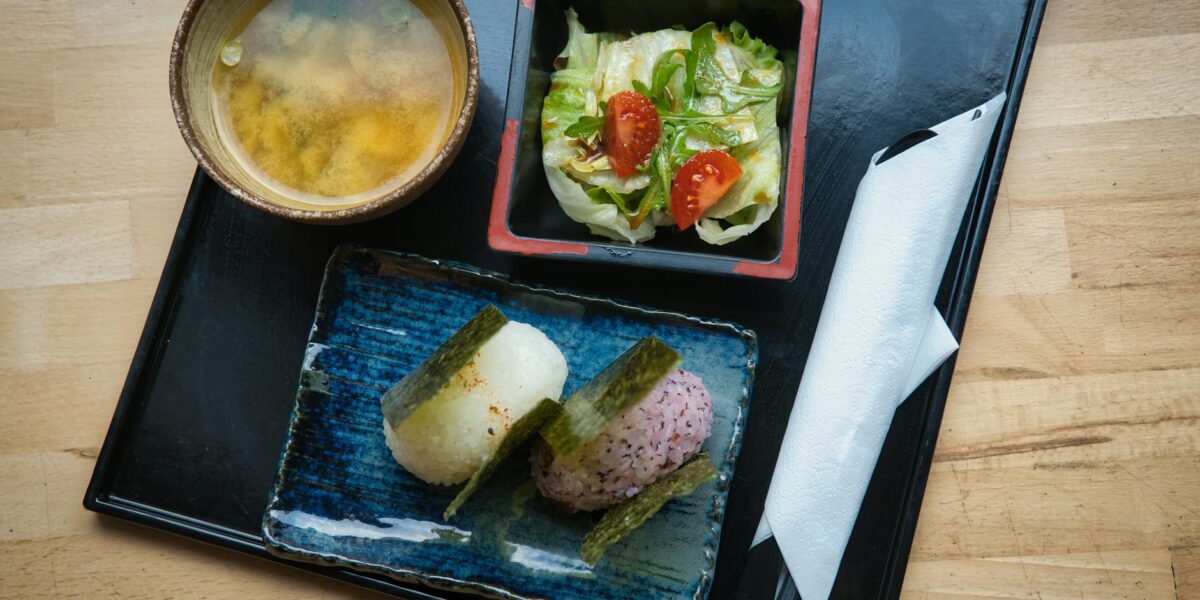
Bring the dashi to a gentle simmer in a small saucepan. Add the wakame and let it rehydrate for 2 minutes. Add the tofu and warm through for another minute. Remove the pot from the heat. Scoop the miso into a ladle, lower it into the broth, and stir with chopsticks until the miso dissolves completely. Taste and add more miso if needed. Divide among four bowls, scatter with scallions, and serve immediately.
Recipe 2: Saikyo-Style Miso-Glazed Black Cod
This is the dish that put miso on every fine-dining menu in America after chef Nobu Matsuhisa popularized his version in the 1990s. The marinade tenderizes and flavors the fish over a 24- to 72-hour rest in the refrigerator, then a quick broil produces a caramelized, almost candied crust over a velvety interior.
Serves 4.
- 4 black cod (sablefish) fillets, 6 ounces each
- 3/4 cup white miso paste
- 1/3 cup sake
- 1/3 cup mirin
- 1/3 cup sugar
In a small saucepan, simmer the sake and mirin for 3 minutes to burn off the alcohol. Whisk in the sugar until dissolved, then whisk in the miso until smooth. Cool completely. Pat the fish dry and submerge in the marinade. Refrigerate for 24 to 72 hours. Heat the broiler to high. Wipe excess marinade from the fillets, place skin-side down on a foil-lined sheet pan, and broil 4 to 6 inches from the heat for 6 to 8 minutes, until charred in spots and just cooked through. Let rest 2 minutes before serving with steamed rice and pickled ginger.
Recipe 3: Miso-Butter Pasta
A modern fusion classic that takes 15 minutes and converts any miso skeptic. The miso melts into the butter and emulsifies with the starchy pasta water to create a silky, deeply savory sauce.
Serves 2.
- 8 ounces spaghetti or linguine
- 4 tablespoons unsalted butter
- 2 tablespoons white miso paste
- 3 garlic cloves, finely minced
- 1/2 cup reserved pasta water
- 2 tablespoons grated Parmesan
- 1 tablespoon lemon juice
- Black pepper, to taste
- 2 tablespoons chopped chives
Cook the pasta in well-salted water until al dente. Meanwhile, melt the butter in a large skillet over medium-low heat. Add the garlic and cook 1 minute without browning. Whisk in the miso. Slowly add 1/4 cup of pasta water, whisking until you have a smooth emulsion. Add the drained pasta to the skillet, toss to coat, and add more pasta water as needed to loosen. Off heat, stir in the Parmesan, lemon juice, and black pepper. Top with chives and serve immediately.
Recipe 4: Miso-Glazed Eggplant (Nasu Dengaku)
One of the great vegetable dishes of the Japanese repertoire. Halved eggplants are scored, broiled until creamy, then topped with a sweet-savory red miso glaze and broiled again until caramelized. It works as a side, an appetizer, or a vegetarian main over rice.
Serves 4.
- 2 medium Japanese or Italian eggplants, halved lengthwise
- 2 tablespoons neutral oil
- 3 tablespoons red or awase miso
- 2 tablespoons mirin
- 1 tablespoon sake
- 2 teaspoons sugar
- 1 teaspoon grated ginger
- 1 teaspoon toasted sesame seeds
- 1 scallion, thinly sliced
Score the cut sides of the eggplants in a crosshatch pattern, going about halfway through the flesh. Brush generously with oil and place cut-side up on a foil-lined sheet pan. Broil 4 inches from the heat for 8 to 10 minutes, until the flesh is soft and the surface is golden. While they broil, whisk the miso, mirin, sake, sugar, and ginger in a small bowl. Spread the glaze evenly over the broiled eggplant. Return to the broiler for 2 to 3 more minutes, watching closely, until the glaze is bubbling and caramelized. Garnish with sesame seeds and scallion.
Recipe 5: Miso-Ginger Salad Dressing
The classic dressing of Japanese-American steakhouse salads, made better at home. It keeps for two weeks in the fridge and is excellent on iceberg, romaine, grain bowls, or as a dip for crudités.
Makes 1 cup.
- 3 tablespoons white miso paste
- 1/4 cup rice vinegar
- 3 tablespoons grated carrot
- 2 tablespoons grated fresh ginger
- 2 tablespoons grated yellow onion
- 1 garlic clove
- 2 teaspoons toasted sesame oil
- 1 tablespoon honey or maple syrup
- 1/4 cup neutral oil
- 2 tablespoons water (or more for thinner dressing)
Combine all ingredients in a blender or food processor and blend until smooth, scraping down the sides as needed. Add more water to reach your preferred consistency. Taste and adjust with more honey, vinegar, or miso. Store in a sealed jar in the refrigerator for up to two weeks. Shake well before each use.
Nutritional Benefits of Miso
Miso has been studied extensively as part of the broader Japanese dietary pattern that correlates with longevity in Okinawa and other regions. While it is high in sodium, it carries a substantial nutritional payload in each spoonful.
- Probiotics. Unpasteurized miso contains live Aspergillus oryzae, lactic acid bacteria, and yeasts. These microbes survive transit through the digestive tract in modest numbers and may support gut microbiome diversity. Pasteurized miso loses these but retains the metabolic byproducts of fermentation.
- Complete plant protein. Soybeans provide all nine essential amino acids, and a tablespoon of miso supplies roughly 2 grams of protein.
- B vitamins. Fermentation increases the bioavailability of B1, B2, B6, and B12 (depending on the cultures present), supporting energy metabolism and nervous system function.
- Minerals. Miso is a meaningful source of manganese, copper, zinc, and phosphorus.
- Antioxidants. Fermentation produces melanoidins and isoflavones that exhibit antioxidant activity in laboratory studies.
- Possible sodium paradox. Despite the high salt content, several Japanese epidemiological studies have suggested miso soup consumption is not associated with elevated blood pressure or stroke risk, possibly because of compensatory peptides produced during fermentation. The research is ongoing.
- Vegan and vegetarian-friendly. Traditional miso contains no animal products, making it a valuable seasoning for plant-based cooks seeking deep savor.
For most people, a tablespoon or two of miso a day fits comfortably into a balanced diet. If you are on a strict low-sodium diet for medical reasons, work with your doctor or dietitian to determine appropriate intake.
Miso Around the World: Modern Uses
The most exciting development in miso over the past decade has been the explosion of cross-cultural applications. Pastry chefs use white miso in caramels, butterscotch sauces, chocolate chip cookies, and salted caramel ice cream, where it adds the same salty backbone as fleur de sel but with extra dimensions of nutty complexity. Bartenders mix miso into cocktails, particularly with whisky and chocolate. Bakers stir it into bread dough and biscuit batters. Steakhouses brush miso-butter compounds over rib-eyes. Vegan chefs use it as a parmesan substitute, mixed with nutritional yeast and cashews. Even fast-casual chains have rolled out miso-glazed wings, miso ramen bowls, and miso vinaigrettes.
Beyond rice and soybean misos, a wave of American and European fermenters is producing miso from regional legumes: chickpea miso, yellow split pea miso, lentil miso, fava bean miso, sunflower seed miso, and even peanut miso. These non-traditional misos are not technically called miso in Japan (the legal term there protects rice or soy-based versions), but the technique and flavor logic are identical and they offer exciting new ingredients for the curious cook.
Common Mistakes to Avoid
- Boiling miso. Add miso off the heat or in the final minute of simmering. Sustained boiling kills the flavor aromatics.
- Adding too much salt elsewhere. Miso is salty enough on its own. Cut back on other salt and soy sauce, then adjust to taste at the end.
- Using one miso for everything. Different misos behave differently. A delicate fish dish needs white miso; a hearty stew needs red. Substituting blindly will dull or overpower your recipe.
- Letting it dry out. A skin of dry, dark miso is what happens when the surface is exposed to air. Press plastic against it.
- Throwing away surface mold. Light surface mold on a long-stored miso is usually harmless. Scrape it off; the miso underneath is fine. Discard only if mold has penetrated throughout or the paste smells off.
- Skipping the strain step. Miso can clump in liquid. Mash it through a small strainer or whisk vigorously to keep your soup smooth.
Miso FAQ
Is miso gluten-free?
Miso made from rice koji and soybeans is naturally gluten-free, but barley miso (mugi miso) contains gluten. Some manufacturers also blend grains, so always read the label if you have celiac disease or a serious sensitivity. Look for products explicitly labeled gluten-free.
Is miso vegan?
Traditional miso is vegan. However, instant miso soup packets and some processed miso products contain dashi made with bonito (dried fish), so always check the ingredient list if you avoid animal products.
How long does miso last?
An opened tub of refrigerated miso will keep at peak quality for about a year and remains safe to use for two years or longer. The flavor will deepen and the color will darken over time, which is generally desirable. Frozen miso lasts indefinitely.
Can I eat miso raw?
Yes. Miso is already a cooked, fermented food and is safe to eat directly from the tub. In fact, dressings, dips, and finishing applications where the miso is not heated preserve its live cultures and full aromatic profile.
What is the difference between miso and doenjang?
Both are fermented soybean pastes, but doenjang (Korean) is made without koji and ferments for longer with a less controlled microbial environment, producing a chunkier, funkier, more pungent paste. Miso (Japanese) uses koji for a smoother, more refined, often sweeter flavor. They can substitute for each other in stews but are distinct in delicate dishes.
What is the difference between miso and soy sauce?
Both come from fermented soybeans, but soy sauce is the liquid byproduct of a long brine fermentation, while miso is the solid paste. Miso has more body, more sweetness (especially in white varieties), and a more complex aroma. Soy sauce is purely a seasoning; miso is closer to a paste-based ingredient.
Why is my miso pink or red on top?
Oxidation. The surface darkens as it reacts with air. As long as it does not smell off or show fuzzy mold, stir it back in or scrape it off and continue using normally.
Can children eat miso?
Yes, in moderation. Japanese children grow up eating miso soup daily. Watch the salt content for very young children and dilute soups slightly more than for adults.
Does miso need to be refrigerated before opening?
Refrigerated, unpasteurized miso should always be kept cold. Shelf-stable pasteurized miso can stay in the pantry until opened. Once opened, both types should be refrigerated.
What is the white powder I sometimes see on miso?
It is yeast (often called Mycoderma or kahm yeast), a harmless surface bloom that can appear on long-stored fermented foods. Scrape it off; the miso underneath is perfectly fine.
Final Thoughts on Cooking with Miso
Miso paste is one of those rare ingredients that rewards both reverence and experimentation. The traditionalist in Kyoto who has eaten the same miso soup every morning for forty years and the home cook in Cleveland who just stirred white miso into their salted caramel sauce are both using the ingredient correctly. Once you have a tub or two in your refrigerator, you will reach for miso constantly: a teaspoon to deepen a Bolognese, a tablespoon to glaze roasted carrots, a swipe across toast under sliced avocado, a whisk into your salad dressing. It is a quietly transformative pantry staple that makes everything around it taste more like itself.
Start with white miso for its versatility, add red miso when you want depth, and explore from there. Keep your tub sealed, your spoons clean, and your heat low when you add it, and miso will reward you with years of better-tasting cooking. The hardest part of using miso is just opening the lid.

Mei Lin Chen
Mei Lin Chen is an Asian food writer and recipe developer. Melbourne-raised and London-based, she has spent over a decade exploring the rice paddies, hawker stalls, and home kitchens of South-East and East Asia. Her recipes balance traditional technique with everyday practicality.