Last updated: March 11, 2026
Tucked into the eastern Himalayas between Nepal, Bhutan, Tibet, and the Indian state of West Bengal, the tiny mountain state of Sikkim has one of the most quietly remarkable cuisines in all of Asia. Sikkim food is a high-altitude, fermentation-driven, vegetable-heavy way of eating shaped by Buddhist monasteries, Lepcha forest knowledge, Bhutia herding traditions, and Nepali farming communities. It is the kind of regional cuisine that diners are now actively seeking out in 2026: hyper-local, deeply seasonal, naturally plant-forward, and full of fermented foods that line up with the global appetite for gut-friendly cooking.
This complete guide to Sikkimese cuisine covers the cultural history of the state, the three communities whose kitchens define it, the essential ingredients that fill a Sikkim pantry, the must-try dishes you will encounter on every visit, the cooking techniques that make this food so distinctive, and a practical meal-planning section so you can cook a Sikkimese spread at home. If you have already explored Tibetan food, Nepali cuisine, or Bhutanese cooking, Sikkim will feel like a fascinating crossroads where all three meet and become something new.
What Is Sikkimese Cuisine?
Sikkimese cuisine refers to the everyday and ceremonial cooking of the Indian state of Sikkim, a former Buddhist kingdom that joined India in 1975. The food sits at the intersection of three large culinary traditions and three principal ethnic communities: the indigenous Lepcha people who have lived in these forests for centuries, the Bhutia of Tibetan origin who migrated south over the Himalayan passes, and the Nepali settlers who arrived in waves from the late 1800s onward. Each community brought different ingredients, fermentation knowledge, and ritual food practices that now coexist on the same plate.
Because Sikkim sits between roughly 280 meters and 8,586 meters in altitude, with year-round snow on Kangchenjunga and subtropical valleys along the Teesta river, the cuisine is unusually vertical. The same family might eat fermented bamboo shoot soup in the lowlands, buckwheat pancakes at mid-altitude, and yak butter tea higher up. Nearly everything is local: Sikkim was declared India’s first fully organic state in 2016, and home cooks still rely on seasonal produce from kitchen gardens, foraged greens, and the famous Sunday haat markets in towns like Gangtok, Namchi, and Geyzing.
A Short History of Sikkim Food
The oldest layer of Sikkim cuisine belongs to the Lepcha, the original inhabitants of the region. Lepcha food is shaped by the forest: wild ferns, fiddleheads, bamboo shoots, taro, yams, foraged mushrooms, river fish, and small game. Lepchas were among the first to perfect fermentation in the eastern Himalayas, preserving leafy greens as gundruk and sinki, and turning soybeans into a pungent, sticky paste called kinema that predates anyone’s memory in the region.
The Bhutia layer arrived from Tibet around the 17th century, bringing with them yak, butter, salt tea, barley, buckwheat, and a strong dumpling and noodle culture. The Namgyal dynasty was established in 1642 with the consecration of the first Chogyal at Yuksom, and Buddhist monasteries became important food centers. Monastic kitchens preserved a vegetarian tradition built on barley, beans, dried cheese, and grain alcohols, while lay Bhutia households cooked momos, thukpa, phaley, and rich slow-simmered meat stews.
The Nepali wave, which began under British colonial labor recruitment in the late 19th century, transformed the everyday rice-and-curry plate. Today the majority of Sikkim’s population is of Nepali origin, and the dal-bhat-tarkari format, the love of pickles, the use of mustard oil and timur pepper, and the popularity of sel roti at festivals all come from this community. Modern Sikkimese cooking is a fluid blend of all three: a single Gangtok kitchen might make Lepcha-style fermented bamboo curry on Monday, Bhutia momos on Tuesday, and a full Nepali thali on Wednesday.
The Three Communities and Their Kitchens
You cannot understand Sikkim food without understanding which kitchen is cooking. While there is tremendous cross-pollination, dishes still carry strong community signatures, and home cooks happily identify a recipe as belonging to one tradition or another. The table below summarizes the defining flavors, staple grains, and signature preparations of each group.
| Community | Staple grains | Defining flavors | Signature dishes |
|---|---|---|---|
| Lepcha | Millet, foxtail millet, rice | Forest herbs, bamboo, fermented greens, river fish | Sel roti, sungrenam (boiled meat), kinema curry, bamboo shoot soup |
| Bhutia | Buckwheat, barley, wheat | Yak butter, dried cheese, dried chilies, salt | Momo, thukpa, phaley, gyathuk, churpi soup, sha phaley |
| Nepali | Rice, lentils, maize | Mustard oil, timur, fenugreek, cumin, ginger | Dal bhat, gundruk soup, sel roti, dhindo, chhurpi pickles |
In a typical Sikkimese home, daily meals borrow freely from all three columns. Lunch may be a Nepali dal bhat plate with a Lepcha fermented bamboo side dish and a Bhutia chili pickle. Festival food is more conservative: Losoong is a Bhutia harvest celebration with khapse fritters and chang millet beer, while Tihar and Dasain follow Nepali templates with sel roti and goat curry.
The Sikkim Pantry: Essential Ingredients
The Sikkim pantry is small, seasonal, and intensely flavorful. Because the state is fully organic and largely self-sufficient in vegetables, ingredients are chosen for what grows well at altitude rather than what is fashionable. Many ingredients double as preservation systems: fermented soybeans, sun-dried cheese, smoke-cured meats, and brined greens stretch the lean winter months when fresh produce is scarce.
| Ingredient | What it is | How it is used | Substitute |
|---|---|---|---|
| Kinema | Fermented soybeans, sticky and pungent | Curries, stews, side dishes | Japanese natto or fermented black beans |
| Gundruk | Sun-dried fermented leafy greens (mustard, radish leaves) | Tangy soups, pickles, side stir-fries | Sauerkraut or fermented mustard greens |
| Sinki | Fermented radish taproots, buried underground | Sour soups, pickles, tarkari | Fermented daikon or kimchi radish |
| Churpi (soft) | Fresh, mild yak or cow milk cheese | Curries, stir-fries, soups | Paneer or fresh ricotta |
| Churpi (hard) | Sun-dried, rock-hard cheese | Chewed slowly, broken into soups | Aged Parmesan rind |
| Timur | Himalayan Sichuan pepper, citrusy and tingling | Pickles, chutneys, momo dips | Sichuan peppercorn |
| Dalle khursani | Round red Himalayan chili, very hot | Fresh pickles, sauces, momo dips | Habanero or Scotch bonnet |
| Bamboo shoot (tama) | Fresh or fermented young bamboo | Curries, soups, stir-fries | Canned bamboo shoots in brine |
| Buckwheat (phapar) | Whole grain and flour | Pancakes, dumpling wrappers, porridge | Soba flour or wholewheat flour |
| Large cardamom | Smoked black cardamom pods (Sikkim is the world’s largest producer) | Curries, pickles, meat stews | Black cardamom (cao guo) |
| Mustard oil | Pungent yellow oil from mustard seeds | Tempering, pickles, deep frying | Sesame or rapeseed oil |
| Yak butter | Rich, faintly tangy fat | Tea, breads, monastery cooking | Cultured cow’s butter |
| Chhang | Fermented millet or rice beer | Drinking, marinades | Unfiltered sake or makgeolli |
Sikkim large cardamom deserves a special mention. The state grows more than half of the world’s supply, and the smoke-dried pods carry an unmistakable woodsmoke aroma that fuels everything from monastery butter tea to long-simmered pork curries. If a recipe calls simply for ”cardamom” in a Sikkim context, it almost always means this big black variety, not the small green pods used in Indian desserts. The same is true for timur pepper, which functions in Sikkimese momo dips much the way Sichuan peppercorn works in Chinese chili oil, a citrusy, slightly numbing lift rather than a chili heat.
10+ Must-Try Sikkim Dishes
These dishes are the backbone of Sikkim food. You will find every one of them at Gangtok food courts, roadside cafes in Pelling, and in the kitchens of home stays from Yuksom to Lachung. Together they tell the story of three communities, four growing seasons, and a high-altitude pantry that punches far above its weight.
1. Momo
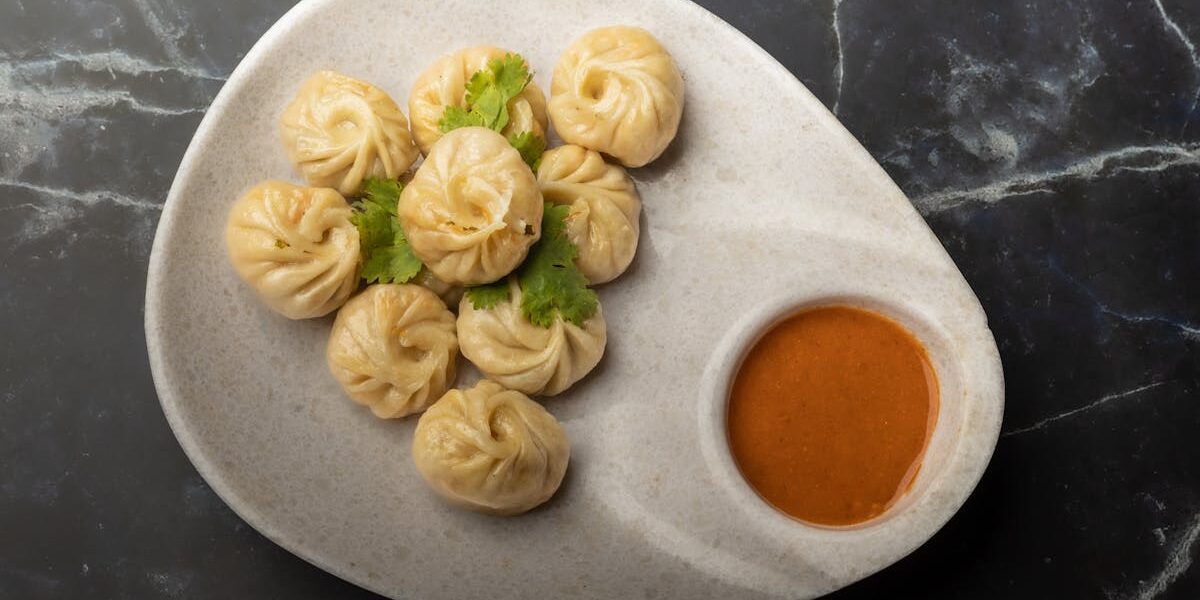
Sikkim’s most beloved dish is the Bhutia-Tibetan momo: hand-pleated dumplings filled with minced pork, chicken, buffalo, vegetables, or fresh churpi cheese. The wrappers are made from plain flour rolled paper-thin, the fillings seasoned with ginger, garlic, scallions, and a whisper of timur, and the dumplings are either steamed in tiered bamboo baskets or pan-fried into crisp-bottomed kothey momos. They are eaten with a tomato-dalle chili dipping sauce and a small bowl of clear broth on the side. Once you understand the basic pleat, learning how to fold dumplings the Sikkimese way is mostly about patience and a confident pinch.
2. Thukpa
Thukpa is the great Himalayan noodle soup, a bowl of long hand-pulled noodles in a rich, spiced broth with vegetables and meat. Sikkimese thukpa tends to be lighter than its Tibetan cousin, with a clear tomato-and-ginger broth, lots of leafy greens, and a generous shake of timur on top. It is the perfect cold-weather dish in Gangtok’s rainy winters, and you will find vegetarian, chicken, pork, and beef versions side by side on the same menu.
3. Gundruk Ko Jhol
Gundruk ko jhol is a tangy, brothy soup made from fermented mustard or radish leaves. Cooks rehydrate the dried gundruk, then simmer it with potatoes, tomato, garlic, dried chili, and timur until the broth turns a brilliant deep orange. The taste is sour, smoky, and deeply restorative, Sikkim’s answer to miso soup. Most Nepali-Sikkimese households eat it at least once a week, and it is widely believed to balance heavy meat meals and rich festival food.
4. Kinema Curry
Kinema curry is the dish that introduces most visitors to fermented Himalayan soybeans. Soft, sticky kinema is pounded into a paste and simmered with tomato, ginger, garlic, turmeric, and dried red chilies until the sauce is thick and brown. The flavor is intensely savory and a little funky, similar to fermented black beans but with more umami glue and less salt. Served with steamed rice and a green chili pickle, it is comfort food at its most distinctive.
5. Phagshapa
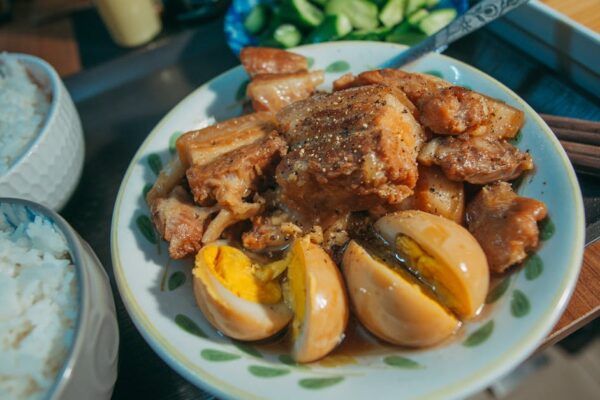
Phagshapa is a Bhutia pork stew made with thick strips of pork belly, dried red chilies, and radish. Unlike Indian curries, there is no thick masala here; the dish lets the pork render its own fat, which crisps in the pan before the chilies and radish are added with a splash of water to make a glossy, peppery sauce. It is the kind of meal that warms you from the inside out and is traditionally cooked in a single cast-iron pot.
6. Sel Roti
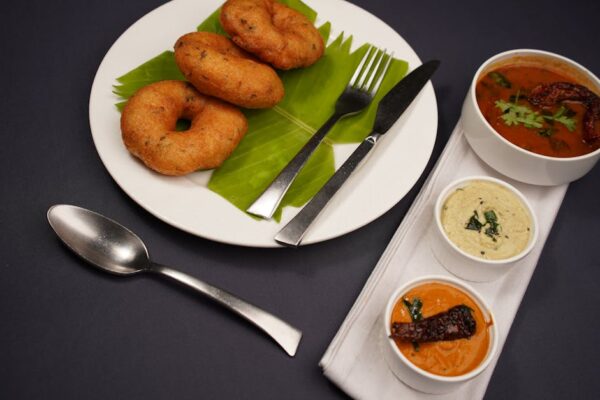
Sel roti is a sweet, ring-shaped rice doughnut that is essential to every Nepali-Sikkimese festival. The batter is made from soaked rice ground with banana, sugar, ghee, and cardamom, then poured into hot oil in a thin ring and fried until crisp outside and chewy inside. At Tihar and Dasain, families fry hundreds in a day, gifting them in stacks tied with grass to relatives and neighbors. They keep for days and are dipped in tea, eaten with pickles, or paired with goat curry.
7. Phaley (Shapaley)
Phaley is a fried meat-stuffed bread of Tibetan-Bhutia origin. Two thin wheat-flour rounds are sealed around a filling of minced beef or pork seasoned with onion, ginger, and scallions, then shallow-fried until golden brown. The result is somewhere between an empanada and a stuffed flatbread. Sikkimese cafes serve phaley as an afternoon snack with hot tea or with a tomato-chili dip very similar to the one used for momos.
8. Dhindo
Dhindo is a thick porridge made by stirring buckwheat, millet, or maize flour into boiling water until it firms into a soft, pliable dough. It is served in scoops with multiple side dishes: dal, leafy green saag, a sour pickle, and often a fiery dalle chili paste. Diners pinch off small balls of dhindo, dip them into the sides, and eat with their fingers. Healthier than rice and full of fiber, dhindo is the original mountain power lunch.
9. Sha Phaley and Gyathuk
Gyathuk is a thinner, flat-noodle cousin of thukpa, often made with hand-cut squares or strips of dough and a richer meat broth. Pair a bowl with sha phaley (the round meat-filled bread above) and you have the classic Bhutia monastery meal, high calorie, high warmth, and built for cold mornings at altitude.
10. Tama Curry (Fermented Bamboo Shoot)
Tama curry is a Nepali-Sikkimese classic that combines fermented bamboo shoot (tama), black-eyed peas, and potato in a tangy, lightly spiced gravy. The fermentation gives the bamboo a deeply savory, almost cheesy aroma, and the peas add a creamy bite. Served with rice and a green chutney, it is one of the dishes most often described by travelers as the most surprising thing they ate in Sikkim.
11. Churpi Soup
Churpi soup uses soft, fresh yak or cow cheese as the protein base. Cubes of churpi are simmered with garlic, tomato, leafy greens, and timur in a light broth. As the cheese softens, it releases a gentle creaminess into the soup. It is a beautiful dish for vegetarians and a reminder that Sikkim’s plant-forward tradition is not new at all, Buddhist monasteries have eaten this way for centuries.
12. Sungrenam (Lepcha Boiled Pork)
Sungrenam is the Lepcha way with pork: large chunks of meat are boiled with ginger, garlic, and salt, then served simply with chilies and rice. It is plain on paper but deeply satisfying. Pair it with the Lepcha version of fermented millet alcohol called chyang, sipped from a tall bamboo container called a tongba through a wooden straw, and you have the closest thing to a Lepcha festival in a single sitting.
13. Chhurpi Pickle and Dalle Achar
No Sikkim meal is complete without at least one pickle. Chhurpi pickle uses soft churpi cheese tossed with timur, mustard oil, garlic, and dalle chili. Dalle achar uses whole round red chilies stuffed with salt and mustard oil. Both keep for months and bring fire, fragrance, and crunch to any plate. They are also a useful gateway to Japanese pickling techniques if you want to compare regional Asian pickling traditions.
Cooking Techniques That Define Sikkim Food
If Sikkim’s pantry is small, its techniques are surprisingly diverse. Cooks rely on four main methods that, taken together, define the flavor profile of the cuisine: fermentation, steaming, slow simmering, and tempering. Many of these techniques will feel familiar if you have explored other Himalayan or East Asian cuisines, but each carries a uniquely Sikkimese twist.
Fermentation
Fermentation is the heart of Sikkim food. Gundruk is made by pounding fresh mustard and radish leaves, packing them into a sealed earthen pot, fermenting them for two to three weeks in a warm corner of the kitchen, then sun-drying them on bamboo mats. Sinki is similar but uses whole radish roots buried in a small underground pit lined with leaves. Kinema is made by boiling soybeans, wrapping them in fern or banana leaves with a pinch of wood ash, and incubating them in a warm spot for one to three days until they turn sticky and aromatic. The principles overlap with Korean kimchi fermentation and Japanese koji, but the cultures and substrates are entirely local.
Steaming
Steaming is everywhere in Sikkim, most famously for momos. Bhutia kitchens use tiered bamboo baskets very similar to Cantonese dim sum baskets, with momos placed on lightly oiled banana leaves or cabbage leaves to prevent sticking. The same baskets are used to steam fish, sticky rice, fresh churpi cheese, and even buckwheat dumplings called kongphel. If you are setting up a Sikkimese kitchen at home, a good bamboo steamer is one of the smartest investments you can make.
Slow Simmering and Pot Cooking
Many Sikkim meat dishes rely on a single heavy pot, often cast iron, slowly simmering over a wood fire. Phagshapa, kinema curry, tama curry, and dal bhat are all built this way. There is no need for stir-fry heat or wok hei; instead, time and gentle heat coax flavor out of bones, fermented ingredients, and root vegetables. Some Sikkimese families still cook ceremonial dishes in clay pots, especially for festival pork or long-simmered cardamom stews.
Tempering (Jhane)
From the Nepali side comes jhane, a tempering technique very similar to Indian tadka. Mustard oil is heated until smoking, then fenugreek seeds, cumin, dried red chilies, and sometimes timur are added until they crackle and bloom. The fragrant oil is poured over a finished dal, gundruk soup, or pickle to lift the whole dish at the last moment. This single technique is often the difference between a flat Sikkim dish and a great one.
Sikkim Cuisine vs. Its Neighbors: A Comparison
Sikkim shares ingredients, techniques, and even some dish names with its Himalayan neighbors, but the proportions and emphases are different. The table below highlights how Sikkim food compares to other regional Asian cuisines that visitors often confuse with it. If you have already cooked your way through one of these cuisines, this comparison will help you understand exactly what to expect from Sikkim.
| Cuisine | Staple grain | Defining technique | Spice profile | Fermented stars |
|---|---|---|---|---|
| Sikkim | Rice + buckwheat + millet | Fermentation + tempering | Timur, dalle chili, ginger, black cardamom | Kinema, gundruk, sinki, churpi |
| Tibetan | Barley (tsampa) | Boiling + butter-tea blending | Salt, dried chili, butter | Churpi (hard), chhang |
| Nepali (general) | Rice + lentils | Tempering + slow simmer | Timur, fenugreek, cumin, mustard oil | Gundruk, sinki |
| Bhutanese | Red rice | Chili-and-cheese stewing | Ema datshi: chilies and cheese | Datshi (fresh cheese) |
| Bengali (West Bengal) | Rice | Mustard-oil tempering + frying | Panch phoron, mustard, ginger | Posto, kasundi |
| Northeast Indian (general) | Rice + bamboo | Smoking, fermenting, boiling | Bhut jolokia, ginger, mustard | Akhuni, anishi, kinema |
What sets Sikkim apart is not any one ingredient or technique but the way these elements combine. Tibet’s barley meets Nepal’s lentils, the Lepcha forest contributes ferments and foraged greens, and the result is a cuisine that tastes simultaneously old and surprisingly modern. The plant-forward profile, the heavy reliance on fermentation, and the organic farming base make Sikkim food feel almost designed for the way diners want to eat in 2026.
Festival and Ceremonial Foods
Sikkim has one of the busiest festival calendars in India, and each celebration brings its own cookbook. Losoong, the Bhutia harvest festival in late December, is built around chhang (fermented millet beer sipped through a bamboo straw from a tongba), khapse fritters, and slow-cooked yak or pork. Saga Dawa, the Buddhist month commemorating the birth, enlightenment, and parinirvana of the Buddha, is strictly vegetarian; monasteries serve thenthuk noodle soup, churpi soup, momos with cheese filling, and rice with lentils.
The Nepali festivals of Tihar and Dasain dominate October and November. Sel roti, goat curry, masu bhutuwa (pan-fried meat), and a parade of pickles fill the table. Lepcha festivals such as Tendong Lho Rum Faat in August feature ritual offerings of millet, foraged ferns, and small grain doughs to forest deities. Across all these celebrations, the unifying thread is generosity: cooking in large pots, sending dishes to neighbors, and eating until well past dark.
Meal Planning: How to Build a Sikkimese Spread at Home
The easiest way to cook Sikkim food at home is to think in terms of a four-part plate: a staple grain, a wet dish, a fermented or pickled side, and a tempering or condiment that ties it all together. Once you have that template, swapping ingredients is straightforward. Below are three sample menus, from a quick weeknight bowl to a full weekend feast.
Weeknight Bowl (30 minutes)
- Steamed jasmine or short-grain rice
- Kinema curry made with fermented black beans (as a substitute) and tomato
- Quick-pickled radish with timur and mustard oil
- Mustard-oil tempering of fenugreek and dried chili poured on top
Weekend Dinner (90 minutes)
- Pork or vegetable momos with tomato-dalle dipping sauce
- Thukpa with hand-cut noodles, greens, and a small pour of timur oil
- Gundruk ko jhol soup
- Cabbage and carrot pickle
Sunday Feast (3 hours)
- Phagshapa pork belly with dried chilies and radish
- Tama curry with fermented bamboo and black-eyed peas
- Dhindo or rice
- Churpi soup or stir-fried saag
- Sel roti for dessert with cardamom tea
- Dalle and chhurpi pickles on the side
Beverages matter too. Hot ginger tea with a small chunk of jaggery is the universal Sikkimese welcome drink. For evenings, a small pot of butter tea (cha) suits the colder dishes, and the more adventurous can try chhang from specialty importers. Many of the cooking techniques above also work beautifully with a wok if you also use it for general stir-frying, the same pan can sear pork belly for phagshapa one night and stir-fry greens the next.
Equipment for Cooking Sikkim Food at Home
You do not need specialized equipment to cook excellent Sikkim food, but a few items make the experience much more authentic. A heavy cast-iron pot, ideally a Dutch oven, replaces the traditional cast iron used over wood fires. A two-tiered bamboo steamer handles momos, churpi, and steamed greens. A small mortar and pestle is essential for crushing timur, dalle chili, and large cardamom pods without losing their volatile aromas.
For dumpling making you will want a thin rolling pin, ideally a tapered Asian-style dowel. A sharp Chinese cleaver handles every cutting job in a Sikkim kitchen, from boning pork to slicing leafy greens. If you plan to ferment seriously, a few glass jars with airlocks make gundruk, sinki, and quick chili pickles much easier to manage in a typical city kitchen.
Health, Sustainability, and the Organic State
Sikkim’s 2016 declaration as India’s first fully organic state was not a marketing exercise. Synthetic pesticides and chemical fertilizers were phased out gradually beginning in 2003, and today every farm in the state is certified organic. This has profound consequences for the cuisine. Vegetables taste pronounced rather than diluted; native varieties of bean, leaf, and grain that would have disappeared elsewhere are still in active circulation; and home cooks have a direct relationship with local producers via weekly haats.
The cuisine is also naturally suited to plant-forward eating. Many Sikkimese vegetarians thrive on lentils, kinema, churpi, fermented vegetables, buckwheat, and millet, with meat appearing only on weekends or festivals. The fermentation-heavy diet supplies vitamin B12, probiotics, and umami compounds that compensate for the lower meat intake. If you are looking for a regional Asian cuisine that aligns with sustainability goals, supports diverse gut microbiota, and feels neither restrictive nor trendy, Sikkim food is a strong candidate.
Where to Eat Sikkim Food (Inside and Outside India)
In Sikkim itself, the best food is almost always in homes and home stays. Gangtok has a thriving cafe scene along MG Marg with reliable momos and thukpa, but for kinema curry, sungrenam, and gundruk ko jhol you should plan to stay at a village home stay in places like Yuksom, Dzongu, or Pelling. Sunday haats in Namchi and Geyzing are excellent for tasting fermented foods and street snacks under one roof.
Outside India, dedicated Sikkimese restaurants are still rare, but the cuisine appears regularly on the menus of broader Himalayan and Nepalese restaurants in the US, UK, Canada, and Australia. Look for menus that distinguish Tibetan-Nepali or Himalayan food rather than generic Indian, and ask whether they make their own kinema, gundruk, or churpi. Specialist online importers stock the dry ingredients, large cardamom, timur, dalle chili paste, kinema, gundruk, dried churpi, that let you replicate most of these dishes faithfully in a home kitchen.
Sikkim Food FAQ
Is Sikkim food spicy?
Sikkim food can be very spicy, but the heat is more aromatic than blunt. Dalle khursani chilies are extremely hot but used sparingly in pickles and dips, while everyday curries rely more on the citrusy lift of timur pepper and the warmth of black cardamom and ginger. You can ask for kam piro (less spicy) anywhere in Sikkim and the heat will be dialed down.
How is Sikkim food different from Indian food?
While Sikkim is an Indian state, the cuisine has more in common with Tibet, Nepal, and Bhutan than with the rest of India. There is no naan, very little wheat-bread tradition, almost no use of cream-based gravies, and limited deep frying. Instead the cuisine is built on rice, buckwheat, fermented vegetables, fresh cheese, and slow-simmered meats. The closest parallels within India are Bengali and Northeast Indian cuisines, but the spice palette is clearly Himalayan.
Is Sikkim food vegetarian friendly?
Yes, exceptionally so. Buddhist monastic cooking has shaped a deep vegetarian tradition: kinema curry, churpi soup, gundruk soup, tama curry with peas, dhindo with leafy greens, and vegetable momos are all completely vegetarian. Many of these are also naturally vegan if cooked in mustard oil rather than ghee, which is the more common everyday choice anyway.
What does kinema taste like?
Kinema is funky, sticky, and deeply savory, with a smell that is stronger than the flavor of the finished dish. If you have eaten Japanese natto, you are halfway there; if you know Korean doenjang or Japanese miso, you will recognize the same umami family. Once cooked into a curry with tomato and ginger, the aroma mellows and the dish tastes more like a savory bean stew with extraordinary depth.
What is the most popular Sikkim dish?
By a wide margin, momos are the most popular dish in Sikkim. They are sold at street stalls, school canteens, fine dining restaurants, and home parties. After momos, thukpa, gundruk soup, and sel roti are the most universally loved dishes across all three communities.
What is timur and where can I buy it?
Timur is the Himalayan species of Sichuan pepper (Zanthoxylum armatum). The dried husks have a citrusy, faintly numbing quality similar to but distinct from Chinese Sichuan peppercorn. It is sold by online South Asian specialty shops and by some Nepali grocery stores in major cities. If you cannot find timur, Sichuan peppercorn is the closest substitute.
How do I store fermented Sikkim ingredients?
Dried gundruk and sinki can be stored in airtight jars in a cool, dark cupboard for up to a year. Kinema should be wrapped in parchment and kept in the freezer for up to three months; it does not freeze solid because of its high moisture content but it does pause fermentation. Soft churpi cheese keeps in the fridge for about a week; hard churpi can be stored at room temperature for years and is sometimes treated as a chewy snack rather than a cooking ingredient.
Are there any Sikkim desserts?
Sikkim desserts are relatively simple and often festival-bound. Sel roti is the most famous sweet, followed by khapse (Bhutia fritters), juju dhau (a sweetened yogurt of Nepali origin), and seasonal fruit such as Sikkim mandarins, kiwi, and passion fruit eaten fresh. There is also a strong tradition of drinking sweetened butter tea or cardamom-infused milk tea after meals.
Can I make Sikkim momos with the same wrappers as Chinese dumplings?
You can, although the textures differ slightly. Sikkimese momo wrappers are usually a simple flour-and-water dough rolled a bit thicker than Chinese jiaozi wrappers, with a clear pleat-and-pinch closure at the top. If you have already mastered Chinese homemade dumpling wrappers, you can roll them just a touch thicker and use the same dough for momos.
Is Sikkim food available outside India?
Increasingly yes. Major cities in the US, UK, Canada, and Australia now have at least a few Himalayan or Nepali-Tibetan restaurants serving momos, thukpa, gundruk, and phagshapa. Authentic kinema curry remains rare on restaurant menus but is easy to make at home with imported ingredients.
Final Thoughts: A Cuisine Worth Discovering in 2026
Sikkim food is one of those rare regional cuisines that feels like a complete world in miniature. In a state smaller than Connecticut, three communities, four seasons, and thousands of meters of altitude have produced a way of eating that is fermented, plant-forward, gently spiced, deeply seasonal, and entirely its own. The 2026 trend toward hyper-regional Asian cuisines makes this the perfect moment to look beyond the usual marquee names and learn what the cooks of Gangtok, Yuksom, and Lachung have known for centuries.
If you are new to Sikkim food, start with momos and gundruk soup at the same meal. Add thukpa for week two, kinema curry for week three, and a full Sunday feast with phagshapa, tama curry, and sel roti for week four. Within a month you will have cooked your way through the essential repertoire and built a small fermented-ingredient stash that keeps for months. Sikkim food rewards patience and curiosity in equal measure, and once you taste it, it has a way of staying in your kitchen long after the visit is over.

Mei Lin Chen
Mei Lin Chen is an Asian food writer and recipe developer. Melbourne-raised and London-based, she has spent over a decade exploring the rice paddies, hawker stalls, and home kitchens of South-East and East Asia. Her recipes balance traditional technique with everyday practicality.