Last updated: March 04, 2026
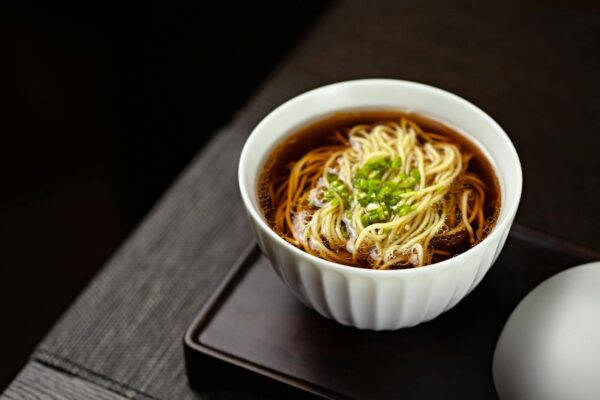
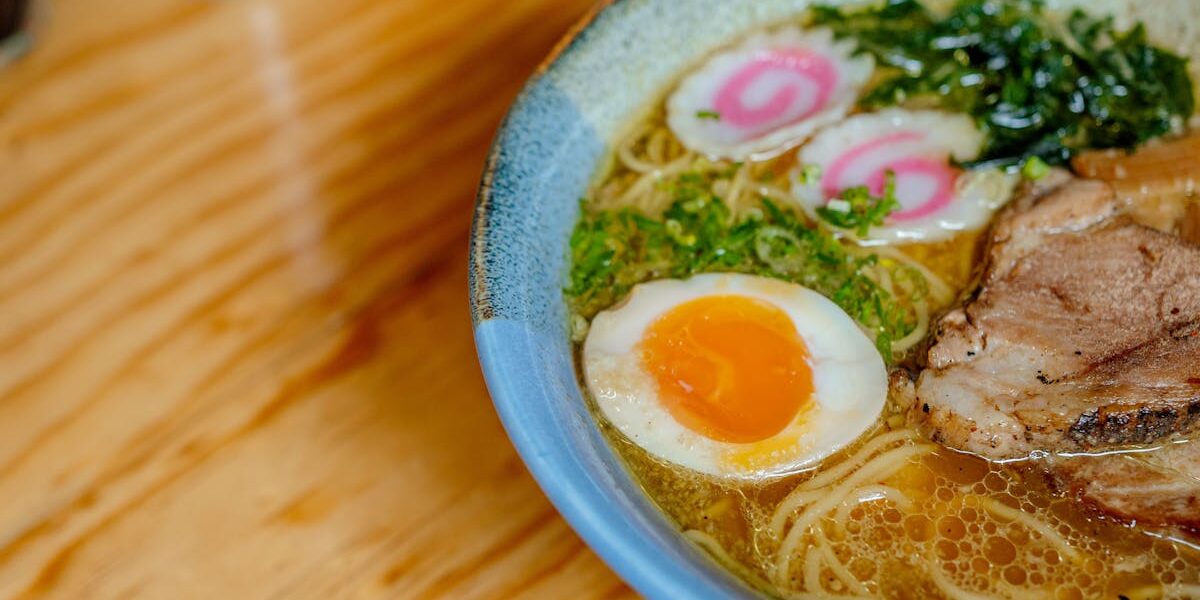
Shoyu ramen is the soulful, soy-sauce-based bowl that defined modern Japanese ramen. Born in Tokyo in the early twentieth century when Chinese noodle shops collided with the deeply umami pantries of Japan, shoyu ramen pairs a clear, amber broth with springy alkaline noodles, silky chashu pork, marinated soft-boiled eggs, and a flurry of scallions. It is at once delicate and powerful, comforting and complex — the bowl that most ramen pilgrims remember as their first true revelation.
This recipe walks you through making restaurant-quality shoyu ramen at home, including the all-important shoyu tare (concentrated soy seasoning), a clean dashi-enriched chicken broth, a perfect ajitama (marinated egg), and tender chashu pork belly. You can build the entire bowl in a single afternoon, or make components ahead and assemble in 20 minutes on a weeknight. Either way, the payoff is a steaming bowl of golden broth that tastes like the best little ramen-ya in Setagaya.
What Is Shoyu Ramen?
Shoyu (醤油) means ”soy sauce” in Japanese, and shoyu ramen is the style defined by a tare made primarily from soy sauce. The tare is a concentrated seasoning sauce — think of it as the ”espresso shot” that goes into the bottom of the bowl — and the broth is poured over it, mixing the moment it hits the base. The result is a clear, glistening soup with a balanced salinity, deep aromatic complexity, and a beautiful brown-amber hue.
Shoyu ramen is one of the four canonical ramen styles in Japan, alongside shio (salt-based), miso (fermented soybean paste), and tonkotsu (creamy pork bone). Within shoyu, regional variations abound: Tokyo-style is the classic with chicken-and-dashi broth; Wakayama uses pork bone; Asahikawa in Hokkaido leans on rich, oily double-soup; and Kitakata in Fukushima is famous for thick, flat noodles in a lighter shoyu broth.
The Anatomy of a Bowl
Every ramen bowl is built from five components that come together at the moment of serving. Understanding these layers is the difference between a so-so bowl and a transcendent one.
- Tare — the seasoning concentrate that goes in first. For shoyu, it’s a reduction of soy sauce, mirin, sake, and aromatics.
- Broth — the soup base. Classic Tokyo shoyu uses chicken bones and feet plus a kombu-and-katsuobushi dashi.
- Aroma oil — a flavored fat (chicken oil, scallion oil, or sesame oil) drizzled on top to lock in fragrance and warmth.
- Noodles — alkaline wheat noodles with a bouncy, springy chew. For shoyu, medium-thin straight or wavy noodles work best.
- Toppings — chashu, ajitama, menma (fermented bamboo), nori, naruto fish cake, and chopped scallions.
You can read our deep dives on how to make ramen broth and homemade ramen noodles for the foundational techniques that this recipe builds on.
Recipe at a Glance
| Detail | Information |
|---|---|
| Prep time | 45 minutes |
| Cook time | 4 hours (mostly hands-off) |
| Total time | 4 hours 45 minutes |
| Servings | 4 large bowls |
| Difficulty | Intermediate |
| Cuisine | Japanese |
| Course | Main / Soup |
| Make-ahead | Yes — broth, tare, eggs, and chashu can be prepped 3 days in advance |
Ingredients
For the Shoyu Tare (makes about 1 cup, enough for 8 bowls)
- 1 cup (240 ml) Japanese soy sauce — preferably a koikuchi like Kikkoman or, for a richer profile, a saishikomi (twice-brewed) shoyu
- 3 tablespoons mirin
- 3 tablespoons sake
- 2 tablespoons granulated sugar
- 1 piece (4 inches / 10 cm) dried kombu
- 2 tablespoons dried katsuobushi (bonito flakes)
- 3 dried shiitake mushrooms
- 2 garlic cloves, lightly smashed
- 1 inch (2.5 cm) fresh ginger, sliced into coins
- 1 tablespoon dried sakura ebi (small dried shrimp), optional but recommended for depth
For the Chicken-Dashi Broth (makes about 12 cups)
- 3 lb (1.4 kg) chicken backs, wings, or carcasses
- 1 lb (450 g) chicken feet (highly recommended for body and gelatin)
- 1 large onion, halved (skin on for color)
- 1 medium carrot, halved
- 4 scallions, white parts only (save greens for garnish)
- 1 inch (2.5 cm) fresh ginger, sliced
- 4 garlic cloves, smashed
- 1 piece (6 inches / 15 cm) dried kombu
- 1 cup loosely packed katsuobushi (bonito flakes), added at the end
- 14 cups (3.3 L) cold water, plus more as needed
For the Chashu Pork Belly
- 1.5 lb (680 g) skinless pork belly, in one slab
- 1/2 cup (120 ml) Japanese soy sauce
- 1/2 cup (120 ml) sake
- 1/2 cup (120 ml) mirin
- 1/2 cup (120 ml) water
- 1/3 cup (65 g) brown sugar
- 1 inch (2.5 cm) ginger, sliced
- 4 garlic cloves, smashed
- 2 scallions, cut in 2-inch pieces
For the Ajitama (Marinated Soft-Boiled Eggs)
- 4 large eggs, straight from the fridge
- 1/2 cup (120 ml) reserved chashu marinade, or 1/4 cup soy sauce + 1/4 cup mirin + 1/4 cup water
For Assembly (per bowl)
- 5 oz (140 g) fresh ramen noodles (or 3.5 oz / 100 g dried)
- 2 tablespoons shoyu tare
- 1 tablespoon chicken fat or scallion oil (aroma oil)
- 2 cups (480 ml) hot broth
- 2–3 slices chashu
- 1 ajitama, halved
- 2 tablespoons menma (seasoned bamboo shoots)
- 1 sheet nori
- 2 tablespoons thinly sliced scallion greens
- Optional: a slice of naruto, a pinch of white pepper, a few drops of la-yu (chili oil)
Step-by-Step Instructions
Step 1: Make the Shoyu Tare (do this first — it benefits from resting)
Combine the soy sauce, mirin, sake, sugar, kombu, dried shiitake, garlic, ginger, and dried shrimp (if using) in a small saucepan. Place over medium-low heat and warm slowly until the mixture is steaming and barely bubbling around the edges — do not boil. Once it reaches that gentle near-simmer (around 175°F / 80°C), turn off the heat, add the katsuobushi, and let everything steep, covered, for at least 30 minutes (and up to 2 hours).
Strain the tare through a fine-mesh sieve into a clean jar. Press the solids gently to extract every drop. The tare can be used immediately, but it tastes noticeably better after 24 hours in the fridge as the flavors marry. It keeps for up to 2 months refrigerated.
Step 2: Build the Broth
Place the chicken bones and feet in a large pot and cover with cold water. Bring to a vigorous boil and let it boil for 3–4 minutes. The water will turn cloudy and brown with scum and impurities. Drain everything into a colander and rinse the bones thoroughly under cold running water, scrubbing off any clinging gunk. Wash the pot. This blanching step is the secret to a clear shoyu broth — skip it and your soup will be muddy.
Return the cleaned bones to the pot. Add the onion, carrot, scallion whites, ginger, garlic, and kombu. Pour in 14 cups of cold water. Bring slowly to a gentle simmer over medium heat — never a rolling boil, which emulsifies fat into the broth and clouds it. Once you see the first bubbles breaking the surface, reduce heat to low so the broth barely shimmers.
Skim aggressively in the first 30 minutes — this is where most of the residual scum surfaces. Then let it murmur for 3 to 4 hours uncovered. Top up with hot water occasionally if the level drops below the bones. Remove the kombu after the first hour (it can turn slimy if left longer).
Turn off the heat. Add the cup of katsuobushi and let it steep for 10 minutes. Strain the broth through a fine-mesh sieve lined with cheesecloth into a clean pot. You should have about 10–12 cups of clear, golden, intensely savory broth. Season with salt only if needed (the tare provides most of the seasoning).
For more on broth fundamentals, see our complete guide on how to make ramen broth and the foundational dashi stock.
Step 3: Braise the Chashu
Roll the pork belly into a tight cylinder with the fat layer on the outside. Tie it firmly with kitchen twine at 1-inch intervals. (You can skip the rolling for a flat slab, but rolled chashu has more elegant slices.)
Heat a tablespoon of neutral oil in a heavy pot over medium-high heat. Sear the pork on all sides until deeply browned, about 6–8 minutes total. Drain off excess fat. Add the soy sauce, sake, mirin, water, brown sugar, ginger, garlic, and scallions. The liquid should come about halfway up the pork. Bring to a simmer, cover with a tight lid (or parchment cartouche), and reduce heat to low.
Braise for 1.5 to 2 hours, turning the pork every 30 minutes so it cooks evenly. It’s done when a chopstick slides easily into the meat. Remove from heat and let the pork cool in its braising liquid — this is critical for moisture. Once cool, refrigerate the pork in the marinade overnight; this firms the meat for clean slicing and deepens flavor. The chashu marinade doubles as the egg marinade and can be drizzled directly onto rice or noodles.
Our complete char siu recipe is the closely related Cantonese cousin if you want to compare techniques.
Step 4: Make the Ajitama
Bring a saucepan of water to a rolling boil. Use a slotted spoon or spider to gently lower the cold eggs into the water. Cook for exactly 6 minutes 30 seconds for a jammy, custard-like yolk. Set a timer.
Immediately transfer the eggs to an ice bath and let them chill completely (at least 5 minutes). Tap and peel them under running water — start at the wider end where the air pocket is.
Place the peeled eggs in a zip-top bag with 1/2 cup of the strained chashu marinade. Press out as much air as possible so the eggs are fully submerged. Refrigerate for 4 to 24 hours. The longer the marinade, the deeper the brown ring around the white — but don’t go past 24 hours or the whites turn rubbery.
Step 5: Cook the Noodles and Assemble
Bring two large pots of water to a rolling boil — one for the noodles, one to gently reheat the chashu slices and warm the bowls.
Warm your serving bowls with a ladle of boiling water — cold ceramic instantly drops broth temperature. Drain the bowls. Into each, add 2 tablespoons of shoyu tare and 1 tablespoon of warm chicken fat or scallion oil. Pour 2 cups of piping-hot broth (just shy of boiling) into the bowl. The tare and oil will swirl into the broth as it lands.
Cook the fresh ramen noodles in vigorously boiling water according to package directions, usually 90 seconds to 2 minutes for fresh noodles. Lift them out, shake off excess water firmly (wet noodles dilute the broth), and lay them gently into the broth. Use chopsticks to fan them out so they sit evenly across the bowl.
Top with chashu slices laid in a fan, half an ajitama (cut side up so the jammy yolk is visible), a small mound of menma, a sheet of nori standing up against the bowl edge, and a generous pinch of scallion greens. Optional flourishes: naruto fish cake, a dot of la-yu, or a tiny pinch of white pepper. Serve immediately and slurp loudly — that’s not just allowed in Japan, it’s the proper way to taste.
Pro Tips for Restaurant-Quality Shoyu Ramen
- Always blanch the bones. Thirty seconds saved here costs you a clear broth later.
- Never boil the main broth. A gentle, lazy simmer is non-negotiable for a clear, refined soup.
- Make the tare 24 hours ahead. Time mellows the soy’s sharpness and lets aromatics integrate.
- Warm the bowls. Ramen cools fast — pre-warmed bowls keep the soup hot enough to enjoy slowly.
- Don’t over-marinate eggs. 4–8 hours is the sweet spot; 24 hours is the absolute maximum.
- Drain noodles thoroughly. Excess water is the silent killer of carefully built broth flavor.
- Use chicken feet. They contain massive amounts of collagen, which gives the broth its silky body without making it cloudy or fatty.
- Salt the broth lightly, if at all. The tare is doing the heavy lifting for seasoning.
- Skim early, often, and well. The first 30 minutes of simmering produce most of the foam.
- Garnish at the very end. Scallions wilt instantly in hot soup; add them as the bowl reaches the table.
Choosing the Right Soy Sauce
The single ingredient that defines shoyu ramen is, unsurprisingly, the soy sauce. Not all soy sauces are interchangeable. Here’s how to navigate the options.
| Soy Sauce Type | Profile | Best For Shoyu Tare? |
|---|---|---|
| Koikuchi (regular Japanese) | Balanced, all-purpose, slightly sweet | Yes — the standard choice |
| Usukuchi (light-color) | Saltier, lighter color, sharper | Use sparingly — too salty alone |
| Tamari (wheat-free) | Thick, rich, deeply umami | Blend 25/75 with koikuchi for depth |
| Saishikomi (twice-brewed) | Intensely flavored, slightly sweet, viscous | Excellent — adds remarkable depth |
| Shiro shoyu (white) | Light, delicate, golden | Better for shio-style; not classic |
| Chinese light soy | Saltier, less complex | Acceptable substitute, not ideal |
For a deep dive on choices and substitutions, see our guides on soy sauce and soy sauce substitutes.
Variations and Regional Styles
Tokyo-Style (the classic)
This recipe is essentially Tokyo-style: clear chicken-dashi broth, medium-thin curly noodles, modest toppings. It’s the prototype shoyu ramen and the safest entry point.
Asahikawa-Style
From cold northern Hokkaido. The broth is a ”double soup” — half pork-bone, half chicken-and-fish — and topped with a thick lardo of chicken oil that floats as a heat-retaining cap. Use 50/50 pork stock and chicken-dashi broth, and double the aroma oil quantity.
Kitakata-Style
From Fukushima. Lighter shoyu, often eaten for breakfast, characterized by thick, flat, very curly noodles. Use a higher hydration ramen noodle if you can find one, and lighten the tare with extra dashi.
Vegetarian / Vegan Shoyu Ramen
Replace chicken bones with a robust kombu-and-shiitake dashi (kombu, dried shiitake, soybeans, charred onion, garlic, ginger). Skip the katsuobushi in the tare and double the dried shiitake instead. Top with crispy fried tofu, blistered shimeji mushrooms, charred corn, scallion oil, and roasted seaweed.
Spicy Shoyu Ramen
Add 1 tablespoon of doubanjiang to the tare while it’s warming, and finish each bowl with a generous swirl of la-yu (Japanese chili oil) and a sprinkle of togarashi.
Cold Shoyu Ramen (Hiyashi Style)
For warm-weather eating: chill the broth completely, dilute the tare slightly with rice vinegar, ice the cooked-and-rinsed noodles, and top with cucumber, ham, omelet ribbons, and tomato.
Equipment You’ll Want
- One large stockpot (8–10 qt) for the broth
- One medium-heavy Dutch oven or saucepan for the chashu
- A fine-mesh strainer and cheesecloth for clarifying broth
- A small saucepan for the tare
- Kitchen twine for tying the chashu roll
- A spider or slotted spoon for noodle retrieval
- Deep ramen bowls (don bowls), pre-warmed
- A digital instant-read thermometer (helpful for the tare)
Make-Ahead and Storage
| Component | Refrigerator | Freezer | Notes |
|---|---|---|---|
| Shoyu tare | 2 months | Indefinite | Improves with age |
| Chicken-dashi broth | 4 days | 3 months | Re-strain before freezing; freeze in 2-cup portions |
| Chashu (in marinade) | 5 days | 2 months | Freeze sliced for fast assembly |
| Ajitama | 3 days | Don’t freeze | Whites turn rubbery beyond 24h marinade |
| Aroma oil | 3 weeks | 3 months | Strain solids if storing long |
| Cooked noodles | Don’t store | Don’t freeze | Always cook fresh just before serving |
To assemble a make-ahead bowl: pull broth from the fridge or freezer, bring to a near-boil, drop noodles in fresh boiling water, and assemble in 10 minutes flat. The full system is built for weeknight reuse once you’ve done the heavy lifting.
Nutritional Information
Approximate values per assembled bowl with 5 oz fresh noodles, 2 cups broth, 2 slices chashu, 1 ajitama, and standard toppings. Sodium varies depending on tare quantity and brand of soy sauce used.
| Nutrient | Amount | % Daily Value |
|---|---|---|
| Calories | 720 kcal | 36% |
| Total fat | 32 g | 41% |
| Saturated fat | 11 g | 55% |
| Cholesterol | 225 mg | 75% |
| Sodium | 2,400 mg | 104% |
| Total carbohydrate | 68 g | 25% |
| Dietary fiber | 4 g | 14% |
| Sugars | 9 g | — |
| Protein | 38 g | 76% |
| Iron | 4.2 mg | 23% |
| Calcium | 105 mg | 8% |
To lighten the bowl: reduce the tare to 1 tablespoon (saves about 600 mg sodium), use lean chashu pork loin instead of belly, and skip the aroma oil. The broth alone is remarkably low in calories — most of the richness comes from the tare and pork.
Common Mistakes and How to Fix Them
- Cloudy broth? You boiled instead of simmered, or skipped the bone blanch. Strain twice through cheesecloth and accept it for this batch; next time, lower the heat.
- Tare tastes too salty alone? That’s normal — it’s a concentrate. Use only 2 tablespoons per bowl. Adjust by tasting the assembled soup, not the tare straight.
- Egg whites rubbery? You marinated too long. Stick to 4–8 hours.
- Eggs overcooked? Time them precisely from the moment they hit boiling water; cold eggs from the fridge are essential for consistent results.
- Noodles mushy? Either undercooked (cook 30 seconds longer next time) or sat in the broth too long. Serve and eat immediately — ramen waits for no one.
- Chashu falling apart when sliced? Chill it in marinade overnight before slicing; warm pork belly is too soft to cut cleanly.
- Broth tastes flat? Probably underseasoned. Add a touch more tare, a splash of mirin, or a pinch of MSG (Ajinomoto) — yes, real ramen shops use it.
What to Serve with Shoyu Ramen
A bowl of ramen is a complete meal, but ramen-ya often serve a small companion plate. Consider:
- Gyoza — pan-fried pork dumplings, the iconic ramen sidekick
- Karaage — Japanese fried chicken, crisp and shatteringly light
- A small bowl of rice — to soak up the last drops of soup at the end
- Tsukemono — pickled vegetables to cut richness; see our tsukemono guide
- Cold beer or ice-cold barley tea — the classic Japanese drink pairings
Frequently Asked Questions
Can I use store-bought broth?
Yes, in a pinch. Use a low-sodium chicken bone broth (the gelatin matters), and supplement it by simmering with kombu for 30 minutes, adding a handful of katsuobushi at the end, and steeping for 10 minutes. The result won’t equal a from-scratch broth but it’s a respectable shortcut. Avoid bouillon cubes — they make the soup taste industrial.
What if I can’t find fresh ramen noodles?
Look for frozen ramen noodles in the freezer aisle of any Asian grocery — Sun Noodle is the gold standard in the US. Dried Hakubaku or Myojo brands work in a pinch. Avoid instant ramen noodle blocks for this purpose; they’re fried, taste different, and disintegrate quickly. You can also make your own using our homemade ramen noodle guide.
Why does my tare taste different from restaurant ramen?
Most ramen-ya develop a proprietary tare with 10–20 ingredients including dried scallop, dried fish, stewed chicken oysters, and aged kombu. Our recipe is a strong simplified version. Once you have the basics down, experiment with adding niboshi (dried sardines), shio kombu, or a spoonful of oyster sauce to find your signature.
Is shoyu ramen the same as miso ramen?
No. They share the broth and noodle structure but use entirely different tares. Miso tare is a paste built from miso mixed with aromatics, while shoyu tare is liquid-based and built from soy sauce. Miso ramen is generally richer, thicker, and originated in Sapporo; shoyu is lighter, clearer, and Tokyo-rooted.
Can I make this gluten-free?
The tare can be made gluten-free by substituting tamari for the soy sauce. The challenge is the noodles — most ramen noodles contain wheat. Look for shirataki konjac noodles or rice-based ramen noodles. The texture will differ from authentic alkaline noodles, but the soup itself will still shine.
How do I get the egg ring (the brown halo around the white)?
That’s the marinade penetrating the egg white. The longer the marinade (within reason), the deeper the ring. For a pronounced ring, marinate 12 hours; for a subtle one, 4 hours.
Why do my noodles stick together?
Either the cooking water wasn’t aggressively boiling, or the pot was too small (noodles need room to swim). Use at least 4 quarts of water for 4 servings of noodles, keep the heat at full blast, and stir within the first 10 seconds.
Can I freeze leftovers?
Freeze the broth and chashu separately. Never freeze cooked noodles or assembled bowls — the noodles turn to mush and the dashi loses its delicate aromatics on slow reheating. To enjoy later, thaw the broth, slice frozen chashu, cook fresh noodles, and assemble.
What’s the proper way to eat ramen?
Pick up the bowl in your non-dominant hand, hold chopsticks in your dominant hand and a soup spoon in the other (or set the bowl down and use both). Slurp the noodles loudly — slurping aerates the noodles, cools them, and is a sign of enjoyment. Alternate between noodles, broth (with the spoon), and toppings. Finish within 10 minutes; ramen is meant to be eaten hot and fast.
Can kids eat shoyu ramen?
Absolutely — it’s a beloved family meal in Japan. For younger eaters, halve the tare for a milder bowl, skip the la-yu, cut noodles into shorter strands, and quarter the chashu for easier eating.
The Ramen Tradition Beyond the Bowl
Ramen is more than dinner — it’s a national obsession that supports tens of thousands of independent ramen-ya across Japan, each with its own house tare, its own broth blend, its own noodle thickness. Tokyo alone has hundreds of shops dedicated solely to shoyu ramen, with chefs who have spent decades perfecting a single recipe. The dish has spread globally — to New York, Los Angeles, London, Paris, Sydney, Bangkok — and continues to evolve in fusion forms.
Making shoyu ramen at home connects you to that lineage. The first time you ladle a clear, golden broth over fresh noodles and watch a fragrant steam rise, you understand why generations of cooks have devoted their lives to this single bowl. It is hospitality, history, and craftsmanship distilled into a pot of soup. For more Japanese inspiration, browse our complete collection of Japanese recipes.
Final Thoughts
Shoyu ramen rewards patience and respects shortcuts taken thoughtfully. The first time you make it from scratch, give it the full afternoon — you’ll learn the rhythm of broth, tare, chashu, and egg, and you’ll never look at instant ramen the same way again. From there, the system becomes weeknight-friendly: keep tare in the jar, broth in the freezer, chashu in the fridge, and you can put a magnificent bowl on the table in twelve minutes flat. That’s the magic of building a ramen kitchen — a few hours of front-loaded effort delivers months of elite home cooking.

Mei Lin Chen
Mei Lin Chen is an Asian food writer and recipe developer. Melbourne-raised and London-based, she has spent over a decade exploring the rice paddies, hawker stalls, and home kitchens of South-East and East Asia. Her recipes balance traditional technique with everyday practicality.