Last updated: March 03, 2026
Hong Kong food tells the story of a city that built a cuisine the way it built itself, on layers of Cantonese tradition, southern Chinese village cooking, British colonial habits, Southeast Asian trade routes, and an obsessive search for the freshest ingredients its harbor and hinterland could provide. The result is a regional cuisine that feels both deeply rooted and completely modern, where a roast goose hung in a glass case can share a block with a French-style toast served in a 1950s diner, and where a pot of velvet milk tea can be the most carefully made beverage in your day.
For US and global home cooks, Hong Kong cuisine offers an unusually approachable entry point into Chinese food. The flavors are restrained rather than blistering, the techniques are repeatable in a home kitchen, and the dishes scale beautifully from a quick bowl of wonton noodles to a full banquet. This complete guide walks through the history and regional influences, the essential ingredients you should keep stocked, ten-plus must-try dishes, the core techniques that define the cuisine, a comparison table to help you place Hong Kong food next to other Chinese regional traditions, meal planning tips for weeknights and weekends, and answers to the questions home cooks ask most often.
What Defines Hong Kong Cuisine
Hong Kong cuisine is, at its core, Cantonese cuisine refined and remixed under the unique conditions of a port city. Cantonese cooking comes from Guangdong province in southern China and prizes freshness, mild seasoning, and clean, layered flavors that let primary ingredients speak. Hong Kong inherited this DNA, then added a century and a half of British influence, decades of trade with Southeast Asia and Japan, and the inventive instincts of generations of immigrants from across China who arrived with their own regional cooking and adapted it to local tastes.
What sets Hong Kong food apart from mainland Cantonese cooking is the speed, density, and cross-pollination of its food culture. In a city of seven and a half million people packed into a small footprint, restaurants compete for attention every meal of every day. That pressure produced cha chaan tengs (Hong Kong-style cafes) serving Western-influenced comfort food at breakneck speed, dim sum parlors perfecting hundreds of bite-sized dishes, siu mei shops mastering glossy roast meats, and dai pai dong street stalls turning out searingly hot wok dishes in seconds. The Hong Kong palate became defined by precision: the right wok hei on a plate of beef chow fun, the right ratio of evaporated milk to tea in silk-stocking milk tea, the right thinness of a pineapple bun crust.
A Brief History of Hong Kong Food
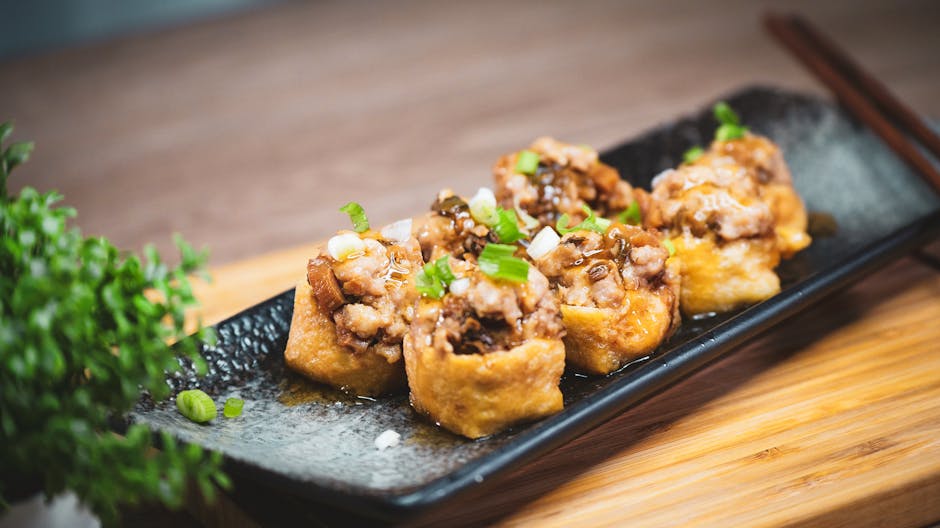
Before Hong Kong became a major port, the area was home to fishing villages and farming communities whose tables featured Cantonese staples: steamed fish, salt-baked chicken, simple greens stir-fried in lard, and rice cooked over wood fires. The Tanka boat people contributed seafood traditions, while the Hakka and Punti communities brought preserved foods, stuffed tofu, and slow-braised dishes that still appear on Hong Kong tables today.
The British took control of Hong Kong Island in 1842, Kowloon in 1860, and the New Territories in 1898. Colonial rule reshaped the food culture in two big ways. First, it brought European staples like butter, evaporated and condensed milk, beef, white bread, tomato ketchup, Worcestershire sauce, and curry powder into local pantries. Second, it created a class of Chinese cooks working in British households and clubs who absorbed Western techniques and brought them home. From this collision came uniquely Hong Kong inventions: Hong Kong-style French toast soaked in egg and deep-fried, then drowned in butter and condensed milk; macaroni in clear broth with ham as a breakfast staple; Swiss sauce chicken wings braised in a sweetened soy sauce that has nothing to do with Switzerland.
Postwar refugee waves from mainland China, especially from Shanghai, Chiu Chow, Beijing, and other regions, layered new traditions onto the Cantonese base. Shanghainese xiao long bao, Chiu Chow-style cold crab and oyster pancakes, and northern dumplings became part of the everyday Hong Kong food landscape. By the 1960s and 1970s, Hong Kong’s economic boom funded a golden era of dim sum culture and elaborate banquet cuisine, while cha chaan tengs democratized affordable hybrid East-West eating for the working class.
The 1997 handover to China and the years that followed brought new flows of mainland food culture into the city, alongside an increased global appetite for Hong Kong’s own exports: dim sum, milk tea, egg tarts, wonton noodles, and Hong Kong-style barbecue meats are now fixtures of Chinatowns and Asian food scenes worldwide.
Regions and Subcultures of Hong Kong Eating
Hong Kong is small, but its food culture splits into clear subregions and styles. Hong Kong Island, especially Central, Sheung Wan, and Wan Chai, leans into upscale Cantonese seafood, dim sum, and modern fusion. Kowloon, particularly Mong Kok and Sham Shui Po, is the heartland of cha chaan tengs, dai pai dongs, street food, and old-school noodle shops. The New Territories and the outlying islands keep village traditions alive: walled-village basin meals (poon choi) cooked for festivals, Tanka-style seafood in fishing communities like Lei Yue Mun and Lamma, and Hakka-influenced dishes in places like Sai Kung.
Within those geographies, Hong Kong eating sorts into a few core categories that any home cook trying to map the cuisine should know. Yum cha and dim sum culture occupies its own world, built around tea-drinking and small steamed, fried, and baked plates. Siu mei shops focus on Cantonese roast meats: char siu, roast goose, soy chicken, crispy pork belly. Cha chaan tengs serve all-day fusion comfort food with house milk tea. Dai pai dong street stalls produce the smokiest wok-cooked dishes in the city. Cantonese seafood restaurants specialize in live tank fish and shellfish, prepared simply to highlight freshness. Cha chaan teng-adjacent bing sutts and bakeries handle baked goods like pineapple buns, cocktail buns, egg tarts, and wife cakes.
Essential Ingredients in Hong Kong Cooking
If you want to cook Hong Kong food at home, a relatively short pantry covers most of the territory. The list below is organized by category and notes how each ingredient is used. Almost everything is shelf-stable, and most are available at any well-stocked Asian grocery or online.
| Ingredient | Category | Role in Hong Kong Cooking |
|---|---|---|
| Light soy sauce (sang chau) | Sauce | Primary salt and savory base for stir-fries, dipping sauces, marinades |
| Dark soy sauce (lou chau) | Sauce | Color and slight sweetness for braises, lo mein, soy chicken, char siu |
| Oyster sauce | Sauce | Glossy umami booster for greens, beef, chow fun |
| Shaoxing wine | Cooking wine | Aromatic depth in marinades, braises, and stir-fries |
| Sesame oil | Finishing oil | Drizzled at the end for nutty aroma; never as a frying oil |
| White pepper | Spice | Standard pepper note in soups, congee, marinades |
| Rock sugar | Sweetener | Glossy finish in red-braised dishes and char siu glaze |
| Maltose | Sweetener | The lacquer behind char siu and roast goose skin |
| Five spice powder | Spice blend | Marinade base for siu mei roast meats |
| Hoisin sauce | Sauce | Sweet plum-soy paste for char siu glaze and as a table dip |
| Fermented red bean curd (nam yu) | Fermented | Earthy savory note in roast goose marinade and braised dishes |
| Fermented white bean curd (fu yu) | Fermented | Funky umami in greens and roast pork belly seasoning |
| Dried shrimp | Dried seafood | Background umami for stir-fries, congee, soups |
| Dried scallops (conpoy) | Dried seafood | Premium umami booster for fried rice, sauces, soups |
| Dried shiitake mushrooms | Dried produce | Stews, braises, vegetarian dishes; soaking liquid is the secret stock |
| Chinese chives | Aromatic | Stir-fries, fried rice, dim sum fillings |
| Spring onion, ginger, garlic | Aromatic trinity | The base of nearly every wok-cooked dish |
| Jasmine rice and long-grain rice | Staple | The default rice; sometimes blended with sticky rice for clay pot dishes |
| Wonton noodles (egg noodles) | Noodle | Springy thin egg noodles for wonton soup |
| Ho fun (wide rice noodles) | Noodle | Beef chow fun, dry-fried noodles, soups |
| Lap cheong (Chinese sausage) | Cured meat | Clay pot rice, fried rice, steamed rice toppings |
| Evaporated milk | Dairy | Hong Kong milk tea, baked pork chop rice, sauces |
| Condensed milk | Dairy | French toast, milk tea sweetener, dessert drizzles |
| Custard powder | Baking | Egg tart filling, custard buns |
| Ceylon black tea blend | Tea | The backbone of silk-stocking milk tea |
If you are starting from zero, a minimum starter kit would be light and dark soy sauce, oyster sauce, Shaoxing wine, sesame oil, white pepper, rock sugar, hoisin sauce, jasmine rice, wonton noodles or rice noodles, and the aromatic trinity of green onion, ginger, and garlic. With those alone you can make stir-fries, fried rice, congee, simple braises, and noodle soups. Layering in the fermented bean curds, dried seafood, and roasting glaze ingredients opens up the more elaborate dishes covered below.
Must-Try Hong Kong Dishes
The following dishes form the core of any Hong Kong food education. They span breakfast through late-night, street food through banquet, and they are the dishes most likely to come up if you ask a Hong Konger to define their cuisine. Each one is a tradition unto itself, with subtleties that reward repeat tasting.
1. Dim Sum and Yum Cha
Yum cha translates to drink tea, and the meal is built around drinking tea while eating small steamed, fried, and baked plates known collectively as dim sum. Hong Kong’s dim sum tradition is the most refined and varied in the world. The classic lineup includes har gow (translucent shrimp dumplings with a pleated wheat starch wrapper), siu mai (open-topped pork and shrimp dumplings dotted with crab roe), char siu bao (fluffy steamed barbecue pork buns), cheung fun (silky rice noodle rolls filled with shrimp, beef, or fried dough crullers), turnip cake (lo bak go), taro cake, and lotus leaf-wrapped sticky rice. Sweet finishes include egg custard tarts and steamed sponge cakes (ma lai go). At its best, dim sum is a long, sociable Sunday meal that can stretch four hours and forty plates.
2. Wonton Noodle Soup
The Hong Kong wonton noodle is its own genre. Springy, alkaline egg noodles are blanched briefly and dropped into a clear, deep-flavored broth made from dried flounder, shrimp shells, pork bones, and aromatics. The wontons are small and shrimp-forward, with whole shrimp poking out of a thin, almost translucent wheat-flour wrapper. A great bowl shows clean broth, perfectly al dente noodles, and a few pieces of yu choy or chopped chives. It is a five-minute meal at the counter and one of the cuisine’s truest tests of a kitchen’s craft.
3. Char Siu (Cantonese Barbecue Pork)
Char siu means fork roast, named for the long forks that hold strips of marinated pork over an open fire or in a hot oven. The marinade combines hoisin, soy, Shaoxing, five spice, fermented red bean curd, sugar, and maltose for that signature lacquered, blistered exterior. The best char siu has dark caramelized edges, juicy pink interior with a slight smoke ring, and a glossy, sweet-savory glaze. It anchors char siu rice plates, fluffy steamed buns, and chopped over wonton noodle soup. Home cooks can come close with an oven, a wire rack, and a high-heat broil to finish.
4. Roast Goose
Hong Kong’s roast goose tradition centers on shops that hang plump, marinated geese in glass cases and chop them to order over rice. The skin is mahogany-brown, shatteringly crisp, and the meat is dark, deeply seasoned, and sometimes served with a side of plum sauce. The classic preparation seasons the cavity with a paste of fermented bean curd, five spice, and rice wine, then air-dries the skin overnight before high-heat roasting. While dedicated roast goose ovens are out of reach for most homes, the technique can be adapted for duck, which is more accessible in the US market.
5. Soy Sauce Chicken (See Yau Gai)
Soy sauce chicken is poached, not roasted, in a master stock made from soy sauce, rock sugar, Shaoxing, ginger, scallions, star anise, cinnamon, and dried tangerine peel. The chicken comes out with a glossy mahogany skin, juicy meat, and a complex, slightly sweet, deeply aromatic flavor. The same master stock is reused and topped up over years, deepening with every batch. A good soy sauce chicken plate at a siu mei shop sits alongside char siu and roast pork belly, with a small dish of ginger-scallion oil on the side.
6. Beef Chow Fun (Gon Chau Ngau Ho)
Beef chow fun is the canonical wok hei test. Wide, flat fresh rice noodles, marinated beef, bean sprouts, scallions, and onions are tossed in a screaming-hot wok with dark soy and a touch of sugar. The dish is judged on the smoky, almost charred aroma the wok imparts, the integrity of the noodles (no breakage), and the balance of color and seasoning. Done well, it is one of the most addictive plates of noodles in any cuisine. Done poorly, it is greasy and sticky. The dish is the reason serious home cooks invest in carbon steel woks and powerful burners.
7. Hong Kong-Style French Toast (Sai Do Si)
Hong Kong French toast is a cha chaan teng dessert and snack that has nothing in common with the brunch dish you know. Two thick slices of white bread are sandwiched around peanut butter or kaya jam, dipped in beaten egg, and deep-fried until golden. The hot toast is finished with a slab of butter and a generous pour of sweetened condensed milk or golden syrup. It is rich, indulgent, and unmistakably Hong Kong. Pair it with a cup of hot milk tea and you have a quintessential afternoon tea set.
8. Hong Kong-Style Milk Tea (Si Mut Lai Cha)
Silk-stocking milk tea, named for the long cotton stocking-shaped cloth filter that strains the brew, is one of Hong Kong’s signature drinks. It uses a blend of strong Ceylon black teas brewed long and full, then strained repeatedly through the filter to develop a velvety, almost creamy mouthfeel. Evaporated milk, never fresh milk, is added along with sugar to taste. The result is darker, stronger, and silkier than English-style milk tea. It is the daily fuel of the cha chaan teng. The same recipe forms the base of yuenyeung, the famous Hong Kong coffee-tea hybrid.
9. Egg Tart (Dan Tat)
The Hong Kong egg tart comes in two main styles. The shortcrust version, popularized by Tai Cheong Bakery, uses a buttery, biscuit-like pastry filled with smooth, eggy custard and a glossy, just-set top. The puff pastry version, favored at many cha chaan tengs, has flaky layers and a slightly bouncier custard. Both differ from the Portuguese-influenced Macanese tart, which has a torched, caramelized top. A great Hong Kong egg tart is warm from the oven, with the custard barely jiggling at the center.
10. Pineapple Bun (Bo Lo Bao)
Pineapple buns contain no pineapple. They are soft milk-bread rolls topped with a sweet, crumbly cookie crust whose cracked surface resembles a pineapple’s skin. The most beloved variant is the bo lo yau, a hot pineapple bun split and stuffed with a thick, cold slab of butter that melts into the warm crumb. It is breakfast, snack, and afternoon tea in one. Other bakery classics in the same family include cocktail buns (filled with sweet coconut paste), wife cakes (so pei beng, with winter melon paste), and egg waffles (gai daan jai), which are sold from sidewalk irons on busy streets.
11. Clay Pot Rice (Bo Zai Faan)
Clay pot rice is a winter favorite at dai pai dongs and clay pot specialty shops. Long-grain rice is cooked over a charcoal or gas flame in a small clay pot, with toppings like Chinese sausage (lap cheong), preserved duck, marinated pork belly, or salted fish placed on top during the final minutes of cooking. A drizzle of sweet soy sauce is added at the end and stirred through, and the prized layer is the crispy golden rice crust at the bottom of the pot. It is communal, intensely savory, and impossible to eat without scraping the pot clean.
12. Curry Fish Balls and Street Snacks
Hong Kong’s street food is anchored by curry fish balls (gali yu daan), bouncy fish balls simmered in a mild yellow curry sauce and skewered for eating on the go. Other staples include stinky tofu, siu mai sold in plastic cups with sweet soy and chili oil, cheung fun on a stick with sesame paste and hoisin, beef offal in spiced broth, and gai daan jai (egg waffles) in their signature spherical-pocket pattern. These are the snacks that fuel late-night Mong Kok strolls and wet-market afternoons.
13. Congee (Juk)
Hong Kong congee is the silky, dissolved-grain end of the rice porridge spectrum, cooked low and slow until the rice almost vanishes into a creamy white base. Toppings include sliced raw fish that cooks in the heat of the bowl, century egg with lean pork (pei dan sau yuk juk), beef and ginger, fried dough crullers (yau ja gwai) torn in for crunch, and chopped scallions. It is the classic breakfast, the universal cure for a cold, and the definition of comfort food.
14. Steamed Whole Fish
The Cantonese steamed fish is the highest expression of Hong Kong’s freshness-first philosophy. A live fish is steamed for eight to twelve minutes over high heat, dressed with a hot soy and rice wine sauce, topped with fine threads of scallion and ginger, and finished with a pour of smoking-hot oil that crackles the aromatics. Done correctly, the flesh is just barely opaque at the bone, the sauce is light and aromatic, and nothing else needs to be on the plate. This dish is the test of a Cantonese kitchen.
15. Poon Choi (Big Bowl Feast)
Poon choi is a New Territories tradition originating in the walled villages, where a large basin is layered with up to fifteen ingredients (roast pork, chicken, shrimp, fish maw, dried oysters, mushrooms, daikon, tofu skin, taro, pork skin) and shared communally. The bottom layers absorb the juices from the richer items above. It is now a staple of Lunar New Year, weddings, and clan banquets, and an increasingly popular takeaway feast.
Core Techniques in Hong Kong Cooking
Several techniques recur across Hong Kong cuisine and are worth understanding as a system rather than as one-off recipe instructions. Mastering these unlocks dozens of dishes at once.
Wok Hei: The Breath of the Wok
Wok hei is the smoky, slightly charred aroma created when a fiercely hot carbon steel wok flash-cooks oil and sauce-glazed food. It is the elusive flavor in the best beef chow fun, fried rice, and choy sum stir-fries. Restaurants generate it with jet-engine burners home cooks cannot match, but you can come surprisingly close with a powerful gas burner, a well-seasoned carbon steel wok, small batches, and a strict habit of preheating the wok until it smokes before adding oil. Internal links to wok seasoning and wok hei guides on this site walk through the home setup in detail.
Velveting (Seung Jeung)
Velveting is the Cantonese technique of marinating sliced meat in a mixture of egg white, cornstarch, and sometimes a little baking soda, then poaching it briefly in oil or water before stir-frying. The coating protects the muscle from direct heat, locking in juice and producing the signature silky bite of Cantonese chicken, beef, and pork dishes.
Steaming
Steaming is the engine of dim sum and the default treatment for whole fish. Hong Kong kitchens use stacked bamboo steamers over wide-mouthed woks, allowing several courses to cook at once. The technique preserves moisture and shape, and produces clean flavors that suit Cantonese sauce work.
Master Stock Braising (Lo Mei)
A master stock is a dark, aromatic poaching liquid built from soy, rock sugar, Shaoxing, and a sachet of spices including star anise, cinnamon, cloves, fennel, and dried tangerine peel. The same stock is strained, refrigerated, and reused indefinitely, gaining depth with each round of meat. Soy sauce chicken, lo mei beef shank, marinated tofu, and braised offal all start here.
Roasting (Siu Mei)
The Cantonese roast meat tradition uses tall vertical ovens that can hit very high temperatures, with meats hung on hooks rather than placed on racks. The marinades and glazes lean on maltose, honey, hoisin, and fermented bean curd, and the air-drying step before roasting is essential to crisp skin. Char siu, roast pork belly (siu yuk), roast goose, and roast duck all live in this family.
Cha Chaan Teng Hybrid Cooking
The cha chaan teng style of cooking is its own technique. It blends Western pantry items (butter, evaporated milk, ham, macaroni, white bread, tomato sauce) with Cantonese cooking instincts and stir-fry-style speed. The kitchen treats every dish like fast food, but the components are made from scratch in a way most fast-food kitchens are not. The signature outputs are baked pork chop rice, baked seafood rice with cheese, macaroni soup with ham, Swiss-sauce wings, and the milk tea programs that tie a cafe’s identity together.
Hong Kong Cuisine Compared to Other Chinese Regional Cuisines
Placing Hong Kong food next to its Chinese siblings helps clarify what makes it distinctive. The table below compares Hong Kong’s profile against the most familiar Chinese regional cuisines on a few core axes: dominant flavor, signature heat level, primary cooking technique, and a defining dish.
| Cuisine | Dominant Flavor Profile | Heat Level | Primary Technique | Defining Dish |
|---|---|---|---|---|
| Hong Kong | Clean, savory, lightly sweet, hint of Western dairy | Mild | Steaming, roasting, wok stir-fry | Wonton noodle soup |
| Cantonese (Guangzhou) | Fresh, mild, umami-forward | Mild | Steaming, light stir-fry | Steamed whole fish |
| Sichuan | Numbing-spicy (ma la), bold | Very high | Dry-frying, braising | Mapo tofu |
| Hunan | Sour-spicy, smoky | High | Smoking, stir-frying | Chairman Mao’s red braised pork |
| Shanghai | Sweet-savory, oily, rich | Low | Red braising, slow simmering | Hong shao rou |
| Hakka | Salty, preserved, hearty | Low | Braising, stuffing, salt-baking | Salt-baked chicken |
| Teochew | Briny, clean, seafood-led | Low | Poaching, marinating | Cold marinated crab |
| Yunnan | Sour, herbal, mushroom-driven | Medium | Hot pot, fermentation | Crossing the bridge noodles |
Read across the table and Hong Kong sits at the gentlest, freshest end of the heat spectrum, sharing DNA with Cantonese and Teochew cooking but distinguished by its embrace of Western dairy, its dim sum density, and its cha chaan teng fusion habit. If you like Cantonese seafood and dim sum but want a wider range of dishes, more East-West crossover, and a stronger street food and bakery scene, Hong Kong food is the natural next step.
How Hong Kong People Eat: Meal Structure and Daily Rhythms
Hong Kong eating runs on a clock unlike most other cuisines. Breakfast is congee, rice noodle rolls, fried dough crullers, and milk tea at a corner shop or cha chaan teng. Mid-morning yum cha is its own meal, especially on weekends. Lunch is fast and savory: a rice plate with two or three siu mei toppings, a bowl of noodle soup, a baked rice from a cha chaan teng, or a fast-fried wok dish. Afternoon tea sets, usually 3pm to 5:30pm, are a fixed cha chaan teng tradition combining a small dish (instant noodles with corned beef, sandwiches, French toast) with a hot or cold milk tea. Dinner is the most varied meal, ranging from a quick noodle bowl to a multi-course family dinner with several dishes shared over rice.
For a Hong Kong family dinner at home, the standard pattern is rice plus three to four shared dishes: one steamed or pan-fried fish, one stir-fried vegetable (choy sum, kai lan, or bok choy with garlic), one meat dish (steamed minced pork with salted fish, soy-braised chicken, stir-fried beef with bell peppers), and a clear, slow-simmered soup (lou foh tong) made with old chicken, lean pork, dried scallops, and dried herbs.
Meal Planning Tips for Hong Kong Cooking at Home
Hong Kong food is friendlier to home cooks than its restaurant reputation suggests. The trick is to play to the cuisine’s strengths: fast wok cooking, batch-cooked roasts, and slow-simmered soups that mostly cook themselves. The following tips will get you eating Hong Kong style on a regular weeknight rotation.
- Build a Sunday char siu and roast pork belly batch. Marinate two pork shoulders and a pork belly on Saturday, roast both on Sunday, and you have protein for rice plates, fried rice, wonton noodle add-ons, and steamed bun fillings all week.
- Master a single 20-minute stir-fry. Velveted chicken with snow peas and ginger, beef with broccoli, or shrimp with Chinese chives are all the same skeleton: marinate protein, blanch or velvet, build aromatics, add sauce, finish with a splash of Shaoxing. Repeat with different vegetables and proteins all week.
- Always have a soup pot working on Sundays. A long-simmered Cantonese soup base of pork bones, dried red dates, and one or two herbs becomes a daily soup that improves through the week and supports rice plus protein dinners.
- Cook congee overnight. A 1:8 ratio of rice to water in a slow cooker, set on low for eight hours, gives you a silky, dissolved-grain congee for breakfast. Keep century eggs, lap cheong, fried wontons, and pickled cucumbers on hand for toppings.
- Stock your freezer with wontons and dumplings. Make a big batch of shrimp wontons or pork and cabbage dumplings, freeze flat on a tray, and bag them. Wonton noodle soup becomes a 10-minute meal.
- Pre-portion sauce mixes. A classic Hong Kong stir-fry sauce (1 tbsp oyster sauce, 1 tbsp light soy, 1 tsp dark soy, 1 tsp sugar, 1 tsp Shaoxing, 1/4 cup stock or water) can be batched in small jars for one-week storage.
- Lean on the rice cooker. Clay pot rice can be approximated in a rice cooker or even a cast iron pot. Layer marinated protein over rice and water, cook on the rice setting, and finish with a hit of sweet soy.
- Brew real milk tea. A two-tea blend (Ceylon orange pekoe and a robust black tea), evaporated milk, and a stocking strainer or fine cheesecloth gives you a daily cha chaan teng staple at home.
A Sample Three-Day Hong Kong Meal Plan
The plan below shows how a home cook can eat Hong Kong style for three days using a single shopping trip and a Sunday batch-cook session. It assumes a US home kitchen with a gas range, a wok, a stockpot, a rice cooker, and a sheet pan.
| Day | Breakfast | Lunch | Dinner |
|---|---|---|---|
| Sunday | Congee with century egg and pork | Yum cha at home: shrimp wontons, char siu bao, cheung fun | Steamed whole fish, stir-fried gai lan with garlic, slow-simmered pork bone soup, jasmine rice |
| Monday | Hong Kong milk tea, pineapple bun with butter | Char siu rice plate with bok choy | Beef chow fun, stir-fried Chinese broccoli |
| Tuesday | Macaroni soup with ham, milk tea | Wonton noodle soup with leftover wontons | Clay pot rice with lap cheong and chicken, stir-fried choy sum |
Sourcing Hong Kong Ingredients in the US and Globally
Most Hong Kong pantry staples are now widely available outside Asia. Larger Asian supermarkets like 99 Ranch, H Mart, T&T, and Patel Brothers carry the basic sauces, dried goods, noodles, and frozen dim sum. Online Asian grocers ship everything from premium dried scallops to specific brands of Hong Kong-style noodles. For specialty items like fresh fish maw, live shrimp, or fresh egg noodles, look for Cantonese-leaning Chinese grocers in larger Chinatown districts.
A few sourcing notes: light soy sauce should be a Cantonese-style brand like Lee Kum Kee Premium, Pearl River Bridge Superior, or Koon Chun, not Japanese shoyu. Dark soy sauce is a separate bottle, much thicker and slightly sweet. For oyster sauce, premium-grade brands like Lee Kum Kee Premium Oyster Flavored Sauce or the higher-end Megachef are worth the small upcharge over the base supermarket version. Shaoxing wine should be a cooking-grade Shaoxing Hua Diao or Pagoda brand. Avoid the cooking wine sold next to vinegars in some grocery aisles, which is heavily salted and not a substitute. For wonton wrappers and fresh egg noodles, choose Hong Kong style (yellow, alkaline, springy) over Japanese-style ramen or Italian fresh pasta.
Equipment That Pays Off
You can cook a lot of Hong Kong food with a regular skillet and a stockpot, but a few pieces of gear unlock dishes that are otherwise difficult. A 14-inch carbon steel wok with a flat bottom is the single most useful purchase. A pair of stacked bamboo steamers makes dim sum and steamed fish accessible. A clay pot or small Dutch oven enables clay pot rice. A digital instant-read thermometer helps with poached chicken and roasted pork. A spider strainer (large mesh skimmer) is faster and safer than tongs for blanching noodles and lifting wontons. Finally, a good sharp Chinese cleaver replaces three Western knives for vegetable, meat, and herb prep, and is the tool every Hong Kong home kitchen runs on.
Hong Kong Food Etiquette
Eating Hong Kong style at the table follows a few small but consistent rules. Tea is poured for others before yourself, and a tap of two fingers on the table is the silent thank-you. At yum cha, the teapot lid left ajar signals the server that you need a refill. Chopsticks should never be planted upright in a bowl of rice, which mimics funeral incense. Sharing dishes is the norm; you serve yourself from the communal plate using the serving spoon or the back end of your chopsticks if no serving utensil is provided. At a banquet, you do not start eating until the host has invited you to begin, often by serving the most senior guest first.
At a cha chaan teng, expect speed and brevity. Order quickly, share the table during peak hours, do not linger after eating, and pay at the cashier rather than the table. Tipping is not customary, though small change is sometimes left.
Frequently Asked Questions
Is Hong Kong food the same as Cantonese food?
Hong Kong food is a subset and evolution of Cantonese cuisine. Both share the same Cantonese base (clean flavors, fresh ingredients, steaming and stir-frying as core techniques), but Hong Kong food adds a strong British colonial influence, the unique cha chaan teng tradition, and an unusual density of cross-regional Chinese influences from Shanghai, Chiu Chow, and beyond. If you order at a Cantonese restaurant in Guangzhou, the food will feel familiar to a Hong Kong eater, but the cha chaan teng-style baked pork chop rice and Hong Kong-style milk tea would not be standard there.
What is the most famous Hong Kong dish?
Globally, dim sum is the most recognized Hong Kong food category, with har gow (shrimp dumplings) and char siu bao (barbecue pork buns) as flagbearers. Egg tarts, wonton noodle soup, and Hong Kong milk tea are close behind. Inside Hong Kong, the answer often comes down to wonton noodles or roast goose with rice, depending on whom you ask.
Is Hong Kong food spicy?
Hong Kong food is generally not spicy. The Cantonese base prefers freshness and mild seasoning, and most dishes lean savory or sweet rather than hot. Heat shows up in side condiments (chili oil, sambal-style chili sauce, mustard) and in dishes borrowed from spicier Chinese regions like Sichuan or from Southeast Asian neighbors. If you do not enjoy heat, Hong Kong food is one of the most welcoming Chinese cuisines.
What is a cha chaan teng?
A cha chaan teng (literally tea restaurant) is a Hong Kong-style cafe serving fast, affordable East-West fusion food. Standard menu items include Hong Kong-style milk tea, French toast, baked pork chop rice, macaroni soup with ham, instant noodles with corned beef, Swiss-sauce chicken wings, fluffy scrambled egg sandwiches, and sets of three or four small dishes priced as a single meal. Cha chaan tengs are open from morning through late night and rotate menus by time of day (breakfast, lunch, afternoon tea, dinner).
What is the difference between Hong Kong-style and Macanese egg tarts?
Hong Kong-style egg tarts have a smooth, glossy, just-set custard top and either a buttery shortcrust or a flaky puff pastry shell. Macanese egg tarts (Pastel de Nata-influenced) have a torched, blackened, caramelized top, a richer custard with cream, and a puff pastry shell exclusively. Both are excellent, but they are distinct desserts.
What does yum cha mean?
Yum cha translates literally as drink tea. It refers to the Cantonese tradition of going to a tea house to drink tea and eat dim sum, usually on weekend mornings or at lunch. The dim sum (small plates) are the food; the yum cha is the meal. In casual English usage, the two terms have almost merged.
Is Hong Kong-style milk tea the same as bubble tea?
No. Hong Kong-style milk tea is a hot or iced tea brewed strong from a Ceylon black tea blend, repeatedly strained through a long cloth filter (the silk stocking), and combined with evaporated milk and sugar. Bubble tea originated in Taiwan in the 1980s and is built around tapioca pearls, fresh milk or non-dairy creamer, and often fruit-flavored teas. The two have completely different flavor profiles and textures.
Can I cook Hong Kong food without a wok?
Yes for many dishes, but a wok upgrades the experience for stir-fries and noodle dishes. Steamed fish, dim sum, congee, master stock chicken, char siu, and braises require no wok at all and work fine in standard Western pots, ovens, and steamers. For dishes where wok hei is the point (beef chow fun, fried rice, seafood stir-fries), a carbon steel wok and a powerful burner make a real difference.
What is poon choi and when is it eaten?
Poon choi is a layered communal feast served in a large basin, originating in the walled villages of the New Territories. It is traditionally eaten at clan gatherings, weddings, and Lunar New Year, but is now a popular takeaway feast option at any large family event. The basin contains up to fifteen layered ingredients, with the richest items on top so their juices flavor the lower layers.
Are dim sum and dumplings the same thing?
No. Dim sum is a category of small Cantonese plates that includes dumplings (like har gow and siu mai) but also rice rolls, buns, fried items, vegetable plates, sweet desserts, and braised dishes. Most dumplings on a dim sum cart are dim sum, but plenty of dim sum dishes are not dumplings.
What is the best beverage to pair with Hong Kong food?
Tea is the default pairing, especially pu-erh, oolong, and chrysanthemum at yum cha. For dinner, light Cantonese cooking pairs well with off-dry Riesling, dry sparkling wines, or a light Pilsner-style beer. Roast goose and char siu can stand up to medium-bodied red wines like Pinot Noir or Gamay. Hong Kong-style milk tea is the daytime default, especially with cha chaan teng food.
What are the most common Hong Kong vegetables?
Choy sum (yu choy), gai lan (Chinese broccoli), bok choy, Shanghai bok choy, watercress (sai yeung choy), water spinach (ong choy), Chinese chives, and snow pea shoots dominate the green vegetable rotation. Daikon, taro, lotus root, water chestnut, winter melon, and napa cabbage cover the firmer side of the produce list.
Why Hong Kong Food Belongs in Your Home Cooking Rotation
Hong Kong cuisine is one of the most rewarding traditions a home cook can take on. It is technically demanding in places (wok hei, dim sum folding, master stock cultivation) but the everyday core is fast, fresh, and made of dishes that fit into a busy week. The pantry is small. The vegetables are humble. The proteins are not exotic. And the techniques you pick up (velveting, steaming whole fish, building a master stock, brewing silk-stocking milk tea) carry over to dozens of other Chinese and East Asian cuisines.
Most importantly, Hong Kong food is a cuisine that takes care of the eater. The clean, mild, layered flavors are easy to keep eating. The meal structures (rice plus shared dishes plus soup) build balance into every dinner. The desserts are restrained. The drinks are excellent. Cooking it at home means a Sunday pot of soup, a Wednesday stir-fry, a Friday char siu rice plate, and a Saturday afternoon tea set with a homemade pineapple bun. A Hong Konger would call that a normal week. After a few months of cooking this way, you may too.
Start with a wok, a rice cooker, a steamer, and a small pantry of soy, oyster sauce, Shaoxing, sesame oil, and rock sugar. Pick three dishes from the list above (a wonton soup, a char siu, a stir-fry). Cook each one twice. Adjust. Add a fourth. The cuisine reveals itself in repetition, in the muscle memory of a wok toss and the rhythm of a milk-tea pull. Hong Kong food, more than almost any other regional Chinese cuisine, is built for daily life. Bring it into yours.

Mei Lin Chen
Mei Lin Chen is an Asian food writer and recipe developer. Melbourne-raised and London-based, she has spent over a decade exploring the rice paddies, hawker stalls, and home kitchens of South-East and East Asia. Her recipes balance traditional technique with everyday practicality.