Last updated: March 27, 2026
Open the spice drawer of any serious Chinese cook and you will find a small jar of dusty, mahogany-brown powder that smells like Christmas, autumn, and a Cantonese roast meat shop all at once. That jar is Chinese five spice, or wu xiang fen (五香粉), and it is arguably the most efficient flavor delivery system in all of Asian cooking. One careful pinch transforms a plain piece of pork into char siu. A teaspoon turns simple soy-braised beef into a dish that smells like a Lunar New Year banquet. Despite its outsized impact, five spice remains misunderstood in the West, where it is often dumped into stir fries by the tablespoon or confused with allspice.
This guide unpacks everything you need to know about Chinese five spice powder: its 1,500-year history, the science behind why those five flavors balance so perfectly, how to buy a good bottle (and why most supermarket versions are mediocre), how to grind your own, how to store it for maximum aroma, plus more than a dozen ways to use it in real cooking. We also cover regional variations, smart substitutions for when you run out, the nutritional and medicinal traditions behind each component, and the common mistakes that turn a magical spice blend into a bitter, dusty mess.
What Is Chinese Five Spice?
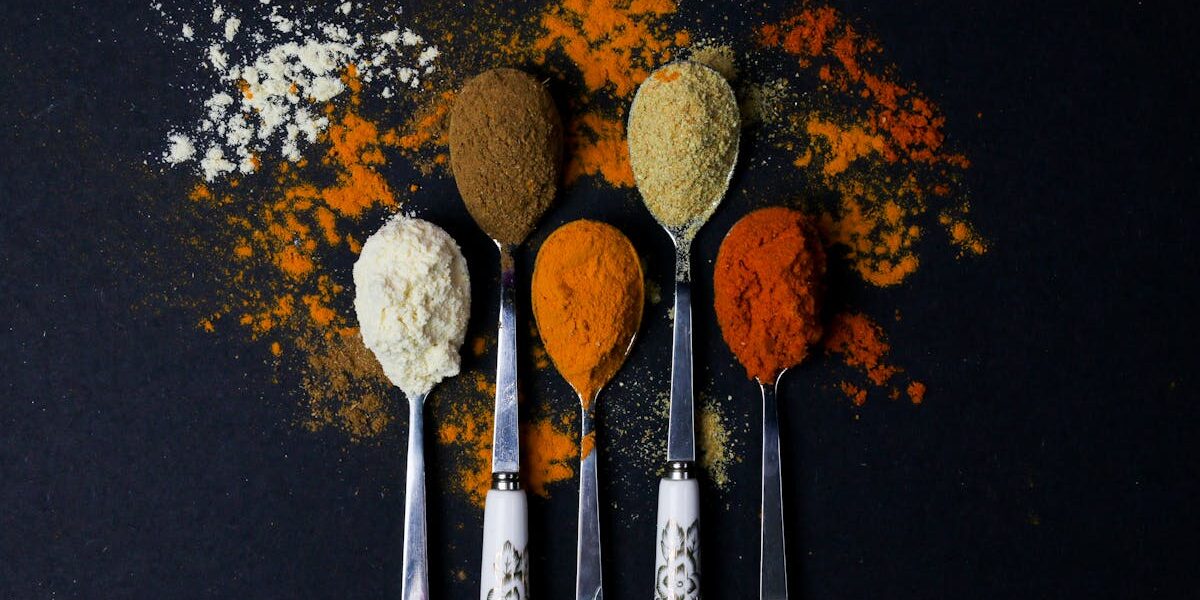
Chinese five spice powder is a ground spice blend traditionally built from five aromatic ingredients: star anise, cloves, Chinese cinnamon (cassia), Sichuan peppercorns, and fennel seeds. Together these spices are designed to hit all five of the classical Chinese flavor categories — sweet, sour, bitter, pungent (spicy), and salty — though in practice the blend reads as warm, sweet, mildly numbing, and licorice-forward rather than literally salty. The number five is no accident; it ties directly to the philosophical framework of wu xing (五行), the five elements of wood, fire, earth, metal, and water, which underpin traditional Chinese medicine, cosmology, and cooking.
While five spice is sold as a finished powder, it is just as often used as a whole-spice ”bouquet” — the same five ingredients, intact and tossed into a master stock, a red-braised stew, or a steaming pot of soy-poached chicken. Both forms exist in Chinese kitchens, and a good cook reaches for whichever form better suits the dish. Cantonese cooks especially favor the powdered version for marinades and dry rubs; Shanghainese and Sichuanese cooks lean on the whole-spice form for slow braises.
The History and Origin of Chinese Five Spice
The roots of five spice run deep. The earliest written precursors date to the Han dynasty (206 BCE–220 CE), when Chinese physicians and cooks were already combining warming, aromatic spices for medicinal soups and preserved meats. By the Tang dynasty (618–907 CE), the Silk Road was funneling cloves and other tropical spices into China from the Maluku Islands, while indigenous spices like Sichuan peppercorn and cassia were being cultivated systematically. The combination we recognize today crystallized somewhere between the Tang and the Ming dynasties, when Chinese herbalists deliberately built blends to reflect the wu xing philosophy.
The earliest commercial mentions of ”wu xiang” as a formal blend appear in Ming-era cookbooks, often in the context of la rou (cured pork), preserved sausages (lap cheong), and the ancestor recipes of what would become char siu and roast duck. By the Qing dynasty, five spice had become so embedded in southern Chinese cooking that Cantonese siu mei (roast meat) shops were essentially built around it. When Chinese laborers and merchants emigrated through the 19th and 20th centuries — to Southeast Asia, Australia, the Americas, and beyond — they took five spice with them, which is why you can taste echoes of the same blend in Vietnamese pho broth, Indonesian babi panggang, and even Hawaiian-style char siu.
The blend’s medicinal heritage is equally important. In traditional Chinese medicine, each component is assigned a ”qi” property: cinnamon and cloves are warming, star anise moves stagnant qi, fennel calms the stomach, and Sichuan peppercorn dispels cold. The combined effect is considered tonic, especially in cold weather, which is why dishes seasoned with five spice — braised lamb, soy-stewed beef shank, master-stock chicken — show up on tables in winter and during the Lunar New Year.
The Five Spices: A Breakdown of Each Component
To understand why five spice works, you have to understand what each ingredient brings to the table. The classical recipe is engineered for balance: each spice covers a flavor that another lacks, and the total profile is far greater than the sum of its parts.
| Spice | Mandarin Name | Flavor Note | Typical Ratio (by weight) | What It Contributes |
|---|---|---|---|---|
| Star Anise | 八角 (ba jiao) | Sweet, licorice, warm | 2 parts | The dominant aroma; deep, rounded sweetness |
| Cloves | 丁香 (ding xiang) | Pungent, warm, slightly bitter | 1 part | Intensity and lingering depth |
| Chinese Cinnamon (Cassia) | 桂皮 (gui pi) | Sweet, woody, earthy | 2 parts | Warmth and body; bridges other flavors |
| Sichuan Peppercorn | 花椒 (hua jiao) | Citrusy, numbing (ma) | 1 part | The signature tingle and brightness |
| Fennel Seed | 小茴香 (xiao hui xiang) | Sweet, anise-like, herbaceous | 1 part | Lift, freshness, savory rounding |
The ratios above are a classical Cantonese starting point, but they shift dramatically depending on the cook and the region. A Sichuan blend leans more heavily on Sichuan peppercorn for ma-la (numbing-spicy) heat. A Fujianese-style blend often includes more fennel and less clove. Some southern blends sneak in dried orange peel (chen pi) or licorice root for extra dimension, blurring the line between five spice and its larger cousin, 13-spice powder (shi san xiang).
Regional Varieties of Chinese Five Spice
Walk into a spice shop in Guangzhou, Chengdu, Taipei, and Hong Kong and you will buy four very different ”five spice” blends. The differences come down to the dominant cuisine of the region, the local chili tolerance, and the available spice trade. The chart below summarizes the main regional styles you are most likely to encounter.
| Style | Region | Distinguishing Feature | Best Used For |
|---|---|---|---|
| Cantonese (Classic) | Guangdong, Hong Kong | Balanced, star anise–forward, mild heat | Char siu, roast duck, siu mei marinades |
| Sichuan | Sichuan, Chongqing | Heavy Sichuan peppercorn for numbing kick | Mapo tofu rubs, twice-cooked pork, hot pot bases |
| Taiwanese | Taiwan | Often includes dried tangerine peel or licorice | Lu rou fan, tea eggs, master-stock braises |
| Fujianese | Fujian | Heavier on fennel and white pepper, less clove | Pork floss, soy-braised pork belly, dipping salts |
| Vietnamese-Chinese | Cho Lon, Saigon | Adds coriander seed; lighter on cloves | Pho broth, banh mi pork, thit kho |
| Mainland Industrial | Modern factories | Often padded with white pepper, ginger, salt | Mass-market sauces, instant noodles |
If you have only ever bought one supermarket bottle of five spice, you may be surprised how different a freshly ground Cantonese-style blend tastes from a freshly ground Sichuan-style blend. Spice nerds often keep two or three on hand and reach for whichever matches the dish they are making.
How Chinese Five Spice Tastes
The flavor of a properly made five spice powder unfolds in three waves on the palate. The first hit is sweet and warm — that is the cassia and star anise leading the charge. Within a second or two, the cloves and fennel arrive, adding a deeper, almost herbal complexity that smells faintly like an old apothecary. Finally, the Sichuan peppercorn shows up at the back of the tongue, contributing a low-grade citrusy tingle and that unmistakable ”ma” sensation — a buzzy numbness that brightens everything else.
This three-stage flavor arc is exactly why five spice works so well on fatty proteins. Pork belly, duck, beef shank, and oily fish need both sweet warmth (to round out the fat) and aromatic top notes (to cut through it). Five spice does both at once. It is also why a tiny amount goes a long way: a quarter teaspoon per pound of meat is plenty for most marinades, and more than a teaspoon per pound usually tips the dish into a soapy, medicinal flavor that is hard to walk back.
How to Buy Chinese Five Spice
Most American supermarket five spice is mediocre at best. The spices are pre-ground, often months old, and frequently padded with cheap fillers like wheat starch or excessive ginger powder. Here is what to look for if you want a serious bottle.
- Read the ingredient list. A real five spice has five spices, listed in roughly the proportions described above. If the first ingredient is ”salt” or ”white pepper,” put it back on the shelf.
- Look for whole spices on top. Some premium brands sell five spice as a sealed jar of whole, intact ingredients alongside the ground powder. Whole is always fresher.
- Smell first. A good five spice should smell aggressive even through the lid — sweet star anise leading, with a clear clove-cinnamon backbone. If it smells dusty, faint, or musty, it is past its prime.
- Check the color. Premium five spice is a rich mahogany-brown with visible specks. Pale, uniform tan often signals heavy filler.
- Buy from an Asian grocery if possible. Brands like Spicely, Wing Yip, Lee Kum Kee, Koon Yick, and Wing On generally outperform mass-market spice rack brands.
If you want the very best version, buy whole spices and grind them yourself. A coffee or spice grinder reduced to dust will do the job in 20 seconds, and the difference between freshly ground five spice and a six-month-old jar is night and day. We cover the home-grinding method later in this guide.
How to Store Chinese Five Spice
Like all ground spices, five spice is volatile — its essential oils evaporate quickly once exposed to air, light, and heat. Even an unopened jar loses noticeable aroma after about a year. The good news is that proper storage can stretch peak quality to 12–18 months for ground blends and 24–36 months for whole spices.
- Use an airtight, opaque container. Glass jars with tight metal lids stored in a dark cabinet work well. Avoid clear plastic shakers next to the stove — they age fastest.
- Keep away from heat. Never store spices on top of the oven, on a sunny counter, or near the dishwasher. Aim for a cool, dry pantry below 70°F (21°C).
- Don’t refrigerate ground spices. Cold air carries moisture, which clumps the powder and dulls flavor. The pantry is better.
- Whole spices = freezer-friendly. Whole star anise, cloves, and Sichuan peppercorns freeze beautifully in a zip-top bag and last 3+ years that way.
- Buy small. A 2 oz bottle used regularly is fresher than a 6 oz bottle used twice a year. Don’t bulk-buy ground spices.
- The smell test wins. If your five spice smells flat or smells like stale popcorn, retire it. No braise can rescue it.
How to Make Your Own Chinese Five Spice at Home
Making five spice from scratch is one of those small upgrades that pays out far above its effort. The technique takes 10 minutes and gives you a bottle that smells dramatically more vivid than anything you can buy. The key is dry-toasting the whole spices first to wake up their essential oils — skip this step and you will end up with a flat-tasting blend.
Classic Cantonese-style ratio (makes about 4 tablespoons):
- 2 tablespoons whole star anise pods (about 6–8 pods)
- 2 tablespoons broken cassia or cinnamon stick
- 1 tablespoon whole cloves
- 1 tablespoon Sichuan peppercorns
- 1 tablespoon fennel seeds
Method: Heat a dry skillet over medium-low. Add all the whole spices and toast, swirling the pan constantly, until the spices are fragrant and the cloves have darkened slightly — about 3–4 minutes. Do not let them smoke or scorch. Tip onto a plate to cool. Once fully cool, grind in a clean coffee grinder or spice grinder until powdery. Sift through a fine mesh sieve to remove any woody bits, then store in a glass jar. The blend is at peak flavor for the first 4–6 weeks and stays good for 6 months.
For a Sichuan-leaning version, double the Sichuan peppercorn. For a Taiwanese spin, add 1 teaspoon of dried orange peel and 1/2 teaspoon of dried licorice root before grinding. For a less assertive version (good for fish or chicken), reduce the cloves by half and add an extra teaspoon of fennel.
How to Use Chinese Five Spice in Cooking
Five spice rewards restraint. Almost every dish that goes wrong with this powder goes wrong because the cook used too much. Follow these usage guidelines and you will rarely overdo it.
- For dry rubs and marinades: Use 1/4 to 1/2 teaspoon per pound of meat. Combine with soy sauce, Shaoxing wine, sugar, garlic, and ginger for a classic siu mei base.
- For braises and stews: Use 1/2 teaspoon ground for 4 servings, OR a small whole-spice bouquet of 1 star anise, 1 small piece of cassia, 4 cloves, 1/2 teaspoon Sichuan peppercorns, and 1/2 teaspoon fennel tied in a cloth bag.
- For stir fries: Use sparingly — 1/8 teaspoon per serving, added at the end after the wok is off the heat, so the volatile oils don’t burn off.
- For roasts: Mix into a salt-sugar cure (3 parts salt, 1 part sugar, 1/2 part five spice) and rub onto duck, pork belly, or chicken 12+ hours before roasting.
- For broths and noodle soups: Whole-spice form is best. Toss the spices in a sachet so you can fish them out before they over-infuse.
- For desserts: A pinch in baked apple, poached pears, or chocolate ganache adds a subtle warmth that diners can rarely identify but always notice.
One critical rule: bloom the spice in fat. If your recipe lets you, fry the five spice for 10–15 seconds in hot oil, lard, or rendered duck fat before adding the rest of the ingredients. Fat extracts the fat-soluble flavor compounds and dramatically deepens the perceived flavor.
Substitutes for Chinese Five Spice
If you run out of five spice, the closest substitutes depend on what dish you are making. The blend’s complexity is hard to fake exactly, but the table below shows the best practical workarounds.
| Substitute | Ratio | Best For | What It Misses |
|---|---|---|---|
| Equal parts star anise + cinnamon + cloves (ground) | 1:1 swap | Braises, marinades | Sichuan peppercorn tingle, fennel lift |
| Garam masala | 3/4 the called amount | Curries, slow-cooked stews | The licorice/anise top note |
| Allspice + a pinch of fennel | 3:1 by volume | Roast meats, glazes | The numbing Sichuan peppercorn |
| Pumpkin pie spice + 1/2 tsp fennel + 1/4 tsp ground Sichuan peppercorn per Tbsp | 1:1 swap | Desserts, glazes, roasts | Reduced clove intensity |
| Chinese Thirteen Spice (shi san xiang) | 1:1 swap | Anything five spice goes in | Nothing — it’s bigger and richer |
| Star anise + black pepper | 2:1 | Pho-style broths, banh mi pork | Sweetness from cinnamon and fennel |
If you only have one substitute available, garam masala is the most full-spectrum cousin in Western pantries. It will not taste authentically Chinese, but it will give you the warm, layered, sweet-spicy backbone that five spice provides. For more general Chinese substitution help, our soy sauce substitute guide follows the same logic for liquid seasonings.
Recipe 1: Five Spice Roast Chicken
This is the gateway recipe for anyone new to five spice. The blend’s warming sweetness sets up beautifully against crispy chicken skin, and the technique is hands-off enough for a weeknight.
- 1 whole chicken, 3.5–4 lb, patted dry
- 2 tsp Chinese five spice
- 1 tbsp kosher salt
- 2 tsp light brown sugar
- 2 tbsp soy sauce
- 1 tbsp Shaoxing wine
- 4 cloves garlic, smashed
- 1 thumb of fresh ginger, sliced
- 1 tbsp neutral oil
Mix the five spice, salt, and brown sugar. Rub the mixture all over the chicken, inside and out, then drizzle with soy sauce and Shaoxing. Stuff the cavity with garlic and ginger. Refrigerate uncovered for at least 8 hours (overnight is better — the dry skin will roast crispier). Roast at 425°F for 50–60 minutes until the thigh hits 165°F. Rest 15 minutes before carving.
Recipe 2: Char Siu (Cantonese BBQ Pork)
Char siu is the dish that taught most Westerners about five spice without them realizing it. The mahogany-glazed pork in your local Chinese takeout owes its perfume entirely to a generous five spice marinade. For our full deep-dive method, see our complete char siu recipe.
- 2 lb pork shoulder or pork butt, cut into long 2-inch-thick strips
- 1.5 tsp Chinese five spice
- 3 tbsp soy sauce
- 2 tbsp hoisin sauce
- 2 tbsp honey, plus more for glazing
- 2 tbsp Shaoxing wine
- 1 tbsp brown sugar
- 2 tsp red fermented bean curd (optional, for color)
- 3 cloves garlic, grated
Whisk all marinade ingredients except the extra honey. Coat the pork strips and refrigerate at least 8 hours, ideally overnight. Roast at 450°F on a rack over a foil-lined sheet pan for 15 minutes, brush generously with honey, flip, brush again, and roast another 12–15 minutes until the edges are charred and lacquered. Rest 10 minutes, slice across the grain, and serve over rice.
Recipe 3: Five Spice Braised Beef Shank
This Taiwanese-leaning braise is what you serve sliced cold over noodles or hot over rice when the weather turns. The whole-spice version of five spice gets simmered in a deeply seasoned broth, infusing the beef without ever turning bitter — a technique very close to the Chinese red braising tradition.
- 2 lb beef shank, in one or two pieces
- 2 whole star anise pods
- 1 cinnamon or cassia stick
- 4 whole cloves
- 1 tsp Sichuan peppercorns
- 1 tsp fennel seeds
- 3 dried red chilies
- 1/3 cup soy sauce
- 2 tbsp dark soy sauce
- 1/4 cup Shaoxing wine
- 2 tbsp rock sugar
- 1 thumb fresh ginger, sliced
- 4 cups water or unsalted broth
Blanch the beef shank in boiling water for 3 minutes, drain, and rinse. In a clean pot, combine all spices, soy sauces, wine, sugar, ginger, and water. Add the beef, bring to a boil, then drop to a bare simmer. Cook covered for 2.5 hours until fork-tender. Cool the beef in the braising liquid (overnight in the fridge is ideal). Slice paper-thin across the grain and serve.
Recipe 4: Five Spice Crispy Tofu
A vegetarian showcase that proves five spice doesn’t need meat to shine. The cornstarch coating gets a savory-sweet aroma boost that makes every cube taste like it has been simmering for hours. Pair with our crispy tofu master technique for the absolute best texture.
- 1 block (14 oz) extra-firm tofu, pressed and cubed
- 1 tsp Chinese five spice
- 1/2 tsp salt
- 1/2 tsp white pepper
- 1/4 cup cornstarch
- 3 tbsp neutral oil
- 2 tbsp soy sauce
- 1 tsp brown sugar
- 1 tsp rice vinegar
- 2 scallions, sliced
Toss tofu cubes with five spice, salt, and white pepper. Coat in cornstarch. Pan-fry over medium-high heat in oil for 6–8 minutes, turning, until each side is deeply golden. Lower heat, add soy sauce, sugar, and vinegar — toss for 30 seconds until glazed. Top with scallions and serve over rice.
Recipe 5: Five Spice Roast Duck Legs
If chicken is the entry-level five spice protein, duck is the masterclass. Duck’s natural fat content cushions the spice’s intensity, allowing the cook to push the flavor harder than with leaner meats.
- 4 duck legs, skin scored in a crosshatch pattern
- 2 tsp Chinese five spice
- 1 tbsp kosher salt
- 1 tsp white pepper
- 1 tbsp brown sugar
- 2 tbsp soy sauce
- 1 tbsp honey
- 1 orange, zested and juiced
Mix the five spice, salt, white pepper, and sugar; rub all over duck legs, especially under the skin. Refrigerate uncovered overnight. The next day, pat dry and place skin-side up on a rack over a sheet pan. Roast at 300°F for 90 minutes, then increase to 425°F. Brush legs with soy sauce, honey, and orange juice; roast 15–20 more minutes until skin is shatter-crisp. Garnish with orange zest. Serve with steamed rice or pancakes.
Recipe 6: Five Spice Glazed Salmon
A 20-minute weeknight favorite that pulls five spice out of its usual heavy-meat context. The blend’s licorice and warm spice notes flatter rich, fatty salmon almost as well as they do duck.
- 4 salmon fillets, 5–6 oz each, skin on
- 3/4 tsp Chinese five spice
- 1/2 tsp salt
- 2 tbsp soy sauce
- 2 tbsp honey or maple syrup
- 1 tbsp rice vinegar
- 1 tsp grated ginger
- 1 tsp toasted sesame oil
- 1 tbsp neutral oil
- 2 scallions, sliced
Pat salmon dry and rub flesh side with five spice and salt. Whisk soy, honey, vinegar, ginger, and sesame oil. Heat a nonstick skillet with neutral oil over medium-high. Lay salmon skin-side down, cook 4 minutes until skin is crisp. Flip and cook 2 minutes. Pour glaze around the fish, swirl, and let it bubble and reduce for 1 minute, spooning over the salmon. Top with scallions and serve over rice or greens.
Recipe 7: Five Spice Master Stock
For ambitious cooks, the highest expression of five spice is folding it into a Chinese master stock — a perpetual aromatic broth used to poach meats. We have a complete deep-dive on the technique, but the core ratio uses whole-form five spice. See our full master stock guide for the complete method, including how to maintain and reuse the stock for years.
Nutritional Benefits and Health Properties
Five spice is used in such small quantities that it is rarely a meaningful nutritional contributor on a per-serving basis. That said, each component spice has a long medicinal history, and modern research has begun to validate some of the traditional Chinese medicine claims.
- Star anise contains shikimic acid, the precursor compound used in the antiviral drug oseltamivir (Tamiflu). It also has documented antibacterial and antifungal properties.
- Cloves are extraordinarily rich in eugenol, a compound with anti-inflammatory and analgesic effects. Cloves rank among the highest antioxidant foods on the ORAC scale.
- Cassia cinnamon contains cinnamaldehyde, which has been studied for its blood-sugar-modulating effects in moderate clinical doses.
- Sichuan peppercorn contains hydroxy-alpha-sanshool, the molecule that creates the ”ma” tingle. Studies suggest it may stimulate saliva flow and improve digestion.
- Fennel has been used for thousands of years as a digestive carminative. The seeds contain anethole, which can help relieve bloating and indigestion.
That said, please don’t approach five spice as a health supplement — the doses you actually consume in cooking are too small to deliver therapeutic benefits. The real value is sensory: warming, aromatic, deeply satisfying, and incredibly low in calories, sodium, and fat.
Common Mistakes When Using Chinese Five Spice
After years of cooking with this blend, here are the mistakes we see home cooks make most often, plus how to fix each one.
- Using too much. Five spice is potent. Start with half of what a recipe calls for and add more after tasting.
- Using stale powder. If the bottle smells faint, your dish will taste flat no matter how much you add. Replace bottles annually.
- Burning it in the wok. Five spice scorches at high heat. Add it to marinades, braises, or oil at the start, never as a finishing toss in a screaming-hot stir fry.
- Pairing with delicate flavors. Five spice overwhelms light fish, fresh herbs, and most cheeses. Save it for fatty proteins, robust vegetables, and slow-cooked dishes.
- Confusing it with allspice. Allspice is a single Caribbean berry; five spice is a Chinese blend. They are not interchangeable in equal ratios.
- Skipping the bloom. Always cook the spice in fat or hot liquid for at least 30 seconds before adding wet ingredients. This unlocks the fat-soluble aromatics.
Five Spice in Other Asian Cuisines
Although the blend is named ”Chinese,” its influence radiates across the entire Asian diaspora. Vietnamese cooks use a five-spice-derived blend (ngu vi huong) in pho broth, banh mi pork marinades, and bo kho beef stew. Indonesian and Malaysian Chinese-Peranakan cooking lean heavily on five spice in dishes like babi pongteh and ngoh hiang (five-spice rolls). In Thailand, five spice flavors lo (Chinese-style braised) dishes adopted from Teochew immigrants. In Japan, although five spice itself is rare, similar logic appears in shichimi togarashi and hanjuku ajitama eggs spiced with cinnamon and clove.
Even Hawaiian cuisine carries the legacy: classic Hawaiian char siu, Spam musubi glazes, and lau lau marinades all owe a debt to Chinese five spice imported by 19th-century plantation laborers. If you want a fascinating tasting exercise, set out a single bottle of five spice and try identifying its echo in unrelated dishes from Vietnam, Indonesia, and Taiwan.
Frequently Asked Questions
Is Chinese five spice the same as allspice?
No. Allspice is a single dried berry from a Jamaican tree (Pimenta dioica) whose flavor happens to suggest a blend of cinnamon, cloves, and nutmeg. Chinese five spice is an actual blend of five distinct spices. Allspice can substitute for five spice in a pinch, but only with the addition of fennel and Sichuan peppercorn — otherwise the dish will taste closer to Caribbean jerk than Chinese braise.
Is Chinese five spice spicy?
Not in the chili sense. There are no chiles in classical five spice. The ”tingle” some people describe comes from Sichuan peppercorn, which produces a numbing-buzzing sensation (the famous ”ma”) rather than capsaicin heat. Most blends are gentle enough for kids and people who can’t tolerate chili heat.
Why does five spice have six or seven spices in some recipes?
The ”five” refers to the philosophical wu xing concept — five flavors, five elements — not literally five ingredients. Many regional and family recipes add dried tangerine peel, licorice root, ginger, white pepper, or coriander seed without renaming the blend. Some Taiwanese versions add up to nine ingredients. As long as the blend hits sweet, sour, bitter, pungent, and salty, it is still considered ”five spice” in spirit.
Is five spice gluten free?
Pure five spice (just the five whole spices ground) is naturally gluten free. However, some commercial blends use wheat starch or wheat flour as an anti-caking filler. Always check the label if you have a sensitivity, or grind your own from whole spices for guaranteed safety.
Can I use five spice in baking?
Absolutely. A 1/4 to 1/2 teaspoon of five spice can replace pumpkin pie spice in apple pie, spice cake, gingerbread, or mooncake fillings. The Sichuan peppercorn note is unusual in Western desserts but plays beautifully against chocolate, dark caramel, and stone fruit.
Why does my five spice taste bitter?
Three culprits, usually: too much clove (clove is the most dominant component and easily overwhelms), burned spice (over-toasting or scorching in the wok), or too much spice overall. Reduce the clove ratio if grinding your own, toast at lower heat, and use less powder — start at half the called amount.
How long does Chinese five spice last?
An unopened, well-stored jar of ground five spice keeps peak flavor for 12 months and remains usable for up to 18 months. Once opened, plan to finish it within 6–9 months. Whole-spice versions last 2–3 years. The aroma test is your most reliable guide: if the smell is faint, it’s time to replace.
Can I substitute Chinese five spice for garam masala?
In a pinch, yes — both are warm, aromatic blends with overlapping ingredients (cinnamon, cloves, fennel). But the swap will shift the dish away from Chinese flavors and toward Indian. Use 3/4 the amount called for, and don’t expect the same result. They are cousins, not twins.
What’s the difference between five spice powder and five spice paste?
Powder is the dry blend. Paste, popular in Vietnamese and Cambodian cooking, blends the same spices with garlic, ginger, lemongrass, and oil into a wet marinade base. Paste is faster to apply and adheres better to grilled meats; powder is more flexible across braises, dry rubs, and baking.
Is Chinese five spice keto or low-carb friendly?
Yes. The blend is essentially zero carbs and zero calories at typical usage (1/4 to 1/2 tsp per serving). It works particularly well with keto-style fatty proteins like duck, pork belly, and fatty fish where the warm spice notes balance the richness.
Pairings: What Works With Chinese Five Spice
Five spice has natural friends and natural enemies in the pantry. The more you internalize these pairings, the easier it becomes to invent dishes from scratch.
- Best protein partners: pork belly, pork shoulder, duck, dark-meat chicken, beef shank, lamb shoulder, oily fish (salmon, mackerel), firm tofu, tempeh.
- Best aromatic partners: ginger, garlic, scallions, dried tangerine peel, rock sugar, light soy sauce, dark soy sauce, Shaoxing wine, hoisin sauce, oyster sauce.
- Best vegetable partners: daikon, lotus root, bamboo shoots, eggplant, kabocha squash, butternut squash, mushrooms (especially shiitake), bok choy.
- Worst pairings: delicate white fish, fresh basil and dill (the flavors clash), most cheeses, cream-based sauces, raw fresh herbs in large quantities.
The Bottom Line
Chinese five spice is one of the most efficient flavor tools in the entire Asian pantry. A bottle that costs less than a fast-food meal can transform plain pork into char siu, dull chicken into a Lunar New Year showpiece, and ordinary salmon into something restaurant-worthy. The trick is treating it with the respect it deserves: buy fresh, store dark and dry, use a light hand, bloom in fat, and never substitute it carelessly. Master those rules and you have unlocked the heart of Cantonese, Sichuanese, and Taiwanese home cooking — plus a passport into a dozen other cuisines that have borrowed the blend over the centuries.
If this guide helped, dig deeper into the components: read about star anise, Sichuan peppercorn, and the broader Asian pantry essentials to understand what makes Chinese flavor profiles tick. Or jump straight into cooking with our complete Chinese recipe collection.

Mei Lin Chen
Mei Lin Chen is an Asian food writer and recipe developer. Melbourne-raised and London-based, she has spent over a decade exploring the rice paddies, hawker stalls, and home kitchens of South-East and East Asia. Her recipes balance traditional technique with everyday practicality.