Last updated: March 24, 2026
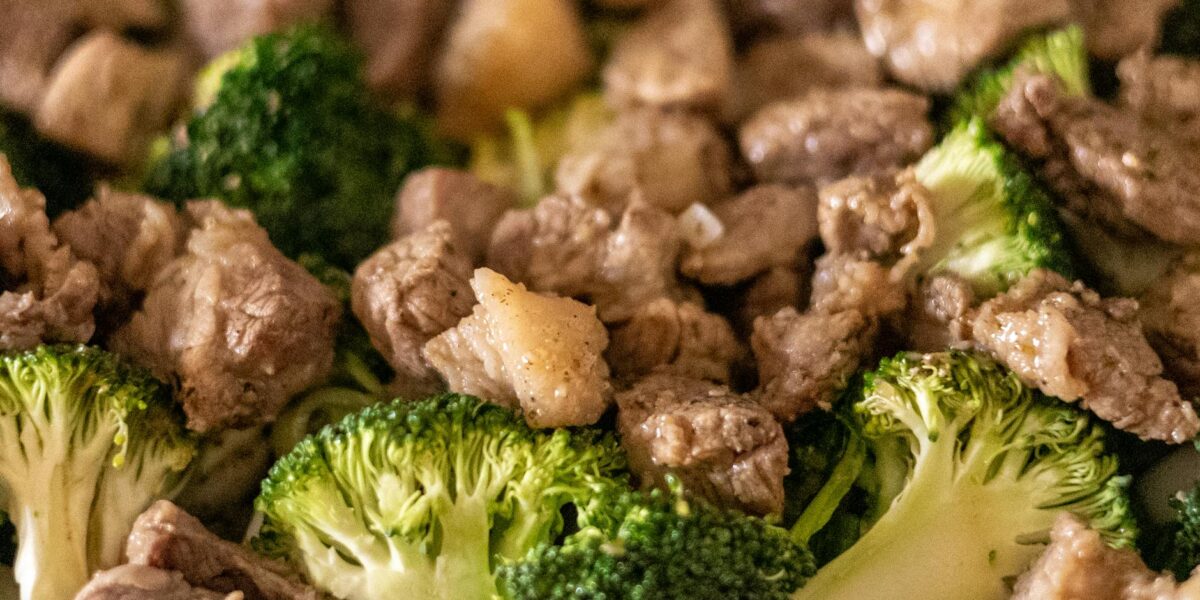
Beef and broccoli is the quintessential American-Chinese takeout dish — glossy, savory, and studded with tender slices of beef and emerald-green broccoli in a rich brown sauce that clings to every bite. It shows up on nearly every Cantonese-American menu in the country, and for good reason. Few dishes balance speed, affordability, and satisfaction quite like this one. With a hot pan, a handful of pantry staples, and the right cut of beef, you can build a bowl of beef and broccoli at home that rivals (and often surpasses) the version from your neighborhood takeout spot.
This complete guide walks you through the full recipe — from choosing and slicing the beef, to velveting it for that unmistakably silky restaurant texture, to nailing the sauce ratio, to blanching the broccoli so it stays crisp and vivid. You will also find variations for Mongolian-style, Sichuan-style, and low-sodium preparations, a full nutritional breakdown, storage and reheating tips, and answers to the most common questions home cooks ask when tackling this classic for the first time.
What Is Beef and Broccoli?
Beef and broccoli (sometimes called ”broccoli beef” on Chinese-American menus) is a stir-fried dish of thin-sliced beef and broccoli florets coated in a soy-based brown sauce flavored with oyster sauce, garlic, ginger, and a touch of sugar. Its roots trace back to Cantonese gai lan (Chinese broccoli) with beef, known as gai lan chao niu rou, which Cantonese immigrants brought to the United States in the late 19th and early 20th centuries. When gai lan proved hard to source in early American cities, cooks pivoted to the more readily available Western broccoli, and a new classic was born.
What sets the home version apart from many takeout versions is control: you choose the cut of beef, the salt level, the sugar level, and the exact moment the broccoli leaves the pan. That control is what turns a good stir-fry into a great one. The technique sits squarely within the broader family of Cantonese stir-fry cooking — a style that prizes high heat, short cook times, and the elusive smoky aroma known as wok hei, the ”breath of the wok.”
Why This Recipe Works
Three techniques separate a memorable beef and broccoli from a mediocre one, and this recipe uses all three.
- Velveting the beef. A brief marinade with baking soda, cornstarch, soy sauce, and a splash of water creates a protective coating that keeps the beef astonishingly tender even over ripping-hot heat. This is the single biggest upgrade over most home recipes.
- Blanching the broccoli. A 60-second plunge in salted boiling water locks in color and jump-starts cooking so the broccoli finishes crisp-tender in the pan rather than raw or mushy.
- Building a balanced sauce. The right ratio of soy sauce to oyster sauce to sugar to stock, thickened with just enough cornstarch, produces that glossy, clingy coat you expect from takeout — without tasting cloying or one-dimensional.
Together, these three moves take the total active cooking time to about 15 minutes. The marinade and broccoli prep can be done ahead, so dinner lands on the table in about 30 minutes start to finish.
Ingredients
This recipe serves 4 as a main dish over rice, or 6 as part of a larger multi-dish meal.
For the Beef and Marinade
- 1 lb (450 g) flank steak, skirt steak, or flat iron steak
- 1 tsp baking soda
- 1 tbsp cold water
- 1 tbsp light soy sauce
- 1 tbsp Shaoxing wine (or dry sherry)
- 1 tbsp cornstarch
- 1 tsp toasted sesame oil
- 1/4 tsp white pepper (or black pepper)
For the Stir-Fry Sauce
- 1/4 cup (60 ml) low-sodium chicken stock or water
- 3 tbsp oyster sauce
- 2 tbsp light soy sauce
- 1 tbsp dark soy sauce (for color; optional but recommended)
- 1 tbsp Shaoxing wine
- 1 tbsp light brown sugar
- 2 tsp cornstarch
- 1 tsp toasted sesame oil
- 1/4 tsp white pepper
For the Stir-Fry
- 1 lb (450 g) broccoli crowns, cut into bite-size florets (about 5 cups)
- 1 tbsp kosher salt (for blanching water)
- 3 tbsp neutral oil, divided (peanut, canola, avocado, or grapeseed)
- 4 cloves garlic, minced or thinly sliced
- 1 tbsp fresh ginger, minced
- 2 scallions, white and green parts separated, both sliced
- 1 small dried red chili, optional
- Cooked jasmine or long-grain white rice, for serving
Choosing the Right Cut of Beef
The cut of beef you choose has more influence on the final dish than the sauce itself. You want a cut with enough marbling to stay juicy during fast, hot cooking, and a grain structure that, when sliced correctly, produces tender bites rather than chewy ones. Here is how the most common options compare.
| Cut | Tenderness | Flavor | Best For | Price |
|---|---|---|---|---|
| Flank steak | High (with velvet) | Robust, beefy | The classic choice; best all-around | $$ |
| Skirt steak | High | Very beefy, slightly fatty | Lovers of bold beef flavor | $$$ |
| Flat iron | Very high | Buttery, mild | Beginners who want a forgiving cut | $$ |
| Sirloin tip / top sirloin | Medium | Clean, mild | Budget-friendly; requires careful slicing | $ |
| Chuck tender | Medium | Deep, savory | Braising-leaning cuts; velvet is a must | $ |
| Ribeye or strip | Very high | Rich, fatty | Special-occasion version | $$$$ |
Whichever cut you choose, the critical move is to slice it against the grain — that is, perpendicular to the long muscle fibers — into pieces about 1/4 inch thick. For flank and skirt, the grain runs the length of the steak, so slice across the short dimension. Partially freezing the beef for 20 to 30 minutes before slicing makes thin, even cuts dramatically easier. For more on building knife skills with Chinese cuts, see our guide to Chinese cleaver technique.
How to Velvet Beef
Velveting is the Chinese restaurant secret behind impossibly silky stir-fried meat. The technique predates modern Cantonese cooking and has several variations — egg white, oil-blanching, and baking-soda methods — but the baking-soda approach is the most practical for home cooks.
Baking soda (sodium bicarbonate) raises the pH of the meat’s surface, which disrupts the protein bonds that cause muscle fibers to tighten and toughen when exposed to high heat. The result is meat that stays tender even on searing-hot metal. The cornstarch and soy sauce layered over the top form a thin slurry that protects the surface and helps the sauce cling later.
- Place the sliced beef in a medium bowl. Sprinkle with 1 tsp baking soda and 1 tbsp cold water. Massage gently for 30 seconds until the beef feels slightly tacky.
- Add the soy sauce, Shaoxing wine, cornstarch, sesame oil, and white pepper. Mix thoroughly with your hands until every slice is evenly coated and the mixture is glossy.
- Rest at room temperature for 20 minutes, or refrigerate uncovered for up to 2 hours. Do not exceed 2 hours — extended baking-soda contact can leave a metallic aftertaste.
If you want to dig deeper into the science and history of this technique, our full guide to velveting explains every variation and when to use which.
Step-by-Step Cooking Instructions
Read the full method before you start. Stir-frying moves fast once the pan is hot, and the biggest cause of a mushy, overcrowded stir-fry is trying to measure ingredients while the pan is already going.
Step 1: Prep and Mise en Place
- Start the rice first — it takes the longest. For technique, see our rice cooking guide.
- Slice the beef against the grain, 1/4 inch thick, and velvet as directed above.
- Cut the broccoli into bite-size florets. Peel the stem and slice it on a bias into 1/4-inch planks so it cooks at the same rate as the florets.
- Mince garlic and ginger, slice the scallions, and measure every sauce ingredient into a single small bowl.
- Whisk the sauce ingredients together. The cornstarch will want to settle — give it a final whisk right before it hits the pan.
Step 2: Blanch the Broccoli
- Bring a large pot of water to a rolling boil. Add 1 tbsp kosher salt.
- Drop in the broccoli florets and stems. Set a timer for 60 seconds.
- Immediately drain and transfer to a bowl of ice water to stop the cooking. Once cool (about 2 minutes), drain thoroughly and pat dry. Wet broccoli will steam, not sear, and will dilute the sauce.
You can skip the ice bath and go straight to a colander if you plan to stir-fry within 5 minutes. For make-ahead prep (up to 24 hours in advance), the ice bath is mandatory to preserve color and texture.
Step 3: Sear the Beef
- Heat a wok or large cast-iron skillet over high heat until it smokes lightly, about 2 minutes on a home burner. For tips on the right equipment, see our wok buying guide.
- Add 2 tbsp of the neutral oil and swirl to coat.
- Add the beef in a single layer, spread out as much as possible. Do not stir for 60 to 90 seconds — let the surface sear.
- Flip the beef and stir-fry for another 45 to 60 seconds, until just barely cooked through with a hint of pink in the thickest pieces. It will finish cooking in the sauce.
- Transfer the beef to a clean plate.
If your burner is weak, work in two batches. Crowding the pan drops the temperature and causes the beef to steam in its own juices, which is the opposite of what you want.
Step 4: Build the Stir-Fry
- Return the pan to high heat and add the remaining 1 tbsp oil.
- Add the garlic, ginger, white parts of the scallions, and dried chili if using. Stir-fry for 15 to 20 seconds until fragrant but not browned.
- Add the blanched broccoli. Toss for 60 seconds, until the broccoli picks up some color and a hint of char at the edges.
- Return the beef (and any accumulated juices) to the pan.
- Give the sauce a final whisk and pour it in. Toss constantly for 45 to 60 seconds as the sauce reduces and thickens into a glossy glaze that coats every piece.
- Kill the heat, scatter the green parts of the scallions on top, and toss once more.
- Serve immediately over hot rice.
From the moment the oil hits the pan in Step 3 to the moment dinner is plated, you are looking at about 5 to 6 minutes of active cooking. That speed is the soul of stir-frying — review our complete stir-fry guide if you want to go deeper on fundamentals.
Pro Tips for Restaurant-Quality Results
- Get the pan hot enough. A properly heated wok should smoke faintly before the oil goes in. If your pan is not hot, the beef will release liquid and braise instead of sear.
- Dry everything. Water is the enemy of stir-fry. Dry the beef surface (if it pooled liquid during marinating), dry the broccoli after blanching, and keep a dish towel nearby.
- Use two sauces, not one. Light soy sauce delivers salinity, while dark soy sauce delivers color and a subtle molasses depth. Skipping the dark soy is the most common reason home versions look pale.
- Do not over-thicken. The sauce should coat a spoon but still flow. If it turns gluey, splash in a tablespoon of stock to loosen.
- Season the rice. A small pinch of salt or a splash of chicken fat in the rice pot elevates the entire bowl.
- Season a wok properly. A well-seasoned carbon steel wok releases food effortlessly. Our wok seasoning guide walks you through building that patina.
- Let the beef rest 5 minutes after velveting. This allows the baking soda to work without carrying over into the finished dish.
- Taste the sauce before you add it. Everyone’s soy sauce and oyster sauce are slightly different. Adjust sugar, salt, or stock before it commits to the pan.
Common Mistakes and How to Fix Them
| Problem | Likely Cause | Fix |
|---|---|---|
| Tough, chewy beef | Sliced with the grain, or not velveted | Slice across the grain at 1/4 inch; velvet for at least 20 minutes |
| Watery, thin sauce | Wet broccoli, overcrowded pan, or too much stock | Dry broccoli; cook in batches; reduce stock by 2 tbsp |
| Gluey, pasty sauce | Too much cornstarch, or added off-heat | Reduce cornstarch by 1 tsp; always add to active heat |
| Pale, dull color | No dark soy sauce | Add 1 tbsp dark soy sauce to the sauce mix |
| Burnt garlic, bitter sauce | Aromatics added to empty hot pan | Add aromatics with oil, not before, and keep moving |
| Limp, gray broccoli | Over-blanched or over-stirred | 60-second blanch; shock in ice water; stir-fry no more than 60 seconds |
| Salty, harsh finish | Regular soy sauce plus oyster sauce plus salty stock | Switch to low-sodium stock and light soy sauce |
| Metallic aftertaste | Beef velveted too long in baking soda | Stay under 2 hours; rinse briefly if needed |
Variations
Mongolian-Style Beef and Broccoli
Swap 1 tbsp of the oyster sauce for 1 tbsp hoisin sauce, and double the brown sugar to 2 tbsp. The result is sweeter, glossier, and closer to the flavor profile of our Mongolian beef recipe. Finish with a heavy handful of sliced scallions.
Sichuan-Style Ma La Beef and Broccoli
Add 1 tbsp doubanjiang to the oil along with the aromatics, plus 1 tsp ground Sichuan peppercorn. Reduce the soy sauce by 1 tbsp to compensate for the salinity of the bean paste. You will get a numbing, spicy, deeply savory version.
Black Pepper Beef and Broccoli
Increase the black pepper in the sauce to 1 tsp, coarsely cracked, and add 1 tsp more at the end. Swap the oyster sauce for a mixture of 2 tbsp oyster sauce and 1 tbsp ketchup — a Hong Kong Cha Chaan Teng trick that adds body and a faint sweetness.
Gai Lan Beef (Traditional Cantonese)
Replace the broccoli with 1 lb Chinese broccoli (gai lan), cut into 3-inch lengths and blanched for 90 seconds instead of 60. The leafy greens and tender stems give the dish a more vegetal, pleasantly bitter edge that is closer to the original Cantonese dish.
Low-Sodium Version
Use low-sodium soy sauce and low-sodium chicken stock. Reduce oyster sauce to 2 tbsp and supplement with 1 tbsp unsalted tomato paste and 1 tsp fish sauce for depth. The sauce will drop from around 950 mg sodium per serving to about 520 mg.
Gluten-Free Version
Substitute tamari or coconut aminos for both soy sauces and use a gluten-free oyster sauce (Lee Kum Kee makes one, as do several Thai brands). Verify the Shaoxing wine is gluten-free or swap for dry sherry.
Vegetarian Broccoli with ”Beef”
Swap the beef for 1 lb of thick-sliced seared portobello mushrooms or torn king oyster mushrooms, and replace oyster sauce with vegetarian stir-fry sauce (or mushroom ”oyster” sauce). The umami stays remarkably close to the original.
Serving Suggestions
Beef and broccoli is traditionally served over steamed jasmine or long-grain rice, which soaks up the excess sauce. For a fuller meal, pair it with one of the following:
- A light soup like our egg drop soup or a clear seaweed broth
- Simple stir-fried greens such as bok choy with garlic — see our bok choy guide
- Starters like steamed dumplings or pan-fried gyoza
- Chicken fried rice for a classic two-dish takeout spread
- Chow mein or lo mein as a noodle option
- Pickled cucumbers or a quick smashed cucumber salad for a cooling contrast
For beverage pairings, a chilled lager, a dry Riesling, or a pot of jasmine tea all work beautifully. Something off-dry with a hint of sweetness balances the salt-forward sauce without competing with the beef.
Nutritional Information
The values below are estimates for one-quarter of the recipe, served without rice. Serving sizes are generous; stretching the dish across 6 servings drops calories per serving by about 30%. Values were calculated using flank steak at 7% fat, standard oyster and soy sauces, and peanut oil.
| Nutrient | Amount per serving | % Daily Value* |
|---|---|---|
| Calories | 385 kcal | 19% |
| Total Fat | 19 g | 24% |
| Saturated Fat | 4.5 g | 23% |
| Trans Fat | 0 g | — |
| Cholesterol | 78 mg | 26% |
| Sodium | 945 mg | 41% |
| Total Carbohydrate | 17 g | 6% |
| Dietary Fiber | 3 g | 11% |
| Sugars | 6 g | — |
| Added Sugars | 4 g | 8% |
| Protein | 34 g | 68% |
| Vitamin C | 82 mg | 91% |
| Calcium | 72 mg | 6% |
| Iron | 3.6 mg | 20% |
| Potassium | 720 mg | 15% |
*Percent Daily Values are based on a 2,000-calorie diet. Your daily values may be higher or lower depending on your calorie needs.
A few nutritional notes: beef and broccoli is a surprisingly solid source of protein (34 g per serving) and an outstanding source of vitamin C thanks to the broccoli. Sodium, however, runs high because oyster sauce and soy sauce are both concentrated. If that is a concern, use the low-sodium variation above.
Storage and Reheating
Refrigerator
Transfer cooled leftovers to an airtight container and refrigerate within 2 hours of cooking. Beef and broccoli keeps well for 3 to 4 days. The broccoli will soften slightly but remain pleasant. Store the rice separately so each component reheats on its own schedule.
Freezer
Freezing is possible but not ideal — the broccoli becomes noticeably limp and the sauce can break slightly on reheating. If you must freeze, use a freezer-safe container with as little headspace as possible and consume within 2 months. Thaw overnight in the refrigerator before reheating.
Reheating
- Stovetop (best method): Heat a skillet or wok over medium-high with 1 tsp oil. Add the leftovers and a splash of water (about 2 tbsp per serving). Toss constantly for 2 to 3 minutes until hot and the sauce re-emulsifies.
- Microwave: Transfer to a microwave-safe bowl, cover loosely, and heat in 45-second increments at 70% power, stirring between each. Usually 1.5 to 2 minutes total.
- Do not reheat more than once. Each reheating cycle pushes the beef further past the tender-silky zone.
Make-Ahead and Meal-Prep Strategy
Beef and broccoli is a stellar candidate for meal prep because its components hold up individually better than they do already combined.
- Up to 24 hours ahead: Velvet the beef (hold at the lower end of the marinade window — not beyond 2 hours), blanch the broccoli, and pre-mix the sauce. Store each in its own container.
- Day-of: Cook the rice in a rice cooker while you stir-fry. From mise en place to plating is under 10 minutes.
- Weekly prep: Portion finished dish + rice into individual containers on Sunday. Reheat at work or home on the stovetop for the best texture.
For a broader weekly plan, combine this dish with a couple of other quick stir-fries from our Chinese recipes collection to keep lunches varied.
The Cultural Context: From Gai Lan Niu Rou to Panda Express
The journey of beef and broccoli from Cantonese kitchens to American strip malls is a microcosm of Chinese-American culinary history. In Guangdong province, gai lan (Chinese broccoli or Chinese kale) has been stir-fried with beef for generations — the combination of tender leafy greens and quickly seared beef is a Cantonese weeknight staple. When Cantonese immigrants arrived in California in the mid-1800s during the Gold Rush, and later in New York and other cities, they sought substitutes for ingredients that were hard to find. Western broccoli, sometimes called xi lan hua (”western cauliflower”) in Chinese, had become widely cultivated in the U.S. by the 1920s and proved to be a reasonable substitute for gai lan stems — though with none of the leafy character.
By the 1950s and 60s, as Chinese-American restaurants expanded beyond urban Chinatowns into suburbs across the country, beef and broccoli had become a menu fixture alongside sweet and sour pork, egg foo young, and chow mein. The dish’s accessibility — no exotic ingredients, familiar protein and vegetable, mildly seasoned sauce — made it a gateway Chinese dish for American diners. The chain restaurant P.F. Chang’s and the quick-service giant Panda Express later cemented beef and broccoli as one of the most-ordered Chinese-American dishes in the United States, where it remains today.
What makes cooking this dish at home meaningful is that you can honor either tradition. Use gai lan and you are cooking something closer to what a Guangzhou auntie would make. Use Western broccoli with the techniques above, and you are cooking the dish as it evolved in America — still delicious, still rooted in technique, but distinctly its own thing. Both are valid. Both are delicious.
Equipment Essentials
You do not need specialty gear, but the right tools make this dish noticeably easier.
- Carbon steel wok (14-inch, flat-bottom for Western stoves): The best tool for the job. A properly seasoned wok handles heat unevenly on purpose — the hot spot sears, the cooler sides park finished ingredients.
- Heavy cast-iron skillet (12-inch): The best alternative if you do not have a wok. Retains heat exceptionally well.
- Metal wok spatula (chuan): Long-handled, shovel-shaped, perfect for flipping and scraping a hot wok.
- Sharp chef’s knife or Chinese cleaver: Essential for cleanly slicing the beef across the grain.
- Large pot: For blanching. Bigger is better — lots of water means the temperature stays high when the broccoli goes in.
- Rice cooker (optional but great): Hands-off rice means you can focus on the stir-fry.
Pantry-Stocking Shortlist
If you plan to cook beef and broccoli regularly (and most people who try this recipe do), stocking a few Chinese pantry staples will pay immediate dividends. These also unlock dozens of other dishes. See our full Asian cooking ingredients guide for the bigger picture.
- Light soy sauce (Lee Kum Kee, Pearl River Bridge, Kikkoman)
- Dark soy sauce (Pearl River Bridge is widely available)
- Oyster sauce (Lee Kum Kee Premium is the gold standard)
- Shaoxing wine (Pagoda brand is ubiquitous in U.S. Asian groceries)
- Toasted sesame oil (Kadoya is a trusted Japanese brand)
- Cornstarch (standard U.S. brand is fine)
- Baking soda (any brand)
- Neutral high-smoke-point oil (peanut, avocado, or grapeseed)
- White pepper (preferably whole, freshly ground)
Frequently Asked Questions
Can I make beef and broccoli without a wok?
Yes. A 12-inch cast-iron skillet is the best wok substitute for home ranges because of its heat retention. A heavy stainless-steel skillet works too. What you cannot substitute for is high heat — make sure the pan is thoroughly preheated, and cook in batches if needed to avoid crowding.
Do I have to velvet the beef?
Technically no, but the result will not taste like restaurant beef and broccoli without it. The baking-soda marinade takes 20 extra minutes and transforms the texture entirely. Skip it only if you are using a premium cut like ribeye or flat iron, and even then you will notice a difference.
Can I use frozen broccoli?
Fresh is strongly preferred, but if you only have frozen, thaw it completely, drain, and pat very dry. Skip the blanching step and add directly to the pan with the aromatics. Expect softer texture and a paler color.
What is the difference between light and dark soy sauce?
Light soy sauce (sheng chou) is thinner, saltier, and is the everyday seasoning soy. Dark soy sauce (lao chou) is aged longer, often contains a touch of molasses, and is used primarily for color and subtle depth. Our full soy sauce guide explains every variety in detail.
Can I make this recipe without oyster sauce?
Yes, but expect a less rich result. Substitute with 3 tbsp hoisin sauce cut with 1 tsp soy sauce, or use mushroom ”oyster” sauce (vegetarian). See our dedicated oyster sauce substitute guide for ten options ranked by faithfulness to the original.
Why is my beef tough even after velveting?
Three common causes: you sliced with the grain rather than against it; you overcooked the beef (more than 90 seconds per side in the sear stage); or the cut was simply too lean and tough for stir-fry, such as round steak without velveting. Fix the slice direction first — it accounts for most tough-beef problems.
Can I scale this recipe up for a crowd?
Double and triple are both doable, but you must cook in batches. A single home burner cannot drive a 3-pound stir-fry to a proper sear. Cook the beef in two or three batches, remove each to a tray, and combine everything at the sauce-and-toss step. Keep a warm oven (200°F / 95°C) ready if you need to hold earlier batches.
Can I marinate the beef overnight?
No. Baking-soda velveting should not exceed 2 hours, or the meat begins to take on a soapy, metallic aftertaste. If you want to marinate overnight, skip the baking soda and use the soy-cornstarch portion only; add baking soda in the morning for 20 to 30 minutes before cooking.
Can I make this in an Instant Pot or slow cooker?
Not well. Beef and broccoli depends on a quick, high-heat sear and short cook time. Pressure cooking turns the beef stringy and the broccoli mushy. For a braising-style beef dish with gentler cooking, try our hong shao (red braising) guide instead.
How do I keep the broccoli bright green?
Two steps: a short 60-second blanch in heavily salted water, then an immediate plunge in ice water to stop carryover cooking. The final stir-fry should be under 60 seconds once the broccoli hits the pan. Longer exposure to acid (soy) and heat dulls the color.
Is this recipe spicy?
The base recipe is not spicy at all — it is mildly savory-sweet. If you prefer heat, add one small dried red chili with the aromatics, or finish with a drizzle of our homemade chili oil. For a substantially spicier version, try the Sichuan-style variation above.
What kind of rice goes best with beef and broccoli?
Long-grain jasmine rice is the traditional pairing — its delicate floral aroma and fluffy texture support the sauce without competing. Medium-grain or sushi rice is too sticky; basmati is too dry. Short-grain sticky rice is a fine casual alternative.
Putting It All Together
Beef and broccoli seems like a simple dish, and in terms of ingredient count, it is. But the techniques behind a truly exceptional plate — slicing against the grain, velveting with baking soda, blanching broccoli precisely, searing beef on a ripping-hot surface, and balancing a sauce between salty, sweet, and rich — are exactly the techniques that transform home cooking across the entire Chinese repertoire. Master them here and you have unlocked dozens of other dishes.
On a practical level, this is a weeknight dinner that comes together in under 30 minutes once you have done the recipe twice. It freezes (poorly), holds in the fridge (well), and scales up with the right batching strategy. It cleans up with a single wok and a single cutting board. And it tastes, genuinely, better than most takeout you can buy.
Make it once following the recipe exactly. Make it a second time and try one variation — Mongolian-style or ma la Sichuan. By the third time, you will have your own personal version, tuned to your pantry, your burner, and your taste. That is the real reward of cooking Asian food at home: not the recipe, but the technique underneath it.
For your next project, consider stepping into adjacent territory. Our beef stir-fry recipe builds on the same techniques with different vegetables. Our Asian cooking techniques guide gives you the foundational moves behind this dish and the broader style. And our complete Asian recipes collection is a trailhead for whatever you want to cook next.
Happy stir-frying. Get the pan hot.

Mei Lin Chen
Mei Lin Chen is an Asian food writer and recipe developer. Melbourne-raised and London-based, she has spent over a decade exploring the rice paddies, hawker stalls, and home kitchens of South-East and East Asia. Her recipes balance traditional technique with everyday practicality.