Last updated: March 13, 2026
Turkish food is one of the world’s great culinary traditions, shaped by thousands of years of history at the crossroads of Europe, Asia, and the Middle East. From the smoky char of kebabs to the flaky sweetness of baklava, Turkish cuisine draws on Ottoman palace kitchens, Central Asian nomadic cooking, Mediterranean produce, and Middle Eastern spice traditions to create a flavor profile that is uniquely its own. Whether you are exploring Turkish food for the first time or looking to deepen your knowledge, this guide covers everything from essential ingredients and must-try dishes to cooking techniques and meal planning tips.
What Makes Turkish Cuisine Unique
Turkish cuisine sits at a fascinating intersection of culinary worlds. Geography is the defining factor: Turkey bridges two continents, with the Anatolian plateau providing grain and livestock, the Mediterranean and Aegean coasts offering seafood and olive oil, and the Black Sea region contributing hazelnuts, tea, and corn-based dishes. This geographic diversity means that Turkish food is not a single cuisine but a collection of regional traditions unified by shared techniques and ingredients.
What distinguishes Turkish food from neighboring cuisines is its emphasis on letting quality ingredients speak for themselves. Where some Middle Eastern cuisines layer complex spice blends, Turkish cooking often relies on just a few seasonings — fresh ginger, sumac, cumin, dried mint, and Aleppo pepper — to enhance rather than mask the natural flavors of meat, vegetables, and grains. Yogurt appears in nearly every meal, used as a sauce, marinade, side dish, and drink. Bread is sacred, never wasted, and baked fresh daily in dozens of regional varieties.
The Ottoman Empire, which lasted over six centuries, elevated Turkish cooking into a sophisticated palace cuisine. Imperial kitchens employed hundreds of specialized cooks, each dedicated to a single category: soups, pilafs, kebabs, pastries, or confections. This legacy of specialization is still visible today in the artisan kebab shops, baklava makers, and pide bakers found across Turkey.
A Brief History of Turkish Food
The roots of Turkish cuisine trace back to the nomadic Turkic peoples of Central Asia, whose diet centered on meat (especially lamb and horse), dairy products, and fermented beverages. As these groups migrated westward into Anatolia beginning in the 11th century, they encountered the rich agricultural traditions of the Byzantine, Persian, and Arab civilizations already established there.
The Seljuk period (11th–13th centuries) marked the first major fusion, blending nomadic grilling and dairy techniques with Persian-influenced pilafs, stews, and sweets. By the time the Ottoman Empire rose to power in the 14th century, Turkish cooking had absorbed influences from every corner of its expanding territory — Balkan vegetables, Arab spice routes, North African preserved foods, and Caucasian cheese-making traditions.
Ottoman palace cuisine reached its peak during the 15th–17th centuries, when the Topkapi Palace kitchens in Istanbul became one of the largest culinary operations in the world. Recipes were closely guarded, and innovation was rewarded. Many dishes that are now considered quintessentially Turkish — baklava, stuffed vegetables (dolma), and layered börek pastries — were refined or invented in these kitchens.
The founding of the Turkish Republic in 1923 brought a shift toward regional home cooking and street food. Today, Turkish cuisine is experiencing a global renaissance, with Turkish restaurants expanding worldwide and traditional dishes like lahmacun, pide, and manti gaining international recognition alongside already-famous kebabs and baklava.
Regional Cuisines of Turkey
Turkey’s seven geographic regions each contribute distinct flavors and techniques to the national cuisine. Understanding these regions is key to understanding the full breadth of Turkish food.
Southeastern Anatolia (Gaziantep, Şanlıurfa, Mardin): Often called the kebab capital of Turkey, this region is known for its fiery Aleppo pepper, rich pistachio-studded desserts, and complex spice use. Gaziantep is widely regarded as Turkey’s culinary capital, home to the country’s most famous baklava and a UNESCO-recognized food culture.
Istanbul and Marmara: As the former Ottoman capital, Istanbul blends every regional tradition into a metropolitan food culture. Street food thrives here — balık ekmek (fish sandwiches), simit (sesame bread rings), and midye dolma (stuffed mussels) define the city’s food identity. Fine dining restaurants reinterpret Ottoman palace cuisine for modern palates.
Aegean Coast: Mediterranean in character, this region emphasizes olive oil, wild herbs, fresh vegetables, and seafood. Dishes are lighter than those in eastern Turkey, with an emphasis on meze (small shared plates) and slow-cooked vegetable dishes called zeytinyağlılar (olive oil dishes).
Black Sea Coast: This green, rainy region produces Turkey’s famous hazelnuts and tea. The cuisine features corn-based breads (mısır ekmeği), anchovies prepared in dozens of ways, and butter-rich dishes. Kuymak, a fondue-like melted cheese dish, is a regional specialty.
Central Anatolia (Ankara, Konya, Kayseri): The heartland of Turkey favors hearty, grain-based dishes. Manti (Turkish dumplings), testi kebab (pottery kebab), and tandır (slow-roasted lamb) reflect the region’s cold winters and agricultural economy.
Eastern Anatolia: With harsh winters and a pastoral economy, this region produces Turkey’s best cheeses, honey, and cured meats. Dishes are protein-heavy and calorie-dense, designed to sustain through long, cold months.
Mediterranean Coast (Antalya, Mersin, Hatay): Hatay province, bordering Syria, is famous for its Arab-influenced cuisine featuring hummus, künefe (shredded pastry with melted cheese), and intensely spiced meat dishes. The broader Mediterranean coast favors citrus, pomegranate, and grilled seafood.
Essential Turkish Ingredients
Stocking a Turkish pantry requires fewer specialized ingredients than you might expect. Many items overlap with Mediterranean and Middle Eastern cooking, and several are already staples in well-equipped Asian kitchens. Here are the essential ingredients that define Turkish food.
| Ingredient | Turkish Name | Role in Cooking | Common Dishes |
|---|---|---|---|
| Aleppo Pepper (Pul Biber) | Pul biber | Primary chili flake; fruity, moderate heat | Kebabs, salads, eggs, lahmacun |
| Sumac | Sumak | Tart, citrusy spice for finishing | Onion salads, kebab garnish, fattoush |
| Dried Mint | Kuru nane | Herbaceous seasoning for soups and yogurt | Lentil soup, manti, cacık |
| Pomegranate Molasses | Nar ekşisi | Sweet-tart condiment and glaze | Salad dressings, meat marinades, kisir |
| Turkish Red Pepper Paste | Biber salçası | Concentrated pepper flavor base | Stews, pilafs, egg dishes, menemen |
| Tomato Paste | Domates salçası | Umami-rich base for sauces | Nearly all cooked dishes |
| Yogurt | Yoğurt | Sauce, marinade, side, drink | Manti, kebab plates, cacık, ayran |
| Bulgur Wheat | Bulgur | Nutty cracked wheat for pilafs and salads | Kisir, bulgur pilaf, çiğ köfte |
| Butter (Clarified) | Tereyağı / Sadeyağ | Primary cooking fat in eastern regions | Pilafs, pastries, baklava |
| Olive Oil | Zeytinyağı | Primary cooking fat in western regions | Meze, vegetable dishes, salads |
| Pistachios | Antep fıstığı | Garnish and filling for sweets | Baklava, künefe, lokum |
| Cumin | Kimyon | Earthy spice for meat and legumes | Köfte, lentil soup, stews |
If you already cook Asian food at home, you will find that many supporting ingredients — rice, ginger, garlic, onions, and sesame — also appear in Turkish cooking, though in different proportions and preparations.
15 Must-Try Turkish Dishes
Turkish cuisine offers hundreds of regional specialties, but these fifteen dishes represent the essential flavors and techniques that every food lover should experience.
1. Kebab (Kebap)
The word ”kebab” simply means grilled meat in Turkish, but it encompasses an enormous family of dishes. Adana kebab features hand-minced lamb mixed with tail fat and Aleppo pepper, pressed onto wide metal skewers and grilled over charcoal. Şiş kebab uses cubed, marinated meat. İskender kebab layers thin döner slices over pide bread with tomato sauce, melted butter, and yogurt. Each region claims its own signature kebab style, and debates over which city makes the best version are a national pastime.
2. Lahmacun (Turkish Flatbread Pizza)
Often called Turkish pizza, lahmacun is actually quite different from Italian pizza. A paper-thin round of dough is spread with a mixture of minced lamb, tomatoes, peppers, onions, and herbs, then baked in a blazing-hot oven for just a couple of minutes. It emerges crisp, pliable, and deeply savory. You roll it up with fresh parsley, a squeeze of lemon, and pickled vegetables. Lahmacun is street food at its finest — fast, cheap, and addictive.
3. Pide (Turkish Boat-Shaped Flatbread)
Pide is closer to pizza in concept, with a thicker, boat-shaped dough cradling various toppings. Popular fillings include ground meat with egg (kıymalı), cheese (peynirli), and cubed lamb with vegetables (kuşbaşılı). The dough is slightly chewy, the edges crisp, and the toppings generously portioned. Pide is typically baked in wood-fired ovens and cut into strips for sharing.
4. Manti (Turkish Dumplings)
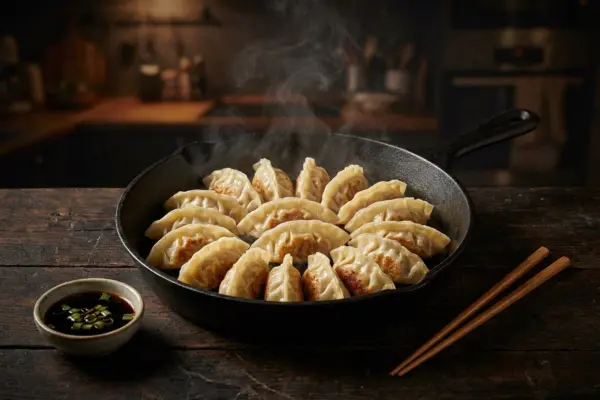
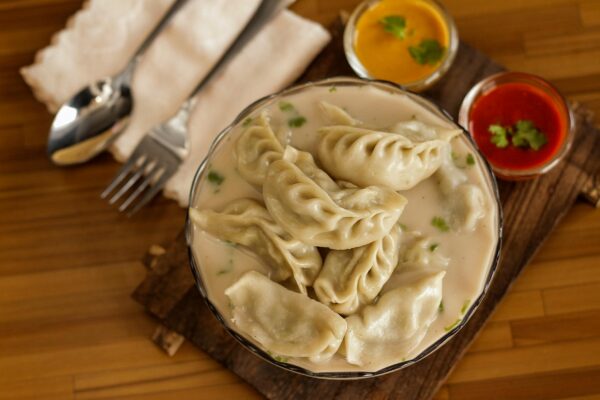
Turkish manti are tiny dumplings, traditionally so small that forty should fit on a single spoon — a test of the cook’s skill. Each dumpling holds a pinch of seasoned ground lamb or beef, and they are boiled or baked until tender. The magic is in the toppings: garlic-infused yogurt sauce, melted butter sizzled with Aleppo pepper and dried mint. If you enjoy Chinese jiaozi or Japanese gyoza, manti offers a fascinating parallel from the other end of the Silk Road.
5. Menemen (Turkish Scrambled Eggs)
Menemen is Turkey’s answer to shakshuka — a skillet of tomatoes, green peppers, and onions cooked down with olive oil and Turkish pepper paste, then scrambled with eggs until just set. It is served directly from the pan with crusty bread for scooping. Simple, satisfying, and a staple of Turkish breakfast tables, menemen showcases the Turkish talent for making something extraordinary from humble ingredients.
6. Köfte (Turkish Meatballs)
Köfte refers to a broad family of seasoned ground meat preparations. İnegöl köfte are simple and juicy, made with just lamb, onion, and salt. Akçaabat köfte from the Black Sea coast are firmer and grilled over charcoal. Çiğ köfte, originally made with raw meat but now commonly prepared with fine bulgur, is kneaded by hand with spices until it becomes a smooth, spicy paste served in lettuce wraps with pomegranate molasses. Each variety reflects its region’s character.
7. Mercimek Çorbası (Red Lentil Soup)
This velvety red lentil soup is arguably Turkey’s most-consumed dish, served as the opening course of nearly every lunch and dinner. Red lentils are simmered with onions, carrots, and potatoes, then blended until smooth. A squeeze of lemon and a drizzle of butter sizzled with pul biber finish the bowl. It is comforting, nutritious, and deeply satisfying. Similar in spirit to Indian dal, Turkish lentil soup takes a lighter, more lemony approach.
8. İmam Bayıldı (Stuffed Eggplant)
The name translates to ”the imam fainted” — supposedly from the sheer deliciousness (or the amount of olive oil used). Whole eggplants are slit open, stuffed with a mixture of tomatoes, onions, and garlic, then braised slowly in generous olive oil until they practically melt. Served at room temperature, imam bayıldı is one of Turkey’s greatest vegetable dishes and a centerpiece of the zeytinyağlı (olive oil dish) tradition.
9. Börek (Layered Savory Pastry)
Börek is the Turkish art of layered pastry, made with thin sheets of yufka dough (similar to phyllo) filled with cheese, spinach, ground meat, or potatoes. Su böreği (water börek) features boiled dough layers with white cheese — silky, rich, and unlike any Western pastry. Sigara böreği (cigarette börek) are crispy fried rolls filled with feta, perfect as appetizers or snacks. The technique of rolling paper-thin dough requires skill passed down through generations.
10. Dolma and Sarma (Stuffed Vegetables and Grape Leaves)
Dolma means ”stuffed” and sarma means ”wrapped” in Turkish, and together they describe a vast category of dishes. Grape leaves, bell peppers, tomatoes, zucchini, and eggplant are all filled with either a rice-based mixture (for cold, olive oil versions) or a meat-and-rice filling (served hot). Cold dolma, dressed with olive oil and lemon, are essential meze items. Warm meat dolma are hearty main courses served with yogurt.
11. Karnıyarık (Stuffed Eggplant with Meat)
While imam bayıldı is vegetarian, karnıyarık is its meat-filled cousin. Fried eggplants are split open and stuffed with a savory mixture of ground beef or lamb, onions, tomatoes, and peppers, then baked until everything melds together. It is a home-cooking classic, often served with rice pilaf and a simple salad.
12. Iskender Kebab
Named after its inventor in the city of Bursa, İskender kebab is döner meat sliced thin and arranged over cubes of pide bread. Hot tomato sauce and a generous pour of sizzling browned butter are added at the table, with a side of thick yogurt. The combination of crispy bread soaking up meat juices, tangy tomato, and rich butter makes this one of Turkey’s most indulgent dishes.
13. Baklava
Turkey’s most famous dessert needs little introduction. Layers of paper-thin yufka dough are brushed with butter, filled with ground pistachios (in Gaziantep style) or walnuts (in other regions), baked until golden, and drenched in sugar syrup. The best baklava achieves a delicate balance — crisp but not dry, sweet but not cloying, with the green brightness of pistachios in every bite. Gaziantep baklava holds a geographical indication, meaning only baklava made in Gaziantep with local pistachios can carry the name.
14. Künefe
This Hatay specialty features shredded kadayıf pastry layered around unsalted melting cheese, baked until crispy and golden, then soaked in sweet syrup and topped with crushed pistachios. Served blazing hot so the cheese stretches with every bite, künefe is an unforgettable combination of crispy, gooey, sweet, and savory. It has become one of Turkey’s most popular desserts internationally.
15. Turkish Breakfast (Kahvaltı)
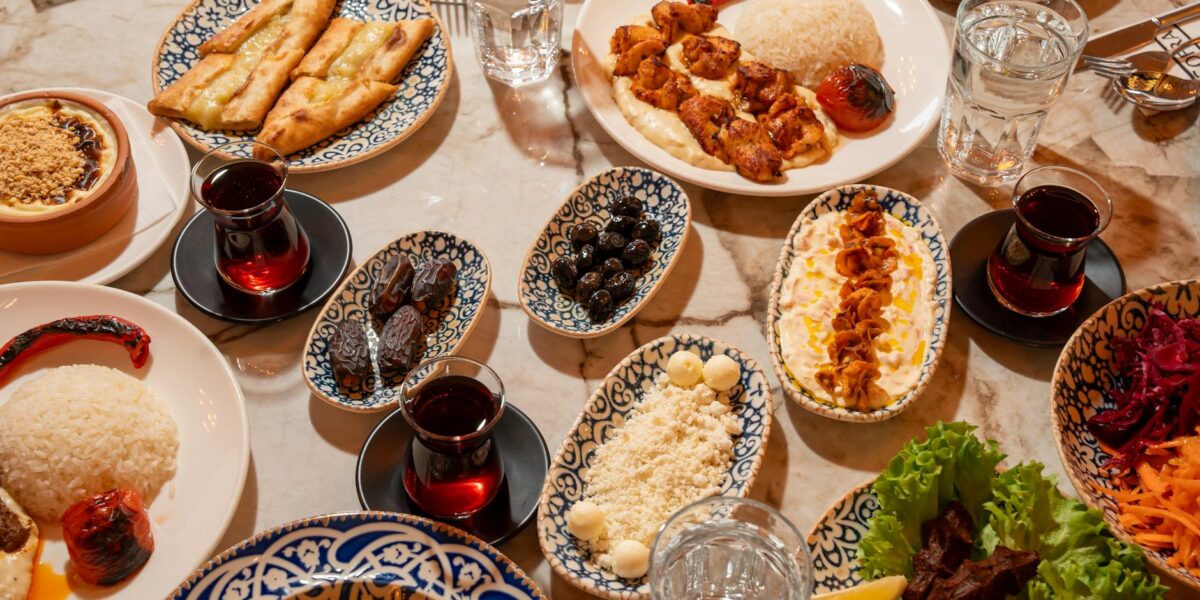
More a concept than a single dish, Turkish breakfast is a sprawling feast of small plates: multiple cheeses, olives, honey with kaymak (clotted cream), tomatoes, cucumbers, eggs prepared various ways, jams, butter, sucuk (spiced sausage), and endless bread. Weekend breakfasts can last hours and include dozens of plates. The word kahvaltı literally means ”before coffee,” reflecting the ritual’s role as the foundation of the day.
Turkish Cooking Techniques
Turkish cuisine relies on a set of fundamental techniques that, once understood, unlock hundreds of dishes. Many of these techniques will feel familiar to home cooks experienced with Asian cooking methods.
Charcoal Grilling (Mangal): The cornerstone of Turkish meat cookery. Unlike gas grilling, Turkish mangal uses natural wood charcoal that imparts a distinctive smoky flavor. Meats are typically salted simply and cooked close to very hot coals. The technique shares the same philosophy as Japanese yakitori — high heat, quality ingredients, minimal seasoning.
Slow Braising: Many Turkish vegetable dishes and stews use long, slow cooking in olive oil or butter. Dishes like imam bayıldı and fasulye (white bean stew) develop deep flavor through patient simmering. This approach parallels the Chinese red braising technique in its reliance on time and gentle heat to transform simple ingredients.
Dough Work: Turkish cuisine demands serious dough skills. Rolling yufka (thin pastry sheets) for börek, stretching pide dough, and forming tiny manti dumplings are core techniques. Many Turkish grandmothers can roll dough so thin you can read a newspaper through it — a skill that takes years to perfect.
Sautéing with Tomato and Pepper Paste (Kavurma): A foundational technique where onions are sautéed in butter or oil, then tomato paste and pepper paste are added and cooked until they darken and concentrate. This flavor base appears in countless dishes and creates a depth of flavor similar to the wok hei achieved in Chinese cooking — a transformation through high-heat caramelization.
Yogurt Sauces: Nearly every Turkish meal involves yogurt in some form. The technique of making garlic yogurt sauce (sarımsaklı yoğurt) — whisking yogurt with crushed garlic, salt, and sometimes dried mint — is essential for manti, kebab plates, and vegetable dishes.
Pistachio and Nut Work: Turkish pastry making requires precise nut preparation. Pistachios must be blanched, peeled, and ground to specific textures for different desserts. The tradition of artisan nut preparation in cities like Gaziantep rivals the precision of Japanese mochi making in its attention to detail.
Turkish Food vs. Other Mediterranean and Middle Eastern Cuisines
Turkish cuisine shares ingredients and techniques with several neighboring traditions but maintains its own distinct identity. This comparison highlights key differences.
| Feature | Turkish | Greek | Lebanese | Persian |
|---|---|---|---|---|
| Primary Fat | Butter (east), Olive oil (west) | Olive oil | Olive oil | Butter, ghee |
| Spice Level | Moderate (pul biber, sumac) | Mild (oregano, lemon) | Moderate (7-spice, sumac) | Mild-moderate (saffron, turmeric) |
| Yogurt Use | Central — sauce, drink, side | Common — tzatziki, cooking | Moderate — labneh, toum | Central — kashk, doogh |
| Bread Style | Pide, simit, lavash, bazlama | Pita, horiatiko | Pita, markook, saj | Sangak, lavash, barbari |
| Signature Meat Prep | Kebab (döner, adana, şiş) | Souvlaki, gyro | Shawarma, kafta | Koobideh, joojeh |
| Pastry Tradition | Börek, baklava, künefe | Spanakopita, baklava | Fatayer, baklava | Layered rice (tahdig) |
| Meze Culture | Extensive — cold and hot plates | Extensive | Extensive | Limited — starters less formal |
| Tea/Coffee | Both — çay dominant, Türk kahvesi ritual | Greek coffee, mountain tea | Arabic coffee, tea | Black tea dominant |
While similarities exist — especially with Greek and Lebanese cuisines, due to shared Ottoman heritage — Turkish food stands apart through its kebab diversity, extensive pastry tradition, and the central role of yogurt in virtually every meal.
Turkish Drinks and Beverages
Turkish beverage culture is as rich as its food. Çay (Turkish tea) is the national drink, consumed throughout the day from distinctive tulip-shaped glasses. Turkey is one of the world’s largest tea consumers per capita, and offering tea is an essential gesture of hospitality.
Türk kahvesi (Turkish coffee) is prepared by simmering very finely ground coffee in a cezve (small copper pot) with water and sugar. The result is thick, foamy, and intense. It is served in small cups with the grounds settling at the bottom — and fortune-telling from the grounds (tasseography) is a beloved cultural tradition. Turkish coffee was recognized by UNESCO as an Intangible Cultural Heritage in 2013.
Ayran is a cold, salted yogurt drink that accompanies grilled meats and heavy dishes. Made by whisking yogurt with water and salt until frothy, it is Turkey’s most popular non-alcoholic beverage after tea and serves as a natural digestive aid.
Şalgam is a fermented turnip and carrot juice, deep purple in color and sour-salty in flavor, traditionally paired with Adana kebab in southeastern Turkey. For those familiar with Asian fermented beverages, şalgam offers a similar probiotic tanginess.
Rakı, an anise-flavored spirit that turns milky white when mixed with water (earning it the nickname ”lion’s milk”), is Turkey’s national alcoholic drink and the traditional companion to a meze table.
Turkish Desserts and Sweets
Turkish pastry and confectionery traditions are among the world’s most sophisticated. Beyond baklava and künefe, the repertoire includes:
Lokum (Turkish Delight): A gel-like confection made from starch and sugar, flavored with rosewater, mastic, pomegranate, or pistachio. Quality varies enormously — artisan lokum from makers like Haci Bekir in Istanbul bears little resemblance to mass-produced versions.
Sütlaç (Rice Pudding): Baked until the top forms a caramelized skin, Turkish rice pudding is creamier and denser than most Asian rice puddings. It is served cold and is a beloved comfort food.
Tavuk Göğsü (Chicken Breast Pudding): One of the world’s most unusual desserts, this Ottoman-era creation uses finely shredded chicken breast as a textural element in a milk pudding. The chicken is undetectable in flavor but creates a uniquely silky, fibrous texture. It sounds improbable but tastes sublime.
Kazandibi: A variation of tavuk göğsü where the pudding is deliberately burned on the bottom to create a caramelized crust, then rolled and served cold. The contrast between the creamy interior and smoky, browned exterior is remarkable.
Dondurma (Turkish Ice Cream): Made with salep (orchid root powder) and mastic resin, Turkish ice cream has a uniquely stretchy, chewy texture that resists melting. Street vendors in Istanbul are famous for their playful serving tricks, using the ice cream’s elasticity to tease customers.
Turkish Meal Planning Tips
Planning a Turkish meal at home is straightforward once you understand the typical structure. Here are practical tips for bringing Turkish food into your weekly rotation.
Weeknight Dinners (30 minutes or less): Mercimek çorbası (red lentil soup) is the ultimate weeknight meal — ready in 25 minutes, nutritious, and universally loved. Menemen (Turkish scrambled eggs) takes 15 minutes. Köfte with a simple salad and bulgur pilaf comes together in 30 minutes. These dishes use pantry staples and require no specialized skills.
Weekend Projects: Reserve lahmacun, pide, börek, and manti for weekends when you have time to work with dough. Manti in particular is a communal activity — Turkish families traditionally make them together, with each person folding dumplings while catching up on the week. Similar to making Chinese dumplings, it is more enjoyable as a group effort.
Building a Turkish Breakfast Spread: Start small with the essentials — good bread, white cheese (feta works as a substitute), olives, tomatoes, cucumbers, honey, and butter. Add dishes over time: menemen, sucuk with eggs, gözleme (stuffed flatbread). A full Turkish breakfast can serve as weekend brunch and feeds a crowd for minimal cost.
Meze Night: Hosting a Turkish meze evening is one of the easiest ways to entertain. Prepare three to five cold meze dishes in advance — hummus, haydari (thick herb yogurt), ezme (spicy tomato-walnut dip), stuffed grape leaves, and a simple bean salad. Add warm pide or lavash bread. Most meze items keep well in the refrigerator and taste better the next day.
Meal Prep Friendly: Turkish cuisine is exceptionally meal-prep friendly. Lentil soup, white bean stew, stuffed peppers, and bulgur salads all improve with a day of rest and reheat beautifully. Cook a large batch of bulgur pilaf at the start of the week and use it as the base for quick meals — topped with stewed vegetables, grilled meat, or a fried egg with yogurt.
Adapting with Asian Pantry Items: If you already cook Asian food at home, you can adapt some staples. Use rice vinegar in place of some lemon juice in a pinch for acidic dressings. Sesame oil appears in some southeastern Turkish dishes, and tamarind can substitute for pomegranate molasses in marinades when you need that sweet-sour depth.
Where to Buy Turkish Ingredients
Turkish ingredients are increasingly available in the United States. Middle Eastern and Mediterranean grocery stores carry most essentials, including pul biber, sumac, bulgur, pomegranate molasses, and Turkish pepper paste. For online shopping, specialty importers offer authentic Turkish products shipped directly to your door.
Several key Turkish ingredients — yogurt, olive oil, cumin, dried mint, and lentils — are available at any well-stocked supermarket. If you already shop for Asian cooking ingredients, you will find that stores like Umami Cart carry complementary items such as sesame oil, fresh ginger, and various chili products that work well in Turkish-inspired dishes.
Frequently Asked Questions About Turkish Food
What is the most popular Turkish food?
Kebab in its many forms is the most widely recognized Turkish food internationally. Within Turkey, mercimek çorbası (red lentil soup) is arguably the most frequently consumed dish, appearing on nearly every restaurant menu and home dinner table as a starter course.
Is Turkish food spicy?
Turkish food is flavorful but generally not aggressively spicy. Pul biber (Aleppo pepper flakes) provides a moderate, fruity heat that adds warmth without overwhelming. Southeastern Turkish cuisine from Gaziantep and Şanlıurfa tends to be spicier, while Aegean and Istanbul dishes are milder. Compared to Thai or Korean cuisines, Turkish food sits on the milder end of the spice spectrum.
Is Turkish food healthy?
Turkish cuisine includes many healthy options, particularly the vegetable-forward Aegean meze tradition, lentil soups, grain-based salads like kisir, and grilled proteins. The Mediterranean-influenced western regions of Turkey follow dietary patterns associated with longevity and heart health. However, some dishes — particularly pastries, syrup-soaked desserts, and butter-heavy eastern specialties — are more indulgent.
What is the difference between Turkish and Greek food?
Turkish and Greek cuisines share many dishes due to centuries of Ottoman rule, but differ in emphasis. Turkish cuisine has a broader kebab tradition, more extensive use of yogurt, a stronger pastry culture (börek, baklava varieties), and more spice diversity. Greek cuisine leans more heavily on olive oil, seafood, and simpler herb-based seasonings. Many dishes have cognates — Turkish cacık is Greek tzatziki, Turkish dolma is Greek dolmades — but preparations differ in subtle ways.
Can I make Turkish food at home without special equipment?
Absolutely. Most Turkish dishes require nothing more than a good skillet, a pot, and an oven. A charcoal grill enhances kebabs but is not essential — a cast-iron grill pan works well. A rolling pin is helpful for dough work. The only specialty item worth investing in is a cezve (Turkish coffee pot) if you want to make authentic Turkish coffee, and these are inexpensive and widely available.
What is a traditional Turkish breakfast?
Traditional Turkish breakfast (kahvaltı) is an elaborate spread of small dishes served family-style. Essential components include white cheese, olives, tomatoes, cucumbers, honey with kaymak (clotted cream), butter, jam, eggs (boiled or as menemen), bread, and tea. Weekend and holiday breakfasts expand to include sucuk (spiced sausage), börek, gözleme, and sometimes a dozen or more small plates. It is considered the most important meal of the day.
What do Turkish people drink with meals?
Tea (çay) is served before, during, and after most meals. Ayran (salted yogurt drink) is the most popular meal accompaniment, especially with grilled meats. Water is always present. For special occasions and meze dinners, rakı (anise-flavored spirit) is the traditional alcoholic pairing. Turkish coffee is served after meals, never during.
How does Turkish food compare to other Asian cuisines?
While Turkey is geographically partly in Asia, its cuisine is more closely related to Mediterranean and Middle Eastern traditions than to East or Southeast Asian cooking. However, interesting parallels exist: Turkish manti echoes Chinese dumplings (both likely originating along the Silk Road), Turkish pilaf shares techniques with Indian biryani, and the fermented foods of both traditions (yogurt in Turkey, miso and kimchi in East Asia) reflect a shared human ingenuity in food preservation.
Explore More Cuisines
Turkish food offers a gateway to the rich culinary traditions of West Asia and the Mediterranean. If you enjoy exploring diverse cuisines, check out our guides to Persian food, Afghan food, and Pakistani food for more flavors from the region. For East Asian traditions that share surprising connections with Turkish cooking, explore our Chinese recipes, Japanese recipes, and Korean recipes collections.

Mei Lin Chen
Mei Lin Chen is an Asian food writer and recipe developer. Melbourne-raised and London-based, she has spent over a decade exploring the rice paddies, hawker stalls, and home kitchens of South-East and East Asia. Her recipes balance traditional technique with everyday practicality.