Last updated: March 11, 2026
Oyster sauce is one of the most important condiments in Asian cooking. This thick, dark brown sauce delivers a uniquely savory, slightly sweet flavor that transforms stir-fries, marinades, and braises. If you have ever wondered what oyster sauce actually is, how it is made, or which brand to buy, this guide covers everything you need to know.
Whether you are a home cook stocking your pantry for the first time or an experienced chef looking for deeper knowledge, this comprehensive guide will walk you through the history, varieties, best brands, storage tips, nutritional benefits, and recipes that make oyster sauce an indispensable kitchen staple.
What Is Oyster Sauce?
Oyster sauce is a thick, viscous condiment made from oyster extracts, sugar, salt, and sometimes soy sauce and cornstarch. It has a deep umami flavor with a balance of salty and sweet notes, and a rich, glossy appearance that coats food beautifully. Unlike fish sauce, which is thin and pungent, oyster sauce is thick, mild, and versatile.
The sauce is a staple in Chinese, Thai, Vietnamese, and many other Asian cuisines. It is used as a cooking sauce, a finishing drizzle, a marinade base, and a dipping sauce component. Its ability to add depth without overpowering other flavors makes it one of the most relied-upon ingredients in Asian kitchens worldwide.
The taste of oyster sauce is often described as a combination of soy sauce sweetness and a deep, oceanic savoriness. Good oyster sauce should not taste strongly of fish or shellfish — instead, it delivers a rounded, caramelized umami that enhances the natural flavors of whatever it touches.
The History and Origin of Oyster Sauce
Oyster sauce was invented by accident in 1888 by Lee Kum Sheung in Nanshui, Guangdong Province, China. Lee ran a small food stall that sold cooked oysters. One day, he forgot about a pot of simmering oysters and left them cooking for far too long. When he returned, instead of the usual broth, he found a thick, dark, intensely flavorful sauce at the bottom of the pot. Rather than discarding it, he tasted it and discovered a rich, savory condiment unlike anything that existed at the time.
Recognizing its potential, Lee began producing and selling this new oyster sauce. He eventually founded Lee Kum Kee, which remains the world’s most recognized oyster sauce brand to this day. The company moved its operations to Macau in 1902 and later to Hong Kong, where it grew into a global condiment empire.
From its Cantonese origins, oyster sauce spread throughout Southeast Asia during the 20th century. Thai, Vietnamese, and Filipino cooks adopted it into their own cuisines, each developing unique applications. Chinese communities in Malaysia, Singapore, and Indonesia brought the sauce with them, making it a cornerstone of the region’s diverse food cultures.
Today, oyster sauce is manufactured on every continent and is a standard item in supermarkets worldwide. The global oyster sauce market is valued at over $5 billion, with China, Thailand, and the United States being the largest consumer markets.
How Is Oyster Sauce Made?
Traditional oyster sauce is made by slowly simmering oysters in water until the liquid caramelizes into a thick, concentrated extract. This process can take hours, as the natural juices and proteins in the oysters break down and develop a deep, complex umami flavor through the Maillard reaction.
The traditional method produces a premium product with a nuanced flavor profile. However, most commercially produced oyster sauce today uses a more efficient process. Oyster extracts are combined with sugar, salt, water, and cornstarch or modified food starch as a thickener. Soy sauce is often added for color and additional flavor. Caramel color is frequently used to achieve the characteristic dark brown appearance.
Premium oyster sauces contain a higher percentage of oyster extractives and fewer additives. Budget-friendly versions may contain very little actual oyster extract and rely more heavily on MSG, sugar, and artificial flavorings to approximate the taste. Reading ingredient labels is important when choosing an oyster sauce, as the difference in quality can be significant.
Vegetarian oyster sauce, also called mushroom sauce or vegetarian stir-fry sauce, replaces oyster extract with mushroom extracts — typically shiitake or oyster mushrooms. These versions can be surprisingly close in flavor and are an excellent option for vegetarian and vegan cooks.
Types and Varieties of Oyster Sauce
Not all oyster sauces are created equal. Understanding the different varieties will help you choose the right one for your cooking needs.
| Type | Key Characteristics | Best For | Price Range |
|---|---|---|---|
| Premium/Traditional Oyster Sauce | High oyster extract content, fewer additives, complex flavor, thinner consistency | Finishing dishes, dipping sauces, simple stir-fries where the sauce is the star | $$$ |
| Standard Oyster Sauce | Moderate oyster extract, balanced with sugar and starch, good all-purpose flavor | Everyday stir-frying, marinades, general cooking | $$ |
| Budget Oyster Sauce | Lower oyster content, more sugar and starch, simpler flavor | Large-batch cooking, when combined with many other seasonings | $ |
| Vegetarian/Mushroom Oyster Sauce | Made with shiitake or oyster mushroom extract, no shellfish | Vegetarian and vegan cooking, allergy-friendly households | $$ |
| Indonesian Oyster Sauce (Saus Tiram) | Slightly sweeter, often thicker, adapted for Indonesian palate | Indonesian stir-fries, nasi goreng, cap cay | $$ |
| Thai Oyster Sauce | Balanced sweetness and saltiness, smooth consistency | Pad see ew, Thai stir-fries, noodle dishes | $$ |
Premium vs. Standard Oyster Sauce
The biggest difference between premium and standard oyster sauce comes down to oyster extract concentration. Premium sauces like Lee Kum Kee Premium Oyster Sauce list dried oyster as a primary ingredient and contain noticeably more complex, layered flavors. Standard sauces are perfectly good for everyday cooking, especially when the oyster sauce is one of many seasonings in a dish.
A useful rule of thumb: use premium oyster sauce when it will be a prominent flavor (such as drizzled over steamed vegetables or in a simple stir-fry), and standard sauce when it is part of a complex sauce mixture.
Best Oyster Sauce Brands
With dozens of brands on the market, choosing the right oyster sauce can be overwhelming. Here are the most widely recommended brands, each with distinct strengths.
Lee Kum Kee Premium Oyster Sauce: The gold standard. This is the brand most commonly recommended by Chinese cooking experts and restaurant chefs. The premium version (with the green label and the woman on the boat) has a rich, well-balanced flavor with genuine oyster depth. It is widely available in Asian grocery stores and online.
Lee Kum Kee Panda Brand Oyster Sauce: The more affordable sibling. Panda Brand is an excellent everyday oyster sauce with a slightly sweeter, less complex profile than the Premium version. It is the best-selling oyster sauce in the United States and a reliable pantry staple.
Megachef Oyster Sauce: A Thai-produced premium option made with real oyster extract and no MSG. Megachef has gained a strong following among home cooks who want a cleaner ingredient list without sacrificing flavor.
Maekrua Oyster Sauce: Another excellent Thai brand, popular in restaurant kitchens across Thailand. Maekrua delivers a balanced, slightly sweet flavor that works beautifully in Thai noodle dishes like pad Thai and pad see ew.
Wan Ja Shan Vegetarian Oyster Sauce: The top choice for vegetarian and vegan cooks. Made from mushroom extracts, this sauce delivers surprisingly convincing umami depth without any shellfish.
How to Buy Oyster Sauce
When shopping for oyster sauce, keep these tips in mind to ensure you get the best product for your needs.
Check the ingredient list. The best oyster sauces list oyster extractives or dried oyster near the top of the ingredient list. Avoid sauces where sugar, water, or cornstarch appear as the first ingredients — these are diluted products with less genuine oyster flavor.
Look at the color and consistency. Quality oyster sauce should be dark brown (not black) with a glossy sheen. It should pour slowly, like a thick syrup, and coat a spoon evenly. If it is watery or has an uneven texture, it is likely a lower-quality product.
Consider your dietary needs. If you have a shellfish allergy, avoid all traditional oyster sauces and opt for vegetarian mushroom-based alternatives. If you are sensitive to MSG, check the label — some brands add MSG while others rely solely on natural glutamates from the oysters.
Buy the right size. Oyster sauce keeps well once opened (3-6 months in the refrigerator), so buy a size you can finish within that window. For occasional home cooking, a 9-14 oz bottle is ideal. For frequent use, the 18-32 oz bottles offer better value.
Where to buy. Asian grocery stores typically offer the widest selection and best prices. Online retailers like Umami Cart carry curated selections of high-quality oyster sauce brands. Regular supermarkets usually stock at least one or two brands in the international foods aisle.
How to Store Oyster Sauce
Proper storage ensures your oyster sauce maintains its flavor and quality for as long as possible.
Unopened: Store in a cool, dry place away from direct sunlight. Unopened oyster sauce typically has a shelf life of 18-24 months from the manufacturing date. Check the expiration date on the bottle.
Opened: Once opened, always refrigerate oyster sauce. The cold temperature slows down oxidation and prevents the sauce from developing off-flavors. Opened oyster sauce will maintain its best quality for 3-6 months in the refrigerator, though it often remains safe to consume for longer.
Signs of spoilage: Discard oyster sauce if you notice mold growth, an unusual or sour smell, a significant change in color (becoming much darker or lighter), or if the texture has become watery or lumpy. When in doubt, replace it — oyster sauce is affordable and not worth the risk.
Tips for extending shelf life: Always use a clean spoon or pour directly from the bottle rather than dipping utensils in. Wipe the rim and cap clean after each use to prevent crusty buildup that can compromise the seal. Keep the cap tightly closed when not in use.
Oyster Sauce Substitutes
If you are out of oyster sauce or need an alternative for dietary reasons, several substitutes can approximate its flavor. For a comprehensive comparison with exact ratios, see our oyster sauce substitute guide. Here is a quick reference table:
| Substitute | Ratio (per 1 tbsp oyster sauce) | Flavor Match | Best For | Notes |
|---|---|---|---|---|
| Mushroom Sauce (Vegetarian Oyster Sauce) | 1 tbsp | ★★★★★ | Any recipe calling for oyster sauce | Closest match; readily available in Asian stores |
| Hoisin Sauce | 1 tbsp (reduce sugar in recipe) | ★★★★☆ | Stir-fries, glazes | Sweeter and more aromatic; adjust other seasonings |
| Soy Sauce + Sugar | 1 tbsp soy sauce + ½ tsp sugar | ★★★☆☆ | Quick stir-fries, marinades | Thinner; lacks the viscosity and depth of oyster sauce |
| Teriyaki Sauce | 1 tbsp | ★★★☆☆ | Glazes, grilled dishes | Sweeter with a Japanese flavor profile |
| Fish Sauce + Sugar | ½ tbsp fish sauce + 1 tsp sugar | ★★★☆☆ | Thai and Vietnamese dishes | Much more pungent; use sparingly and dilute |
| Worcestershire Sauce | 1 tbsp + pinch of sugar | ★★☆☆☆ | Emergency substitute only | Different flavor profile but provides umami and sweetness |
| Miso Paste + Water | 1 tbsp white miso + 1 tsp water | ★★★☆☆ | Sauces, braises | Adds umami depth; different texture and flavor nuance |
Nutritional Benefits of Oyster Sauce
Oyster sauce offers more than just flavor. Because it is derived from oysters, it retains some of the nutritional benefits of its source ingredient, though in concentrated and modified form.
Rich in umami without excess calories: A tablespoon of oyster sauce contains approximately 9-15 calories, making it an efficient way to add deep flavor to dishes without significantly increasing caloric content. Compared to butter, cream, or cheese — other common flavor enhancers — oyster sauce is remarkably low in fat and calories.
Contains minerals: Oyster sauce provides trace amounts of zinc, iron, manganese, and vitamin B12 — minerals naturally present in oysters. While the amounts per serving are small, regular use contributes to overall mineral intake.
Low in fat: Most oyster sauces contain zero or negligible fat, making them suitable for low-fat diets. The richness and body of the sauce come from oyster extracts and starch thickeners, not from fats or oils.
Sodium considerations: Oyster sauce is high in sodium, with approximately 400-600 mg per tablespoon. If you are watching your sodium intake, use oyster sauce in moderation and reduce or eliminate additional salt in your recipes. Reduced-sodium versions are available from some brands.
Gluten considerations: Many oyster sauces contain wheat-based soy sauce or wheat starch. If you follow a gluten-free diet, look for specifically labeled gluten-free oyster sauce. Lee Kum Kee produces a gluten-free version, and mushroom-based vegetarian sauces are often naturally gluten-free (but always check the label).
How to Cook with Oyster Sauce: Tips and Techniques
Oyster sauce is remarkably versatile, but understanding a few key principles will help you use it to its full potential.
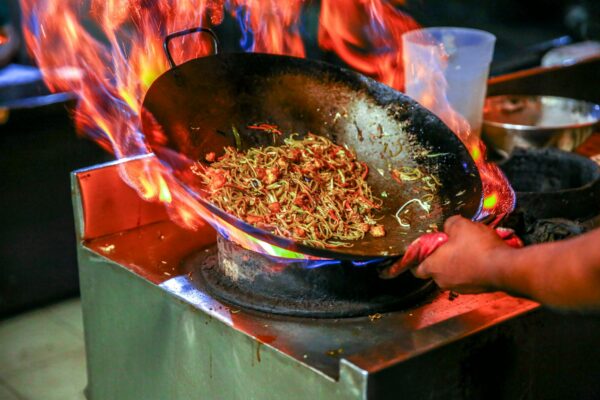
Add it at the right time. In stir-fries, add oyster sauce toward the end of cooking. High heat for extended periods can cause the sugars in the sauce to burn and develop bitter flavors. A quick toss over high heat is all it needs to coat ingredients and develop its signature gloss. This is especially important when working with wok hei techniques.
Balance it with other sauces. Oyster sauce works best as part of a seasoning team. A classic Chinese stir-fry sauce might combine oyster sauce with light soy sauce, a splash of sesame oil, and a pinch of white pepper. The soy sauce adds saltiness, the oyster sauce adds depth, and the sesame oil adds aroma.
Use it as a marinade base. Mixed with soy sauce, garlic, and a touch of sugar, oyster sauce makes an excellent marinade for proteins. The natural sugars promote caramelization during cooking, creating beautiful color and flavor on grilled or roasted meats.
Drizzle it as a finishing sauce. One of the simplest and most satisfying uses of oyster sauce is drizzled over steamed or blanched vegetables. Steamed bok choy or Chinese broccoli (gai lan) with oyster sauce is a beloved Cantonese side dish that takes minutes to prepare.
Deglaze with it. After searing meat in a hot wok or pan, add a splash of oyster sauce to deglaze the fond (the caramelized bits stuck to the pan). This creates an instant, deeply flavored sauce with virtually no extra effort.
Do not overuse it. Oyster sauce is concentrated and potent. Start with less than you think you need — you can always add more, but you cannot take it away. As a general guideline, 1-2 tablespoons is sufficient for a stir-fry serving 2-4 people.
5+ Recipes Using Oyster Sauce
Oyster sauce is a foundational ingredient in countless Asian dishes. Here are recipes where it plays a starring role.
1. Chinese Broccoli with Oyster Sauce (Gai Lan)
This Cantonese classic is the quintessential oyster sauce dish. Blanch Chinese broccoli (gai lan) in salted boiling water for 2-3 minutes until tender-crisp. Drain well and arrange on a plate. Heat 2 tablespoons of oyster sauce with 1 teaspoon of soy sauce, a pinch of sugar, and 1 tablespoon of water in a small saucepan until warm and fluid. Drizzle over the broccoli and finish with a drizzle of hot oil infused with minced garlic. The simplicity of this dish allows the oyster sauce to shine.
2. Beef and Broccoli Stir-Fry
A Chinese-American restaurant favorite that showcases oyster sauce beautifully. Velvet 1 pound of flank steak sliced against the grain with a mixture of soy sauce, cornstarch, and oil. Stir-fry the beef in a hot wok until just seared, then remove. Stir-fry broccoli florets until bright green. Return the beef and add a sauce of 3 tablespoons oyster sauce, 1 tablespoon soy sauce, 1 teaspoon sesame oil, and ½ cup of stock thickened with cornstarch. Toss until everything is coated and glossy. Serve over steamed rice.
3. Pad See Ew (Thai Stir-Fried Noodles)
Thailand’s beloved wide noodle stir-fry depends on oyster sauce for its savory backbone. Soak wide rice noodles until pliable. In a scorching-hot wok, stir-fry sliced chicken or pork, then add garlic, Chinese broccoli stems, and crack in an egg. Add the noodles along with 2 tablespoons oyster sauce, 1 tablespoon soy sauce, 2 teaspoons dark soy sauce (for color), 1 teaspoon sugar, and white pepper. The noodles should pick up smoky charred edges from the high heat. Finish with broccoli leaves and serve immediately. For stir-frying tips, see our complete guide to stir-frying.
4. Oyster Sauce Chicken Wings
A classic Hong Kong home-cooking dish. Marinate 2 pounds of chicken wings in a mixture of 3 tablespoons oyster sauce, 1 tablespoon soy sauce, 1 tablespoon Shaoxing wine, 2 cloves of minced garlic, 1 teaspoon grated ginger, and a pinch of white pepper for at least 30 minutes (or overnight for deeper flavor). Pan-fry the wings in a little oil until golden brown and cooked through, about 6-7 minutes per side on medium heat. The oyster sauce creates a beautiful caramelized glaze as it cooks.
5. Mushroom and Tofu Stir-Fry
A satisfying vegetarian dish that highlights oyster sauce’s ability to make vegetables taste extraordinary. Press and cube firm tofu, then pan-fry until golden on all sides. Remove and stir-fry a mix of shiitake, oyster, and king trumpet mushrooms with sliced garlic and ginger. Return the tofu and add 2 tablespoons of vegetarian oyster sauce, 1 tablespoon of soy sauce, and a splash of water. Toss until the sauce coats everything evenly. Garnish with sliced scallions and serve with rice.
6. Oyster Sauce Fried Rice
Oyster sauce adds a layer of umami richness that takes fried rice to another level. Use day-old rice for the best texture. Heat oil in a wok over high heat, scramble 2 eggs and set aside. Stir-fry diced vegetables (carrots, peas, corn) and your choice of protein, then add the cold rice. Break up any clumps and stir-fry until the rice is heated through and slightly toasted. Add 2 tablespoons oyster sauce, 1 tablespoon soy sauce, and the scrambled eggs. Toss to combine and finish with sliced scallions and white pepper.
7. Lo Mein with Oyster Sauce
The sauce for lo mein is built on oyster sauce. Cook egg noodles according to package directions and drain. Stir-fry vegetables and protein of choice, then add noodles and a sauce made from 2 tablespoons oyster sauce, 1 tablespoon soy sauce, 1 teaspoon sesame oil, and ½ teaspoon sugar. Toss everything over high heat until the noodles are evenly coated and slightly caramelized at the edges.
Oyster Sauce in Different Asian Cuisines
While oyster sauce originated in China, it has been enthusiastically adopted across Asia, with each culture putting its own spin on how the condiment is used.
Chinese cuisine: Oyster sauce is foundational in Cantonese cooking, where it appears in stir-fries, braises, and as a finishing sauce for steamed dishes. It is a key component of chow mein, lo mein, and many clay pot dishes. In dim sum kitchens, it flavors fillings and dipping sauces. Cantonese chefs consider it as essential as soy sauce.
Thai cuisine: Thai cooks use oyster sauce (nam man hoi) extensively in stir-fries and noodle dishes. It is a critical ingredient in pad see ew, pad kra pao (Thai basil chicken), and many street food noodle stir-fries. Thai oyster sauce brands tend to be slightly sweeter than Chinese versions.
Vietnamese cuisine: In Vietnam, oyster sauce (dầu hào) is used in stir-fries and as part of complex dipping sauce combinations. It often appears in Vietnamese Chinese fusion dishes, especially in the southern regions where Chinese culinary influence is strongest.
Filipino cuisine: Filipino cooks use oyster sauce in pancit (stir-fried noodle dishes), in vegetable stir-fries, and as a seasoning for grilled meats. It has become a go-to flavor enhancer in everyday Filipino home cooking, especially in dishes influenced by Chinese culinary traditions. See our pancit recipe for a delicious example.
Malaysian and Singaporean cuisine: Oyster sauce is essential in char kway teow and many hawker center stir-fry dishes. The Chinese Malay cooking tradition relies heavily on oyster sauce as a bridge between Chinese and local Malay flavors.
Indonesian cuisine: Known locally as saus tiram, oyster sauce is used in stir-fries (tumis), cap cay (mixed vegetable stir-fry), and as a complement to nasi goreng preparations. Indonesian brands often have a sweeter profile to match local taste preferences.
Frequently Asked Questions About Oyster Sauce
Is oyster sauce gluten-free?
Not always. Many oyster sauces contain wheat-derived soy sauce or wheat starch as ingredients. If you need a gluten-free option, look for specifically labeled gluten-free oyster sauce. Lee Kum Kee and some other brands produce certified gluten-free versions. Always read the ingredient label carefully.
Does oyster sauce contain shellfish?
Yes, traditional oyster sauce is made from oyster extract and is not suitable for people with shellfish allergies. Vegetarian oyster sauce (made from mushrooms) is a safe alternative for those with shellfish allergies.
What does oyster sauce taste like?
Oyster sauce tastes savory, slightly sweet, and deeply umami. It does not taste strongly of oysters or fish. The flavor is more like a concentrated, caramelized, earthy savoriness with a hint of sweetness. Think of it as a richer, more complex version of soy sauce with added depth.
Is oyster sauce the same as fish sauce?
No, they are very different. Fish sauce is a thin, amber liquid made from fermented fish that is salty and pungent. Oyster sauce is a thick, dark brown sauce made from oyster extracts that is milder, sweeter, and has a syrupy consistency. They are not interchangeable, though both provide umami to dishes.
How long does oyster sauce last after opening?
Opened oyster sauce lasts 3-6 months when stored in the refrigerator. It may remain safe to consume beyond this window, but the flavor quality will gradually decline. Always refrigerate after opening.
Can I use oyster sauce if I am vegetarian or vegan?
Traditional oyster sauce is not vegetarian. However, vegetarian oyster sauce made from mushroom extracts (usually shiitake or oyster mushrooms) is widely available and provides a very similar flavor. Look for labels that say ”vegetarian stir-fry sauce” or ”mushroom flavored sauce.”
Is oyster sauce halal?
There is debate among Islamic scholars about whether oyster sauce is halal, as opinions vary on the permissibility of shellfish in different schools of thought. Some brands produce halal-certified oyster sauce. If this is a concern, look for halal certification on the packaging or opt for mushroom-based vegetarian oyster sauce as a universally accepted alternative.
Can I make oyster sauce at home?
Yes, though it takes time. Simmer 8 oz of shucked oysters in 1 cup of water over low heat for about 10-15 minutes. Strain the liquid, then continue simmering the broth until reduced by half. Add soy sauce, a pinch of sugar, and a cornstarch slurry to thicken. The result is a fresh, clean-tasting oyster sauce that is excellent for simple preparations. Homemade oyster sauce should be used within a week and stored in the refrigerator.
What is the difference between oyster sauce and dark soy sauce?
Dark soy sauce is thicker and sweeter than regular soy sauce and is primarily used for adding color to dishes. Oyster sauce is made from oyster extracts and provides a different kind of umami richness. They are sometimes used together — dark soy sauce for color and oyster sauce for savory depth — but they serve different purposes and taste quite different.
Final Thoughts
Oyster sauce is one of those ingredients that seems simple on the surface but opens up a world of flavor possibilities. Its ability to add deep, rounded umami with just a spoonful makes it indispensable in Asian cooking and increasingly popular in kitchens around the world. Whether you drizzle it over steamed vegetables, mix it into a stir-fry sauce, or use it as a marinade, oyster sauce rewards you with rich, complex flavor that is hard to achieve with any other single ingredient.
Start with a quality bottle — we recommend Lee Kum Kee Premium for its balance and depth — and experiment with the recipes and techniques in this guide. Once you discover what oyster sauce can do, it will earn a permanent spot in your pantry, right alongside soy sauce and sesame oil.

Mei Lin Chen
Mei Lin Chen is an Asian food writer and recipe developer. Melbourne-raised and London-based, she has spent over a decade exploring the rice paddies, hawker stalls, and home kitchens of South-East and East Asia. Her recipes balance traditional technique with everyday practicality.