Last updated: March 05, 2026
Cambodian food is one of Southeast Asia’s best-kept culinary secrets. While Thai, Vietnamese, and Malaysian cuisines have claimed the global spotlight, Cambodian cooking — known locally as mahoup Khmer — offers a flavor profile that is gentler, more herbaceous, and deeply layered with aromatic pastes called kroeung. From the rice paddies of Battambang to the floating markets of Tonle Sap, Cambodia’s culinary traditions reflect centuries of Khmer Empire influence, Indian spice trade connections, Chinese immigrant adaptations, and French colonial touches. This guide covers everything you need to know about Cambodian food: its history, essential ingredients, must-try dishes, cooking techniques, and how to build an authentic Cambodian meal at home.
A Brief History of Cambodian Cuisine
Cambodian cuisine traces its roots to the Khmer Empire (802–1431 AD), one of the most powerful civilizations in Southeast Asian history. The empire’s capital at Angkor supported a population of over one million, fed by an elaborate system of reservoirs and rice paddies that made Cambodia one of the world’s great rice cultures. Inscriptions at Angkor Wat and Bayon temple reference feasts featuring freshwater fish, rice, tropical fruits, and aromatic herbs — the same core ingredients that define Cambodian cooking today.
Indian traders and Brahmin priests brought curry spices, coconut milk cooking, and fermented fish paste traditions that merged with indigenous Khmer ingredients. Chinese immigrants, arriving in waves from the 13th century onward, introduced stir-frying, noodle soups, and soy-based seasonings. French colonialism (1863–1953) left its mark in the form of baguettes (nom pang), pâté, and café culture — Cambodian iced coffee with sweetened condensed milk remains a beloved daily ritual.
The devastating Khmer Rouge era (1975–1979) nearly destroyed Cambodia’s culinary heritage. Recipes passed through oral tradition were lost as families were torn apart. Since the 1990s, a culinary renaissance has been underway, with Cambodian chefs and home cooks working to document, preserve, and innovate on traditional dishes. Today, Cambodian food is experiencing a global moment, with restaurants in Los Angeles, Paris, and Sydney bringing dishes like amok and lok lak to international diners.
Regional Variations in Cambodian Food
Cambodia is a relatively small country, but its cuisine varies significantly by region, shaped by geography, available ingredients, and proximity to neighboring culinary traditions.
Phnom Penh and Central Cambodia: The capital city is Cambodia’s culinary melting pot. Street food thrives here — from kuy teav (rice noodle soup) stalls that open before dawn to night markets serving grilled meats and tropical fruit shakes. Chinese-Cambodian fusion is strongest in Phnom Penh, evident in dishes like bai sach chrouk (pork and rice) with its char siu-influenced marinade. French colonial influence also persists in Phnom Penh’s bakeries and café culture.
Siem Reap and the Northwest: The gateway to Angkor Wat, Siem Reap showcases traditional Khmer cuisine with an emphasis on freshwater fish from Tonle Sap lake — the largest freshwater lake in Southeast Asia. Prahok (fermented fish paste) production is centered here, and dishes tend to be more rustic and strongly flavored. Grilled fish wrapped in banana leaves and eaten with raw vegetables is a regional staple.
Battambang and the Rice Belt: Known as Cambodia’s rice bowl, Battambang province produces some of the country’s finest rice varieties, including the award-winning Phka Rumduol jasmine rice. Cuisine here is hearty and farm-to-table by default, with an emphasis on seasonal vegetables, river fish, and slow-cooked stews.
Coastal Cambodia (Kampot, Kep, Sihanoukville): The southern coast is famous for Kampot pepper — considered among the world’s finest — and ultra-fresh seafood. Kep’s iconic k’dam chaa (stir-fried crab with Kampot pepper) is a pilgrimage dish for food lovers. Coastal cooking uses more coconut milk and has stronger Thai influence due to geographic proximity.
Northeast Highlands (Ratanakiri, Mondulkiri): Home to Cambodia’s indigenous hill tribes, the northeast features wild game, foraged greens, bamboo-cooked dishes, and bold flavors from wild herbs not found elsewhere in the country. This is Cambodia’s least-explored culinary frontier.
Essential Cambodian Ingredients
Cambodian cooking relies on a pantry of aromatic pastes, fermented condiments, and fresh herbs. Many of these ingredients overlap with neighboring Southeast Asian cuisines, but the specific combinations and proportions are distinctly Khmer. If you are stocking your kitchen for Cambodian cooking, start with these essentials, many of which you can find at Umami Cart.
| Ingredient | Khmer Name | Role in Cooking | Substitute |
|---|---|---|---|
| Prahok (fermented fish paste) | ប្រហុក | Umami base for soups, dips, stir-fries | Fish sauce + shrimp paste |
| Kroeung (lemongrass paste) | គ្រឿង | Aromatic curry base for amok, soups, stir-fries | Thai curry paste (less turmeric-heavy) |
| Kampot pepper | ម្រេច កំពត | Finishing spice, stir-fries, crab dishes | High-quality black or white peppercorns |
| Palm sugar | ស្ករត្នោត | Sweetener for curries, desserts, dipping sauces | Coconut sugar or light brown sugar |
| Coconut milk | ទឹកដូង | Curry base, desserts, steamed dishes | Canned coconut milk |
| Fish sauce | ទឹកត្រី | Salt and umami in nearly every dish | Thai or Vietnamese fish sauce |
| Tamarind | អំពិល | Souring agent in soups and sauces | Tamarind paste |
| Lemongrass | ស្លឹកគ្រៃ | Key aromatic in kroeung, soups, grilled meats | Lemongrass paste (jarred) |
| Galangal | រំដេង | Aromatic root in curries, soups | Fresh ginger (different flavor) |
| Turmeric (fresh) | រមៀត | Color and earthiness in kroeung | Ground turmeric (use ⅓ amount) |
| Kaffir lime leaves | ស្លឹកក្រូចសើច | Citrus aroma in curries and soups | Lime zest |
| Rice (jasmine) | បាយ | Staple served with every meal | Long-grain jasmine rice |
Kroeung: The Heart of Cambodian Cooking
If there is one element that defines Cambodian food and sets it apart from its neighbors, it is kroeung — a fragrant paste made by pounding fresh aromatics in a mortar and pestle. Think of it as Cambodia’s answer to Thai curry paste, but with its own distinct personality: heavier on lemongrass and turmeric, lighter on chili heat.
The basic kroeung combines lemongrass, galangal, turmeric, garlic, shallots, and kaffir lime leaves. Variations exist for different dishes: yellow kroeung (heavy on turmeric) for amok and curries, red kroeung (with dried red chilies) for soups and stir-fries, and green kroeung (with green chilies and fresh herbs) for seafood dishes. A well-made kroeung is the foundation upon which nearly every great Cambodian dish is built.
Making kroeung from scratch takes time — traditionally 20 to 30 minutes of pounding in a stone mortar. A food processor works in a pinch, though purists argue it changes the texture. The paste keeps well: refrigerate for up to a week, or freeze in ice cube trays for months of ready-to-use portions.
12 Must-Try Cambodian Dishes
Cambodian cuisine offers a remarkable range of flavors, from delicate steamed curries to bold grilled street food. These are the dishes that define mahoup Khmer — the essential Cambodian food experiences.
1. Fish Amok (Amok Trey)
Cambodia’s national dish. Freshwater fish (traditionally snakehead or catfish) is folded into a coconut curry made from yellow kroeung, coconut milk, and egg, then steamed in banana leaf cups until custard-like. The result is silky, aromatic, and mildly spiced — the gentleness of amok surprises people who expect Southeast Asian food to always be fiery. Good amok has a velvety texture somewhere between a curry and a soufflé. You will find it everywhere from street stalls to fine dining, and it is the single best introduction to Cambodian flavor.
2. Lok Lak (Stir-Fried Pepper Beef)
Cubes of beef seared at blazing heat with wok hei and seasoned with a tangy lime-and-pepper dipping sauce (tik marij). Served over lettuce, tomatoes, onions, and a fried egg on rice, lok lak is Cambodia’s ultimate comfort food and a testament to the Chinese-Khmer culinary crossover. The key is Kampot pepper — its floral, almost fruity bite elevates the dish beyond a simple stir-fry.
3. Kuy Teav (Rice Noodle Soup)
Cambodia’s answer to Vietnamese pho, kuy teav is a pork-bone broth rice noodle soup served for breakfast across the country. The broth is lighter and sweeter than pho, often enriched with dried shrimp and rock sugar. Toppings include pork slices, liver, bean sprouts, fried garlic, and fresh herbs. Each diner customizes with chili sauce, lime, and hoisin sauce. Phnom Penh-style kuy teav adds seafood and is considered the most refined version.
4. Bai Sach Chrouk (Pork and Rice)
The quintessential Cambodian breakfast. Thinly sliced pork is marinated in coconut milk and garlic, then slow-grilled over charcoal until caramelized and slightly smoky. It is served over broken jasmine rice with a side of pickled vegetables (green papaya, daikon, carrots) and a small bowl of clear broth. Simple, satisfying, and available from dawn at street stalls across the country for under a dollar.
5. K’dam Chaa (Stir-Fried Kampot Pepper Crab)
The signature dish of coastal Kep, k’dam chaa features whole mud crabs stir-fried with generous handfuls of fresh green Kampot peppercorns, garlic, and a touch of palm sugar. The peppercorns burst with a bright, piney heat completely different from ground black pepper. This is the dish that put Kampot pepper on the global culinary map and is reason alone to visit Cambodia’s coast.
6. Samlor Korko (Stirring Pot Soup)
Often called Cambodia’s national soup, samlor korko is a hearty, complex broth containing roasted ground rice, prahok, kroeung, green papaya, banana flower, long beans, eggplant, and whatever seasonal vegetables are available. It can include pork, fish, or shrimp. The roasted rice powder gives the soup a distinctive nutty thickness. Every family has their own recipe, and no two versions taste the same — it is the Cambodian equivalent of a French grandmother’s cassoulet.
7. Nom Banh Chok (Khmer Noodles)
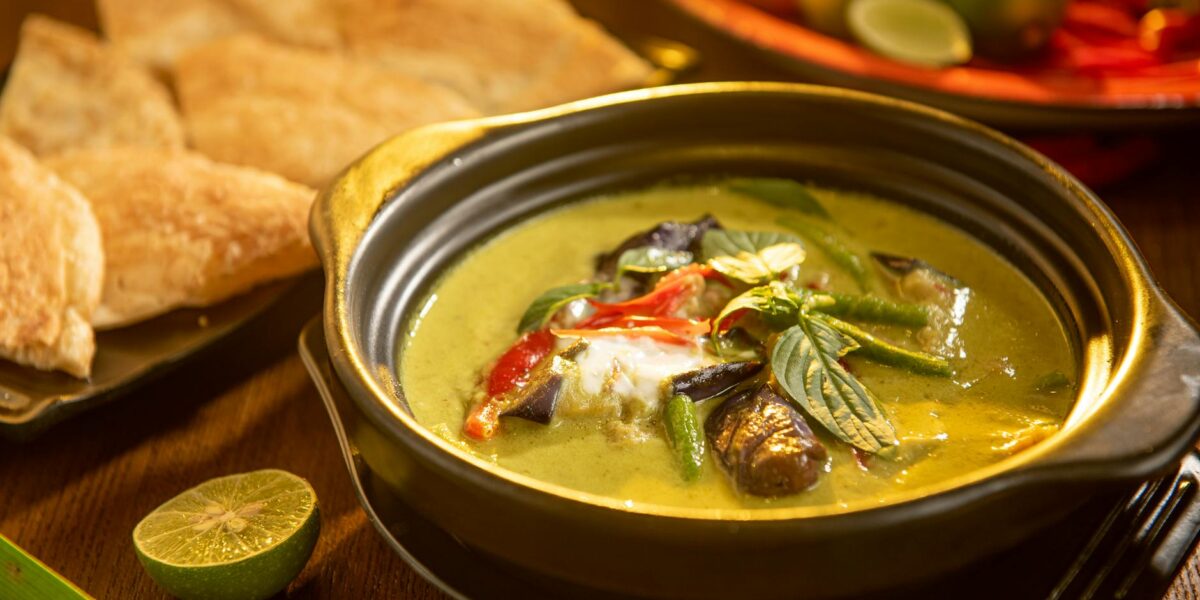
Fresh rice noodles topped with a green fish curry sauce made from lemongrass kroeung, pounded fish, and coconut milk, then garnished with a mountain of raw vegetables: banana flower, bean sprouts, cucumber, and long beans. It is Cambodia’s original street breakfast and is sometimes called ”Khmer noodles” to distinguish it from Chinese or Vietnamese noodle dishes. The green curry version is most traditional, but a red curry variation with pork exists in some regions.
8. Prahok Ktiss (Prahok Dip)
A rich, pungent dip made from minced pork (or sometimes just prahok alone) cooked with coconut milk, kroeung, and palm sugar, then served with a platter of raw and lightly blanched vegetables. Prahok ktiss is Cambodia’s answer to the Southeast Asian tradition of communal dipping sauces — similar in concept to Thai nam prik but with a deeper, funkier fermented fish backbone. It is an acquired taste for the uninitiated, but once you embrace prahok, Cambodian food fully opens up.
9. Cha Kroeung Sach Ko (Lemongrass Beef Stir-Fry)
Tender beef stir-fried with red kroeung paste, oyster sauce, and fresh Thai basil. This dish shows the Chinese influence on Cambodian cooking — it is a stir-fry at its core, but the kroeung paste gives it an unmistakably Khmer aromatic profile. Served over steamed jasmine rice, it is a weeknight staple that demonstrates how even everyday Cambodian cooking relies on from-scratch pastes rather than bottled sauces.
10. Lap Khmer (Lime-Cured Fish Salad)
Cambodia’s version of ceviche. Thinly sliced fresh fish (or shrimp) is ”cooked” in lime juice and tossed with lemongrass, shallots, mint, roasted peanuts, and fresh chilies. A drizzle of fish sauce and palm sugar ties it together. Lap Khmer is light, zingy, and refreshing — a perfect hot-weather dish and a staple at Cambodian celebrations. It highlights the cuisine’s love of balancing sour, salty, sweet, and aromatic in a single bite.
11. Samlor Machu (Sour Soup)
A family of tangy, tamarind-based soups that vary by protein and vegetables. The most popular version, samlor machu yuon, features fish, tomatoes, pineapple, and tamarind in a light broth with aromatic herbs. Think of it as Cambodia’s cousin to Filipino sinigang — both celebrate sourness as a primary flavor. Sour soups are everyday home cooking, served with rice as part of a multi-dish Cambodian meal.
12. Num Ansom (Sticky Rice Cakes)
Cylindrical cakes of sticky rice filled with pork, mung beans, and coconut milk, wrapped in banana leaves and slow-steamed for hours. Num ansom is Cambodia’s essential festival food, prepared in enormous batches for Pchum Ben (ancestors’ day) and Khmer New Year. The process is communal — families gather to wrap hundreds of cakes together. The result is rich, fragrant, and deeply satisfying, blending sweet and savory in each bite.
Cambodian Cooking Techniques
Cambodian cooking is less about specialized equipment and more about fundamental techniques applied with care. Here are the methods that define the cuisine.
Pounding Kroeung (Mortar and Pestle Work): The foundation of Cambodian cooking. A heavy stone or clay mortar is used to pound fresh aromatics into a smooth paste. The slow bruising of lemongrass, galangal, and turmeric releases essential oils in a way that machine-processing cannot fully replicate. If you are serious about Cambodian cooking, invest in a large granite mortar and pestle.
Steaming in Banana Leaves: Amok, num ansom, and many other dishes are wrapped in banana leaves and steamed. The leaves impart a subtle, grassy sweetness and create an elegant natural vessel. A bamboo steamer is the ideal tool for this technique at home.
Charcoal Grilling: Cambodian grilling is done over natural charcoal, giving meats and fish a distinctive smokiness. Skewered meats, whole fish, and even corn are grilled at street stalls across the country. The marinades typically involve lemongrass, garlic, palm sugar, and fish sauce.
Stir-Frying: Chinese-influenced wok cooking is essential for dishes like lok lak and cha kroeung. The technique is similar to Chinese stir-frying, with high heat and fast cooking. A well-seasoned carbon steel wok is ideal.
Fermentation: Prahok production involves salting and fermenting freshwater fish in clay pots for months. This ancient preservation technique produces the deeply umami paste that flavors much of Cambodian cooking. Home cooks do not typically make prahok from scratch, but understanding the fermentation process helps you appreciate its complexity.
Roasting and Grinding Rice: Dry-roasted rice, ground to a powder, is used as a thickener and flavor agent in soups like samlor korko and in salads like lap Khmer. The roasting process develops nutty, toasty notes that add depth without added fat.
Cambodian Food vs. Thai and Vietnamese Cuisine
People often ask how Cambodian food compares to its more famous neighbors. While all three cuisines share ingredients like lemongrass, fish sauce, and coconut milk, their approaches differ significantly. Here is a side-by-side comparison.
| Feature | Cambodian | Thai | Vietnamese |
|---|---|---|---|
| Heat level | Mild to moderate | Moderate to very hot | Mild to moderate |
| Primary aromatic base | Kroeung (lemongrass-turmeric paste) | Curry paste (chili-forward) | Fresh herbs, no paste base |
| Signature fermented element | Prahok (fermented fish paste) | Shrimp paste (kapi) | Fish sauce (nuoc mam) |
| Sweetener of choice | Palm sugar | Palm sugar, cane sugar | Rock sugar |
| Souring agent | Tamarind, lime | Lime, tamarind, green mango | Lime, vinegar, tamarind |
| Rice style | Jasmine (always) | Jasmine or sticky rice | Jasmine or broken rice |
| Noodle soups | Kuy teav (pork broth, lighter) | Boat noodles (rich, dark) | Pho (beef/chicken, star anise) |
| French influence | Strong (baguettes, pâté, coffee) | Minimal | Strong (banh mi, café culture) |
| Herb usage | Generous, with unique herbs | Generous, Thai basil-heavy | Very generous, raw herb platters |
| Overall flavor profile | Subtle, layered, herbal | Bold, sweet-sour-spicy | Fresh, clean, balanced |
The biggest takeaway: Cambodian food is generally less spicy and more aromatic than Thai food, and more paste-based and richly flavored than Vietnamese food. It occupies a unique middle ground that makes it approachable for anyone who enjoys Southeast Asian flavors but finds Thai food too hot or Vietnamese food too light.
How to Build a Cambodian Meal
Traditional Cambodian meals follow a communal format similar to other Southeast Asian cultures. Rice is always the centerpiece, with multiple dishes served simultaneously for sharing. A well-balanced Cambodian meal includes:
- A soup: Samlor korko, samlor machu, or a simple broth with vegetables
- A protein dish: Grilled fish, stir-fried meat, or amok
- A vegetable dish or salad: Stir-fried morning glory, green papaya salad, or raw vegetables
- A dipping sauce or condiment: Prahok ktiss, tik marij (lime-pepper sauce), or chili paste
- Steamed jasmine rice: Perfectly cooked and served in generous quantities
Unlike Western dining where courses arrive sequentially, all Cambodian dishes hit the table at once. Diners take small portions from each dish onto their rice, mixing flavors as they go. The goal is balance across the meal — sour soup offsets rich curry, raw vegetables cleanse the palate between bites of grilled meat, and the dipping sauce ties everything together.
Meal Planning: Cambodian Menus for Every Occasion
Here are three complete Cambodian menus you can cook at home, scaled from simple to impressive.
Quick Weeknight Dinner (30 minutes):
- Lok lak (stir-fried pepper beef) with steamed rice
- Simple cucumber and tomato salad with lime-fish sauce dressing
- Fresh fruit for dessert
Saturday Night Cambodian Feast (90 minutes):
- Fish amok steamed in banana leaves
- Samlor machu (sour tamarind soup with fish)
- Stir-fried morning glory with garlic
- Prahok ktiss with crudité platter
- Jasmine rice
- Cambodian iced coffee
Cambodian New Year Celebration (half-day project):
- Num ansom (sticky rice cakes with pork and mung bean)
- Samlor korko (stirring pot soup)
- K’dam chaa (pepper crab) or whole grilled fish
- Lap Khmer (lime-cured fish salad)
- Nom banh chok (fresh rice noodles with green curry)
- Jasmine rice
- Pumpkin custard (sankya l’peou)
Where to Buy Cambodian Ingredients
Building a Cambodian pantry is easier than you might think. Most essential ingredients are shared with Thai and Vietnamese cooking, meaning any well-stocked Asian grocery store will have what you need. Here is a quick sourcing guide:
- Lemongrass, galangal, kaffir lime leaves, and fresh turmeric: Available at most Asian markets. Umami Cart carries fresh aromatics that are essential for making kroeung from scratch.
- Fish sauce and coconut milk: Widely available. For fish sauce guidance, see our complete fish sauce guide. For coconut milk, check our coconut milk guide.
- Prahok: This is the hardest ingredient to source outside of Cambodia. Look for it at Cambodian-specific markets in Long Beach, Lowell, or other Cambodian diaspora communities. Online Cambodian specialty stores also carry it. In a pinch, a mixture of shrimp paste and fish sauce can approximate the flavor.
- Kampot pepper: Available from specialty spice retailers and online. Look for certified Kampot pepper with its Protected Geographical Indication (PGI) status — it is one of only a handful of Asian spices with European-style geographic protection.
- Palm sugar: Find it in discs or jars at any Southeast Asian grocery. Thai and Indonesian palm sugar work identically in Cambodian recipes.
- Jasmine rice: Cambodian Phka Rumduol is exceptional, but Thai jasmine rice is a perfectly good alternative. See our guide to the best rice for Asian cooking for recommended brands.
Cambodian Street Food You Should Know
Cambodia’s street food culture is vibrant and varied. Beyond the dishes listed above, keep an eye out for these popular street foods:
- Nom pang (Cambodian baguette sandwich): Similar to Vietnamese banh mi but with Khmer-style pâté, pickled vegetables, and chili sauce. A French colonial legacy turned into pure Cambodian street food.
- Ang dtray-meuk (grilled squid): Whole squid grilled over charcoal and served with a lime-pepper dipping sauce. Found on every beach and at night markets.
- Cha houy teuk (jelly dessert): Colorful, wobbly jellies made from seaweed agar and flavored with pandan, coconut, or fruit syrups. Sold from carts and stacked in neon towers.
- Balut (fertilized duck egg): Known as pong tia koun in Khmer, these boiled fertilized eggs are a popular snack eaten with a pinch of salt, lime juice, and fresh herbs.
- Roasted insects: Crickets, tarantulas, and silkworms are seasoned and deep-fried or roasted, sold as crunchy snacks at markets. Skuon town is particularly famous for fried tarantulas.
- Tuk-a-loc (Cambodian fruit shake): Fresh fruit blended with condensed milk and raw egg, creating a thick, frothy shake. Durian, mango, and avocado are the most popular flavors.
Cambodian Desserts and Sweets
Cambodian desserts lean heavily on coconut, palm sugar, sticky rice, and tropical fruit. They tend to be less sweet than Western desserts but rich in aromatic flavors from pandan and coconut.
- Sankya l’peou (pumpkin custard): A whole pumpkin filled with a coconut-egg custard, steamed until set, then sliced into wedges. The pumpkin becomes part of the dessert, its flesh mingling with the silky custard.
- Nom krok (coconut rice cakes): Tiny, half-sphere cakes made from rice flour and coconut milk, cooked in a special dimpled pan. Crispy on the outside, soft and custardy inside. Often sold in pairs.
- Bobor l’bau (sweet pumpkin porridge): Pumpkin chunks simmered in sweetened coconut milk with tapioca pearls. A warm, comforting dessert served at home and at temples.
- Ansam chruk (sweet sticky rice with banana): Sticky rice and ripe banana wrapped in banana leaves and steamed. Similar in concept to Thai khao tom mat.
The Cambodian Diaspora and Global Influence
The Cambodian diaspora, shaped by refugees fleeing the Khmer Rouge and subsequent conflicts, has established vibrant food communities worldwide. The largest Cambodian populations outside Cambodia are in the United States (over 330,000 people), France, and Australia.
Long Beach, California has the largest Cambodian community outside of Cambodia and is the epicenter of Cambodian food in America. Restaurants along Anaheim Street serve authentic amok, kuy teav, and loc lac alongside Cambodian-American fusion dishes. Lowell, Massachusetts hosts the second-largest community, with a dense concentration of Cambodian eateries. In recent years, a new generation of Cambodian-American chefs has emerged, bringing refined Cambodian cooking to mainstream audiences and earning national media attention.
This global spread has introduced Cambodian flavors to new audiences and sparked interest in ingredients like Kampot pepper, prahok, and kroeung paste, all of which are becoming more accessible outside Cambodia as demand grows.
Frequently Asked Questions About Cambodian Food
Is Cambodian food spicy?
Generally, no. Cambodian food is the mildest cuisine in mainland Southeast Asia. While chili is used, it typically appears as a condiment on the side rather than being cooked into the dish. This makes Cambodian food an excellent entry point for people who enjoy Southeast Asian flavors but have a low heat tolerance.
What is prahok, and does it smell as strong as people say?
Prahok is a fermented fish paste that is fundamental to Cambodian cooking. Yes, it has a very strong aroma when raw — similar to a concentrated version of fish sauce. However, once cooked into dishes, the pungency mellows into a deep, savory umami that is far more pleasant than the raw smell suggests. Think of it like strong cheese: intense on its own, transformative in cooking.
Is Cambodian food similar to Thai food?
They share some ingredients (lemongrass, coconut milk, fish sauce), but the flavor profiles are quite different. Cambodian food is milder, more aromatic, and less sweet-sour-spicy than Thai food. Cambodians also use kroeung paste where Thais use curry paste, and prahok where Thais use kapi (shrimp paste). Historically, many culinary techniques flowed from the Khmer Empire to what is now Thailand, so Cambodian cuisine may actually be the older tradition.
Can Cambodian food be made vegetarian or vegan?
With some modifications, yes. The biggest challenge is replacing prahok and fish sauce, which appear in nearly everything. Soy sauce and mushroom sauce can substitute in stir-fries and soups. Tofu and tempeh work well in curries like amok. During Buddhist holidays, many Cambodian Buddhists eat fully vegetarian (called jay), and temples serve plant-based versions of classic dishes, so there is genuine precedent within the cuisine.
What is the best Cambodian dish to try first?
Fish amok. It is mild, aromatic, and universally appealing — a gentle coconut curry steamed in banana leaves. If you like amok, try lok lak next for something bolder, then graduate to kuy teav for a taste of Cambodian street food culture.
Where can I find Cambodian food in the US?
Long Beach, California has the densest concentration of Cambodian restaurants in America. Lowell, Massachusetts, and the greater Philadelphia and Seattle areas also have notable Cambodian food scenes. In recent years, Cambodian-American chefs have opened acclaimed restaurants in New York, Oakland, and Portland.
What rice should I use for Cambodian cooking?
Long-grain jasmine rice, always. Cambodian Phka Rumduol is the gold standard — it won the ”world’s best rice” title multiple times. Thai jasmine rice is the most accessible substitute. See our guide to the best rice for Asian cooking for brand recommendations. For desserts, you will also need sticky (glutinous) rice.
How do I make kroeung paste at home?
The basic recipe: pound (or process) 4 stalks of lemongrass (tender parts only), 3 tablespoons of sliced galangal, 2 tablespoons of sliced fresh turmeric, 6 cloves of garlic, 4 shallots, 4 kaffir lime leaves, and a pinch of salt into a smooth paste. This yields enough kroeung for two to three dishes. Adjust with dried red chilies for red kroeung or green chilies and extra herbs for green kroeung.
Continue Your Southeast Asian Cooking Journey
Cambodian cuisine connects naturally to the broader Southeast Asian cooking tradition. If you enjoy the flavors explored in this guide, these resources will help you expand your repertoire:
- Vietnamese Recipes: From Pho to Banh Mi — explore Cambodia’s eastern neighbor
- Thai Recipes: Essential Dishes from Thailand — discover the bolder side of shared ingredients
- Malaysian Recipes Guide — another coconut-rich Southeast Asian tradition
- Burmese Food Guide — yet another under-the-radar Southeast Asian cuisine
- Indonesian Recipes Guide — the archipelago’s diverse culinary landscape
- The Complete Guide to Asian Cooking Ingredients — stock your pantry for any Asian cuisine
- Asian Cooking Techniques Every Home Cook Should Master — the skills behind the dishes

Mei Lin Chen
Mei Lin Chen is an Asian food writer and recipe developer. Melbourne-raised and London-based, she has spent over a decade exploring the rice paddies, hawker stalls, and home kitchens of South-East and East Asia. Her recipes balance traditional technique with everyday practicality.