Last updated: March 14, 2026
Star anise is one of the most recognizable spices in Asian cooking — a beautiful, star-shaped pod that delivers a warm, intensely aromatic licorice flavor to everything from Vietnamese pho to Chinese five-spice powder. If you have ever wondered what star anise is, how to use it, and why it appears in so many beloved Asian dishes, this guide covers everything you need to know.
Whether you are braising pork belly in a fragrant red-braised sauce, simmering a pot of Vietnamese pho, or simply curious about what that pretty star-shaped spice is in your spice drawer, this comprehensive ingredient guide will help you buy, store, cook with, and substitute star anise like a pro.
What Is Star Anise?
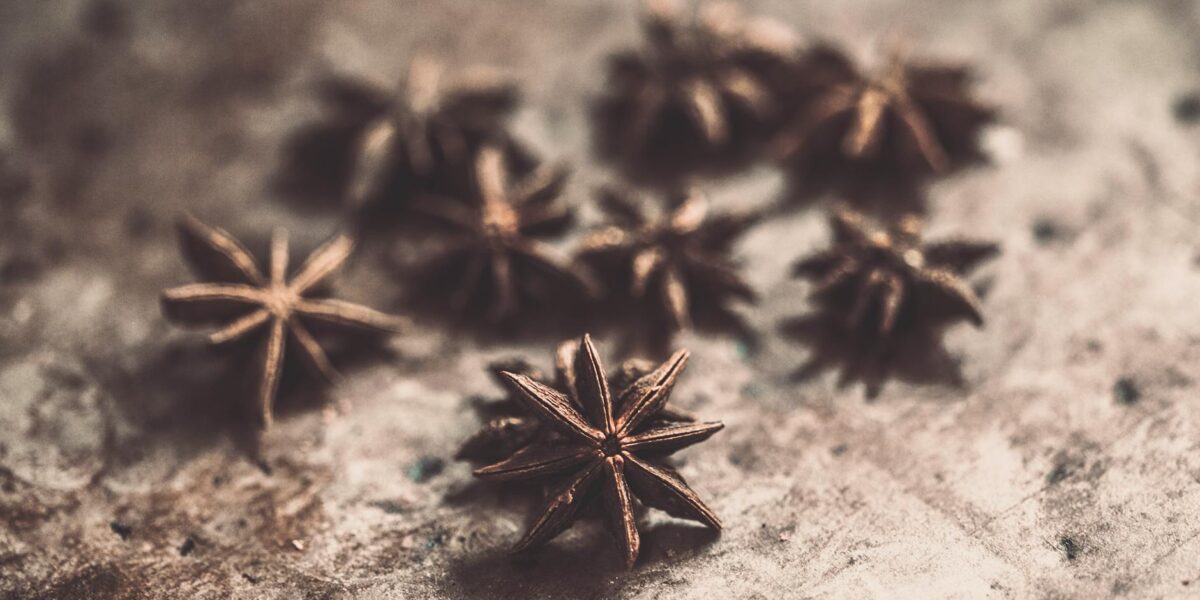
Star anise (Illicium verum) is the dried, star-shaped fruit of an evergreen tree native to southwest China and northeast Vietnam. Each pod typically has eight points (sometimes fewer or more), and each point contains a single, small, glossy seed. The spice is prized for its bold, sweet licorice-like flavor and warm aroma, which comes primarily from a compound called anethole — the same compound found in anise seed and fennel, though star anise is botanically unrelated to either.
Despite sharing a name and similar flavor with anise seed (Pimpinella anisum), star anise belongs to an entirely different plant family. Anise seed is a member of the parsley family (Apiaceae), while star anise belongs to the magnolia family (Schisandraceae). Star anise delivers a more robust, slightly more bitter flavor with deeper warmth than its namesake.
In culinary terms, star anise is used both whole — infused into broths, braising liquids, and syrups — and ground as a key component of spice blends. It is one of the five spices in Chinese five-spice powder and appears in the Indian spice blend garam masala. The whole pods are also strikingly beautiful, often used as a garnish in cocktails, desserts, and holiday baking.
History and Origin of Star Anise
Star anise has been cultivated in China for over 3,000 years. Historical records indicate that it was used during the Han Dynasty (206 BCE – 220 CE) both as a culinary spice and a medicinal herb. Traditional Chinese medicine has long valued star anise for its warming properties, using it to aid digestion, relieve nausea, and treat colds and flu.
The spice is native to the Guangxi province in southern China, where the majority of the world’s commercial star anise is still grown today. Vietnam is the second-largest producer, with cultivation concentrated in the northern provinces of Lang Son and Cao Bang, where the tropical and subtropical climate provides ideal growing conditions.
Star anise reached Europe through the spice trade routes in the late 16th century, brought by English sailors who discovered it in the Philippines. By the 17th century, it had become a popular flavoring in European liqueurs, including French pastis, Italian sambuca, and Greek ouzo. In fact, star anise eventually replaced much of the anise seed used in these spirits because it was cheaper and more intensely flavored.
In the early 2000s, star anise gained unexpected global attention when scientists discovered that shikimic acid — a key precursor used to manufacture the antiviral drug Tamiflu (oseltamivir) — could be efficiently extracted from star anise pods. This temporarily drove up prices and put the humble spice in headlines around the world.
Today, China produces an estimated 80–90% of the world’s star anise supply, with annual production exceeding 30,000 metric tons. The spice remains a cornerstone ingredient across Chinese, Vietnamese, Indian, Malaysian, and Indonesian cuisines.
What Does Star Anise Taste Like?
Star anise has a bold, sweet, licorice-like flavor that is warm and slightly peppery with a hint of bitterness. The dominant flavor comes from anethole, which accounts for about 80–90% of the essential oil in the spice. Beyond licorice, many people detect subtle notes of clove, fennel, and a gentle woodiness.
The aroma is intensely fragrant — sweet, warm, and almost perfume-like. When you toast star anise gently in oil or dry-heat, the aromatics become even more pronounced, filling the kitchen with a deep, inviting scent.
A single whole star anise pod can flavor an entire pot of broth or a large batch of braising liquid. This means the spice should be used with restraint — too much can overpower a dish and make it taste medicinal or cloying. In most recipes, one to three pods are sufficient.
Star anise pairs exceptionally well with other warm spices like cinnamon, clove, and Sichuan peppercorn. It also complements rich, savory ingredients like soy sauce, Shaoxing wine, and rock sugar — which is why it appears so prominently in Chinese red-braised dishes.
Varieties and Types of Star Anise
While star anise may look the same on the shelf, there are important distinctions between varieties and grades that affect quality, safety, and flavor.
Chinese Star Anise (Illicium verum)
This is the true, culinary star anise — safe to eat and the variety sold in grocery stores and spice shops worldwide. It comes from the Illicium verum tree, which grows primarily in Guangxi province, China, and northern Vietnam. The pods are typically medium to dark brown, symmetrically star-shaped with eight points, and have a sweet, pleasant aroma.
Japanese Star Anise (Illicium anisatum)
This is a toxic look-alike that must be avoided. Japanese star anise (also known as shikimi) contains the neurotoxins anisatin and neoanisatin. It is used in Japanese incense and religious ceremonies but is not safe for consumption. The pods tend to be smaller, more irregularly shaped, and have a harsher, less sweet aroma. Reputable spice suppliers never sell Japanese star anise for culinary use, but contamination incidents have occurred with bulk imports.
Grades of Culinary Star Anise
Within Chinese star anise, quality grades vary:
| Grade | Appearance | Aroma | Best For |
|---|---|---|---|
| Premium (Autumn Harvest) | Full 8-pointed stars, uniform dark brown, intact seeds | Intensely fragrant, sweet | Whole use in broths, pho, braising |
| Standard (Spring Harvest) | Mostly complete stars, some broken points | Good aroma, slightly less complex | Everyday cooking, grinding into spice blends |
| Broken/Pieces | Fragmented pods, loose seeds | Moderate aroma, fades faster | Ground spice blends, large-batch cooking |
The autumn harvest (typically October–November) produces the most flavorful star anise because the fruits have had the full growing season to develop their essential oils. Spring harvest pods are picked earlier and tend to be slightly less aromatic.
How to Buy Star Anise
Finding quality star anise is straightforward once you know what to look for. Here is a practical buying guide.
Where to Buy
Asian grocery stores are the best source for star anise. They typically sell it in bulk bags at a fraction of the price you would pay at a conventional grocery store. A 4-ounce bag from a Chinese or Vietnamese grocery often costs $2–4, while the same amount from a mainstream spice brand can run $6–10.
Online retailers like Umami Cart offer high-quality star anise with the convenience of home delivery. This is especially helpful if you do not have an Asian grocery nearby.
Supermarket spice aisles stock star anise from major brands like McCormick and Simply Organic. These are reliable but more expensive per ounce. Some supermarkets carry it in the international or Asian foods section as well.
What to Look For
Whole pods over ground. Whole star anise retains its flavor and aroma much longer than pre-ground. Buy whole pods and grind them yourself as needed.
Complete, intact stars. Premium star anise has full, symmetrical eight-pointed stars with seeds still nestled in each point. Broken pieces are fine for grinding but are a sign of lower quality when sold at the same price.
Rich brown color. Fresh star anise is a warm, reddish-brown to dark brown. Pale, grayish pods are likely old and will have diminished flavor.
Strong aroma. Even through packaging, quality star anise should smell fragrant and sweet. If you can open the package and there is little to no scent, the spice is past its prime.
How to Store Star Anise
Proper storage is key to preserving the intense flavor and aroma of star anise. Follow these guidelines to get the most out of your spice.
Whole star anise should be stored in an airtight container (a glass jar with a tight-fitting lid works perfectly) in a cool, dark, dry place. A pantry shelf away from the stove is ideal. Stored this way, whole star anise will maintain peak flavor for up to 2–3 years, though it can remain usable for even longer.
Ground star anise loses potency much faster. Store it the same way — airtight, cool, and dark — but plan to use it within 6–12 months for the best flavor. After that, it will gradually taste flat and dusty.
Avoid moisture. Star anise can absorb moisture from the air, which leads to mold and flavor degradation. Never store it near the dishwasher, sink, or in a humid environment. If you live in a particularly humid climate, consider adding a small food-safe desiccant packet to the jar.
Freezer storage is an option for long-term preservation. Place whole star anise in a freezer-safe zip-top bag, press out the air, and freeze. Frozen star anise can last 3+ years with minimal flavor loss. Let it come to room temperature before opening the bag to prevent condensation.
| Storage Method | Form | Shelf Life | Notes |
|---|---|---|---|
| Pantry (airtight container) | Whole pods | 2–3 years | Best for everyday use |
| Pantry (airtight container) | Ground | 6–12 months | Grind as needed for freshest flavor |
| Freezer (sealed bag) | Whole pods | 3+ years | Best for bulk purchases |
| Refrigerator | Any form | Not recommended | Humidity can cause mold |
Star Anise Substitutes
If you find yourself without star anise, several alternatives can approximate its distinctive licorice warmth. None will be a perfect match, but they will keep your dish on track.
| Substitute | Ratio (per 1 whole star anise) | Flavor Match | Best Used In | Notes |
|---|---|---|---|---|
| Anise seed | 1/2 teaspoon | High | Baked goods, spice blends, broths | Lighter flavor; lacks warmth and depth |
| Chinese five-spice powder | 1/4 teaspoon | Medium-High | Stir-fries, marinades, rubs | Contains star anise plus other spices; more complex |
| Fennel seed | 1/2 teaspoon (lightly crushed) | Medium | Braised meats, soups, sausages | Sweeter, less licorice bite; works in a pinch |
| Allspice | 1/4 teaspoon | Low-Medium | Baking, desserts, mulled drinks | Warm and aromatic but not licorice-flavored |
| Caraway seed | 1/2 teaspoon | Low | Breads, stews, European dishes | Earthy with a hint of anise; not a strong match |
| Anise extract | 1/4 teaspoon | Medium-High | Baking, desserts, beverages | Strong and concentrated; use sparingly |
For the closest flavor match in savory Asian cooking, Chinese five-spice powder is your best bet since star anise is already its dominant ingredient. For baking and sweet applications, anise seed or anise extract will give you the licorice note you need.
How to Use Star Anise in Cooking
Star anise is remarkably versatile. It works in savory braises, fragrant broths, sweet desserts, and warming drinks. Here are the main ways to use it.
Whole Pods in Broths and Braises
The most common use for star anise is adding whole pods to simmering liquids. Drop one to three pods into your pot of pho broth, red-braised pork, or ramen broth and let them infuse during cooking. Remove the pods before serving — they are not meant to be eaten directly, as biting into one delivers an overwhelmingly intense burst of flavor.
Tip: Toast whole star anise in a dry skillet over medium-low heat for 1–2 minutes until fragrant before adding to liquids. This blooms the essential oils and deepens the flavor.
Ground in Spice Blends
Ground star anise is a core ingredient in Chinese five-spice powder (along with Sichuan peppercorn, cinnamon, clove, and fennel seed) and some versions of Indian garam masala. You can grind your own using a spice grinder or mortar and pestle. Break the pods into pieces first for easier grinding.
Infused in Oils and Syrups
Star anise makes a wonderful infused oil or simple syrup. To make star anise oil, gently warm a few pods in neutral oil over low heat for 10–15 minutes, then strain. Use the oil for stir-frying or as a finishing drizzle. For a star anise simple syrup, simmer pods with equal parts sugar and water for 10 minutes, cool, and strain. Use in cocktails, iced teas, or drizzled over fruit.
In Baking and Desserts
Star anise pairs beautifully with chocolate, pears, apples, and stone fruits. Add a pod or two when poaching pears, or stir ground star anise into cookie dough, cake batter, or pie filling for a subtle warmth that elevates familiar flavors.
In Beverages
Star anise is a natural in warm drinks — chai tea, mulled wine, and hot cider all benefit from a pod or two. It also works in cold beverages: muddle a pod into cocktails or add one to a pitcher of cold-brew tea for a subtle anise note.
Star Anise in Asian Cuisines
Star anise plays a foundational role in several Asian culinary traditions. Here is how different cuisines use this versatile spice.
Chinese Cuisine
Star anise is one of the most important spices in Chinese cooking. It is essential to hong shao (red braising), where whole pods simmer with soy sauce, Shaoxing wine, and rock sugar to create deeply flavored braised meats. It is a key component of Chinese five-spice powder, used in everything from char siu to roasted duck. Star anise also flavors the master stock (lu shui) used in Cantonese and Teochew cuisine to braise meats, tofu, and eggs in a repeatedly used, flavor-building broth.
Vietnamese Cuisine
In Vietnam, star anise is an indispensable component of pho broth. The classic pho spice sachet includes star anise, cinnamon, cloves, coriander seeds, and fennel seeds — with star anise delivering the signature warmth of the broth. It also appears in thit kho (caramelized pork) and various other Vietnamese braised dishes.
Indian Cuisine
Star anise features in many regional Indian spice blends. In Kashmiri and Lucknowi (Awadhi) cooking, it is used in biryanis and meat curries. It appears in some versions of garam masala and is commonly added to biryani along with whole cardamom, cinnamon, and bay leaves. In South Indian cooking, it sometimes flavors spiced chai.
Malaysian and Indonesian Cuisine
Star anise appears in rich, slow-cooked dishes like rendang and in the fragrant rice of nasi lemak. It is a common addition to Malaysian and Indonesian curry pastes, complementing lemongrass, galangal, and coconut milk. In laksa, star anise adds aromatic depth to the spicy coconut broth.
Recipes That Use Star Anise
Ready to cook with star anise? Here are some of the best recipes that showcase this aromatic spice.
1. Vietnamese Pho
The quintessential star anise dish. Charred onions, ginger, and a spice sachet of star anise, cinnamon, and cloves transform beef bones into the world’s most comforting broth. Star anise is non-negotiable in authentic pho — without it, the broth simply does not taste right. Get our full pho recipe here.
2. Chinese Red-Braised Pork Belly (Hong Shao Rou)
Pork belly braised low and slow with soy sauce, Shaoxing wine, rock sugar, star anise, and cinnamon until the meat is meltingly tender and the sauce is glossy. Star anise provides the signature aromatic backbone of this classic dish. Learn the technique in our red braising guide.
3. Char Siu (Chinese BBQ Pork)
While some char siu recipes rely on five-spice powder alone, many traditional versions add whole star anise to the marinade for extra depth. The spice complements the sweet-savory glaze of honey, hoisin, and soy sauce beautifully. Try our char siu recipe.
4. Vietnamese Caramelized Pork (Thit Kho)
Star anise adds warm complexity to this beloved Vietnamese comfort food of pork belly and hard-boiled eggs braised in caramel sauce and coconut water. It is one of the spices that separates a good thit kho from a great one. Follow our thit kho recipe.
5. Chicken Biryani
In this layered rice dish, whole star anise joins cardamom, cinnamon, and bay leaves to infuse the rice and meat with incredible fragrance. The spice is typically added at the tempering (tadka) stage and removed before serving. See our chicken biryani recipe.
6. Massaman Curry
This Thai Muslim-style curry is one of the few Thai dishes that uses star anise prominently. Combined with cinnamon, cardamom, peanuts, and a rich coconut curry base, star anise gives massaman its characteristic warm, almost sweet spice profile. Get the recipe for massaman curry.
7. Star Anise Tea Eggs (Cha Ye Dan)
A Chinese street food classic where hard-boiled eggs are gently cracked and simmered in a mixture of soy sauce, black tea, star anise, cinnamon, and Sichuan peppercorn. The liquid seeps through the cracks, creating beautiful marbled patterns and deeply savory, aromatic eggs that make a perfect snack or ramen topping.
Nutritional Benefits of Star Anise
Beyond its culinary appeal, star anise offers several noteworthy nutritional and health benefits, many of which have been supported by scientific research.
Rich in Antioxidants
Star anise contains a range of powerful antioxidants, including linalool, quercetin, anethole, shikimic acid, gallic acid, and limonene. These compounds help neutralize free radicals and may reduce oxidative stress in the body. Research published in the journal Chemosphere has shown that star anise extract demonstrates significant antioxidant activity in laboratory settings.
Antiviral Properties
Star anise is the primary natural source of shikimic acid, which is used to manufacture the antiviral drug oseltamivir (Tamiflu). While eating star anise is not a substitute for antiviral medication, research suggests that compounds in star anise, particularly shikimic acid and quercetin, exhibit antiviral properties against several virus strains in laboratory studies.
Antimicrobial and Antifungal
The essential oil of star anise has demonstrated antimicrobial activity against a range of bacteria and fungi. Studies published in the Journal of Medicinal Food have found that star anise oil can inhibit the growth of E. coli, Staphylococcus aureus, and certain Candida species, lending some scientific support to its traditional use as a preservative and medicinal herb.
Digestive Support
Traditional Chinese and Ayurvedic medicine have used star anise for centuries to relieve bloating, gas, indigestion, and stomach cramps. The compound anethole is believed to have carminative (gas-relieving) properties. Star anise tea is a popular folk remedy for digestive discomfort in many Asian cultures.
Nutrient Profile
While star anise is used in small quantities, it contributes trace amounts of iron, calcium, manganese, magnesium, phosphorus, potassium, zinc, and vitamins A and C. One tablespoon of whole star anise (approximately 6 grams) provides roughly 23 calories, 1 gram of protein, 1 gram of fat, and 4 grams of carbohydrates.
Important safety note: Star anise tea should not be given to infants or very young children. Cases of toxicity have been reported, sometimes linked to contamination with Japanese star anise (Illicium anisatum), which is poisonous. Always buy star anise from a reputable source and consult a pediatrician before using any herbal remedy for children.
How to Make Chinese Five-Spice Powder at Home
One of the most popular uses for star anise is in homemade Chinese five-spice powder. Making your own is simple and results in a far more fragrant blend than store-bought versions.
Ingredients:
- 6 whole star anise pods
- 1 tablespoon Sichuan peppercorns
- 1 1/2 teaspoons whole cloves
- 3 cinnamon sticks (about 3 inches each), broken into pieces
- 2 tablespoons fennel seeds
Instructions:
- Toast all the spices in a dry skillet over medium-low heat for 2–3 minutes, stirring constantly, until fragrant. Watch carefully — spices burn quickly.
- Let the spices cool completely.
- Grind in a spice grinder or clean coffee grinder until fine.
- Sift through a fine-mesh strainer to remove any large pieces.
- Store in an airtight jar. Use within 3 months for the best flavor.
This five-spice powder is incredible rubbed on meats before roasting, mixed into stir-fries, or sprinkled over fried rice for an aromatic boost.
Star Anise vs. Anise Seed: What Is the Difference?
The names can be confusing, so let us clear things up. Star anise and anise seed are two completely different spices from unrelated plants that happen to share a similar licorice flavor due to the compound anethole.
| Feature | Star Anise | Anise Seed |
|---|---|---|
| Botanical name | Illicium verum | Pimpinella anisum |
| Plant family | Schisandraceae (magnolia family) | Apiaceae (parsley family) |
| Origin | Southern China, northern Vietnam | Eastern Mediterranean |
| Appearance | Star-shaped pod, 1–1.5 inches across | Small, ridged, oval seeds |
| Flavor intensity | Bold, warm, slightly bitter | Milder, sweeter, more delicate |
| Primary use | Asian cooking: braising, broths, spice blends | European/Middle Eastern baking, liqueurs |
| Anethole content | 80–90% of essential oil | 80–90% of essential oil |
| Price | Generally less expensive | Generally more expensive per ounce |
In most Asian recipes, you cannot swap anise seed for star anise and expect the same result. Star anise delivers a warmer, more complex flavor with depth that anise seed simply cannot match. However, in a pinch — especially in baking — anise seed can stand in for star anise with the ratios listed in the substitution table above.
Frequently Asked Questions About Star Anise
Can you eat star anise whole?
Technically yes, star anise is safe to eat. However, biting into a whole pod delivers an extremely intense burst of licorice flavor that most people find overwhelming. Star anise is best used as an infusion — simmered in liquid and removed before serving. If you encounter a whole pod in your bowl of pho, it is fine to leave it aside.
Is star anise gluten-free?
Yes, star anise is naturally gluten-free. However, if you are buying pre-ground star anise or spice blends that contain it, check the label for potential cross-contamination in facilities that also process wheat products.
Is star anise safe during pregnancy?
Star anise used in normal culinary amounts (as a spice in cooking) is generally considered safe during pregnancy. However, concentrated star anise tea or supplements should be avoided unless approved by a healthcare provider. Always consult your doctor for personalized medical advice.
What is the difference between star anise and licorice?
Star anise and licorice both have a sweet, anise-like flavor, but they are entirely different plants. Licorice comes from the root of the Glycyrrhiza glabra plant and contains glycyrrhizin, a compound about 50 times sweeter than sugar. Star anise gets its flavor from anethole. They can complement each other but are not interchangeable in recipes.
How many star anise pods should I use?
Star anise is potent. As a general rule: use 1–2 pods for a soup or braise serving 4 people, 2–3 pods for a large pot of broth (8+ servings), and 1/2 teaspoon of ground star anise for spice blends and dry rubs. You can always add more, but you cannot take away the flavor once it has infused.
Can I reuse star anise pods?
You can reuse star anise pods once or twice if they were simmered gently (not boiled hard) and still retain some aroma. However, the flavor will be noticeably weaker the second time. For the best results, use fresh pods each time you cook.
Where can I buy star anise?
Star anise is available at most Asian grocery stores, the international aisle of well-stocked supermarkets, and online retailers including Umami Cart. Asian groceries typically offer the best quality and value.
What is star anise good for besides cooking?
Beyond culinary uses, star anise is used in traditional medicine for digestive complaints and cold symptoms, in the production of the antiviral drug Tamiflu (oseltamivir), as a natural insect repellent, and in perfumery and cosmetics for its warm, sweet fragrance. The dried pods are also popular in potpourri and holiday decorations.
The Bottom Line
Star anise is one of those magical ingredients that transforms dishes with very little effort. A single pod dropped into a simmering broth can add layers of warm, aromatic complexity that would otherwise take a dozen ingredients to achieve. Whether you are making pho from scratch, experimenting with Chinese braised dishes, or simply looking to expand your spice collection, star anise is an essential addition to any home cook’s pantry.
Buy it whole, store it properly, and let its incredible aroma guide your cooking. Once you discover the depth of flavor this beautiful little star can bring, you will wonder how you ever cooked without it.

Mei Lin Chen
Mei Lin Chen is an Asian food writer and recipe developer. Melbourne-raised and London-based, she has spent over a decade exploring the rice paddies, hawker stalls, and home kitchens of South-East and East Asia. Her recipes balance traditional technique with everyday practicality.