Last updated: March 31, 2026
Malaysian cuisine is one of the most exciting and underexplored food traditions in the world. Born from centuries of cultural exchange between Malay, Chinese, Indian, and indigenous communities, it delivers a symphony of flavors that few other cuisines can match. From the coconut-rich fragrance of nasi lemak at dawn to the smoky wok hei of char kway teow at a hawker stall, Malaysian food rewards every bite with layers of spice, sweetness, sourness, and umami.
This guide covers everything you need to know about Malaysian cooking: its history, regional variations, essential ingredients, must-try dishes, cooking techniques, and practical meal planning tips. Whether you are making your first rendang or exploring the full breadth of Penang hawker culture from your own kitchen, this is your roadmap to Malaysian recipes at home.
A Brief History of Malaysian Cuisine
Malaysia sits at the crossroads of ancient maritime trade routes that connected China, India, the Middle East, and the Spice Islands of Southeast Asia. This geographic position shaped a cuisine unlike any other — one built on fusion long before the word became a restaurant buzzword.
The Malay Peninsula’s indigenous communities cultivated rice, foraged tropical herbs, and fished the surrounding seas for millennia. When Indian traders arrived as early as the 1st century CE, they brought spices like turmeric, cumin, and coriander, along with cooking techniques like slow-braising curries in coconut milk. Chinese merchants followed, introducing wok cooking, soy sauce, noodles, and tofu. Arab traders contributed fragrant spice blends and grilling techniques.
The most significant culinary fusion emerged with the Peranakan (also called Nyonya or Straits Chinese) community — descendants of Chinese immigrants who married local Malay women beginning in the 15th century. Peranakan cuisine blends Chinese cooking methods with Malay spices and ingredients, producing dishes like laksa, ayam buah keluak, and kueh (layered cakes) that belong to neither tradition alone.
Portuguese colonizers arrived in Malacca in 1511, followed by the Dutch and then the British. Each left culinary fingerprints: the Portuguese introduced chili peppers (which transformed the cuisine entirely), the British brought Indian workers who established mamak (Indian-Muslim) food culture, and colonial-era plantations created the rubber and palm oil industries that still influence Malaysian cooking today.
Modern Malaysian cuisine crystallized in the 20th century through hawker centers — open-air food courts where vendors from every ethnic background cook side by side. These hawker stalls democratized great food, making it affordable and accessible. Today, hawker culture is recognized by UNESCO and remains the beating heart of Malaysian food identity.
Regional Variations of Malaysian Food
Malaysia is divided into Peninsular Malaysia (West Malaysia) and Malaysian Borneo (East Malaysia), and each region — and even each state — has distinct culinary traditions. Understanding these regional differences is key to appreciating the full scope of Malaysian recipes.
Penang (Northern Peninsular Malaysia)
Often called the food capital of Malaysia, Penang is famous for its hawker culture and bold, tangy flavors. The cuisine here leans heavily on tamarind, dried shrimp, and shrimp paste (belacan). Signature dishes include asam laksa (a sour fish-based noodle soup), char kway teow, Hokkien mee, and rojak (a fruit and vegetable salad with thick shrimp paste dressing). Penang’s food reflects its majority Chinese-Malaysian population blended with Malay and Indian influences.
Kuala Lumpur and the Central States
The capital city is a melting pot where every Malaysian cuisine converges. KL is the best place to find nasi lemak served from roadside stalls wrapped in banana leaves, satay sizzling over charcoal in Jalan Alor, and the full spectrum of mamak food — roti canai, murtabak, nasi kandar, and teh tarik (pulled tea). The central states of Selangor and Negeri Sembilan also contribute Minangkabau-influenced dishes like rendang and lemang (glutinous rice cooked in bamboo).
Malacca (Southern Peninsular Malaysia)
Malacca is the heartland of Peranakan (Nyonya) cuisine. Here you will find dishes that are intensely spiced, labor-intensive, and utterly unique: ayam pongteh (chicken braised with fermented soybean paste), pie tee (crispy pastry cups with jicama filling), and cendol (a shaved ice dessert with palm sugar and coconut milk). The Portuguese-Eurasian community in Malacca also contributes dishes like devil curry (a vinegar-spiked meat curry).
East Coast (Kelantan and Terengganu)
The east coast states are predominantly Malay and have a cuisine that is sweeter, more coconut-heavy, and strongly influenced by Thai cooking from across the northern border. Nasi kerabu (blue rice with herbs and fish), nasi dagang (coconut rice with fish curry), and keropok lekor (fish sausage crackers) are regional specialties. These states are also famous for their kuih (traditional cakes and snacks).
Sabah and Sarawak (Malaysian Borneo)
East Malaysia’s cuisine is markedly different from the peninsula. Sabah is known for its seafood, particularly raw fish dishes influenced by Filipino cuisine, and hinava (a ceviche-like marinated fish dish). Sarawak contributes Sarawak laksa (a coconut-based curry noodle soup distinct from Penang’s version), umai (raw fish salad), and manok pansoh (chicken cooked in bamboo with tapioca leaves). Indigenous Dayak ingredients like wild ferns, bamboo shoots, and jungle herbs give Bornean cooking its distinctive character.
Essential Malaysian Ingredients
Malaysian cooking relies on a core pantry of aromatics, pastes, and seasonings that create its signature flavor profile. Stock your kitchen with these ingredients and you can tackle nearly any Malaysian recipe. Many of these overlap with other Asian cooking ingredients you may already have.
| Ingredient | Malay Name | Role in Malaysian Cooking | Where to Buy |
|---|---|---|---|
| Shrimp paste | Belacan | The backbone of sambal and many curries; provides deep umami | Asian grocery stores, online |
| Coconut milk | Santan | Used in curries, rice dishes, and desserts; adds richness | Any grocery store |
| Lemongrass | Serai | Essential aromatic in curries, soups, and sambals | Asian grocery stores, some supermarkets |
| Galangal | Lengkuas | Citrusy, piney rhizome used in laksa and rendang pastes | Asian grocery stores |
| Turmeric (fresh) | Kunyit | Adds color and earthiness; used fresh in many spice pastes | Asian grocery stores, some supermarkets |
| Bird’s eye chili | Cili padi | Small and fiery; used in sambals and as a table condiment | Asian grocery stores |
| Dried chilies | Cili kering | Soaked and blended into spice pastes for color and heat | Asian grocery stores, online |
| Tamarind paste | Asam jawa | Adds sourness to soups, curries, and sauces | Asian grocery stores, online |
| Fish sauce | Kicap ikan | Adds salty umami depth; used especially in northern dishes | Any grocery store |
| Soy sauce (dark and light) | Kicap | Dark soy for color and sweetness; light soy for seasoning | Any grocery store |
| Palm sugar | Gula melaka | Smoky, caramel-like sweetener for desserts and savory dishes | Asian grocery stores |
| Pandan leaves | Daun pandan | Fragrant leaf used in rice, desserts, and drinks | Asian grocery stores (fresh or frozen) |
| Candlenuts | Buah keras | Thickener for curry pastes; similar to macadamia nuts | Asian grocery stores |
| Kaffir lime leaves | Daun limau purut | Adds bright citrus aroma to curries and soups | Asian grocery stores (fresh or frozen) |
| Sambal oelek | Sambal | Chili paste used as a base or condiment; many regional variations | Most grocery stores |
15 Must-Try Malaysian Dishes
These dishes represent the essential breadth of Malaysian cooking, from street food staples to celebratory feasts. Each one showcases a different facet of the cuisine’s multicultural heritage.
1. Nasi Lemak — Malaysia’s National Dish
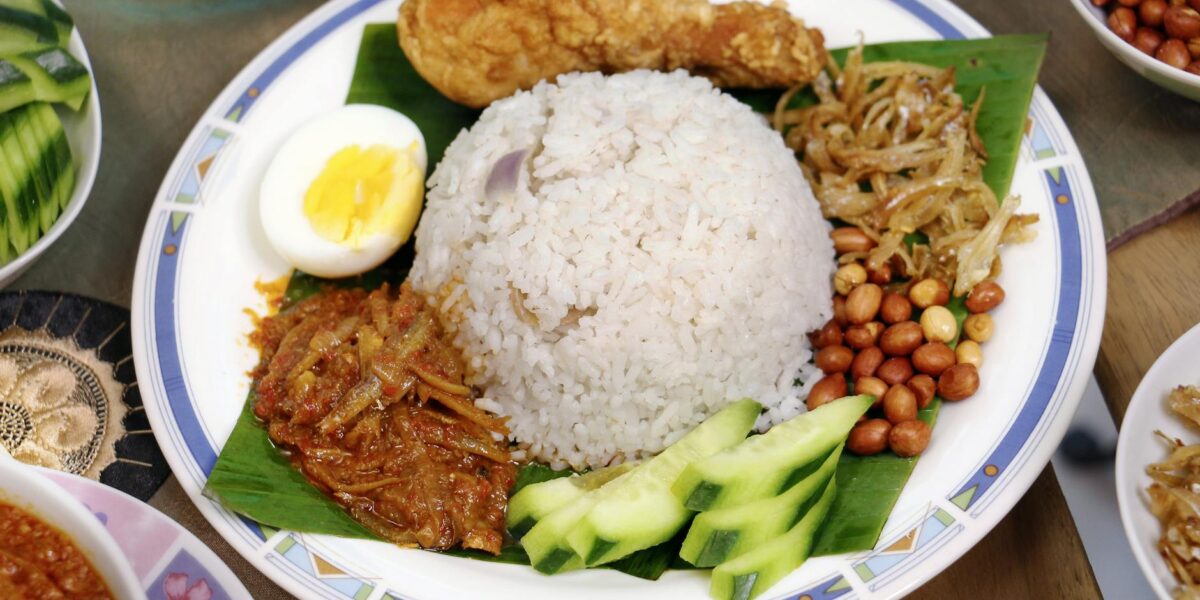
Nasi lemak is coconut rice cooked with pandan leaves and served with sambal (chili paste), fried anchovies (ikan bilis), roasted peanuts, a boiled egg, and cucumber slices. In its simplest form, it is a breakfast staple wrapped in banana leaf. At restaurants, nasi lemak comes with additions like fried chicken, rendang, or squid sambal. The dish captures the essence of Malaysian food: rice as the centerpiece, coconut for richness, sambal for heat, and a balance of textures.
2. Rendang — Slow-Cooked Spiced Coconut Curry
Rendang is beef (or sometimes chicken) slow-cooked in a paste of chilies, lemongrass, galangal, turmeric, and coconut milk until nearly all the liquid evaporates and the meat becomes deeply caramelized and tender. Originating from the Minangkabau people of Sumatra and Negeri Sembilan, rendang is served at festivals, weddings, and Hari Raya celebrations. Its concentrated, dry-curry style makes it one of the most intensely flavored dishes in all of Southeast Asian cooking.
3. Laksa — Spicy Coconut Curry Noodle Soup
Malaysia has many styles of laksa, but the two most famous are curry laksa (a rich, coconut-based soup with rice noodles, tofu puffs, shrimp, and bean sprouts) and Penang asam laksa (a sour, fish-based soup with tamarind and shredded mackerel). Sarawak laksa is yet another variation, featuring a lighter coconut broth with vermicelli and prawns. Each version is a complete meal in a bowl and a testament to how regional Malaysian cooking transforms a single concept into vastly different experiences.
4. Char Kway Teow — Smoky Stir-Fried Flat Noodles
Char kway teow is flat rice noodles stir-fried over extremely high heat with dark soy sauce, shrimp, cockles (blood clams), Chinese sausage, bean sprouts, chives, and egg. The dish lives or dies by wok hei — the smoky breath of the wok that comes from cooking over an intense flame. Originally a poor fisherman’s dish, it has become one of Malaysia’s most iconic street foods. A good wok and fierce heat are essential for making it at home.
5. Roti Canai — Flaky Flatbread with Curry
Roti canai is a buttery, flaky flatbread made by stretching dough paper-thin and folding it into layers before cooking on a flat griddle. Served with dhal (lentil curry) or fish curry, roti canai is a staple of mamak stalls — Indian-Muslim eateries that are open late into the night across Malaysia. Variations include roti telur (with egg), roti bom (thick and buttery), and roti tissue (a crispy, cone-shaped sweet version). Watching a skilled roti maker flip and stretch the dough is part of the experience.
6. Satay — Charcoal-Grilled Meat Skewers
Satay consists of marinated meat (usually chicken, beef, or mutton) threaded onto bamboo skewers and grilled over charcoal. Malaysian satay is typically served with a chunky peanut sauce, cubes of compressed rice (nasi impit), cucumber, and raw onion. The marinade features turmeric, lemongrass, and galangal, giving the meat a golden color and fragrant sweetness. Satay Kajang (from the town of Kajang, south of KL) is considered the gold standard, with larger, meatier skewers and a richer peanut sauce.
7. Nasi Goreng — Malaysian Fried Rice
While nasi goreng exists throughout Southeast Asia, the Malaysian version is distinctive for its use of sweet soy sauce (kicap manis), belacan (shrimp paste), and sambal. Common additions include anchovies, prawns, egg, and vegetables. Nasi goreng kampung (village-style fried rice) is an everyday version using whatever is on hand. The key to great Malaysian fried rice is day-old rice, high heat, and a generous hand with the belacan.
8. Hainanese Chicken Rice
This dish of poached chicken served over fragrant rice cooked in chicken fat and broth is Malaysia’s other national dish (it is also claimed by Singapore). The chicken is silky and tender, the rice is aromatic and slightly oily, and the magic lies in the trio of condiments: ginger paste, chili sauce, and dark soy sauce. Every chicken rice stall has its own carefully guarded recipe for poaching and dipping sauces. It is deceptively simple but extraordinarily difficult to perfect.
9. Nasi Kandar — Rice with Assorted Curries
Originating from Penang’s Indian-Muslim community, nasi kandar is rice served with a selection of curries and side dishes — fish curry, fried chicken, squid, okra, eggs, and more. The key is the banjir technique: mixing multiple curry gravies over the rice so that the flavors blend into something greater than the sum of their parts. Iconic nasi kandar restaurants in Penang (like Nasi Kandar Line Clear) attract long lines at all hours.
10. Mee Goreng Mamak — Indian-Muslim Stir-Fried Noodles
Mee goreng mamak is yellow wheat noodles stir-fried with a sweet-spicy tomato-chili sauce, tofu, potato, egg, and vegetables. It is distinctly different from Chinese-style fried noodles because of its Indian-influenced seasoning and the inclusion of potato cubes. This is a mamak stall classic, best eaten late at night with a glass of teh tarik.
11. Cendol — Shaved Ice Dessert
Cendol is Malaysia’s most beloved dessert: shaved ice over green pandan-flavored rice flour jelly noodles, drenched in thick coconut milk and drizzled with gula melaka (palm sugar syrup). The combination of cold, creamy, sweet, and fragrant makes it irresistible in Malaysia’s tropical heat. Some versions add red beans or durian. Penang and Malacca are both famous for their cendol, and each claims superiority.
12. Bak Kut Teh — Pork Rib Herbal Soup
Bak kut teh is a comforting pork rib soup simmered with a blend of Chinese herbs and spices — star anise, cinnamon, cloves, garlic, and white pepper. The Klang Valley version (from just outside KL) is dark and herbal, while the Penang version is lighter with more pepper. It is traditionally served with rice, youtiao (Chinese fried dough), and strong Chinese tea. Bak kut teh stalls often open early in the morning and are a favorite breakfast or late-night meal.
13. Rojak — Mixed Fruit and Vegetable Salad
Rojak (meaning ”mixture” in Malay) is a salad of fruit, vegetables, and fried dough tossed in a thick, sweet-savory sauce made from shrimp paste, palm sugar, lime juice, and chilies. Common ingredients include cucumber, pineapple, jicama, mango, tofu puffs, and youtiao. Indian rojak, a different dish entirely, features fried fritters served with sweet potato sauce. The word rojak has even entered Malaysian slang to describe the country’s multicultural mix.
14. Ayam Percik — Flame-Grilled Spiced Chicken
Ayam percik is butterflied chicken marinated in a spiced coconut sauce with turmeric, chili, and lemongrass, then grilled over charcoal while being basted with more coconut sauce. It is a specialty of the east coast states (Kelantan and Terengganu) and is often cooked at large outdoor gatherings and night markets. The result is smoky, slightly sweet, and deeply aromatic chicken with a caramelized coconut crust.
15. Kuih — Traditional Malaysian Cakes and Snacks
Kuih is the collective term for a vast family of traditional Malaysian bite-sized cakes, pastries, and snacks. Made from rice flour, coconut milk, palm sugar, and pandan, kuih comes in dozens of varieties: kuih lapis (layered steamed cake), ondeh-ondeh (pandan balls with liquid palm sugar centers), kuih talam (two-layer coconut pudding), and apam balik (crispy pancakes with peanut filling). Kuih is a Peranakan and Malay specialty often served at tea time or during festivals.
Malaysian Cooking Techniques
Malaysian cooking uses a distinctive set of techniques that blend Chinese, Indian, and Malay traditions. Mastering even a few of these will dramatically improve your Malaysian recipes at home. For a broader look at wok skills and steaming methods, see our guide to Asian cooking techniques.
Making Rempah (Spice Paste)
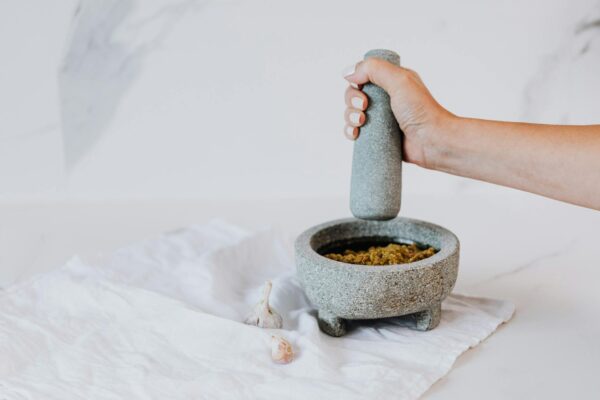
The foundation of most Malaysian curries, rendang, and laksa is rempah — a wet spice paste made by pounding or blending fresh ingredients like shallots, garlic, chilies, lemongrass, galangal, turmeric, and belacan. Traditionally, rempah is ground with a mortar and pestle (batu giling), which produces a rougher texture that many cooks prefer. The rempah must then be fried slowly in oil (tumis) until fragrant and the oil separates — a process called ”pecah minyak” that concentrates flavor and removes raw harshness.
Wok Hei (Breath of the Wok)
Essential for char kway teow and other stir-fried noodle dishes, wok hei is the smoky flavor imparted by cooking over extremely high heat in a well-seasoned carbon steel wok. Malaysian hawker stalls achieve this with powerful gas burners that home stoves cannot match. At home, work in small batches, preheat your wok until it smokes, and avoid overcrowding the pan. A good carbon steel wok is the single best investment for Malaysian cooking.
Roti Stretching and Folding
Making roti canai requires a specific dough-handling technique: the dough is oiled generously, stretched paper-thin (you should be able to see through it), then folded into layers and cooked on a flat griddle. The stretching creates the flaky, layered structure that makes roti canai so satisfying. It takes practice, but once mastered it is deeply rewarding.
Slow Reduction for Rendang
Unlike most curries that retain their sauce, rendang is cooked until nearly dry. The coconut milk is added and then reduced slowly over low heat for 2-3 hours until the oil separates and the meat becomes coated in a concentrated, caramelized spice paste. This process (called ”kerisik” when toasted coconut is added) is what gives rendang its unique dry, intensely flavored character.
Coconut Milk Extraction
Traditional Malaysian recipes distinguish between ”first press” (santan pekat / thick coconut milk) and ”second press” (santan cair / thin coconut milk). The first press is squeezed from freshly grated coconut and is rich and creamy; the second press uses the same coconut with added water and is thinner. In curries like rendang and laksa, the thin milk goes in first for simmering and the thick milk is added at the end for richness. Canned coconut milk works well, but understanding this distinction helps you control the final texture of your dish.
Charcoal Grilling for Satay
Malaysian satay is traditionally cooked over a long, narrow charcoal grill designed specifically for skewers. The charcoal provides smoky flavor and intense radiant heat that caramelizes the turmeric-lemongrass marinade. At home, a charcoal grill, hibachi, or even a very hot cast-iron grill pan can approximate the effect. The key is high, direct heat and frequent turning to prevent burning.
Malaysian Cuisine vs. Other Southeast Asian Cuisines
Malaysian food shares ingredients and techniques with its neighbors but has a distinct identity. This comparison table highlights the key differences and can help you understand where Malaysian cooking fits in the broader Asian recipes landscape.
| Feature | Malaysian | Thai | Indonesian | Singaporean |
|---|---|---|---|---|
| Dominant flavors | Coconut, belacan, lemongrass, tamarind | Lime, fish sauce, galangal, Thai basil | Sweet soy (kecap manis), terasi, palm sugar | Similar to Malaysian but with more Chinese influence |
| Heat level | Medium to hot; heat balanced with richness | Can be very hot; balanced with sour and sweet | Varies widely; Padang food is very spicy | Generally milder than Malaysian |
| Coconut milk use | Extensive — curries, rice, desserts | Common in curries but not ubiquitous | Very common, especially in Javanese and Padang | Common but less dominant than Malaysian |
| Indian influence | Strong — roti canai, nasi kandar, mamak culture | Minimal direct influence | Present but less visible in daily food | Strong — similar to Malaysia |
| Chinese influence | Very strong — noodles, stir-fries, dim sum | Present in noodle dishes (Thai-Chinese) | Strong in urban areas (Chinese-Indonesian) | Dominant — majority Chinese population |
| Signature condiment | Sambal belacan (shrimp paste chili) | Nam pla prik (fish sauce with chilies) | Sambal terasi, sambal matah | Chili crab sauce, sambal |
| Rice style | Coconut rice (nasi lemak), fragrant rice | Jasmine rice, sticky rice | Steamed rice, nasi uduk (coconut rice) | Chicken rice, coconut rice |
| Street food culture | Hawker centers and night markets | Street carts and market stalls | Warung (small eateries) and kaki lima (street carts) | Hawker centers (UNESCO-listed) |
How to Build a Malaysian Meal
Malaysian meals are communal by nature. Unlike Western dining where each person has a separate plate, a Malaysian meal features rice at the center with multiple shared dishes arranged around it. Here are the principles for composing a balanced Malaysian meal at home.
The Structure of a Malaysian Meal
A typical home-cooked Malaysian meal includes:
- Rice — steamed jasmine rice or nasi lemak (coconut rice)
- One protein dish — rendang, ayam masak merah (chicken in tomato chili sauce), or fried fish
- One vegetable dish — kangkung belacan (water spinach with shrimp paste), stir-fried bok choy, or sayur lodeh (vegetables in coconut curry)
- A soup or broth — clear soup with tofu and greens, or something heartier like bak kut teh
- Sambal and condiments — always on the table
Easy Weeknight Malaysian Meals
Not every Malaysian meal requires hours of cooking. These combinations come together in under 45 minutes:
- Quick nasi lemak: Cook rice with coconut milk and pandan leaf, serve with store-bought sambal, fried egg, cucumber, and roasted peanuts
- Nasi goreng night: Use leftover rice, fry with belacan, kicap manis, egg, and whatever protein and vegetables you have
- Instant laksa: Use a quality laksa paste (Tean’s Gourmet or Prima Taste), add coconut milk, top with shrimp, tofu puffs, and bean sprouts
- Char kway teow: Flat rice noodles stir-fried with soy sauce, shrimp, egg, and bean sprouts — 15 minutes if your prep is done
Weekend Malaysian Feast
For a special occasion, plan a spread that showcases different cooking methods and flavors:
- Start rendang early — it needs 2-3 hours of slow cooking
- Prepare satay marinade and skewers; grill just before serving
- Make coconut rice (nasi lemak) in a rice cooker
- Prepare a vegetable dish: kangkung belacan or ulam (fresh herb salad)
- Set out condiments: sambal belacan, sliced cucumber, fried anchovies, peanuts
- For dessert: cendol (can be assembled quickly if you prepare pandan jelly in advance)
Malaysian Pantry Staples: Quick Reference
Building a Malaysian pantry does not require exotic shopping trips. Here is a prioritized checklist of what to stock, starting with the most essential items. Most can be found at Asian grocery stores or ordered online from retailers like Umami Cart.
- Tier 1 (start here): Belacan, coconut milk, lemongrass, dried chilies, dark and light soy sauce, tamarind paste
- Tier 2 (expand your range): Fresh turmeric, galangal, kaffir lime leaves, pandan leaves, palm sugar (gula melaka), candlenuts
- Tier 3 (for specific dishes): Curry leaves, fish sauce, kicap manis (sweet soy), torch ginger flower (bunga kantan), dried shrimp
Malaysian Cooking Tips for Beginners
If you are new to Malaysian cooking, these practical tips will help you get started with confidence.
- Invest in a mortar and pestle or a good blender. Spice pastes (rempah) are the soul of Malaysian cooking. A food processor or blender works for convenience, but a large granite mortar and pestle gives better texture.
- Fry your rempah properly. The most common mistake is not cooking the spice paste long enough. Fry over medium heat, stirring constantly, until the oil separates from the paste (pecah minyak). This can take 15-20 minutes but is non-negotiable for good flavor.
- Use the right rice. Malaysian cuisine primarily uses long-grain jasmine rice. For coconut rice dishes, Thai jasmine or fragrant long-grain varieties work best.
- Do not skip the belacan. Shrimp paste (belacan) smells strong raw but transforms when toasted or fried. It provides an umami backbone that is irreplaceable. Toast it wrapped in foil over a flame before using in sambals.
- Balance is everything. Malaysian food balances sweet, sour, salty, spicy, and rich. If a dish tastes flat, it probably needs one of these elements — usually a squeeze of lime, a pinch of sugar, or a dash of fish sauce.
- Cook in stages. Malaysian dishes often require adding ingredients at specific points. Coconut milk goes in at different stages for different effects: early for simmering, late for richness. Do not rush and dump everything in at once.
- Keep fried shallots on hand. Thinly sliced and deep-fried shallots are a finishing touch on many Malaysian dishes. Make a big batch and store in an airtight container — they keep for weeks.
Frequently Asked Questions About Malaysian Cuisine
What is the most famous Malaysian dish?
Nasi lemak is widely considered Malaysia’s national dish. It is eaten at every meal — breakfast, lunch, and dinner — and is available everywhere from roadside stalls to fine dining restaurants. Internationally, rendang may be even more well-known after being named the world’s most delicious food in a CNN poll.
Is Malaysian food spicy?
Malaysian food ranges from mild to very spicy. Many dishes like chicken rice and bak kut teh are not spicy at all, while sambals and laksa can be intensely hot. The heat in Malaysian cooking is usually balanced with coconut milk, palm sugar, or tamarind, making it more approachable than it might seem. You can always adjust chili levels to your preference.
What is the difference between Malaysian and Singaporean food?
Malaysia and Singapore share many dishes (chicken rice, laksa, nasi lemak, char kway teow) due to their shared history — Singapore was part of Malaysia until 1965. The differences are often subtle: Malaysian food tends to be slightly more robust and spicy, with stronger Malay and Indian influences, while Singaporean versions may lean slightly more Chinese. Both countries claim ownership of several iconic dishes, and the friendly rivalry is a source of national pride on both sides.
Is Malaysian food halal?
Malaysia is a Muslim-majority country, and most restaurants and hawker stalls serve halal food. However, Chinese-Malaysian establishments may serve pork and non-halal items (like bak kut teh and char siu). In practice, halal and non-halal stalls coexist side by side in hawker centers. Malaysian food labeling is clear about halal certification, making it easy to navigate dietary requirements.
What makes Malaysian food different from Indonesian food?
While Malaysia and Indonesia share dishes like rendang, satay, and nasi goreng, there are important differences. Indonesian food tends to use more kecap manis (sweet soy sauce) and terasi (their version of shrimp paste), and many Indonesian dishes are sweeter overall. Malaysian food has stronger Chinese and Indian influences due to its multicultural population. The two countries share Malay roots but have evolved distinct culinary identities through different colonial histories and immigrant communities.
Can I make Malaysian food without a wok?
For curries, rendang, soups, and braised dishes — absolutely. A heavy-bottomed pot or Dutch oven works perfectly. For stir-fried dishes like char kway teow and nasi goreng, a wok is strongly recommended because you need high heat and fast cooking. A large stainless steel or cast-iron skillet can work in a pinch, but you will not achieve true wok hei without a carbon steel wok and a powerful burner.
Where can I buy Malaysian ingredients in the US?
Most Malaysian ingredients are available at Asian grocery stores (look for stores that stock Southeast Asian products). Online retailers like Umami Cart carry coconut milk, sambal, rice noodles, soy sauce, fish sauce, and many other essentials. For fresh items like lemongrass, galangal, and pandan leaves, check the produce section of Asian supermarkets or look for frozen options.
Your Malaysian Cooking Journey Starts Here
Malaysian cuisine rewards curiosity. Start with the dishes that appeal to you most — a simple nasi lemak for breakfast, a quick char kway teow for dinner, or a weekend rendang project. Build your pantry gradually, learn to make a good rempah, and let the flavors guide you deeper into one of the world’s great food traditions.
Explore more of our Malaysian recipes and browse our full collection of Asian recipes for even more inspiration.

Mei Lin Chen
Mei Lin Chen is an Asian food writer and recipe developer. Melbourne-raised and London-based, she has spent over a decade exploring the rice paddies, hawker stalls, and home kitchens of South-East and East Asia. Her recipes balance traditional technique with everyday practicality.