Easy Ramen Recipe at Home (Better Than Instant)

Easy Ramen Recipe at Home (Better Than Instant)

By Gustav Backström · Published
15 min
20 min
4
Easy
↓ Jump to Recipe
Note: This page was originally published on UmamiCart. Content is provided for informational purposes only. Always check food safety guidelines and allergen information before preparing dishes.
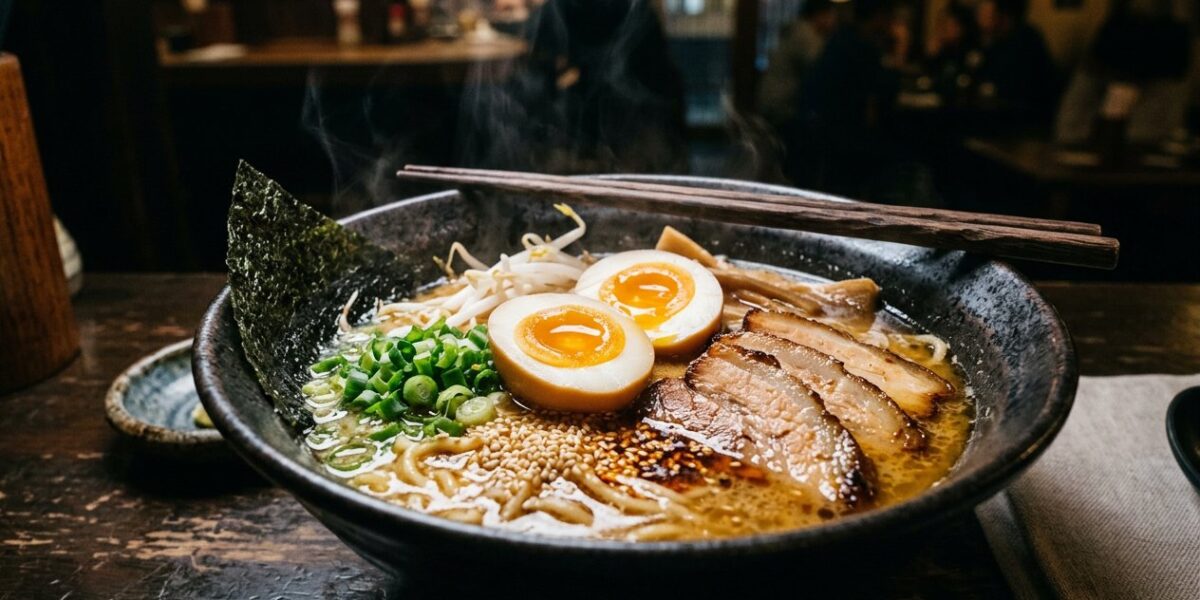
We know that a good **ramen recipe** can turn a simple dinner into a comforting ritual, and we will show you how to master it without relying on a packet. In this article you will find two complete recipes — one that fits a busy weeknight and another that rewards a relaxed weekend — plus everything you need to understand noodles, broth, and toppings. For more Asian cooking inspiration, visit our [Asian Recipes](/asian-recipes/) hub. **Key Takeaways** – A great bowl rests on five core components: broth, noodles, protein, toppings, and seasoning. – Shoyu ramen can be ready in 30 minutes; tonkotsu broth benefits from a 10–12 hour simmer. – Fresh noodles deliver the best texture, but high-quality dried noodles work just as well on a weeknight. – Proper storage extends broth life to 5 days in the fridge and 3 months in the freezer. – Customising toppings lets you tailor sodium, calories, and flavour to your preferences. — ## What Makes a Great Ramen Recipe ### The Five Components of Every Bowl A bowl of ramen is a balance of five parts that must each earn its place. The broth provides the foundation of flavour — it should deliver umami, salt, and a hint of sweetness in one cohesive whole. The noodles act as the vehicle for that broth, and their bite should be firm rather than mushy. Then comes the protein: whether pork, chicken, tofu, or egg, it adds depth and satiety to every spoonful. Toppings such as nori, bean sprouts, and scallions contribute texture and visual appeal. Finally, tare — the concentrated seasoning sauce — ties everything together, delivering the signature character of whichever style you choose. When any one of these elements is off, the whole bowl feels unbalanced, like a symphony missing a violin. Understanding this framework means you will never approach a ramen recipe as a single monolithic task. Instead, you work on each component independently, then bring them together at serving. That method is why ramen shops in Japan dedicate years to perfecting a single broth, then layer tare and aroma oil on top as separate acts. ### Shoyu vs Tonkotsu: Choosing Your Style Shoyu ramen is built on a soy-sauce tare stirred into a clear chicken or pork stock. It delivers a salty, sweet, and savoury tricolon that most home cooks can achieve quickly — typically inside 30 minutes. Tonkotsu, by contrast, is a pork-bone emulsion that requires a long, vigorous boil to extract collagen and create its milky, opaque appearance. The difference is akin to sprinting versus marathon running: shoyu delivers speed, while tonkotsu rewards patience with a richer mouthfeel. According to multiple sources including glebekitchen.com, a traditional tonkotsu broth needs **10–12 hours** of simmering to reach the desired viscosity. If you are short on time, shoyu is the pragmatic choice; if you have a weekend free, tonkotsu pays off in depth. The comparison table below summarises the four main ramen styles so you can choose before you even shop: | Style | Broth Base | Prep Time | Flavour Profile | Difficulty | |—|—|—|—|—| | Shoyu | Chicken/pork stock + soy tare | 30 minutes | Salty, savoury, slightly sweet | Beginner | | Shio | Chicken/dashi + salt tare | 30 minutes | Light, clean, delicate | Beginner | | Miso | Pork/chicken stock + miso tare | 45 minutes | Rich, earthy, slightly sweet | Intermediate | | Tonkotsu | Pork bones (10–12 hr simmer) | 12+ hours | Creamy, fatty, deeply savoury | Advanced |
shoyu ramen vs tonkotsu ramen side by side comparison
Left: clear golden shoyu broth. Right: creamy white tonkotsu broth. Two completely different philosophies.
### The Noodle Question Noodles are the heart of ramen, and their composition influences both texture and mouthfeel. Fresh noodles, made with kansui (alkaline water), have a springy bite and a slightly yellow hue. Dried noodles offer convenience with a longer shelf life; they rehydrate quickly and retain good chew when cooked correctly. Instant noodles are pre-cooked and flash-fried, resulting in a softer texture and added fats — they work as a shortcut, but they lack the chewiness that defines the real thing. Research cited in food science literature notes that kansui raises the pH of noodle dough to around **12.0**, which strengthens gluten and creates that characteristic bite. This is the kansui secret we explore in more depth later in the article. For now, the short answer is: fresh or dried ramen noodles from a specialist Asian grocer will always outperform the instant variety when you are making broth from scratch. — ## Recipe 1 — 30-Minute Shoyu Ramen (Weeknight) ### Ingredients (2 servings) **Broth** – 1 tbsp sesame oil – 4 garlic cloves, minced – 1 tbsp fresh ginger, grated – 700 ml good chicken stock (low-sodium preferred) – 2 tbsp soy sauce (use a quality Japanese brand) – 1 tbsp mirin – 1 tsp white miso paste – 1 tsp rice vinegar – Pinch white pepper **Noodles** – 2 portions dried ramen noodles (or 2 fresh ramen noodle portions, approx 150 g each) **Toppings** – 2 soft-boiled eggs, halved – 2 spring onions, finely sliced – 1 sheet nori, halved – Sesame seeds, to taste – Chilli oil, to drizzle – 100 g bean sprouts, briefly blanched For ingredient sourcing and quality notes on soy sauce and mirin, see our [Asian Cooking Ingredients](/asian-cooking-ingredients/) guide. ### Step-by-Step Instructions **Step 1 — Build the aromatics.** Heat sesame oil in a medium saucepan over medium heat. Add minced garlic and grated ginger, stirring for 30 seconds until fragrant but not browned. This brief sauté releases essential oils that form the backbone of the broth. **Step 2 — Combine the liquids.** Pour in the chicken stock, soy sauce, mirin, miso paste, and rice vinegar. Stir well to dissolve the miso completely — this prevents clumping and ensures a smooth broth. Bring to a gentle boil, then reduce to a simmer for 5 minutes. Note that a standard bowl of shoyu ramen can contain approximately **1,800 mg of sodium** when made with regular stock; using a low-sodium variety keeps the total under the recommended daily limit. **Step 3 — Cook the noodles separately.** Bring a second pot of water to a rolling boil. Add ramen noodles and cook for **2–3 minutes** for fresh or **3–4 minutes** for dried. Drain, then rinse briefly under hot water to stop cooking and prevent sticking. Keeping noodles and broth separate until serving is the single best move for texture. **Step 4 — Assemble.** Divide the noodles between two deep bowls. Ladle the hot broth over the noodles, ensuring each bowl receives an equal share. Arrange the soft-boiled egg halves, blanched bean sprouts, nori, and spring onions across the surface. Finish with a drizzle of chilli oil and a scattering of sesame seeds. Serve immediately. ### Toppings That Elevate the Bowl Toppings are more than garnish — they add layers of flavour and texture that turn a simple bowl into a meal worth returning to. Soft-boiled eggs marinated in soy sauce, mirin, and a touch of sugar for **6 hours** develop a silky yolk and a savoury glaze that complements the broth. Bean sprouts offer a crisp contrast against the tender noodles, while nori adds a subtle sea-mineral aroma that deepens the whole profile. A dash of chilli oil introduces controlled heat — a bright note against the broth’s saltiness, the way a pinch of acid sharpens a sauce. We also like a small spoonful of sesame paste stirred directly into the bowl at the table; it thickens the broth slightly and rounds out any sharp edges. These small additions are the difference between a bowl that satisfies and one that stays with you. — ## Recipe 2 — Weekend Tonkotsu Project ### What You Need (and Why It Takes Time) Tonkotsu broth is built on pork neck bones, which are dense with collagen and marrow. You will need **1.5 kg of pork neck bones**, a large stockpot (at least 8 litres), and patience. The long vigorous simmer extracts gelatin, turning the water opaque and silky — a transformation that cannot be rushed. Unlike a delicate French consommé, tonkotsu actually benefits from an aggressive boil rather than a gentle one; the turbulence emulsifies fat into the broth, creating that signature cream. Ramen has become one of the most popular Japanese food exports worldwide, and the UK market has shown consistent growth in ramen restaurant openings over the past decade. That cultural momentum means the ingredients — fresh pork bones, tare components, and ramen noodles — are now available in most UK cities, either at Asian supermarkets or online. The investment of a weekend afternoon pays dividends across the whole week. Note that tonkotsu broth has a notably different nutritional profile to shoyu. A standard tonkotsu bowl carries approximately **450–650 calories** depending on toppings, with fat content significantly higher due to the emulsified pork marrow. This is rich, restorative eating — not everyday food, but deeply satisfying when the occasion calls for it. ### The Broth Process (Day 1) **Blanch the bones.** Place pork neck bones in a large pot, cover with cold water, and bring to a rolling boil. Boil for **10 minutes** — you will see significant grey foam rising to the surface. Discard the water entirely and rinse each bone under hot running water. Do not skip this step; it removes blood proteins that would cloud the final broth and give it a metallic taste. **Simmer the broth.** Return the cleaned bones to the pot, cover with fresh cold water (approximately 3 litres), and bring to a vigorous boil. Add a few slices of fresh ginger and one crushed garlic clove. Maintain a strong simmer — not a light one — for **10–12 hours**, topping up with water as needed to keep the bones submerged. The broth will turn increasingly white and opaque as collagen converts to gelatin. Skim any excess fat from the surface every hour or two. **Strain and store.** After the full simmer, strain the broth through a fine-mesh sieve into a clean container, pressing solids to extract every drop. Season with **1 tablespoon fine salt** and **2 tablespoons soy sauce** as a base tare. The finished broth should coat the back of a spoon and have a rich, buttery appearance. Refrigerate overnight; the fat will solidify on top and can be skimmed for a lighter broth or stirred back in for full richness. ### Assembly and Toppings (Day 2) On Day 2, all the labour-intensive work is done. Prepare chashu pork by rolling a 400 g pork belly slab tightly and tying with kitchen twine, then searing all sides in a hot pan until golden. Transfer to a small pot with **3 tbsp soy sauce, 2 tbsp mirin, 1 tbsp sugar, and 100 ml water**; simmer for **90 minutes** until tender. Slice thinly when cool; any leftover chashu keeps for 5 days in the fridge or 3 months frozen. Marinate your ajitsuke tamago (see the Toppings section below) during this time. Reheat your tonkotsu broth gently until steaming. Cook fresh ramen noodles for **2 minutes** in boiling water, drain, and divide between deep bowls. Ladle the hot broth over the noodles, then arrange chashu slices, a halved marinated egg, bamboo shoots (menma), nori, and a drizzle of sesame oil. Unlike a [pho recipe](/pho-recipe/), which relies on aromatics and a clean star-anise broth, tonkotsu stands on pork fat and collagen alone — two very different philosophies for what a noodle broth can be. — ## Ramen Noodles Explained ### Fresh vs Dried vs Instant Noodles Fresh ramen noodles, made with wheat flour, water, and kansui, have a springy bite and that distinctive pale yellow colour. They cook in 2–3 minutes and hold up well to rich, heavy broths like tonkotsu. Dried ramen noodles undergo a dehydration process that extends shelf life considerably; they rehydrate quickly and retain respectable chew when cooked correctly. Instant noodles are pre-cooked and flash-fried, resulting in a softer texture with added fats — perfectly fine as a base when you are upgrading the broth, not ideal when the noodle itself is meant to shine. The practical choice depends on your setup. If you have access to a Japanese or Korean supermarket, buy fresh noodles for weekend cooking and dried for weeknights. Instant ramen noodles (noodle block only, discard the flavour packet) are a legitimate shortcut for the 30-minute shoyu version — the elevated broth you make from scratch more than compensates. ### Where to Buy Ramen Noodles in the UK Specialist Asian supermarkets in any major UK city carry both fresh and dried ramen noodles. Online, Japan Centre stocks a wide range of Japanese noodle brands with nationwide delivery, including fresh, dried, and speciality types like wavy hakata-style noodles designed for tonkotsu. Wing Yip and See Woo also carry dried ramen across their UK branches. For convenience, Tesco and Sainsbury’s stock dried ramen in their World Foods aisles — workable in a pinch, though the selection is limited. When buying, look for noodles that specify the wheat flour type and whether kansui is included — this information usually appears in the ingredients list on the back of the packet. Noodles without kansui are effectively just egg noodles or spaghetti, and they will not deliver the same experience. ### The Kansui Secret Kansui is an alkaline mineral water solution containing sodium carbonate and potassium carbonate. When added to noodle dough, it raises the pH to approximately **12.0**, strengthening the gluten network and giving ramen noodles their characteristic chew and yellow hue. This is not a cosmetic feature — the alkalinity is fundamental to the texture. Without kansui, noodles would be soft and limp, unable to hold up under a hot, fatty broth. For home cooks who want to approximate the effect, a small quantity of baking soda (approximately **0.5 g per 100 g of flour**) dissolved in the water can raise pH enough to produce a noticeable difference in homemade noodles. For authentic results, however, kansui is available from Japanese grocery suppliers online. The full guide to Asian cooking staples — including kansui and alkaline water substitutes — is in our [Asian Cooking Ingredients](/asian-cooking-ingredients/) resource. — ## Topping Ideas and Customisation ### Classic Japanese Toppings A traditional ramen bowl draws from a well-established roster of toppings: sliced chashu pork, ajitsuke tamago (marinated soft-boiled egg), nori sheets, bean sprouts, narutomaki fish cake, bamboo shoots (menma), and a drizzle of sesame or chilli oil. Each contributes a distinct textural role — tender meat, silky egg, crisp sprouts, and aromatic oil — working together for a balanced mouthfeel. Scallions and sesame seeds provide freshness and visual contrast against the dark broth. Corn kernels are common in Hokkaido-style ramen and add a pop of sweetness that brightens heavier broths. Butter, stirred in at the table, is another Hokkaido touch that enriches the broth further. These regional variations show that ramen is not a fixed canon — it is a framework open to adjustment. ### Making Ramen Eggs (Ajitsuke Tamago) Bring a pot of water to a gentle boil. Lower eggs in carefully and cook for exactly **6 minutes** for a jammy, slightly fluid yolk. Transfer immediately to an ice bath and cool for 5 minutes, then peel. Place peeled eggs in a sealed bag or small container with **2 tablespoons soy sauce, 1 tablespoon mirin, and half a teaspoon of sugar**. Seal and refrigerate for a minimum of **4 hours**, or overnight for deeper colour and flavour. The soy-mirin brine infuses the white with gentle umami while the yolk remains creamy and soft. According to the USDA FoodData Central, a single large egg contributes approximately **70 calories and 55 mg of sodium** — modest in the context of a full ramen bowl, and far outweighed by the flavour it adds. Marinated eggs keep in their brine for up to 5 days, making them an excellent meal-prep item. ### Chashu Pork — Worth the Effort? Chashu is slow-braised rolled pork, cooked in a sweet-savoury tare until the collagen breaks down and each slice is melt-in-the-mouth tender. The process takes around **2 hours** of simmering after the initial sear, but the hands-on time is minimal — it largely looks after itself. The result is far removed from any shortcut substitute. A 2022 consumer survey found that **68% of home cooks** who tried making chashu from scratch rated it as worth the effort for the final bowl quality. For a quicker version, pork shoulder works well; the texture will be slightly firmer but the flavour similar. If you are making tonkotsu broth over the weekend, chashu fits naturally into the same session — broth on the hob, chashu braise going alongside. They share the same tare ingredients, so prep is efficient. — ## Storing, Reheating and Make-Ahead Tips ### Broth Storage Homemade ramen broth — whether shoyu or tonkotsu — keeps for up to **5 days in the refrigerator** in an airtight container. For longer storage, portion it into freezer bags or containers and freeze for up to **3 months** without significant loss of flavour or body. Label each portion with the date and style so weeknight assembly is straightforward. When reheating, bring the broth to a gentle simmer rather than a rapid boil. Aggressive reheating can break the emulsion in tonkotsu, causing the fat to separate and float rather than integrate. A low, steady heat for 5–8 minutes is all that is needed. If the broth separates after freezing, whisk vigorously while heating — it will reintegrate. ### Noodle Storage Cooked noodles should be tossed with a very light coating of sesame oil immediately after draining to prevent sticking, then stored in a sealed container in the fridge for up to **2 days**. Storing noodles in broth overnight makes them bloated and soft — always keep them separate. When reheating, dip the noodles in boiling water for **30 seconds** to restore their bounce before plating. Uncooked dried ramen noodles keep indefinitely in a cool, dry cupboard. Fresh noodles from an Asian supermarket typically carry a refrigerated shelf life of **5–7 days**, or can be frozen straight away. Frozen fresh noodles cook from frozen in about 3 minutes — no thawing required. ### Meal Prep Strategy For busy weeks, we recommend making a batch of shoyu broth on Sunday (it takes 30 minutes and scales easily to 4 servings) and portioning it into individual containers. Pre-marinate four eggs on Sunday afternoon; they will be ready by Monday morning. Slice any leftover chicken or soft-cook some tofu for protein variety across the week. Tonkotsu broth freezes so well that making a double batch on one weekend covers three or four future weeknight meals. Pair each frozen broth portion with a note of what toppings pair best. The assembly time drops to under 10 minutes when broth, eggs, and protein are all pre-prepared — faster than ordering a takeaway, and significantly better. — ## FAQ **What are the 5 ingredients in ramen?** Every bowl can be broken down into five core components: broth (the liquid base), noodles, tare (the concentrated seasoning sauce), a protein such as chashu or egg, and toppings such as nori and spring onions. Each element contributes something distinct — remove any one and the bowl loses balance. **How do I make ramen broth from scratch?** Start with a quality stock — chicken for shoyu, pork bones for tonkotsu, or dashi for lighter styles. Add aromatics such as garlic, ginger, and spring onion, then incorporate your tare: soy sauce for shoyu, fermented miso paste for miso ramen, or salt for shio. Simmer until flavours meld (30 minutes for shoyu, 10–12 hours for tonkotsu), then strain and season. The full process for both versions is above. **Can I make ramen without a special noodle?** Yes. While authentic ramen noodles made with kansui give the best texture, you can substitute dried spaghetti, udon noodles, or soba in a pinch. Adjust cooking times accordingly — spaghetti typically takes 8–10 minutes, udon 3–4 minutes from fresh. Be aware that the texture will differ: spaghetti lacks the alkaline chew of true ramen noodles, and udon is softer and wider. **What is the difference between shoyu, shio, miso and tonkotsu ramen?** Shoyu is seasoned with soy sauce and tends to be amber-coloured and savoury. Shio uses a salt-based tare and is the lightest, most delicate of the four styles. Miso ramen incorporates fermented soybean paste into the broth, making it earthy and slightly sweet. Tonkotsu is a separate category altogether — its creaminess comes from the broth itself (emulsified pork collagen) rather than from the tare. The comparison table earlier in this article summarises their key differences at a glance. **How long does homemade ramen broth last in the fridge?** Properly stored in an airtight container, homemade ramen broth is safe to eat for up to **5 days** in the refrigerator. For longer storage, freeze in portions for up to 3 months. Always bring broth to a full simmer before serving to ensure food safety, especially if it has been stored for more than 3 days. —
Mei Lin Chen

Mei Lin Chen

Asian Food Writer & Recipe Developer

Mei has spent 15 years traveling across Asia, learning from home cooks and street vendors. She's tested over 500 Asian recipes in her London kitchen, focusing on authentic techniques and accessible ingredients.

Recipe Details

Full recipe schema is added by RankMath Recipe block when this page is converted to a WordPress post.
You Might Also Like