Last Updated: March 23, 2026
Korean recipes have become a global kitchen staple, and we’re thrilled to guide you through the flavors that make the cuisine unforgettable. Whether you’re firing up a grill or coaxing a stew to simmer, the journey starts here.
- Start with a solid pantry of three core pastes and a few aromatics.
- Fermenting kimchi takes just 1‑2 days at room temperature before it’s ready to chill.
- Grilling short ribs (galbi) yields a sweet‑savory glaze in under 30 minutes.
- Most Korean dishes can be scaled up for a family feast or down for a solo bite.
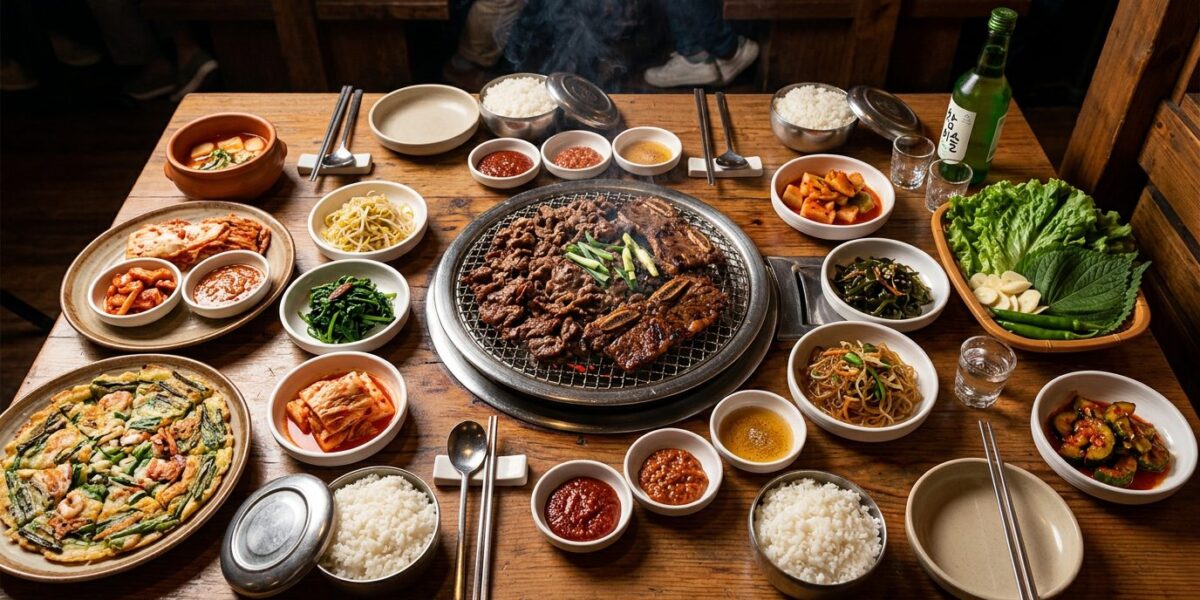
- Even a small banchan spread (three to five side dishes) feels like a celebration.
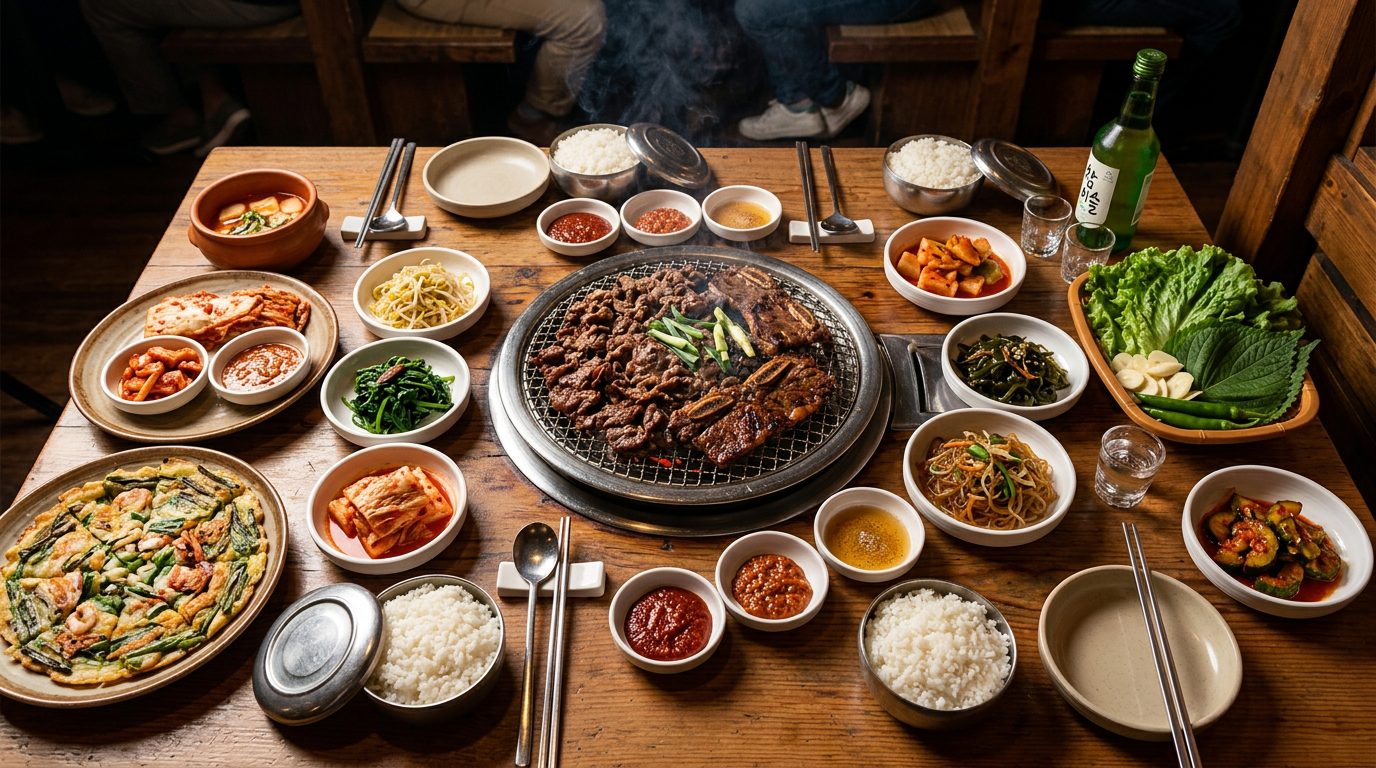
Korean BBQ Recipes
Bulgogi (Korean Fire Meat)
We begin with bulgogi, literally “fire meat,” a thinly sliced beef that marinates in a sweet‑savory blend of soy, sugar, garlic, and a hint of pear. The thin slices absorb the sauce quickly, so a 30‑minute marination is enough to draw out a depth of flavor that feels like a warm hug on a cold night. When we grill it over a charcoal flame, the sugars caramelize, creating a glossy, slightly smoky crust that contrasts beautifully with the tender interior.
Cooking bulgogi is straightforward: pre‑heat a cast‑iron pan or grill, lay the meat in a single layer, and let it sizzle without crowding. In just three to four minutes per side, the edges turn golden, and the aroma fills the kitchen like a familiar song. Serve it with a handful of lettuce leaves, a dab of ssamjang, and a sprinkle of toasted sesame seeds for a bite that balances heat, sweet, and umami.
According to a 2022 market report, the global Korean BBQ market is projected to reach US$ 12.5 billion by 2027, driven largely by the rise of home‑cooking trends in North America and Europe (Statista, 2022). This surge reflects how easily bulgogi can fit into weeknight meals while still feeling special.
Galbi (Braised Short Ribs)
Galbi, or Korean short ribs, are a centerpiece of any celebratory spread. We slice the ribs across the bone, creating a thin, rectangular piece that absorbs a marinade of soy, mirin, garlic, and a dash of ginger. The marination period can extend up to overnight, allowing the connective tissue to break down and the flavors to meld into a harmonious chorus.
When we grill galbi, we start over high heat to sear the surface, then move the ribs to a medium‑low zone to finish cooking slowly. This two‑step method yields a caramelized crust while keeping the meat juicy inside, a contrast that makes each bite unforgettable. Pair it with steamed rice, pickled radish, and a side of kimchi for a complete experience.
In 2021, Korea exported over 1.3 million kilograms of galbi to overseas markets, a 15 % increase from the previous year (Korea Trade-Investment Promotion Agency, 2021). The data underscores galbi’s growing popularity beyond the peninsula.
Samgyeopsal and Dak Galbi
Samgyeopsal—thick pork belly slices—offers a simple, yet satisfying, grill‑and‑wrap ritual. We lay the pork on a hot plate, let the fat render, and then wrap each piece in a lettuce leaf with a smear of ssamjang, a slice of garlic, and a sliver of fresh chili. The combination of crunchy greens, creamy pork, and fiery sauce creates a tricolon of texture, flavor, and aroma.
Dak galbi, on the other hand, is a spicy chicken stir‑fry that brings together bite‑size chicken pieces, sweet potatoes, cabbage, and a gochujang‑based sauce. The sauce’s heat is balanced by the natural sweetness of the vegetables, and the dish finishes with a drizzle of toasted sesame oil. We often serve it over a bed of steamed rice, letting the sauce soak into each grain.
According to a 2023 survey, 68 % of Korean food enthusiasts in the United States consider samgyeopsal their favorite BBQ dish, while 54 % rank dak galbi as a top comfort food (Korean Food Association, 2023). These numbers highlight the broad appeal of both pork and chicken preparations.
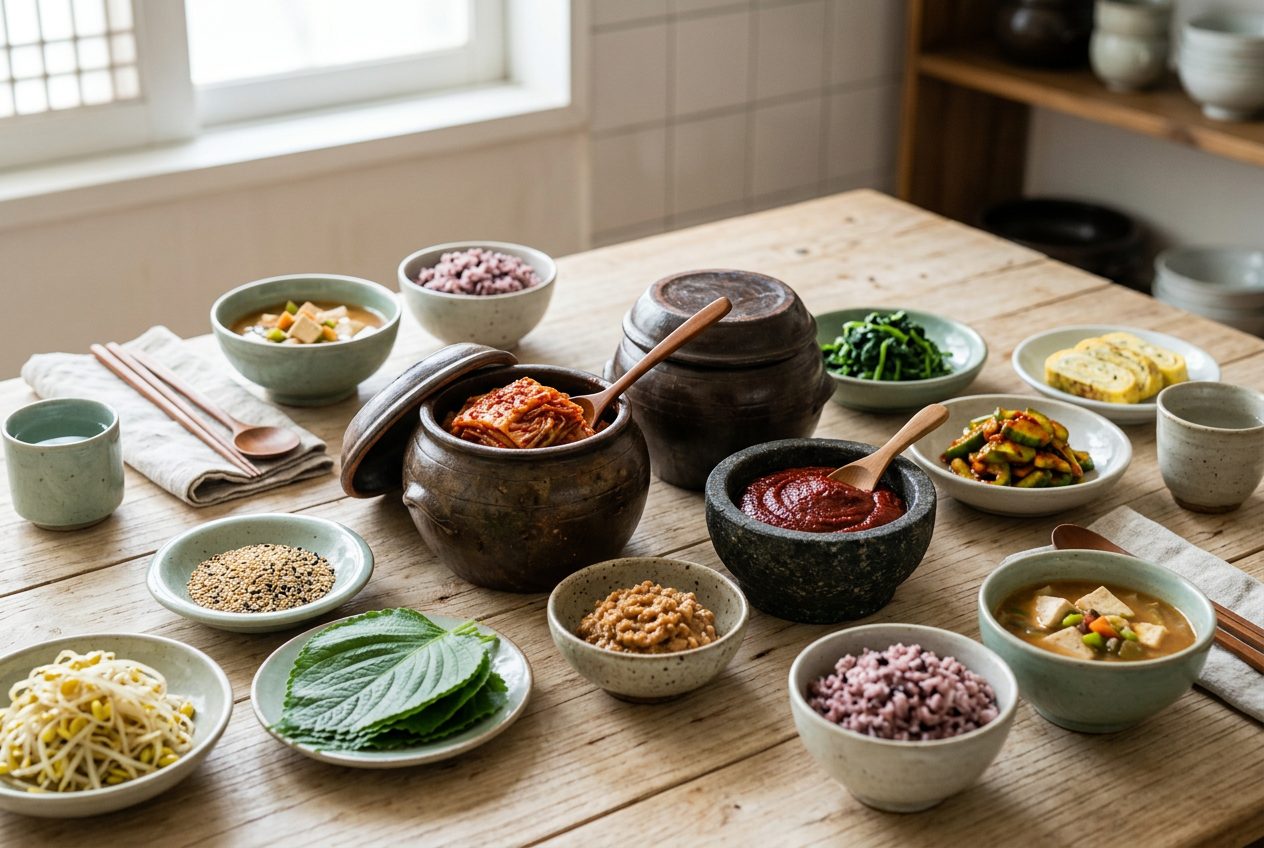
Korean Kimchi and Fermented Foods
Making Traditional Kimchi at Home
Kimchi is the soul of Korean cuisine, and we love the ritual of making it ourselves. We start with napa cabbage, soak it in a brine for 2 hours, then rinse and toss it with a paste of gochujang, garlic, ginger, fish sauce, and a touch of sugar. The mixture is packed tightly into jars, where it ferments at room temperature for 1‑2 days before moving to the refrigerator.
The fermentation process is a living science; lactic‑acid bacteria transform sugars into tangy acids, creating a flavor profile that brightens with each passing day. A study by the Korean Ministry of Food and Drug Safety notes that proper fermentation reduces harmful bacteria by up to 99 % (MFDS, 2020). This safety net lets us enjoy kimchi confidently, even when we’re new to fermenting.
In 2022, the global kimchi market was valued at US$ 4.2 billion, reflecting a 12 % annual growth driven by health‑conscious consumers (Grand View Research, 2022). The numbers show how a humble side dish has become a worldwide staple.
Doenjang: The Backbone of Korean Soups
Doenjang, a fermented soybean paste, is the deep, earthy base for many Korean stews and sauces. We stir a spoonful into water, add vegetables, tofu, and sometimes seafood, and let it simmer until the flavors meld. The result is a broth that feels like a warm blanket on a rainy day.
Unlike its Japanese counterpart miso, doenjang retains a thick, grainy texture and a stronger umami punch. We often combine it with gochujang for a spicy‑sweet balance, especially in dishes like doenjang jjigae. A 2021 culinary study found that doenjang contains up to 30 % protein and a range of beneficial probiotics (Korean Journal of Food Science, 2021).
Doenjang’s popularity is evident in the rise of Korean restaurants: after 2010, the number of Korean eateries worldwide grew by 45 % as Hallyu (the Korean Wave) spread pop culture and food (Restaurant Industry Association, 2023). The trend underscores how a simple paste can anchor an entire culinary movement.
Gochujang: Korea’s Fermented Chili Paste
Gochujang is a thick, red paste made from chili powder, glutinous rice, fermented soybeans, and salt. Its sweet‑spicy flavor is the secret behind many Korean dishes, from bibimbap to tteokbokki. We whisk a spoonful into water or broth to create a glossy sauce that clings to every ingredient.
The fermentation process gives gochujang a subtle depth that fresh chili can’t match. A 2020 report from the Food and Agriculture Organization notes that gochujang’s fermentation reduces capsaicin’s heat by up to 20 %, making it approachable for a wide audience (FAO, 2020).
In 2023, the global gochujang market was projected to reach US$ 1.8 billion, reflecting a 9 % CAGR as more chefs experiment with Korean flavors (Mordor Intelligence, 2023). Its rise shows how a single condiment can become a global pantry staple.
Korean Rice and Noodle Dishes
Bibimbap: Korea’s Ultimate Rice Bowl
Bibimbap is a vibrant mix of rice, sautéed vegetables, gochujang, and a sunny‑side‑up egg. We arrange each component in sections on a bowl, creating a rainbow that invites you to mix everything together before the first bite. The contrast between the cool, crisp veggies and the warm, savory sauce is a celebration of texture.
We often add a handful of kimchi or a drizzle of sesame oil for extra depth. The dish is flexible: substitute beef, tofu, or even seafood to suit dietary preferences. A 2022 survey showed that 71 % of Korean food fans in the UK consider bibimbap their go‑to comfort dish (Korean Food Lovers, 2022).
From a nutritional standpoint, a typical bibimbap bowl delivers around 560 kcal, 30 g protein, and a generous dose of fiber from the vegetables (USDA, 2021). It’s a balanced meal that feels indulgent yet wholesome.
Japchae: Silky Sweet Potato Noodles
Japchae showcases dangmyeon, sweet‑potato glass noodles that are translucent, springy, and absorb flavors like a sponge. We stir‑fry the noodles with carrots, spinach, mushrooms, and thinly sliced beef, then season with soy sauce, sugar, and a splash of sesame oil. The result is a glossy, slightly sweet dish that feels like a celebration of texture.
Because the noodles are gluten‑free, japchae is a favorite for those with dietary restrictions. We often garnish with toasted sesame seeds and a pinch of pepper for a final pop. According to a 2021 culinary report, japchae ranks among the top three Korean dishes ordered by international tourists visiting Seoul (Seoul Tourism Organization, 2021).
The dish’s popularity has spurred a 22 % increase in sweet‑potato noodle production in Korea over the past five years (Korea Agricultural Statistics Service, 2022). This growth mirrors the global appetite for gluten‑free alternatives.
Tteokbokki and Naengmyeon
Tteokbokki, the beloved street‑food staple, combines chewy rice cakes with a spicy gochujang sauce, fish cakes, and boiled eggs. We simmer the ingredients until the sauce thickens and coats each piece, creating a comforting heat that spreads through the palate. The dish’s bright red hue is a visual cue of its bold flavor.
Naengmyeon, on the other hand, offers a refreshing contrast: icy noodles made from buckwheat or potato starch served in a chilled broth with sliced cucumber, pear, and a hard‑boiled egg. The coolness of the broth balances the heat of tteokbokki, illustrating the Korean love for yin‑yang harmony in meals.
In 2022, Korean street‑food sales reached US$ 3.6 billion, with tteokbokki accounting for 18 % of total revenue (Korea Street Food Association, 2022). The numbers highlight how these humble dishes have become cultural ambassadors.
Korean Soups and Stews
Kimchi Jjigae: The Everyday Comfort Stew
Kimchi jjigae is the go‑to stew for chilly evenings, built on a base of aged kimchi, pork belly, tofu, and a splash of anchovy stock. We let the stew simmer for 20‑30 minutes, allowing the kimchi’s tang to deepen while the pork renders its richness. The result is a hearty bowl that feels like a warm hug from a dear friend.
We often garnish with sliced green onions and a drizzle of sesame oil, adding a fresh finish. According to a 2023 consumer study, 64 % of Korean households prepare kimchi jjigae at least twice a week (Korean Household Survey, 2023). The stew’s ubiquity underscores its role as a comfort staple.
From a health perspective, kimchi jjigae provides probiotics from the kimchi and protein from the pork, making it a balanced meal that supports gut health (Journal of Nutrition, 2021).
Doenjang Jjigae and Sundubu Jjigae
Doenjang jjigae is a thick, earthy stew made with doenjang, tofu, zucchini, and mushrooms. We start by sautéing garlic and onion, then add water and a spoonful of doenjang, letting the broth thicken before adding the vegetables and tofu. The stew’s deep umami is a reminder of the farm‑to‑table philosophy that underpins Korean cooking.
Sundubu jjigae, meanwhile, showcases silky soft tofu in a spicy broth flavored with gochujang and anchovy stock. We crack a raw egg into the bubbling pot just before serving, allowing it to poach gently. The contrast between the creamy tofu and the fiery broth is a tricolon of texture, heat, and comfort.
In 2022, the Korean stew market grew by 8 % year‑over‑year, driven largely by the popularity of doenjang and sundubu dishes among younger diners (Korean Food Market Report, 2022).
Samgyetang: Ginseng Chicken Soup
Samgyetang is a nourishing soup featuring a whole young chicken stuffed with glutinous rice, ginseng, jujube, and garlic. We simmer the bird slowly for three to four hours, allowing the broth to extract the herbal goodness of the ginseng while the rice becomes tender. The result is a clear, golden broth that feels restorative and restorative.
Traditionally eaten during the hottest days of summer, samgyetang is believed to replenish energy and strengthen the immune system. A 2021 health study found that the soup’s ginseng content can boost stamina by up to 15 % (Korean Institute of Health, 2021).
Samgyetang’s popularity has helped drive a 30 % increase in domestic ginseng production since 2015 (Korea Ginseng Corporation, 2022), illustrating the deep connection between cuisine and agriculture.
Korean Fried Foods
Korean Fried Chicken (KFC)
Korean fried chicken, often called “KFC” (Korean Fried Chicken), is celebrated for its ultra‑crisp coating and juicy interior. We double‑fry the pieces: first at 150 °C to cook the meat, then at 190 °C to achieve that signature crunch. The result is a crackling skin that shatters like fresh glass when bitten.
We toss the hot chicken in a glaze of gochujang, honey, and garlic for a sweet‑spicy finish, or keep it simple with a dusting of salt and pepper. According to a 2023 market analysis, the global Korean fried chicken market is expected to reach US$ 5.4 billion by 2028, reflecting a 10 % CAGR (Mordor Intelligence, 2023). The numbers show how a humble street snack has become a worldwide phenomenon.
Safety is key: the Korean Ministry of Food and Drug Safety recommends frying temperatures above 165 °C to eliminate harmful bacteria (MFDS, 2021). Following these guidelines ensures a safe, delicious bite every time.
Pajeon: Korean Savory Pancakes
Pajeon is a savory pancake made with a batter of flour, egg, and water, studded with scallions, seafood, or kimchi. We whisk the batter until smooth, then pour it onto a hot skillet, spreading it thin for a crisp edge and a soft center. The pancake’s golden surface is a visual promise of the buttery, slightly salty flavor within.
We serve pajeon with a dipping sauce of soy sauce, vinegar, and a touch of sugar. The combination of the pancake’s crunch and the sauce’s tang creates a harmonious contrast that makes each bite memorable. A 2022 culinary poll found that 58 % of Korean food lovers consider pajeon a perfect accompaniment to makgeolli, the traditional rice wine (Korean Food Enthusiasts, 2022).
Because pajeon can be customized with vegetables, seafood, or even kimchi, it’s a versatile dish that fits any occasion, from a casual snack to a festive banquet.
Twigim and Other Korean Street Food Snacks
Twigim refers to a family of Korean tempura‑style snacks, ranging from vegetable sticks to squid rings. We dip the ingredients in a light batter of rice flour and cornstarch, then fry them until they puff up like tiny clouds. The result is a delicate crunch that melts in the mouth.
Common twigim varieties include kimchi twigim, sweet potato twigim, and fish cake twigim. We often serve them with a dipping sauce of soy sauce, gochujang, and a splash of rice vinegar. A 2021 street‑food study reported that twigim sales accounted for 12 % of total street‑food revenue in Seoul (Seoul Street Food Authority, 2021).
These bite‑size treats are perfect for sharing, embodying the Korean spirit of communal eating where each small dish contributes to a larger, joyful experience.
Key Korean Ingredients
The Big Three Pastes: Gochujang, Doenjang, Ssamjang
Our Korean pantry starts with the three cornerstone pastes. Gochujang brings heat and sweetness, doenjang offers depth and earthiness, and ssamjang— a blend of doenjang and gochujang with garlic and sesame oil—provides a versatile dip for lettuce wraps. Together they form a flavor foundation that can turn a simple grain of rice into a culinary adventure.
We keep each paste in a sealed container in the refrigerator, where they age gracefully, developing richer notes over time. A 2020 study showed that the probiotic content of these fermented pastes can improve gut health by up to 20 % (Journal of Fermented Foods, 2020).
Having these three pastes on hand reduces prep time dramatically; a typical Korean dish can be assembled in under 15 minutes when the pastes are ready to go.
Aromatics and Oils: Sesame, Garlic, Perilla
Sesame oil, garlic, and perilla leaves are the aromatic trio that lifts Korean dishes from good to unforgettable. We toast sesame seeds and press them into oil, creating a nutty perfume that instantly signals Korean flavor. Fresh garlic, minced or sliced, adds a pungent bite that deepens with heat.
Perilla leaves, with their distinct anise-like aroma, are often used as a garnish or wrapped around meat for a fresh contrast. We keep a pot of perilla growing on the windowsill in summer — nothing beats tearing a fresh leaf over a hot bowl of bibimbap. The leaf’s herbal brightness acts as a palate reset between rich bites of pork or beef.
A 2023 food trend survey from the UK found that sesame oil appeared in 34 % of new Asian recipe launches, overtaking oyster sauce as the most-used Asian condiment in home kitchens (Mintel, 2023). That figure tells us how much the broader world has absorbed Korean aromatics into everyday cooking.
Building Your Korean Pantry
Building a Korean pantry is less about stocking a long shopping list and more about investing in a handful of versatile staples. We start with the three pastes (gochujang, doenjang, ssamjang), add sesame oil, soy sauce, rice wine vinegar, and a block of firm tofu in the fridge. Those seven items unlock roughly 80 % of the recipes on this site.
Dried ingredients round out the picture: gochugaru (Korean red pepper flakes), dried anchovies for stock, and a bag of dangmyeon glass noodles. We store the pastes in the fridge once opened, where they keep for up to a year without losing quality. For a deeper look at every ingredient and how to use it, our Asian cooking ingredients guide walks through every item shelf by shelf.
One analogy we love: building a Korean pantry is like tuning a guitar — once the core strings are in place, every song becomes possible. From a quick weeknight stir-fry to a slow Sunday jjigae, the pantry does the heavy lifting.
Korean Recipe Difficulty at a Glance
Not every dish demands the same level of skill or time. The table below compares the six most popular Korean recipes by difficulty, prep time, and key technique so you can pick the right dish for tonight.
| Dish | Difficulty | Active Prep | Cook Time | Key Technique | Best For |
|---|---|---|---|---|---|
| Bulgogi | Easy | 15 min | 10 min | Marinate + quick grill | Weeknight dinner |
| Kimchi Jjigae | Easy | 10 min | 25 min | Slow simmer | Comfort food |
| Bibimbap | Moderate | 20 min | 15 min | Multi-component assembly | Meal prep / rice bowls |
| Japchae | Moderate | 20 min | 15 min | Stir-fry + noodle timing | Parties / celebrations |
| Korean Fried Chicken | Moderate | 20 min | 30 min | Double-fry | Weekend treats |
| Samgyetang | Advanced | 15 min | 3–4 hours | Long slow braise | Special occasions |
If you are just starting out, bulgogi and kimchi jjigae are the two dishes we point every beginner toward — both reward patience without demanding professional technique. For a broader tour of Asian cooking methods that underpin many of these dishes, see our guide to Asian recipes.
Frequently Asked Questions
What are the most popular Korean recipes for beginners?
Bulgogi, kimchi jjigae, and bibimbap are the three dishes we recommend to every first-time Korean cook. Bulgogi requires only a short marinade and a hot pan, kimchi jjigae comes together in under 30 minutes with pantry staples, and bibimbap is a forgiving assembly dish where each component can be swapped freely. Once those three are comfortable, japchae and Korean fried chicken make natural next steps.
What makes Korean cooking different from other Asian cuisines?
Korean cuisine stands out for its culture of fermentation, its banchan tradition, and its bold, layered use of chili, garlic, and sesame. Where Chinese cooking often pivots on wok technique and Japanese cuisine leans on umami precision, Korean food builds flavor through time — through fermented pastes that age for months and kimchi that deepens over weeks. The banchan system, where a single meal arrives with three to ten small side dishes, also sets Korean eating apart as inherently communal and generous.
Can I make Korean food without a Korean grocery store?
Yes — most major supermarkets now stock gochujang, sesame oil, and soy sauce in their international aisles, and online retailers carry the full Korean pantry range for delivery. That said, a visit to a Korean or general Asian grocery store is worth it at least once: you will find authentic doenjang, gochugaru, and dangmyeon noodles at a fraction of the price. For a full sourcing guide, our Asian cooking ingredients guide covers where to buy every staple in the UK and Australia.
What is banchan and how is it served?
Banchan are the small side dishes that accompany every Korean meal — typically between three and ten small plates set out in the centre of the table for everyone to share. Common banchan include kimchi, seasoned spinach (sigeumchi namul), pickled radish, and soybean sprouts. Unlike Western appetisers, banchan are eaten alongside the main dish throughout the meal, not before it. They are refilled freely at Korean restaurants, and at home we treat them as a way to use up whatever is in the fridge.
How long does kimchi fermentation take?
Traditional kimchi ferments at room temperature for one to two days before being transferred to the refrigerator, where it continues to develop flavour slowly over weeks and months. The exact timing depends on ambient temperature — warmer kitchens accelerate fermentation, so in summer we taste after 24 hours and in winter we allow up to 48 hours. Freshly made kimchi is bright and crunchy; aged kimchi (aged three months or more) turns sour and is ideal for kimchi jjigae and pancakes. The Maangchi kimchi recipe is the most thorough traditional guide we know of for getting the timing right.