Last updated: March 30, 2026
Chicken adobo is the unofficial national dish of the Philippines, a one-pot braise of chicken simmered in vinegar, soy sauce, garlic, bay leaves, and black peppercorns until the meat is fall-off-the-bone tender and the sauce has reduced into a glossy, sweet-salty-tangy glaze. It is the rare recipe that is simultaneously bullet-proof for beginners and infinitely adjustable for cooks who want to chase a specific regional or family style. With a handful of pantry ingredients, a heavy pot, and about an hour, you can put a meal on the table that has been carrying Filipino home kitchens for more than four hundred years.
This guide walks through an authentic, restaurant-quality chicken adobo recipe you can make at home tonight. You will get the full ingredient list with exact quantities, the step-by-step braising and reduction technique, the science behind why each step matters, a regional comparison table, classic variations from Luzon to Mindanao, storage and reheating instructions, a nutrition breakdown, and a deep FAQ that answers every question new cooks ask the first time they make adobo.
What Is Chicken Adobo?
Adobo is not a single recipe but a Filipino cooking method, one that involves simmering meat in vinegar and aromatics so the acid both flavors and preserves the protein. The word adobo itself comes from the Spanish adobar, meaning to marinate, and was applied by Spanish colonizers in the 16th century to a vinegar-based preservation technique that pre-dated their arrival. Indigenous Filipinos had been cooking meat in coconut vinegar, salt, garlic, and pepper for centuries before the addition of soy sauce, which arrived through Chinese trade and became the version most cooks make today.
Chicken adobo, or adobong manok, is the most internationally recognized version of the dish. Bone-in, skin-on chicken pieces are braised in a base of cane vinegar and soy sauce with crushed garlic, whole black peppercorns, and Philippine bay leaves until the chicken is tender and the sauce thickens to a syrupy glaze. The finished dish has three signature qualities that distinguish authentic adobo from the many imitations on the internet: a sharp, mellowed acidity from the vinegar, a deep savory backbone from the soy, and a faint sweetness that develops as the sauce reduces and the natural sugars in the soy caramelize.
Why This Recipe Works
Most adobo recipes you find online cheat in one of three ways: they marinate the chicken too long, they boil the vinegar without ever taming its raw bite, or they skip the searing step and end up with pale, flabby skin. This recipe is built around three non-negotiable techniques that fix all three problems at once and give you the deepest, most balanced adobo flavor possible.
- Brown the chicken first, then braise. Skipping the sear is the single biggest mistake new cooks make. Browning the skin and meat in a dry, hot pot builds the Maillard reaction flavors that give the finished sauce its dark color and roasted depth.
- Bloom the vinegar uncovered. Authentic adobo asks you to add the vinegar and let it simmer without stirring or covering the pot for several minutes. This drives off the harsh, raw acetic acid notes while keeping the mellower fruit acids of cane vinegar intact.
- Reduce in two stages. First, braise covered to tenderize the chicken. Then remove the lid, pull the chicken out, and reduce the sauce hard until it coats a spoon. Returning the chicken to the glazed sauce gives you the lacquered, almost candied finish that defines great adobo.
Ingredients
This recipe serves 4 generously with rice, or 6 as part of a larger spread. Quantities are calibrated for a 3 to 3.5 pound chicken cut into eight to ten pieces. Bone-in, skin-on thighs and drumsticks are the gold standard because they stay juicy through the long simmer and the bones enrich the sauce.
For the Adobo
- 3 to 3.5 pounds bone-in, skin-on chicken thighs and drumsticks (about 8 pieces)
- 1 whole head of garlic, cloves separated, peeled, and lightly crushed (about 12 to 15 cloves)
- 1/2 cup Filipino cane vinegar (sukang maasim) or distilled white vinegar
- 1/3 cup soy sauce, preferably Filipino brand such as Silver Swan or Datu Puti
- 1 cup water or low-sodium chicken stock
- 5 to 6 dried Philippine bay leaves (laurel) or 3 standard bay leaves
- 2 teaspoons whole black peppercorns, lightly cracked
- 1 tablespoon brown sugar or muscovado sugar (optional but recommended)
- 1 tablespoon neutral oil such as canola or vegetable
- Kosher salt, to taste at the end
For Serving
- 4 cups freshly steamed jasmine rice
- 2 hard-boiled eggs, peeled and halved (optional, traditional)
- 2 green onions, thinly sliced on a bias
- 1 red Thai chili, thinly sliced (optional, for heat)
- Pickled green papaya or atchara on the side (optional)
Equipment You Will Need
Adobo is a forgiving recipe that does not demand fancy equipment, but a few pieces of cookware will give noticeably better results. A heavy, wide pot is the most important. The wider the surface area, the faster the sauce reduces, and the deeper the chicken browns.
- A 5 to 7 quart Dutch oven or heavy enameled pot. The thick walls hold steady heat for even braising. A wide skillet with a tight-fitting lid also works.
- Long-handled tongs. Bone-in chicken pieces are heavy and slippery once braised. Tongs make it easy to flip and transfer without tearing the skin.
- A wooden spoon or silicone spatula. Used to scrape the fond from the bottom of the pot once the liquid hits the pan.
- An instant-read thermometer. Bone-in chicken thighs are fully cooked at 175 to 185 degrees Fahrenheit, which is also where the collagen begins to melt into gelatin.
- A fine-mesh skimmer. Useful for removing the foam that rises in the first ten minutes of braising.
Step-by-Step Cooking Instructions
Read through all the steps before you start. The active cooking time is about 20 minutes, but the unattended simmer adds another 35 to 45 minutes, and the final reduction takes 10 more. Plan for roughly 75 to 90 minutes from prep to plate.
Step 1: Optional Marinade (30 minutes to overnight)
Many traditional recipes call for marinating the chicken in the vinegar, soy, garlic, and pepper for at least 30 minutes and up to overnight. This deepens the flavor but is not strictly necessary if you are short on time. If you marinate, do it in a non-reactive bowl such as glass or stainless steel, and refrigerate the whole thing. Drain the chicken before searing and reserve the marinade to add back in step 4.
If you skip the marinade entirely, the dish still tastes great. The long braise gives the flavors plenty of time to penetrate the meat.
Step 2: Pat Dry and Season
Pat each chicken piece thoroughly dry with paper towels. This step is critical. Wet chicken will steam rather than brown, and you will lose the entire flavor advantage of the initial sear. Do not salt the chicken at this stage. The soy sauce is salty enough to season the entire dish, and adding kosher salt now risks an over-seasoned final result.
Step 3: Sear the Chicken
Heat 1 tablespoon of neutral oil in your Dutch oven over medium-high heat until the oil shimmers. Lay the chicken pieces skin-side down in a single layer, working in two batches if needed to avoid crowding. Sear undisturbed for 5 to 7 minutes, until the skin is deeply golden brown and easily releases from the pot. Flip and sear the second side for another 3 to 4 minutes. Transfer the seared chicken to a plate and pour off all but 1 tablespoon of rendered fat.
The pot will look almost burnt at the bottom after searing. That brown crust is the fond, and it is liquid gold for the sauce. Do not scrub it away.
Step 4: Toast the Aromatics
Reduce the heat to medium. Add the crushed garlic cloves and the cracked black peppercorns to the rendered fat. Toast, stirring constantly, for 60 to 90 seconds, until the garlic is fragrant and just turning golden at the edges. Do not let the garlic brown deeply or it will turn bitter and tip the entire dish toward acridity.
Step 5: Add the Liquids and Bloom the Vinegar
Pour in the vinegar all at once and let it bubble vigorously without stirring for 2 to 3 minutes. This is the most important technical detail in authentic adobo. Stirring the raw vinegar disperses the harsh acetic acid through the dish, while letting it bubble undisturbed allows that sharp top note to evaporate while the gentler fruit acids cook into the sauce. After the vinegar has bloomed, pour in the soy sauce, water or stock, sugar if using, and the bay leaves. Use a wooden spoon to scrape up the browned fond from the bottom of the pot.
Step 6: Return the Chicken and Simmer
Nestle the chicken pieces back into the pot, skin-side up, and add any juices that have pooled on the plate. The liquid should come about two-thirds of the way up the chicken. Bring the pot to a gentle simmer over medium heat, then reduce to low, cover with a tight-fitting lid, and braise for 30 to 35 minutes. The chicken is ready when a thermometer inserted into the thickest part of the thigh reads 175 degrees Fahrenheit and the meat shows no resistance to a paring knife.
Step 7: Reduce the Sauce
Carefully transfer the chicken pieces back to a plate using tongs. Remove the bay leaves. Increase the heat to medium-high and reduce the sauce uncovered for 8 to 12 minutes, until it has thickened to the consistency of a glossy syrup that lightly coats the back of a spoon. The sauce should reduce by roughly half. Taste and adjust seasoning with a pinch of salt or a few drops of vinegar if needed.
Step 8: Glaze and Finish
Return the chicken to the reduced sauce and spoon the glaze over each piece until well coated. Let everything warm together for 2 minutes. For an extra-crispy skin finish, many cooks slip the whole Dutch oven under a broiler for 3 to 4 minutes at this stage, or quickly sear the chicken skin-side down in a separate hot skillet before spooning sauce over it. Both methods give you the lacquered restaurant-style appearance.
Step 9: Serve
Spoon the chicken and a generous ladle of sauce over freshly steamed jasmine rice. Top with hard-boiled eggs, sliced green onions, and sliced red chili if you want a little heat. Serve immediately while the skin is at its crispest.
Recipe at a Glance
| Detail | Information |
|---|---|
| Prep time | 15 minutes |
| Active cook time | 25 minutes |
| Braise time (unattended) | 35 minutes |
| Reduction time | 10 minutes |
| Total time | 1 hour 25 minutes |
| Yield | 4 main-course servings |
| Difficulty | Beginner-friendly |
| Equipment | 5 to 7 qt Dutch oven, tongs |
| Cuisine | Filipino |
| Course | Main course with rice |
| Make ahead? | Yes, improves overnight |
| Freezes? | Yes, up to 3 months |
Choosing the Right Vinegar
The vinegar is the soul of adobo. Different vinegars produce noticeably different finished dishes, and the variety you choose is one of the few decisions that separates a generic adobo from one that tastes specifically Filipino. Filipino cane vinegar, called sukang maasim or sukang iloko, has a clean, slightly fruity acidity that braises into a balanced sauce. White cane vinegar from brands such as Datu Puti is widely available in Asian grocery stores and is the closest thing to a default.
If you cannot find Filipino vinegar, distilled white vinegar is the most common substitute but it has a sharper, more chemical bite that does not fully mellow during braising. Apple cider vinegar works in a pinch and brings a softer, fruit-forward acidity but tilts the dish toward Western flavor. Avoid rice vinegar, balsamic, or red wine vinegar. They all have flavor profiles that fight rather than support the soy and garlic.
Choosing the Right Soy Sauce
Filipino soy sauce is generally lighter, saltier, and less sweet than Chinese light soy sauce or Japanese shoyu. The most common brands in the Philippines are Silver Swan and Datu Puti, both of which are exported and widely available in the United States. If you cannot find Filipino soy sauce, use a regular Chinese light soy or Kikkoman, but cut the soy quantity by 1 tablespoon and add a pinch of salt if needed at the end. Do not use dark soy sauce, mushroom soy, or sweet soy sauce, because they will overpower the dish and make the sauce too thick and dark.
Regional and Family Variations
Adobo is one of those dishes where almost every Filipino family has their own version, and there is no single right way to make it. The version above is the most common Manila-style adobo, but cooks across the islands have spent generations adapting the technique to local ingredients and preferences. Here are the major regional variations worth knowing.
| Variation | Region | Key Difference | Flavor Profile |
|---|---|---|---|
| Adobo sa Toyo | Metro Manila, Luzon | Soy sauce and vinegar base | Salty-sour, dark sauce |
| Adobong Puti | Batangas, Luzon | No soy sauce, just vinegar and salt | Pale, sharp, very tangy |
| Adobong Manok sa Gata | Bicol, southern Luzon | Finished with coconut milk | Creamy, mellow, slightly sweet |
| Adobo sa Dilaw | Batangas, Iloilo | Turmeric added with garlic | Golden color, earthy |
| Adobong Pula | Pampanga | Annatto seeds or paste added | Red-orange sauce, slightly nutty |
| Adobo Flakes | Pan-Filipino | Chicken shredded and pan-fried | Crispy, intense, breakfast favorite |
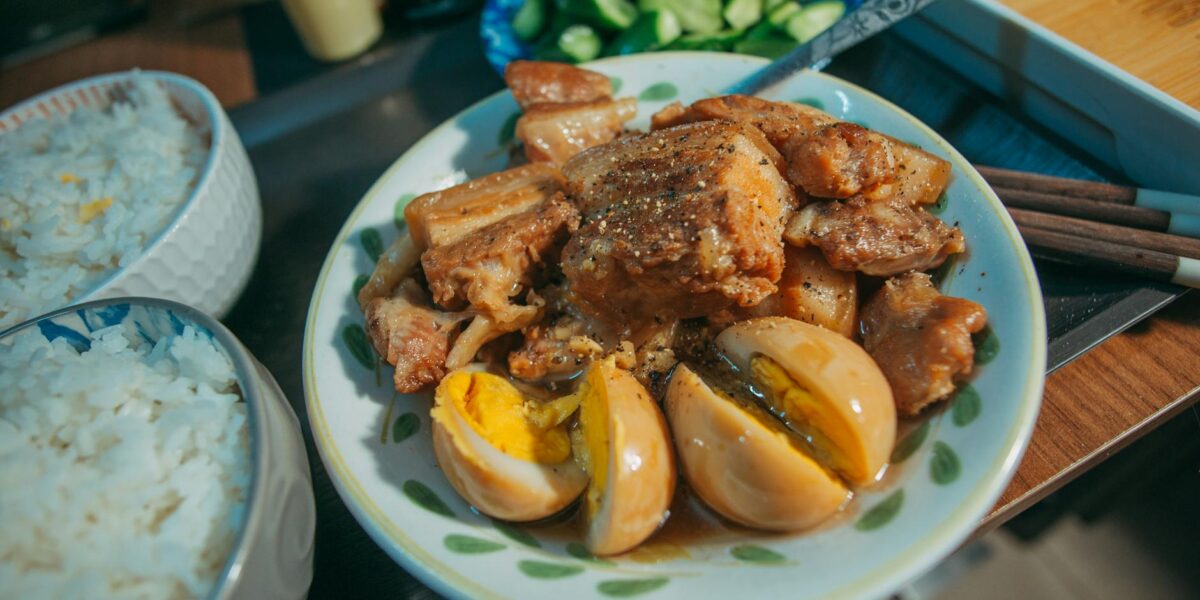
| Chicken Pork Adobo | Pan-Filipino | Pork belly added with the chicken | Richer, fattier, glossier |
| Dry Adobo | Cebu, Visayas | Sauce reduced almost completely | Caramelized, glaze-only finish |
Pro Tips and Common Mistakes
Adobo is forgiving but not foolproof. Most failures come down to a small number of repeat mistakes. Here are the issues most home cooks run into the first few times they make adobo, along with the fixes that have worked in tested home kitchens.
- Mistake: Stirring the vinegar. Stirring during the early bloom prevents the harsh top notes from cooking off. Add the vinegar, let it bubble undisturbed for 2 to 3 minutes, then proceed.
- Mistake: Using boneless skinless chicken breast. Lean white meat dries out during the braise and the dish loses the gelatin that gives adobo its body. Stick with bone-in thighs and drumsticks. If you must use breasts, add them in the final 15 minutes of braising only.
- Mistake: Crowding the pan during the sear. Chicken touching chicken steams rather than browns. Sear in two batches if your pot is not wide enough.
- Mistake: Reducing too aggressively. If you let the sauce reduce past the syrup stage, the soy sauce will turn salty and almost burnt-tasting. Pull the pot off the heat the moment the sauce coats the back of a spoon.
- Mistake: Salting too early. Soy sauce delivers most of the salt. If you season the chicken with salt before searing, the final dish will be over-seasoned and one-dimensional.
- Mistake: Skipping the rest. Adobo tastes even better the next day. If you have the time, make it the night before, refrigerate, and gently reheat. The flavors round out dramatically.
- Pro tip: Save the rendered chicken fat. The schmaltz that rises to the top of refrigerated leftovers is delicious for frying eggs or sauteing vegetables. Skim and save it in a small jar.
- Pro tip: Add the eggs at the end. If you want adobo eggs, peel hard-boiled eggs and add them to the pot during the final reduction so they pick up color and flavor without overcooking.
Recipe Variations to Try
Once you have the base technique locked in, adobo becomes a platform for experimentation. Here are five variations that respect the spirit of the dish while pushing it into new territory.
Coconut Milk Chicken Adobo (Adobo sa Gata)
After the 30-minute braise, add 1 cup of full-fat coconut milk to the pot before reducing the sauce. Simmer uncovered for another 15 minutes until the sauce is creamy and thickly napped on the chicken. This Bicol-style adobo is mellower, richer, and especially good over jasmine rice with steamed greens.
Spicy Adobo with Bird’s Eye Chili
Add 4 to 6 split Thai bird’s eye chilies along with the garlic in step 4. The capsaicin will infuse the oil and sauce, creating a slow-building heat that complements the sweet-sour base. Finish with fresh sliced chili on top.
Adobo with Pineapple
Add 1 cup of fresh pineapple chunks to the pot during the final 10 minutes of braising. The natural sugars and acidity of pineapple harmonize with the vinegar and add tropical brightness. This is a popular variation in Cavite and parts of Cebu.
Pulled Adobo Tacos
After the chicken is fully braised, remove the bones and shred the meat with two forks. Return the meat to the reduced sauce. Serve in warmed corn tortillas with pickled red onion, cilantro, and a squeeze of calamansi or lime. This Filipino-Mexican mash-up is a popular menu item at Filipino food trucks.
Adobo Fried Rice
Use day-old leftover adobo to make adobo fried rice. Shred the chicken, dice it into 1/2-inch pieces, and stir-fry with day-old jasmine rice, garlic, and 2 to 3 tablespoons of the reserved adobo sauce. Top with a runny fried egg. This is the breakfast every Filipino cook makes the morning after adobo night.
What to Serve with Chicken Adobo
Chicken adobo is a strong-flavored centerpiece dish, which means the sides around it should be relatively simple. The classic pairing is freshly steamed white rice, which absorbs the sauce and tempers the assertive flavors. From there, most Filipino home cooks add one or two sides that bring brightness, texture, or vegetables to the plate.
- Jasmine rice the default and the right answer 95 percent of the time
- Garlic fried rice (sinangag) for breakfast adobo with a runny egg on top
- Atchara (pickled green papaya) sweet-tart pickle that cuts the richness
- Ensaladang talong (charred eggplant salad) smoky and acidic, balances the soy
- Steamed bok choy or kangkong (water spinach) fresh, mild greens that soak up sauce
- Sliced ripe tomatoes with salt the simplest and most traditional vegetable side
- Lumpia (Filipino spring rolls) for a more festive spread
- Pancit canton for a multi-course Filipino feast
Storage and Reheating
Chicken adobo is the rare dish that genuinely improves with age. The vinegar acts as a mild preservative, the flavors continue to marry overnight, and the gelatin from the bones thickens the sauce as it cools. Many Filipino families intentionally make adobo a day or two before they plan to serve it.
Refrigeration
Cool the adobo to room temperature within 2 hours of cooking, then transfer to an airtight glass or BPA-free plastic container along with all the sauce. Refrigerate for up to 5 days. The acidic environment makes adobo significantly more shelf-stable than most braised chicken dishes.
Freezing
Adobo freezes beautifully. Portion cooled adobo into freezer-safe containers, leaving 1 inch of headspace for expansion. Freeze for up to 3 months. Thaw overnight in the refrigerator before reheating. Avoid freezing adobo that has been finished with coconut milk, since coconut milk can split and turn grainy upon thawing.
Reheating
The best way to reheat adobo is in a covered skillet or saucepan over medium-low heat with a splash of water or stock to loosen the sauce, which will have gelled in the fridge. Heat for 6 to 8 minutes, turning the chicken pieces occasionally, until everything is steaming hot. The microwave works in a pinch at 50 percent power but tends to dry out the skin.
Nutritional Information
The values below are estimated for one serving (one quarter of the full recipe), based on bone-in skin-on chicken thighs and drumsticks with the optional sugar but without rice or garnishes. Actual values will vary slightly depending on chicken size and brand of soy sauce.
| Nutrient | Per Serving | Percent Daily Value |
|---|---|---|
| Calories | 485 kcal | 24% |
| Total Fat | 32 g | 41% |
| Saturated Fat | 8 g | 40% |
| Cholesterol | 185 mg | 62% |
| Sodium | 1,420 mg | 62% |
| Total Carbohydrates | 7 g | 3% |
| Dietary Fiber | 0.5 g | 2% |
| Sugars | 4 g | NA |
| Protein | 42 g | 84% |
| Iron | 2.6 mg | 14% |
| Potassium | 510 mg | 11% |
| Vitamin B6 | 0.7 mg | 41% |
Adobo is naturally high in protein and provides a meaningful amount of B vitamins, particularly B6 and B12, from the chicken. The sodium count is the main nutritional concern. If you are watching salt intake, swap to a reduced-sodium soy sauce and reduce the soy quantity from 1/3 cup to 1/4 cup. The dish will still taste authentically Filipino without the punishing sodium load.
The History of Adobo
The roots of adobo stretch back at least to pre-colonial Philippines, where indigenous communities preserved meat in coconut vinegar, salt, garlic, and chili. The earliest written reference to adobo appears in the 1613 Vocabulario de la lengua tagala compiled by Spanish friar Pedro de San Buenaventura, where the dish is described as adobo de los naturales, literally meaning the adobo of the natives. The Spanish friars applied the word adobo, from their own marinating tradition, to what they observed as an existing Filipino cooking method.
The addition of soy sauce came much later, after Chinese traders introduced fermented soybean products to the islands. By the time the Philippines became an independent nation in the 20th century, soy sauce had become the standard adobo base in much of Luzon, while older vinegar-only versions persisted in the Visayas and Mindanao. Today, adobo is recognized as the de facto national dish of the Philippines, and is one of the most internationally portable Filipino exports, popular wherever Filipino diaspora communities have settled, including major US cities such as Los Angeles, San Francisco, New York, Las Vegas, and Honolulu.
Frequently Asked Questions
What is the difference between Filipino adobo and Mexican adobo?
Despite sharing a name and Spanish linguistic roots, Filipino and Mexican adobos are completely different dishes. Filipino adobo is a vinegar-soy braise that produces a glossy, salty-sour sauce. Mexican adobo is a marinade or sauce made from dried chilies, vinegar, garlic, and spices, used for proteins like pork or chicken before grilling or stewing. The shared name reflects a shared Spanish colonial vocabulary, not a shared cooking technique.
Can I make adobo in a slow cooker?
Yes, with one caveat. Sear the chicken on the stovetop first, then transfer everything to the slow cooker and cook on low for 4 hours or high for 2 hours. Pour the sauce into a saucepan after cooking and reduce it on the stovetop, because slow cookers cannot achieve the high heat needed for proper reduction. Return the chicken to the reduced sauce and serve.
Can I make adobo in an Instant Pot?
Yes. Use the saute function to sear the chicken and bloom the vinegar, then add the remaining ingredients and pressure cook on high for 12 minutes with a 10-minute natural release. Switch back to saute mode to reduce the sauce uncovered for 8 to 10 minutes. The Instant Pot version is slightly less complex in flavor than the stovetop version but is excellent for weeknights.
Why is my adobo bitter?
Bitter adobo is almost always caused by burnt garlic. Garlic should be toasted only briefly and lightly. If yours has gone dark brown or black at any stage, the bitterness will carry through the entire dish. Start over with fresh garlic next time and remove it from the heat as soon as it turns pale gold.
Why is my adobo too sour?
You either stirred the vinegar at the start of step 5 or used too much vinegar relative to soy and water. Let the vinegar bloom undisturbed next time. If the dish is already finished, balance by simmering with an extra tablespoon of sugar and a splash of water for another 5 minutes.
Why is my adobo too salty?
You likely reduced the sauce too far or used a saltier brand of soy sauce. Add 1/4 cup of water and a splash of vinegar to the pot and simmer briefly to dilute. Next time, use Filipino brand soy sauce, which is calibrated for adobo, or cut Chinese or Japanese soy sauce by a tablespoon.
Can I use chicken breast instead of thighs?
You can, but the result will be drier and less flavorful. If using boneless skinless breast, do not braise for the full 30 minutes. Brown the breasts first, set them aside, build the sauce, simmer the sauce for 20 minutes to develop flavor, then add the breasts back for the final 10 to 12 minutes of cooking.
Can I make adobo without soy sauce?
Absolutely. The dish becomes adobong puti, or white adobo, which is the older, pre-Chinese-contact version of the recipe. Replace the soy sauce with 2 teaspoons of kosher salt and increase the water to 1 1/4 cups. The finished sauce will be pale and bright but every bit as delicious.
Is chicken adobo gluten-free?
Not as written, because most soy sauces contain wheat. To make a gluten-free adobo, substitute tamari or coconut aminos for the soy sauce. Coconut aminos are slightly sweeter, so reduce or omit the brown sugar.
Can I make adobo ahead for a dinner party?
Yes, and you should. Make the adobo 1 to 2 days ahead, refrigerate, and reheat gently with a splash of water on the stovetop for 10 to 12 minutes. The flavors deepen overnight and you will be able to focus on serving instead of cooking. This is one of the best dishes in the Filipino canon for entertaining.
What wine pairs best with adobo?
The sweet-salty-tangy profile of adobo pairs surprisingly well with off-dry German Riesling, dry Gewurztraminer, or a chilled fruity Beaujolais. For beer drinkers, a crisp Filipino San Miguel pilsner is the cultural pairing and works beautifully with the saltiness.
What if I do not have bay leaves?
Bay leaves provide a subtle aromatic backbone but are not strictly essential. If you do not have them, skip them. Do not substitute another herb like thyme or oregano, which will pull the dish away from its Filipino flavor profile.
Final Thoughts
Chicken adobo is the recipe every cook who is curious about Filipino food should make first. It teaches you the foundational flavor logic of Philippine cooking, salty meets sour meets a touch of sweet against a backbone of garlic and pepper. It does not require special ingredients beyond a single bottle of Filipino soy sauce that will last you a year. And it produces a meal that is genuinely better the next day, which is rare in the world of weeknight cooking and which makes adobo one of the smartest dishes to add to your regular rotation.
Once you have mastered the chicken version, try a pork-and-chicken combination, then experiment with coconut milk, then push toward the dryer Visayan style. Each variation teaches you something new about how the vinegar and soy can shift to support different ingredients. Adobo is a method as much as a recipe, and once it lives in your hands, it becomes one of the most useful dishes you can cook.

Mei Lin Chen
Mei Lin Chen is an Asian food writer and recipe developer. Melbourne-raised and London-based, she has spent over a decade exploring the rice paddies, hawker stalls, and home kitchens of South-East and East Asia. Her recipes balance traditional technique with everyday practicality.