Last updated: March 29, 2026
Teochew cuisine is one of the most refined yet underrated regional cooking traditions in China. Born in the coastal Chaoshan area of eastern Guangdong province, this culinary style is famous for its devotion to fresh seafood, slow-braised meats, ultra-thin congee, and a tea ceremony so meticulous it has its own name: gongfu cha. While Cantonese food has long dominated the global Chinese restaurant landscape, the Teochew kitchen quietly powers some of the most beloved dishes in Singapore, Bangkok, Hong Kong, Malaysia, and increasingly, the United States. If you have ever ordered a plate of beef ball noodles, sipped a tiny cup of dark oolong, or eaten a chilled steamed crab with sweet ginger vinegar, you have already met Teochew cooking.
This complete guide walks you through the history, the regions, the must-try dishes, the pantry, and the techniques that define Teochew food. By the end, you will be able to read a Teochew menu confidently, stock a starter pantry, and plan a multi-course Teochew dinner at home.
What Is Teochew Cuisine?
Teochew cuisine, also written as Chaozhou or Chiuchow, is the regional cooking of the Chaoshan plain in eastern Guangdong, China. The name comes from the historical prefecture of Chaozhou, which today encompasses three sister cities: Chaozhou, Shantou, and Jieyang. Linguistically and culturally, Teochew people are distinct from their Cantonese neighbors. They speak Teochew (Chaozhou-hua), a Min Nan dialect closer to Hokkien than to Cantonese, and they preserve their own opera, embroidery, woodcarving, and culinary canon.
If you imagine Chinese regional cooking as a spectrum from heavily seasoned to delicately seasoned, Teochew sits at the gentle, ingredient-forward end. Chefs aim to highlight what they call ”yuan zhi yuan wei,” the original taste of the ingredient. Heat is moderate, sauces are restrained, and seafood is so central that locals jokingly say a Teochew family will eat fish three times a day given the chance.
A Brief History of Teochew Food
Teochew culinary identity took shape over more than a thousand years. The Chaoshan region was settled by waves of Han Chinese migrants from Fujian during the Tang and Song dynasties (roughly the seventh through thirteenth centuries). They brought with them a Min coastal cuisine grounded in seafood, rice, and fermented condiments. Once settled, these migrants adapted to the warmer, wetter climate of the Pearl River delta and integrated with local Yue culinary practices, especially the use of seasonal greens and aromatic herbs.
From the late Ming dynasty onward, the port city of Shantou became one of the busiest trading hubs in southern China. Sugar, fermented soybeans, dried seafood, and tea moved through Shantou to Hong Kong, Bangkok, Saigon, Singapore, and Penang. Teochew merchants and laborers emigrated by the millions during the nineteenth and early twentieth centuries, carrying recipes for braised duck, fish ball noodles, oyster omelette, and kueh with them. The result is that today you can eat authentic Teochew food in Bangkok’s Chinatown, Singapore’s Hong Lim Market, and Hong Kong’s Sheung Wan as easily as in Chaozhou itself.
Modern Teochew cuisine, especially since the 1980s, has split into two streams. Hometown cooking in Chaoshan remains rustic and seafood-forward, with simple steamings, congees, and seasonal pickled vegetables. Diaspora Teochew cooking, especially in Hong Kong and Bangkok, leans more banquet-style with roasted goose, suckling pig, and lavish chilled crab platters. Both streams share the same flavor philosophy of restraint and freshness.
The Regions of Chaoshan
While outsiders speak of ”Teochew cuisine” as a single tradition, locals recognize subtle differences from city to city across the Chaoshan plain. Understanding these distinctions helps explain why one Teochew restaurant might specialize in marinated raw shellfish while another is famous for braised goose.
| Region | Specialty | Why It Matters |
|---|---|---|
| Chaozhou City | Braised goose, gongfu tea, kueh snacks | The cultural heart of Teochew identity, with the oldest tea houses and master braising shops |
| Shantou (Swatow) | Beef hot pot, fish balls, oyster omelette | The trading port; modern street food capital with the famous fresh-sliced beef hotpot |
| Jieyang | Chaoshan beef noodles, soy-cured fish | Inland city known for cattle markets and dried preserved seafood |
| Chaoyang and Puning | Fermented bean curd, salted vegetables, peanut snacks | Source of many pantry staples; mustard greens and turnips are pickled here at scale |
| Nan’ao Island | Sashimi-style raw fish, dried squid | Off the Shantou coast; the freshest catch and a long tradition of preserving seafood at sea |
Diaspora hubs add their own dialects of Teochew cooking. Bangkok’s Yaowarat district is famous for braised goose feet and fish maw soup. Singapore and Malaysia transformed Teochew porridge into a daily staple of poached fish and minced pork. Hong Kong’s Sheung Wan and Kowloon City elevated Teochew banquet cuisine into a Michelin-recognized art form, with chilled raw crab and honeyed osmanthus jelly as marquee dishes.
Flavor Philosophy: Why Teochew Tastes Different
If you have eaten a lot of Sichuan, Hunan, or even Cantonese food, your first Teochew meal can feel almost shocking in its quietness. There is no numbing peppercorn, no thick gloss of oyster sauce, no fiery chili oil. Instead, you taste the ingredient itself. A piece of steamed pomfret tastes like the sea on a cold morning. A bowl of beef ball soup tastes like beef and bone, nothing more.
Three principles guide Teochew flavor:
- Freshness over technique. If the fish is alive, you steam it. If it is yesterday’s catch, you make it into fish balls or salt-cured fillets. Cooking is dictated by the ingredient’s condition, not the chef’s ambition.
- Layered restraint. Sauces are not poured on; they are offered alongside. A plate of poached chicken comes with a small dish of garlic-vinegar; a steamed crab comes with sweet ginger vinegar; a roast goose comes with bracing white vinegar to cut the richness.
- Preserved counterpoints. To balance the cleanness of the main dish, the table is dotted with tiny saucers of pickled mustard greens, salted radish, fermented bean curd, and chili soy. These are not afterthoughts; they are designed to wake up your palate between courses.
The result is a cuisine that rewards attention. Once you tune in, you start to notice how the slight bitterness of preserved mustard greens cuts the richness of braised goose, or how a few drops of aged rice vinegar wakes up a bowl of fish ball noodle soup.
Essential Teochew Ingredients
You do not need a vast pantry to cook Teochew at home. The following ingredients show up across most of the canon and form the backbone of the kitchen.
| Ingredient | What It Is | How It Is Used | Substitute |
|---|---|---|---|
| Pickled Chaozhou mustard greens (suan cai) | Whole-leaf mustard greens fermented with salt | Stir-fries, fish soups, served as a side; brightens braised meats | Sichuan zha cai (will be saltier and spicier) |
| Salted radish (cai pu) | Sun-dried, salt-cured daikon | Tossed into omelettes, congee, fried rice; chopped fine for fillings | Daikon dehydrated and salted at home |
| Sand ginger (shajiang) | Aromatic root from the galangal family | Powdered or sliced into white-poached chicken sauces, braises | A blend of galangal and ginger |
| Fermented bean paste (douban or dou jiang) | Soy and wheat bean paste, milder than Sichuan-style | Sauce base for stir-fries, dipping sauce for steamed fish | Mild yellow miso thinned with soy |
| Fish sauce (yu lu) | Anchovy or shrimp-derived liquid seasoning | Stir-fries, fish ball broth, marinades | Southeast Asian fish sauce works well |
| Premium soy sauce (sheng chou) | Light, clear-tasting first-press soy sauce | Dipping sauces, light braises, white-cooked dishes | Japanese light shoyu |
| Five-spice powder | Star anise, fennel, cinnamon, clove, Sichuan peppercorn | Cornerstone of the Teochew master braise | Homemade five-spice blend |
| Rock sugar (bing tang) | Crystallized sugar in golden chunks | Sweetens braises, soups, and chilled syrups | Light brown sugar (slightly less clean) |
| Tangerine peel (chen pi) | Aged dried citrus peel | Adds bittersweet aromatics to soups and braises | Fresh orange zest, briefly toasted |
| Sweet potato starch | Coarser, glossier than cornstarch | Thickens oyster omelette batter; coats fried fish | Tapioca starch (slightly chewier) |
| Phoenix Dancong oolong | Single-bush oolong from Phoenix Mountain | The tea served between courses; orchid, peach, almond aromatics | Other dark oolongs like Da Hong Pao |
| Garlic chives | Flat, pungent green chives | Mixed into kueh fillings, dumpling wrappers, oyster omelette | Regular Western chives plus a touch of garlic |
| Dried fish maw | Swim bladder of large fish, dehydrated | Soup bodies; absorbs surrounding flavors and adds body | Reconstituted bean curd skin (texture only) |
If you can stock four items to start, choose Chaozhou pickled mustard greens, salted radish, premium light soy sauce, and a tin of Phoenix Dancong oolong. With these you can already cook three or four classic dishes.
10 Must-Try Teochew Dishes
This list is not a top-ten ranking but a tasting menu of what Teochew cuisine can do. Every region of Chaoshan and every Teochew diaspora city will argue for its own favorites, but these dishes capture the breadth of the canon.
1. Lo Shui Goose (Teochew Master-Braised Goose, lou ngo)
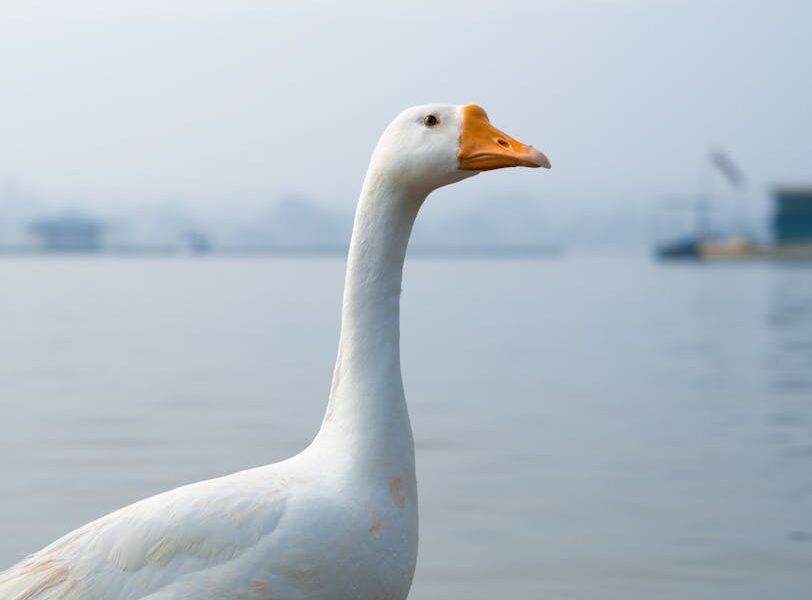
The crown jewel of Teochew cuisine. Whole geese are slowly poached in a bubbling cauldron of master stock built from soy, rock sugar, star anise, cinnamon, sand ginger, and tangerine peel. The best shops keep their stock alive for decades, replenishing it with fresh aromatics daily. The result is meat that is tender but not mushy, perfumed but not overwhelmed. The goose is sliced cold or just-warm, served with garlic-white-vinegar dipping sauce and a small mound of braised tofu.
2. Chaoshan Beef Hot Pot (niu rou huo guo)
Born in Shantou, this is now a cult dish across China. A clear beef-bone broth simmers in the center of the table while paper-thin slices of grass-fed beef, separated by cut and fattiness (chest, shoulder, neck, brisket apron, leg meat) are dipped in for as little as eight seconds. Each cut has its ideal blanching time. The dipping sauce is a simple paste of sand ginger and soy. Compared to Sichuan hot pot, Chaoshan beef hot pot is all about the meat itself.
3. Oyster Omelette (o luak)
Travel to any Teochew night market and you will smell oyster omelettes long before you see them. Plump small oysters are folded into a slurry of egg, sweet potato starch, fish sauce, and chopped garlic chives, then fried hard in pork lard until lacy and crisp at the edges. Eaten with a tart chili-vinegar dip, it is the perfect example of Teochew street food. Variations spread to Taipei, Bangkok, and Singapore, each with subtle tweaks.
4. Steamed Pomfret with Salted Plum (suan mei zheng chang yu)
The Teochew approach to steamed fish is a master class in restraint. A whole pomfret or grouper is laid in a deep dish over slivers of pickled plum, sour mustard greens, ripe tomato, soft tofu, and pork belly. Twelve minutes of steaming releases briny, sweet, and tangy juices that pool around the fish. No soy sauce is poured on top; the broth itself is the sauce, eaten last over rice.
5. Beef Ball Noodle Soup (niu rou wan tang fen)
Hand-pounded beef balls are the marker of Teochew skill. Beef shoulder is whacked with twin metal bats for forty minutes until it becomes a glossy paste; the paste is then squeezed into tiny balls that bounce when you drop them. Served in clear bone broth with rice vermicelli, scallion, and a spoonful of fried garlic oil, this dish travels the entire diaspora. In Bangkok it is called kuay teow nuea; in Singapore, Teochew beef ball mee.
6. Cold Crab (dong xie)
Live mud crabs or female blue crabs heavy with roe are steamed, immediately chilled in ice baths, then split and presented at room temperature. The cold flesh becomes firm and naturally sweet, a flavor often compared to lobster. Diners dip pieces into a sweet ginger-rice-vinegar mix. Cold crab is the marquee opener of any high-end Teochew banquet, and a Hong Kong staple.
7. Teochew Fish Porridge (yu shen)
Teochew congee is unique. Instead of cooking the rice into a thick porridge, Teochew cooks barely break the grains, leaving a brothy, silky soup with rice still distinguishable. Slices of raw mackerel or pomfret are placed in a bowl, then ladled with the boiling rice broth and topped with ginger, scallion, and crispy fried lard pieces. It is a comforting dish eaten morning, noon, or 3 a.m. supper.
8. Braised Pork Trotters (lu zhu jiao)
Cousin to the master-braised goose, lu zhu jiao uses the same dark master stock to render gelatinous, dark-mahogany pork trotters that fall apart at the touch. Often served on white rice with a sliver of braised egg and a hard-boiled tofu cube, this is everyday Teochew comfort food. In Bangkok’s Yaowarat, kuay jab and braised pork over rice are direct descendants.
9. Yam Mash with Pumpkin and Ginkgo (fan shu ni)
The classic Teochew dessert, called orh ni in dialect, is mashed taro whipped with pork lard or shallot oil until satin-smooth, then topped with steamed pumpkin and candied ginkgo nuts. Ladled onto small saucers as a banquet finisher, it is rich, faintly nutty, and shockingly elegant. Modern shops use less lard and add coconut milk; both versions have devoted fans.
10. Chaozhou Kueh (snacks and pastries)
Kueh is the Teochew word for a sprawling family of steamed and pan-fried rice flour snacks. The most beloved are pink peach-shaped tortoise kueh stuffed with savory glutinous rice, soon kueh filled with bamboo shoots and dried shrimp, and chai tow kueh (Singapore’s ”carrot cake”) made from radish and rice flour. Each kueh has its own ritual: gifted at festivals, eaten at breakfast, or sliced into noodle stalls late at night.
Bonus: Sa Cha Sauce (sha cha jiang)
Sa cha is the umami-rich Teochew condiment made from dried fish, shrimp, garlic, shallots, brill flake, and soybean oil. It is the dipping sauce of Chaoshan beef hot pot, a stir-fry base for water spinach and kailan, and a marinade for sa cha beef noodles. Once you have a jar in the fridge, you will find ways to use it on everything from grilled chicken to scrambled eggs.
Core Teochew Cooking Techniques
Teochew cuisine relies on a small but precise set of techniques. Once you understand these methods, most of the canon becomes accessible at home.
Lu Shui Master Braising
The Teochew master stock, called lu shui or lou sui, is a perpetually replenished aromatic broth used to slow-poach goose, duck, pork trotters, eggs, beancurd, and offal. The base mixes light and dark soy, rock sugar, star anise, cinnamon, sand ginger, tangerine peel, garlic, ginger, and Shaoxing wine. After each use, it is strained, refrigerated, and refreshed. Some Teochew shops in Hong Kong claim to use the same mother stock from the 1950s. The technique is gentle: keep the liquid below a simmer, around 185 to 195 degrees Fahrenheit, so the proteins braise rather than boil.
Quick Steaming with Aromatics
Steaming defines Teochew seafood cookery. The fish is laid in a wide, shallow dish over pickled plum, mustard greens, tomato, and tofu, then steamed at high pressure for 8 to 14 minutes depending on size. The juices are the dish; nothing is poured over after. A tabletop bamboo steamer works well at home, but most Teochew kitchens use a metal steaming pan with a flat lid.
Slow Frying in Pork Lard
Pork lard, called zhu you in Teochew kitchens, is the secret behind the lacy crisp of an oyster omelette and the silky finish of yam mash. Render your own from cubed back fat at low heat for 90 minutes, then strain. The cracklings, called you zha, get scattered over noodles and porridge. Lard is dietary fat in Teochew cuisine the way sesame oil is in northern Chinese cooking.
Hand Pounding for Bouncy Texture
The signature springiness, called Q in Teochew dialect, comes from physical force. Beef, fish, or pork is beaten on a wooden block with twin metal bats until the protein strands realign. Salt and ice water are added during pounding to create a glossy paste. Modern home cooks use food processors with crushed ice; the result is close, though traditionalists swear the bouncing is never quite the same.
Quick Blanching and Cold Service
Many Teochew dishes are served cold. White-cooked chicken is plunged into ice water immediately after poaching to set a gelatinous skin. Crab is steamed and chilled. Even leafy vegetables are blanched, shocked, and tossed with shallot oil to be eaten at room temperature. The cold service preserves natural sweetness, especially in seafood. It also requires a high standard of sanitation and freshness.
Gongfu Tea Brewing
Gongfu cha is not technically a cooking technique, but it is essential to the Teochew table. Phoenix Dancong oolong leaves are placed in a small Yixing clay pot. Boiling water is poured in, and the first steeping is rinsed away. Subsequent steepings of 10 to 20 seconds yield a series of tiny cups, each tasting subtly different from the last. Tea acts as a palate cleanser between rich braises and oily stir-fries, which is why Teochew banquets always end at the tea table.
How Teochew Compares to Other Chinese Regional Cuisines
Even seasoned eaters confuse Teochew with Cantonese or Hokkien. Here is a side-by-side that places Teochew in context.
| Cuisine | Region | Heat Level | Signature Flavors | Iconic Dish |
|---|---|---|---|---|
| Teochew | Eastern Guangdong (Chaoshan) | Very mild | Pickled plum, light soy, sand ginger, fish sauce | Master-braised goose |
| Cantonese | Pearl River Delta, Hong Kong | Mild | Oyster sauce, hoisin, fermented black bean, ginger | Roast goose, dim sum |
| Hokkien (Min Nan) | Southern Fujian | Mild | Red yeast rice, pork lard, sweet soy, peanut | Lu rou fan, oyster mee sua |
| Hakka | Inland Guangdong, Fujian, Jiangxi | Mild to medium | Salt, preserved mustard, pork fat, dried seafood | Salt-baked chicken, yong tau foo |
| Sichuan | Sichuan and Chongqing | Hot and numbing | Sichuan peppercorn, doubanjiang, chili oil | Mapo tofu, dan dan noodles |
| Hunan | Hunan | Very hot | Fresh chili, smoked pork, fermented black bean | Smoked pork with chili |
| Shanghainese | Yangtze Delta | Mild and sweet | Sugar, dark soy, Shaoxing wine, lard | Red-braised pork, xiao long bao |
What sets Teochew apart is the alliance between gentle savory cooking and a culture of strong tea. Most Chinese regional cuisines pair fattier, sweeter, or spicier food with rice or grain alcohol; Teochew pairs delicate cooking with concentrated, bracing oolong. The tea is the foil that lets the food stay subtle.
The Teochew Pantry on a Budget
You do not need to make a special trip to Chaoshan or even Hong Kong to start cooking Teochew. Most ingredients are available at any Chinese grocery store and online. Here is a tiered approach.
Starter Tier (Under $30)
- Premium light soy sauce (look for first draw or ”tou chou”)
- Rock sugar
- Five-spice powder
- Star anise and cinnamon sticks
- One jar of pickled mustard greens (Chaozhou cai or kiam chye)
- One small bag of sweet potato starch
Intermediate Tier (Under $80)
- Sand ginger powder
- Salted radish (cai pu)
- Pickled plum (suan mei)
- Sa cha sauce
- Fish sauce
- Aged tangerine peel
- Pork back fat for rendering lard
Banquet Tier
- Phoenix Dancong oolong tea (Mi Lan Xiang or Ya Shi Xiang)
- A small Yixing teapot and four taster cups
- Dried fish maw or scallop conpoy
- Aged mei kuei lu (rose wine) for poultry marinades
- Live or sashimi-grade fish for steaming and porridge
If you live in a U.S. city with a major Chinatown such as San Francisco, New York, Houston, or Los Angeles, you can find these items in person. Online retailers also stock the full Teochew pantry; just check that mustard greens are labeled ”Chaozhou” or ”swatow” rather than the saltier Sichuan style.
Building a Teochew Meal at Home
A traditional Teochew dinner is structured around dishes shared family style with rice or porridge in the middle. The meal almost always opens and closes with tea. A simple home menu can pull together in two hours and impress any guest.
Weeknight Menu (45 minutes)
- Teochew steamed fish with pickled plum
- Stir-fried water spinach with sa cha sauce
- Quick Teochew fish porridge with the leftover fish trimmings
- Phoenix Dancong oolong
Weekend Banquet (3 hours)
- Cold appetizer: poached prawns with garlic-vinegar dip
- Cold appetizer: marinated tofu skin with celery
- Soup: fish ball and napa cabbage in clear broth
- Main: master-braised duck with five-spice broth
- Main: oyster omelette with chili-vinegar
- Main: steamed crab with sweet ginger vinegar
- Vegetable: stir-fried Chinese kale with garlic
- Carb: silky white rice or Teochew porridge
- Dessert: yam mash with pumpkin and ginkgo
- Tea: gongfu service of Mi Lan Xiang oolong
Beverage Pairings
Teochew food is gentle, so beverages should not overwhelm it. Within Chinese tradition, gongfu oolong is the obvious answer. For wine drinkers, dry German Riesling, Loire Chenin Blanc, and bone-dry sake all complement steamed seafood and master-braised meats. Avoid heavy reds with raw shellfish or chilled crab; the iron in the wine can clash with the sea minerality. Light lagers and pilsners work well with oyster omelette and beef hot pot.
Teochew Around the World
Teochew migrants spread their cuisine across Southeast Asia and the world. In Bangkok, the Sino-Thai population (a large share of which is of Teochew descent) shaped the everyday Thai-Chinese kitchen with dishes like khao tom (Teochew rice porridge) and pa-thong-ko (fried dough). In Singapore and Malaysia, soon kueh, kuay teow soup, and braised duck rice are everyday staples. In Vietnam, Cholon’s Teochew community contributed to hu tieu and many street snack traditions. In Hong Kong’s Sheung Wan and Kowloon City, classic Teochew banquet restaurants are protected as cultural heritage.
In the U.S., Teochew food is most visible in Houston, Los Angeles, the San Francisco Bay Area, and increasingly New York City. Houston’s Chinatown is home to several Vietnamese-Chinese (Teochew origin) noodle shops and braising houses. In Los Angeles’ San Gabriel Valley, you can find Phoenix Dancong tea bars, Chaoshan beef hot pot, and even Teochew-style fish ball noodle soup served late at night. New York’s Brooklyn Chinatown carries braised goose head and chilled crab during festivals.
Common Mistakes When Cooking Teochew at Home
Western home cooks new to Teochew cooking often make the same handful of errors. Avoiding them will dramatically improve your results.
- Over-seasoning. Teochew flavor is layered, not loud. If you find yourself adding two tablespoons of soy sauce to a stir-fry, stop. Half a tablespoon plus a pinch of fish sauce is usually enough.
- Using American chili sauce as the dipping sauce. The vinegar dip for oyster omelette is rice vinegar with chopped fresh chili, not sriracha. Sriracha is sweet and garlicky; it overwhelms the omelette.
- Boiling instead of poaching. Teochew master stock and white-poached chicken depend on water that barely shudders. Boiling toughens proteins and clouds stocks.
- Skipping the lard. Vegetable oil works for frying but produces a flat finish. Pork lard contributes both aroma and the famous lacy crispness in oyster omelette and yam mash.
- Using flat-tasting salt-pickled vegetables. Cheap mustard greens are all salt and no fermentation. Look for Chaozhou cai with a slightly sour, nutty smell rather than just briny saltiness.
- Forgetting the tea. Without tea, the meal feels heavy. Even a simple oolong from the supermarket helps.
Health and Nutrition Notes
Teochew cuisine has long been considered one of the healthiest Chinese regional kitchens. The reasons are structural: emphasis on poaching and steaming, generous use of vegetables, restraint with sugar and oil, and a daily ritual of unsweetened dark tea after meals. Studies of Chaoshan elderly populations have found relatively low rates of obesity and high rates of life expectancy, though attribution is complicated by genetic and lifestyle factors.
That said, Teochew cooking is not without concerns. Pork lard, salt-cured fish, and sa cha sauce are calorie-dense and high in sodium. Diaspora Teochew restaurants often add more sugar than home cooks would. To enjoy Teochew food without overdoing it: balance braised meats with at least two vegetable dishes, drink plenty of unsweetened tea, and reserve dishes like yam mash for special occasions rather than weeknights.
Frequently Asked Questions
Is Teochew food the same as Cantonese food?
No. Although both come from Guangdong province, Teochew speakers belong to a different language group (Min Nan), and the cuisine has different staples and flavor philosophy. Cantonese cooking uses oyster sauce, hoisin, and fermented black bean prominently. Teochew leans on pickled plum, sand ginger, and fish sauce. Cantonese roast goose is glossy and herbaceous; Teochew braised goose is dark, soy-sweet, and slow-poached rather than roasted.
Is Teochew food spicy?
Generally not. Spice is offered on the side, usually as chopped fresh chili in vinegar, sa cha sauce, or chili soy. The food itself is mild, with the focus on freshness and aromatic depth rather than heat.
What is the difference between Teochew and Hokkien food?
Hokkien comes from southern Fujian; Teochew comes from eastern Guangdong, just south of Fujian. They are linguistically related (both Min Nan languages) and share a love of seafood, lard, and noodles. Hokkien cuisine leans more on red yeast rice, sweet soy braises, and peanut. Teochew leans on pickled vegetables, pickled plum, and master-braised soy. In Singapore and Malaysia, the two traditions overlap and influence each other extensively.
Can I make Teochew master stock at home?
Yes. Combine 8 cups water, 1 cup light soy sauce, half a cup of dark soy sauce, 4 ounces rock sugar, 4 star anise, 2 cinnamon sticks, 2 inches of sand ginger or ginger, 4 garlic cloves, 1 piece dried tangerine peel, and a quarter cup of Shaoxing wine. Simmer 30 minutes, then poach a duck or pork shoulder in the stock for 90 minutes. Strain, cool, and refrigerate; reuse for at least three more rounds, refreshing with fresh aromatics each time.
Where can I find Phoenix Dancong tea?
Specialty Chinese tea retailers in major cities and online tea importers carry Mi Lan Xiang (honey orchid), Ya Shi Xiang (duck poop, the fragrance is more elegant than the name), and Xing Ren Xiang (almond) varieties. Stick with reputable importers who can name the harvest year and the village.
What is Teochew porridge and how is it different from regular congee?
Teochew porridge keeps the rice grains intact in a clear, brothy water rather than cooking them down to a thick paste. The rice cooks for only 15 to 20 minutes after the water boils. The result is closer to rice in soup than to porridge. It is served in mug-like bowls and accompanied by many small side dishes such as braised egg, salted radish, soy chicken, and pickled mustard greens. Cantonese congee, by contrast, simmers for hours until the rice dissolves entirely.
Can vegetarians enjoy Teochew cuisine?
Yes, though it requires planning since fish, lard, and dried seafood show up in many sauces. Vegetable kueh, bean sprout stir-fries, braised tofu, mushroom stir-fries, soy-braised eggs (egg-friendly only), and sweet potato leaves with garlic are all traditionally vegetable-based. Buddhist temples in Chaoshan have a parallel vegetarian Teochew tradition with mock goose and master-braised wheat gluten.
What is the easiest Teochew dish for a beginner to try?
Steamed fish with pickled plum is the easiest entry point. You need only a whole fish, two slices of pickled plum, a sprinkle of pickled mustard greens, a tomato, a few pieces of soft tofu, and 12 minutes of steam. The dish needs no soy sauce drizzle, no garnish, and showcases everything Teochew cooking aspires to: balance, restraint, and natural flavor.
How is sa cha sauce different from satay sauce?
Sa cha sauce, despite its name sharing roots with the word satay, has nothing in common with the Southeast Asian peanut sauce served with grilled chicken satay. Teochew sa cha is a savory paste of dried fish, dried shrimp, garlic, shallots, brill flake, soybean oil, chili, and Chinese aromatics. It is umami-rich, salty, and slightly sweet, used as a stir-fry base, dipping sauce, or noodle topping.
Are Teochew dumplings the same as jiaozi?
Not exactly. Teochew fen guo and chai kueh are pleated translucent dumplings made from rice or wheat starch wrappers, filled with garlic chives, jicama, dried shrimp, and ground pork. They are steamed rather than boiled or pan-fried, and the wrapper is much thinner and chewier than a northern jiaozi wrapper. They share a culinary DNA with Cantonese har gow but are larger and more savory.
Where to Eat Teochew Food in 2026
If you want to deepen your appreciation by tasting the cuisine in its original or diaspora settings, here are some 2026 hubs worth seeking out.
- Shantou and Chaozhou City, China: The mothership. Beef hot pot in Shantou’s Old Town, fen guo dumplings at the morning kueh stalls, and Phoenix Dancong tea in mountain villages a 90-minute drive northeast.
- Hong Kong: Multi-generation Teochew banquet restaurants in Sheung Wan and Kowloon City. Many have menus specializing in cold crab, master-braised goose, and yam mash.
- Bangkok, Thailand: The Yaowarat district is full of Sino-Thai descendants of Teochew immigrants. Look for braised duck rice, kuay jab, and tao huay (sweet soy pudding) carts.
- Singapore: Hong Lim Food Centre, Tiong Bahru Market, and Old Airport Road Hawker Centre all have superb Teochew porridge and fish ball noodles.
- Penang and Kuala Lumpur, Malaysia: Famous for Teochew-style braised duck, Penang chai tow kueh, and sa cha bee hoon.
- Houston, Los Angeles, and New York City, U.S.: Look for Chaoshan-style beef hot pot, Vietnamese-Chinese braising houses, and specialty oolong tea bars in Chinatowns.
Final Thoughts: Why Teochew Cuisine Belongs on Your Table
Teochew food represents a side of Chinese cuisine that has been hiding in plain sight for decades. While Sichuan and Cantonese dominate Western imaginations of ”Chinese food,” Teochew cooking quietly underwrites half of Bangkok and Singapore’s daily eating. Its philosophy of restraint, freshness, and aromatic precision feels uncannily aligned with the way American food media has been moving since 2020: less heavy sauces, more attention to the ingredient, and a renewed appreciation for tea.
The good news is that Teochew cooking does not require restaurant equipment or rare imports. A bamboo steamer, a wok, a few jars of pickled vegetables, and a willingness to slow down are enough. Steam a whole fish on a Tuesday night. Render a small batch of pork lard on a weekend morning. Make a pot of master stock on a rainy Sunday and reuse it for a month. With each recipe, you inch closer to the heart of one of the world’s most refined regional kitchens.
And when you finally sit down with friends to a table of cold crab, master-braised goose, oyster omelette, and silky fish porridge, finished by a tiny cup of Mi Lan Xiang oolong, you will understand why Teochew people often say their cuisine is meant to be drunk as much as eaten. It is food meant to be remembered.

Mei Lin Chen
Mei Lin Chen is an Asian food writer and recipe developer. Melbourne-raised and London-based, she has spent over a decade exploring the rice paddies, hawker stalls, and home kitchens of South-East and East Asia. Her recipes balance traditional technique with everyday practicality.