Last updated: March 30, 2026
Yakitori Don is the rice-bowl reincarnation of Japan’s beloved grilled chicken skewers. Imagine the smoky, caramelized magic of izakaya yakitori—juicy chicken thighs glazed in a glossy soy-mirin tare—piled over a steaming mound of short-grain rice that drinks up every drop of sauce. It is fast food in the truest Japanese sense: simple, deeply flavored, and engineered to deliver maximum satisfaction with minimal fuss. While traditional yakitori is a slow ritual of one bite per skewer, Yakitori Don (焼き鳥丼) compresses that pleasure into a single bowl you can eat with a spoon and chopsticks at the kitchen counter.
This recipe takes the elements that make yakitori shop chicken so addictive—proper tare, well-rendered chicken thigh, charred negi (Japanese green onion), and that lacquered final glaze—and translates them to a stovetop pan or grill pan in your home kitchen. No charcoal grill, no special skewers, no izakaya pricing. Twenty-five minutes, one pan, and the kind of dinner that tastes like you flew it in from a Tokyo back-alley counter. Below you’ll find a fully tested recipe with weight measurements, the science behind the tare reduction, troubleshooting for soggy chicken and runny sauce, three regional variations (Tokyo, Osaka, Hokkaido), nutritional breakdown, storage and meal-prep guidance, and a long FAQ that answers the questions readers actually ask.
What Is Yakitori Don?
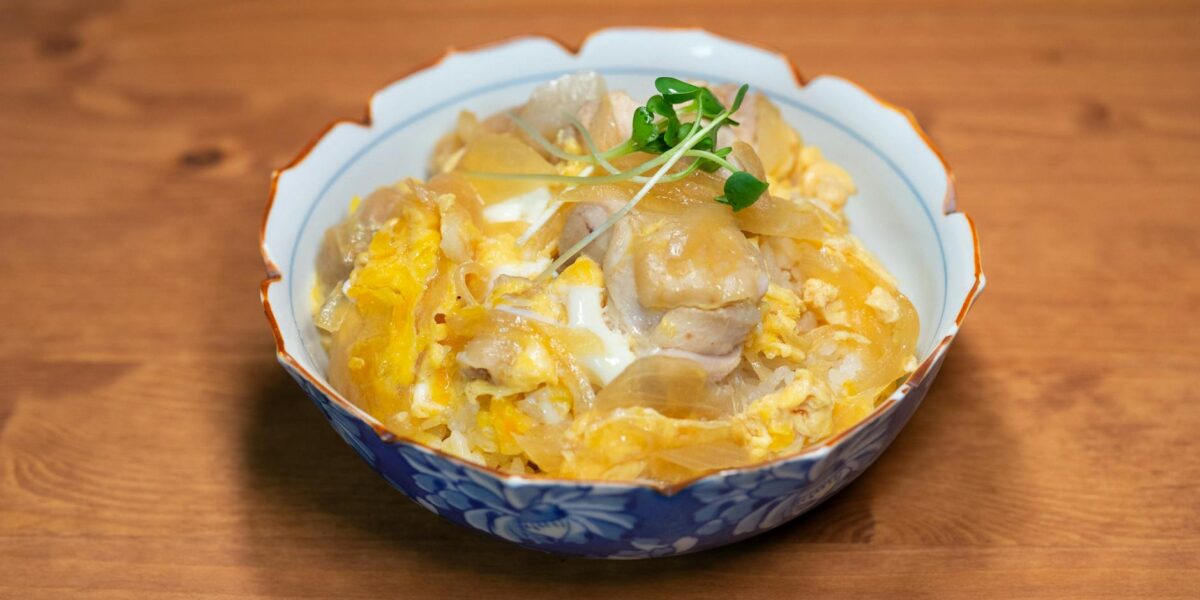
Yakitori Don belongs to Japan’s vast donburi (丼) family—single-bowl meals built on a foundation of hot rice topped with a protein and sauce. The word breaks down cleanly: yaki (焼き) means grilled, tori (鳥) means chicken or bird, and don (丼) is short for donburi, the deep ceramic bowl that gives the category its name. While oyakodon pairs chicken with egg and gyudon features simmered beef, Yakitori Don is defined by direct-heat grilling and a tare glaze that is brushed and re-brushed onto the meat until it forms a glossy, slightly sticky lacquer.
The dish sits at the intersection of two Japanese culinary traditions. From the yakitori-ya (焼き鳥屋) it inherits the obsession with chicken thigh fat rendering, the alternating chicken-and-leek sequence known as negima, and the use of a tare that has been topped up over countless basting cycles. From the donburi tradition it borrows the ratio of rice to topping (roughly 1.5:1 by weight), the splash of sauce that pools at the bottom of the bowl, and the garnish economy: a sprinkle of shichimi togarashi, a pinch of toasted sesame, and that’s it. For a deeper look at the original skewer technique, our Yakitori Recipe (Japanese Grilled Chicken Skewers) walks through the yakitori-ya method.
Why This Yakitori Don Recipe Works
Most home Yakitori Don recipes fail in one of three predictable ways. They use chicken breast, which dries out before the tare can caramelize. They simmer the chicken in the sauce, which gives you a stewed texture instead of a grilled one. Or they add cornstarch slurry to the tare, which produces a gluey coating instead of the syrupy reduction you find in Tokyo yakitori shops. This recipe corrects all three.
- Skin-on, bone-out chicken thighs. The skin renders into the pan and self-bastes the meat. The bone is removed for even contact with the pan and easy bowl-portioning.
- Two-stage cooking. Skin-side first for fat rendering and Maillard browning, then flesh side, then a final glaze pass at lower heat. This separates browning from saucing, the way a yakitori cook would separate grilling from tare-dipping.
- Reduced tare, no thickener. Soy, mirin, sake, and sugar simmer for 6 to 8 minutes until they reach a syrupy nappe consistency. The mirin’s natural sugars do the thickening; cornstarch is unnecessary and dulls the flavor.
- Negi included, not omitted. Most home recipes drop the leek section. We keep it. The charred allium is half the dish.
- Rice that can take a beating. Japanese short-grain or medium-grain rice, cooked slightly firm so the bowl-bottom grains don’t turn to porridge once the tare hits.
Ingredients for Yakitori Don (Serves 4)
The ingredient list is short, but each item earns its place. Use the best soy sauce you can find—the entire dish is essentially a soy reduction, so a flat or oversalted brand will be obvious. For a primer on choosing the right bottle, see The Ultimate Guide to Soy Sauce.
For the Chicken
- 1.5 lb (680 g) boneless, skin-on chicken thighs (about 6 thighs)
- 2 large Japanese leeks (negi) or 8 thick scallions, white and light-green parts only, cut into 1.5-inch (4 cm) lengths
- 1 tablespoon neutral oil (rice bran, grapeseed, or canola)
- Pinch of fine sea salt
- Freshly ground black pepper
For the Tare (Yakitori Sauce)
- 1/2 cup (120 ml) Japanese soy sauce (koikuchi shoyu)
- 1/2 cup (120 ml) mirin (hon-mirin if available)
- 1/4 cup (60 ml) sake (cooking sake or drinking sake, not fortified)
- 3 tablespoons (40 g) granulated sugar
- 1 tablespoon brown sugar (for body and color)
- 1 inch fresh ginger, smashed
- 1 garlic clove, smashed (optional, traditional purists omit)
For the Bowls
- 4 cups (about 700 g) freshly cooked Japanese short-grain rice, kept hot
- 2 scallions (green tops only), thinly sliced on the bias
- 1 tablespoon toasted white sesame seeds
- Shichimi togarashi or sansho pepper, to taste
- Optional: 4 soft-cooked eggs (6.5-minute jammy yolks)
- Optional: nori strips or shredded cabbage
Equipment You’ll Need
Yakitori Don was designed for the home stove, so the gear list is short. A heavy skillet does the job a binchotan grill would do at a yakitori shop—if you want to go deeper on the charcoal route, our guide to cooking with binchotan covers the real-deal method.
- 12-inch cast-iron or carbon-steel skillet. You want a pan that holds heat and can take a long sear without losing temperature. Nonstick will not produce the same crust.
- Small saucepan. For reducing the tare while the chicken cooks.
- Tongs and a basting brush. Silicone or natural-bristle. Avoid spoon-basting; a brush gives even coverage.
- Rice cooker or heavy-bottomed pot with a tight lid.
- Sharp knife. A petty knife or santoku for trimming chicken and slicing scallions.
- Four 16-ounce donburi bowls or any wide, deep bowls.
Step-by-Step Instructions
Step 1: Cook the Rice First
Rice takes the longest, so start it before anything else. Rinse 2 cups (about 360 g) of Japanese short-grain rice in cold water until the water runs nearly clear—usually 4 to 5 changes. Drain in a fine-mesh sieve for 10 minutes. Add to a rice cooker with 2 cups plus 2 tablespoons of cold water (or follow your cooker’s calibration). If using a stovetop pot, bring to a boil uncovered, drop to the lowest heat, cover tightly, and cook 12 minutes. Rest off heat, lid on, for another 10 minutes. For more on rice technique, see our guide to the best rice for Asian cooking.
Step 2: Make the Tare
While the rice cooks, build the tare. In a small saucepan, combine soy sauce, mirin, sake, granulated sugar, brown sugar, smashed ginger, and garlic if using. Bring to a gentle boil over medium heat, then reduce to a low simmer. Cook for 6 to 8 minutes, swirling the pan occasionally, until the liquid has reduced by about a third and coats the back of a spoon. You’re looking for a syrupy nappe consistency—when you draw a finger across the spoon, the line should hold for a beat. Strain out the aromatics. You should have just under 3/4 cup of finished tare. Set aside; it will continue to thicken slightly as it cools.
Step 3: Prepare the Chicken
Pat the chicken thighs dry on both sides with paper towels—this is non-negotiable. Wet chicken steams instead of browning, and you’ll never get the lacquered crust this dish lives on. Trim any large flaps of fat or membrane, but leave the skin intact and stretched over the meat. If a thigh is dramatically thicker on one end, butterfly the thick portion so the piece lies flat. Season very lightly with fine sea salt and a few grinds of black pepper. The tare carries most of the seasoning, so resist the urge to over-salt.
Step 4: Render the Skin
Heat the cast-iron skillet over medium-high heat until a drop of water dances and evaporates instantly—about 3 minutes. Add 1 tablespoon of neutral oil and tilt to coat. Lay the chicken thighs in the pan skin-side down, pressing each one flat with a spatula for the first 30 seconds to maximize skin-to-pan contact. Reduce heat to medium. Cook undisturbed for 7 to 9 minutes. The skin should release easily once it’s browned; if it sticks, it’s not ready. You’re looking for a deep mahogany color and audible sizzle that gradually quiets as the fat renders out.
Step 5: Flip and Add the Negi
Flip the chicken to the flesh side. Tuck the negi pieces between the thighs so they sit directly on the pan in the rendered chicken fat. Cook 3 to 4 minutes, turning the leek pieces once when the cut sides char to a deep brown. The chicken should reach an internal temperature of 165°F (74°C) at the thickest point. Pour off excess fat, leaving about 1 teaspoon in the pan.
Step 6: Glaze in Three Passes
This is the move that separates Yakitori Don from a sad chicken-and-rice bowl. Reduce the heat to medium-low. Pour about half the tare into the pan, swirling so it pools around the chicken. As soon as it bubbles and starts to thicken (about 30 seconds), use tongs to turn each thigh in the sauce. Brush more tare over the tops. Let the sauce reduce to a sticky glaze, about 1 minute. Flip the chicken back to skin-side up, brush a final coat of tare over the skin, and turn off the heat. The glaze should be glossy and just-tacky, not soupy. Transfer chicken and negi to a cutting board and rest 2 minutes.
Step 7: Slice and Build the Bowls
Slice each chicken thigh against the grain into 1/2-inch (1.25 cm) strips, keeping the slices together as you cut. The grain on a chicken thigh runs in different directions, so adjust as you go. Divide the hot rice among 4 donburi bowls. Drizzle 1 to 2 teaspoons of pan sauce directly onto each rice mound—this is the bottom-of-bowl umami pool that everyone fights over. Arrange the chicken slices on top in a single fanned layer, tuck the charred negi alongside, and brush a final stripe of tare across the chicken. Top with sliced scallion greens, a generous pinch of toasted sesame seeds, a soft-boiled egg if using, and a dusting of shichimi togarashi. Serve immediately.
Yakitori Don Cooking Time and Temperature Reference
| Stage | Pan Temperature | Time | What to Watch For |
|---|---|---|---|
| Rice cook | Low (covered) | 12 min + 10 min rest | Steam-vent silence, then full rest |
| Tare reduction | Low simmer | 6 to 8 min | Spoon-coating nappe consistency |
| Skin render | Medium (medium-high to start) | 7 to 9 min | Deep mahogany skin, fat pooled |
| Flesh side + negi | Medium | 3 to 4 min | Internal temp 165°F (74°C) |
| Glaze pass | Medium-low | 1 to 2 min | Glossy, sticky lacquer |
| Rest | Off heat | 2 min | Juices redistribute |
The Science of Tare: Why Reduction Beats Thickener
Tare (タレ) is the umbrella Japanese term for a thickened savory glaze, and yakitori tare is its most famous incarnation. The composition is simple: soy sauce for salt and umami, mirin for sweetness and gloss, sake for depth and alcohol-driven aroma, and sugar for caramelization and viscosity. What makes tare special is what happens during the reduction. As the liquid simmers, three things occur in parallel.
First, water evaporates and the sugar concentration rises. Second, a Maillard-like reaction takes place between the amino acids in the soy sauce and the sugars in the mirin, generating melanoidin compounds that deepen color and produce roasted, almost coffee-adjacent notes. Third, the sake’s ethanol carries off volatile harshness while concentrating its own kojic and lactic flavors. By the time the sauce hits nappe consistency, you have a polysaccharide-rich, color-saturated, naturally viscous syrup that clings to chicken skin without any external thickener. Cornstarch slurry would short-circuit all of that—it adds viscosity but blocks the glossy lacquer, giving you a gluey coat that tastes one-dimensional. If you want to bottle leftover tare for next time, strain it, cool completely, and refrigerate up to 2 weeks. Many yakitori-ya keep a ”mother tare” that gets topped up with each batch and never fully replaced; the home version doesn’t need that ritual but it does benefit from a few uses-worth of chicken juice mingling in.
Common Mistakes and How to Fix Them
- Soggy chicken skin. The pan was not hot enough at the start, or the chicken went in wet. Fix: dry-pat thoroughly, preheat the pan an extra minute, and don’t move the chicken for the first 5 minutes.
- Tare too salty. You over-reduced or used a saltier soy sauce than the recipe assumes. Fix: dilute with 1 tablespoon of water and a pinch of sugar, re-warm.
- Tare too thin. You under-reduced or your simmer was too gentle. Fix: return to a steady simmer until it coats a spoon. It thickens further as it cools.
- Burnt sugar coating. The pan was too hot when you added the tare. Fix: drop heat to medium-low before glazing; sugar caramelizes fast and goes acrid in seconds.
- Bland rice. Rice was undercooked or not seasoned by the bowl-pool of sauce. Fix: cook rice to package time exactly, and don’t skip the splash of tare under the chicken.
- Chicken sliced cold and dry. You rested too long or in a cold spot. Fix: rest 2 minutes only, on a warm cutting board if possible.
Three Regional Variations
Tokyo-Style (Standard)
This is the recipe above. Soy-forward tare, charcoal-style chicken char, generous shichimi at the table. Tokyo Yakitori Don is the benchmark and what most US chains imitate.
Osaka-Style (Sweeter, Glossier)
Increase mirin to 3/4 cup and reduce soy to 1/3 cup. Add 1 tablespoon of hoisin at the end of reduction for body. The result is closer to teriyaki—glossier, sweeter, more child-friendly. Pair with shredded cabbage and Kewpie mayo on the side.
Hokkaido-Style (Buttery, Richer)
Hokkaido does Yakitori Don with a small pat of butter melted into the rice and a stronger black-pepper finish. Replace 1 teaspoon of the neutral oil with butter at the glazing stage. Top with corn kernels and a dusting of black pepper instead of shichimi. It is a regional twist that nods to the island’s dairy industry and Russian-influenced butter culture.
Make-Ahead, Storage, and Reheating
Yakitori Don is best eaten 60 seconds after assembly, but the components store well separately. Treat the bowl like a kit, not a casserole.
- Tare: Strain, cool, and store in a sterilized glass jar in the refrigerator up to 2 weeks. Freeze in ice-cube trays for up to 3 months. Use directly from frozen by dropping a cube into a hot pan.
- Cooked chicken: Refrigerate sliced chicken in an airtight container with a couple of tablespoons of tare for up to 3 days. The tare keeps the meat from drying out.
- Rice: Best eaten fresh. If storing, refrigerate up to 2 days, then revive by sprinkling 1 teaspoon of water per cup and microwaving covered for 60 seconds.
- Reheating chicken: A 30-second blast in a 350°F (175°C) oven or 1 minute in a dry skillet over medium re-crisps the skin. Do not microwave; you’ll get rubbery skin and rendered fat puddling.
- Meal-prep build: Pack rice in the bottom of a glass container, chicken in the middle, scallions and seeds in a separate sachet. Reheat without the toppings, then garnish at serving.
Nutritional Information (Per Serving)
The following values are estimated for one of four servings, assembled as written above (no egg, no extra toppings). Values vary based on chicken trim, soy sauce sodium, and rice portion.
| Nutrient | Per Serving | % Daily Value* |
|---|---|---|
| Calories | 645 kcal | 32% |
| Total fat | 22 g | 28% |
| Saturated fat | 5.5 g | 28% |
| Cholesterol | 165 mg | 55% |
| Sodium | 1,540 mg | 67% |
| Total carbohydrates | 72 g | 26% |
| Dietary fiber | 1.5 g | 5% |
| Total sugars | 14 g | — |
| Added sugars | 10 g | 20% |
| Protein | 38 g | 76% |
| Iron | 2.8 mg | 16% |
| Potassium | 520 mg | 11% |
*Percent Daily Values are based on a 2,000-calorie diet. To lower sodium, swap regular soy sauce for low-sodium and reduce the tare for slightly longer to compensate for the diluted salt. Adding a soft-boiled egg adds roughly 70 kcal and 6 g of protein per bowl.
What to Serve with Yakitori Don
Yakitori Don is rich and saucy on its own, so the smartest sides are the ones that cut, refresh, or contrast. Avoid anything else heavily glazed or fried—it will compete with the tare instead of complementing it.
- Miso soup. The salt-meets-salt pairing works because miso adds a fermented depth that amplifies the tare. Our miso soup recipe uses dashi from scratch.
- Quick-pickled cucumber (sunomono). Thinly sliced Japanese cucumber tossed with rice vinegar, sugar, and salt; a 15-minute cure is enough.
- Wakame salad. Hydrated wakame, sesame oil, soy, vinegar, and sesame seeds.
- Steamed edamame. Five minutes of effort, big nutritional return.
- Cold soba on the side. If you want to stretch one batch of chicken across more diners.
- Iced barley tea (mugicha) or a dry sake. Both reset the palate without clashing with the soy.
Yakitori Don vs. Other Japanese Rice Bowls
The donburi family is huge, and Yakitori Don is often confused with its closest cousin, oyakodon. Here’s how the most popular bowls compare so you can pick the right one for your weeknight.
| Bowl | Protein | Cooking Method | Sauce Profile | Distinguishing Feature |
|---|---|---|---|---|
| Yakitori Don | Chicken thigh | Pan-grill, glaze | Soy + mirin tare, reduced | Charred negi, lacquered skin |
| Oyakodon | Chicken + egg | Simmer in dashi | Dashi + soy + mirin, loose | Soft-set egg curd |
| Gyudon | Thin-sliced beef | Simmer with onion | Sweet soy broth | Brothy bottom, no char |
| Katsudon | Breaded pork or chicken | Fry, then simmer with egg | Dashi-based sauce | Crispy cutlet softened by sauce |
| Unadon | Grilled eel | Grill, glaze | Sweet soy ”kabayaki” sauce | Smoky eel, sansho pepper |
| Tendon | Tempura | Deep-fry, drizzle | Sweet tentsuyu | Crisp battered seafood/veg |
If you want to taste the close cousin, our Oyakodon Recipe walks through the simmer-and-set method that makes it so different from Yakitori Don, even though both feature chicken and rice.
Sourcing Tips: What to Buy and Where
The recipe rises and falls on three ingredients: chicken, soy sauce, and mirin. Spend your money there.
- Chicken thighs. Look for boneless, skin-on at a butcher counter; most supermarkets sell skinless or bone-in but rarely both. Air-chilled birds give better browning than water-chilled because the skin starts drier.
- Soy sauce. Use a Japanese koikuchi shoyu—Yamasa, Kikkoman premium, or Higashimaru. Avoid Chinese light soy or any ”all-purpose” Asian soy here; the salt and umami balance is calibrated for Japanese soy.
- Mirin. Real hon-mirin contains naturally fermented alcohol and rice. ”Aji-mirin” or ”mirin-style seasoning” is corn syrup with added flavoring. The recipe assumes hon-mirin; if you can only find aji-mirin, reduce the added sugar to 2 tablespoons total.
- Sake. Cooking sake works, but a $10 drinking sake will give a cleaner finish. Avoid anything labeled ”ryorishu” with added salt.
- Negi (Japanese leek). A Japanese grocer is the easiest source. The thick scallions sometimes labeled ”Tokyo negi” at H Mart or Mitsuwa work perfectly. In a pinch, the white parts of jumbo American scallions are an acceptable swap.
- Rice. Short- or medium-grain Japanese rice such as Tamaki Gold, Koshihikari, or Nishiki. Long-grain rice will not give the right sticky-and-separate texture.
- Shichimi togarashi. S&B is the workhorse brand; Yawataya Isogoro and Shichimiya Honpo are upgrades.
Make It Your Own: Optional Add-Ins
- Soft-boiled or onsen egg. The yolk doubles as a sauce when broken into the rice.
- Shiitake mushrooms. Sliced thick and added to the pan with the negi. They drink the tare beautifully. Read up on dried shiitake in our complete guide.
- Cabbage shred. A pile of finely shredded green cabbage at the side of the bowl turns it into something closer to a teishoku (set meal).
- Negi-only riff (negima don). Double the leek and reduce the chicken; ideal for a lighter bowl.
- Tsukune meatballs. Replace half the thighs with seasoned chicken meatballs for a yakitori-bar sampler in a bowl.
- Sansho pepper. Sub for shichimi if you want a more floral, citrusy heat.
- Yuzu kosho. A small dab on the side of the bowl is a Kyushu-style flourish.
Frequently Asked Questions
Can I use chicken breast instead of thighs?
You can, but the dish loses about 30% of its character. Breasts overcook in the time it takes to render skin, the lean meat doesn’t hold the tare as well, and the absence of skin means no fat-driven crust. If breasts are all you have, butterfly them, brine for 20 minutes in 1 cup water + 1 tablespoon salt, and reduce the skin-side cook to 4 minutes.
Is Yakitori Don the same as teriyaki chicken?
They share a sauce profile but the technique and intent are different. Teriyaki is a method (teri = shine, yaki = grill) where the meat is glazed during a single grill pass; the sauce is usually thinner and the finish is glossier. Yakitori Don implies the yakitori-shop tradition, which is built around chicken-and-leek alternation and a tare specifically reduced for skewers. For the teriyaki method itself, see our teriyaki chicken recipe.
Can I make the tare without sake?
You can substitute dry sherry, Chinese Shaoxing wine, or even an unflavored vermouth at a 1:1 ratio. Avoid mirin-only versions; the dish loses balance and reads as cloyingly sweet. If you must skip alcohol entirely, replace the sake with 3 tablespoons water + 1 tablespoon rice vinegar to preserve the acid backbone.
What’s the best rice for Yakitori Don?
Japanese short-grain rice, full stop. Koshihikari, Tamaki Gold, or Nishiki Premium will all do the job. The starchy, slightly sticky texture is what holds the bowl together when the tare hits the rice. Jasmine, basmati, or long-grain rice gives a fundamentally different mouthfeel and is not recommended.
Can I cook this on a charcoal grill?
Absolutely, and the result is closer to izakaya-style. Skewer the chicken and negi alternating negima style, grill over hot coals (binchotan if you have it), and dip each skewer into a bowl of warm tare three times during cooking. Slide the chicken off the skewers onto the rice. The smoky depth is incomparable.
How do I make Yakitori Don gluten-free?
Swap soy sauce for tamari at a 1:1 ratio. Confirm your mirin and sake are gluten-free—most are, but check labels. Use a certified gluten-free shichimi togarashi if dusting at the table.
Can I freeze cooked Yakitori Don?
Freeze components separately. The glazed chicken freezes well in 1-cup portions for up to 2 months; thaw overnight in the fridge and reheat in a dry skillet. Cooked rice can be frozen flat in zip-top bags for up to 1 month—reheat with a teaspoon of water in the microwave. Don’t freeze assembled bowls; the rice texture suffers.
What’s the difference between yakitori and Yakitori Don?
Yakitori is the dish—skewered grilled chicken, served on the stick, eaten one bite at a time at a yakitori-ya or izakaya. Yakitori Don is the rice-bowl version, designed for a fuller meal and home eating. Same flavors, different vehicle.
How spicy is Yakitori Don?
The base recipe is not spicy. Heat is delivered at the table via shichimi togarashi or a dab of yuzu kosho, both of which the eater controls. If you want a spicier base, add 1/2 teaspoon of gochujang to the tare during reduction—not traditional, but excellent.
Can I scale this recipe up for a crowd?
Yes, but cook the chicken in batches. Crowding the pan drops the temperature, and you’ll steam instead of sear. For 8 servings, double everything but cook the chicken in two passes, holding the first batch warm in a 200°F (95°C) oven on a rack while the second batch goes. Multiply the tare freely; leftover tare keeps for weeks.
Why is my tare bitter?
You over-reduced and the sugars started to scorch, or your soy sauce is past its prime. Soy sauce loses its sweet undertones after about a year open. Restart with fresh soy and watch the simmer—pull the tare the moment it coats the spoon.
Can I use a grill pan instead of cast iron?
A heavy ridged grill pan works beautifully and gives you actual char marks. Heat exactly the same way and accept that you’ll lose some rendered fat to the grooves; brush a little extra oil on the pan before adding the negi.
Is this dish kid-friendly?
Very. Skip the shichimi, use the Osaka-style sweeter tare, and cut the chicken into smaller bite-size pieces. Most kids inhale it.
Can I make Yakitori Don in a rice cooker only?
The chicken still needs a stovetop or oven for the lacquered crust. A ”rice cooker dump” version exists where the chicken poaches with the rice, but it produces a stew, not a yakitori. Don’t.
What sake works for cooking?
Any clean, unfiltered or filtered junmai or honjozo at the $8 to $15 range. Avoid daiginjo (waste of money in a sauce reduction) and avoid ”ryorishu” cooking sake with added salt, which throws the recipe’s salt balance.
A Final Note on Authenticity
Authentic Yakitori Don is not a museum piece. In Japan, it’s exactly what most home cooks make on a Tuesday when they want yakitori flavors without firing up the grill. The tare is forgiving. The ratios bend. What stays constant is the obsession with three details: well-rendered chicken skin, a tare that has been reduced, not thickened, and rice that gets a proper splash of sauce underneath the protein. Master those three, and the rest of the bowl will follow. For more bowls in the same family, browse our full library of Japanese recipes.
Yakitori Don is one of those dishes that scales with skill. The first time you make it, you’ll get a perfectly respectable weeknight dinner. The fifth time, you’ll start to nail the tare’s syrupy nappe by feel rather than by clock. The tenth time, you’ll find yourself saving the rendered chicken fat for fried rice, topping up an old jar of tare instead of starting fresh, and slicing scallions on the bias without thinking. That’s when you’ve stopped following a recipe and started cooking yakitori. Welcome to the bowl.

Mei Lin Chen
Mei Lin Chen is an Asian food writer and recipe developer. Melbourne-raised and London-based, she has spent over a decade exploring the rice paddies, hawker stalls, and home kitchens of South-East and East Asia. Her recipes balance traditional technique with everyday practicality.