Last updated: March 26, 2026
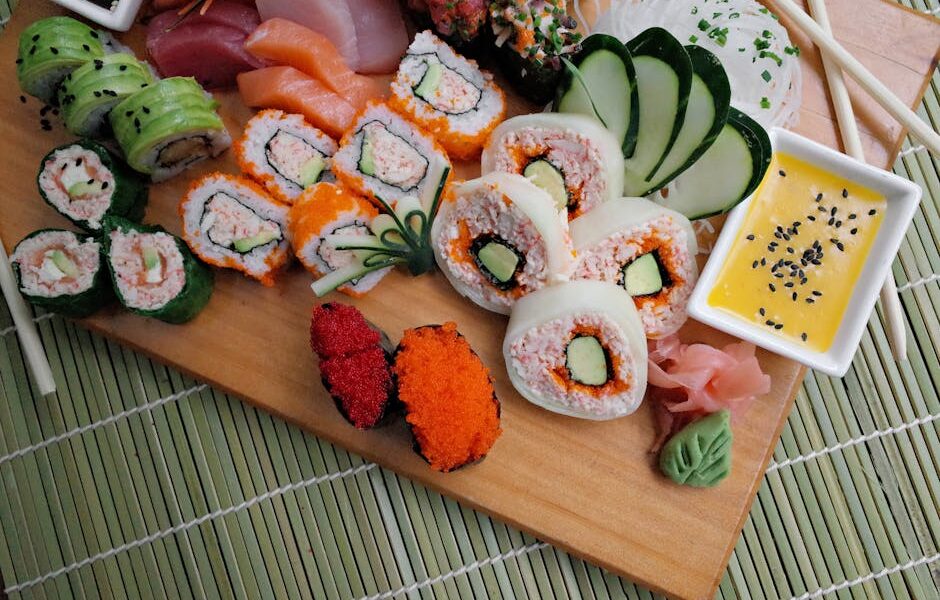
If you have ever scooped a small green pyramid of paste off the side of a sushi platter, you have almost certainly eaten something that was not real wasabi. The story of this fiery green condiment is one of the most fascinating sleights of hand in modern global food culture: a fragile mountain plant from Japan, grown in cold spring water for two years, has been quietly replaced on most restaurant tables by a mixture of horseradish, mustard, and food coloring. The good news is that the real thing is more accessible than ever in 2026, and once you have tasted authentic wasabi paired with proper sushi, sashimi, or even a simple piece of seared steak, you will understand why the Japanese have prized it for more than a thousand years.
This guide pulls together everything a curious home cook needs to know about wasabi: its botanical identity, its long cultural history, how to tell real wasabi from imitation, where to buy it, how to store the precious rhizome once you have it, what to substitute when you cannot find any, and a handful of recipes where wasabi is the star rather than an afterthought. Whether you are putting together a homemade sushi night, building a sashimi platter, or simply curious about what that green stuff actually is, this is the complete reference.
What Is Wasabi?
Wasabi (Wasabia japonica, also classified as Eutrema japonicum) is a perennial plant native to Japan whose thick rhizome is grated into a vivid green paste used as a condiment. It is a member of the Brassicaceae family, which makes it a botanical cousin of horseradish, mustard, cabbage, broccoli, and arugula. That family relationship explains the sharp, sinus-clearing kick: like its relatives, wasabi produces volatile sulfur compounds called isothiocyanates the moment its cells are broken by grating, and those compounds are what travel up the back of your nose to deliver the characteristic burn.
Unlike chili heat, which lingers on the tongue and intensifies over time, wasabi’s pungency is short-lived. The vapors hit the nasal passages, peak within seconds, and then fade. This is why a small dab refreshes the palate between bites of fatty fish rather than overwhelming it. It is also why fresh wasabi is always grated to order: those sulfur compounds begin breaking down within fifteen to twenty minutes of being released.
The History and Origins of Wasabi
Wild wasabi has grown for centuries along the cold, gravel-bedded streams of Japan’s mountain valleys. The earliest written reference appears in a tenth-century medical text, the Honzō Wamyō, where it is described as a folk remedy for food poisoning. That medicinal reputation may not have been entirely superstitious: modern food scientists have shown that wasabi’s isothiocyanates have measurable antimicrobial activity against several bacteria common in raw fish, including Vibrio parahaemolyticus. Pairing wasabi with raw seafood was, in a very practical sense, a public-health practice long before refrigeration.
Cultivated wasabi is generally credited to growers in the Utogi region of Shizuoka Prefecture in the late sixteenth century, where the local lord Tokugawa Ieyasu reportedly received a bundle as tribute and was so taken with it that he restricted its cultivation to feudal use. Until the nineteenth century, wasabi remained a luxury enjoyed by samurai, the imperial court, and a handful of inland villages with the right cold-water streams. The condiment became inseparable from sushi only in the Edo period (1603 to 1868), when the explosive popularity of nigirizushi in old Tokyo created a demand for a sharp condiment that could cut through the richness of fish and the warmth of vinegared rice.
Today, the major Japanese growing regions are still Shizuoka, Nagano (around the famous Daiō Wasabi Farm in Azumino), and the Izu Peninsula. Outside Japan, small commercial plots exist in Oregon, Tasmania, British Columbia, and parts of New Zealand, but global production remains a tiny fraction of what restaurants and consumers actually buy. The gap between supply and demand is precisely why imitation wasabi exists.
Real Wasabi vs. Imitation Wasabi
By most credible industry estimates, more than 95 percent of the ”wasabi” served in restaurants outside Japan, and even at many sushi counters inside Japan, is not real wasabi at all. It is a paste built from grated horseradish, dried mustard powder, cornstarch or starch binders, and either green food coloring or a small amount of spirulina to achieve the trademark color. Some premium imitation pastes contain a token percentage of real wasabi (often less than three percent), but the dominant flavor is horseradish.
You can tell the difference instantly once you taste them side by side. Imitation wasabi is aggressively, almost violently spicy, with a long-lasting burn and a faintly bitter, chemical aftertaste. Real wasabi is fragrant and complex, with a clean herbal sweetness behind the heat, a brief peppery rush, and a finish that disappears in seconds, leaving the palate refreshed. Real wasabi paste is also a slightly muted, gray-green color, never the neon emerald of tube paste.
The Different Varieties of Wasabi
Within Wasabia japonica, growers recognize a number of cultivars, each with slightly different flavor, color, growth rate, and disease resistance. Most home cooks will never need to know the differences, but if you are buying fresh rhizomes, the variety can affect price and intensity.
| Variety | Origin | Notable Traits | Best Use |
|---|---|---|---|
| Mazuma | Shizuoka, Japan | Bright green flesh, balanced heat, slightly sweet finish | Premium sushi and sashimi |
| Daruma | Shizuoka, Japan | Smaller rhizome, intense pungency, faster to mature | Restaurant grating, paste production |
| Sanpoo | Nagano, Japan | Pale green, milder flavor, more vegetal notes | Tempura dipping, dressings |
| Fujidaruma | Shizuoka, Japan | Hybrid of Daruma cultivars, large rhizome, robust heat | Commercial paste, premium home use |
| Pacific Northwest | Oregon, USA | Heartier plant, slightly less complex, more available | Western sushi bars, home cooking |
Two related plants are sometimes labeled as wasabi in markets, particularly in Japan. Sawa wasabi is the traditional water-grown form, prized for the largest, most aromatic rhizomes. Oka wasabi is a soil-grown form, faster to harvest and considerably cheaper, but with a thinner flavor. The distinction matters because soil-grown wasabi is often used for processing into pastes and powders, while sawa wasabi is reserved for grating fresh.
What Wasabi Tastes Like
Real, freshly grated wasabi has a layered flavor profile that surprises people who have only ever eaten the green tube paste. The first sensation is a clean, faintly sweet, vegetal aroma, similar to garden cress or young arugula. A heartbeat later the heat arrives in the nasal passages — bright, piercing, but never burning the tongue. Within ten or fifteen seconds the burn fades and leaves a subtle, sweet, almost fruity finish that some tasters compare to a young radish or cucumber.
The chemistry behind this experience is worth knowing. The two main pungent compounds in wasabi are allyl isothiocyanate (also found in horseradish and yellow mustard) and 6-methylsulfinylhexyl isothiocyanate, which is unique to wasabi and contributes a great deal of its softer, sweeter character. Both compounds are volatile, meaning they evaporate quickly, which is why fresh wasabi paste loses its punch within twenty minutes of being grated and why traditional sushi chefs grate the rhizome continuously throughout service.
How Wasabi Is Grown
Wasabi is famously difficult to cultivate. The plant requires constantly running, mineral-rich water between fifty and sixty degrees Fahrenheit, deep shade, and a gravel bed that allows roots to anchor without rotting. In traditional Japanese tatami-ishi cultivation, growers terrace mountain streams into stepped beds of fine gravel, channeling spring water down through each level. The plant takes between eighteen months and two years to develop a mature rhizome large enough for harvest, and roughly one in five plants in any given bed will produce a top-grade rhizome.
The rest of the plant is not wasted. The leaves and stems, which carry a milder version of the same pungent flavor, are pickled into wasabi-zuke, blanched as a side vegetable, or chopped into salads and tempura batter. Wasabi flowers, which appear in early spring, are a sought-after seasonal ingredient at high-end Japanese restaurants. Even the smaller, less-attractive root tips are sold to producers who turn them into paste and powder.
How to Buy Wasabi
Real wasabi is sold in three forms, and each has trade-offs in price, convenience, and flavor. Knowing what to look for on the label is the difference between paying for the real thing and paying for dyed horseradish.
Fresh Rhizome
The gold standard. Look for firm, heavy rhizomes between three and six inches long, with bright green flesh visible at the cut end and no soft spots or shriveled skin. Color is the easiest tell: a fresh rhizome should look almost like a vivid green-tinged ginger root. Online specialty suppliers in the United States now ship overnight from Oregon farms, and high-end Japanese grocers in major cities (Mitsuwa, Marukai, Nijiya, H Mart in larger formats) often stock fresh wasabi in the produce section. Expect to pay between $15 and $40 per ounce.
Paste in a Tube
Most tube pastes are imitations, but a small number of premium tubes contain at least 50 percent real wasabi. Read the ingredient list carefully. If horseradish (sometimes labeled Western wasabi or seiyō wasabi) appears before wasabi, or if wasabi is not listed at all, you are looking at imitation. Real-wasabi tubes are usually labeled hon-wasabi (本わさび, ”true wasabi”) and stored refrigerated rather than at room temperature.
Powder
Wasabi powder is freeze-dried wasabi (or, more commonly, a horseradish-mustard blend) that you reconstitute with cold water to form a paste. Real-wasabi powder is rare and expensive, but it has the advantage of long shelf life and is convenient for dressings and marinades. Always mix powder with cold water, never warm, since heat destroys the volatile compounds before they fully develop. Let the rehydrated paste rest for two to three minutes before using to allow the flavor to bloom.
| Form | Real Wasabi Content | Shelf Life | Cost (USD) | Best Use |
|---|---|---|---|---|
| Fresh rhizome | 100% | 3 to 4 weeks refrigerated | $15 to $40 per ounce | Sushi, sashimi, special-occasion grating |
| Hon-wasabi tube paste | 50% to 95% | 1 year unopened, 1 month opened | $8 to $20 per tube | Everyday cooking, dressings, marinades |
| Real wasabi powder | 50% to 100% | 2 years sealed | $10 to $30 per ounce | Long-term storage, sauces, baking |
| Imitation tube paste | 0% to 5% | 1 to 2 years | $3 to $6 per tube | Casual sushi night, kid-friendly heat |
| Imitation powder | 0% to 5% | 2+ years | $4 to $8 per tin | Cocktail garnish, snack seasoning |
How to Store Wasabi
Fresh wasabi rhizome is delicate and continues to lose moisture and aromatic compounds from the moment it is harvested. Stored properly, a whole rhizome will keep for three to four weeks. Wrap it loosely in a slightly damp paper towel, place it inside a paper bag or unsealed plastic bag (you want a little airflow to prevent mold), and store it in the crisper drawer of your refrigerator. Change the paper towel every two to three days. If the cut end starts to dry out or discolor, simply slice off the dried section before grating.
Some sushi chefs in Japan store wasabi in a small dish of cold water that they change daily, mimicking the cold-stream conditions in which the plant grows. This works beautifully if you plan to use the rhizome within a week or two but is not necessary for shorter-term storage.
Tube paste should be refrigerated once opened and consumed within four to six weeks for best flavor. Powder should be kept in an airtight container in a cool, dark cupboard; once mixed into a paste, it should be used within thirty minutes before its punch fades. Never freeze fresh wasabi: ice crystals shred the cell walls and the rhizome turns into a sad, watery mush on thawing.
How to Grate Fresh Wasabi
The traditional tool for grating wasabi is an oroshigane, a small grater traditionally faced with sharkskin (and now often with a fine ceramic or metal alternative). The microscopic teeth of sharkskin shred the rhizome at exactly the right scale to release the maximum amount of flavor compounds without crushing the cells into a watery puree. If you do not have a sharkskin grater, a Japanese ceramic ginger grater or a high-quality fine microplane is a workable substitute.
Trim away any browned or dried portions of the rhizome and peel off the gnarled outer skin from the section you plan to grate. Hold the rhizome at roughly a 45-degree angle to the grater and move it in slow, small circles. Grate only as much as you will use in the next ten minutes — the paste loses its aromatic top notes quickly. Mound the grated paste into a small pile, cover it loosely with a piece of plastic wrap or a small upturned cup, and let it rest for two to three minutes. This brief rest gives the enzymes time to fully develop the flavor before you serve it.
Wasabi Substitutes
If you cannot find real wasabi, or even a decent tube of imitation paste, several other ingredients can stand in. None of them perfectly mimic the floral, sinus-clearing character of fresh wasabi, but each fills a particular gap depending on the dish. Use the ratios below as a starting point and adjust to taste.
| Substitute | Ratio (vs. wasabi) | Flavor Match | Best For | Notes |
|---|---|---|---|---|
| Fresh horseradish, grated | 1:1 | Closest match in heat profile | Sushi, sashimi, dipping sauces | Add a pinch of dry mustard and a drop of green food coloring for a closer visual match |
| Prepared horseradish (jarred) | 1:1 | Similar burn, more vinegar tang | Cocktail sauce, salad dressings | Drain off excess liquid before using |
| Hot mustard powder | 1:2 (use half as much) | Sharp, sinus-clearing | Marinades, dressings, glazes | Mix with cold water and let rest 5 minutes to develop |
| Dijon mustard + horseradish | 1:1 mixed half-and-half | Balanced sharpness with depth | Sandwich spreads, vinaigrettes | Easiest pantry-friendly substitute |
| Daikon, finely grated | 3:1 (use three times as much) | Mild, vegetal, low heat | Garnish for sashimi when heat is unwanted | Best paired with a few drops of soy sauce |
| Arugula puree | 2:1 | Peppery, herbal, low burn | Sauces, mayos, dressings | Blend with a splash of lemon juice for brightness |
| Watercress puree | 2:1 | Earthy with a mild bite | Cold soups, dipping sauces | Strain through cheesecloth for a smoother texture |
How to Use Wasabi in Cooking
Most Westerners encounter wasabi only as the green dab beside their sushi rolls or sashimi platter, but its uses in Japanese cuisine extend far beyond raw fish. Traditionally, wasabi is paired with soba (buckwheat noodles), grilled meats, tempura dipping sauces, simmered tofu dishes, and pickled vegetables. Modern Japanese chefs have started using it in everything from butter compounds for steak to ice cream and chocolate truffles, where its herbal, slightly sweet character takes center stage once the heat fades.
The cardinal rule of cooking with wasabi is to add it at the end. Heat destroys the volatile compounds responsible for both its aroma and its kick, so a sauce that simmers with wasabi will end up bland and grassy. Stir wasabi into warm sauces off the heat, just before serving, or whisk it into cold dressings and mayonnaises where its flavor will hold for an hour or two. For dishes that benefit from a longer-lasting heat, such as Japanese-style burgers or marinades, build a wasabi compound butter or oil that releases the flavor as the dish is eaten rather than as it cooks.
Wasabi pairs especially well with high-fat ingredients — the fat coats the palate and balances the brief sharpness of the isothiocyanates. Try a small dab on top of seared ribeye, swirled into avocado mash, folded into deviled-egg yolks, or whisked into Japanese-style potato salad. A teaspoon of wasabi paste in a basic soy-and-ginger marinade transforms grilled chicken thighs.
5 Recipes That Showcase Wasabi
1. Wasabi Soy Dipping Sauce for Sashimi
The classic. In a small dish, pour two tablespoons of premium Japanese soy sauce. Place a small mound of freshly grated wasabi (about a quarter teaspoon) on the side of the dish, not stirred in. Each diner uses their chopsticks to lift a small dab of wasabi onto their fish, then dips the fish lightly into the soy. Stirring the wasabi into the soy is technically considered poor form in traditional sushi etiquette because it dilutes the wasabi’s aroma and overwhelms the soy. The flavor of clean wasabi against rich tuna belly or hamachi is unmatched.
2. Wasabi Cream Sauce for Seared Steak
In a small saucepan, simmer a half cup of heavy cream with a tablespoon of butter, a teaspoon of soy sauce, and a teaspoon of mirin until reduced by a third, about four to five minutes. Remove from the heat and whisk in two teaspoons of wasabi paste, a teaspoon of fresh lemon juice, and a pinch of salt. Spoon over a freshly seared ribeye or strip steak. The cream tames the burn into a sharp, fragrant warmth, and the wasabi adds a brightness that traditional béarnaise cannot match. Garnish with sliced chives.
3. Wasabi Mashed Potatoes
Boil two pounds of Yukon Gold potatoes in salted water until fork-tender, about twenty minutes. Drain and return to the warm pot. Mash with a half cup of warm whole milk, four tablespoons of butter, two tablespoons of wasabi paste (start with one and adjust to taste), a teaspoon of grated fresh ginger, and salt to taste. The wasabi adds a clean sinus-clearing kick that pairs beautifully with roasted fish, grilled tuna steaks, or even Thanksgiving turkey for those who want something different.
4. Wasabi Aioli for Tuna Burgers and Sandwiches
In a bowl, whisk together one cup of Japanese mayonnaise (Kewpie is ideal), two teaspoons of wasabi paste, one teaspoon of fresh lime juice, a half teaspoon of soy sauce, and a clove of finely grated garlic. Cover and rest in the refrigerator for at least thirty minutes to let the flavors meld. Slather thickly on tuna burgers, salmon sandwiches, club sandwiches, or use as a dipping sauce for sweet potato fries and tempura. The aioli will keep, refrigerated, for up to four days, though the wasabi heat will slowly mellow over time.
5. Wasabi Soba Noodles
Cook eight ounces of dried soba noodles according to package directions, then plunge them into ice water and drain thoroughly. In a small bowl, whisk together a quarter cup of dashi, two tablespoons of soy sauce, a tablespoon of mirin, and a teaspoon of rice vinegar. Toss the cold noodles with the sauce, then top with two teaspoons of freshly grated wasabi, two sliced green onions, a sheet of toasted nori torn into strips, and a generous pinch of toasted sesame seeds. Serve cold on a hot summer evening — the wasabi is bright and refreshing rather than aggressive.
Nutritional Benefits of Wasabi
Wasabi is consumed in such tiny quantities that it is rarely a meaningful source of macro-nutrients, but the bioactive compounds it contains have generated genuine scientific interest. Most of the research has focused on isothiocyanates and their potential role in human health.
| Nutrient (per 1 tsp / 5 g fresh wasabi paste) | Amount | % Daily Value |
|---|---|---|
| Calories | 1.5 kcal | <1% |
| Carbohydrates | 0.4 g | <1% |
| Fiber | 0.2 g | 1% |
| Protein | 0.1 g | <1% |
| Vitamin C | 2.1 mg | 2% |
| Potassium | 28 mg | <1% |
| Calcium | 6 mg | <1% |
| Magnesium | 3 mg | <1% |
| Allyl isothiocyanate | ~5 mg | — |
Several preliminary studies suggest that the isothiocyanates in wasabi may support antioxidant defenses, exhibit antimicrobial properties (particularly against foodborne bacteria), and contribute to anti-inflammatory pathways. A 2024 study in Nutrients on older Japanese adults reported that daily wasabi powder supplementation was associated with modest improvements in short-term and working memory, though the result remains a single study and should be treated as suggestive rather than definitive. Wasabi has also been researched for its potential role in supporting cardiovascular health by reducing platelet aggregation, but again, the evidence is early.
For people with thyroid conditions or those taking blood-thinning medications, it is worth noting that wasabi is a brassica and contains low levels of goitrogenic compounds; consumed in normal culinary quantities (a teaspoon or two per meal), this is not a meaningful concern, but heavy daily supplementation should be discussed with a doctor.
Cultural Significance of Wasabi in Japan
In Japan, wasabi is not merely a condiment; it is a marker of seasonal regional cuisine, a symbol of the connection between mountain water and coastal fish, and an icon of Japanese gastronomic identity. Specific growing regions have built entire tourism economies around wasabi, with farms in Shizuoka and Nagano open to visitors who can taste fresh-grated rhizome straight from the gravel beds. The Daiō Wasabi Farm in Azumino, with its postcard-perfect water wheels and wasabi fields, draws over a million visitors a year and was even featured as a setting in Akira Kurosawa’s Dreams.
The decline of wild wasabi habitat is a real concern. Climate change, dam construction, and agricultural runoff have all reduced the cold, clean stream environments that wild wasabi requires. Several Japanese prefectures have classified wild wasabi as a vulnerable species, and a number of preservation farms now grow wasabi specifically for habitat restoration as well as for the table. Buying real wasabi, particularly from sustainable farms in Japan or the Pacific Northwest, supports the survival of an iconic plant that the modern food system has too often replaced with cheap imitations.
Frequently Asked Questions
Is the green paste at sushi restaurants real wasabi?
Almost never. Industry estimates suggest that more than 95 percent of ”wasabi” served in restaurants outside Japan, and a majority even within Japan, is a paste of horseradish, mustard, starch, and green food coloring. Real wasabi is expensive enough that only specialty and high-end sushi restaurants serve it, and they almost always grate it in front of you to order.
Why is real wasabi so expensive?
Wasabi requires very specific growing conditions — constantly running cold spring water, deep shade, and gravel beds — and takes between eighteen months and two years to mature. Most plants do not produce a top-grade rhizome, and the harvested rhizomes are highly perishable. The combination of long growing time, demanding conditions, low yield, and short shelf life means a single ounce can cost as much as a quality cut of beef.
What is the difference between wasabi and horseradish?
They are botanical cousins in the Brassicaceae family and share a major pungent compound (allyl isothiocyanate), which is why they taste similar at first. The differences are aromatic and structural: real wasabi has a softer, sweeter, more vegetal flavor and a much shorter-lived burn, while horseradish is sharper, more aggressive, and lingers on the palate. Horseradish also tends to have a vinegary tang from the way it is processed and stored.
Is wasabi safe to eat raw?
Yes. Raw, freshly grated wasabi is the traditional and ideal way to consume it. It is also one of the few cases where the raw ingredient is dramatically better than any cooked preparation, since heat destroys the volatile compounds that give wasabi its character.
Can I grow wasabi at home?
It is possible but very difficult outside of specific climates. Wasabi requires constantly cool, moist, shaded conditions and clean running or frequently changed water. A handful of dedicated home gardeners in the Pacific Northwest, the United Kingdom, and parts of Tasmania have grown wasabi in shaded streamside gardens or specially built water-flow tanks, but most of us are better off buying from a reputable supplier.
How long does fresh wasabi keep?
A whole, intact rhizome stored properly (wrapped in damp paper towel inside an unsealed bag, in the crisper drawer) will keep for three to four weeks. Once you cut into it, the cut surface dries out within a few days; simply slice off the dried section before grating each time you use it.
Why do you grate wasabi in a circular motion?
Slow, small circular grating motion produces the finest paste with the most surface area for the enzymes to react. Coarse, fast grating tears the cell structure unevenly and produces a watery, less aromatic paste. Tradition holds that you should ”grate as if you are drawing the letter no in hiragana” — small circles, going one way only.
Can I freeze wasabi?
Fresh rhizome should not be frozen — the cell structure breaks down and you end up with a watery, flavorless mush on thawing. However, freshly grated wasabi paste can be portioned into a small ice cube tray, frozen, and used within two months for cooked applications like cream sauces, mashed potatoes, or compound butters. It will not be as bright as fresh-grated, but it is far better than imitation paste.
Why does wasabi heat go away so quickly?
Wasabi’s heat comes from volatile sulfur compounds (isothiocyanates) that travel through the air to the nasal passages rather than activating the heat receptors on the tongue (which is how chili peppers work). Because these compounds are airborne and quickly cleared by your breath, the burn peaks within seconds and dissipates within thirty seconds. Capsaicin from chili, by contrast, binds to receptors on the tongue and lingers for many minutes.
What can I do with wasabi besides sushi?
Plenty. Wasabi shines in cream sauces for steak, in compound butters for grilled fish or vegetables, in mashed potatoes, in deviled eggs, in vinaigrettes for arugula or watercress salads, in cocktail sauces for shrimp, in marinades for grilled chicken, swirled into avocado on toast, mixed into Japanese-style mayo for sandwiches and burgers, or even folded into vanilla ice cream alongside a drizzle of dark chocolate. Just remember to add it after cooking, never during.
The Bottom Line on Wasabi
Real wasabi is one of those ingredients that, once you have tasted the genuine article, you cannot un-taste. The aggressive, sinus-blowing burn of imitation paste gives way to something far more interesting in the real thing: a bright, fragrant, almost sweet warmth that lifts everything it touches without overpowering it. It is a luxury ingredient, but a small rhizome stretches across many meals when you grate only what you need, and it transforms ordinary sushi nights, weeknight steaks, and even mashed potatoes into something memorable.
If you are just starting out, look for a tube labeled hon-wasabi with at least 50 percent real wasabi content as a low-commitment introduction. When you are ready to graduate, order a single fresh rhizome from a reputable specialty supplier and try grating it for a homemade sushi night. The difference between fresh-grated and tube paste is the difference between bottled lemon juice and a fresh-squeezed lemon — once you experience it, the original tube starts to feel like a placeholder. For more on the broader world of Asian cooking ingredients, the essential dishes of Japanese cuisine, and the rest of our pantry guides, the rest of our library is the place to keep exploring.

Mei Lin Chen
Mei Lin Chen is an Asian food writer and recipe developer. Melbourne-raised and London-based, she has spent over a decade exploring the rice paddies, hawker stalls, and home kitchens of South-East and East Asia. Her recipes balance traditional technique with everyday practicality.