Last updated: March 16, 2026
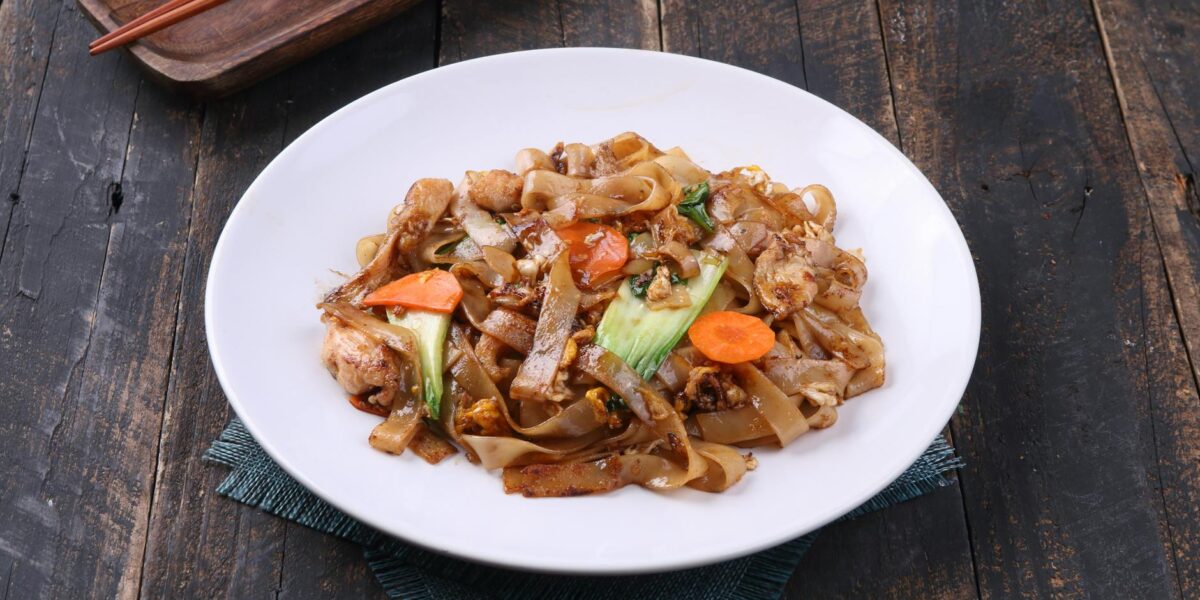
Pad See Ew is one of Thailand’s most beloved stir-fried noodle dishes — wide, chewy rice noodles tossed in a smoky-sweet dark soy sauce with tender protein, Chinese broccoli, and eggs. The name literally translates to ”stir-fried soy sauce,” and once you taste the caramelized, slightly charred edges of properly made Pad See Ew, you’ll understand why it rivals Pad Thai as Thailand’s favorite noodle dish.
Unlike Pad Thai’s tangy-sweet tamarind profile, Pad See Ew delivers deep umami from dark soy sauce and oyster sauce, with a hint of smokiness that Thai cooks call wok hei — the breath of the wok. It’s a dish you’ll find at every street stall in Bangkok, every Thai restaurant in America, and now, in your own kitchen. This recipe walks you through every detail so you can make restaurant-quality Pad See Ew at home in under 20 minutes.
What Is Pad See Ew?
Pad See Ew (ผัดซีอิ๊ว) is a Thai-Chinese stir-fried noodle dish that has become a staple of Thai street food culture. The dish belongs to the broader family of Thai-Chinese cooking — cuisine created by Chinese immigrants who settled in Thailand centuries ago and adapted their wok-based cooking techniques to local Thai ingredients.
At its core, Pad See Ew is remarkably simple: wide flat rice noodles (sen yai) stir-fried at blazing high heat with soy sauce — both light and dark varieties — oyster sauce, garlic, egg, a protein of your choice, and Chinese broccoli (gai lan). The magic happens when the noodles hit a scorching hot wok and develop slightly charred, caramelized edges while staying chewy and tender inside.
The Chinese-Thai origin explains why this dish uses ingredients common in both cuisines: soy sauce and oyster sauce from Chinese cooking, and the high-heat wok hei technique that defines great stir-fry. It’s comfort food in the truest sense — quick, satisfying, and deeply flavorful without requiring dozens of ingredients.
Pad See Ew vs. Pad Thai: What’s the Difference?
These two dishes are the most popular Thai noodle orders in the US, but they taste completely different. Here’s how they compare:
| Feature | Pad See Ew | Pad Thai |
|---|---|---|
| Noodles | Wide flat rice noodles (sen yai) | Thin flat rice noodles (sen lek) |
| Primary Sauce | Dark soy sauce + oyster sauce | Tamarind paste + fish sauce + sugar |
| Flavor Profile | Savory, smoky, slightly sweet | Tangy, sweet, nutty |
| Vegetables | Chinese broccoli (gai lan) | Bean sprouts, chives, peanuts |
| Color | Dark brown from soy sauce | Orange-brown from tamarind |
| Egg Style | Scrambled into the noodles | Wrapped around noodles or scrambled |
| Difficulty | Easier — fewer ingredients | Moderate — more components |
| Heat Level | Mild (heat added at table) | Mild to moderate |
If you love savory, soy-forward dishes, Pad See Ew is your noodle. If you prefer bright, tangy, citrusy flavors, Pad Thai is the way to go. Many Thai food fans order both and can’t choose a favorite — and honestly, you don’t have to.
Essential Ingredients for Pad See Ew
One of the best things about Pad See Ew is its short ingredient list. Here’s what you need and why each ingredient matters:
Wide Rice Noodles (Sen Yai)
The star of the dish. Fresh wide rice noodles are ideal — they’re silky, chewy, and take on that beautiful char from the wok. Look for them in the refrigerated section of Asian grocery stores, labeled as ”fresh rice noodles,” ”ho fun,” or ”chow fun” noodles. They should be about 1 inch wide. If you can only find dried wide rice noodles, soak them in room-temperature water for 30 minutes until pliable, then drain well before cooking.
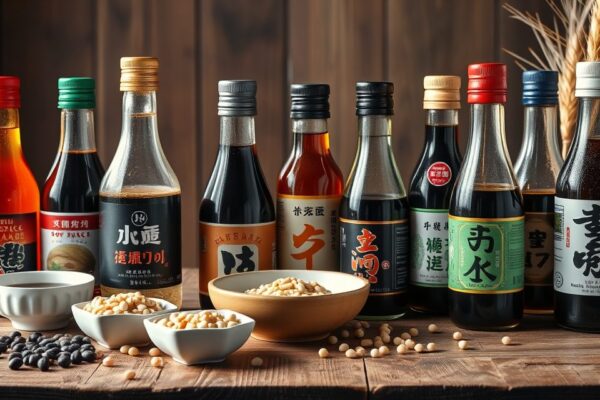
Dark Soy Sauce
This is the defining ingredient. Dark soy sauce is thicker, sweeter, and less salty than regular soy sauce. It gives Pad See Ew its characteristic deep brown color and molasses-like sweetness. The most common Thai brand is Healthy Boy, but Kecap Manis (Indonesian sweet soy sauce) can work in a pinch — just reduce the sugar in the recipe.
Light Soy Sauce
Provides the salty, savory backbone. Thai light soy sauce (like Golden Mountain or Healthy Boy thin soy sauce) is slightly different from Chinese or Japanese varieties — it’s thinner and saltier. Regular soy sauce works fine as a substitute.
Oyster Sauce
Oyster sauce adds a layer of rich umami depth. Use a good-quality brand — Maekrua is the Thai standard, but Lee Kum Kee Premium is excellent and widely available. For a vegetarian version, use mushroom-based oyster sauce.
Chinese Broccoli (Gai Lan)
The traditional green vegetable for Pad See Ew. Gai lan has thick stems and broad, dark green leaves with a slightly bitter, earthy flavor that pairs perfectly with the sweet-savory sauce. If you can’t find it, bok choy or regular broccoli florets make decent substitutes.
Protein
Chicken is the most popular choice, but Pad See Ew works beautifully with thinly sliced beef (flank steak or sirloin), shrimp, pork, or tofu for a vegetarian option. Whichever you choose, slice it thin so it cooks quickly in the wok.
Pad See Ew Recipe (Thai Stir-Fried Wide Rice Noodles)
This recipe serves 2 generously or 3-4 as part of a larger Thai meal. The entire dish comes together in about 15 minutes of active cooking time, so have all your ingredients prepped and within arm’s reach before you fire up the wok.
Ingredient List
For the noodles and protein:
- 1 pound (450g) fresh wide rice noodles (sen yai) — or 8 oz dried wide rice noodles, soaked
- 8 ounces (225g) boneless, skinless chicken thighs, thinly sliced (or substitute with beef, shrimp, pork, or firm tofu)
- 2 large eggs
- 3-4 stalks Chinese broccoli (gai lan), cut into 2-inch pieces, stems and leaves separated
- 4 cloves garlic, minced
For the sauce:
- 2 tablespoons dark soy sauce
- 1 tablespoon light soy sauce (or regular soy sauce)
- 1 tablespoon oyster sauce
- 2 teaspoons white sugar
- 1 teaspoon white vinegar (or rice vinegar)
- ½ teaspoon white pepper
For cooking:
- 3 tablespoons vegetable oil or peanut oil, divided
Optional garnishes:
- Dried chili flakes or Thai chili vinegar
- Fresh lime wedges
- Extra white pepper
Step-by-Step Instructions
Step 1: Prepare the sauce. In a small bowl, whisk together the dark soy sauce, light soy sauce, oyster sauce, sugar, vinegar, and white pepper. Set aside. Having the sauce mixed and ready is crucial — once you start stir-frying, everything moves fast.
Step 2: Prepare the noodles. If using fresh rice noodles, gently separate them with your hands. If they’ve been refrigerated and feel stiff, microwave them for 30-45 seconds to soften, or briefly run them under warm water. If using dried noodles, make sure they’ve been soaked for 30 minutes and drained thoroughly.
Step 3: Prep all ingredients. Slice the chicken thinly against the grain. Cut the gai lan stems into 2-inch pieces and keep the leaves separate (leaves cook faster than stems). Mince the garlic. Crack the eggs into a small bowl. Line everything up next to your stove — this dish cooks in about 5 minutes total.
Step 4: Heat the wok. Place your wok over the highest heat your stove can produce. Let it heat for 2-3 minutes until it’s smoking. This is non-negotiable — the searing heat is what gives Pad See Ew its smoky, slightly charred flavor. A carbon steel wok is ideal; if using a nonstick pan, use medium-high heat instead (you won’t get the same char, but the dish will still taste great).
Step 5: Cook the protein. Add 1 tablespoon of oil to the wok and swirl to coat. Add the sliced chicken in a single layer and let it sear without moving for 30-45 seconds until lightly browned. Stir-fry for another minute until just cooked through. Transfer to a plate and set aside.
Step 6: Cook the eggs. Add another ½ tablespoon of oil to the wok. Pour in the beaten eggs and let them set for about 15 seconds, then scramble them into large, soft curds. Push them to the side of the wok or transfer to the plate with the chicken.
Step 7: Stir-fry the garlic and gai lan stems. Add the remaining 1½ tablespoons of oil. Toss in the garlic and gai lan stems. Stir-fry for 30 seconds until fragrant.
Step 8: Add the noodles. Add the rice noodles to the wok. Here’s the key technique: spread the noodles out across the surface of the wok and let them sit undisturbed for 30-45 seconds. This contact time with the hot metal is how you develop that smoky char. Then flip and repeat on the other side. Resist the urge to constantly stir.
Step 9: Add the sauce. Pour the pre-mixed sauce over the noodles. Use your spatula or tongs to toss and fold the noodles, distributing the sauce evenly. The dark soy sauce will transform the noodles from white to a rich brown color. Toss for about 30 seconds.
Step 10: Combine everything. Return the chicken and eggs to the wok. Add the gai lan leaves. Toss everything together for 30-45 seconds until the leaves are just wilted and everything is well combined and heated through.
Step 11: Serve immediately. Transfer to plates and serve right away with dried chili flakes, lime wedges, and extra white pepper on the side. Pad See Ew is best eaten fresh from the wok when the noodles are still slightly smoky and chewy.
Tips for the Best Pad See Ew
The difference between good Pad See Ew and great Pad See Ew comes down to technique. Here are the tips that make the biggest difference:
Get your wok screaming hot. This is the single most important factor. Thai street vendors cook over jet-engine burners that reach temperatures home stoves can’t match. To compensate, heat your wok as hot as your stove allows, and cook in small batches. A carbon steel wok holds and distributes heat better than nonstick.
Don’t overcrowd the wok. If you’re cooking for more than 2 people, make the dish in two separate batches rather than doubling everything in one wok. Overcrowding drops the temperature and steams the noodles instead of searing them. You want a sizzle, not a simmer.
Let the noodles char. The hardest part for most home cooks is resisting the urge to constantly stir. Press the noodles against the wok surface and leave them alone for 30-45 seconds. You want some noodles to develop dark, slightly crispy edges. That’s not burning — that’s flavor.
Use fresh noodles if possible. Fresh wide rice noodles have a silky, chewy texture that dried noodles can’t fully replicate. They’re available at most Asian grocery stores. If you buy them a day or two ahead, keep them at room temperature — refrigeration makes them brittle and hard to separate.
Prep everything before you start cooking. This is a fast dish. Once the wok is hot, you’ll move through every step in about 5 minutes. There’s no time to chop garlic or mix sauce mid-cook. Have every ingredient measured, cut, and within reach.
Don’t skip the vinegar. Just a teaspoon of white vinegar brightens the entire dish. Without it, Pad See Ew can taste one-dimensionally sweet and salty. The acid provides balance.
Pad See Ew Sauce: Understanding the Flavor Balance
The sauce is the soul of Pad See Ew, and getting the balance right is key. Here’s what each component contributes:
Dark soy sauce is the foundation. It’s less salty than regular soy sauce but much thicker and slightly sweet, with a deep molasses-like color. It coats the noodles and gives the dish its signature dark hue. Thai brands like Healthy Boy or Kwong Hung Seng are most authentic, but any dark soy sauce works.
Light soy sauce provides the salty savory punch. If you only used dark soy sauce, the dish would be too sweet and lack that sharp umami hit. The combination of both is essential.
Oyster sauce adds a rounded, almost meaty umami depth. Think of it as the glue that ties the two soy sauces together. A good oyster sauce makes a noticeable difference here.
Sugar may seem odd in a savory dish, but it’s essential for caramelization. When sugar hits the hot wok, it creates those slightly sweet, smoky edges on the noodles. White sugar is traditional, but palm sugar adds an even more complex sweetness.
Vinegar provides the brightness that prevents the dish from becoming cloying. White vinegar is traditional; rice vinegar is a gentler alternative.
White pepper gives a subtle, earthy heat that’s different from chili. It’s the quiet backbone of many Thai-Chinese dishes. Don’t substitute black pepper — the flavor profile is noticeably different.
Protein Variations
While chicken is the most common protein for Pad See Ew in Thai restaurants in the US, the dish is incredibly versatile. Here are the best options:
Chicken (Gai): Use boneless, skinless thighs for the most flavor and tenderness. Slice them ¼ inch thick against the grain. Thighs stay juicy even over high heat, while breast meat can dry out quickly. For extra-tender chicken, you can velvet the chicken with a quick cornstarch marinade.
Beef (Nuea): Flank steak or sirloin, sliced paper-thin against the grain, is the classic choice for beef Pad See Ew. The rich flavor of beef pairs exceptionally well with the dark soy sauce. For the most tender results, marinate the beef with 1 teaspoon of baking soda for 15 minutes, then rinse before cooking.
Shrimp (Goong): Use large or jumbo shrimp, peeled and deveined. Shrimp cook in about 90 seconds over high heat — be careful not to overcook them. Add them to the wok just before the noodles so they finish cooking when tossed with the sauce.
Pork (Moo): Thinly sliced pork loin or pork belly works great. Pork belly adds extra richness from its fat content, making the dish even more indulgent.
Tofu (Taohu): Use extra-firm tofu, pressed and cut into ½-inch cubes. For the best texture, pan-fry the tofu cubes separately until golden and crispy before adding them to the noodles at the end. This prevents them from crumbling during stir-frying.
Mixed Seafood (Talay): A combination of shrimp, squid rings, and scallops makes a spectacular special-occasion version. Cook each seafood type separately to avoid overcooking, then toss everything together at the end.
Vegetarian and Vegan Pad See Ew
Pad See Ew adapts well to plant-based diets with a few simple swaps:
- Protein: Extra-firm tofu (pressed and cubed) or tempeh slices
- Oyster sauce: Substitute with mushroom-based vegetarian oyster sauce (widely available at Asian grocery stores)
- Egg: Omit for vegan, or use crumbled silken tofu seasoned with black salt (kala namak) for an egg-like flavor
- Noodles: Check that your rice noodles are egg-free (most are, but some brands add egg)
- Extra vegetables: Add shiitake mushrooms, bell peppers, snap peas, or baby corn for more substance
The dark soy sauce and smoky wok char provide so much flavor that you won’t miss the meat. Vegetarian Pad See Ew is one of the most satisfying plant-based Thai dishes you can make.
Common Mistakes to Avoid
Even experienced cooks stumble on these pitfalls when making Pad See Ew for the first time:
Using regular soy sauce instead of dark soy sauce. This is the most common mistake. Regular (or light) soy sauce is saltier and thinner — it won’t give you the color, sweetness, or thick coating that dark soy sauce provides. If you absolutely cannot find dark soy sauce, mix 1 tablespoon of regular soy sauce with 1 tablespoon of molasses as a rough substitute.
Cooking on low or medium heat. Low heat steams the noodles, making them mushy and soggy. You need the highest heat your stove can produce. If you hear loud sizzling and see wisps of smoke, you’re in the right zone.
Stirring too much. Constant stirring prevents the noodles from developing char. Spread them out, press them down, and let them sit. Flip once or twice — that’s it.
Adding too much sauce. More sauce doesn’t mean more flavor — it means soggy noodles swimming in liquid. The sauce amounts in this recipe are calibrated for 1 pound of noodles. Trust the ratios.
Overcooking the gai lan. The leaves should be just wilted, not soft and army-green. Add them at the very end and toss for only 30 seconds. Residual heat will finish the job.
Not separating fresh noodles before cooking. Fresh rice noodles stick together in a solid sheet. If you throw the whole sheet into the wok, you’ll end up with a clumpy mess. Gently separate them with your hands beforehand. If they’re too stiff, a brief microwave or warm water soak loosens them.
Nutritional Information
Here’s the approximate nutritional breakdown per serving (recipe makes 3 servings, using chicken thighs as the protein):
| Nutrient | Per Serving | % Daily Value* |
|---|---|---|
| Calories | 520 kcal | 26% |
| Total Fat | 18g | 23% |
| Saturated Fat | 3g | 15% |
| Cholesterol | 165mg | 55% |
| Sodium | 1,180mg | 51% |
| Total Carbohydrates | 60g | 22% |
| Dietary Fiber | 2g | 7% |
| Total Sugars | 5g | — |
| Protein | 28g | 56% |
| Vitamin A | 45mcg | 5% |
| Vitamin C | 28mg | 31% |
| Calcium | 85mg | 7% |
| Iron | 3.2mg | 18% |
*Based on a 2,000 calorie daily diet. Values are estimates and may vary based on specific ingredients and protein choices.
Pad See Ew is a relatively balanced meal with a good ratio of carbs, protein, and fat. The sodium content is notable — if you’re watching sodium intake, reduce the soy sauce quantities slightly and taste as you go. Using low-sodium soy sauce can cut the sodium by about 40% without significantly affecting the flavor.
How to Store and Reheat Pad See Ew
Pad See Ew is best eaten fresh, but it stores and reheats better than many noodle dishes thanks to the oil coating on the noodles.
Refrigerator storage: Transfer leftovers to an airtight container and refrigerate for up to 3 days. The noodles will firm up in the fridge, which is actually fine — they’ll soften again when reheated.
Reheating on the stove (recommended): Heat a wok or skillet over high heat with a teaspoon of oil. Add the leftover Pad See Ew and stir-fry for 2-3 minutes until heated through. Splash in a teaspoon of water or soy sauce if the noodles seem dry. This method restores some of the original texture and char.
Reheating in the microwave: Sprinkle a tablespoon of water over the noodles, cover loosely, and microwave in 30-second intervals, stirring between each, until hot. The texture won’t be as good as stove-reheated, but it works in a pinch.
Freezing: Pad See Ew can be frozen for up to 1 month in freezer-safe containers. Thaw overnight in the refrigerator before reheating on the stove. Note that the noodle texture will be slightly softer after freezing and thawing.
Meal prep tip: If you want to meal prep Pad See Ew, cook the noodles slightly underdone and toss them with a bit of oil before storing. They’ll finish cooking during reheating without becoming mushy.
Serving Suggestions
In Thailand, Pad See Ew is typically served as a one-plate meal, but it also works as part of a larger spread. Here are some ideas:
As a complete meal: Pad See Ew with chicken or beef is hearty enough to stand alone. Serve it with the traditional Thai table condiments: dried chili flakes, white sugar, fish sauce, and chili vinegar. These four condiments appear on virtually every table in Thailand, allowing each diner to customize the flavor balance.
As part of a Thai feast: Pair it with Tom Yum Soup for a classic street-food combo. The bright, spicy soup cuts through the richness of the noodles beautifully. Add a Thai Green Curry or Chicken Satay for a more elaborate spread.
With a fresh side: A simple Thai cucumber salad (sliced cucumbers with rice vinegar, sugar, chili, and cilantro) adds a refreshing crunch that complements the rich noodles.
The History of Pad See Ew
Pad See Ew’s roots lie in the culinary exchange between Chinese immigrants and Thai cooking traditions. Chinese settlers brought wok cooking techniques, soy sauce, and wide rice noodles to Thailand centuries ago. Over time, these Chinese-origin dishes were adapted with Thai sensibilities — bolder seasonings, the addition of condiments like fish sauce and chili at the table, and the use of local vegetables like gai lan.
The dish is part of a category called ahaan jeen (Chinese food) in Thai — everyday dishes that originated from Chinese cooking but have become so deeply embedded in Thai food culture that most Thais consider them simply ”Thai.” Other dishes in this category include Pad Kra Pao (Thai basil stir-fry), various noodle soups, and many wok-fried dishes.
In Thailand, Pad See Ew is quintessential street food. Vendors cook it over massive gas burners in seasoned steel woks, producing a level of wok hei that’s difficult to replicate at home. The best street-stall versions have noodles with visible char marks, a faint smokiness, and a sauce that clings to every strand without making them soggy.
In the US, Pad See Ew has become one of the most ordered dishes at Thai restaurants, second only to Pad Thai. Its popularity has grown steadily since the Thai restaurant boom of the 1990s and 2000s, and it consistently ranks among the top searched Thai recipes online.
Equipment You’ll Need
You don’t need specialized equipment to make Pad See Ew, but the right tools make a noticeable difference:
Wok: A carbon steel wok is ideal. Its thin walls heat up fast and respond quickly to temperature changes, and a well-seasoned wok develops a natural nonstick surface that’s perfect for stir-frying noodles. A 14-inch flat-bottom wok works best on home stoves.
Wok spatula: A metal wok spatula (also called a wok chan) lets you scrape the bottom of the wok and flip noodles efficiently. A wide fish spatula also works.
If you don’t have a wok: A large (12-inch) stainless steel skillet or cast iron pan is the next best option. Avoid nonstick pans if possible — they can’t handle the extreme heat needed for proper char. If nonstick is all you have, use medium-high heat and accept that the dish will have less smokiness.
Frequently Asked Questions
What does Pad See Ew mean?
Pad See Ew (ผัดซีอิ๊ว) translates directly to ”stir-fried soy sauce” in Thai. ”Pad” means stir-fried, and ”see ew” is the Thai pronunciation of the Chinese words for soy sauce (豉油, si yau in Cantonese). The name reflects the dish’s Chinese-Thai heritage and its defining ingredient.
Is Pad See Ew gluten-free?
Traditional Pad See Ew is not gluten-free because soy sauce and oyster sauce contain wheat. However, you can make a gluten-free version by substituting tamari (gluten-free soy sauce) for both the dark and light soy sauce, and using a gluten-free oyster sauce or mushroom sauce. Rice noodles are naturally gluten-free.
Can I use dried rice noodles instead of fresh?
Yes. Soak dried wide rice noodles in room-temperature water for 25-30 minutes until they’re pliable but still slightly firm. Don’t use boiling water — this overcooks them and makes them mushy when stir-fried. Drain thoroughly before adding to the wok. The texture won’t be identical to fresh noodles, but the dish will still be delicious.
Why is my Pad See Ew soggy?
Soggy Pad See Ew usually comes from one of three causes: the wok wasn’t hot enough (noodles steamed instead of seared), the wok was overcrowded (too many noodles lowered the temperature), or too much sauce was added. The fix: cook on the highest heat possible, use no more than 1 pound of noodles per batch, and measure your sauce carefully.
What can I substitute for Chinese broccoli?
Regular broccoli florets are the closest widely available substitute — cut them small so they cook quickly. Bok choy (baby bok choy halved or quartered) also works well. Broccolini is another good option with a similar stem-to-leaf ratio as gai lan. In a pinch, snap peas or green beans can fill the vegetable role.
How do I get the smoky flavor without a wok?
The smoky flavor (wok hei) comes from extremely high heat and a thin cooking surface. Without a wok, use a cast iron or stainless steel skillet on your highest burner setting. Cook in very small batches to keep the temperature high. Some cooks also use a kitchen torch to briefly char the finished noodles, though this is optional. The technique of proper stir-frying matters more than the pan itself.
Can I make Pad See Ew ahead of time?
Pad See Ew is best made fresh, but you can prep all the ingredients ahead. Cut your protein, wash and cut the gai lan, mince the garlic, and mix the sauce up to 24 hours in advance. Store everything separately in the refrigerator. When ready to cook, bring the ingredients to room temperature for 10 minutes, then stir-fry as directed. The actual cooking takes only 5 minutes.
Is Pad See Ew spicy?
No, Pad See Ew is not a spicy dish. The base recipe has no chili at all — just the subtle warmth of white pepper. In Thailand, spiciness is added at the table with dried chili flakes, chili vinegar, or fresh sliced chilies. This makes it an excellent dish for families or groups with varying spice tolerances, as each person can adjust their own heat level.
What’s the best dark soy sauce brand for Pad See Ew?
For the most authentic Thai flavor, use Healthy Boy Brand dark soy sauce (the one with the green cap). Kwong Hung Seng is another excellent Thai option. If you’re shopping at a general Asian grocery, Koon Chun or Pearl River Bridge dark soy sauces (Chinese brands) also work well. The key is making sure the label says ”dark” soy sauce — it should be noticeably thicker and darker than regular soy sauce.
More Thai Recipes to Try
If you love Pad See Ew, explore these other Thai favorites:
- Pad Thai Recipe — The tangy, tamarind-based counterpart to Pad See Ew
- Thai Basil Chicken (Pad Kra Pao) — Spicy, aromatic stir-fry that’s another Thai-Chinese classic
- Thai Green Curry — Creamy coconut curry packed with herbs
- Tom Yum Soup — Hot and sour soup that pairs perfectly with noodle dishes
- Khao Soi — Northern Thai coconut curry noodles with crispy noodle topping
- Massaman Curry — Rich, mild Thai curry with peanuts and potatoes
- Thai Red Curry — Bold, aromatic curry with a beautiful red hue
- Chicken Satay — Grilled skewers with peanut dipping sauce

Mei Lin Chen
Mei Lin Chen is an Asian food writer and recipe developer. Melbourne-raised and London-based, she has spent over a decade exploring the rice paddies, hawker stalls, and home kitchens of South-East and East Asia. Her recipes balance traditional technique with everyday practicality.