Last updated: March 14, 2026
Korean BBQ at home is one of the most rewarding cooking experiences you can master. The sizzle of marinated beef hitting a hot grill, the aroma of sesame and garlic filling your kitchen, the communal joy of wrapping grilled meat in crisp lettuce leaves — it all comes together in a way that no restaurant can quite replicate. The best part? You do not need expensive equipment or years of experience. With the right technique, a basic setup, and properly prepared ingredients, you can host an authentic Korean BBQ dinner that rivals any Korean barbecue restaurant.
This guide covers everything you need to know: choosing the right grill, preparing classic marinades, mastering heat control, and serving with all the traditional side dishes (banchan) that make Korean BBQ a complete meal. Whether you are grilling bulgogi for the first time or looking to refine your galbi technique, this comprehensive walkthrough will help you achieve perfectly charred, deeply flavorful Korean barbecue every single time.
What Is Korean BBQ?
Korean BBQ, known as gogi-gui (고기구이) in Korean, literally translates to ”meat roast.” It refers to the Korean method of grilling meat — typically beef, pork, or chicken — at the table over gas or charcoal grills. What sets Korean BBQ apart from Western grilling traditions is the emphasis on thin slicing, bold marinades, and the communal, interactive dining experience where everyone cooks and eats together.
The tradition dates back centuries, with roots in the Goguryeo era (37 BC–668 AD), when a dish called maekjeok — skewered marinated beef grilled over fire — was documented. Over time, the practice evolved from aristocratic court cuisine into the beloved casual dining experience it is today. In modern Korea, Korean BBQ restaurants range from upscale establishments serving premium hanwoo beef to casual neighborhood joints specializing in pork belly (samgyeopsal).
Bringing this experience home means understanding not just the grilling itself, but the entire ecosystem of flavors: the dipping sauces, the banchan spread, the lettuce wraps, and the rice that ties it all together.
Essential Equipment for Korean BBQ at Home
You do not need to invest thousands of dollars to set up a proper Korean BBQ at home. Here is a breakdown of equipment options from basic to advanced, so you can choose what fits your space, budget, and cooking style.
Grill Options
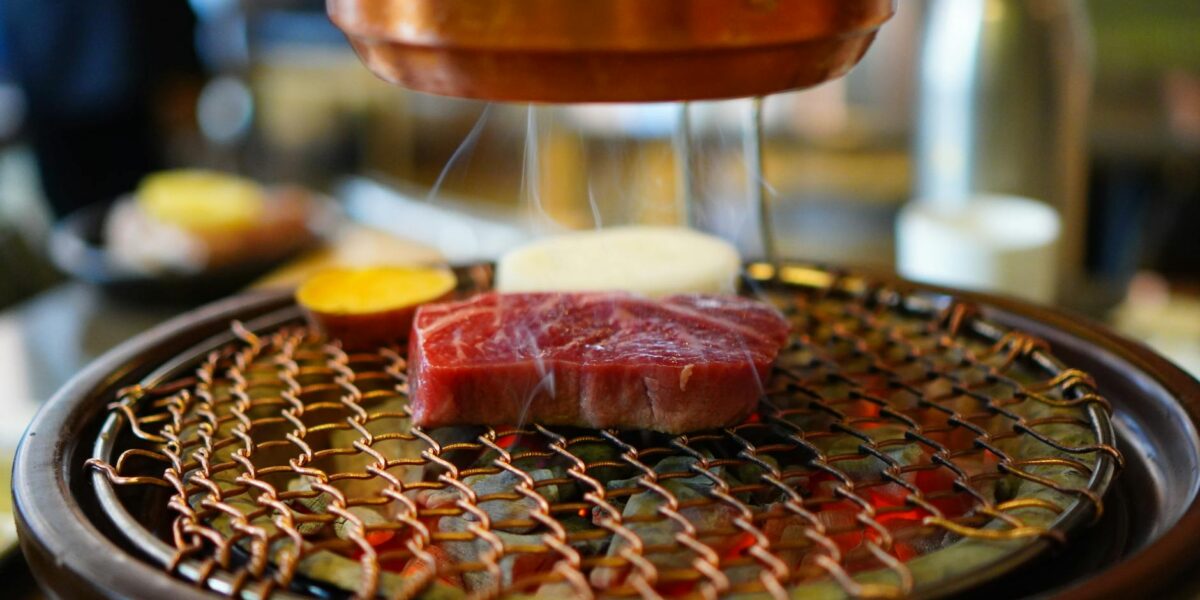
Tabletop gas grill (recommended for beginners): A portable butane gas grill is the most practical option for indoor Korean BBQ. Models from Iwatani or similar brands cost between $25 and $60 and use standard butane canisters. They provide consistent, adjustable heat and are safe for indoor use with proper ventilation. Place one in the center of your dining table and you have an instant Korean BBQ setup.
Electric grill: Smokeless electric grills, such as those with built-in fans and drip trays, are excellent for apartment dwellers concerned about smoke. They typically reach temperatures around 400–450°F (200–230°C), which is sufficient for most Korean BBQ cuts, though they may not achieve the same level of char as gas or charcoal.
Charcoal grill: For the most authentic flavor, a small charcoal grill produces the best results. Traditional Korean BBQ restaurants often use binchotan or similar charcoal for its clean, intense heat. Outdoor use only. A standard kettle grill or a small hibachi-style grill works perfectly.
Cast iron grill pan: If you have no grill at all, a ridged cast iron grill pan on your stovetop is a viable backup. Preheat it thoroughly over medium-high heat for at least five minutes before cooking. You will not get the same smokiness, but the caramelization and char will be excellent.
Other Essential Tools
Long metal tongs: Korean BBQ requires frequent flipping and rearranging of thin slices. Tongs with a length of at least 10 inches keep your hands safely away from the heat.
Kitchen scissors: In Korean BBQ, scissors are as important as tongs. Use them to cut large pieces of meat (like pork belly) into bite-sized portions right on the grill. A sturdy pair of kitchen shears works well.
Small dipping bowls: You will need individual bowls for ssamjang (dipping paste), sesame oil with salt, and other condiments.
Lettuce and perilla leaves: These serve as wraps (ssam) for the grilled meat. Keep a large plate stacked with fresh leaves within reach of every diner.
The Best Cuts of Meat for Korean BBQ
Choosing the right cut is half the battle. Korean BBQ uses a wide range of beef, pork, and chicken cuts, each with its own preparation method and grilling approach. Here are the essential cuts to know.
| Cut | Korean Name | Animal | Marinated? | Best Cooking Method | Thickness |
|---|---|---|---|---|---|
| Bulgogi (sirloin/ribeye) | 불고기 | Beef | Yes | Quick sear, 1–2 min per side | Paper-thin (⅛ inch) |
| Galbi (short ribs) | 갈비 | Beef | Yes | Medium heat, 3–4 min per side | ¼ inch flanken cut |
| Samgyeopsal (pork belly) | 삼겹살 | Pork | No | Medium-high, 3–4 min per side | ⅓ inch slices |
| Moksal (pork collar/neck) | 목살 | Pork | Sometimes | Medium heat, 2–3 min per side | ¼ inch slices |
| Chadolbaegi (beef brisket) | 차돌박이 | Beef | No | High heat, 30–60 seconds | Paper-thin shaved |
| Dak galbi (chicken) | 닭갈비 | Chicken | Yes (spicy) | Medium heat, 5–6 min per side | Bite-sized pieces |
| Dwaeji galbi (pork ribs) | 돼지갈비 | Pork | Yes | Medium heat, 4–5 min per side | ¼ inch |
Buying tip: For paper-thin slices, ask your butcher to slice the meat on a deli slicer, or partially freeze the meat for 1–2 hours at home and slice it yourself with a sharp knife. Many Asian grocery stores sell pre-sliced Korean BBQ cuts in the freezer section, which is the easiest option. Umamicart carries a selection of high-quality cuts specifically prepared for Korean barbecue.
Classic Korean BBQ Marinades and Sauces
The marinade is what transforms simple sliced meat into something extraordinary. Korean BBQ marinades rely on a balance of sweet, savory, and aromatic elements. Here are the essential marinades and sauces you need.
Bulgogi Marinade
The classic bulgogi marinade is built on a foundation of soy sauce, Asian pear (or apple), garlic, sesame oil, sugar, and black pepper. The Asian pear serves a dual purpose: it adds natural sweetness and contains enzymes that tenderize the meat. For every pound of thinly sliced beef, use:
- ¼ cup soy sauce
- 2 tablespoons sugar or honey
- 1 tablespoon sesame oil
- ½ Asian pear, grated (or 2 tablespoons apple juice)
- 4 cloves garlic, minced
- 1 tablespoon mirin
- ½ teaspoon black pepper
- 1 green onion, chopped
Marinate for at least 2 hours, ideally overnight. The longer the meat sits, the more deeply the flavors penetrate. However, do not marinate for more than 24 hours, as the pear enzymes can break down the meat texture too much.
Galbi Marinade
Galbi marinade is similar to bulgogi but slightly sweeter and richer to complement the fattier short ribs. Add 2 tablespoons of brown sugar and 1 tablespoon of rice wine to the base bulgogi marinade. Some families also add a splash of cola or 7-Up — the carbonation helps tenderize the ribs while the sugar caramelizes beautifully on the grill.
Spicy Pork Marinade (Dwaeji Bulgogi)
For spicy Korean BBQ pork, combine gochujang (Korean fermented chili paste), gochugaru (Korean red pepper flakes), soy sauce, garlic, ginger, sesame oil, and sugar. The gochujang provides a deep, fermented sweetness that pairs exceptionally well with fatty pork cuts like pork collar or belly.
Essential Dipping Sauces
Ssamjang: The quintessential Korean BBQ dipping sauce. Mix 2 tablespoons doenjang (fermented soybean paste), 1 tablespoon gochujang, 1 teaspoon sesame oil, 1 minced garlic clove, 1 teaspoon sugar, and 1 chopped green onion. This goes inside every lettuce wrap.
Sesame oil and salt dip: Simply mix high-quality toasted sesame oil with a pinch of coarse sea salt and freshly ground black pepper. This clean, simple dip is traditional for unmarinated meats like samgyeopsal and chadolbaegi.
Scallion salad (pa muchim): Thinly slice green onions and toss with gochugaru, rice vinegar, sesame oil, and a pinch of sugar. This sharp, slightly spicy condiment cuts through the richness of grilled meat.
Step-by-Step: How to Korean BBQ at Home
Follow these steps for a flawless Korean BBQ experience from preparation to the final bite.
Step 1: Plan Your Menu (1–2 Days Before)
Choose 2–3 proteins for variety. A classic combination is bulgogi (marinated beef), samgyeopsal (unmarinated pork belly), and dwaeji bulgogi (spicy pork). Plan for roughly ½ to ¾ pound of raw meat per person. Also plan your banchan (side dishes) — at minimum, you want kimchi, pickled radish, and a fresh vegetable.
Step 2: Prepare Marinades (12–24 Hours Before)
Make your marinades and combine them with the sliced meat in zip-lock bags or covered containers. Remove as much air as possible from bags to ensure even coating. Refrigerate overnight. For unmarinated cuts like samgyeopsal, simply keep them well-wrapped in the refrigerator.
Step 3: Prepare Banchan (Morning Of or Day Before)
Prepare your side dishes. Kimchi is non-negotiable — use homemade or store-bought. Add at least three more banchan: seasoned bean sprouts, spinach namul (blanched spinach with sesame oil), pickled radish (danmuji), or cucumber salad. Make your ssamjang and scallion salad. Wash and separate lettuce and perilla leaves. Cook a large batch of short-grain steamed rice.
Step 4: Set Up Your Table (30 Minutes Before)
Place your grill in the center of the table. Arrange banchan in small dishes around the grill. Set each place with a rice bowl, chopsticks, a small dipping bowl for ssamjang, and another for sesame oil dip. Place the lettuce leaves and perilla leaves on a large shared plate. Have tongs and scissors within reach. If grilling indoors, open windows and turn on your range hood or a portable fan to manage smoke.
Step 5: Manage the Grill (During the Meal)
This is where technique matters most. Start by heating your grill to medium-high heat — you want it hot enough that meat sizzles immediately on contact but not so hot that thin slices burn before they develop flavor.
For unmarinated cuts (samgyeopsal, chadolbaegi): Place the meat directly on the hot grill without oil. Pork belly should cook undisturbed for 2–3 minutes per side until golden and slightly crispy at the edges. Use scissors to cut the cooked pork belly into bite-sized pieces on the grill. For paper-thin brisket, cook only 30–60 seconds — it cooks almost instantly.
For marinated cuts (bulgogi, galbi): Because marinades contain sugar, they burn more easily. Use medium heat and spread the meat in a single layer. For bulgogi, cook for 1–2 minutes per side. For galbi short ribs, cook for 3–4 minutes per side. The sugar in the marinade should caramelize, not blacken. If you see dark burning rather than golden caramelization, lower the heat.
Key principle: Cook in small batches. Overcrowding the grill drops the temperature and causes the meat to steam rather than sear. Place 4–6 pieces at a time and eat them as they come off the grill while cooking the next batch.
Step 6: Assemble and Eat
Take a lettuce or perilla leaf in your palm. Add a piece of grilled meat, a small spoonful of rice, a dab of ssamjang, a few slices of garlic (raw or grilled), a piece of green chili pepper, and some scallion salad. Fold it into a bundle and eat it in one bite. This is the ssam — the wrap — and it is the heart of the Korean BBQ experience.
Heat Control: The Most Important Korean BBQ Skill
The single most important technique in Korean BBQ is heat management. Unlike Western grilling where you often use blazing high heat throughout, Korean BBQ requires you to constantly adjust temperature based on what you are cooking.
The two-zone approach: If your grill is large enough, maintain a hot zone and a cooler zone. Sear meat on the hot side, then move it to the cooler side if it needs more time without burning. On a smaller grill, adjust the flame or move the grate height.
Reading the sizzle: When meat hits the grill, listen. A gentle, steady sizzle means the temperature is right. A violent, spitting sizzle with lots of smoke means it is too hot. No sizzle at all means the grill is not hot enough and you will get steamed, gray meat instead of caramelized, flavorful bites.
Managing flare-ups: Fat dripping onto the heat source causes flare-ups. With pork belly, this is inevitable. If flames leap up, move the meat to a cooler zone or briefly remove it with tongs. Never spray water on a tabletop grill — instead, remove the fatty piece, let the flames die down, and return it to the grill.
Temperature guide by cut: Thin beef slices (bulgogi, chadolbaegi) need high heat for a quick sear. Thicker cuts (galbi, pork belly, chicken) need medium heat for longer cooking. If you have a thermometer, aim for a grill surface temperature of 400–450°F (200–230°C) for thin cuts and 350–400°F (175–200°C) for thicker cuts.
Common Korean BBQ Mistakes and How to Fix Them
Even experienced home cooks run into problems when grilling Korean BBQ. Here are the most common mistakes, their causes, and how to fix them.
| Mistake | Cause | Solution |
|---|---|---|
| Meat steams instead of searing | Grill not hot enough or too much meat at once | Preheat grill 5+ minutes; cook small batches only |
| Marinade burns and turns bitter | Heat too high for sugar-based marinades | Use medium heat for marinated cuts; wipe excess marinade before grilling |
| Meat is tough and chewy | Sliced too thick or not marinated long enough | Slice ⅛ inch thin for bulgogi; marinate at least 2 hours with pear |
| Pork belly is rubbery | Not cooked long enough on each side | Cook 3–4 minutes per side until edges are golden and crispy |
| Smoke fills the room | Poor ventilation or using wrong grill indoors | Open windows, use range hood, or switch to smokeless electric grill |
| Lettuce wraps fall apart | Overstuffing the ssam | Use less filling; choose sturdier green leaf lettuce over butter lettuce |
| Banchan runs out too fast | Not enough side dishes prepared | Prepare at least 4–5 banchan types; make extra kimchi and pickled radish |
| Galbi is unevenly cooked | Inconsistent rib thickness from butcher | Request uniform flanken-cut ribs; adjust cooking time for thicker pieces |
| Meat sticks to the grill | Grill grates not hot enough or not oiled | Preheat thoroughly; brush grill lightly with oil before cooking unmarinated meats |
| Food gets cold before eating | Cooking too far ahead instead of eating as you cook | Cook and eat in small batches; this is meant to be a slow, communal meal |
Building the Perfect Banchan Spread
Korean BBQ without banchan is like pizza without toppings — technically edible, but missing the point. Banchan are the small side dishes served alongside the grilled meat, and they play a critical role in balancing flavors and textures throughout the meal.
A restaurant-quality Korean BBQ spread typically includes 6–12 banchan dishes. For a home setup, aim for at least 4–5. Here are the essential categories and dishes to include.
Fermented and pickled: Kimchi (napa cabbage) is mandatory. Add kkakdugi (cubed radish kimchi) for variety. Both provide acidity and spice that cut through the richness of grilled meat.
Seasoned vegetables (namul): Blanched and seasoned spinach (sigeumchi namul), bean sprouts (kongnamul), or fernbrake (gosari namul). These are dressed simply with sesame oil, garlic, soy sauce, and sesame seeds.
Fresh vegetables: Sliced raw garlic, fresh green chili peppers, and sliced white onion. These are eaten raw alongside grilled meat or tucked into lettuce wraps for extra crunch and sharpness.
Pickled items: Danmuji (sweet pickled yellow radish) and pickled perilla leaves are common additions. Their sweet-tangy flavor provides contrast.
Starchy sides: Steamed rice is essential. Some families also serve japchae (glass noodle stir fry) or corn cheese (sweet corn mixed with mayonnaise and melted cheese, baked in a small skillet) as heartier side dishes.
Soup: A light doenjang jjigae (fermented soybean paste stew) or kimchi jjigae is often served toward the end of the meal to cleanse the palate. You can prepare this ahead and keep it warm on a back burner.
Practice Exercises for Mastering Korean BBQ
Like any cooking technique, Korean BBQ improves with deliberate practice. Here are progressive exercises to build your skills from beginner to advanced.
Exercise 1: Master Samgyeopsal (Beginner)
Start with unmarinated pork belly, the simplest Korean BBQ cut. Buy pre-sliced samgyeopsal (⅓ inch thick). Practice maintaining consistent medium-high heat and cooking each slice 3–4 minutes per side without moving it. Learn to identify doneness by color and texture: the surface should be golden with slightly crispy edges, while the center should be cooked through but still juicy. Practice cutting the cooked pork with scissors on the grill. Serve with sesame oil dip and lettuce wraps.
Exercise 2: Perfect Your Bulgogi (Intermediate)
Make the bulgogi marinade from scratch and marinate thin-sliced beef overnight. Practice grilling thin, marinated meat without burning the sugars. This requires careful heat management — marinated cuts need lower heat than unmarinated ones. Learn to spread the meat in a single layer and flip quickly. Time yourself: bulgogi should take no more than 2 minutes per side. If it takes longer, your grill is not hot enough. If it blackens in under a minute, it is too hot.
Exercise 3: Full Spread with Multiple Proteins (Advanced)
Cook a complete Korean BBQ meal with three different proteins, five banchan dishes, two dipping sauces, and all the wrapping ingredients. Practice the logistics of timing: start with unmarinated cuts (samgyeopsal) while guests settle in, then move to marinated cuts (bulgogi, galbi). Manage the grill surface by cleaning it between different meats with a paper towel held by tongs. Keep banchan replenished. This exercise builds the multitasking and pacing skills that separate a good Korean BBQ host from a great one.
Exercise 4: Charcoal Grilling (Expert)
Set up an outdoor charcoal grill for Korean BBQ. Practice lighting and maintaining consistent charcoal heat — this is significantly more challenging than gas or electric. Learn to create heat zones by banking coals to one side. Master the timing of adding new coals before the fire dies down. Charcoal-grilled Korean BBQ has a smoky depth that no other method can replicate, but it requires practice to control the heat precisely enough for thin-sliced meats.
Advanced Tips for Restaurant-Quality Korean BBQ
Once you have the basics down, these advanced techniques will elevate your home Korean BBQ to restaurant quality.
Freeze and slice your own meat: For the thinnest possible slices, partially freeze your beef or pork for 90 minutes until firm but not solid, then slice against the grain with your sharpest knife. This gives you control over thickness and freshness that pre-sliced meat from the store cannot match.
Use the grill to cook extras: While waiting between batches of meat, grill slices of garlic, mushrooms, kimchi, and onion directly on the grill. Grilled kimchi in particular develops a deep, smoky sweetness that is transformative. Grilled garlic becomes mellow and sweet — perfect for adding to wraps.
Make dwaeji kimchi on the grill: Place a piece of pork belly on the grill with a piece of kimchi on top. As the pork cooks, the kimchi heats through and picks up pork fat. Eat them together in a lettuce wrap. This combination is a Korean BBQ classic that many home cooks overlook.
Finish with fried rice: At the end of the meal, push any remaining banchan and meat scraps to the grill, add leftover rice, and stir-fry everything together with a drizzle of sesame oil and a splash of soy sauce. This bokkeumbap (fried rice) captures all the residual flavors from the grill and makes the perfect finale to the meal. This is a beloved tradition in Korean BBQ restaurants.
Pair with Korean beverages: Soju, makgeolli (Korean rice wine), or Korean beer are the traditional accompaniments. For non-alcoholic options, barley tea (boricha) or a sweet cinnamon punch (sujeonggwa) complement the smoky, rich flavors beautifully.
Clean the grill between proteins: When switching from pork to beef or from unmarinated to marinated meat, wipe the grill surface with a folded paper towel gripped by tongs. This prevents flavor transfer and removes burnt residue that can make subsequent batches taste bitter.
Recipe Examples: Complete Korean BBQ Menus
Here are three complete Korean BBQ menu plans for different occasions, from a simple weeknight dinner to a full-scale weekend feast.
Quick Weeknight Korean BBQ (Serves 2)
- Protein: Pre-sliced bulgogi (1 lb), marinated the night before
- Banchan: Store-bought kimchi, quick-pickled cucumber (slice cucumber, toss with rice vinegar, sugar, sesame seeds), steamed rice
- Wraps: Green leaf lettuce
- Sauce: Store-bought ssamjang
- Total active cooking time: 15 minutes
Weekend Dinner Party (Serves 4–6)
- Proteins: Bulgogi (2 lbs), samgyeopsal (1.5 lbs), spicy pork (1 lb)
- Banchan: Homemade kimchi, kongnamul (seasoned bean sprouts), sigeumchi namul (spinach), danmuji (pickled radish), corn cheese
- Wraps: Green leaf lettuce and perilla leaves
- Sauces: Homemade ssamjang, sesame oil dip, scallion salad
- Extras: Fresh garlic slices, green chili peppers, steamed rice
- Soup: Doenjang jjigae
- Finish: Grill fried rice
- Total prep time: 2 hours (day before: marinades and kimchi; day of: banchan and setup)
Full Korean BBQ Feast (Serves 8–10)
- Proteins: Bulgogi (3 lbs), galbi short ribs (3 lbs), samgyeopsal (2 lbs), spicy pork (2 lbs), dak galbi (1 lb chicken)
- Banchan: 8+ dishes including kimchi, kkakdugi, bean sprouts, spinach, pickled radish, japchae, egg roll (gyeran mari), seasoned seaweed
- Wraps: Green leaf lettuce, red leaf lettuce, perilla leaves
- Sauces: Ssamjang, sesame oil dip, scallion salad, soy-vinegar dip
- Setup: Two grills if possible, or cook in shifts with a dedicated grill master
- Soup: Kimchi jjigae and doenjang jjigae
- Finish: Grill fried rice and naengmyeon (cold buckwheat noodles)
- Total prep time: 4–5 hours spread over 2 days
How to Adapt Korean BBQ for Dietary Restrictions
Korean BBQ is naturally versatile and can accommodate a range of dietary needs with some adjustments.
Gluten-free: Use tamari or coconut aminos instead of regular soy sauce in marinades and sauces. Check that your gochujang and doenjang are gluten-free — many traditional versions contain wheat. Some specialty brands make gluten-free versions.
Vegetarian and vegan: Replace meat with thick-sliced king oyster mushrooms, firm tofu steaks, or sweet potato slices. These all grill beautifully and absorb Korean BBQ marinades well. Most banchan are already vegetarian — just skip the fish sauce in any dishes that use it.
Low-carb: Skip the rice and increase the lettuce wraps. Add more vegetable banchan and use sugar substitutes in marinades. Pork belly samgyeopsal with sesame oil dip is naturally very low in carbohydrates.
Mild spice: Omit gochugaru and gochujang from marinades and sauces. Replace ssamjang with a simple doenjang and sesame oil mixture. Bulgogi and galbi marinades without chili are naturally mild and crowd-pleasing.
Frequently Asked Questions
What is the best grill for Korean BBQ at home?
A portable butane gas grill is the best all-around option for most home cooks. It is affordable ($25–$60), provides adjustable heat, and can be used indoors with proper ventilation. For apartment dwellers, a smokeless electric grill is the safest choice. For outdoor cooking with the most authentic flavor, use a small charcoal grill.
How long should I marinate Korean BBQ meat?
For bulgogi and galbi, marinate for at least 2 hours, ideally 8–12 hours or overnight. Thin-sliced meat absorbs flavor faster, so even 30 minutes will produce noticeable results if you are in a rush. Do not exceed 24 hours for marinades containing Asian pear or kiwi, as the natural enzymes can make the meat mushy.
Can I do Korean BBQ on a regular outdoor grill?
Yes, but use a grill grate with small holes or a perforated grill pan to prevent thin slices from falling through. A flat griddle attachment also works well. Standard wide-spaced grill grates are not ideal for thin Korean BBQ cuts — the meat will slip through the gaps.
What is the difference between bulgogi and galbi?
Bulgogi is made from thinly sliced beef (usually sirloin or ribeye), while galbi uses beef short ribs cut across the bone in a flanken style. The marinades are similar, but galbi tends to be sweeter and the meat is thicker and fattier. Bulgogi cooks in 1–2 minutes per side; galbi takes 3–4 minutes per side.
How do I prevent smoke when doing Korean BBQ indoors?
Use a smokeless electric grill with a built-in fan and water-filled drip tray. Open windows on opposite sides of the room for cross ventilation. Turn on your range hood at the highest setting. Avoid cooking very fatty cuts like pork belly indoors unless you have excellent ventilation. Trim excess fat from meats before grilling to reduce dripping.
What are the must-have banchan for Korean BBQ?
At a minimum, you need kimchi, steamed rice, lettuce leaves for wrapping, and ssamjang dipping sauce. For a more complete experience, add seasoned bean sprouts, blanched spinach with sesame oil, pickled radish, and fresh garlic slices. Aim for at least 4–5 different banchan to give your table the variety that makes Korean BBQ special.
How much meat should I buy per person?
Plan for ½ to ¾ pound (225–340 grams) of raw meat per person if you are serving plenty of banchan and rice alongside. For a meat-heavy meal with fewer sides, increase to 1 pound per person. Always buy slightly more than you think you need — Korean BBQ tends to encourage hearty eating, and leftover marinated meat stores well in the refrigerator for 1–2 days.
Can I prep Korean BBQ ahead of time?
Korean BBQ is one of the most prep-friendly meals you can make. Marinades and banchan can all be prepared 1–2 days in advance. In fact, the meal benefits from advance preparation — overnight marinating improves flavor significantly, and many banchan taste better after a day in the refrigerator as flavors meld. The only thing that needs to happen in real time is the grilling itself.
Wrapping Up: Your Korean BBQ Journey
Korean BBQ at home is more than a cooking technique — it is a way of bringing people together around a shared experience. The communal nature of cooking, wrapping, and eating together creates a connection that few other meals can match. Start simple with samgyeopsal and a few store-bought banchan, then gradually build your skills and repertoire until you are hosting full-scale Korean BBQ feasts with confidence.
The beauty of this tradition is that perfection is not the goal — enjoyment is. Even a slightly overcooked piece of pork belly wrapped in lettuce with a smear of ssamjang and a dab of kimchi is going to be delicious. So fire up that grill, gather your friends and family, and start cooking. The best Korean BBQ you will ever have is the one you make yourself.
For all the ingredients you need — from gochujang and doenjang to premium meats and sesame oil — browse our Korean cooking collection and have everything delivered to your door.

Mei Lin Chen
Mei Lin Chen is an Asian food writer and recipe developer. Melbourne-raised and London-based, she has spent over a decade exploring the rice paddies, hawker stalls, and home kitchens of South-East and East Asia. Her recipes balance traditional technique with everyday practicality.