Last updated: March 08, 2026
If you have ever tasted a bowl of bubbling Korean stew and wondered what gives it that deep, earthy, almost intoxicating savory punch, the answer is almost certainly doenjang. Often described as ”miso’s bolder cousin,” doenjang (된장) is a fermented soybean paste that sits at the very heart of Korean cooking. It is one of the oldest condiments in Korean culinary history and remains one of the most indispensable ingredients in a Korean pantry today.
In this complete guide, we cover everything you need to know about doenjang — its ancient origins, the different varieties available, how to buy the best one, how to store it, what you can substitute in a pinch, its nutritional benefits, and more than five delicious recipes that put this powerhouse paste to work. Whether you are brand new to Korean cooking or a seasoned home cook looking to deepen your understanding, this guide will make you confident with doenjang.
What Is Doenjang?
Doenjang (pronounced dwen-jahng) is a traditional Korean fermented soybean paste. It is made from soybeans and salt, fermented over weeks or months — and sometimes years — to develop its characteristic intense, earthy, deeply savory flavor. The word ”doenjang” literally translates to ”thick paste” in Korean, which perfectly describes its dense, coarse texture.
Unlike Japanese miso, which relies on koji mold (Aspergillus oryzae) to kick-start fermentation, traditional doenjang ferments through wild bacteria and naturally occurring microorganisms. This distinction is critical: it gives doenjang a stronger, more pungent, and more complex flavor that miso simply cannot replicate.
Doenjang belongs to the family of Korean fermented staples known as jang, which also includes gochujang (fermented chili paste) and ganjang (Korean soy sauce). Together, these three pastes form the holy trinity of Korean seasoning. In fact, the production of doenjang and Korean soy sauce are historically intertwined — both are made from the same fermented soybean blocks called meju.
The History and Origin of Doenjang
Doenjang has a history stretching back well over 1,500 years on the Korean Peninsula. The earliest written records of Korean fermented soybean paste appear in Chinese historical texts from the Three Kingdoms period (around the 3rd to 7th century CE), where it is noted that the people of Goguryeo — one of the ancient Korean kingdoms — were skilled in making fermented foods.
The Samguk Sagi, a historical record of Korea’s Three Kingdoms compiled in 1145, specifically mentions jang (fermented paste) as part of royal wedding preparations, indicating its cultural significance well beyond everyday cooking. By the Joseon dynasty (1392–1897), doenjang-making had become a deeply ritualized household practice. Families would prepare meju blocks in late autumn, hang them to dry and ferment through winter, and then submerge them in brine in large earthenware pots (called onggi) come early spring.
This annual cycle — still practiced by some Korean families in rural areas today — was not just about food production. The quality of a family’s doenjang was considered a reflection of the homemaker’s skill, and the jangdokdae (the outdoor terrace of fermentation crocks) was one of the most important areas of a traditional Korean home. Some families have passed down their doenjang starters across generations, much like sourdough cultures in Western baking.
The 20th century brought industrialization to doenjang production. Factory-made versions, which use shorter fermentation times and controlled processes, became the norm in urban Korea. However, a growing movement toward traditional, artisanal jang has gained momentum since the early 2000s, driven by interest in health, heritage foods, and the Korean government’s support of intangible cultural heritage.
How Doenjang Is Made: The Traditional Process
Understanding how doenjang is made helps explain why it tastes the way it does — and why no two batches of traditionally made doenjang are exactly alike.
Step 1: Making Meju. Dried soybeans are soaked, boiled until very soft, and then mashed into a thick paste. This paste is shaped into large blocks called meju, which are traditionally brick-shaped and weigh several kilograms each.
Step 2: Drying and Wild Fermentation. The meju blocks are tied with rice straw rope and hung in a warm, ventilated area — traditionally under the eaves of a house. Over several weeks, wild bacteria, yeasts, and molds colonize the surface of the blocks, beginning the fermentation process. The straw itself introduces beneficial Bacillus subtilis bacteria, which are key to developing doenjang’s flavor.
Step 3: Brining. The dried, fermented meju blocks are placed into large onggi pots and submerged in salted water. Charcoal and dried red peppers are often added to the brine — the charcoal is believed to absorb impurities, while the peppers are thought to ward off bad spirits and harmful bacteria. The mixture ferments for two to three months in sunlight.
Step 4: Separation. After brining, the liquid is strained off and becomes Korean soy sauce (ganjang), while the remaining solid soybean paste is doenjang. The doenjang is then packed into its own onggi pot and aged further — anywhere from a few additional months to several years.
Factory-produced doenjang shortcuts this process significantly, using controlled fermentation with selected bacterial cultures, shorter aging times, and added wheat flour or rice to adjust texture and flavor. Both traditional and commercial versions are widely available, though their flavor profiles differ considerably.
Doenjang vs. Miso: What Is the Difference?
This is one of the most common questions people ask, and for good reason — both are fermented soybean pastes used as foundational seasonings in their respective cuisines. However, the differences are significant enough that they are not truly interchangeable, despite what some recipes suggest.
| Feature | Doenjang (Korean) | Miso (Japanese) |
|---|---|---|
| Primary Ingredients | Soybeans and salt only | Soybeans, salt, and koji (rice, barley, or soybean) |
| Fermentation Agent | Wild bacteria (Bacillus subtilis) | Koji mold (Aspergillus oryzae) |
| Texture | Coarser, chunkier, grainier | Smoother, more uniform |
| Flavor Profile | Stronger, earthier, more pungent, funkier | Milder, sweeter, more nuanced |
| Fermentation Time | Months to years | Weeks to months (varies by type) |
| Typical Uses | Stews, dipping sauces, braises | Soups, dressings, glazes, marinades |
| Byproduct | Korean soy sauce (ganjang) | No separate soy sauce byproduct |
The key takeaway: doenjang delivers a bolder, more assertive umami hit. If a Korean recipe calls for doenjang, using white miso will leave your dish noticeably milder and sweeter. Red (aka) miso is a closer substitute, but it still lacks the distinctive funky depth of true doenjang. For a deep dive into miso itself, see our complete guide to miso.
Types and Varieties of Doenjang
Not all doenjang is created equal. Here are the main types you will encounter:
Traditional Homemade Doenjang (Jaerae Doenjang / 재래된장). Made using the centuries-old meju method described above. Characterized by a deep, complex, intensely savory flavor with funky, cheese-like notes. The texture is coarse with visible soybean pieces. Color ranges from golden brown to dark brown depending on aging. This is the gold standard for Korean cooks who grew up with it, and it is increasingly available at specialty Korean markets.
Factory-Made Doenjang (Gaeryang Doenjang / 개량된장). The most common type found in grocery stores worldwide. Produced under controlled conditions with shorter fermentation, and often includes added wheat flour, rice, or other grains for a smoother texture and milder flavor. Brands like Sempio, CJ Haechandle, and Sunchang dominate this category. Perfectly serviceable for everyday cooking and most recipes.
Aged Doenjang (Mukeunji Doenjang). Doenjang that has been aged for two years or more. The extended aging deepens the color to near-black and intensifies the umami to extraordinary levels. Used sparingly — a small amount goes a very long way. Often reserved for special dishes or used as a finishing condiment.
Cheonggukjang (청국장). Technically a related but distinct product. Cheonggukjang is a fast-fermented soybean paste (fermented for only two to three days) with an extremely pungent, almost overwhelming aroma. It is used primarily in the stew called cheonggukjang jjigae. While it is in the doenjang family, its flavor and application are quite different.
Ssamjang (쌈장). A seasoned paste made by combining doenjang with gochujang, garlic, sesame oil, and other aromatics. It is not plain doenjang, but it is one of the most popular ways doenjang is consumed — as a dipping sauce for lettuce wraps at Korean BBQ. You can buy ssamjang premade or easily mix your own at home.
How to Buy the Best Doenjang
Whether you are shopping at a Korean grocery store, an Asian supermarket, or online, here is what to look for when buying doenjang:
Check the ingredient list. The best doenjang has a short ingredient list: soybeans, salt, and possibly water. Traditional versions may list only soybeans and salt. Avoid products with long lists of additives, MSG, or preservatives if you want a more authentic flavor. That said, many commercial brands include small amounts of wheat flour or rice, which is standard for factory-made versions and not a quality concern.
Look for ”100% Korean soybeans” labels. Many premium brands highlight that they use domestically grown Korean soybeans, which are considered higher quality. This is especially relevant for traditional-style doenjang.
Consider your use case. For everyday cooking — stews, soups, marinades — a standard commercial brand like Sempio or CJ Haechandle is excellent and affordable. If you want to experience the full depth of traditional doenjang, look for artisanal brands or products labeled ”traditional method” (전통 방식).
Recommended brands:
- Sempio — Widely available, consistent quality, good for beginners
- CJ Haechandle — Another major brand, slightly sweeter profile
- Sunchang — Known for a well-balanced, approachable flavor
- O’Food — Offers both traditional and modern-style doenjang
- Artisanal/small-batch brands — Available at specialty Korean markets or online, these offer the deepest, most complex flavors
How to Store Doenjang
Doenjang is a fermented food, which means it is naturally preserved and remarkably shelf-stable. However, proper storage ensures it maintains its best flavor and quality over time.
Unopened: Store in a cool, dark place. An unopened container of commercial doenjang will keep for a year or more past its production date.
Opened: Refrigerate after opening. Doenjang will keep in the refrigerator for six months to a year or even longer. The flavor will continue to develop slowly over time, becoming slightly deeper and more intense.
Freezing: You can freeze doenjang for extended storage. Portion it into ice cube trays or small containers for easy use. Frozen doenjang keeps for well over a year with minimal quality loss.
Signs of spoilage: Doenjang is already a fermented product, so a strong smell is normal. However, if you see unusual mold growth (especially black or pink mold), or if it develops an off-putting chemical or rancid smell that is distinctly different from its usual pungent aroma, it is best to discard it. A thin layer of darker paste on top or small amounts of white residue are generally harmless and can be stirred back in.
Pro tip: Press a piece of plastic wrap directly onto the surface of the paste before closing the lid. This minimizes air exposure and helps prevent the top layer from drying out or oxidizing.
Doenjang Substitutes
While nothing perfectly replicates the flavor of doenjang, several alternatives can work in a pinch. Here is how they compare:
| Substitute | Ratio (per 1 tbsp doenjang) | Flavor Notes | Best For |
|---|---|---|---|
| Red (Aka) Miso | 1 tbsp + pinch of salt | Closest match; less funky, slightly sweeter | Stews, soups, sauces |
| White (Shiro) Miso | 1.5 tbsp + soy sauce to taste | Much milder and sweeter; lacks depth | Light soups and dressings only |
| Hatcho Miso | 1 tbsp | Made from 100% soybeans like doenjang; darker and slightly bitter | Stews and braises |
| Yellow Bean Paste (Chinese) | 1 tbsp | Similar soybean base; different fermentation flavor | Stir-fries, marinades |
| Fermented Black Bean Paste | 1 tbsp (reduce salt) | Stronger, saltier; adds color | Stir-fries, bold sauces |
| Soy Sauce + Tahini | 1 tbsp soy sauce + 1 tsp tahini | Adds umami and body; no fermented funk | Emergency substitute for dressings |
The bottom line: red miso is your best bet as a doenjang substitute. It will not be identical, but it will get you in the right ballpark for most recipes. For the most authentic results, seek out the real thing — it is increasingly easy to find online and in well-stocked grocery stores.
Nutritional Benefits of Doenjang
Doenjang is not just a flavoring agent — it is a nutritional powerhouse with a growing body of scientific research backing its health benefits.
Rich in protein. As a soybean-based product, doenjang provides a significant amount of plant-based protein. A single tablespoon contains approximately 2 grams of protein, making it a valuable addition to vegetarian and vegan diets.
Packed with probiotics. Traditional doenjang, especially varieties that have not been pasteurized, contains live beneficial bacteria — primarily Bacillus subtilis — that support gut health and digestion. These probiotics are produced during the natural fermentation process.
Contains isoflavones. Soy isoflavones, including genistein and daidzein, are plant compounds found in doenjang that have been studied for their potential anti-inflammatory and antioxidant properties. Some research suggests they may support heart health and bone density.
Good source of essential minerals. Doenjang provides notable amounts of manganese, zinc, copper, and iron. These minerals support everything from immune function to energy metabolism.
Antioxidant activity. The fermentation process actually increases the antioxidant capacity of soybeans. Studies published in the Journal of Medicinal Food and other peer-reviewed sources have found that doenjang exhibits stronger antioxidant activity than unfermented soybean products.
Potential anticancer properties. Several Korean studies have investigated doenjang’s anticancer potential, particularly regarding gastric and breast cancers. While more research is needed, the results are promising enough that doenjang is often cited in discussions of functional foods.
A note on sodium. Like all fermented pastes, doenjang is high in sodium — roughly 800 to 900 mg per tablespoon. If you are watching your salt intake, use doenjang as your primary seasoning and reduce or eliminate added salt in the dish. A little goes a long way in terms of flavor.
How to Cook with Doenjang: Tips and Techniques
Doenjang is extraordinarily versatile. Here are the most common and effective ways to use it in your cooking:
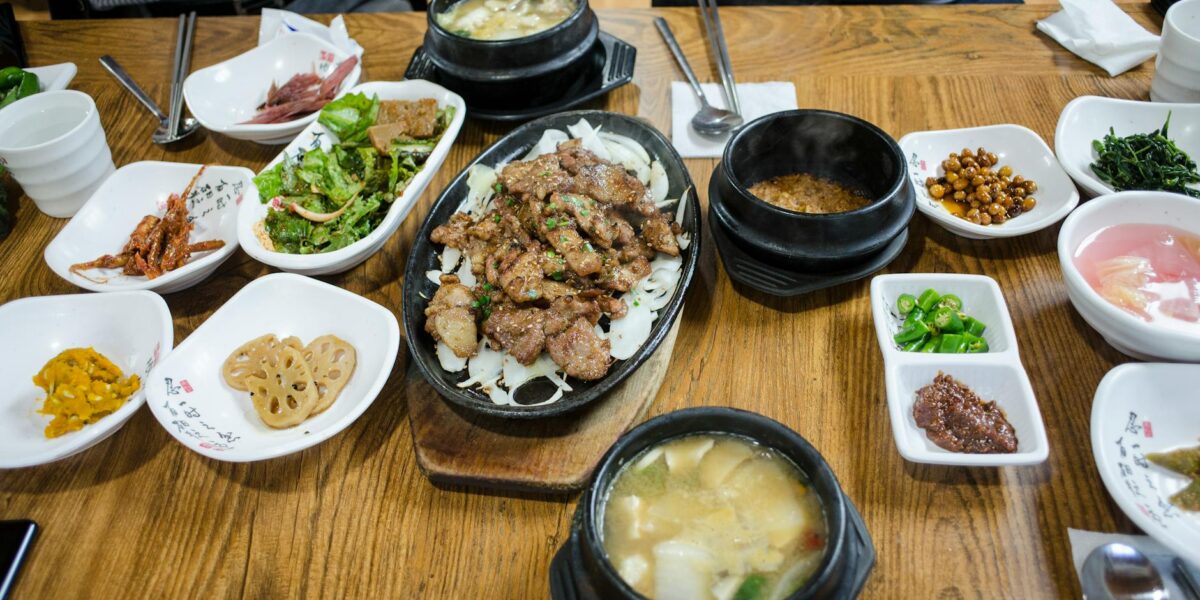
In stews and soups (jjigae and guk). This is the most iconic use of doenjang. The paste is dissolved into a simmering broth — typically anchovy or kelp-based — along with tofu, vegetables, and sometimes meat or seafood. The heat mellows the raw pungency while amplifying the umami depth. Making your own dashi stock is an excellent foundation for these soups.
As a dipping sauce base. Mixed with gochujang, minced garlic, sesame oil, green onions, and a touch of sugar, doenjang becomes ssamjang — the essential accompaniment to Korean BBQ lettuce wraps. It is also wonderful simply thinned with rice vinegar and sesame oil as a dip for raw vegetables.
In marinades. Doenjang adds deep savory notes to meat and vegetable marinades. Combine it with garlic, ginger, soy sauce, and a sweetener for an intensely flavorful marinade for pork, chicken, or even grilled eggplant.
In stir-fries. A spoonful of doenjang added to a stir-fry transforms the flavor profile instantly. It works particularly well with pork, zucchini, mushrooms, and leafy greens like bok choy.
As a glaze or finishing paste. Brush a thin layer of doenjang (thinned with a bit of mirin or rice wine) onto grilled fish, roasted vegetables, or even grilled corn for an umami-packed finish.
In Western-fusion dishes. Doenjang works surprisingly well in non-Korean contexts. Stir it into pasta sauces for depth, add it to burger patties, whisk it into salad dressings, or fold it into compound butter for steak. Anywhere you want a savory, umami punch, doenjang delivers.
6 Essential Doenjang Recipes
Here are six recipes that showcase the range and versatility of doenjang, from classic Korean comfort food to modern fusion ideas.
1. Doenjang Jjigae (Korean Soybean Paste Stew)
This is the single most important doenjang recipe — the dish that every Korean household makes on a regular basis. It is a bubbling, hearty stew loaded with tofu, zucchini, potatoes, onions, and often anchovy broth.
Ingredients:
- 2 tablespoons doenjang
- 1 tablespoon gochugaru (Korean red pepper flakes), optional
- 1/2 block firm tofu, cubed
- 1 small zucchini, diced
- 1 small potato, diced
- 1/2 onion, sliced
- 3 cloves garlic, minced
- 1 green chili pepper, sliced
- 2 cups anchovy-kelp broth (or water)
- 1 green onion, chopped
Instructions: Bring the broth to a boil in a small pot or stone bowl. Stir in the doenjang until dissolved. Add the potato and onion first (they take longest to cook) and simmer for 5 minutes. Add the zucchini, tofu, garlic, and gochugaru. Simmer for another 7–8 minutes until all vegetables are tender. Add the green chili and green onion in the last minute. Serve immediately with steamed rice.
2. Ssamjang (Korean BBQ Dipping Sauce)
The quintessential Korean BBQ condiment. This takes two minutes to prepare and will elevate any grilled meat experience.
Ingredients:
- 2 tablespoons doenjang
- 1 tablespoon gochujang
- 1 tablespoon toasted sesame oil
- 2 cloves garlic, finely minced
- 1 green onion, finely chopped
- 1 teaspoon toasted sesame seeds
- 1 teaspoon sugar or honey
Instructions: Mix everything together in a small bowl. That is it. Serve alongside bulgogi, grilled pork belly, or any grilled meat with lettuce leaves for wrapping.
3. Doenjang Marinated Grilled Pork (Dwaeji Doenjang Gui)
Doenjang transforms into an incredible marinade when combined with a few other Korean pantry staples.
Ingredients:
- 1 lb (450g) pork shoulder or belly, sliced 1/4 inch thick
- 2 tablespoons doenjang
- 1 tablespoon mirin
- 1 tablespoon soy sauce
- 1 tablespoon sesame oil
- 3 cloves garlic, minced
- 1 teaspoon grated ginger
- 1 teaspoon sugar
- 1/2 teaspoon black pepper
Instructions: Combine all marinade ingredients and mix well. Add the sliced pork and marinate for at least 30 minutes (or up to overnight in the refrigerator). Grill over high heat or cook in a hot skillet for 2–3 minutes per side until caramelized and cooked through. Serve with steamed rice, lettuce wraps, and ssamjang on the side.
4. Doenjang Fried Rice
A satisfying way to use leftover rice and just a few ingredients. The doenjang provides all the seasoning you need.
Ingredients:
- 3 cups day-old cooked rice
- 1.5 tablespoons doenjang
- 2 tablespoons vegetable oil
- 1/2 onion, diced
- 1 small zucchini, diced
- 2 cloves garlic, minced
- 1 egg
- 1 green onion, sliced
- Sesame oil for drizzling
Instructions: Heat vegetable oil in a wok or large skillet over high heat. Sauté onion and zucchini for 2 minutes. Push to the side and scramble the egg. Add garlic and rice, stir-frying to break up clumps. Add doenjang and stir-fry vigorously for another 2 minutes until the paste is evenly distributed and slightly caramelized. Garnish with green onion and a drizzle of sesame oil. For more fried rice techniques, check our easy fried rice recipe.
5. Doenjang Glazed Salmon
This East-meets-West recipe uses doenjang as a glaze for oven-roasted salmon — a weeknight dinner that comes together in under 30 minutes.
Ingredients:
- 4 salmon fillets (about 6 oz each)
- 2 tablespoons doenjang
- 1 tablespoon honey or maple syrup
- 1 tablespoon mirin
- 1 teaspoon grated ginger
- 1 clove garlic, minced
Instructions: Preheat oven to 400°F (200°C). Mix doenjang, honey, mirin, ginger, and garlic into a smooth paste. Place salmon fillets on a lined baking sheet and spread the glaze evenly over the top of each fillet. Roast for 12–15 minutes until the salmon is cooked through and the glaze is caramelized. Serve with steamed rice and a simple vegetable side.
6. Doenjang Pasta (Korean Fusion Spaghetti)
This fusion dish has become hugely popular in Korea and among Korean food creators online. Think of it as a Korean riff on aglio e olio.
Ingredients:
- 8 oz (225g) spaghetti
- 1.5 tablespoons doenjang
- 3 tablespoons olive oil
- 4 cloves garlic, thinly sliced
- 1/2 teaspoon gochugaru (optional)
- 1 small zucchini, diced
- Handful of mushrooms, sliced
- 2 tablespoons reserved pasta water
- Sesame seeds and green onion for garnish
Instructions: Cook spaghetti according to package directions, reserving 1/2 cup pasta water before draining. Heat olive oil in a large pan over medium heat. Sauté garlic until golden, about 1 minute. Add zucchini and mushrooms and cook for 3 minutes. Dissolve doenjang in 2 tablespoons of the reserved pasta water, then pour into the pan. Add the cooked pasta and toss everything together, adding more pasta water as needed for a silky sauce. Finish with gochugaru, sesame seeds, and sliced green onion.
Doenjang in Korean Culture
Doenjang holds a cultural significance in Korea that goes far beyond its role as a condiment. In Korean food culture, there is a saying: ”A family’s fortune can be told by the taste of their doenjang.” The ability to make good doenjang was historically one of the most valued domestic skills, and the jangdokdae — the outdoor platform holding the fermentation crocks — was considered the spiritual heart of a Korean home.
Even the timing of doenjang-making was governed by tradition and superstition. Families consulted the lunar calendar to choose auspicious days for preparing meju and setting the brine. It was believed that making jang on an inauspicious day could cause the entire batch to spoil — a significant loss given the months of work involved.
In modern Korea, doenjang jjigae is often called ”the taste of home.” It is the Korean equivalent of chicken soup — a comfort food that connects people to family, memory, and tradition. Many Koreans describe their mother’s or grandmother’s doenjang jjigae as the most meaningful dish in their culinary memory.
The Korean government has recognized traditional jang-making as an important intangible cultural heritage, and several master jang makers have been designated as cultural assets. This official recognition has helped fuel a revival of interest in traditionally made doenjang among younger Koreans and international food enthusiasts alike.
Frequently Asked Questions About Doenjang
Is doenjang gluten-free?
Traditional doenjang made only from soybeans and salt is naturally gluten-free. However, some commercial brands add wheat flour or barley as part of the fermentation or as a filler. Always check the ingredient label if you have celiac disease or a gluten sensitivity.
Is doenjang vegan?
Yes. Doenjang is made entirely from soybeans and salt. It is one of the best vegan sources of deep umami flavor and makes an excellent seasoning base for plant-based cooking.
How do you pronounce doenjang?
Doenjang is pronounced dwen-jahng (two syllables, with the first syllable rhyming roughly with ”when” but starting with a ”dw” sound). The ”oe” in Korean romanization represents a sound similar to the English ”we” or ”weh.”
Can I eat doenjang raw?
Absolutely. Doenjang does not need to be cooked. It is commonly eaten raw as part of ssamjang dipping sauce, mixed into dressings, or served alongside fresh vegetables as a dip. Cooking mellows the flavor but is not required for safety.
How long does doenjang last?
Opened doenjang stored in the refrigerator will last six months to over a year. Traditionally made doenjang can last even longer — years, in some cases — as extended aging only improves its flavor. Commercial varieties with added ingredients may have a shorter shelf life; check the packaging for guidance.
Can I use doenjang instead of miso?
You can, but expect a stronger, more pungent result. If substituting doenjang for miso, start with about two-thirds the amount called for and adjust to taste. This works best in robust dishes like stews or marinades; for delicate preparations like a light miso soup, the swap may be too aggressive.
Is doenjang the same as ssamjang?
No. Ssamjang is a prepared condiment that uses doenjang as a base but also includes gochujang, sesame oil, garlic, and other seasonings. Think of doenjang as a raw ingredient and ssamjang as a finished sauce.
Where can I buy doenjang?
Doenjang is available at most Asian grocery stores, Korean supermarkets (such as H Mart or Lotte), and online retailers. It is typically found in the refrigerated section or the Korean condiment aisle. Brands like Sempio, CJ Haechandle, and Sunchang are the most widely distributed.
Doenjang: The Bottom Line
Doenjang is one of the great fermented foods of the world — a living, evolving ingredient with centuries of tradition behind it and a depth of flavor that few other single ingredients can match. Whether you are making a simple doenjang jjigae on a weeknight, mixing up ssamjang for a Korean BBQ feast, or experimenting with doenjang in pasta and glazes, this remarkable paste rewards curiosity and exploration.
If you are building a Korean pantry, doenjang should be one of your very first purchases, right alongside gochujang, soy sauce, and sesame oil. Stock your pantry with the essential Asian cooking ingredients and you will be ready to tackle Korean recipes with confidence. Once you have tasted what doenjang can do, you will wonder how you ever cooked without it.

Mei Lin Chen
Mei Lin Chen is an Asian food writer and recipe developer. Melbourne-raised and London-based, she has spent over a decade exploring the rice paddies, hawker stalls, and home kitchens of South-East and East Asia. Her recipes balance traditional technique with everyday practicality.