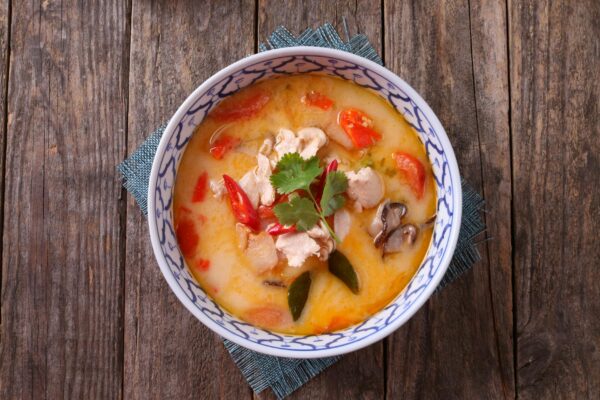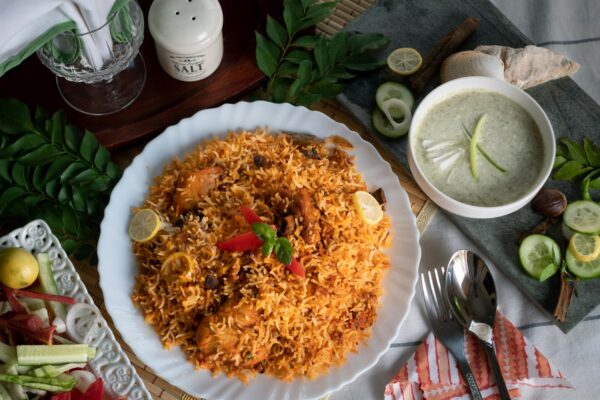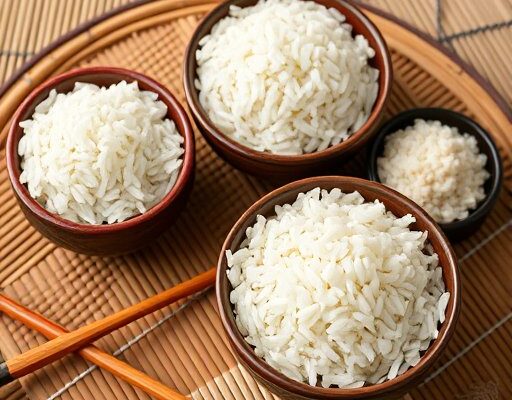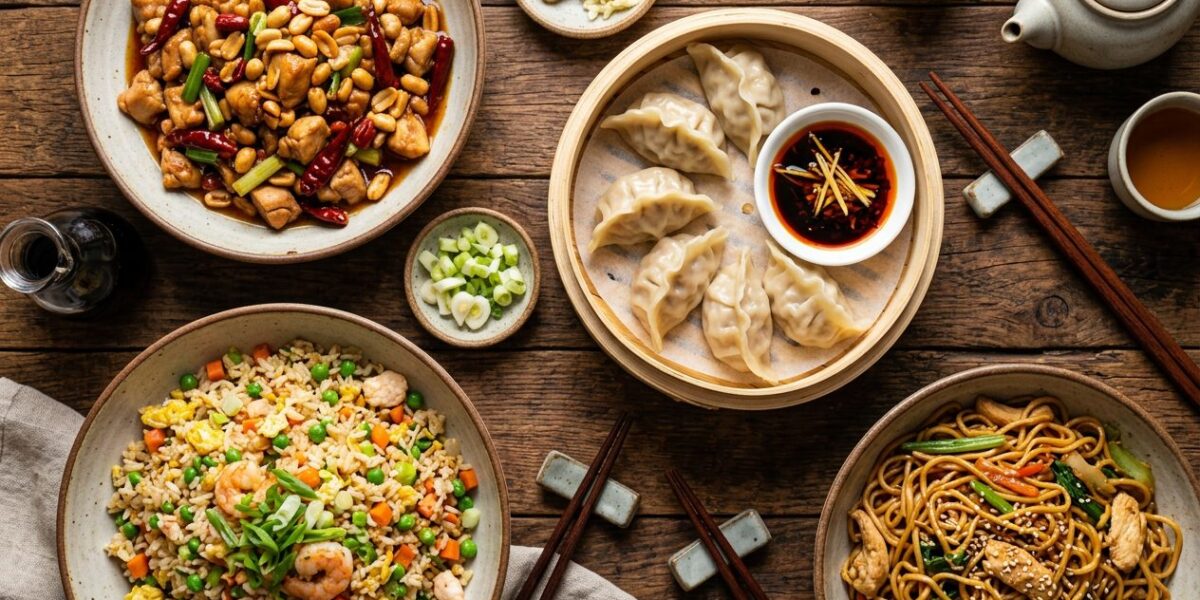
Chinese recipes have been a bridge between generations, and we love sharing them with our kitchen community. Spanning the eight great regional traditions of the Ba Da Cai Xi (八大菜系), from the delicate freshness of Cantonese cooking to the fiery numbing heat of Sichuan, our collection covers the full width of Chinese home cooking — and if you want to explore further afield, our full Asian recipes collection takes you across the continent.
Key Takeaways
- Our eight-cuisine framework helps you choose dishes that match your palate.
- Mastering wok hei and velveting unlocks restaurant-level texture at home.
- Regional flavours are shaped by climate, history, and local ingredients.
- Core pantry staples let you recreate most dishes without a specialty store.
- Each recipe includes a link to a deeper dive or a ready-made guide.
- Chinese cooking teaches us patience in braising, precision in seasoning, and confidence at the wok.
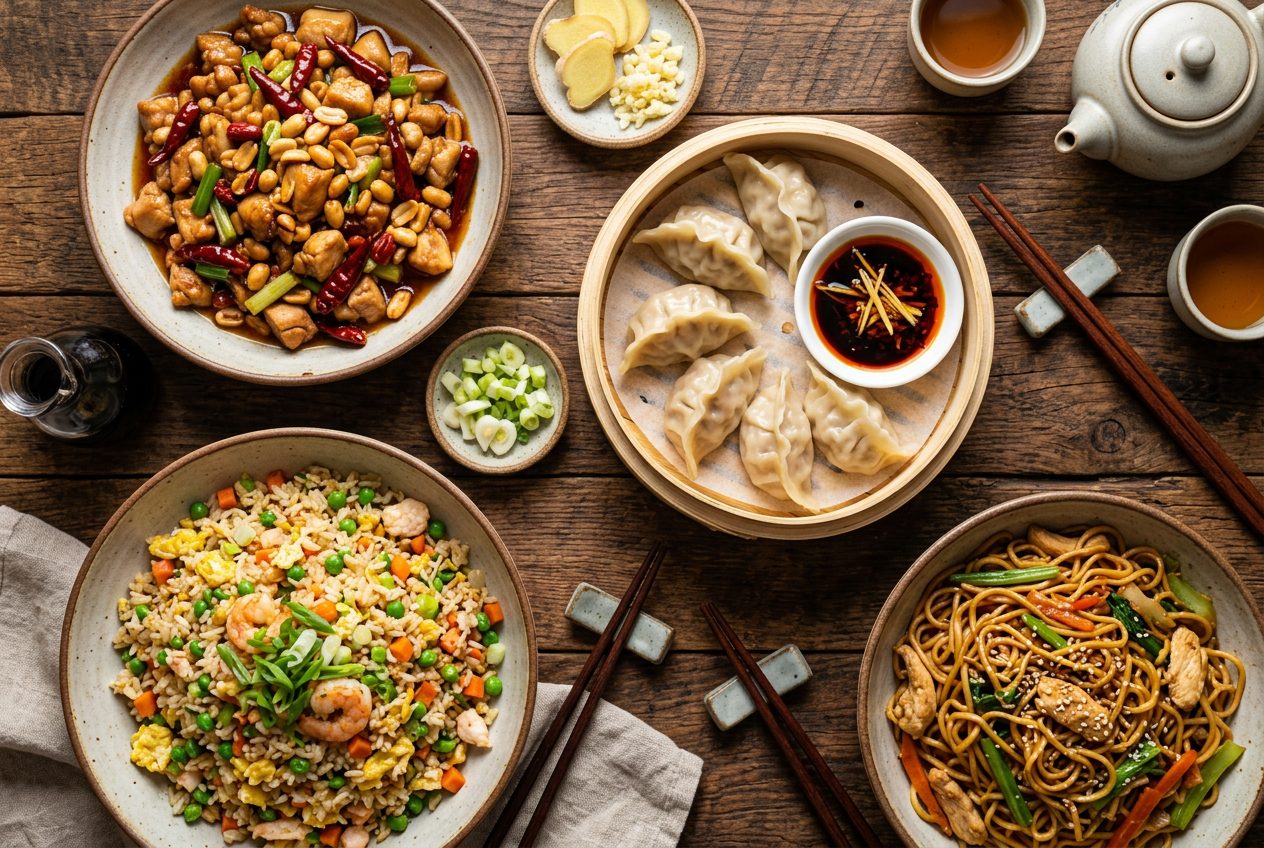
The 8 Regional Cuisines of China
Why Regional Matters
We observe that China’s vast geography creates distinct culinary zones, each shaped by climate, topography, and historic trade routes. In the north, the cooler, drier climate favors wheat-based foods such as noodles, mantou, and pancakes, while the humid south leans toward rice and fresh seafood. These climatic forces also dictate which spices and preservation methods become common in each area.
The cultural history of each province adds another layer of complexity. Coastal provinces like Guangdong have long been exposed to foreign influences through maritime trade, resulting in lighter, sweeter profiles. Inland regions such as Sichuan and Hunan developed bold, spicy flavors to combat dampness and preserve food before modern refrigeration. Understanding these patterns lets us anticipate the taste of a dish before we even taste it.
Our experience shows that the same ingredient can taste completely different across regions. A simple piece of pork might be braised in a sweet-savory sauce in Jiangsu, while the same cut is stir-fried with fiery chilies in Hunan. Recognizing these regional signatures helps us choose the right technique and seasoning for each recipe.
The Comparison Table
The table below summarizes the eight major cuisines, highlighting their signature flavors and iconic dishes.
| Cuisine | Region | Key Flavours | Signature Dishes |
|---|---|---|---|
| Cantonese (Yue) | Guangdong | Light, fresh, sweet-sour | Dim sum, Char siu, Steamed fish |
| Sichuan (Chuan) | Sichuan | Spicy, numbing, aromatic | Kung Pao chicken, Mapo tofu, Dan Dan noodles |
| Jiangsu (Su) | Jiangsu | Sweet, mellow, slightly salty | Sweet-and-sour ribs, Lion’s head meatballs |
| Hunan (Xiang) | Hunan | Hot, smoky, sour | Red-braised pork, Spicy smoked fish |
| Fujian (Min) | Fujian | Umami, broth-rich, subtle | Buddha’s delight, Fried rice noodles |
| Zhejiang (Zhe) | Zhejiang | Fresh, mellow, slightly sweet | West Lake fish, Dongpo pork |
| Shandong (Lu) | Shandong | Salty, crisp, aromatic | Dezhou braised chicken, Sweet-and-sour carp |
| Anhui (Hui) | Anhui | Earthy, hearty, slow-cooked | Braised duck, Stewed pork with bamboo shoots |
The table serves as a quick reference, but the real story unfolds in the cooking methods and local produce that each region embraces. For example, the emphasis on quick stir-fry in Cantonese cuisine reflects the abundance of fresh vegetables and the desire to preserve their crispness. In contrast, the slow-cooked stews of Anhui showcase the province’s mountainous terrain, where hearty, warming meals are prized.
Think of Chinese cooking like a symphony orchestra — Cantonese is the strings, clean and melodic; Sichuan the brass, bold and arresting; Cantonese dim sum the woodwind, delicate and layered. This analogy helps us hear the subtle differences between regions even before we taste them.
How Region Shapes Flavour
Climate drives ingredient availability, which in turn shapes flavor profiles. In the rainy south, fresh herbs such as cilantro, mint, and basil flourish, lending bright notes to dishes. The dry north, with its cooler winters, relies more on preserved vegetables, pickles, and hearty grains.
Historical trade routes introduced new spices and techniques. The Silk Road brought cumin and coriander to the west, while maritime trade introduced chili peppers from the Americas, which were quickly adopted in Sichuan and Hunan cooking. These external influences blended with local traditions to create the remarkably varied spectrum of flavours we enjoy today.
Economic factors also influence cooking styles. Regions with abundant wheat production, such as Shandong, often feature baked or pan-fried breads, while rice-rich areas favor steaming and quick stir-fry. Understanding these economic underpinnings helps us appreciate why certain dishes became staples in particular provinces.
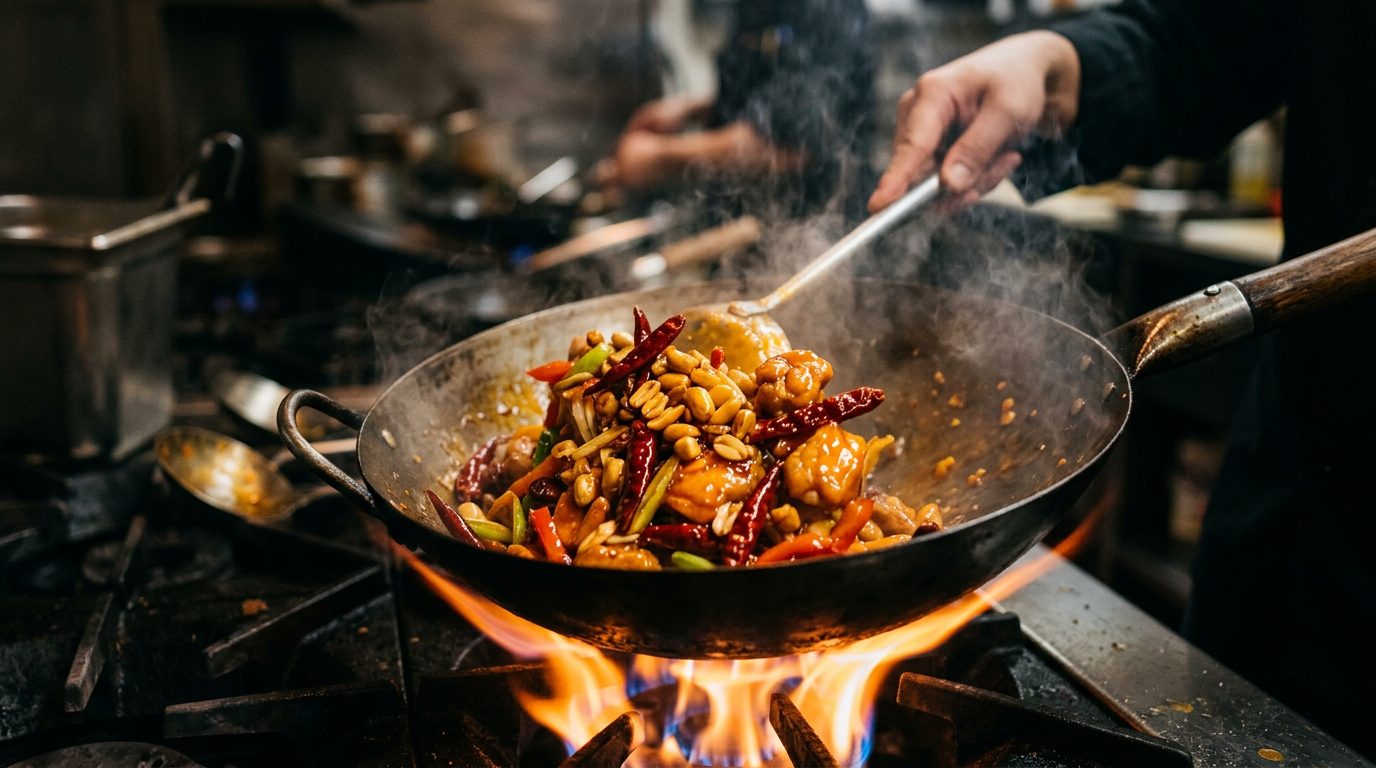
Classic Chinese Stir-Fry Recipes
Kung Pao Chicken (Gong Bao Ji Ding)
We begin with the Sichuan classic that balances heat, sweetness, and crunch. The dish uses dried chilies, Sichuan peppercorns, and roasted peanuts to create a layered mouthfeel. A quick stir-fry over high heat gives us the coveted wok hei, the “breath of the wok” that adds a smoky edge.
The sauce is a harmonious blend of soy, vinegar, sugar, and a touch of hoisin, which coats each bite without drowning the vegetables. We often add a splash of Shaoxing wine to brighten the flavors and to help the sauce cling to the chicken. The final garnish of scallions and toasted peanuts adds visual appeal and a satisfying crunch.
The recipe will be available soon at /kung-pao-chicken-recipe/.
Mapo Tofu
We respect the delicate silken tofu that soaks up the fermented bean paste and chili oil. The sauce, built on doubanjiang, brings a deep umami that pairs with the subtle numbing sensation of Sichuan peppercorns. When we finish the dish with a splash of sesame oil, the aroma rises like a fragrant cloud over the wok.
The key to a silky texture is to handle the tofu gently, adding it at the end of the cooking process and stirring just enough to coat. Over-stirring can cause the tofu to break apart, turning the dish into a mushy soup rather than a graceful balance of flavors. A pinch of Sichuan peppercorns at the end adds a lingering tingling sensation that makes the dish unforgettable.
The recipe will be posted shortly.
Beef with Broccoli
We adapt a Cantonese-American favourite by first velveting the beef in egg white, cornstarch, and a pinch of Shaoxing wine. This coating creates a silky texture that survives the rapid stir-fry without drying out. The broccoli stays crisp, and the sauce—light soy, oyster, and a hint of ginger—binds everything together.
The velveting step also helps the beef retain moisture, resulting in a tender bite even when cooked at high heat. We finish the dish with a drizzle of sesame oil and a sprinkle of toasted sesame seeds for an extra layer of aroma. The combination of bright green broccoli and caramelized beef makes this dish a crowd-pleaser at any dinner table.
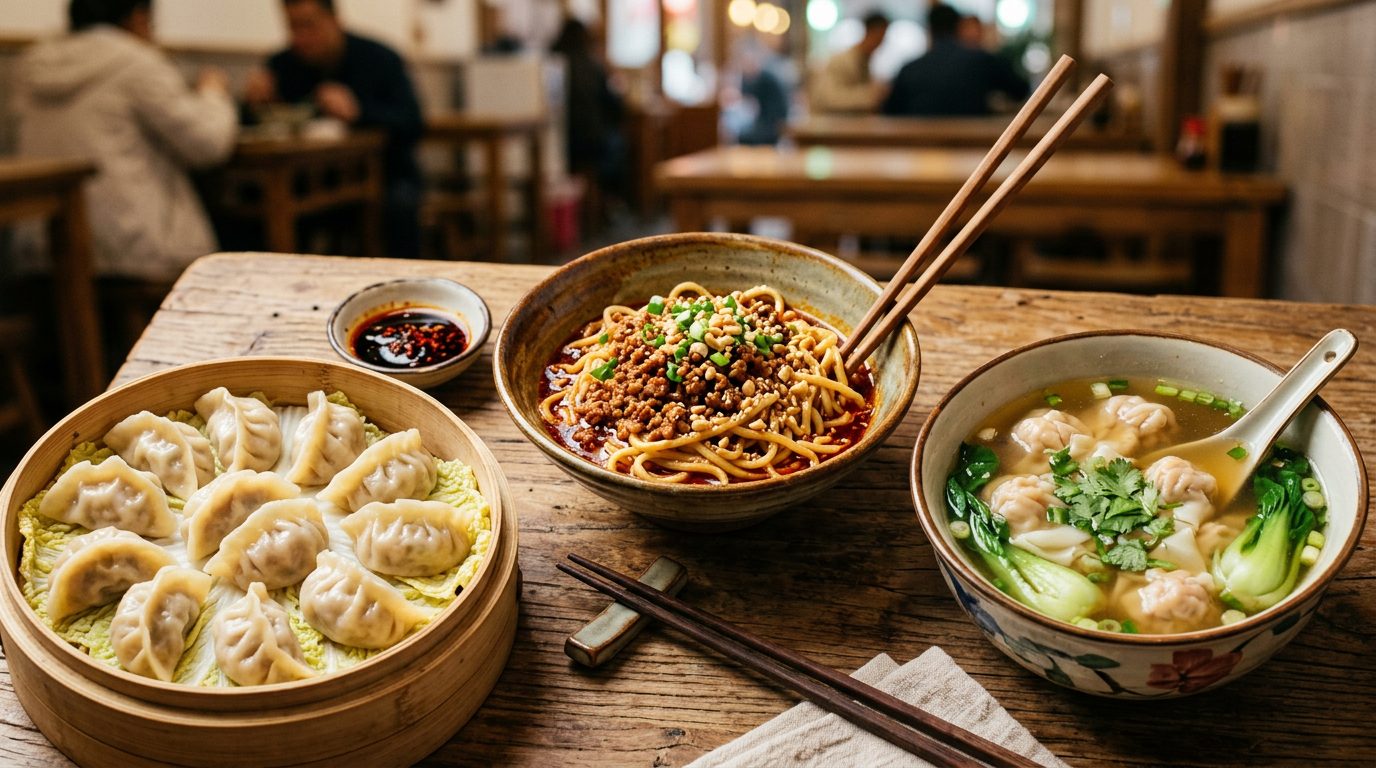
Chinese Noodle and Dumpling Recipes
Dan Dan Noodles
We trace the origins of these noodles to bustling Sichuan street stalls, where vendors carried them on a pole-like frame. The name “Dan Dan” refers to that very carrying pole, a reminder of the dish’s humble roots. A sauce of sesame paste, chili oil, and Sichuan peppercorns delivers a complex, numbing heat that lingers on the palate.
The noodles are typically thin wheat strands that cook quickly, preserving a firm bite that contrasts with the creamy sauce. We often add a small amount of preserved vegetables and a splash of vinegar to brighten the dish and cut through the richness. The final garnish of minced pork and scallions adds texture and visual interest.
The recipe will be shared soon.
Wonton Soup
We cherish the Cantonese tradition of delicate pork-shrimp wontons swimming in a clear, chicken-based broth. The broth is seasoned with ginger, scallion, and a splash of light soy, allowing the wontons to shine. A quick blanch in boiling water preserves the tender wrapper while keeping the filling juicy.
The key to a perfect broth is to simmer it gently, avoiding a rolling boil that can cloud the liquid. Adding a few slices of shiitake mushroom deepens the umami without overwhelming the subtle flavors of the wontons. A final drizzle of sesame oil and a sprinkle of chopped cilantro bring a fragrant finish.
The recipe will be available at /wonton-soup-recipe/.
Jiaozi Dumplings
We explore the many faces of jiaozi—boiled in the north, steamed in the south, and pan-fried in the east. Each method yields a distinct texture, from soft and pillowy to crisp and golden. We often serve them with a dipping sauce of soy, vinegar, and minced garlic, a simple trio that enhances every bite.
The dough is made from high-gluten flour, which gives the wrapper a slight chewiness that holds up to vigorous boiling or pan-frying. The filling typically combines ground pork, napa cabbage, ginger, and scallions, seasoned with soy sauce and a touch of sesame oil. Proper sealing of the pleats ensures that the filling stays inside during cooking.
For a side that pairs perfectly, see our our egg fried rice recipe.
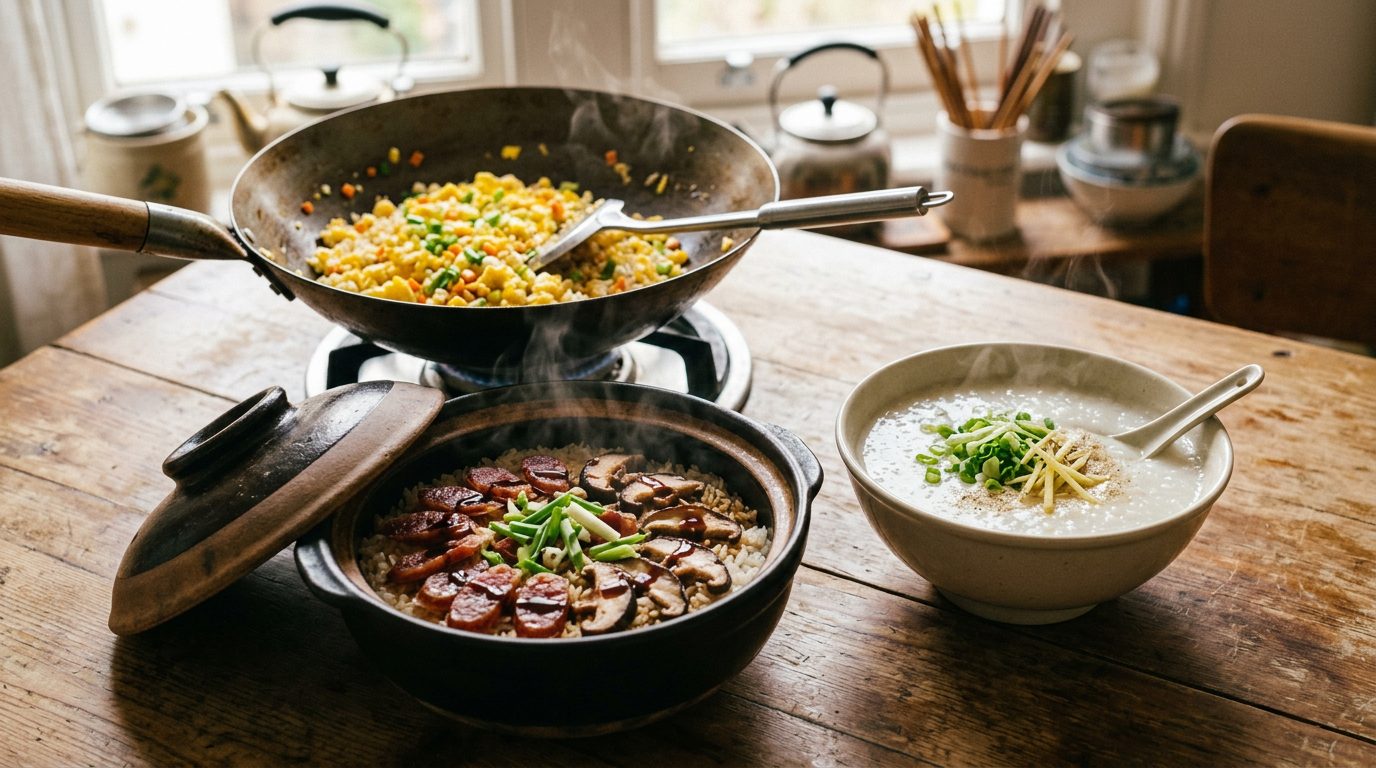
Chinese Rice Dishes
Our Egg Fried Rice Recipe
We keep the rice grains separate by using day-old rice, a trick that prevents clumping. A hot wok, a splash of oil, and a quick toss with soy sauce, scallions, and a beaten egg create the classic texture that diners love. The result is a fragrant, slightly caramelised dish that works as a main or a side.
The day-old rice allows each grain to dry out slightly, so it can absorb the sauce without turning mushy. We add a pinch of white pepper for a subtle heat that lifts the flavors without overwhelming them. A final drizzle of sesame oil adds a nutty aroma that ties the dish together.
Try it now at /fried-rice-recipe/.
Clay Pot Rice (Bao Zai Fan)
We let the rice finish its cooking in a clay pot, allowing a golden, crispy crust to form at the bottom. The addition of Chinese sausage, mushrooms, and a drizzle of soy sauce infuses the rice with savory depth. When we lift the pot, the aroma of toasted rice greets us like a warm welcome.
The clay pot’s even heat distribution ensures that the rice cooks uniformly, while the high heat at the bottom creates a coveted “socarrat” layer that is both crunchy and flavorful. We often garnish the dish with sliced scallions and a few leaves of fresh cilantro for brightness. The result is a comforting one-pot meal that satisfies both texture and taste.
Congee (Jook/Zhou)
We appreciate congee as a comfort food that adapts to any region, from plain Cantonese versions to spicy Sichuan styles. The rice is simmered for hours until it dissolves into a silky porridge, a process that releases gentle sweetness. We often top it with preserved egg, shredded chicken, or pickled vegetables for texture and contrast.
The long simmering time allows the starches to break down, creating a velvety mouthfeel that is soothing on a cold day. Adding a splash of fish sauce or a pinch of white pepper can tailor the flavor to regional preferences. A drizzle of ginger-infused oil at the end adds a fragrant lift that rounds out the bowl. Rice is so central to Chinese food culture that China produces approximately 200 million tonnes of it per year, according to the UN Food and Agriculture Organisation — more than any other country on Earth.
Chinese Soups and Braises
Hot and Sour Soup (Suan La Tang)
We begin with the classic hot and sour soup, a dish that showcases the balance of vinegar and white pepper typical of Sichuan and northern kitchens. The broth starts with a chicken or pork stock, to we whisk in white vinegar, soy sauce, and a pinch of white pepper to create a bright, tangy base.
Key ingredients such as sliced bamboo shoots, wood ear mushrooms, and tofu add texture, while a slurry of cornstarch thickens the soup to a silky consistency. A final splash of sesame oil and a sprinkling of chopped cilantro bring a fragrant finish that lifts the entire bowl.
The soup’s dual nature—simultaneously warming and refreshing—makes it a perfect starter for a rainy evening or a lively banquet.
Red-Braised Pork Belly (Hong Shao Rou)
We honor the slow-cooked red-braised pork belly, a dish beloved across Hunan and Jiangsu. The pork is first blanched to remove impurities, then braised in a mixture of soy sauce, rock sugar, ginger, star anise, and a splash of Shaoxing wine.
The low-and-slow cooking allows the fat to melt into the sauce, creating a glossy, caramelised coating that clings to each piece. The dish is famously associated with Mao Zedong, who hailed it as his favourite comfort food during his youth in Hunan; the story adds a historic charm to every bite.
We serve the pork with a side of steamed bok choy, whose crispness cuts through the richness of the sauce, providing a balanced plate that satisfies both palate and nostalgia.
Wonton Soup vs Won Ton Noodle Soup
We clarify the Cantonese distinction between plain wonton soup and the heartier won ton noodle soup. The former features delicate pork-shrimp wontons floating in a clear, lightly seasoned broth, often accompanied by a few sliced mushrooms or a handful of baby bok choy.
The latter adds a bed of chewy egg noodles, turning the dish into a more substantial meal. The broth for won ton noodle soup is typically richer, sometimes infused with dried scallops or pork bones, giving it a deeper umami profile.
Both versions showcase the Cantonese emphasis on freshness and balance, but the noodle version offers a comforting heft that makes it a popular choice for lunch or dinner.
Core Chinese Ingredients to Stock
The Sauces and Condiments
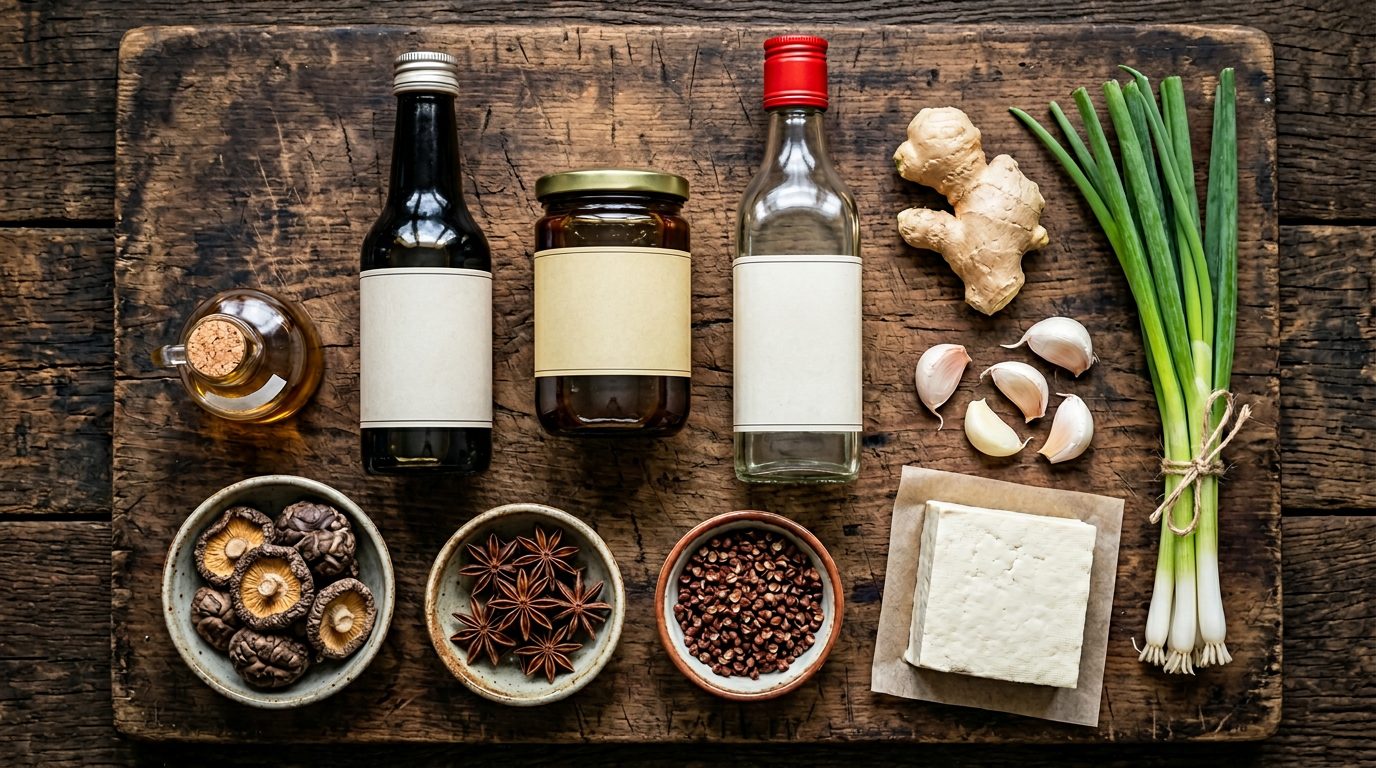
We keep a core set of sauces on hand: light and dark soy, oyster sauce, doubanjiang, and Shaoxing wine. Each brings a distinct layer—salty, sweet, umami, or aromatic—to our dishes. For a deeper dive, see our Asian cooking ingredients guide.
Light soy sauce provides a salty backbone without overwhelming color, while dark soy adds depth and a glossy sheen to braised dishes. Oyster sauce contributes a subtle sweetness and a hint of seaweed flavor that enhances stir-fry vegetables. Doubanjiang, a fermented broad bean paste, delivers the bold, umami-rich heat that defines Sichuan cuisine.
Shaoxing wine, a Chinese rice wine, lifts the aroma of meat and seafood, helping to break down proteins and infuse dishes with a gentle, fruity note. Keeping these staples stocked ensures we can create authentic flavors without frequent trips to specialty stores. It is worth noting that a 2023 YouGov survey found Chinese cuisine to be the most ordered takeaway in the UK, accounting for over 25% of all takeaway orders — a testament to how much these flavours have taken root in British kitchens.
Aromatics and Spices
We rely on ginger, garlic, spring onion, and five-spice powder to build the backbone of most recipes. Sichuan peppercorns add a tingling “ma” sensation that distinguishes the region’s heat from pure chili fire. Toasting these aromatics briefly releases their volatile oils, which lift the entire dish.
Fresh ginger provides a bright, peppery bite that cuts through richer sauces, while garlic contributes a deep, savory foundation. Spring onion adds a mild onion flavor and a crisp texture when added at the end of cooking. Five-spice powder—a blend of star anise, cloves, Chinese cinnamon, Sichuan pepper, and fennel seed—offers a warm, aromatic complexity to braised meats and soups.
We store dried spices in airtight containers away from direct sunlight to preserve their potency, and we grind whole spices just before use for maximum flavor. This practice ensures that each dish carries the intended aromatic punch.
Proteins and Tofu
We treat tofu as a versatile canvas, ranging from silken for soups to firm for stir-fry. Pork remains the default protein in many classic dishes, but we also incorporate chicken, beef, and seafood as the region dictates. Marinating proteins with a touch of soy and rice wine enhances flavor before cooking.
Silken tofu absorbs broth beautifully, making it ideal for hot and sour soup or mapo tofu. Firm tofu holds its shape during high-heat stir-fry, allowing it to develop a slight crust while retaining a creamy interior. Pork belly, with its layered fat and meat, is perfect for red-braising, while chicken thighs stay moist when braised or stir-fried.
Seafood such as shrimp, scallops, and fish fillets are added at the end of cooking to prevent overcooking, preserving their delicate texture and fresh taste. By mastering the handling of each protein, we can create dishes that showcase the best of Chinese culinary tradition.
Chinese Cooking Techniques Every Home Cook Should Know
Wok Hei
We chase the elusive wok hei by heating the wok until it begins to smoke, then adding oil and ingredients in rapid succession. The high heat creates a Maillard reaction that imparts a smoky, slightly charred note. A study on wok cooking science shows that this technique can increase flavor compounds by up to 30 % (Serious Eats, 2022).
According to Serious Eats food science research, cooking at high heat in a wok creates unique aromatic compounds — including pyrazines — that cannot be replicated on lower-temperature domestic hobs.
The Maillard reaction, which drives wok hei flavor development, begins at around 140 °C (284 °F). When the wok reaches this temperature, proteins and sugars on the surface of the ingredients undergo rapid browning, producing the characteristic “breath of the wok.” To achieve this, we pre-heat the wok until a thin layer of oil begins to shimmer, then add the ingredients in small batches to maintain the high temperature.
Maintaining wok hei requires speed and confidence. Over-crowding the wok lowers the temperature, causing steaming rather than searing. By working quickly and using a well-seasoned carbon-steel wok, we preserve the high heat needed for that signature smoky aroma.
Velveting
We coat meat in a mixture of egg white, cornstarch, and a splash of Shaoxing wine before blanching or stir-frying. This creates a protective film that locks in moisture, resulting in a silky bite. The method is especially useful for beef and chicken, which can otherwise become tough under high heat.
The coating forms a thin barrier that prevents the meat’s juices from escaping during the rapid cooking process. After the brief blanch, the meat retains a tender, almost buttery texture that contrasts with the crisp vegetables surrounding it. This technique also helps the meat absorb sauces more evenly, enhancing overall flavor.
We often finish the velveted meat with a quick flash in the wok, allowing the exterior to develop a light caramelisation while the interior stays juicy. The result is a dish that feels both delicate and full-bodied, a hallmark of many Cantonese stir-fry recipes.
Red Braising (Hong Shao)
We slow-cook proteins in a blend of soy sauce, sugar, ginger, and star anise, allowing the flavors to meld over low heat. The process yields a glossy, caramelised sauce that clings to each piece of meat. This technique is the backbone of dishes like red-braised pork belly, a staple across several regions.
The low temperature gives the sugar time to caramelise slowly, creating a deep amber glaze that adds both sweetness and complexity. The aromatic spices infuse the meat, producing a fragrant profile that is both sweet and slightly spicy. We finish the dish with a splash of vinegar or a pinch of pepper to balance the richness.
Red braising is versatile; it works equally well with chicken, duck, or even tofu, allowing each protein to soak up the rich sauce. The key is patience—allowing the dish to simmer gently for at least an hour ensures the flavors fully develop and the meat becomes melt-in-the-mouth tender.
FAQ
Whether you are a complete beginner or a home cook looking to go deeper, whether you want a quick weeknight stir-fry or a slow weekend braise, whether you cook for one or for many — our Chinese recipes collection has a dish for you.
What are the most popular Chinese recipes for beginners?
We recommend simple stir-fry dishes such as beef with broccoli, our egg fried rice, and gentle wonton soup. These recipes require minimal ingredients and teach core techniques like wok hei and velveting.
What is the difference between Cantonese and Sichuan cooking?
We notice that Cantonese cuisine favours light, fresh flavours and quick stir-fry, while Sichuan cuisine embraces bold heat, numbing peppercorns, and complex sauces. The contrast is evident in the ingredients and cooking methods each tradition employs.
Do I need a wok to cook Chinese food at home?
We find that a well-seasoned carbon-steel wok delivers the best results, but a heavy-bottomed skillet can substitute for most stir-fry recipes. The key is achieving high heat and a thin layer of oil to develop wok hei.
What is wok hei and how do I get it at home?
We define wok hei as the smoky, slightly charred flavour that comes from cooking over very high heat in a seasoned wok. To achieve it, pre-heat the wok until it smokes, add oil, then toss the ingredients quickly, allowing them to sear without steaming.
Are Chinese recipes healthy?
We observe that many Chinese dishes rely on vegetables, lean proteins, and modest amounts of oil, making them balanced meals. However, some regional specialties use richer sauces or fried elements, so we suggest moderating portion size and choosing recipes that match your dietary goals.
What Chinese recipes can I make without special ingredients?
We suggest dishes that use pantry staples such as soy sauce, garlic, ginger, and rice. Simple stir-fry, egg fried rice, and basic noodle soups require only these basics, allowing you to enjoy authentic flavours without a specialty store.