Last updated: March 27, 2026
Japanese food is one of the most influential cuisines on earth, shaping how home cooks and restaurants think about umami, seasonality, knife work, and presentation. Yet the version most people encounter outside Japan — California rolls, hibachi steak, fluorescent teriyaki glaze — barely hints at what washoku (traditional Japanese cuisine) actually is. Real Japanese food is built on dashi, rice, fermentation, and a near-religious respect for the ingredient. It is the cuisine of three-Michelin-star kaiseki temples and of 200-yen bowls of soba slurped at a train-station counter. It contains 47 prefectures’ worth of regional cooking, from the dairy-rich farms of Hokkaido to the sugarcane fields of Okinawa.
This guide is a complete primer to Japanese cuisine for the home cook. We cover the history and regional structure that shaped the food, the pantry of ingredients you need to start cooking, a deep dive into 12 essential dishes, the core techniques that unlock everything, how Japanese food compares to its neighbors, how to plan a balanced Japanese meal at home, and the questions readers ask most often. By the end you should have a working framework — not just recipes, but a way of thinking about Japanese food that makes the next 50 dishes you cook make sense.
A Brief History of Japanese Cuisine
Japanese cuisine, like the country itself, is the product of long isolation punctuated by intense bursts of outside influence. The earliest Jomon-period diet (roughly 14,000 BCE–300 BCE) leaned on foraged nuts, shellfish, deer, and wild boar. The introduction of wet-rice cultivation from the Asian mainland in the Yayoi period (300 BCE–300 CE) is the single most consequential event in the cuisine’s history: rice would become not just a staple but the unit of value, the offering to the gods, and the organizing principle of every meal.
Buddhism arrived in the 6th century and brought with it a 1,200-year period of imperial bans on eating four-legged animals. This shaped Japanese cooking around fish, vegetables, and soy — particularly the temple tradition called shojin ryori, a vegetable-and-tofu cuisine refined in Zen monasteries that gave the rest of Japanese cooking its template for restraint, balance, and seasonal harmony. The same period saw the development of fermentation: miso, soy sauce, sake, mirin, and vinegar all evolved from the same underlying agent, the koji mold (Aspergillus oryzae), which became Japan’s national microorganism in 2006.
The 16th century brought the Portuguese, who introduced deep-frying in batter (the technique that became tempura) and the chili pepper. The Edo period (1603–1868) created the fast-food culture that defines Tokyo to this day — sushi, soba, tempura, and unagi were all 17th- to 19th-century street foods. After the Meiji Restoration in 1868, the 1,200-year meat ban was lifted; the Emperor publicly ate beef, and within a generation the Japanese had absorbed Western ingredients into a category they called yoshoku (Western food): tonkatsu, Japanese curry rice, omurice, hayashi rice, korokke. These hybrid dishes are now considered as Japanese as miso soup.
The post-war era exported Japanese food to the world. Sushi went global in the 1970s. Ramen, originally a Chinese import called shina soba, became Japan’s defining noodle in the 1950s and a worldwide obsession in the 2000s. In 2013 UNESCO inscribed washoku on its list of Intangible Cultural Heritage, formally recognizing what diners had long sensed: that Japanese cuisine is a complete philosophy of eating, not just a list of dishes.
The Regions of Japan and How They Cook
Japan is a long, narrow archipelago that stretches roughly the same distance as Maine to Florida. The result is enormous regional variation in climate, ingredients, and cooking style. Most outsiders meet Japanese food as a single category; in Japan it is closer to a federation of distinct cuisines. The broadest divide is between the Kanto region around Tokyo in the east and the Kansai region around Osaka and Kyoto in the west. Kanto cooking tends to be stronger, saltier, and built on dark soy sauce and bonito-heavy dashi; Kansai cooking is gentler, sweeter, and built on light-colored usukuchi soy sauce and kombu-forward dashi.
Beyond that east-west axis, Japan’s eight major regions each have their own larder. Hokkaido in the north is dairy country — butter, cream, lamb, corn, potatoes, and the world’s best uni and crab. Tohoku, the cold northeast, is rice country, the home of Japan’s most respected junmai sake breweries and of fermentation-heavy dishes like kiritanpo. Kanto built the Edo-period street-food canon: nigiri sushi, tempura, soba, and unagi. Chubu — the mountainous middle, including Nagoya — gave the country miso katsu, hitsumabushi grilled eel, and the dark, funky Hatcho miso. Kansai, the historic heart of Japanese cuisine, is the home of kaiseki, Kyoto’s tofu and pickle traditions, and Osaka’s wild flour-based street food including takoyaki and okonomiyaki. Chugoku and Shikoku in the west specialize in Sanuki udon, sea bream, and yuzu citrus. Kyushu in the south is the home of tonkotsu ramen, sweet-potato shochu, and the country’s strongest Chinese and Korean influences. Finally, Okinawa — long an independent kingdom — has its own cuisine built on pork, tofu, bitter melon, and brown sugar; we cover it in depth in our Okinawan food guide.
The Five Principles of Washoku
To understand why Japanese food tastes the way it does, you have to understand the framework Japanese cooks use to compose a meal. Washoku is traditionally organized around five colors (white, black, red, yellow, green), five flavors (sweet, sour, salty, bitter, and umami), and five cooking methods (raw, simmered, grilled, steamed, fried). A balanced Japanese meal is supposed to include all three sets in some combination, which is why a traditional set meal (teishoku) arrives with so many small plates — each one represents a different color, flavor, or technique.
The most important flavor in this framework is umami, the savory taste identified and named by the Japanese chemist Kikunae Ikeda in 1908. Japanese cooks have been building dishes around umami for over a millennium without naming it: it is the underlying logic of dashi, of long-aged miso, of soy sauce, of sun-dried fish, of fermented bean paste, of kombu kelp left to dry in sea wind. Once you grasp that almost every Japanese savory dish is engineered to maximize umami while keeping fat, salt, and sugar restrained, the cuisine becomes much easier to cook well.
Essential Japanese Ingredients
You can cook 80% of the Japanese canon with a fairly short list of pantry items. The table below covers the core ingredients, what they do, and where to use them. Most keep for months or years; building this pantry once unlocks dozens of weeknight meals.
| Ingredient | What It Is | Primary Use | Storage |
|---|---|---|---|
| Short-grain rice | Sticky japonica rice (Koshihikari, Akita Komachi) | The base of every traditional meal; sushi, donburi, onigiri | Cool, dry pantry; up to 6 months |
| Soy sauce (shoyu) | Fermented soy and wheat brine | Universal seasoning; marinades, dipping, finishing | Refrigerate after opening |
| Miso paste | Fermented soybean paste (white, red, or mixed) | Soup, marinades, glazes, salad dressings | Refrigerated, 1 year+ |
| Mirin | Sweet rice wine for cooking | Glazes, simmered dishes, teriyaki sauce | Cool, dark cupboard |
| Sake | Brewed rice wine for cooking and drinking | Tenderizes meat, balances saltiness | Cool, dark cupboard |
| Rice vinegar | Mild fermented rice vinegar | Sushi rice seasoning, sunomono salads, pickles | Pantry, 2 years |
| Dashi | Stock of kombu and bonito flakes | The base of nearly every savory dish | Make fresh; powder packs available |
| Kombu | Dried sea kelp | Dashi, simmered dishes, pickles | Sealed pantry, indefinite |
| Bonito flakes (katsuobushi) | Shaved dried smoked tuna | Dashi, okonomiyaki topping, salad finish | Sealed, 6 months |
| Nori | Dried sheet seaweed | Sushi, onigiri, soup garnish | Sealed with desiccant |
| Wakame | Dried tender seaweed | Miso soup, salads | Sealed pantry |
| Panko | Coarse Japanese breadcrumbs | Tonkatsu, korokke, fried fish | Sealed pantry |
| Toasted sesame oil | Aromatic seed oil | Finishing oil; rarely used for frying | Refrigerate after opening |
| Yuzu | Fragrant citrus (fresh or bottled juice) | Ponzu, dressings, desserts | Frozen or refrigerated |
| Wasabi | Pungent root (real or paste) | Sushi, sashimi, soba dipping | Refrigerated |
| Shichimi togarashi | Seven-spice chili blend | Noodle and rice topping | Pantry, 6 months |
| Furikake | Dry rice seasoning | Rice, onigiri, popcorn | Sealed pantry |
A few of these deserve a deeper look. Dashi is the single most important thing to learn — it is the stock that gives miso soup, tamagoyaki, simmered vegetables, soba broth, and dozens of other dishes their backbone. Real dashi takes 15 minutes and uses only water, bonito flakes, and kombu. Miso paste comes in dozens of styles; white (shiro) miso is mild and slightly sweet, red (aka) miso is salty and deeply fermented, and a blended (awase) miso is the most versatile place to start. Mirin should be true hon mirin, not the corn-syrup ”mirin-style seasoning” found in some American stores — it is the difference between a clean glaze and a cloying one. And koji, the live mold that ferments soy sauce, miso, sake, and mirin, is the invisible foundation of the entire pantry.
12 Must-Try Japanese Dishes
If you want to understand Japanese food, cook your way through this list. They are chosen not just for fame but for what each one teaches: a different cooking method, a different region, a different time of day. None of them is difficult once you have the pantry in place.
1. Ramen
Ramen is the dish that put modern Japanese cuisine on the global map. It is built on four components: broth, tare (seasoning concentrate), noodles, and toppings. Broth styles include tonkotsu (pork bone, cloudy and rich, from Kyushu), shoyu (soy-seasoned, the Tokyo standard), shio (salt-based, clean and golden), and miso (Sapporo’s hearty bowl). Toppings might include chashu pork, soft-boiled ajitsuke tamago, scallions, menma bamboo, and a sheet of nori. Master one bowl and you have a template for endless variation; see our guides to ramen broth and homemade ramen noodles, plus the classic shoyu ramen recipe.
2. Sushi and Sashimi
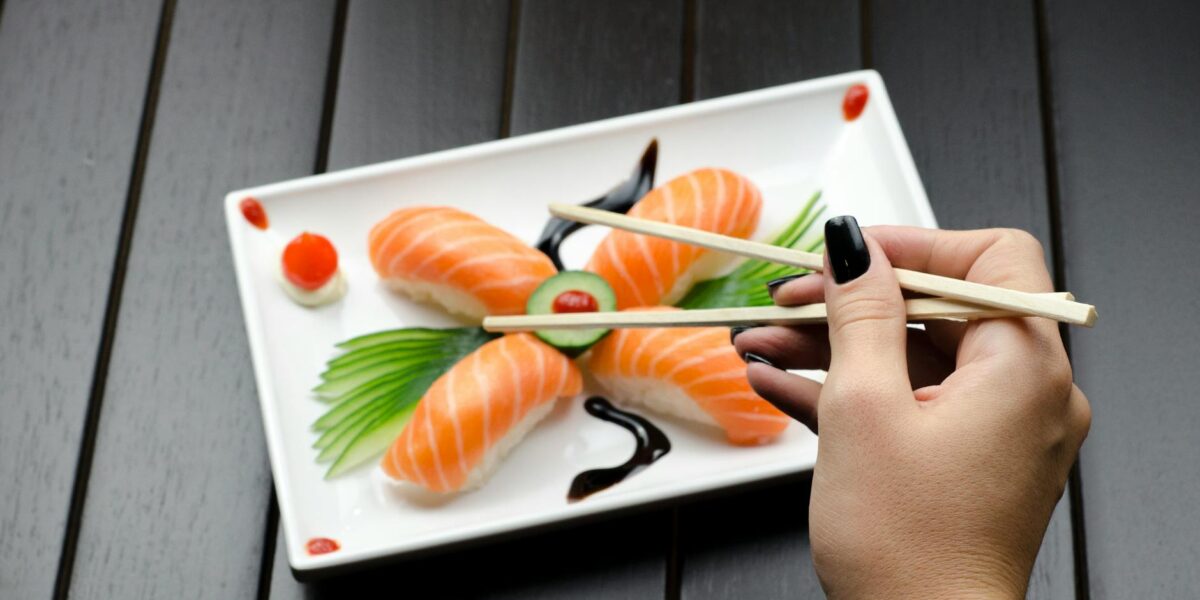
Sushi is fundamentally a dish about rice, not fish — the vinegared rice (shari) is what defines it, and any sushi chef will tell you that the rice is judged before the fish. The major formats are nigiri (a hand-pressed oblong of rice with a slice of fish on top), maki (rolled in nori), chirashi (scattered over a bowl of rice), and temaki (cone-shaped hand rolls). Sashimi is the fish on its own — pure cutting technique, pure ingredient. Start with our guides on sushi rice, nigiri technique, sashimi cutting, and five easy sushi rolls.
3. Tempura
Tempura is Japanese deep-frying perfected: ice-cold batter, hot oil, a brief contact time, and the lightest possible coating around shrimp, white fish, or seasonal vegetables. Good tempura is barely there — a crackling pale-gold lattice that shatters at a touch. The trick is in the batter (lumpy, cold, undermixed), the oil temperature (170–180°C / 340–360°F), and the dipping sauce called tentsuyu made from dashi, soy sauce, mirin, and grated daikon. See our tempura batter guide for the full method.
4. Tonkatsu
Tonkatsu is a thick pork cutlet breaded in panko, deep-fried to a deep golden brown, and served with shredded cabbage and a sweet-savory brown sauce. It is the platonic ideal of yoshoku — Japan’s reinterpretation of a Western dish (the German schnitzel, mediated through the French côtelette de porc) into something distinctly Japanese. Done right, the breading is shatteringly crisp and the pork inside is still juicy. Our tonkatsu recipe walks through the double-coating technique.
5. Teriyaki Chicken
Real teriyaki bears almost no resemblance to the bottled American version. The word itself describes a technique: teri (shine) and yaki (grilled). You sear meat or fish, then glaze it in a reduced sauce of soy, mirin, sake, and sugar until the surface is lacquered. There is no pineapple, no garlic, no thickener — the gloss comes from the sugars in the mirin reducing on the meat. The authentic teriyaki chicken recipe takes 30 minutes and uses four ingredients.
6. Okonomiyaki
Okonomiyaki is the savory pancake of Osaka — cabbage, flour, dashi, and egg griddled to a thick disc, then crowned with mayo, brown sauce, bonito flakes that dance in the heat, and a snowfall of aonori seaweed. The name means ”grilled how you like it,” and there are dozens of regional and personal variations: the Hiroshima version layers crepe, noodles, cabbage, and egg in distinct strata. It is street food, comfort food, and party food at once; see our okonomiyaki recipe.
7. Takoyaki
Osaka’s other griddle classic, takoyaki, are golf-ball-sized fritters of dashi-spiked batter, each one stuffed with a chunk of octopus and cooked in a special dimpled cast-iron pan. They come out crisp on the outside, molten on the inside, and are topped with the same okonomi sauce, mayo, and bonito flakes treatment. They are the dish that defines Osaka street culture. Our crispy takoyaki recipe shows the flipping technique.
8. Donburi (Rice Bowls)
Donburi means ”bowl,” and a donburi dish is anything served over rice in one. The canon includes oyakodon (chicken and egg simmered in dashi-soy and poured over rice), katsudon (a tonkatsu cutlet given the oyakodon treatment), gyudon (thin-sliced beef and onion in sweet-savory broth), unadon (grilled eel), and tendon (tempura over rice). These are Japan’s true everyday food — quick, hearty, balanced, satisfying. The oyakodon recipe is the gateway. Our yakitori don is the grill-bar variation.
9. Yakitori
Yakitori are skewered chicken parts grilled over binchotan white charcoal at fierce, smokeless heat. A serious yakitori chef will use every part of the bird — thigh, breast, skin, liver, heart, knee cartilage, tail — each one cooked to its specific doneness and seasoned with either salt (shio) or sweet soy glaze (tare). It is bar food, after-work food, and an entire restaurant category. See our yakitori recipe.
10. Karaage
Karaage is Japanese fried chicken — bite-size pieces of dark meat marinated in soy, sake, ginger, and garlic, then dredged in potato starch and deep-fried until shatter-crisp. The starch coating is what makes it different from any other fried chicken on earth; it stays glassy even after sitting. It is the centerpiece of a million school lunches and the most-ordered item at every izakaya in the country. Our karaage recipe covers the marinade and the frying.
11. Japanese Curry
Japanese curry rice (kare raisu) is the great example of how Japan absorbs and rewrites foreign food. The British navy brought curry to Japan in the late 19th century; the Japanese army adopted it as standard rations, and after the war it became a national comfort dish. It is thick, mildly sweet, deeply savory, and almost always served over rice with a side of pickled fukujinzuke. Make it from scratch or with a roux block; either way it is one of the most-cooked dinners in Japanese homes. See our Japanese curry rice recipe.
12. Miso Soup and the Set Meal (Teishoku)
The single most universal Japanese dish is a bowl of miso soup served with rice, a pickle, and a small protein. This is the ichiju-sansai (”one soup, three sides”) format that has structured Japanese eating for centuries. Miso soup is dashi plus miso plus a few seasonal solids — wakame and tofu in spring, daikon and aburaage in winter, clams in early summer. The whole bowl takes ten minutes, and once you can make a proper one, you can make a Japanese breakfast every day of the year. The complete set meal (teishoku) at a Japanese restaurant follows this same pattern at lunch.
Core Cooking Techniques to Master
Japanese cooking is technique-driven. Each method has its own logic, vocabulary, and tradition. The home cook does not need to master all of them, but understanding what each one does and when to use it is what separates someone following recipes from someone actually cooking Japanese food.
Yaki (Grilling and Searing)
The yaki family includes everything cooked over direct heat or in a hot pan: yakitori (skewers), yakizakana (grilled fish), teppanyaki (griddle), and teriyaki (glazed grill). The defining principle is fierce, clean heat — ideally over real charcoal — that crisps the surface without overcooking the inside. At home, a screaming-hot cast-iron pan is the standard substitute.
Nimono (Simmering)
Nimono is the art of simmering ingredients in a dashi-soy-mirin liquid until they are tender and lightly glazed. It is how Japanese cooks treat root vegetables, hearty fish, and meat for everyday meals. The trick is in the proportions and the cooking time — too long and the dashi dominates, too short and the seasoning never penetrates. A otoshibuta (dropped lid) keeps everything submerged.
Mushimono (Steaming)
Steaming is used for delicate proteins, custards (chawanmushi), buns, and rice cakes. Japanese steaming is gentler than Chinese steaming, often using a bamboo basket over low heat. It preserves the natural color and structure of the ingredient — the opposite of the Maillard-driven yaki techniques.
Agemono (Deep Frying)
Japanese deep frying covers tempura (light batter), karaage (starch-coated chicken), tonkatsu (panko-breaded cutlets), and korokke (croquettes). Each has its own coating system but they share a clean, light result — oil temperature and short cook times are the keys.
Tsukemono (Pickling)
Pickles are not a side note in Japanese cooking; they are a structural element of the meal. Tsukemono include quick salt pickles, rice-bran pickles (nukazuke), vinegared pickles (sunomono), and miso pickles. They cleanse the palate between bites and add the bright sour-salty element that balances rice.
Knife Work (Hocho)
Japanese cutting is its own discipline. Sashimi alone requires mastery of hira-zukuri (rectangle slice), usu-zukuri (paper-thin angle slice), and kaku-zukuri (cube cut). Vegetable cuts have their own names: sengiri (julienne), ichogiri (quarter rounds), rangiri (rolling cut). The deba, yanagi, and usuba knives are each designed for a different category of food.
Fermentation
Almost every Japanese seasoning is a ferment: soy sauce, miso, mirin, sake, rice vinegar, fish sauce, natto, pickles. The common agent is koji mold, which converts starches into sugars and amino acids — the chemistry that builds umami. Understanding koji is the closest thing to understanding Japanese flavor at the molecular level.
How Japanese Food Compares to Other Asian Cuisines
Japanese cuisine shares roots with the rest of East Asia — rice, soy, chopsticks, the wok-adjacent cookware tradition — but diverges sharply in its handling of heat, fat, and aromatics. The table below shows where it sits relative to its closest neighbors.
| Cuisine | Heat Level | Primary Fat | Dominant Aromatic | Signature Cooking Method | Flavor Profile |
|---|---|---|---|---|---|
| Japanese | Mild | Minimal; sesame oil to finish | Dashi (kombu and bonito) | Grilling, simmering, raw preparation | Clean, umami-forward, lightly sweet |
| Chinese (Cantonese) | Mild to medium | Peanut, lard | Ginger, scallion, garlic | Wok stir-fry, steaming | Savory, balanced, fresh |
| Chinese (Sichuan) | Very hot | Chili oil, lard | Sichuan peppercorn, doubanjiang | Dry-frying, braising | Numbing, spicy, complex |
| Korean | Medium to hot | Sesame oil, beef tallow | Gochugaru, garlic, ginger | Grilling, stewing, fermenting | Spicy, fermented, deeply savory |
| Thai | Hot | Coconut milk, palm oil | Lemongrass, galangal, kaffir lime | Pounding pastes, stir-fry, grilling | Hot-sour-salty-sweet in balance |
| Vietnamese | Mild | Very little | Fish sauce, herbs, lime | Simmering, fresh assembly | Light, herbaceous, bright |
The biggest tells of Japanese cuisine compared to its neighbors: very low oil use, almost no chili in classical cooking, restrained garlic, dashi as the foundational stock instead of meat broth, and a deep cultural preference for showing rather than hiding the natural flavor of the ingredient. Where Sichuan piles on numbing heat and Thai builds complex paste-based curries, Japanese cooking strips away to find what’s already there.
How to Plan a Japanese Meal at Home
The classic Japanese home dinner follows the ichiju-sansai framework: one bowl of rice, one bowl of soup, and three sides (one main protein and two smaller vegetable dishes). It is the template behind teishoku set meals and behind the everyday family dinner. You can pull off a respectable version in 30 minutes once your pantry is set up.
A weeknight example might look like: short-grain rice in the rice cooker, miso soup with tofu and wakame, a salt-grilled fish fillet (shioyaki), a small bowl of cucumber and wakame in sweetened rice vinegar (sunomono), and a pinch of pickled daikon. The pattern is hot-cold-pickled-soft-crisp, and the colors run through white, green, and orange. Nothing is heavy. Nothing fights for attention. Everything balances.
For a bigger weekend meal, layer in a one-pot dish: nabe (hot pot) at the table, oden (simmered fish cakes and daikon in dashi), or a serious bowl of ramen or udon. Sushi night at home works well if you keep it to chirashizushi (sashimi scattered over sushi rice) or hand-rolled temaki, both of which are easier than rolled maki and let everyone build their own.
A Sample Three-Day Meal Plan
Day 1 (Weekday Dinner): Rice, miso soup with tofu and scallions, teriyaki salmon, blanched spinach with sesame dressing (goma-ae), quick-pickled cucumber.
Day 2 (Weeknight One-Bowl): A donburi night — oyakodon or katsudon. The chicken-and-egg or pork cutlet over rice with a side of pickled ginger and a clear suimono soup.
Day 3 (Weekend Project): A full ramen bowl from scratch — chicken-chintan or shoyu broth, fresh noodles, soft-boiled marinated egg, sliced chashu, scallions, nori, and a drizzle of chili oil.
Eating Out in Japan: Restaurant Categories You Should Know
Japan has the highest density of specialty restaurants in the world. Most places do one thing only, and they do it deeply. Knowing the categories helps you read a menu and order with confidence. A sushiya is a sushi-only restaurant; the highest tier is edomae, where the chef serves you one piece at a time at the counter. A ramen-ya serves only ramen, usually one or two styles, often run by a single chef. An izakaya is the Japanese pub — small plates, sake, beer, and a long stay; this is where most Japanese eat out with friends.
A yakitoriya specializes in skewered chicken; a soba-ya or udon-ya in noodle bowls; a tempura-ya in batter-fried seafood and vegetables, often served piece by piece. Tonkatsu-ya, okonomiyaki-ya, takoyaki-ya, unagi-ya, oden-ya, kushikatsu-ya, and shabu-shabu-ya all follow the same single-dish logic. At the top of the pyramid sit kaiseki restaurants — multi-course seasonal tasting menus that are the haute cuisine of Japan, and the closest culinary equivalent to French haute gastronomy.
The opposite end of the spectrum is the convenience store. The Japanese konbini — 7-Eleven, Lawson, FamilyMart — is unlike any convenience store outside Asia: fresh onigiri made daily, soft-boiled eggs, hot fried chicken, real coffee, freshly baked pastries. It is one of the most efficient food-delivery systems ever built and an essential part of how the country actually eats.
Tea, Sake, and Drinks
Japanese drinking culture has its own deep tradition. Green tea is the everyday drink — sencha with meals, genmaicha (brown rice tea) in winter, hojicha (roasted green tea) for its low caffeine and nutty profile, and matcha for ceremony and dessert. The 500-year-old tea ceremony (chado) is one of the foundational arts of Japanese culture and still shapes how Japanese cooks think about hospitality.
Sake — fermented rice wine — is the national alcoholic drink, classified by polishing ratio (the more rice polished away, the more refined). Look for junmai (pure rice), ginjo (40% or more polished away), and daiginjo (50% or more). Shochu, a distilled spirit made from sweet potato, barley, rice, or buckwheat, is more popular than sake in southern Japan. Japanese whisky has become world-class in the last two decades, and Japanese beer — Asahi, Sapporo, Kirin — is built around the dry, clean lager style that pairs perfectly with rich foods like tonkatsu or ramen.
Japanese Sweets and Desserts (Wagashi)
Traditional Japanese sweets, wagashi, are deeply tied to the tea ceremony and to seasonal observation. They tend to be low in fat, lightly sweetened with red bean paste (anko) or sweet potato, and shaped to evoke the season: cherry blossoms in spring, maple leaves in autumn, snow in winter. Mochi — pounded glutinous rice — appears in countless wagashi, from the simple daifuku (mochi wrapped around anko) to seasonal sakura mochi and kashiwa mochi.
Modern Japanese desserts (yogashi) draw from French pastry and have produced some of the world’s best patisseries — think the absurdly precise mille-crepe cake, fluffy Japanese cheesecake, and matcha tiramisu. Ice cream and parfaits are taken seriously; a Kyoto matcha parfait is a multi-layer architectural project. Sweet potatoes, roasted chestnuts, and red bean run through both wagashi and yogashi as the Japanese sweet ingredient base.
Seasonality and the Japanese Calendar
No other major cuisine is as fixated on seasonality as Japanese food. Traditional Japanese cooks divide the year into 24 seasonal segments (and sometimes 72 micro-seasons), each with its own ingredients, dishes, and even tableware. Spring is bamboo shoots, cherry blossom, and clams. Early summer is plums, ayu fish, and chilled somen noodles. High summer is unagi (eel, eaten to fight the heat) and shaved ice. Autumn is matsutake mushrooms, chestnuts, sanma (Pacific saury), and persimmons. Winter is yellowtail, oysters, daikon, and hot-pot.
This calendar is not just a chef’s affectation; it shapes home cooking too. The phrase shun no mono — ”the things in season” — is how a Japanese cook decides what to make. The reward is food that is at its absolute peak, and the discipline of giving up summer vegetables in winter forces a constant rotation through Japan’s deep regional larder.
Frequently Asked Questions
What is the difference between washoku and yoshoku?
Washoku is traditional Japanese cuisine — rice, dashi, fish, vegetables, miso soup, the ichiju-sansai meal pattern. Yoshoku is Japan’s Westernized cuisine that developed after the country reopened in 1868 — tonkatsu, Japanese curry, omurice, hayashi rice, korokke. Both are considered Japanese food, but they sit in different cultural slots: washoku is for ceremony and tradition, yoshoku is everyday comfort.
Is Japanese food healthy?
Traditional washoku is among the healthiest cuisines in the world — low in fat, high in fish, vegetables, and fermented foods, built around modest portions. Okinawan cuisine in particular is linked to one of the longest-lived populations on earth. The catch is that modern Japanese restaurant food (ramen, tonkatsu, donburi, izakaya snacks) is much heavier than the village-style washoku that produced those longevity stats. Sodium is the main concern — soy sauce, miso, and pickles add up fast.
What is dashi and why does it matter?
Dashi is the foundational stock of Japanese cuisine, made from kombu kelp and katsuobushi (smoked, dried, shaved bonito tuna). It is the carrier of umami in nearly every savory Japanese dish — miso soup, simmered vegetables, tamagoyaki, soba broth, tempura dipping sauce. Without good dashi, Japanese food tastes flat. With it, even simple dishes have extraordinary depth.
What is the difference between sushi, sashimi, and nigiri?
Sushi is any dish involving vinegared rice (the word literally refers to the rice, not the fish). Sashimi is raw fish served without rice. Nigiri is a specific sushi format — a hand-pressed oblong of rice with a slice of fish or other topping on top. So all nigiri is sushi, but sashimi is not sushi at all.
Do Japanese people really eat that much rice?
Less than they used to. Rice consumption in Japan has roughly halved since the 1960s as bread, noodles, and pasta have taken on more of the daily carb load. But a bowl of plain short-grain rice still anchors most traditional meals and is treated almost ceremonially — it is served on its own, eaten with chopsticks, and never mixed with sauce until you reach the bottom.
What is the easiest Japanese dish for a beginner to make?
Start with onigiri (rice balls) or miso soup. Both use only three or four ingredients, are forgiving, and teach you fundamental skills — handling sushi rice, working with nori, dissolving miso into dashi. From there, move to oyakodon or teriyaki chicken, both of which use the same dashi-soy-mirin-sake quartet that runs through hundreds of Japanese recipes.
Why is real wasabi so rare and expensive?
Real wasabi (Wasabia japonica) is one of the hardest plants on earth to grow — it requires cold, clean, constantly flowing mountain stream water and takes 18 to 24 months to mature. Almost all the ”wasabi” served outside Japan (and most of it inside Japan) is colored horseradish-and-mustard paste. Real wasabi tastes brighter, sweeter, and less aggressive, and it loses its heat within fifteen minutes of being grated.
What pantry items do I absolutely need to start cooking Japanese food?
Five things will get you very far: short-grain Japanese rice, soy sauce, mirin, miso paste, and dashi (either freshly made or in instant powder form). Add rice vinegar, sake, sesame oil, and nori and you have the foundation for a hundred dishes.
Is Japanese curry actually Japanese?
Yes, in the same way that pizza is Italian even though tomatoes came from Mexico. Curry arrived in Japan via British naval cooks in the 1870s, but the dish was so thoroughly rewritten — sweeter, thicker, served over short-grain rice with pickled fukujinzuke — that it has been a Japanese national dish for over a century. It is one of the most-cooked dinners in the country.
What is umami and where does it come from in Japanese food?
Umami is the fifth basic taste — the savory, mouth-filling sensation produced by glutamate and a few related amino acids. It was named and isolated by the Japanese chemist Kikunae Ikeda in 1908. In Japanese food it comes primarily from kombu (free glutamate), bonito flakes (inosinate), dried shiitake mushrooms (guanylate), and the fermented seasonings — soy sauce, miso, and the long-aged sauces that Japanese cooks build into almost every savory dish.
Where to Go Next
Japanese cuisine is wide enough that you could spend a lifetime cooking it and only scratch the surface. The good news is that once you have the pantry and the technique, every new dish builds on the last. If you have made a single bowl of homemade ramen broth, you understand 80% of what makes a soba broth, an udon dashi, or a simmered vegetable dish work. If you have rolled one batch of tamagoyaki in a square pan, you understand the gentle layering that defines a dozen other Japanese egg dishes. If you have pickled one batch of cucumbers, you understand the salt-and-time math behind every tsukemono in Japan.
The deepest pleasures of Japanese cooking come from this kind of incremental mastery — from learning what dashi tastes like the day you make it, the day after, and three days later; from realizing that the same four-ingredient sauce becomes teriyaki, nimono, soba broth, or tamagoyaki depending only on the ratio; from watching a $4 piece of fish, two minutes on a screaming-hot grill, become the best thing you have cooked all month. Start with the pantry. Make one good bowl of rice. Pour a careful bowl of miso soup. The rest follows.

Mei Lin Chen
Mei Lin Chen is an Asian food writer and recipe developer. Melbourne-raised and London-based, she has spent over a decade exploring the rice paddies, hawker stalls, and home kitchens of South-East and East Asia. Her recipes balance traditional technique with everyday practicality.