Last updated: March 25, 2026
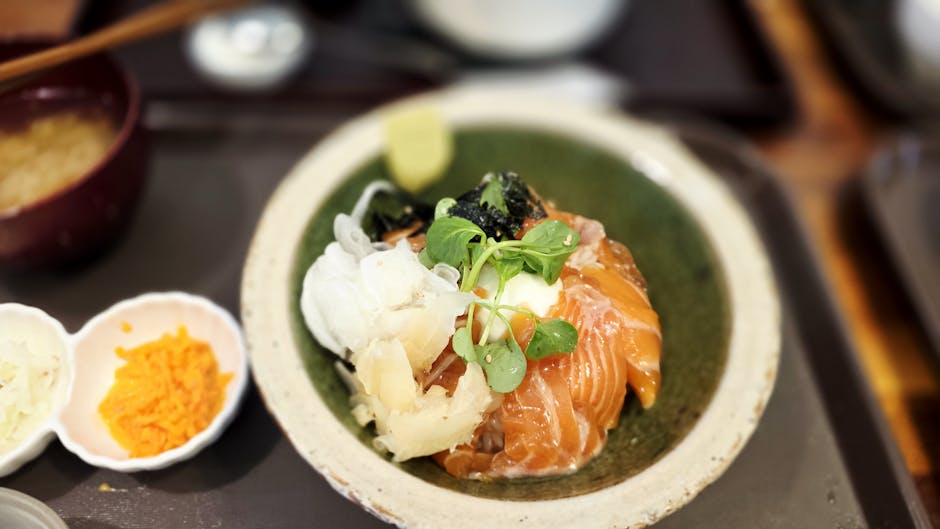
The gochujang salmon bowl has quietly become one of the most-cooked Korean-inspired weeknight dinners in American and global home kitchens. It pairs a buttery, omega-3-rich salmon fillet with a sticky, sweet-spicy glaze built around gochujang (Korean fermented chili paste), then crowns a bed of steaming rice with crunchy cucumber, creamy avocado, jammy soft-boiled eggs, sheets of toasted nori, and a confetti of sesame seeds. The whole thing comes together in about thirty minutes, costs less than a takeout order for two, and tastes like something a chef in Seoul’s Hannam-dong neighborhood would charge twenty-eight dollars for.
This recipe is the version we keep returning to: a four-ingredient glaze that caramelizes without burning, a quick-pickled cucumber that cuts through richness, and rice cooked the way Korean grandmothers actually cook it. We’ll walk through every step in detail, explain why each ingredient matters, and give you the variations, substitutions, and storage instructions you need to make this a permanent part of your dinner rotation.
What Is a Gochujang Salmon Bowl?
A gochujang salmon bowl is a composed rice bowl in the Korean deopbap tradition, where seasoned protein is laid over rice and finished with vegetables and condiments. The defining flavor comes from gochujang, a thick, deep-red fermented paste made from glutinous rice, soybeans, salt, and Korean red chili powder (gochugaru). Gochujang has been produced on the Korean peninsula for at least four centuries, and the best versions are still aged in onggi clay pots under the sun for months at a time.
In this recipe, gochujang is whisked with honey, soy sauce, rice vinegar, sesame oil, and grated garlic to make a glaze that reduces around the salmon as it cooks, forming lacquered, slightly charred edges and a sweet-spicy crust. Unlike the heavily breaded or deep-fried Korean fried chicken that introduced many Westerners to gochujang, the salmon version is light, fast, and naturally gluten-free if you swap tamari for soy sauce.
The bowl is sometimes called a ”Korean salmon rice bowl,” ”spicy salmon bowl,” or, on TikTok and Instagram, simply a ”gochujang salmon bowl.” It traces its modern viral fame to home cooks in Los Angeles and New York around 2022, but the underlying idea of glazed fish over rice with vegetables is centuries old in Korean cuisine.
Why This Recipe Works
Most online versions of this recipe make the same three mistakes: they use too much sugar so the glaze burns before the salmon cooks through, they slap the fillets into a pan that’s too cool so the skin steams instead of crisps, and they skip the acid that keeps the bowl from tasting one-dimensional. Here is how this version solves all three problems.
- The glaze is balanced, not just sweet. Honey, rice vinegar, and soy sauce work in equal proportions against the gochujang, so the glaze stays glossy and complex instead of cloying.
- The pan goes screaming hot before the fish goes in. A properly preheated cast-iron or carbon-steel skillet sears the salmon skin in seconds, releasing it cleanly and giving you the crackling crust that defines a great bowl.
- The glaze is added in two stages. Half goes on after the initial sear, where it has time to caramelize without burning. The remaining half is brushed on raw at the end, so you get both deep cooked flavor and bright, fresh punch.
- Quick-pickled cucumber and a soft egg act as built-in palate cleansers. Every other bite resets your mouth, so the spice never overwhelms.
- The rice is treated as a real ingredient. We rinse, soak, and steam it the Korean way, then mound it loosely so it doesn’t compress under the sauce.
Ingredients You’ll Need
This recipe serves four people generously. Everything is available at a well-stocked supermarket, a Korean or Asian grocery, or through online specialty retailers. If you can find only one specialty ingredient, make it the gochujang. There is no substitute that captures the same deep fermented funk.
For the salmon and glaze
- 4 salmon fillets, skin-on, about 6 ounces (170 g) each, 1 to 1.25 inches thick
- 3 tablespoons gochujang (Korean fermented chili paste), medium heat
- 2 tablespoons honey (or maple syrup)
- 2 tablespoons low-sodium soy sauce (or tamari for gluten-free)
- 1 tablespoon unseasoned rice vinegar
- 2 teaspoons toasted sesame oil
- 3 garlic cloves, finely grated
- 1 teaspoon freshly grated ginger
- 1 tablespoon neutral oil (avocado, grapeseed, or refined sunflower) for searing
- 1/2 teaspoon kosher salt
- Freshly ground black pepper
For the rice
- 2 cups short-grain or medium-grain white rice (Calrose, Koshihikari, or any Korean brand)
- 2 cups cold water for cooking (plus more for rinsing)
- Pinch of salt
For the quick-pickled cucumber
- 2 Persian or mini cucumbers, thinly sliced
- 2 tablespoons rice vinegar
- 1 teaspoon sugar
- 1/2 teaspoon kosher salt
- 1/2 teaspoon gochugaru (Korean red pepper flakes), optional
For assembly and garnish
- 1 ripe avocado, sliced
- 4 soft-boiled or jammy eggs (6 minutes 30 seconds in boiling water)
- 1 cup shredded carrot or kimchi
- 4 sheets toasted nori, cut into strips, or 1/4 cup furikake
- 4 scallions, thinly sliced
- 1 tablespoon toasted white sesame seeds
- 1 tablespoon toasted black sesame seeds
- Lime wedges, for serving
- Extra gochujang or sriracha, for those who like more heat
Equipment and Tools
You don’t need a Korean-equipped kitchen to make this bowl. A heavy skillet, a small saucepan, and a fish spatula will get you most of the way. Here’s the full list of what we use and why.
- A heavy 10- or 12-inch skillet. Cast iron and carbon steel both work beautifully because they hold heat. Nonstick will work but won’t give you the same sear.
- A fish spatula. The thin, flexible, slotted blade slides under the skin without tearing it.
- A rice cooker or heavy small saucepan with a tight-fitting lid. Both produce great rice; the cooker is more forgiving.
- A small whisk and bowl for the glaze. Glass or stainless steel only because gochujang can stain plastic.
- A pastry brush. For applying the final layer of glaze at the table.
- A microplane or fine grater. Essential for the garlic and ginger; chopped versions burn.
- A timer. Eggs and salmon both punish inattention.
Step-by-Step Instructions
The recipe takes about 40 minutes from start to finish, but only 15 of those are active. Start the rice first so it has time to steam and rest while you sear the salmon and prep the toppings. Read through all the steps before you start; once the pan is hot, things move quickly.
Step 1: Cook the rice (start this first)
Measure the rice into a fine-mesh strainer or a bowl and rinse under cold running water, swishing gently with your fingers, until the water runs almost clear. This usually takes three to five rinses and removes excess surface starch that would otherwise make the rice gummy. Drain well, then transfer to your rice cooker or saucepan with 2 cups of cold water and a pinch of salt. If you have ten extra minutes, let the rice soak in its cooking water before turning on the heat. This gives you noticeably plumper, more even grains.
If using a stovetop, bring to a boil over medium-high, cover, reduce heat to the lowest setting, and cook for 15 minutes. Remove from the heat and let stand, covered, for 10 more minutes before fluffing with a wooden spoon or rice paddle. If using a rice cooker, follow the manufacturer’s instructions for short-grain white rice and let the rice rest on the keep-warm setting for at least 10 minutes after the cycle finishes.
Step 2: Make the quick-pickled cucumber
Slice the cucumbers as thinly as you can. A mandoline helps but isn’t required. Toss in a small bowl with the rice vinegar, sugar, salt, and gochugaru if using. Stir to dissolve the sugar and salt, then let sit at room temperature while you cook everything else. The cucumbers will soften slightly and absorb the seasoning. Twenty minutes is the minimum; an hour is even better.
Step 3: Soft-boil the eggs
Bring a small saucepan of water to a rolling boil. Lower the eggs in gently with a slotted spoon and set a timer for 6 minutes and 30 seconds. While the eggs cook, prepare an ice bath. When the timer goes off, transfer the eggs immediately to the ice bath and let them sit for at least 5 minutes. Peel under cold running water, starting at the wide end. The yolks should be set on the outside and jammy, almost custardy, in the center.
Step 4: Mix the gochujang glaze
In a small bowl, whisk together the gochujang, honey, soy sauce, rice vinegar, sesame oil, grated garlic, and grated ginger until completely smooth. The glaze should be the consistency of barbecue sauce. Taste a tiny dab on the tip of a clean spoon. It should be sweet, spicy, salty, and umami all at once. If it’s too thick to pour, add 1 teaspoon of water at a time until it loosens. Divide in half: one portion goes into the pan to cook, the other gets brushed on at the end.
Step 5: Prep the salmon
Pat the salmon fillets very dry on both sides with paper towels. This is the single most important step for crisp skin. Score the skin with a sharp knife in three or four shallow diagonal lines. This prevents curling and helps the fat render. Season both sides lightly with kosher salt and freshly ground black pepper. Let the fish sit at room temperature for 10 minutes while the pan heats up.
Step 6: Sear the salmon
Heat your skillet over medium-high heat for at least 3 minutes, longer if it’s cast iron. Add the neutral oil and swirl to coat. When the oil shimmers and a flick of water dances on the surface, lay the salmon in the pan skin-side down. Press gently on each fillet for the first 20 seconds with the back of a fish spatula so the skin makes full contact with the pan. Do not move the fillets. Cook for 4 to 5 minutes, until the skin is deeply golden and crisp and releases from the pan on its own.
Step 7: Glaze and finish
Flip the salmon with the fish spatula. Reduce the heat to medium. Spoon half the glaze evenly over the top of each fillet, letting some pool around the bottom of the pan. Cook for 2 to 3 more minutes, basting once with the glaze that collects in the pan. The glaze will bubble, thicken, and caramelize around the edges. The salmon is done when the thickest part registers 125 to 130 degrees F (52 to 54 C) for medium and flakes easily when nudged with a fork. Transfer to a plate and let it rest for 2 minutes. Brush the remaining raw glaze over the top for a glossy finish and an extra hit of bright, fresh flavor.
Step 8: Assemble the bowls
Divide the rice loosely among four wide, shallow bowls. Don’t pack it down. Lay a glazed salmon fillet on top of the rice, slightly to one side. Arrange the avocado slices, pickled cucumber, shredded carrot or kimchi, and a halved soft-boiled egg around the salmon, giving each component its own section. Scatter the nori strips or furikake, scallions, and both colors of sesame seeds across the top. Tuck a lime wedge into the side of the bowl. Serve immediately with extra gochujang or sriracha at the table.
Recipe Card at a Glance
| Detail | Value |
|---|---|
| Prep time | 15 minutes |
| Cook time | 25 minutes |
| Total time | 40 minutes |
| Servings | 4 bowls |
| Difficulty | Easy to medium |
| Cuisine | Korean-inspired |
| Course | Main dish, dinner |
| Dietary notes | Pescatarian, dairy-free; gluten-free with tamari |
| Spice level | Medium (3 out of 5) |
| Make-ahead friendly | Yes (glaze, rice, and pickle keep for 5 days) |
Choosing the Right Salmon
The fish itself is the make-or-break ingredient in this bowl. Salmon labeled simply ”Atlantic salmon” at most American supermarkets is almost always farmed. It’s mild, fatty, and forgiving, which makes it a fine choice for a beginner. King (chinook) salmon is the richest and most luxurious; it has the highest fat content of any species and rewards careful cooking. Coho is leaner and has a cleaner flavor that takes well to bold marinades. Sockeye, with its deep red flesh, is the most intensely ”salmony” and best when you don’t overcook it. For weeknight bowls, farmed Atlantic or coho both work beautifully; for a celebration, splurge on wild king or sockeye.
Whatever species you buy, look for fillets that are 1 to 1.25 inches thick at the center. Thinner pieces overcook before the glaze caramelizes. Skin-on is non-negotiable for this method; the skin protects the flesh while it sears and crisps into one of the best parts of the bowl. If your fish smells overtly fishy, ammoniated, or sour at the counter, walk away. Good fresh salmon smells like clean ocean water and almost nothing else. Frozen fillets, thawed overnight in the refrigerator, are often a better choice than tired ”fresh” salmon that’s been sitting in the case for two days.
Understanding Gochujang: The Heart of the Dish
Gochujang (고추장) is a fermented chili paste made from glutinous rice powder, soybean malt (meju), gochugaru, salt, and a little rice syrup or wheat flour. It has been a cornerstone of Korean home cooking for at least four hundred years, and traditionally it was made at home each fall, then aged in heavy clay onggi pots on rooftop terraces. Today most cooks buy it ready-made in red plastic tubs, but the best small-batch artisanal gochujang is still aged for a year or more and tastes noticeably more complex.
Gochujang is sold in heat levels marked 1 to 5 (or ”mild,” ”medium,” and ”very hot”) on most Korean brands. For this recipe, we recommend medium (level 2 or 3). It’s hot enough to register, mild enough that the whole family can eat it. Open tubs should be refrigerated and will keep for many months; the surface may darken with age but the flavor only deepens. If your gochujang is older than a year, it may need slightly more honey to balance the increased umami funk.
There is no perfect substitute for gochujang. Sriracha is far thinner, sharper, and dominated by garlic and vinegar; doubanjiang is saltier and lacks sweetness; harissa shares the chili heat but brings entirely different aromatics. If you absolutely must improvise, mix 2 tablespoons of tomato paste with 1 tablespoon of miso paste, 1 tablespoon of sriracha, and 1 teaspoon of sugar. It won’t be the same, but it will get you close enough to cook the recipe.
Tips for the Best Results
After cooking this bowl dozens of times, these are the small adjustments that consistently make the difference between a good version and a great one.
- Dry the salmon obsessively. Pat it twice on each side with paper towels. Even a thin film of moisture turns the sear into a steam, and you’ll end up with limp skin instead of shatteringly crisp skin.
- Bring the salmon to room temperature. Twenty minutes on the counter lets the fillets cook more evenly. Fish straight from a 38 degree fridge will overcook on the outside while the center is still cold.
- Don’t crowd the pan. If your skillet can only fit two fillets without them touching, cook in two batches. Steam from crowded fish ruins the crust.
- Reserve some raw glaze for finishing. Brushing fresh glaze over the cooked fish gives you the deep, caramelized cooked flavor and the bright, unreduced punch in one bite.
- Let the rice rest. Ten minutes off the heat lets residual steam finish the grains and prevents a gluey bottom.
- Cut the avocado last. Avocado oxidizes quickly. Slice it just before plating so it stays the bright green that makes the bowl pop.
- Use both white and black sesame seeds. The visual contrast makes the bowl photograph beautifully and the two seeds taste slightly different. White is nuttier, black is earthier.
- Warm your bowls. Rinse them with hot tap water and dry them just before serving. Cold bowls cool the rice and salmon faster than you’d think.
Common Mistakes to Avoid
- Adding all the glaze at the start. The sugars in gochujang and honey scorch quickly. Add the glaze only after you flip the fish, when the heat is already reduced.
- Cooking the salmon all the way through. Salmon continues to cook from residual heat after it leaves the pan. Pull it at 125 to 130 degrees F for medium and let it rest two minutes for a silky, just-cooked center.
- Skipping the acid. Without the rice vinegar in the glaze and the lime wedge at the table, the bowl reads as heavy and one-note. Acid is what makes you want a second bite.
- Using pre-minced garlic from a jar. The flavor difference is dramatic. Fresh garlic, grated on a microplane, is non-negotiable here.
- Cooking the rice in a non-stick pan with a glass lid. The lid lets too much steam escape. Use a heavy, well-sealed pan or a rice cooker.
- Forgetting to taste the glaze before cooking. Brands of gochujang vary wildly in salt and sweetness. Always taste and adjust before committing the glaze to the pan.
Variations and Substitutions
One of the joys of the gochujang salmon bowl is how readily it adapts. Use this section as a launchpad for the version your kitchen and pantry will support.
Swap the protein
The glaze is fantastic on extra-firm tofu (press it for 30 minutes first, then sear), boneless chicken thighs (cook 4 minutes per side), shrimp (1 minute per side), or rockfish, halibut, and even cod. For tofu, brush a little oil onto the cubes before glazing to help the surface caramelize. For shrimp, cook the glaze separately in a small pan and toss the seared shrimp through it at the very end so they don’t overcook.
Change the carb base
Short-grain white rice is traditional, but the bowl is delicious over brown rice, jasmine rice, quinoa, soba noodles, cauliflower rice, or even a kale-and-cabbage slaw for a low-carb version. Each base brings a different texture: brown rice and quinoa give more bite, soba adds a buckwheat nuttiness, and cauliflower rice keeps everything light.
Cooking method
To bake the salmon, preheat the oven to 425 degrees F (220 C), brush the fillets generously with the glaze, and bake skin-side down on a parchment-lined sheet pan for 12 to 14 minutes until the glaze is bubbling and the fish flakes easily. To air-fry, set the basket to 400 degrees F (200 C) and cook glazed fillets for 8 to 10 minutes. To grill, oil the grates well, sear skin-side down for 4 minutes, flip, brush with glaze, and cook 2 to 3 minutes more.
Dial the heat up or down
For a milder bowl, use only 2 tablespoons of gochujang and increase the honey to 3 tablespoons. For a hotter bowl, add 1 teaspoon of gochugaru to the glaze or stir in a tablespoon of chili crisp before serving. A drizzle of Korean homemade chili oil on top of the finished bowl is also a wonderful upgrade for spice lovers.
Vegan adaptation
Swap salmon for thick-cut, pressed and seared extra-firm tofu or a chunky portobello mushroom, replace honey with maple syrup or agave, and use vegan kimchi (most commercial kimchi contains fish sauce or shrimp paste; many Korean brands now offer vegan versions). Top with a marinated half of soft tofu instead of egg for a similar creamy element.
Nutritional Information
Numbers below are estimates per bowl, assuming farmed Atlantic salmon, white short-grain rice, all listed toppings except extra gochujang, and a soft-boiled egg. Actual values will vary based on salmon species, portion size, and toppings chosen.
| Nutrient | Amount per bowl | % Daily Value |
|---|---|---|
| Calories | 620 kcal | 31% |
| Total fat | 26 g | 33% |
| Saturated fat | 5 g | 25% |
| Cholesterol | 270 mg | 90% |
| Sodium | 1,180 mg | 51% |
| Total carbohydrate | 62 g | 23% |
| Dietary fiber | 6 g | 21% |
| Total sugars | 14 g | — |
| Added sugars | 9 g | 18% |
| Protein | 42 g | 84% |
| Omega-3 fatty acids | 2.3 g | — |
| Vitamin D | 14 mcg | 70% |
| Iron | 3 mg | 17% |
| Potassium | 980 mg | 21% |
The bowl is naturally high in protein and omega-3 fatty acids from the salmon, with plenty of fiber from the vegetables and a moderate amount of added sugar from the honey in the glaze. To reduce sodium, use low-sodium tamari and reduce the soy sauce by a teaspoon. To lower carbohydrates, use cauliflower rice or halve the rice portion. The bowl is naturally rich in vitamin D, selenium, and B12.
Storage and Meal Prep Tips
This bowl is one of the great meal-prep dinners because almost every component can be made ahead and refrigerated separately. Assembled bowls don’t reheat as well as their individual parts, so always store components separately.
- Glaze: Mix and store in an airtight jar in the refrigerator for up to 2 weeks. Bring to room temperature before using.
- Cooked salmon: Refrigerate in an airtight container for up to 3 days. Reheat gently in a 300 degree F oven for 8 minutes, or eat cold flaked over rice or salad.
- Cooked rice: Refrigerate in a tightly sealed container for up to 5 days. Reheat in the microwave with a damp paper towel over the top for 60 to 90 seconds.
- Pickled cucumbers: Will keep refrigerated for 5 days; they get softer over time but stay tasty.
- Soft-boiled eggs: Refrigerate peeled or unpeeled for up to 3 days. Best eaten cold or gently warmed in hot water for 1 minute.
- Avocado: Slice fresh only. Storing cut avocado almost always disappoints.
- Freezing: The glaze freezes beautifully for up to 3 months. Salmon is best frozen raw, then thawed and cooked fresh; cooked salmon turns dry and dense after freezing.
For a full week of weekday lunches, cook a double batch of glaze and rice on Sunday, sear four to six salmon fillets, hard-boil six eggs, pickle a full English cucumber’s worth of slices, and prep your aromatics. Assemble each morning in 5 minutes.
What to Serve with Gochujang Salmon Bowls
The bowl is a complete meal as written, but a couple of small accompaniments turn it into a proper dinner with friends. Korean banchan (small side dishes) are the natural fit. A few of our favorites:
- Steamed Korean broccoli or bok choy with sesame oil and toasted seeds
- A small bowl of clear seaweed soup (miyeok-guk) to start
- Pickled radish (danmuji) or quick-pickled daikon
- Lightly fermented water kimchi (mul kimchi) for a refreshing palate cleanser
- A simple Korean cucumber salad (oi muchim) for additional crunch
- A glass of crisp Korean lager, a clean dry Riesling, or barley tea (boricha) for non-drinkers
For dessert, keep it light: a small bowl of cold mandarin segments, a scoop of yuzu sorbet, or a piece of Asian pear cuts through any lingering spice perfectly.
Frequently Asked Questions
Can I make this recipe gluten-free?
Yes. Substitute tamari or a gluten-free soy sauce for the regular soy sauce, and double-check your gochujang label. Most major brands are gluten-free, but some traditional and small-batch varieties contain wheat. The rest of the recipe is naturally gluten-free.
How spicy is this bowl?
As written, the bowl is medium spicy: noticeable warmth that builds across the meal but doesn’t overwhelm. The honey, rice, avocado, and egg all moderate the heat. For a mild bowl, halve the gochujang and double the honey. For a really spicy version, add 1 teaspoon of gochugaru or a drizzle of chili crisp at the table.
Can I make this in advance for a dinner party?
Yes. Prep all the components up to 24 hours ahead and cook the salmon at the last minute. The glaze, pickled cucumber, hard-boiled eggs, and rice can all be made the day before. Reheat the rice in the microwave with a damp paper towel right before serving, sear the salmon while guests are seated, and assemble at the table.
What if I don’t have a cast-iron skillet?
Any heavy skillet will work: stainless steel, carbon steel, or a quality nonstick. The key is to preheat thoroughly so the salmon gets a real sear. A thin pan will heat unevenly and steam the fish instead. If you only have nonstick, accept that the skin will be a little less shatteringly crisp and reduce the heat to medium so you don’t damage the coating.
Why is my glaze burning before the salmon is cooked?
Two reasons: the heat is too high, or you added the glaze too early. Sugar burns at high heat. Add the glaze only after you flip the fish, reduce the heat to medium, and watch the pan closely. If the glaze is darkening fast, splash in a tablespoon of water to cool the pan and loosen the glaze.
Can I use frozen salmon?
Absolutely. Thaw the fillets overnight in the refrigerator on a paper-towel-lined plate, then pat very dry before seasoning and searing. Frozen-at-sea salmon is often better quality than supermarket ”fresh” fillets that have been thawed for several days at the counter. Do not refreeze previously frozen salmon.
What’s the difference between gochujang and gochugaru?
Gochujang is a thick fermented paste; gochugaru is dried Korean chili powder or flakes. They’re related (gochugaru is one of the main ingredients in gochujang) but they aren’t interchangeable. Gochujang brings sweetness, fermented funk, and umami depth; gochugaru brings pure chili heat and fruity aroma. We use both in this recipe (gochugaru in the optional pickled cucumber and as a finishing sprinkle).
Can I leave the skin off?
You can, but you’ll lose the crispy skin that many people consider the best part of the bowl. If you’re skinless, sear the fish on the flesh side first for about 3 minutes, then flip and add the glaze. Reduce the total cooking time by about 1 minute to avoid drying out the fillet.
Is this recipe kid-friendly?
Yes, with a couple of adjustments. Halve the gochujang to 1.5 tablespoons and bump the honey to 2.5 tablespoons. The result is sweet, mildly spicy, and very kid-approachable. Serve the toppings deconstructed on a divided plate so kids can pick what they like.
How long do leftovers keep?
Cooked salmon keeps for 3 days refrigerated; cooked rice keeps for 5 days; the glaze keeps for 2 weeks; pickled cucumbers keep for 5 days. Always store components separately. Reheat the salmon gently in a 300 degree F oven for 8 minutes or eat it cold over rice the next day. Gochujang salmon is delicious chilled, almost like a Korean take on a sushi bowl.
Can I double or halve this recipe?
Yes. The recipe scales linearly. For a double batch, sear the salmon in two pans simultaneously or in two batches in the same pan. Never crowd one skillet. For a halved version (two bowls), reduce all ingredients by half but keep the glaze ratio the same.
The Bottom Line
The gochujang salmon bowl earns its viral fame because it delivers everything we want from a weeknight dinner: a balanced plate, big flavor, fast cooking, and ingredients that store well. Once you’ve made it twice you’ll have memorized the glaze, and from there the bowl becomes a canvas for whatever’s in your fridge (last night’s roasted vegetables, a handful of microgreens, a spoonful of kimchi, an extra scoop of chili crisp). It scales up for guests, scales down for one, and turns leftover salmon into the next day’s best lunch. Bookmark this page, buy a tub of gochujang on your next grocery run, and put it in the rotation for the rest of the month. You’ll be glad you did.

Mei Lin Chen
Mei Lin Chen is an Asian food writer and recipe developer. Melbourne-raised and London-based, she has spent over a decade exploring the rice paddies, hawker stalls, and home kitchens of South-East and East Asia. Her recipes balance traditional technique with everyday practicality.