Last updated: March 16, 2026
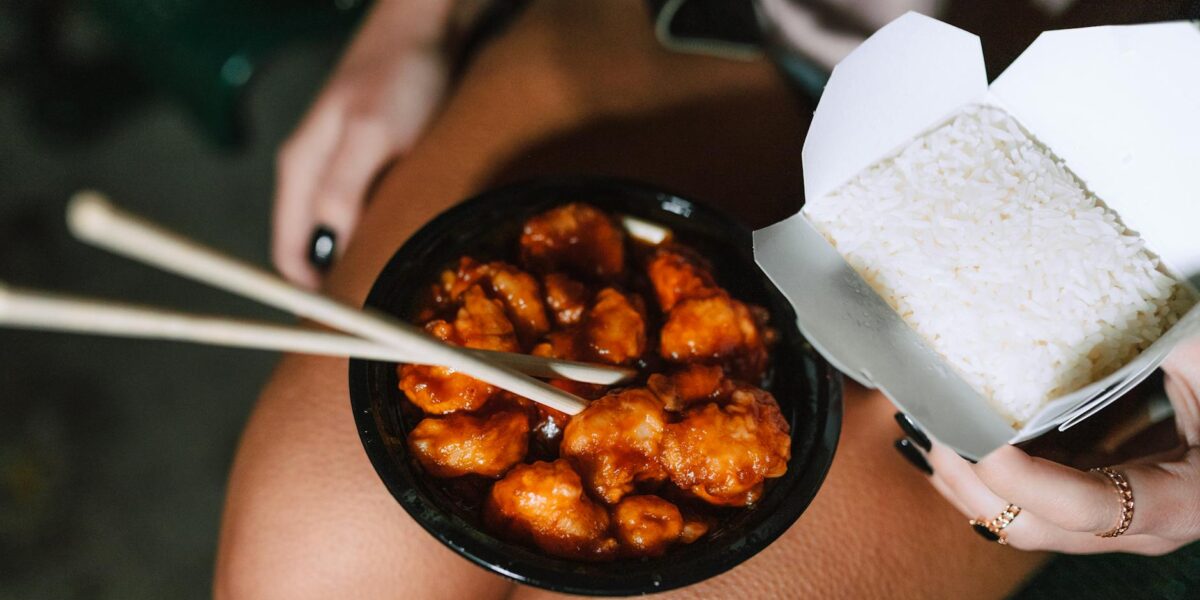
General Tso’s chicken is the crown jewel of American Chinese takeout: glossy crimson nuggets of double-fried chicken cloaked in a sauce that swings from sweet to tangy to gently smoldering with chili heat. It is the dish that turned a generation of US diners into Chinese food enthusiasts, the order that anchors a thousand strip-mall menus from Boston to Boise, and the recipe that—when made properly at home—genuinely outperforms the takeout container that inspired it. The catch is that ”properly” means a few specific things: chicken thigh (not breast), a true double-fry for shattering crunch, a sauce thickened just enough to cling without puddling, and toasted dried chilies that perfume the oil before the chicken ever hits the wok.
This recipe pays respect to both sides of the dish’s story: the Hunan banquet classic that Chef Peng Chang-kuei created in 1950s Taiwan (originally vinegar-forward and not sweet at all), and the heavily sweetened New York adaptation that took over American menus in the 1970s. The version below sits closer to the Americanized profile most home cooks are searching for—glossy, sweet-savory, mildly spicy, restaurant-style—but with enough acid and chili to keep it from collapsing into syrup. You will get crackling crust that survives the sauce, a cling that coats every cube, and dinner on the table in 45 minutes start to finish.
What Is General Tso’s Chicken?
General Tso’s chicken (左宗棠雞, Zuǒ Zōngtáng Jī) is a deep-fried boneless chicken dish glazed with a sweet-savory-spicy soy-based sauce, almost always finished with toasted dried red chilies and served over white rice. The name nods to Zuo Zongtang, a 19th-century Qing dynasty general from Hunan province, although there is no evidence the general ever ate anything resembling the dish. The actual inventor was Chef Peng Chang-kuei, a Hunanese refugee chef who created the dish in Taipei in 1952 for a banquet honoring US Admiral Arthur W. Radford.
Peng’s original was emphatically Hunanese: sharply sour from black vinegar, hot from chilies, salty from soy, and only lightly sweetened. When Peng brought the dish to his Manhattan restaurant in 1973, American diners pushed it toward sweeter, glossier, fried-crunchier territory—and that adapted form is what spread through US Chinese restaurants in the late 1970s and 1980s. It is now classified as the defining example of American Chinese cuisine, a category distinct from any one regional Chinese tradition. If you want a primer on the dish’s regional roots, our Hunan food guide covers the broader Hunanese flavor palette and our Cantonese food guide explains the southern frying and saucing techniques that influenced the American adaptation.
Why This Recipe Works
Most home versions of General Tso’s chicken fail in one of three predictable ways: the crust goes soggy the moment sauce touches it, the sauce tastes one-note sweet, or the chicken itself ends up dry and stringy. This recipe fixes each problem with a specific technique.
- Boneless, skinless chicken thigh stays juicy through aggressive frying. Breast turns to chalk; thigh keeps tenderness even after a double-fry.
- A cornstarch-and-egg-white batter with a splash of Shaoxing wine creates a porous, brittle shell that traps air pockets. Those pockets are what keep the crust audibly crunchy under sauce.
- A genuine double-fry—first at 325°F to cook through, then at 375°F to brown and crisp—drives out residual moisture and locks in shatter.
- A sauce balanced four ways—sweet (sugar), sour (Chinese black vinegar plus a hit of rice vinegar), salty-umami (light and dark soy), and pungent (garlic, ginger, dried chili)—reads as restaurant-style depth, not pure candy.
- Toasted dried Tianjin or chile de árbol bloomed in hot oil before the sauce simmers gives the dish the signature smoky-spicy aroma that distinguishes Tso’s from generic sweet-and-sour.
Ingredients
Serves 4 as a main with rice. Total time: 45 minutes (15 minutes prep, 30 minutes cooking).
For the Chicken and Marinade
- 1.5 lb (680 g) boneless, skinless chicken thighs, cut into 1-inch cubes
- 1 tablespoon Shaoxing wine
- 1 tablespoon light soy sauce
- 1 large egg white
- 1/2 teaspoon white pepper
- 1/2 teaspoon kosher salt
- 1/2 teaspoon baking soda (tenderizing agent)
For the Coating
- 3/4 cup (90 g) cornstarch
- 1/4 cup (30 g) all-purpose flour
- 1/4 teaspoon baking powder
- 2–3 tablespoons cold water (to adjust consistency)
For the Sauce
- 1/4 cup (60 ml) low-sodium chicken stock or water
- 3 tablespoons light soy sauce
- 1 tablespoon dark soy sauce (for color)
- 3 tablespoons granulated sugar
- 2 tablespoons Chinese black vinegar (Chinkiang preferred)
- 1 tablespoon rice vinegar
- 1 tablespoon Shaoxing wine
- 1 tablespoon hoisin sauce
- 1 teaspoon toasted sesame oil
- 2 teaspoons cornstarch (mixed with 1 tablespoon cold water as a slurry)
For the Aromatics and Frying
- 6–10 whole dried Tianjin chilies or chile de árbol, stems trimmed, shaken to remove most seeds
- 4 cloves garlic, finely minced
- 1 tablespoon fresh ginger, finely minced
- 4 scallions, white parts minced, green parts sliced for garnish
- 1 teaspoon toasted white sesame seeds (garnish)
- 4–6 cups (1–1.4 L) neutral frying oil (peanut, canola, or vegetable)
Equipment You’ll Need
You don’t need restaurant gear, but a few items make this recipe significantly easier and produce better results.
- A 14-inch carbon-steel wok or 5-quart Dutch oven for frying. A wok’s sloped sides use less oil and give better thermal recovery between batches. If you don’t own one, our 2026 wok buying guide walks through the best options for home cooks.
- A clip-on candy/oil thermometer. Eyeballing oil temperature is the single fastest way to ruin this dish. Frying at 290°F gives you greasy, pale chicken; frying at 400°F burns the crust before the inside cooks.
- A wide spider or slotted skimmer for lifting chicken in and out of oil in batches.
- A wire rack set over a sheet pan for resting the chicken between fries. Paper towels cause steam to collect under the chicken and turn the crust soft.
- A chef’s knife or Chinese cleaver for breaking down the chicken thighs. If you’ve never used a cleaver, our guide to Chinese cleaver knife skills covers the grip and cuts.
Step-by-Step Cooking Instructions
Step 1: Marinate the Chicken (15 minutes)
Pat the chicken cubes dry with paper towels—wet chicken steams instead of frying. In a large bowl, whisk together the Shaoxing wine, light soy, egg white, white pepper, salt, and baking soda until the egg white loosens into a foamy slurry. Add the chicken and massage the marinade into every piece with your hands for about 30 seconds. The baking soda will denature surface proteins and tenderize the meat. This is a quick form of Chinese velveting, which is the technique professional Chinese kitchens use to keep stir-fried and fried meats silky. Cover and rest at room temperature for 15 minutes (or refrigerate up to 4 hours).
Step 2: Mix the Sauce
In a small bowl, combine the chicken stock, light soy sauce, dark soy sauce, sugar, black vinegar, rice vinegar, Shaoxing wine, hoisin, and sesame oil. Whisk until the sugar fully dissolves—undissolved sugar leads to a streaky finish on the chicken. In a separate tiny bowl, stir the cornstarch into the cold water to make a slurry. Set both aside near the stove. Sauce-making is the make-ahead step you’ll be grateful for once the chicken is frying.
Step 3: Coat the Chicken
In a wide shallow bowl, whisk the cornstarch, flour, and baking powder. Drizzle in 2 tablespoons of cold water and stir with chopsticks—the dry mixture should clump into shaggy, crumbly bits. This sandy texture, not a smooth paste, is what creates the famous craggy restaurant crust. Working one piece at a time, lift a cube of chicken from the marinade (don’t shake off the moisture), drop it into the cornstarch mixture, and press to coat aggressively. Set coated pieces on a parchment-lined tray. Don’t crowd them—pieces touching during coating will fuse together in the fryer.
Step 4: First Fry (325°F / 163°C, about 4 minutes per batch)
Pour the frying oil into your wok or Dutch oven to a depth of at least 2 inches and heat to 325°F. Confirm with the thermometer—this is non-negotiable. Working in three batches (roughly 1/3 of the chicken each), gently lower the coated cubes into the oil one at a time using a spider. Don’t dump them in; clumping is the enemy. Fry for 4 minutes, gently agitating with the spider every 60 seconds so pieces don’t fuse. The chicken should turn pale gold and matte. This first fry cooks the meat through and sets the structure of the crust.
Lift each batch onto the wire rack and let rest for at least 3 minutes between batches—this resting step is when steam escapes the crust and the chicken sets up for the crispening second fry. Return oil to 325°F before adding the next batch. For deep frying technique fundamentals, see our complete guide to deep frying Asian food, which covers temperature management and double-frying in detail.
Step 5: Second Fry (375°F / 190°C, about 90 seconds per batch)
Raise the oil temperature to 375°F. Once you hit it, fry the chicken again in batches for 60–90 seconds each, until the crust is deep golden-amber and audibly crackles when you tap it with the spider. This second pass is what makes the difference between ”fried chicken” and ”shatteringly crispy chicken that stays crisp under sauce.” Drain on the wire rack a final time. Do not skip this step. Once all batches are done, carefully ladle out the frying oil (save 2 tablespoons for the sauce), wipe the wok, and set it back on the burner.
Step 6: Bloom the Aromatics
Return the wok to medium-high heat with 2 tablespoons of the reserved oil. Add the dried chilies and toast for 20–30 seconds, until they darken slightly and the kitchen smells smoky and spicy. Pull the wok off the heat if the chilies start to blacken—burnt chilies turn bitter. Add the garlic, ginger, and scallion whites and stir-fry for 15 seconds, until fragrant but not browned. The bloom step is what gives Tso’s chicken its signature roasted-pepper aroma; rush it and the dish ends up tasting flat.
Step 7: Build the Sauce
Give the sauce mixture a final whisk and pour it into the wok all at once. It should sizzle and immediately start to bubble around the edges. Cook for 30–45 seconds, stirring constantly, until the sauce reduces by about a quarter and the sugar caramelizes slightly along the wok walls. Whisk the cornstarch slurry one more time and stream it in while stirring. Within 15 seconds, the sauce will go from thin and watery to glossy, syrupy, and coating—you’ll see streaks form across the wok bottom when you drag your spatula through.
Step 8: Toss and Serve Immediately
Add the fried chicken to the wok and toss for 30 seconds—just enough to coat every piece in glaze. Any longer and the sauce will start soaking into the crust. Tip onto a warmed platter, scatter with sliced scallion greens and toasted sesame seeds, and serve immediately with steamed white rice. General Tso’s chicken is a dish that suffers the longer it sits, so call your eaters to the table before you toss.
Pro Tips for Restaurant-Quality Results
- Use boneless thighs, never breast. Thigh has roughly twice the fat content of breast and tolerates the high-heat double-fry without drying out. Restaurant kitchens use thigh exclusively for a reason.
- Skip the buttermilk and panko. A pure cornstarch-forward coating is what creates the lacquered, glassy crust you see at takeout counters. Western frying flours and breading make a different, softer dish.
- Don’t pre-glaze in the sauce. Coat the chicken in sauce at the very end, not during sauce simmering. Adding chicken too early gives you stew, not glazed nuggets.
- Strain and reuse the oil. Once cool, strain the frying oil through a coffee filter into a sealed jar. It stays good for 3–4 more frying sessions and the residual flavor improves with use.
- Char the chilies with the heat off. The wok holds enough residual heat to bloom dried chilies safely. Doing it on a live flame is how most home cooks accidentally burn them.
- For extra-crispy: triple-fry. Cantonese kitchens often fry three times for the crunchiest result—the third pass is just 30 seconds at 400°F. Worth it for a special occasion.
- Build wok hei. If your stove can run a wok hot enough, the aromatics-and-sauce phase can develop wok hei (the elusive ”breath of the wok”). Our guide to wok hei explains how to coax it out at home.
Variations and Adaptations
Air Fryer General Tso’s Chicken
Coat the chicken as written, then arrange in a single layer in the air fryer basket. Spray with neutral oil. Cook at 380°F for 12 minutes, shaking halfway, then bump to 400°F for a final 3 minutes for color. You will not get the same shattering crunch as deep frying—air fryer texture is closer to oven-baked than wok-fried—but it cuts oil dramatically and works well on weeknights. Make the sauce on the stovetop while the chicken air-fries.
Baked Version
Preheat oven to 425°F. Arrange coated chicken on a parchment-lined sheet pan, spray generously with oil, and bake for 20 minutes, flipping at the 12-minute mark. The crust won’t bubble up the way it does in oil, but it will brown and the sauce hides most textural differences. This is the lowest-effort version for busy weeknights.
Gluten-Free Adaptation
Swap the all-purpose flour in the coating for an equal amount of cornstarch (so the coating becomes 100% cornstarch plus baking powder). Use tamari instead of light and dark soy sauce. Verify your hoisin is gluten-free—many brands use wheat. The result is just as crispy, often more so.
Vegetarian ”General Tso’s” with Tofu or Cauliflower
Cube 14 oz extra-firm tofu (pressed for 30 minutes) or 1 head of cauliflower into bite-sized florets. Skip the marinade; just toss with 1 tablespoon soy sauce and proceed with the cornstarch coating. Tofu fries faster (single fry at 375°F for 4 minutes works well). Cauliflower needs the full double-fry treatment for proper crunch. The sauce is identical.
Hunan-Style ”Original” General Tso’s
To approach Chef Peng’s 1952 original, reduce the sugar to 1 tablespoon, eliminate the hoisin entirely, double the black vinegar and dried chilies, and add 1 teaspoon of Sichuan peppercorns (toasted, ground) to the aromatics phase. The result is sharply sour, deeply spicy, and unsweetened—nothing like the American takeout version, but historically authentic.
Extra Spicy Version
Double the dried chilies to 16–20 and add 1 tablespoon of homemade chili crisp to the sauce. For deeper smoky heat, see our guide to making Chinese chili oil, which can be added by the teaspoon to nudge the sauce hotter without throwing off the sweet-sour balance.
Nutritional Information
Approximate per serving (1/4 of recipe, chicken and sauce only; rice not included). Values vary based on frying oil retention and brand of soy sauce.
| Nutrient | Per Serving | % Daily Value* |
|---|---|---|
| Calories | 520 kcal | 26% |
| Total Fat | 26 g | 33% |
| Saturated Fat | 4.5 g | 23% |
| Cholesterol | 180 mg | 60% |
| Sodium | 1,290 mg | 56% |
| Total Carbohydrates | 34 g | 12% |
| Dietary Fiber | 1 g | 4% |
| Total Sugars | 13 g | — |
| Added Sugars | 11 g | 22% |
| Protein | 36 g | 72% |
| Vitamin A | 180 IU | 4% |
| Iron | 2.4 mg | 13% |
| Potassium | 490 mg | 10% |
What to Serve with General Tso’s Chicken
General Tso’s chicken is rich, sweet, and intensely flavored, so it pairs best with neutral starches and crisp green vegetables that act as palate-cleansers.
- Steamed jasmine or long-grain white rice. The classic pairing—plain rice soaks up sauce without competing.
- Stir-fried bok choy or Chinese broccoli (gai lan) with garlic. The bitter-green contrast balances the sweetness.
- Chicken fried rice. If you want a full takeout-style spread, serve alongside our chicken fried rice recipe—the two together are a Friday-night classic.
- Hot and sour soup or egg drop soup. Either is a traditional starter on American Chinese menus.
- Cold cucumber salad with rice vinegar and sesame oil. The acidity refreshes the palate between bites.
- A simple stir-fried snow pea or asparagus side. Quick, green, and a flavor reset. Our complete guide to stir-frying covers the basics.
Storage, Reheating, and Make-Ahead Tips
The honest truth: General Tso’s chicken is at its absolute peak within five minutes of leaving the wok. The crust starts to soften the moment sauce touches it, and refrigerated leftovers never recover the original texture. That said, with the right reheating method, you can get 80% of the way back.
| Storage Method | Duration | Best Reheating Approach |
|---|---|---|
| Refrigerator (sealed container) | Up to 3 days | Air fryer at 380°F for 4–5 minutes, no oil |
| Freezer (sauce and chicken stored separately) | Up to 2 months | Thaw overnight, then air fryer chicken and re-warm sauce on stovetop |
| Frozen (sauce already coated on chicken) | Not recommended | Texture collapses badly—skip this |
| Counter (post-cooking, before serving) | Up to 30 minutes (in 200°F oven on rack) | Serve as soon as possible |
How to Make Most of It Ahead
- Sauce: Mix up to 3 days in advance and refrigerate in a sealed jar. Whisk to recombine before using.
- Marinated chicken: Marinate up to 4 hours ahead, refrigerated.
- First fry: You can do the first fry up to 2 hours ahead. Hold chicken on a wire rack at room temperature, then do the second fry just before serving. This is exactly how restaurants handle dinner rush.
- What you cannot do ahead: Don’t fully cook the chicken and refrigerate it whole. Even one hour in the fridge softens the crust unrecoverably.
Best Reheating Method
The air fryer is the only reheating method that comes close to fresh. At 380°F for 4–5 minutes, the residual sauce caramelizes lightly and the crust re-crisps from the outside in. Avoid the microwave at all costs—it turns the crust into damp cardboard and the sauce into a gummy paste. If you must use the oven, preheat to 425°F and reheat on a wire rack over a sheet pan for 8 minutes, flipping once.
Common Mistakes to Avoid
- Using chicken breast. The most common home-cook substitution and the fastest path to chalky, stringy chicken. Stay with thigh.
- Skipping the double-fry. Single-fried chicken at any temperature goes limp under sauce within 60 seconds. The double-fry is the whole point.
- Crowding the oil. Adding too much chicken at once drops the oil temperature below 300°F and produces greasy, pale, soggy chicken. Three small batches always beat one big one.
- Over-thickening the sauce. A sauce that gels into a stiff lacquer the moment you stop stirring is overcooked. You want it to coat a spoon but still flow.
- Forgetting the dark soy. Most home versions look orange and pale. Dark soy is what gives restaurant Tso’s its mahogany-glossy color.
- Burning the dried chilies. Blackened chilies turn the entire dish bitter. Pull them out and start over if they go past dark brown.
- Tossing too long at the end. Thirty seconds of tossing coats the chicken. Two minutes turns it into braised chicken.
- Using the wrong vinegar. Chinkiang black vinegar is essential. Apple cider, white wine, or balsamic vinegars all give the wrong flavor profile. Distilled white vinegar makes the dish taste sharp and one-dimensional.
The Origin Story: From Hunan to Manhattan
The cultural history of General Tso’s chicken is fascinating because it tracks the broader story of Chinese cuisine adapting to American taste. Chef Peng Chang-kuei, born in Hunan province in 1919, fled mainland China for Taiwan in 1949 during the Chinese Civil War. He became one of Taiwan’s most prominent banquet chefs, cooking for visiting dignitaries throughout the 1950s and 1960s. In 1952, when Admiral Arthur W. Radford visited Taipei, Peng was tasked with creating a multi-day banquet menu—and on the fourth night, running low on inspiration, he invented a new chicken dish that combined Hunanese techniques (deep-frying, vinegar tang, chili heat) with banquet-style presentation. He named it after a Hunanese cultural hero, General Zuo Zongtang.
Peng moved to New York in 1973 and opened Peng’s Restaurant on East 44th Street, where he served the dish to a clientele that initially found it too sharp and too spicy. Around the same time, a competing Manhattan chef named T. T. Wang at Shun Lee Palace also began serving a version of the dish—but Wang’s version was deep-fried in a heavier batter and sweetened considerably. Wang’s interpretation, not Peng’s, is the one that spread through American Chinese restaurants in the late 1970s and 1980s. When Peng visited an American Chinese restaurant in the early 2000s and was served the Americanized version, he reportedly called it ”ridiculous”—sweet, sticky, and nothing like his original.
Despite Peng’s reservations, the Americanized version became one of the most iconic dishes in US food culture. A 2014 documentary, The Search for General Tso, explored this cultural translation in depth and helped popularize the original Hunanese version among American food enthusiasts. Today, the dish lives in a strange middle space: it is genuinely Chinese in origin and technique, but the form American eaters recognize is unmistakably American Chinese. Both versions are legitimate; they just answer different questions about what the dish is supposed to taste like.
Sourcing Quality Ingredients
The biggest jumps in homemade General Tso’s chicken quality come from upgrading three specific ingredients. Once you have these on hand, the dish snaps into restaurant territory.
- Chinkiang black vinegar. This rice-based fermented vinegar from Jiangsu province has a complex malt-and-molasses depth that white vinegar can’t approach. Look for the Gold Plum brand with the red-and-yellow label. Stored properly, a bottle lasts a year.
- Shaoxing wine. The amber Chinese cooking wine that adds aromatic depth to both the marinade and sauce. Avoid the ”Shaoxing cooking wine” sold in some American supermarkets with added salt—real Shaoxing is sold in liquor stores and Asian markets. Our complete guide to Shaoxing wine covers brands and substitutes.
- Dried Tianjin chilies. These short, plump dried chilies from northern China have a smoky, raisin-like sweetness and moderate heat. Chile de árbol is the closest US substitute and works well. Avoid generic ”dried red chilies” with no origin listed—they’re often heat-only with no flavor depth.
- Dark soy sauce. Thicker, sweeter, and far more pigmented than light soy. Pearl River Bridge and Lee Kum Kee both make solid versions. One tablespoon is what gives the dish its signature mahogany color.
- Cornstarch (not corn flour). American cornstarch is the same as British corn flour. Stay away from potato starch for this dish—it gives a different (smoother, less craggy) crust.
Frequently Asked Questions
Is General Tso’s chicken authentic Chinese food?
It depends on which version you mean. The original 1952 Hunanese dish created by Chef Peng Chang-kuei is fully authentic—it draws on classical Hunanese deep-frying, vinegar techniques, and chili usage. The sweet, glossy, batter-heavy American version is best understood as American Chinese cuisine, a distinct culinary tradition that evolved in the US over the last half-century. Both are real; they’re just answering different cultural questions.
What’s the difference between General Tso’s and orange chicken?
Orange chicken is sweeter, uses fresh orange juice and zest in the sauce, and typically skips the dried chilies. Tso’s leans more savory-spicy and uses vinegar as the dominant acid rather than citrus. The fried chicken base is nearly identical, but the sauce profiles read very differently on the palate.
What’s the difference between General Tso’s and sesame chicken?
Sesame chicken uses the same fried chicken base, but the sauce features toasted sesame oil and sesame seeds prominently and skips the dried chilies. Sesame chicken is generally milder and nuttier; Tso’s is spicier and more vinegar-forward.
Can I make General Tso’s chicken less spicy?
Yes. Reduce the dried chilies to 2 or 3, and remove the seeds before adding them to the wok. You can also remove the chilies entirely after they bloom in the oil so they perfume the dish without releasing additional capsaicin into the sauce. The final dish will still taste recognizably like Tso’s chicken.
Can I use a different protein?
Absolutely. Pork tenderloin (cut into cubes) works beautifully. Shrimp (peeled, 16/20 count) needs just one quick fry at 375°F for 90 seconds. Firm tofu (pressed and cubed) makes a great vegetarian version—skip the marinade and proceed straight to coating. Cauliflower florets also work well but need the full double-fry for proper crispness.
Why did my crust come off in the sauce?
Three likely causes: you tossed the chicken in sauce for too long, you skipped the second fry (so the crust was never fully set), or your sauce was too thin and the chicken was swimming in liquid. Keep the toss under 30 seconds, always double-fry, and thicken the sauce so it coats a spoon before adding chicken.
Can I make General Tso’s chicken without a wok?
Yes—a 5-quart Dutch oven or heavy-bottomed pot works fine for the frying portion. For the sauce-tossing phase, a large nonstick skillet handles the job well. You sacrifice a little of the wok-specific high-heat searing, but the dish still comes out great. If you’re considering investing in a wok, our 2026 wok buying guide walks through what to look for.
What oil is best for frying?
Peanut oil is traditional for Chinese frying because of its high smoke point (450°F) and slightly nutty flavor. Refined canola, vegetable, or rice bran oil all work fine. Avoid olive oil, sesame oil, and butter—their smoke points are too low and their flavors don’t belong here.
How do I know when the oil is at the right temperature without a thermometer?
Drop a single wooden chopstick or the handle end of a wooden spoon into the oil. At 325°F, you’ll see slow, steady bubbles forming around the wood. At 375°F, the bubbles will be vigorous and constant. But—seriously—buy a thermometer. They cost $10 and remove all the guesswork.
Can I freeze leftover General Tso’s chicken?
You can freeze the fried chicken and the sauce separately for up to 2 months. Thaw the chicken overnight in the fridge, then re-crisp in an air fryer at 380°F for 5 minutes while you reheat the sauce in a skillet. Toss together and serve. Freezing the already-sauced chicken results in unrecoverable texture loss.
Is General Tso’s chicken gluten-free?
Not as traditionally written—the soy sauce and hoisin both contain wheat, and most coatings include flour. But it’s easy to adapt: substitute tamari for soy sauce, use a certified gluten-free hoisin, and replace the all-purpose flour in the coating with additional cornstarch. The flavor and texture stay essentially identical.
How spicy is General Tso’s chicken at most American restaurants?
Mild to medium, generally. American Chinese restaurants typically dial heat down for mainstream palates and rely more on sweetness than spice. The recipe above lands in the medium-mild range; halve the chilies for milder, double them for a more authentically Hunanese heat level.
Can I make the sauce in advance?
Yes—the sauce keeps in a sealed jar in the refrigerator for up to a week. Whisk before using and remake the cornstarch slurry fresh, since it will have settled. Making sauce ahead is the single biggest weeknight time-saver.
Final Thoughts
General Tso’s chicken sits at the intersection of two cuisines—the Hunanese banquet tradition that birthed it and the American Chinese restaurant culture that made it famous. Cooking it at home with quality ingredients, a proper double-fry, and a balanced sauce produces something genuinely better than most takeout: crisper, more aromatic, and more nuanced in flavor. It also costs a fraction of what a comparable restaurant order would, and you get to make weeknight decisions about heat, sweetness, and spice that the takeout container never lets you make.
Once you have the basic technique locked in, the recipe becomes a Friday-night ritual. The crust is shatteringly crisp. The sauce clings instead of pools. The dried chilies perfume the kitchen long after dinner ends. And the next morning, when you’re pulling leftover chicken out of the air fryer and assembling a lunchbox, you’ll be reminded again why this dish has held its place at the top of American Chinese menus for fifty years.

Mei Lin Chen
Mei Lin Chen is an Asian food writer and recipe developer. Melbourne-raised and London-based, she has spent over a decade exploring the rice paddies, hawker stalls, and home kitchens of South-East and East Asia. Her recipes balance traditional technique with everyday practicality.