Last updated: March 14, 2026
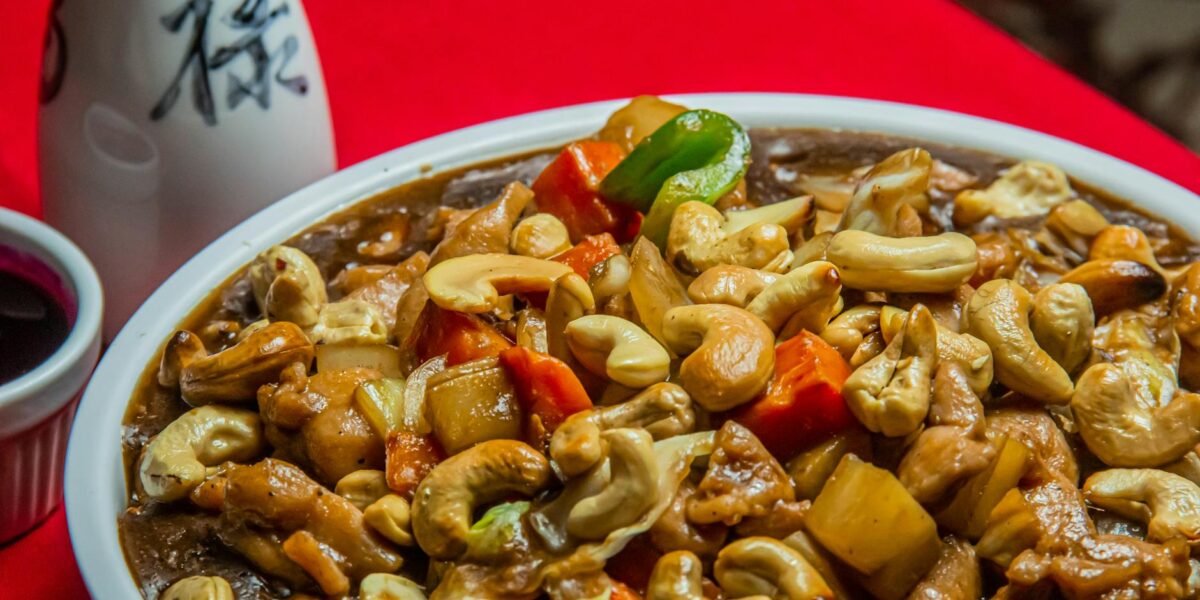
Cashew chicken is one of those rare dishes that manages to be both deeply satisfying and remarkably simple. With tender pieces of chicken coated in a savory-sweet sauce, tossed with crunchy roasted cashews and crisp vegetables, this stir-fry delivers restaurant-quality flavor in under 30 minutes. Whether you know it from American Chinese takeout menus or from the vibrant street stalls of Thailand, cashew chicken has earned its place as one of the most beloved Asian stir-fries worldwide.
This cashew chicken recipe gives you everything you need to make the dish at home — with results that taste better than takeout. We cover the classic Chinese-American version along with a Thai variation, plus tips for getting that glossy sauce, perfectly seared chicken, and golden cashews every single time. Once you master this recipe, it will become a weeknight staple in your kitchen.
What Is Cashew Chicken?
Cashew chicken (腰果鸡丁, yāo guǒ jī dīng) is a stir-fried dish featuring bite-sized pieces of chicken, roasted cashew nuts, and vegetables in a savory brown sauce. The dish is a cornerstone of Chinese-American cuisine, though variations exist across Thai, Malaysian, and Indian cooking traditions.
The origin story is fascinating. David Leong, a Chinese immigrant who settled in Springfield, Missouri, is widely credited with inventing the American version in 1963 at his restaurant Leong’s Tea House. He adapted traditional Chinese cooking to suit Midwestern palates, deep-frying chicken and serving it with a cashew-studded oyster sauce gravy. Springfield even declared itself the ”Cashew Chicken Capital of the World,” and the dish remains a point of local pride to this day.
The version most people know today — a quick stir-fry rather than deep-fried — evolved in Chinese-American restaurants through the 1970s and 1980s. Meanwhile, in Thailand, a similar dish called gai pad med mamuang (ไก่ผัดเม็ดมะม่วงหิมพานต์) developed independently, using Thai chili peppers, fish sauce, and oyster sauce for a spicier, more aromatic profile.
What makes cashew chicken so appealing is the interplay of textures and flavors: the buttery crunch of cashews against tender chicken, the glossy sauce coating everything in a balance of sweet, salty, and savory. It pairs beautifully with steamed rice and takes barely more effort than ordering delivery.
Ingredients for Cashew Chicken
One of the best things about this recipe is that most of the ingredients are pantry staples. Here is everything you need, broken down by component.
For the Chicken
- 1.5 pounds (680g) boneless, skinless chicken thighs, cut into 3/4-inch pieces
- 1 tablespoon soy sauce
- 1 tablespoon cornstarch
- 1 tablespoon Shaoxing wine (or dry sherry)
- 1/2 teaspoon white pepper
For the Sauce
- 3 tablespoons oyster sauce
- 2 tablespoons soy sauce
- 1 tablespoon hoisin sauce
- 1 tablespoon rice vinegar
- 2 teaspoons sugar
- 1 teaspoon toasted sesame oil
- 1 tablespoon cornstarch mixed with 2 tablespoons water (slurry)
- 1/4 cup chicken broth or water
For the Stir-Fry
- 3/4 cup raw or roasted cashews (about 100g)
- 3 tablespoons vegetable oil or peanut oil, divided
- 1 red bell pepper, cut into 3/4-inch pieces
- 1 green bell pepper, cut into 3/4-inch pieces
- 1 medium yellow onion, cut into 3/4-inch pieces
- 3 cloves garlic, minced
- 1-inch piece fresh ginger, minced
- 4 dried red chilies (optional)
- 3 scallions, cut into 1-inch pieces
Essential Equipment
You do not need specialized tools, but the right equipment makes a difference. A carbon steel wok is ideal for achieving high-heat searing and that coveted wok hei (breath of the wok) flavor. If you do not have a wok, a large 12-inch skillet works well — just avoid overcrowding the pan.
Other helpful items include a sharp knife and cutting board for prep, a small bowl for mixing the sauce, and a spatula or wok ladle for tossing. If you are using a new wok, be sure to season it before cooking.
Step-by-Step Cashew Chicken Recipe
Follow these steps for perfect cashew chicken every time. Total time: approximately 25 minutes (10 minutes prep, 15 minutes cooking). Serves 4.
Step 1: Marinate the Chicken
Cut the chicken thighs into bite-sized pieces, roughly 3/4 inch each. Consistent sizing ensures even cooking. In a medium bowl, toss the chicken pieces with 1 tablespoon soy sauce, 1 tablespoon cornstarch, 1 tablespoon Shaoxing wine, and 1/2 teaspoon white pepper. Mix well and let it sit for at least 10 minutes while you prep everything else. This brief marinade seasons the chicken and creates a thin coating that helps it sear rather than steam in the wok.
We use chicken thighs here rather than breasts because thighs stay juicier and more tender during high-heat stir-frying. If you prefer breast meat, consider velveting the chicken first to keep it silky.
Step 2: Mix the Sauce
In a small bowl, whisk together the oyster sauce, soy sauce, hoisin sauce, rice vinegar, sugar, sesame oil, and chicken broth. In a separate small dish, make the cornstarch slurry by mixing 1 tablespoon cornstarch with 2 tablespoons cold water. Set both aside. Having the sauce pre-mixed is essential for stir-frying — once the wok is hot, things move fast and you will not have time to measure ingredients.
Step 3: Toast the Cashews
If using raw cashews, heat your wok or a dry skillet over medium heat. Add the cashews and stir constantly for 3 to 4 minutes until they turn golden brown and fragrant. Watch them closely — cashews go from golden to burnt in seconds. Transfer immediately to a plate. If using pre-roasted cashews, skip this step.
Step 4: Sear the Chicken
Heat your wok over high heat until it just begins to smoke. Add 2 tablespoons of oil and swirl to coat. Add the marinated chicken in a single layer — do not stir for the first 60 seconds. This initial contact with the hot wok creates a golden sear. Then stir-fry for another 3 to 4 minutes until the chicken is cooked through and has some caramelized edges. Remove the chicken to a clean plate.
Cook in two batches if your wok is not large enough. Overcrowding drops the temperature and causes the chicken to steam rather than sear, resulting in a pale, rubbery texture instead of a crisp golden exterior.
Step 5: Stir-Fry the Vegetables
Return the wok to high heat and add the remaining 1 tablespoon of oil. Add the dried red chilies (if using) and let them sizzle for 10 seconds until fragrant. Add the onion and bell peppers and stir-fry for 2 minutes until they are crisp-tender with some charred edges. Push the vegetables to the sides of the wok and add the garlic and ginger to the center. Cook for 30 seconds until fragrant — do not let them burn.
Step 6: Combine and Sauce
Return the chicken to the wok and toss everything together. Pour the pre-mixed sauce over the chicken and vegetables. Stir-fry for 1 minute to coat everything evenly. Give the cornstarch slurry a quick stir (it settles) and pour it into the wok. Toss continuously for another 30 to 60 seconds until the sauce thickens and turns glossy, coating every piece with a beautiful sheen.
Step 7: Finish and Serve
Remove the wok from heat. Fold in the toasted cashews and scallions. You add these last so the cashews stay crunchy and the scallions retain their freshness. Transfer to a serving plate immediately.
Serve hot over steamed jasmine or long-grain rice. For a lower-carb option, try it over cauliflower rice or alongside stir-fried bok choy.
Tips for the Best Cashew Chicken
The difference between good and great cashew chicken comes down to technique. Here are the tips that will elevate your dish.
Use the hottest heat you can. High heat is non-negotiable for stir-frying. It creates the sear on the chicken and the slight char on the vegetables that gives the dish its distinctive flavor. If your wok is not screaming hot, the chicken will release moisture and boil in its own juices.
Dry the chicken before marinating. Pat the chicken pieces with paper towels before adding the marinade. Excess moisture is the enemy of a good sear.
Toast your own cashews. Pre-roasted cashews from a can work fine, but freshly toasted raw cashews have a deeper, nuttier flavor. The few minutes of extra effort pay off in the final dish.
Do not skip the cornstarch slurry. This is what gives the sauce its characteristic glossy, clingy consistency. Without it, the sauce will be thin and watery, sliding off the chicken rather than coating it.
Cut everything the same size. Uniformly cut chicken and vegetables cook at the same rate. Aim for roughly 3/4-inch pieces across all your ingredients.
Add cashews last. If you add cashews too early, they will absorb sauce and turn soggy. Tossing them in at the very end preserves their satisfying crunch.
Mise en place is everything. Have all your ingredients prepped, measured, and within arm’s reach before you turn on the stove. Stir-frying moves fast and there is no pause button.
Cashew Chicken Variations
Once you have the basic technique down, you can adapt this dish in dozens of ways. Here are the most popular variations.
Thai Cashew Chicken (Gai Pad Med Mamuang)
The Thai version is spicier and more aromatic. Replace the hoisin sauce with 1 tablespoon fish sauce and add 4 to 6 fresh Thai bird’s eye chilies (or dried roasted chilies). Include a handful of dried whole red chilies for color. Some versions add a tablespoon of Thai roasted chili paste (nam prik pao). Use Thai sweet soy sauce (see kiew) instead of regular sugar. Add a handful of fresh Thai basil leaves at the very end for an aromatic finish.
Springfield-Style Cashew Chicken
For the original Missouri version, deep-fry breaded chicken pieces instead of stir-frying. Cut boneless chicken into strips, dredge in a flour and cornstarch mixture seasoned with garlic powder, and deep-fry until golden. Serve on a bed of white rice, topped with oyster sauce gravy and a generous scattering of cashews and chopped scallions.
Healthy Cashew Chicken
For a lighter version, reduce the oil to 1 tablespoon and use an air fryer to cook the chicken at 400°F (200°C) for 8 minutes before adding it to the sauce. Swap the sugar for a teaspoon of honey. Load up on vegetables — add snow peas, broccoli florets, and water chestnuts. Use low-sodium soy sauce and cut the cornstarch slurry in half for a thinner sauce.
Vegetarian and Vegan Cashew ”Chicken”
Replace the chicken with extra-firm crispy tofu, pressed and cubed, or use a plant-based chicken substitute. Swap the oyster sauce for vegetarian mushroom oyster sauce (Lee Kum Kee makes a widely available version). Use vegetable broth instead of chicken broth. Everything else stays the same — the sauce and technique work beautifully with tofu.
Cashew Shrimp
Substitute 1 pound of large shrimp (peeled and deveined) for the chicken. Shrimp cooks much faster — just 1 to 2 minutes per side — so watch carefully. The same sauce and vegetables complement shrimp perfectly.
Understanding the Sauce
The sauce is what makes or breaks cashew chicken. Understanding each component helps you tweak the recipe to your taste.
| Ingredient | Role in Sauce | Substitution |
|---|---|---|
| Oyster sauce | Provides deep umami and savory sweetness; the backbone of the sauce | Oyster sauce substitute or mushroom sauce (vegetarian) |
| Soy sauce | Adds saltiness and color | Tamari or coconut aminos |
| Hoisin sauce | Contributes sweet, slightly tangy depth | Mix of soy sauce, peanut butter, and honey |
| Rice vinegar | Brightens the sauce with mild acidity | White wine vinegar or apple cider vinegar (use less) |
| Sugar | Balances saltiness; promotes caramelization | Honey, maple syrup, or brown sugar |
| Sesame oil | Adds nutty aroma as a finishing accent | No perfect substitute; omit if unavailable |
| Cornstarch slurry | Thickens sauce into a glossy, clingy coating | Arrowroot powder or tapioca starch |
The key to a well-balanced sauce is tasting and adjusting. Start with the ratios given, then add more soy sauce if you want saltier, more sugar for sweeter, or a splash of vinegar for brighter. The sauce should taste slightly intense on its own since it dilutes when tossed with the chicken and vegetables.
Nutritional Information
Here is the approximate nutritional breakdown per serving (recipe makes 4 servings). Values do not include rice.
| Nutrient | Per Serving | % Daily Value |
|---|---|---|
| Calories | 465 kcal | 23% |
| Total Fat | 26g | 33% |
| Saturated Fat | 4.5g | 23% |
| Cholesterol | 142mg | 47% |
| Sodium | 1,180mg | 51% |
| Total Carbohydrates | 20g | 7% |
| Dietary Fiber | 2g | 7% |
| Total Sugars | 8g | — |
| Protein | 39g | 78% |
| Vitamin C | 65mg | 72% |
| Iron | 3.2mg | 18% |
| Calcium | 45mg | 3% |
Cashew chicken is a solid source of protein and provides a good amount of vitamin C from the bell peppers. The cashews contribute healthy monounsaturated fats, magnesium, and copper. To reduce sodium, use low-sodium soy sauce and oyster sauce. To reduce fat, use fewer cashews and less oil.
How to Store and Reheat Cashew Chicken
Cashew chicken keeps well and makes excellent meal prep. Here is how to handle leftovers and batch cooking.
Refrigerator: Store leftovers in an airtight container for up to 3 to 4 days. The sauce may thicken as it cools — this is normal and will loosen up when reheated.
Freezer: Freeze in portioned containers for up to 2 months. For best results, freeze the cashew chicken without the cashews and add freshly toasted cashews when you reheat. This preserves their crunch. Thaw overnight in the refrigerator before reheating.
Reheating: The best method is a hot wok or skillet over high heat with a splash of water or broth to loosen the sauce — about 3 to 4 minutes of tossing until heated through. The microwave works in a pinch (2 minutes at 70% power, stirring halfway), but you will lose the seared texture. Avoid reheating more than once.
Meal Prep Tip: Cook a double batch of chicken and sauce on Sunday, portion into containers with rice, and store the cashews separately in a small bag. Add the cashews right before eating to keep them crunchy throughout the week.
What to Serve with Cashew Chicken
Cashew chicken is versatile enough to pair with many sides. Here are the best options.
Steamed jasmine rice is the classic pairing. The fragrant, slightly sticky rice absorbs the sauce beautifully. Long-grain white rice or brown rice also work well. Check our guide on how to cook rice perfectly for the best results.
Fried rice turns this into a truly indulgent meal. Use day-old rice for the best texture — our fried rice recipe is a great starting point.
Noodles are another excellent option. Toss with lo mein noodles or serve alongside chow mein for a noodle-forward dinner.
Steamed or stir-fried vegetables like bok choy, Chinese broccoli (gai lan), or steamed snow peas complement the richness of the dish without competing with the sauce.
Soup starter: Begin the meal with a light wonton soup or a simple egg drop soup to keep the Chinese takeout theme going.
The History and Cultural Significance of Cashew Chicken
The story of cashew chicken is really a story of immigration, adaptation, and culinary creativity. When David Leong arrived in Springfield, Missouri in the early 1940s, he found a community with little exposure to Chinese food. Rather than serving traditional Cantonese dishes that might not resonate with Midwestern tastes, he innovated. He combined the American love of fried chicken with Chinese saucing techniques and the cashew — a nut that was gaining popularity in the United States after World War II.
The result was something entirely new: deep-fried chicken pieces draped in oyster sauce gravy with a scattering of cashews, served over white rice. The dish was an immediate hit. By the 1970s, nearly every Chinese restaurant in Springfield had its own version, and the city became home to more cashew chicken restaurants per capita than anywhere else in the world.
Meanwhile, in Thailand, cashew chicken evolved along a completely different path. Thai cashew chicken uses stir-frying rather than deep-frying, incorporates chili peppers and fish sauce, and reflects the Thai culinary philosophy of balancing sweet, sour, salty, and spicy flavors in every dish. The Thai version likely developed independently, since cashew trees (Anacardium occidentale) were introduced to Southeast Asia by Portuguese traders in the 16th century and became a widely cultivated crop.
Today, cashew chicken represents a culinary bridge between East and West. It shows how immigrant cooks created new traditions by blending their heritage with local ingredients and preferences — a pattern that repeats across the story of Chinese-American cuisine and Asian cooking in general.
Common Mistakes to Avoid
Even simple recipes have pitfalls. Here are the most common mistakes that lead to disappointing cashew chicken and how to fix them.
Overcrowding the wok. This is the number one mistake in stir-frying. When too much chicken hits the wok at once, the temperature drops dramatically and the meat steams instead of searing. Cook in batches — it takes an extra few minutes but makes a massive difference in the final result.
Using cold chicken from the fridge. Let the marinated chicken sit at room temperature for 10 minutes before cooking. Cold chicken drops the wok temperature and takes longer to cook through, resulting in overcooked exteriors and undercooked centers.
Making the sauce too thick. Add the cornstarch slurry gradually. You can always add more, but you cannot thin an overly gloopy sauce without diluting the flavor. The sauce should coat the back of a spoon — not be paste-like.
Burning the garlic. Garlic goes from fragrant to bitter in about 10 seconds over high heat. Always add it after the vegetables have had a head start, and push it to the center of the wok where the heat is slightly lower.
Using salted cashews. Cocktail cashews are usually heavily salted, which throws off the seasoning of the dish. Use raw or unsalted roasted cashews and season the sauce properly instead.
Skipping the Shaoxing wine. The Shaoxing wine in the marinade is not optional — it tenderizes the chicken and adds a depth of flavor that you simply cannot replicate with other ingredients. If you absolutely cannot find it, dry sherry is the closest substitute.
Frequently Asked Questions
Can I use chicken breast instead of thighs?
Yes, but chicken breast dries out faster during stir-frying. To compensate, cut it into slightly smaller pieces and reduce the cooking time by about 1 minute. Better yet, velvet the breast meat by briefly blanching it in warm oil or water before stir-frying — this technique keeps breast meat silky and tender. See our guide on velveting chicken for detailed instructions.
What kind of cashews should I use?
Raw whole cashews are the best choice since you can toast them yourself for maximum flavor. Unsalted roasted cashews are a close second. Avoid salted, flavored, or honey-roasted varieties — they add unwanted sweetness and too much salt. Cashew pieces work fine if whole cashews are too expensive, though they toast faster so watch them carefully.
Is cashew chicken gluten-free?
Not as written, since soy sauce and oyster sauce contain wheat. To make it gluten-free, use tamari (gluten-free soy sauce) and a gluten-free oyster sauce or mushroom sauce. Check the hoisin sauce label as well — many brands contain wheat. Cornstarch is naturally gluten-free, so the slurry is fine.
Can I make cashew chicken ahead of time?
You can prep all the ingredients ahead — marinate the chicken, mix the sauce, toast the cashews, and cut the vegetables — then store everything separately in the refrigerator. When ready to eat, the actual cooking takes only about 10 minutes. For full make-ahead meals, cook the dish completely but store the cashews separately to maintain their crunch.
How do I make it spicier?
Add more dried red chilies, a teaspoon of chili flakes, or a tablespoon of sambal oelek to the sauce. For a Sichuan-inspired version, add a teaspoon of ground Sichuan peppercorn along with the chilies for both heat and numbing tingle. Chili oil drizzled on top at serving is another excellent option.
What is the difference between cashew chicken and kung pao chicken?
Both are Chinese stir-fries with nuts, but they are quite different. Kung pao chicken uses peanuts (not cashews), features a spicy and slightly sweet-sour Sichuan sauce with doubanjiang (chili bean paste), dried chilies, and Sichuan peppercorn. Cashew chicken has a milder, more savory sauce built on oyster sauce and hoisin. Kung pao is authentically Sichuan; cashew chicken is Chinese-American.
Can I use a different nut?
Absolutely. Peanuts, almonds, macadamia nuts, and walnuts all work. Peanuts are the most common substitute and give you a dish closer to kung pao chicken. Macadamia nuts add a buttery richness similar to cashews but at a higher price point. Almonds provide more crunch and a slightly different flavor profile. Toast any substitute nut before adding.
Why is my sauce not glossy?
The glossy finish comes from the cornstarch slurry activating at high heat. Make sure you stir the slurry immediately before adding it (cornstarch settles fast), and keep the wok over high heat while tossing. The sauce needs to reach a full boil to activate the cornstarch properly. If it is still not glossy, add a bit more slurry — mix another teaspoon of cornstarch with a tablespoon of water and add it in.
More Chinese Stir-Fry Recipes to Try
If you enjoy cashew chicken, explore more of our Chinese stir-fry recipes for weeknight dinners.
- Kung Pao Chicken — the classic spicy Sichuan stir-fry with peanuts
- Mongolian Beef — sweet and savory beef in a rich soy-based sauce
- General Tso’s Chicken — crispy, saucy, and sweet with a hint of heat
- Orange Chicken — tangy citrus glaze over crispy chicken
- Sweet and Sour Chicken — the takeout classic with pineapple and peppers
- Beef Stir Fry — a quick 20-minute weeknight dinner
- Shrimp Stir Fry — ready in just 10 minutes
- Mapo Tofu — the iconic Sichuan tofu dish

Mei Lin Chen
Mei Lin Chen is an Asian food writer and recipe developer. Melbourne-raised and London-based, she has spent over a decade exploring the rice paddies, hawker stalls, and home kitchens of South-East and East Asia. Her recipes balance traditional technique with everyday practicality.