Last updated: March 02, 2026
Burmese food is one of Southeast Asia’s best-kept culinary secrets. Sitting at the crossroads of India, China, and Thailand, Myanmar’s cuisine borrows freely from its neighbors while maintaining a flavor identity entirely its own — earthy, fermented, herbaceous, and deeply layered with texture. From the crispy shallot-topped noodles of Mandalay to the tangy salads of Yangon’s tea shops, Burmese cooking rewards the curious eater with dishes unlike anything else in Asia.
If you love Thai food, Vietnamese cooking, or Indian dal, Burmese cuisine will feel both familiar and thrillingly new. This guide covers everything you need to know: the history, the regional styles, the essential ingredients, the must-try dishes, and how to start cooking Burmese food at home.
What Is Burmese Food?
Burmese food refers to the traditional cuisine of Myanmar (formerly Burma), a Southeast Asian nation of over 55 million people and more than 130 distinct ethnic groups. The cuisine is shaped by geography — the Irrawaddy Delta’s rice paddies, the coastal fisheries along the Bay of Bengal, and the mountainous Shan highlands — as well as centuries of trade with India, China, and the rest of Southeast Asia.
At its core, Burmese cooking centers on rice (htamin), served alongside a spread of curries (hin), fermented condiments, raw and blanched vegetables, and intensely flavored salads (thoke). A typical Burmese meal isn’t a single dish — it is a table full of contrasting flavors and textures meant to be mixed and matched with each bite of rice.
What makes Burmese food distinctive is its reliance on fermented ingredients — fish sauce, fermented shrimp paste (ngapi), fermented tea leaves, and pickled bamboo shoots — combined with generous amounts of fresh herbs, crispy fried shallots, roasted chickpea flour (besan), and toasted sesame. The result is a cuisine that is simultaneously bold and nuanced, with layers of umami that rival Japanese and Korean cooking.
A Brief History of Burmese Cuisine
Myanmar’s culinary history stretches back thousands of years. The Pyu city-states (circa 200 BCE–1050 CE) established rice cultivation in the Irrawaddy Valley, laying the agricultural foundation for Burmese cooking. When the Bagan Empire (849–1297 CE) unified much of present-day Myanmar, trade routes connected the region to India and China, bringing new spices, cooking techniques, and ingredients.
Indian influence arrived primarily through maritime trade and migration. Merchants and settlers brought curry spices — turmeric, cumin, coriander — along with flatbreads, lentil dishes, and the concept of oil-rich curries. This is why Burmese curries often resemble Indian preparations more than Thai ones, though they use far fewer spices and rely heavily on onion, garlic, ginger, and turmeric rather than complex spice blends.
Chinese influence is most visible in Myanmar’s noodle culture. Shan noodles, mohinga’s rice vermicelli, and various stir-fried noodle dishes all show Chinese culinary DNA. The Shan people of northeastern Myanmar, who share ethnic and cultural ties with the Thai and Lao, brought their own traditions of fermented soybeans, rice noodles, and lighter broths.
British colonial rule (1824–1948) introduced new ingredients and eating habits. Tea culture deepened (Myanmar is one of the world’s largest tea consumers), and the colonial period accelerated Indian migration, further enriching the food landscape. Today’s Burmese tea shop culture — where people gather for sweet milk tea, samosas, and naan — is a direct legacy of this era.
Since independence, Burmese cuisine has continued to evolve while maintaining its core identity. Street food culture has flourished in cities like Yangon and Mandalay, and dishes like mohinga (fish noodle soup) and lahpet thoke (tea leaf salad) have become powerful symbols of national identity.
Regional Styles of Burmese Cooking
Myanmar’s ethnic and geographic diversity means that ”Burmese food” is not a monolith. Here are the major regional styles you should know.
Bamar (Lowland Myanmar)
The Bamar majority’s cuisine is what most people mean by ”Burmese food.” It centers on rice served with multiple side dishes: an oil-based curry (hin), a sour soup (chinye hin), raw or blanched vegetables, a fermented paste or sauce, and a crunchy salad or condiment. Bamar cooking uses generous amounts of cooking oil in curries — the oil layer on top of a properly made hin is considered a sign of quality, not excess. Key flavoring agents include turmeric, ngapi (shrimp paste), onion, garlic, and ginger.
Shan State
Shan cuisine is lighter, more herbaceous, and less oily than Bamar cooking. Rice noodles are central, served in delicate broths or tossed with tomato-based sauces and topped with fermented soybean paste. Shan tofu — made from chickpea flour rather than soybeans — is a signature ingredient. The cuisine features more fresh vegetables, sticky rice (reflecting ties to Thai and Lao food culture), and subtle, balanced flavors.
Rakhine (Coastal)
Rakhine cuisine, from Myanmar’s western coast, leans heavily on seafood and is known for being the spiciest regional style. Dried fish, fish sauce, and ngapi are used lavishly. Rakhine monti (rice noodles with spicy fish sauce) is a beloved dish that showcases the region’s love of heat and fermented flavors.
Kachin State
In the mountainous far north, Kachin cuisine is bold, herbal, and often fiery. It makes extensive use of wild herbs, bamboo shoots, and shatap (a paste of charred green chili, coriander, and garlic). Meats are often grilled, smoked, or stewed, and meals frequently include steamed sticky rice.
Mon State
The Mon people, one of Myanmar’s oldest ethnic groups, have a cuisine that emphasizes fresh herbs, coconut, and delicate flavors. Mon dishes often feature coconut cream-enriched curries and fresh vegetable sides. Their culinary traditions have significantly influenced mainstream Bamar cooking.
Essential Burmese Ingredients
Stocking a Burmese pantry doesn’t require dozens of exotic items. Many essential ingredients overlap with other Asian cuisines you may already cook. Here is what you need to get started.
| Ingredient | Burmese Name | Role in Cooking | Substitutes |
|---|---|---|---|
| Shrimp paste (fermented) | Ngapi | Base flavor for curries, dips, and relishes; Myanmar’s most essential seasoning | Belacan or Thai kapi |
| Fish sauce | Ngan bya yay | Seasoning for soups, salads, and dipping sauces | Any Southeast Asian fish sauce |
| Turmeric (fresh or ground) | Hsa nwin | Colors and flavors nearly every curry; used far more than in Thai cooking | Ground turmeric (1 tsp = 1 inch fresh) |
| Chickpea flour (besan) | Besan | Thickener for soups (mohinga), base for Shan tofu, topping for salads | No perfect substitute; gram flour is identical |
| Fermented tea leaves | Lahpet | Star ingredient in lahpet thoke (tea leaf salad), Myanmar’s national snack | None — unique to Myanmar |
| Dried shrimp | Bazun chauk | Adds umami crunch to salads and toppings | Any Asian dried shrimp |
| Fried shallots / shallot oil | Kyet thun ni kyaw | Garnish and flavoring for nearly every dish | Fried onions (less fragrant) |
| Rice (long-grain) | Htamin | The center of every meal; Burmese prefer fragrant long-grain varieties | Jasmine rice |
| Rice noodles (thin vermicelli) | Mohnt | Base for mohinga, Shan noodles, and many street foods | Any thin rice noodle |
| Peanuts (roasted) | Myay bae | Crushed into salads and sprinkled over curries for crunch | No substitution needed — widely available |
| Lemongrass | Zabalin | Aromatic in curries and soups | Lemongrass paste (1 tbsp = 1 stalk) |
| Paprika or mild chili powder | Ni yout thee hmont | Adds color to oil-based curries without excessive heat | Kashmiri chili powder |
Most of these ingredients are available at Asian grocery stores or online. If you already cook Thai or Malaysian food, you likely have half this pantry already.
12 Must-Try Burmese Dishes
These are the dishes that define Burmese cuisine — from the national breakfast to the beloved tea leaf salad that has made waves in restaurants across the United States.
1. Mohinga (Fish Noodle Soup)
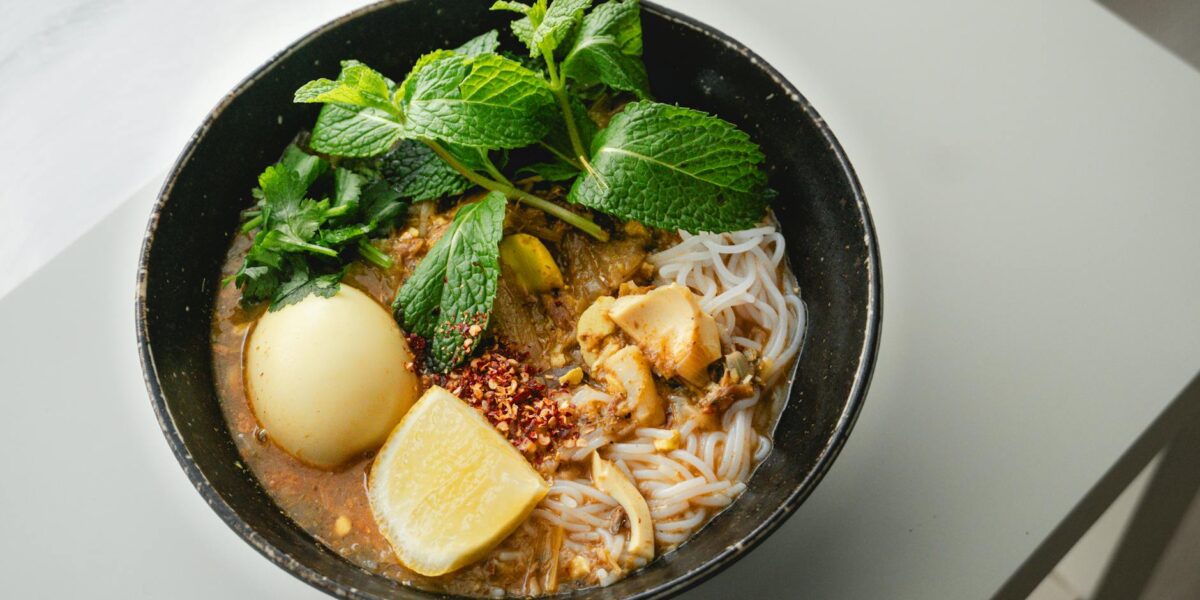
Mohinga is Myanmar’s national dish and the country’s most popular breakfast. It is a rich, silky soup made from catfish simmered with lemongrass, ginger, garlic, onion, and turmeric, thickened with toasted chickpea flour and sliced banana stem. The broth is ladled over thin rice noodles and topped with crispy fritters (akyaw), boiled eggs, fresh cilantro, and a squeeze of lime. Every region of Myanmar has its own mohinga variation — some lighter, some thicker, some spicier — but the comforting, umami-rich base remains constant.
2. Lahpet Thoke (Tea Leaf Salad)
Lahpet thoke is arguably Myanmar’s most famous dish internationally. Fermented tea leaves are tossed with shredded cabbage, tomatoes, roasted peanuts, toasted sesame seeds, fried garlic, dried shrimp, and crispy fried beans, then dressed with fish sauce, lime juice, and a touch of chili. The combination of bitter, sour, salty, nutty, and crunchy is utterly addictive. In Myanmar, lahpet thoke is served as a snack, a palate cleanser, or a gesture of hospitality. It is the dish that embodies the Burmese love of contrasting textures in a single bite.
3. Ohn No Khao Swè (Coconut Chicken Noodles)
This coconut curry noodle soup is Myanmar’s answer to laksa and khao soi. Egg noodles are bathed in a rich coconut milk broth flavored with turmeric, onion, garlic, ginger, chickpea flour, and fish sauce, then topped with chicken, crispy fried noodles, sliced onion, hard-boiled egg, lime, and chili flakes. It is comfort food at its finest — rich, warming, and endlessly customizable with condiments.
4. Shan Noodles (Shan Khao Swè)
A signature dish from Shan State, these rice noodles come in two forms: in broth or dry-tossed. The dry version features rice noodles mixed with a savory-tangy tomato-based sauce made with pork or chicken, topped with pickled mustard greens, crushed peanuts, and a drizzle of chili oil. The soup version presents the noodles in a clear, light chicken broth. Both are elegant, clean-flavored, and utterly different from the rich curries of lowland Myanmar.
5. Burmese Curry (Hin)
Burmese curries are unique in the Asian curry world. Unlike Thai curries (which use coconut milk and curry paste) or Indian curries (which layer complex spice blends), Burmese hin relies on slow-cooked onions, garlic, ginger, turmeric, paprika, and a generous amount of oil. The onion paste is cooked until it breaks down completely, and the oil rises to the surface — a technique called see byan (”oil returns”). The result is a deeply savory, meltingly tender dish with a characteristic oil layer on top. Chicken, pork, mutton, and fish are the most common proteins.
6. A Thoke (Burmese Salads)
Burmese salad culture is extraordinary. Nearly anything can become a thoke (salad) — rice, noodles, potatoes, ginger, pennywort, mango, long beans, even dried shrimp. The technique is consistent: toss the main ingredient with lime juice, fish sauce, peanut oil, crispy fried garlic, onion, roasted chickpea flour, and chili. The genius lies in the textural contrast — crunchy peanuts, soft noodles, crispy shallots — all unified by a punchy dressing. Ginger salad (gin thoke) and samosa salad (samosa thoke) are particularly popular.
7. Nan Gyi Thoke (Thick Rice Noodle Salad)
This dish bridges the line between salad and noodle bowl. Thick, round rice noodles are tossed with a chicken curry sauce (similar to a dry hin), chickpea flour, sliced onion, cilantro, lime, chili flakes, and crispy fried shallots. It is served at room temperature and is one of Myanmar’s favorite celebration and festival foods. Think of it as Burmese pasta salad.
8. Kyay Oh (Burmese Glass Noodle Soup)
A comforting street food staple, kyay oh features glass noodles in a savory pork or chicken broth with meatballs, quail eggs, fried wontons, and fresh cilantro. It is lighter than mohinga and functions as Myanmar’s go-to comfort soup when you want something gentle yet satisfying. If you enjoy wonton soup, kyay oh will feel like a natural next step.
9. Htamin Jin (Rice Balls with Fish)
Htamin jin are round rice balls mixed with turmeric-tinted fish (or potato for the vegetarian version), shaped by hand and served with fried chili oil, raw onions, and fresh herbs. They are a common sight at festivals, monasteries, and roadside stalls. The name translates roughly to ”oily rice,” and these portable snacks showcase the Burmese genius for making rice the star of a dish.
10. Samosa Thoke (Samosa Salad)
Myanmar adopted the samosa from Indian culinary traditions and then did something unexpected — turned it into a salad. Crispy fried samosas are broken apart and tossed with shredded onion, cilantro, lime juice, chili, and chickpea flour. The crunch of the fried pastry against the tangy, spicy dressing makes this a quintessential Burmese tea shop snack. It perfectly illustrates how Myanmar absorbs foreign foods and transforms them into something distinctly Burmese.
11. Balachaung (Fried Chili Shrimp Relish)
Balachaung is a dry condiment made from fried dried shrimp, garlic, chili flakes, and shrimp paste — pounded or blended and then fried until crunchy. It sits on every Burmese table and is eaten in small amounts alongside rice to add a burst of salty, spicy, umami flavor. Think of it as Myanmar’s equivalent of chili crisp, and just as addictive.
12. Mont Lin Ma Yar (Stuffed Rice Pancakes)
These bite-sized rice flour pancakes are cooked in a special pan (similar to a takoyaki pan), filled with scallions, boiled quail egg, and crispy bean bits. They are a beloved Burmese street food — crispy on the outside, soft inside, and eaten with a tangy dipping sauce. The name translates to ”husband and wife snack,” because each finished piece is made by joining two halves together.
Burmese Cooking Techniques
While Burmese cooking doesn’t require specialized equipment (a wok, pot, and mortar work fine), several techniques are central to getting authentic flavors.
See Byan (Oil Return Method)
The foundation of Burmese curry. A paste of onion, garlic, ginger, and turmeric is cooked in a generous amount of oil over medium heat. The goal is to cook the paste until the oil separates and rises to the surface — this can take 20 to 40 minutes. This slow-cooked base creates deep flavor and acts as a preservative, allowing curries to be kept at room temperature throughout the day (essential in Myanmar’s tropical climate). If you are comfortable with wok cooking, see byan requires the opposite instinct: low and slow instead of hot and fast.
Thoke (Salad Tossing)
Burmese salad making is a hands-on process. Ingredients are tossed by hand — literally. The cook uses their fingers to massage the lime juice, fish sauce, and oil into the ingredients, ensuring every piece is evenly coated. This is not just tradition; the hand-tossing warms the oil slightly and distributes flavors more evenly than using tongs or spoons.
Toasting and Frying Chickpea Flour
Chickpea flour (besan) is dry-toasted in a pan until golden and nutty, then used as a thickener in mohinga, a binder in Shan tofu, and a crunchy topping on salads. It is one of the ingredients that gives Burmese food its distinctive nutty, earthy character — something not found in neighboring Thai or Vietnamese cuisines.
Crispy Shallots and Shallot Oil
Thinly sliced shallots are fried in oil until deeply golden and crisp. Both the crunchy shallots and the fragrant oil they leave behind are essential Burmese ingredients. The oil is used for cooking and dressing salads, while the crispy shallots are scattered over virtually everything. Making a batch of shallot oil is the single best first step for anyone starting to cook Burmese food at home.
Burmese Food vs. Neighboring Cuisines: A Comparison
Understanding how Burmese food relates to its neighbors helps illustrate what makes it unique. Here is a side-by-side comparison.
| Feature | Burmese | Thai | Indian | Chinese (Yunnan) |
|---|---|---|---|---|
| Primary starch | Long-grain rice, rice noodles | Jasmine rice, rice noodles | Basmati rice, flatbreads | Rice, wheat noodles |
| Curry style | Oil-based, onion-heavy, mild spice | Coconut milk, curry paste, aromatic | Complex spice blends, varied bases | Brothy, herb-forward |
| Key fermented ingredient | Ngapi (shrimp paste), fermented tea | Kapi, fish sauce | Pickles (achar), yogurt | Fermented soybeans |
| Heat level | Mild to moderate (except Rakhine) | Moderate to high | Varies widely by region | Mild to moderate |
| Salad culture | Extensive — thoke with everything | Som tam, yam | Raita, kachumber | Minimal |
| Oil usage in curries | Very generous (see byan method) | Moderate | Moderate to generous | Light |
| Signature technique | Oil return (see byan) | Wok stir-fry, pounding paste | Tempering (tadka) | Stir-fry, steaming |
| Tea culture | Central — tea shops are social hubs | Present but less central | Central — chai culture | Central — Pu’er, green tea |
| Chickpea flour use | Extensive (thickener, tofu, topping) | Rare | Common (besan in pakoras, etc.) | Rare |
| Meal structure | Rice + multiple small dishes | Shared dishes, rice center | Thali (rice/bread + sides) | Shared dishes, rice or noodles |
The takeaway: Burmese cuisine occupies a fascinating middle ground. Its curries have Indian DNA but simpler spicing. Its noodle dishes echo Chinese traditions but use rice noodles and fermented toppings. Its salads rival Thai som tam in creativity but use a completely different flavor base. This is a cuisine that synthesizes its influences into something genuinely its own.
Burmese Meal Planning: How to Eat Like a Local
Understanding Burmese meal structure is key to cooking and eating authentically. Here is how meals work in Myanmar.
Breakfast
Breakfast in Myanmar is a substantial affair. Mohinga is the classic choice, eaten at street stalls and home kitchens alike. Other popular breakfasts include ohn no khao swè (coconut chicken noodles), naan with dal or curried chickpeas, and e kya kway (fried dough sticks, similar to Chinese youtiao) dipped in coffee or tea. Burmese tea shop culture is integral to the morning routine — sweet milk tea, samosas, and conversation are as important as the food itself.
Lunch and Dinner
The structure for both meals is similar: a large plate of rice surrounded by an array of small dishes. A typical spread includes one or two curries (meat or fish), a soup (often sour to balance the richness of the curry), a plate of fresh and blanched vegetables, a ngapi-based dip or relish (like balachaung), and a salad or two. Everything is served at once, and diners take small amounts of each dish with their rice, adjusting the flavor balance bite by bite.
Snacks and Tea Time
Burmese tea shops serve as the social backbone of daily life. Between meals, people gather for lahpet thoke, samosa thoke, mont lin ma yar (stuffed rice pancakes), and sweets like htoe mont (jaggery sticky rice cake). Tea shop culture is informal, communal, and deeply embedded in Burmese identity.
Planning a Burmese Dinner at Home
For your first Burmese dinner, start simple with this menu:
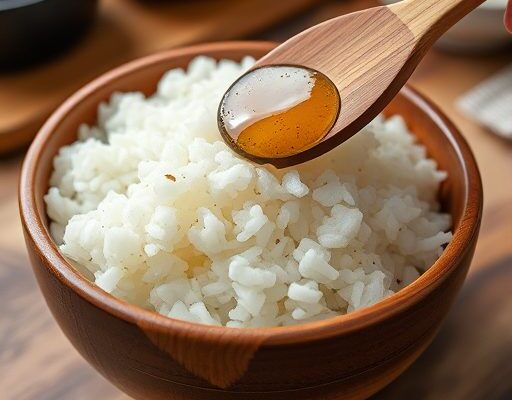
- Rice: Cook long-grain jasmine rice (here’s our guide to cooking rice perfectly)
- Main curry: A chicken or pork hin using the see byan method
- Soup: A simple sour soup with tomato, tamarind, or roselle leaves
- Salad: Lahpet thoke (tea leaf salad) or a ginger salad (gin thoke)
- Condiment: Balachaung or a simple ngapi dip
- Vegetables: Blanched morning glory or water spinach with a squeeze of lime
This spread feeds four to six people comfortably and gives the full Burmese meal experience. As you gain confidence, add more dishes to the spread — the beauty of Burmese dining is that more variety means more flavor combinations at the table.
Where to Find Burmese Ingredients
The good news: most Burmese ingredients are already common in Southeast Asian and Indian cooking. Fish sauce, shrimp paste, turmeric, rice noodles, and chickpea flour are available at any well-stocked Asian grocery store. For specialty items like fermented tea leaves (lahpet), look for Burmese or Myanmar-specific brands at Southeast Asian grocers or online retailers.
Key pantry items to order if your local store doesn’t stock them:
- Fermented tea leaves (lahpet): Available in jars or vacuum-sealed packs from Burmese brands
- Shan-style fermented soybean paste: Look for ”tua nao” or Shan soybean discs at Southeast Asian markets
- Burmese ngapi: If unavailable, Malaysian belacan or Thai kapi are close substitutes
- Pickled mustard greens: Common in Chinese and Southeast Asian grocery stores
Burmese Food for Special Diets
Burmese cuisine is surprisingly accommodating for various dietary needs.
Gluten-free: The majority of Burmese cooking is naturally gluten-free. Rice and rice noodles are the primary starches, and chickpea flour replaces wheat flour in most applications. Avoid noodle dishes that use egg or wheat noodles (like some ohn no khao swè variations) and check that soy sauce used is gluten-free.
Vegetarian and vegan: Myanmar’s large Buddhist population means vegetarian cooking has deep roots. Shan tofu (made from chickpeas, not soybeans) is a fantastic protein source. Many thoke (salads) are easily made without meat. Replace fish sauce with soy sauce and omit ngapi for a vegan version, or use mushroom-based substitutes. Burmese monastery food (often prepared for monks and donation days) is entirely vegetarian and can serve as inspiration.
Nut-free: Peanuts are widely used in Burmese cooking, but they are almost always used as a topping rather than cooked into dishes. They can typically be omitted without changing the dish’s fundamental character. Substitute toasted sesame seeds for extra crunch.
The Rise of Burmese Food in America
Burmese restaurants have been gaining visibility in the United States, particularly in cities with significant Myanmar diaspora communities like Los Angeles, the San Francisco Bay Area, New York, and Indianapolis. Restaurants like Burma Superstar in San Francisco and Rangoon in Philadelphia have introduced American diners to tea leaf salad, mohinga, and coconut noodles — dishes that tend to win over anyone who tries them.
The trend is accelerating. As American diners grow more familiar with Thai, Vietnamese, and Korean food, Burmese cuisine represents the next frontier — familiar enough to be approachable but different enough to feel genuinely new. The fermented flavors, the textural salads, and the comforting noodle soups all appeal to the American palate’s growing appetite for bold, umami-rich food.
Cookbook authors like MiMi Aye (Mandalay: Recipes and Tales from a Burmese Kitchen) and Desmond Tan and Kate Leahy (Burma Superstar) have helped bring Burmese recipes to home cooks. Online food media has also played a role, with tea leaf salad and mohinga regularly appearing in ”dishes to try” roundups.
Frequently Asked Questions About Burmese Food
What does Burmese food taste like?
Burmese food is characterized by deep umami from fermented shrimp paste and fish sauce, earthiness from turmeric and chickpea flour, brightness from lime and fresh herbs, and rich layers of texture from crispy fried shallots, roasted peanuts, and crunchy beans. Compared to Thai food, it is generally less sweet and less spicy. Compared to Indian food, it uses far fewer spices but more fermented ingredients. The overall impression is savory, balanced, and deeply satisfying.
Is Burmese food spicy?
Most mainstream Burmese food is mild to moderately spicy. The cuisine uses chili as a seasoning rather than a defining element — paprika is often preferred over hot chilies for its color. However, Rakhine cuisine from Myanmar’s western coast can be quite fiery, and most dishes can be made spicier with chili oil or fresh bird’s eye chilies served on the side.
What is the national dish of Myanmar?
Mohinga — a fish-based noodle soup served over rice vermicelli — is widely considered Myanmar’s national dish. It is eaten for breakfast across the country and is deeply tied to Burmese cultural identity. Lahpet thoke (tea leaf salad) is the other strong contender for this title.
Is Burmese food similar to Thai food?
There are overlapping ingredients — fish sauce, lemongrass, rice — but the cuisines are quite different in practice. Thai food emphasizes the balance of sweet, sour, salty, and spicy in each dish, while Burmese food builds flavor through fermentation, slow-cooked onion bases, and textural contrast. Burmese curries are oil-based rather than coconut-based, and the salad traditions are entirely distinct.
Can I make Burmese food at home easily?
Yes. Most Burmese dishes use straightforward techniques — no seasoned wok required, no elaborate spice grinding, no deep-frying skills beyond basic shallots. If you can make a basic curry and toss a salad, you can cook Burmese food. The see byan (oil return) curry method takes patience but not skill, and salads like lahpet thoke and gin thoke are essentially assembly projects. Start with a salad and a simple curry, and expand from there.
What is ngapi and can I substitute it?
Ngapi is Burmese fermented shrimp paste — similar to Malaysian belacan or Thai kapi, though typically softer and more pungent. It is the backbone of Burmese seasoning, adding deep umami to curries, dips, and relishes. If you cannot find Burmese ngapi, use belacan or kapi as a substitute. The flavor won’t be identical, but it will be close enough to make an authentic-tasting dish.
Where can I buy fermented tea leaves?
Fermented tea leaves (lahpet) are available at Southeast Asian grocery stores, particularly those serving Burmese communities. They are also sold online through specialty retailers. Look for vacuum-sealed packs or jars labeled ”laphet,” ”lahpet,” or ”pickled tea leaves.” Some brands sell ready-mixed lahpet thoke kits that include the tea leaves and all the crunchy toppings.
Is Burmese food healthy?
Burmese food can be very healthy. The salad tradition means plenty of raw vegetables, fresh herbs, and lean protein. Rice and rice noodles are naturally gluten-free. However, Burmese curries do use generous amounts of oil, and fried garnishes like shallots and fritters add calories. As with any cuisine, balance is key — pair a rich curry with lighter salads and plenty of vegetables for a well-rounded meal.
Start Your Burmese Food Journey
Burmese cuisine is one of Asia’s most rewarding culinary traditions to explore — accessible enough for beginners, deep enough for seasoned cooks, and distinctive enough to surprise anyone who thinks they have tried everything Southeast Asia has to offer. The fermented flavors, the textural salads, the warming curries, and the vibrant tea shop culture all add up to a cuisine that deserves far more attention than it gets.
Start by stocking your pantry with the essentials — turmeric, chickpea flour, fish sauce, and shallot oil. Make a batch of lahpet thoke or a simple chicken hin. Explore the noodle soups and the addictive salads. And if you have the chance to visit a Burmese restaurant, order broadly and share everything — that is the Burmese way.
For more Southeast Asian inspiration, explore our guides to Thai recipes, Vietnamese cooking, Malaysian cuisine, Indonesian food, and Filipino dishes. And check out our guides to key ingredients like fish sauce, shrimp paste, rice noodles, and tamarind paste to build your Asian pantry.

Mei Lin Chen
Mei Lin Chen is an Asian food writer and recipe developer. Melbourne-raised and London-based, she has spent over a decade exploring the rice paddies, hawker stalls, and home kitchens of South-East and East Asia. Her recipes balance traditional technique with everyday practicality.